You cut carbs, buy eggs by the dozen, and suddenly eye bananas like they come with loan payments. Yet the scale barely moves. What gives?
Many keto beginners reach nutritional ketosis but never settle into the routine that keeps ketone production steady. That gap often brings frustration, snack attacks, and dramatic declarations that “keto just doesn’t work for me.”
The hyper ketosis diet tries to close that gap. It uses stricter carbohydrate limits, sensible protein intake, meal timing, hydration, sleep, and honest tracking to help your body draw more fuel from fat and ketones.
Before you chase huge ketone numbers, remember this: more ketones do not automatically mean more fat loss. Your habits, calorie intake, activity, medical history, and consistency still shape the outcome. That may sound dull, but it works.
What does “hyper ketosis” mean?

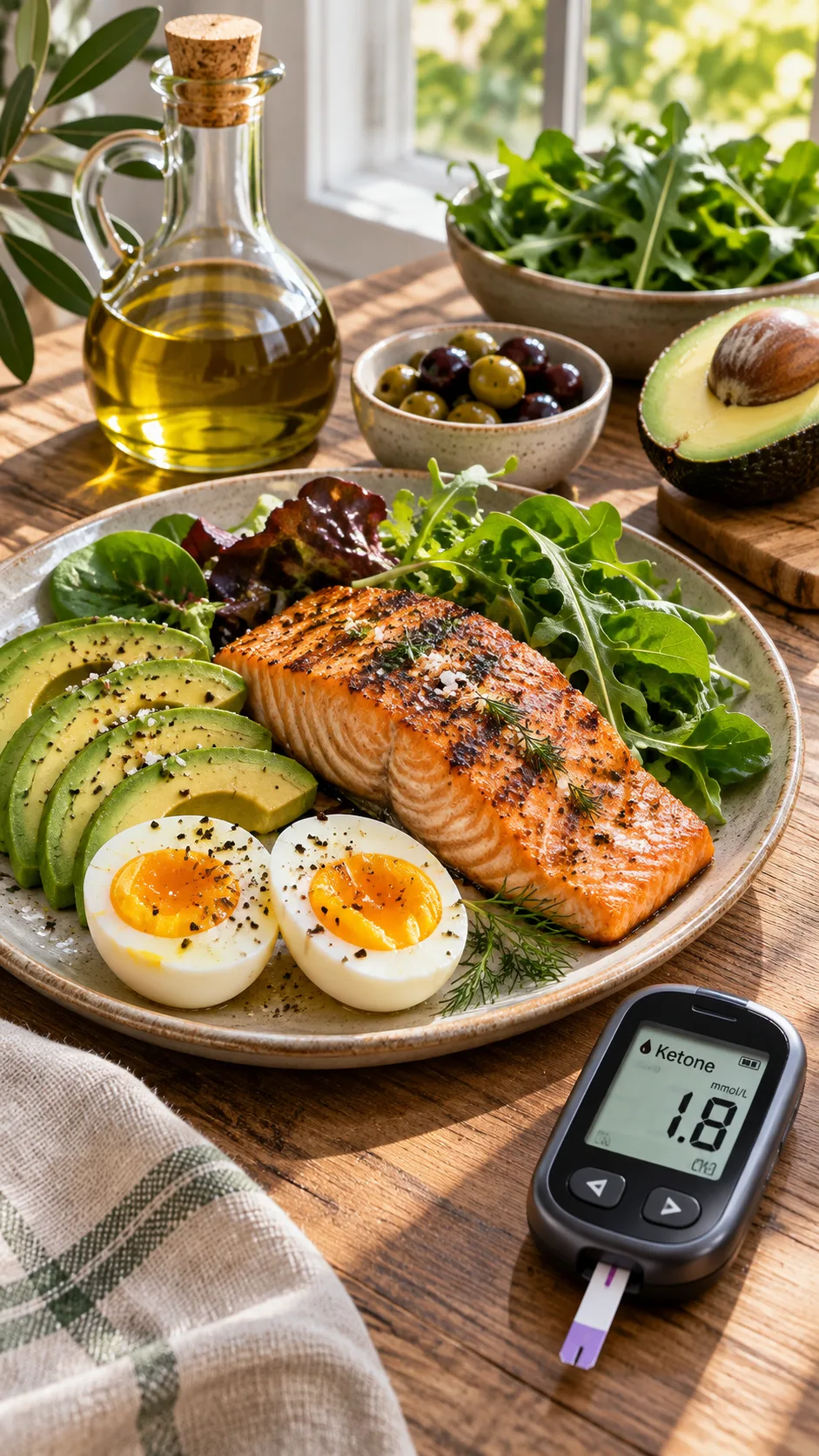
“Hyper ketosis” does not name a formal medical diagnosis or official diet category. People use the phrase for a stricter form of keto that aims for higher, steadier nutritional ketosis.
Your liver makes ketones when you cut carbohydrate intake low enough and your body needs another fuel source. Most keto plans limit net carbohydrates to about 20 to 50 grams a day, though each person tolerates carbs differently. Your metabolism has its own opinions, much like a group chat.
Nutrition researchers often define nutritional ketosis by blood beta-hydroxybutyrate, or BHB, levels of roughly 0.5 to 3.0 mmol/L. You can learn more about ketogenic diet research through the National Library of Medicine’s research review on ketogenic diets.
Nutritional ketosis versus ketoacidosis
Do not confuse nutritional ketosis with diabetic ketoacidosis, or DKA. Nutritional ketosis occurs when your body makes ketones within a controlled metabolic state, usually while blood sugar stays in its normal range.
DKA drives ketones and blood sugar to dangerous levels and demands urgent medical care. People with type 1 diabetes, people who use insulin, and people who take SGLT2 inhibitors need medical advice before trying keto or fasting.
The American Diabetes Association explains diabetic ketoacidosis symptoms and risks. If you feel nauseated, confused, severely thirsty, unusually weak, or short of breath, get medical help instead of trying to push through “keto flu.”
Why standard keto can feel slow
Traditional keto gives you a useful framework: cut carbs, eat enough protein, and use fat for fullness. But many beginners turn keto into a cheese and bacon scavenger hunt. They can eat plenty of calories without seeing the results they expected.
A hyper ketosis approach asks more pointed questions. Do you know how many carbs you eat? Do sauces, drinks, nuts, keto treats, and weekend meals quietly wipe out your weekly calorie deficit?
Many people underestimate carbs because food labels use serving sizes that belong in a comedy sketch. One small serving of nut butter can become four spoonfuls before you notice.
Common keto mistakes that stall progress
- Carb creep: You add berries, sauces, milk, snacks, and low carb baked goods until your total climbs too high.
- Too much dietary fat: You add butter, cream, oils, and fat bombs when your body already has fat available for fuel.
- Too little protein: You fear protein because of the old panic that protein will knock you out of ketosis.
- Low electrolytes: You cut processed foods, lose water, sodium, potassium, and magnesium, then fail to replace them.
- Random weekends: You follow keto Monday through Friday, then turn Saturday into a carb festival.
- Poor sleep: You sleep five hours, feel ravenous, and blame the avocado.
Consistency beats perfection. You do not need to eat like a robot. You do need enough structure to see what works for your body.
How the hyper ketosis diet supports fat burning
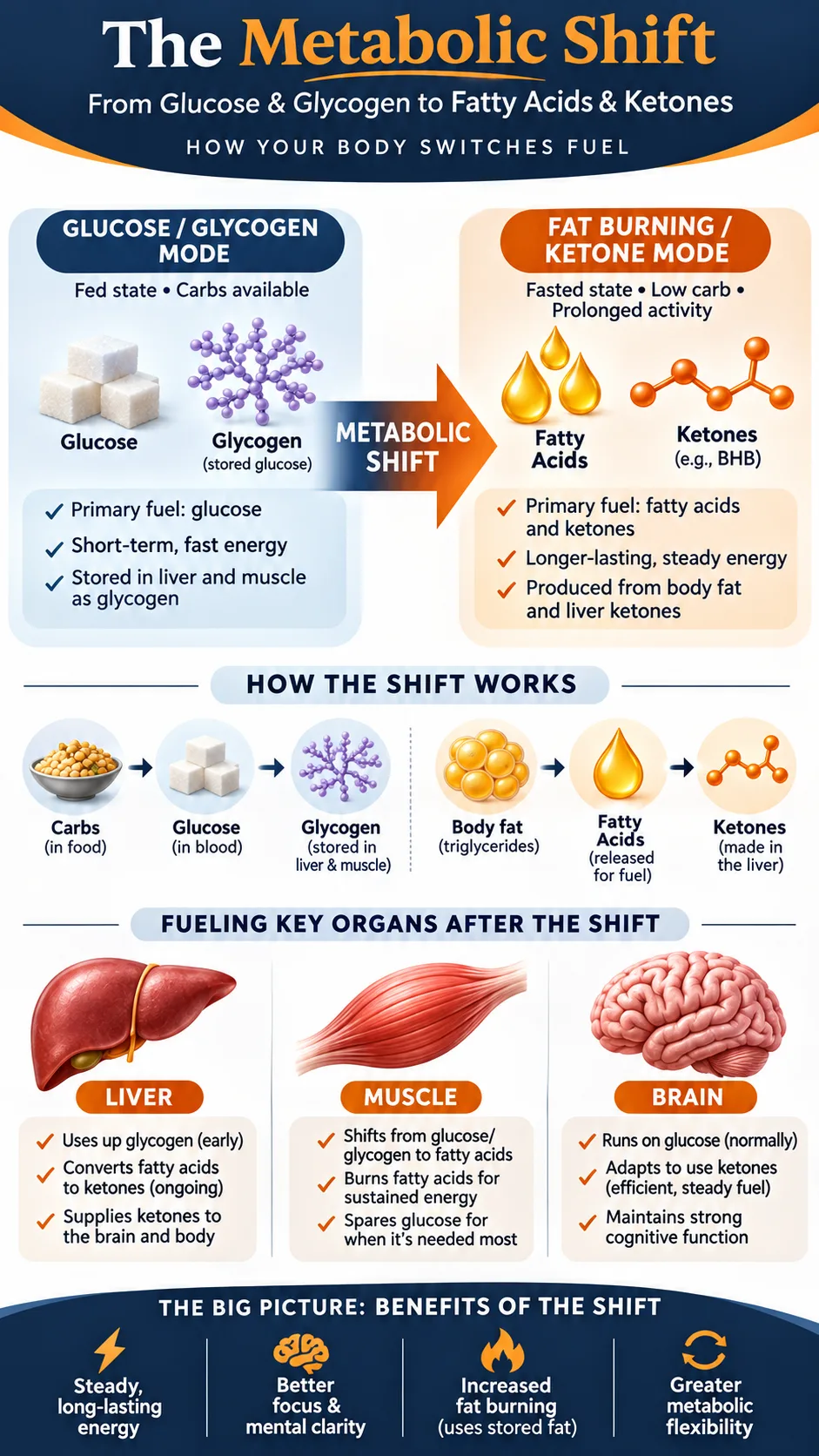
Your body stores carbohydrate as glycogen in your muscles and liver. When you lower carbohydrate intake, your body uses that glycogen and releases water with it. That process often explains the quick drop on the scale during your first keto week.
After glycogen stores fall, your liver makes more ketones from fatty acids. Your muscles, brain, and other tissues can use ketones and fat for energy. Many people notice steadier energy after their bodies adjust.
Ketosis does not create a calorie free zone. It can help some people control hunger, simplify food choices, and avoid sharp blood sugar swings. Those changes can make fat loss easier to maintain.
The real goal: Better metabolic control
A sensible hyper ketosis plan centers on habits you can repeat. You keep carbohydrates low enough to support ketosis, eat protein to protect lean mass, and use fat to satisfy hunger instead of chasing a macro percentage.
That last point catches many beginners off guard. If you want to lose body fat, your body can draw some energy from stored fat. You do not need to pour oil over every meal as if you own an olive farm.
The best keto plan usually feels a little boring after a while. You know your meals, your hunger stays manageable, and you stop relying on 6 a.m. motivational speeches.
The core hyper ketosis rules
You could make this approach complicated, but you do not need a spreadsheet with seventeen color codes. Start with a few rules that matter, then adjust for your energy, hunger, progress, and health needs.
- Keep net carbs consistently low. Start around 20 to 30 grams of net carbs each day if your clinician approves. Calculate net carbs by subtracting fiber from total carbs when food labels list fiber separately.
- Prioritize protein at every meal. Choose eggs, fish, poultry, meat, tofu, tempeh, Greek yogurt, or cottage cheese when they fit your carbohydrate target.
- Use fats strategically. Add olive oil, avocado, olives, nuts, seeds, fatty fish, butter, and full fat dairy for satisfaction, not as a competitive sport.
- Choose whole foods most often. Build meals around protein, low carb vegetables, and minimally processed fats.
- Track during a short learning phase. Track meals for two or three weeks to find hidden carbs and oversized portions.
- Protect sleep and manage stress. Create a bedtime routine, walk regularly, and do not use keto cookies to deal with stress.
If you need a simple foundation before you tighten your routine, use this guide on how to start a keto diet for beginners. It covers the basics without dragging you into internet arguments about whether one cherry ends ketosis forever.
What to eat on a hyper ketosis diet
Build each meal around a solid protein source, a generous portion of low carb vegetables, and enough fat to keep you full. You can use that formula at home, in restaurants, and during the weeks when meal prep slips your mind.
Best protein choices
- Eggs and egg whites
- Salmon, sardines, tuna, shrimp, and other seafood
- Chicken, turkey, lean beef, lamb, and pork
- Unsweetened Greek yogurt and cottage cheese in measured portions
- Tofu, tempeh, and lower carb plant based protein options
Low carb vegetables that earn their place
- Spinach, kale, lettuce, cabbage, and arugula
- Broccoli, cauliflower, zucchini, asparagus, and green beans
- Mushrooms, cucumber, celery, peppers, and radishes
- Avocado, which provides fiber, potassium, and filling fats
Fats that make sense
Use extra virgin olive oil, avocado oil, olives, avocado, nuts, seeds, butter, ghee, and full fat dairy according to your preferences. Fat makes meals satisfying and can keep hunger from barging in at 3 p.m.
Still, portions matter. A handful of macadamias can fit nicely. Half a bag can pack the energy of a full meal. Your snack does not need its own zip code.
Foods that can knock you off track
You do not need to call foods “good” or “bad.” You need to know which foods make ketosis harder or lead you to overeat.
- Sugary drinks, juice, sweetened coffee, and regular soda
- Bread, pasta, rice, cereal, pastries, and most chips
- Large servings of potatoes, corn, beans, and higher sugar fruit
- Sweet sauces, ketchup, barbecue sauce, and flavored dressings
- “Keto” candy, bars, and desserts that tempt you to snack all day
- Alcoholic drinks that lower food restraint and disrupt sleep
Read labels closely, especially on sauces and packaged snacks. Food companies know how to make “low carb” sound heroic while packing in enough calories and sweeteners to send you back for another box.
A simple hyper ketosis meal plan for one day
This sample day keeps carbohydrates low, provides solid protein, and avoids the familiar mistake of drinking half your daily calories in creamy coffee. Adjust portions for your hunger, body size, training, and goals.
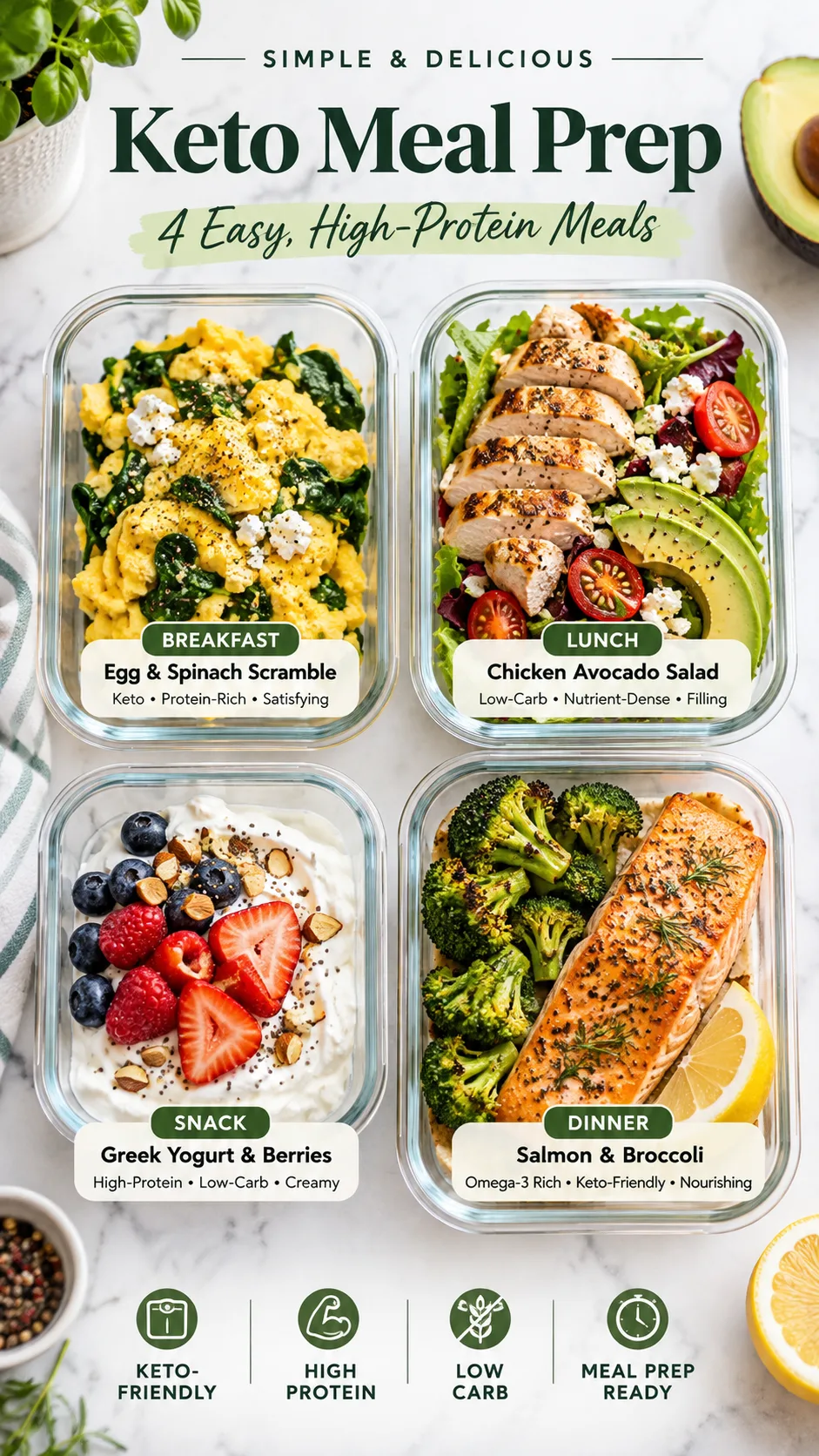
- Breakfast: Three eggs scrambled with spinach and mushrooms, topped with avocado. Add coffee or tea without sugar.
- Lunch: Grilled chicken salad with leafy greens, cucumber, olives, feta, olive oil, and lemon.
- Snack, if hungry: Plain Greek yogurt with a few raspberries, or celery with measured almond butter.
- Dinner: Salmon with roasted broccoli and cauliflower mash with butter or olive oil.
- Evening option: Herbal tea, sparkling water, or a magnesium supplement if your clinician recommends one.
Want more structure? Check out this hyper ketosis meal plan for faster fat-burning support. A repeatable plan saves mental energy, and mental energy disappears quickly when you stare into the fridge at 8 p.m.
Should you measure ketones?
You can follow keto successfully without measuring ketones. Your food intake, hunger, energy, waist measurement, gym performance, and long term results often tell you more than a single number.
Testing can still help while you learn. Blood ketone meters measure BHB directly and give you the clearest data at home. Breath meters and urine strips can offer rough clues, though their readings vary more.
How to use ketone data without obsessing
If you test, do it at the same time each day. Record your meals, sleep, exercise, alcohol intake, and stress so you can spot patterns.
Do not chase extreme readings. Fasting, calorie restriction, or added ketone products can raise your reading without producing better fat loss. Your progress matters more than a meter’s applause.
The Cleveland Clinic offers practical information about ketosis, ketone testing, and safety considerations. Stick with trusted medical sources when social media turns a nutrition choice into a superhero origin story.
Electrolytes, hydration, and the “keto flu” problem
When you lower carbs, your insulin levels often fall and your kidneys release more sodium and water. That change can cause headaches, fatigue, cramps, dizziness, and irritability during the first week or two.
People call those symptoms “keto flu,” though a virus does not cause them. You can often ease them by drinking water, salting food appropriately, and eating potassium rich keto foods such as avocado and leafy greens.
Talk with a healthcare professional before increasing sodium, potassium, or supplements if you have kidney disease, high blood pressure, heart disease, or take prescription medication. Supplements can help, but they can cause problems when you treat them like candy.
Exercise on a hyper ketosis plan
You do not need punishing workouts to make keto work. Walking, resistance training, cycling, swimming, and everyday movement support health and can improve your calorie balance.
Your workouts may feel flat during the first few weeks because your body needs time to adapt to lower carbohydrate intake. Start at a moderate effort, keep your expectations realistic, and do not judge your fitness by one rough Tuesday.
Best training priorities
- Walk daily: Aim for regular movement after meals when you can.
- Lift weights two to four times weekly: Resistance training helps you keep muscle while you lose fat.
- Keep cardio sensible: Pick steady sessions you enjoy instead of exhausting punishment workouts.
- Recover properly: Sleep, protein, hydration, and rest days help your body adapt.
Many people start keto because they want fast fat loss, then lose muscle because they eat too little protein and skip strength work. Do not let that happen. Muscle supports strength, function, and healthier body composition.
Who should avoid hyper ketosis or get medical support first?
Some people need a personal plan instead of a generic keto template. A qualified doctor or registered dietitian can help you consider benefits, risks, medications, and lab results.
- People with type 1 diabetes or a history of diabetic ketoacidosis
- People who use insulin or SGLT2 inhibitor medications
- Pregnant or breastfeeding people
- People with kidney, liver, pancreas, or gallbladder conditions
- People with a current or past eating disorder
- People who take medication for blood pressure, blood sugar, or fluid balance
Do not stop medication because a nutrition influencer promised a miracle. Work with your healthcare team, monitor changes, and let real data guide your decisions.
How long does it take to reach ketosis?
Many people reach ketosis within two to seven days after lowering carbohydrates, but your timeline can differ. Your previous diet, activity level, sleep, stress, medication use, and carbohydrate intake all affect the process.
Do not turn the first week into a race. Focus on repeatable meals, hydration, electrolytes, and enough protein. Your body does not hand out medals for feeling miserable.
After a few weeks, check practical signs: Do you feel satisfied after meals? Do cravings feel easier to manage? Has your waist measurement changed? Can you stick with the plan without dreading every social event?
Final thoughts: Make hyper ketosis work for your real life
The hyper ketosis diet works best when you use it as a structured, lower carb strategy, not as a shortcut around energy balance. Keep carbs consistently low, eat enough protein, choose whole foods, manage electrolytes, and stop adding extra fat just because keto content told you to.
Start simply, track long enough to learn, and adjust honestly. You do not need a perfect ketone score. You need habits that help you feel better and move toward your goal.
Build the plan you can follow next month, not the plan that creates a dramatic before and after post next Tuesday.