You don’t need to spend seven days “being good” while your stomach growls loud enough to file a complaint. A smart Weight Watchers meal plan should help you feel satisfied, enjoy food, and lose weight without treating lunch like a sad desk-side punishment.
This seven-day approach leans hard on protein, fibre, high-volume vegetables, and practical prep. You still get tacos, pasta, snacks, and a little flexibility, because a meal plan that bans everything fun usually lasts about as long as a New Year’s resolution in February.
WeightWatchers uses a personalised Points system, so your exact Points values can change based on your profile and current program. Use this plan as a filling framework, then check every packaged item and recipe in your WeightWatchers app before you log it.
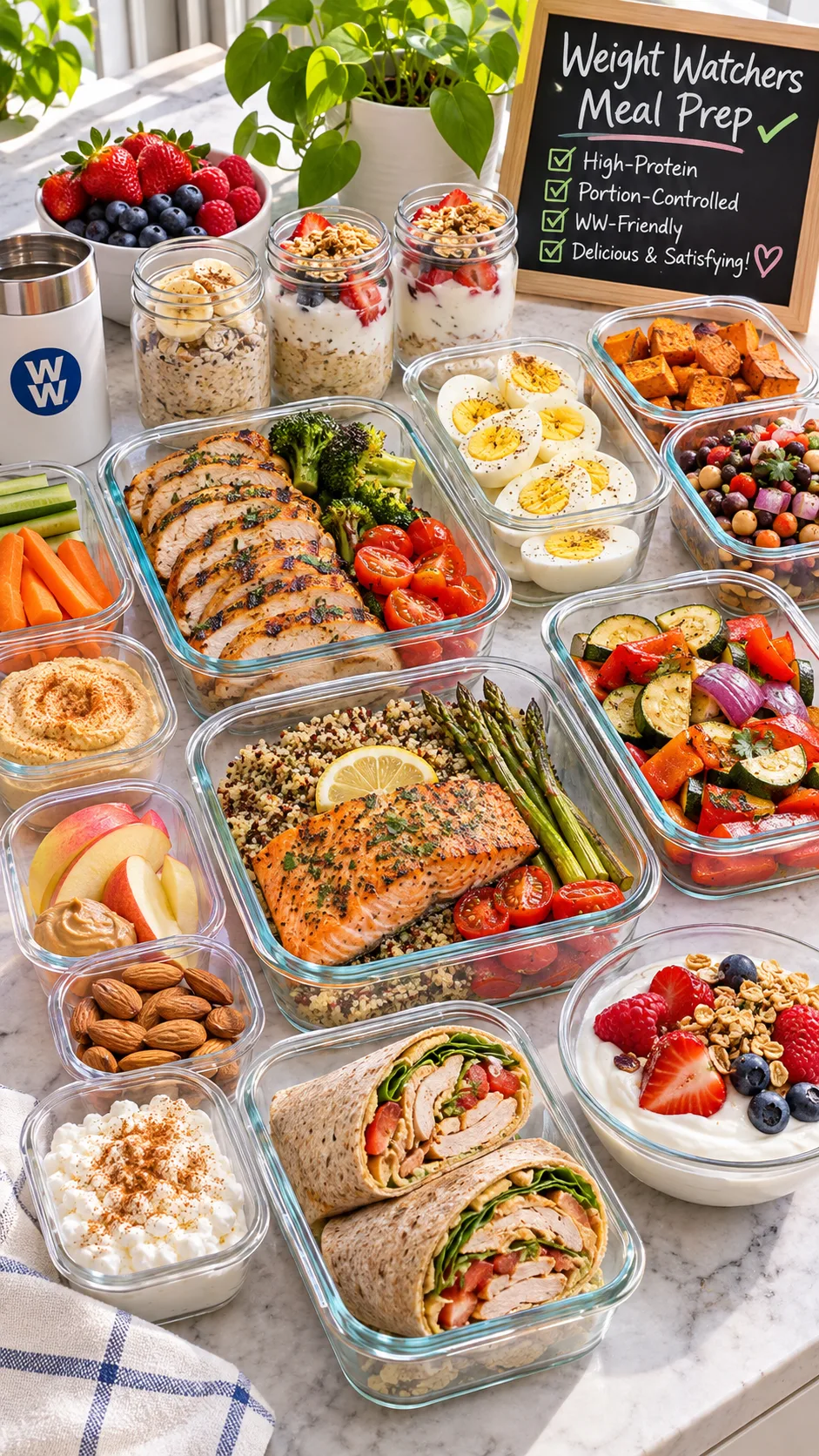
Why most Weight Watchers meal plans leave you hungry
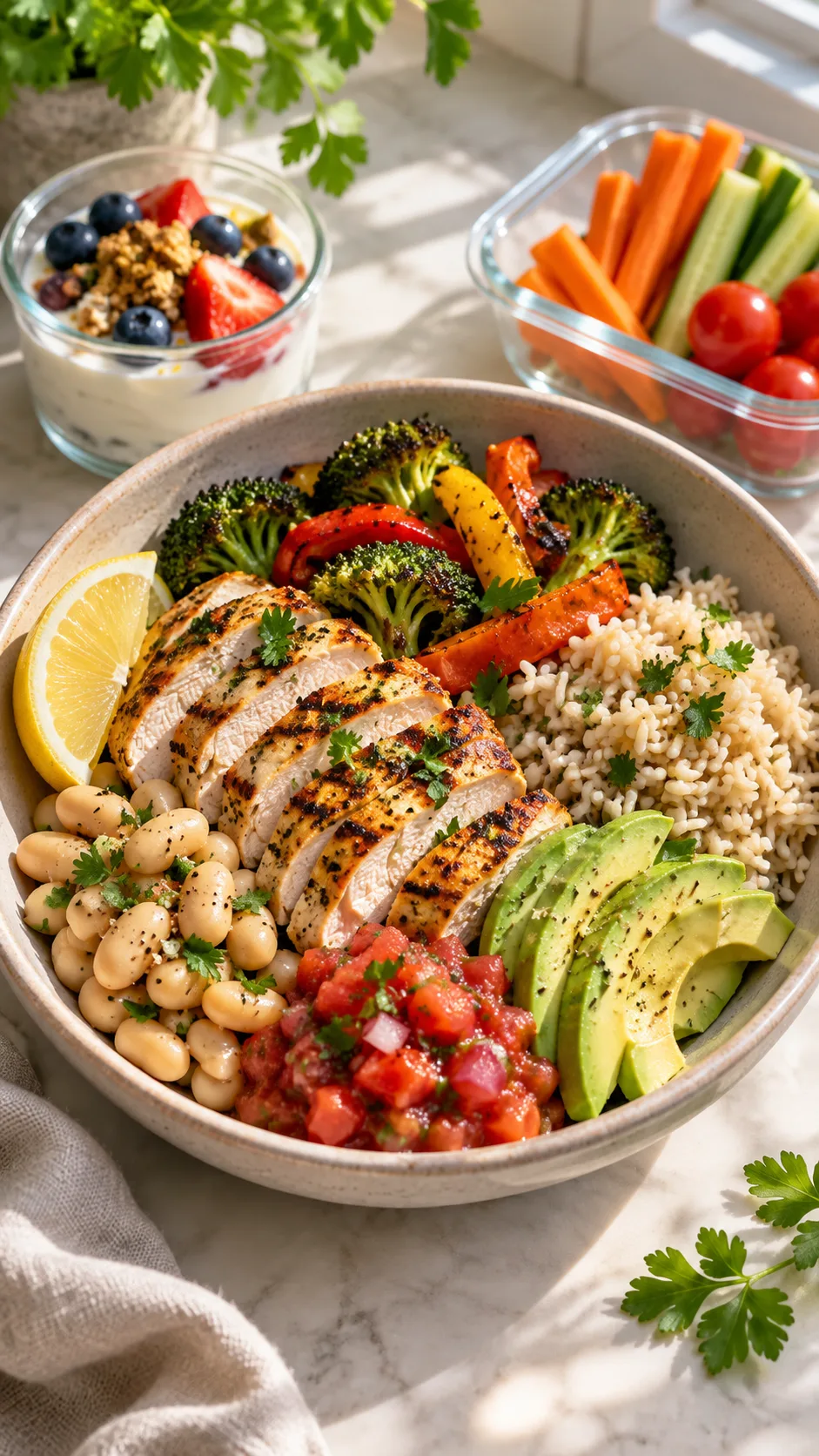
A lot of people treat Weight Watchers like a game of spending the fewest Points possible. That strategy can work for a day or two, but it often creates a predictable mess: you skip protein at breakfast, pick at a tiny lunch, and then raid the pantry at 9 p.m. Ever wondered why “perfect” days often end with a bowl of cereal the size of a birdbath?
Fullness needs structure. Your meals need enough protein to stick with you, enough fibre to slow digestion, and enough volume to make your plate look like a real meal. A handful of crackers might fit your budget, but crackers don’t magically become dinner because you ate them near a television.
The best Weight Watchers meal plan uses ZeroPoint foods and lower-Point staples as the base, then adds foods you genuinely enjoy. You don’t need to fear Points. You need to spend them where they make your food taste good and your plan feel livable.
The fullness formula that makes the difference
Build most meals around one clear protein source, at least two produce-based ingredients, and one satisfying carbohydrate or fat source. This combination keeps you full longer than a meal built around refined snacks or bare salads.
- Protein: eggs, chicken breast, fish, turkey, tofu, beans, lentils, cottage cheese, or plain Greek yogurt.
- Fibre: berries, apples, oats, beans, lentils, vegetables, popcorn, and whole grains.
- Volume: soups, salads, roasted vegetables, fruit, and stir-fries make meals feel generous.
- Flavour: salsa, herbs, spices, lemon, garlic, mustard, hot sauce, and measured sauces prevent boredom.
- Staying power: avocado, nuts, olive oil, cheese, or a proper starch can help you avoid the snack spiral.
The Centers for Disease Control and Prevention recommends a pattern that includes fruits, vegetables, whole grains, and varied protein foods. That guidance lines up with the basic idea here: build meals that nourish you first, then make them delicious enough to repeat.
Your 7-day Weight Watchers meal plan for real fullness
This Weight Watchers weekly meal plan focuses on repeatable ingredients, so you don’t buy seventeen random sauces and one emotionally expensive dragon fruit. Mix, match, and swap meals based on your preferences, allergies, culture, budget, and Points allowance.
Check your app for current Points values, especially for bread, wraps, cheese, sauces, protein powders, and restaurant-style products. Brands can change recipes faster than you can say, “But it had the same label last time.”
Day 1: Start with protein, not panic
Breakfast: Make a Greek yogurt bowl with plain nonfat Greek yogurt, berries, sliced banana, cinnamon, and a measured sprinkle of high-fibre cereal or oats. The fruit adds volume, while the yogurt gives you a serious protein anchor.
Lunch: Fill a large bowl with shredded chicken, crunchy romaine, cucumber, tomatoes, chickpeas, red onion, and a light vinaigrette. Add a small whole-grain pita or crackers if you want more staying power.
Dinner: Serve sheet-pan lemon garlic chicken with roasted broccoli, peppers, and baby potatoes. Roast extra chicken now, because Future You deserves a lunch that doesn’t involve staring into the fridge.
Snack: Eat an apple with a measured spoonful of peanut butter, or choose cottage cheese with pineapple.
Day 2: Use leftovers like a genius
Breakfast: Scramble eggs with spinach, mushrooms, and tomatoes. Serve them with fruit and one slice of whole-grain toast if it fits your Points budget.
Lunch: Turn yesterday’s chicken into a wrap with a high-fibre tortilla, lettuce, cucumber, tomato, mustard, and a little light cheese. Pair it with crunchy carrots and a piece of fruit.
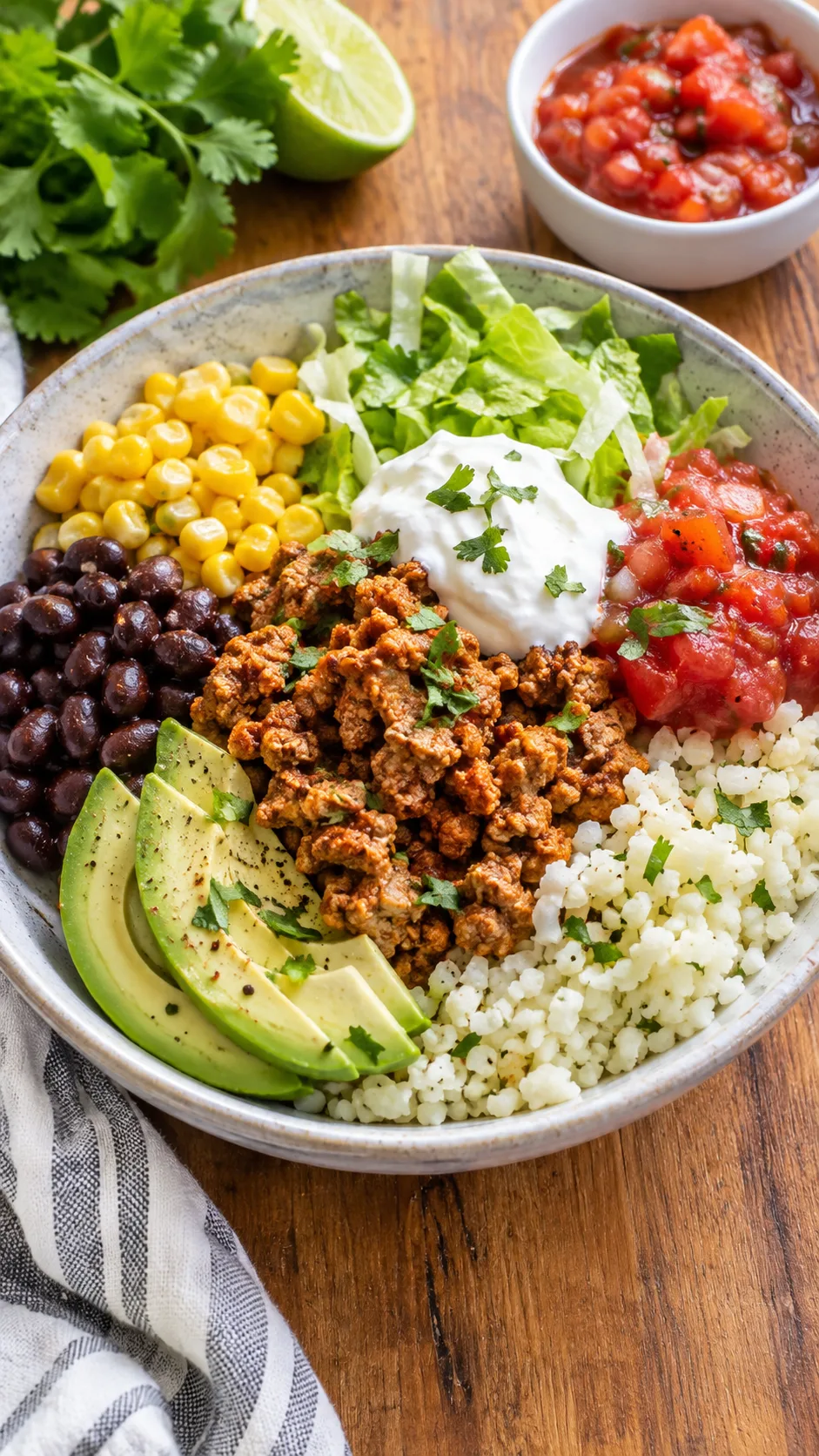
Dinner: Make turkey taco bowls with lean ground turkey, black beans, cauliflower rice or brown rice, shredded lettuce, salsa, corn, and Greek yogurt in place of sour cream. Add avocado if you want a creamy finish and you have room in your budget.
Snack: Air-pop popcorn with seasoning makes a brilliant high-volume snack. Add a cheese stick or boiled egg if hunger keeps knocking.
Day 3: Bring on the comfort food
Breakfast: Cook overnight oats with rolled oats, plain Greek yogurt, unsweetened milk, chia seeds, berries, and cinnamon. Prep two jars at once, because mornings don’t need extra drama.
Lunch: Reheat a turkey taco bowl or toss the filling into a salad. Add salsa and lime juice for a fast dressing with big flavour.
Dinner: Make a hearty lentil vegetable soup with carrots, celery, onions, tomatoes, spinach, and herbs. Serve it with a side salad and a small piece of crusty whole-grain bread.
Snack: Choose grapes and a light cheese stick, or blend frozen berries with Greek yogurt for a thick, frozen-yogurt-style treat.
Day 4: Keep lunch exciting
Breakfast: Blend a smoothie with Greek yogurt, frozen berries, spinach, unsweetened milk, and protein powder if you use it. Add ice for volume, then drink it alongside an egg or a small handful of nuts if smoothies leave you hungry.
Lunch: Eat a tuna and white bean salad with celery, red onion, lemon juice, Dijon mustard, parsley, and greens. Tuna brings protein, while beans make the meal feel more substantial.
Dinner: Bake salmon with a smoky spice rub, then serve it with roasted green beans and quinoa or a baked sweet potato. This plate hits the sweet spot between healthy and “yes, I would happily eat this again.”
Snack: Pair bell pepper strips with hummus, or grab a yogurt bowl with cinnamon and fruit.
Day 5: Make Friday food work for you
Breakfast: Cook a veggie omelette with eggs, peppers, onions, spinach, and a little feta. Add berries on the side for a fresh, filling finish.
Lunch: Use leftover salmon in a big salad with greens, cucumber, tomatoes, roasted vegetables, and lemony yogurt dressing. You can flake it into a whole-grain wrap instead if you prefer.
Dinner: Make homemade pita pizzas with whole-wheat pita, marinara, vegetables, shredded chicken or turkey pepperoni, and measured mozzarella. Serve a giant side salad, because pizza night doesn’t need to become a lettuce-only event.
Snack: Try frozen grapes, a protein-rich pudding made with Greek yogurt, or popcorn with a sparkling water.
Day 6: Plan for a flexible weekend
Breakfast: Make protein pancakes with oats, eggs, banana, cinnamon, and cottage cheese or Greek yogurt. Top them with berries and a measured drizzle of syrup if you want it.
Lunch: Build a snack plate with boiled eggs, turkey slices, fruit, raw vegetables, hummus, and whole-grain crackers. This works especially well when errands eat your afternoon alive.
Dinner: Stir-fry chicken, shrimp, tofu, or lean beef with a mountain of vegetables and a measured amount of rice. Use garlic, ginger, low-sodium soy sauce, and chili sauce for bold flavour.
Snack: Eat fruit with cottage cheese, or make a small microwave mug cake with ingredients that fit your plan.
Day 7: Reset without restriction
Breakfast: Enjoy avocado toast with a poached or fried egg, tomatoes, chili flakes, and fruit on the side. Measure the avocado, but please don’t pretend it tastes like a personality flaw.
Lunch: Make a big chopped salad with chicken, beans, crunchy vegetables, fruit such as apple or grapes, and a light vinaigrette. Add a small portion of nuts or cheese for extra satisfaction.
Dinner: Cook a family-style pasta night with lean turkey meatballs, marinara, zucchini, spinach, and a sensible serving of whole-wheat or protein pasta. Start with a salad and eat slowly enough to notice when you feel satisfied.
Snack: Finish the week with Greek yogurt and berries, popcorn, or a square of dark chocolate alongside fruit. A sustainable Weight Watchers meal plan leaves room for normal human joy.
The grocery list that makes this meal plan easy
A good shopping list removes decision fatigue, and decision fatigue loves to order takeout at 7:43 p.m. Buy what you will realistically cook, not what your fantasy self plans to turn into an artisanal grain bowl.
Protein staples
- Chicken breast or tenderloins
- Lean ground turkey
- Salmon, white fish, shrimp, or canned tuna
- Eggs and liquid egg whites
- Plain nonfat Greek yogurt
- Cottage cheese
- Low-sodium turkey slices
- Canned black beans, lentils, and chickpeas
- Tofu or tempeh for plant-based meals
Produce and fibre-rich foods
- Romaine, spinach, mixed greens, cabbage, and broccoli
- Peppers, onions, mushrooms, zucchini, carrots, celery, and green beans
- Tomatoes, cucumbers, salsa, lemons, and limes
- Berries, bananas, apples, grapes, and pineapple
- Sweet potatoes and baby potatoes
- Rolled oats, quinoa, brown rice, and whole-grain bread or pitas
- Air-pop popcorn and high-fibre crackers
Flavour boosters worth your Points
Stock mustard, hot sauce, salsa, garlic, herbs, spices, vinegar, low-sodium soy sauce, marinara, and a vinaigrette you genuinely like. Measure cheese, oils, creamy dressings, nut butter, and avocado instead of avoiding them completely. That small step protects your budget without making food taste like regret.
The USDA MyPlate guide offers a useful visual for balanced meals: make half your plate fruits and vegetables, then include protein and grains or starchy vegetables. You don’t need perfection at every meal. You need a pattern that keeps showing up.
How to meal prep without eating the same sad thing every day
Meal prep doesn’t mean you must eat seven identical chicken containers while questioning every life choice. Prep components, not full meals, and you can create different combinations in minutes.
- Cook two proteins. Roast chicken and brown lean turkey, or bake salmon and simmer lentils.
- Roast a giant tray of vegetables. Use broccoli, peppers, onions, zucchini, and carrots with spices and a light oil spray.
- Prepare one fibre-rich carbohydrate. Make brown rice, quinoa, potatoes, or oats for several meals.
- Wash and chop quick foods. Prep salad greens, fruit, cucumbers, and snack vegetables where you can see them.
- Mix two sauces. Try yogurt ranch and lemon-Dijon dressing, or salsa plus a simple vinaigrette.
- Portion smart extras. Divide cheese, nuts, crackers, and chocolate into servings before hunger makes the decisions.
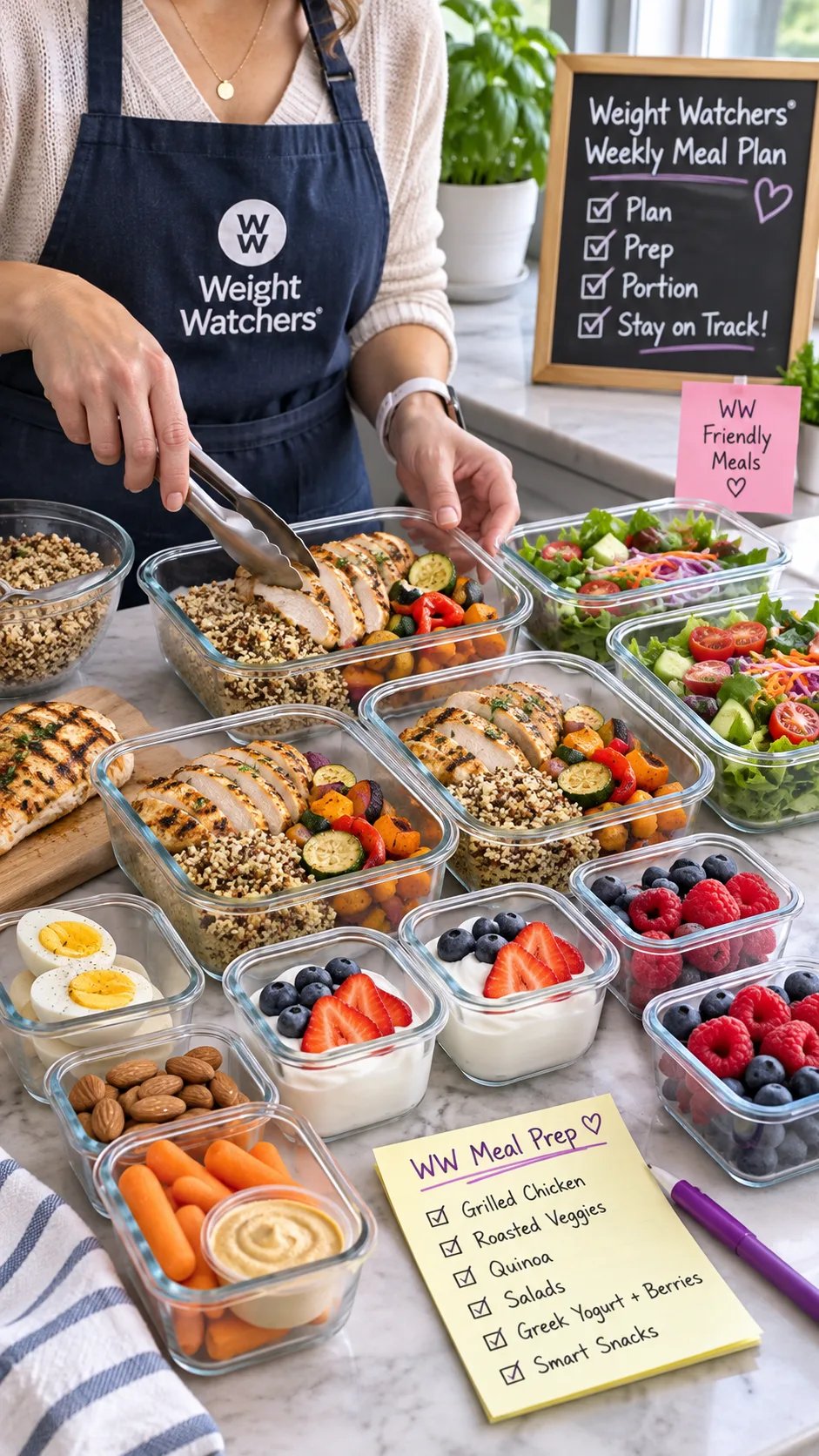
Keep cooked meat, fish, grains, and chopped vegetables in food-safe containers, then follow sensible refrigeration timelines. The FoodSafety.gov cold storage chart can help you store leftovers safely. When in doubt, freeze extra portions early rather than gambling on a container from last Tuesday.
Smart Weight Watchers snacks that stop the “I need everything” feeling
Snacks don’t ruin weight loss. Random grazing on foods that never satisfy you causes most of the trouble. Choose snacks with protein, fibre, or both, especially if you face a long gap between meals.
- Plain Greek yogurt, berries, and cinnamon
- Apple slices with measured peanut butter
- Cottage cheese with pineapple or tomatoes
- Boiled eggs with fruit
- Air-popped popcorn and a cheese stick
- Hummus with peppers, carrots, and cucumbers
- Tuna on high-fibre crackers
- Edamame with sea salt and chili flakes
Ask yourself one quick question before you snack: Do I need food, or do I need a break? Hunger deserves food. Stress might need a walk, a shower, a text to a friend, or five quiet minutes away from the snack cupboard.
What to do when your Weight Watchers plan stops feeling filling
If you feel hungry every day, don’t assume you need more willpower. Check the structure of your meals first. A breakfast of coffee and a tiny bar can set up an all-day hunger chase, while a protein-and-fibre breakfast can calm that chaos fast.
Make these simple adjustments
- Add protein at breakfast: eggs, yogurt, cottage cheese, or tofu can change your whole day.
- Increase vegetables and fruit: volume helps meals look and feel bigger.
- Stop saving every Point for nighttime: spend some Points earlier when they prevent overeating later.
- Include satisfying carbs: oats, beans, potatoes, and whole grains support fullness better than white-knuckling.
- Plan restaurant meals: eat a protein-rich snack beforehand, check the menu, and choose what you genuinely want.
- Protect your sleep: tired brains often demand quick energy from sugary, salty foods.
If you follow a lower-carb style and still want a filling structure, our 7-day low-carb meal plan for beginners offers more meal ideas. If you use a GLP-1 medication, appetite changes can affect meal planning, so our GLP-1 meal plan guide can help you focus on protein and nutrient density.
Talk with a registered dietitian or healthcare professional if you manage diabetes, kidney disease, digestive issues, pregnancy, an eating disorder history, or any condition that changes your nutrition needs. A personalised plan should support your health, not compete with it.
The bottom line: full beats perfect
The Weight Watchers meal plan that works best doesn’t chase the lowest possible Points total. It builds filling meals around protein, fibre, produce, and foods you honestly enjoy, then leaves room for real life.
Prep a few basics, repeat the meals you love, and adjust portions based on your hunger. You don’t need a flawless week. You need a week that feels satisfying enough to do again next Monday.
Start with one protein-rich breakfast, one planned snack, and one big vegetable-packed dinner this week. Small habits stack up, and unlike a sad plain rice cake, they have real staying power.