

You just grabbed your lab results, spotted the big O+ next to your blood type, and immediately dumped every loaf of bread in your pantry into the trash. Sounds familiar? Thousands of people make this exact dramatic switch every single day.
They buy twenty pounds of grass-fed ribeye, swear off every grain on earth, and prepare to live like a paleolithic warrior. Then, two weeks in, exhaustion hits them like a freight train, their digestion stalls, and they wonder why the famous “Hunter diet” feels like punishment. What went wrong?
Most wellness gurus butcher the O positive diet guidelines. They confuse the protocol with extreme zero-carb carnivore diets, overlook digestive quirks, and completely ignore how the Rh factor fits into the puzzle. Let us set the record straight right now.
The O positive blueprint: hunter genes or clever marketing?
Naturopathic physician Dr. Peter D’Adamo introduced blood-type eating in his 1996 book, Eat Right 4 Your Type. He proposed a simple theory: your ABO blood group preserves the evolutionary dietary needs of your direct ancestors.
D’Adamo labeled Type O as the original ancestral bloodline. He argued that the earliest human hunter-gatherers carried Type O blood, requiring plenty of animal protein, intense physical exertion, and an environment free of agricultural grains and dairy products.
Does the positive part change your grocery list? No, it does not. The positive sign simply marks the presence of the Rhesus (Rh) protein on your red blood cells. D’Adamo never wrote separate food lists for O positive and O negative individuals. Anyone selling you a specialized “O+ only” menu sells snake oil.
Modern genetics tells a different evolutionary story. Evolutionary biologists published evidence in authoritative genetic research showing that blood group A predates group O. While science questions the historical timeline of the diet, millions of Type O eaters still report noticeable improvements when they clean up their plates. The protocol eliminates ultra-processed junk and prioritizes nutrient-dense whole foods.
The four massive blunders that ruin your results
Before you glance at the actual food list, look at the common traps that ruin progress for beginners. If you fall into these four pitfalls, you will feel miserable regardless of your blood type.
- Falling into the processed carnivore trap: People hear “Type O thrives on meat” and immediately order triple bacon cheeseburgers without the bun. Processed meats full of nitrates and industrial fats inflame your vascular system, blood type aside. Type O requires lean, clean meats without chemical additives.
- Cutting out every single carbohydrate: People treat the Type O food list like strict zero-carb keto. Your thyroid gland demands clean carbohydrates to produce active T3 hormone. Type O individuals often struggle with sluggish thyroid function, so eliminating all carbs causes intense fatigue and stubborn fat retention. If you want a structured low-carb system, examine a well-formulated keto diet plan instead of winging an extreme zero-carb routine.
- Ignoring hidden food intolerances: Dr. D’Adamo blamed specific plant proteins called lectins for gut damage. When you consume foods with lectins incompatible with your blood group antigen, your red blood cells clump together (agglutination). Many beginners eat supposedly healthy staple foods that quietly spark gut inflammation.
- Forgetting stomach acid management: Type O bodies pump out higher levels of stomach acid (hydrochloric acid and pepsin) than Type A or Type AB individuals. This trait helps you digest dense meats efficiently. However, if you drink buckets of coffee or eat heavy acidic foods, you trigger painful acid reflux and stomach ulcers.

The true Type O positive food list: beneficial, neutral, and toxic
D’Adamo separated foods into three functional categories: Highly Beneficial (acts like medicine for your cells), Neutral (acts simply as fuel), and Avoid (acts like a metabolic disruptor). Let us examine every aisle of the grocery store.
1. Meats, poultry, and seafood
Your digestive tract processes animal protein better than any other blood group. High levels of intestinal alkaline phosphatase enable you to break down dietary fats and absorb calcium from meats efficiently.
However, you cannot treat every animal protein equally. Certain meats contain tissues and parasites that stress your immune system.
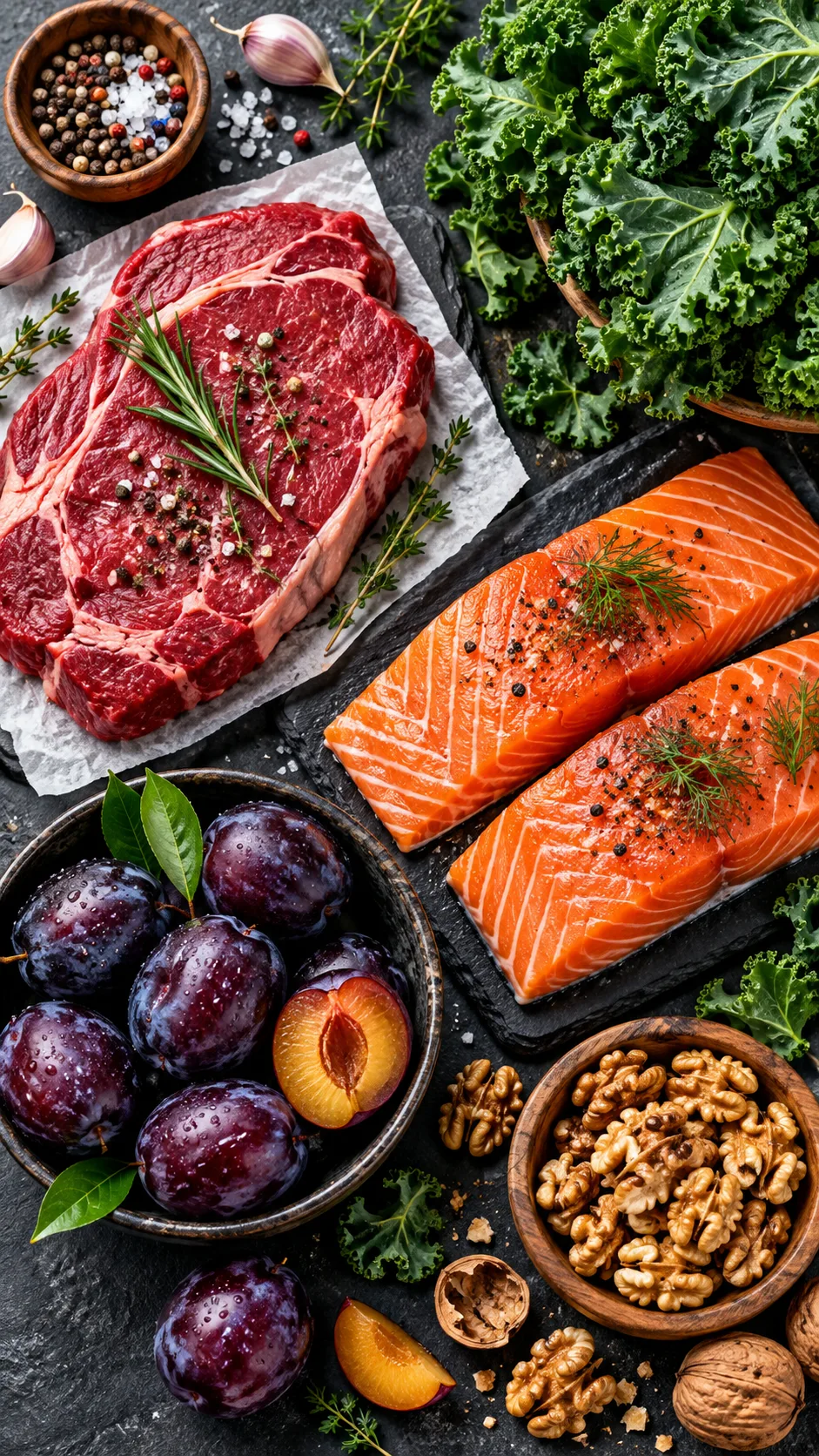
- Highly Beneficial: Grass-fed beef, lamb, mutton, venison, veal, buffalo, cod, halibut, wild salmon, mackerel, red snapper, swordfish, rainbow trout, and sardines.
- Neutral: Free-range chicken, turkey, duck, rabbit, quail, shrimp, lobster, crab, clams, and tuna.
- AVOID: Pork, ham, commercial bacon, goose, catfish, smoked salmon, pickled herring, and octopus.
Notice the surprise? Pork sits firmly on the avoid list. Pork contains antibodies and retroviruses that trigger systemic inflammation in Type O digestive tracts. Drop the bacon and swap it for lean grass-fed beef jerky or pasture-raised turkey breast.
2. Fresh vegetables and fungi
Many dieters assume meat comprises 90% of the Type O plate. In reality, vegetables must occupy over half your plate at every meal. They balance your high stomach acid and provide essential minerals to support your thyroid.
You must avoid specific vegetables that suppress thyroid hormone synthesis (goitrogens) or irritate your stomach lining.
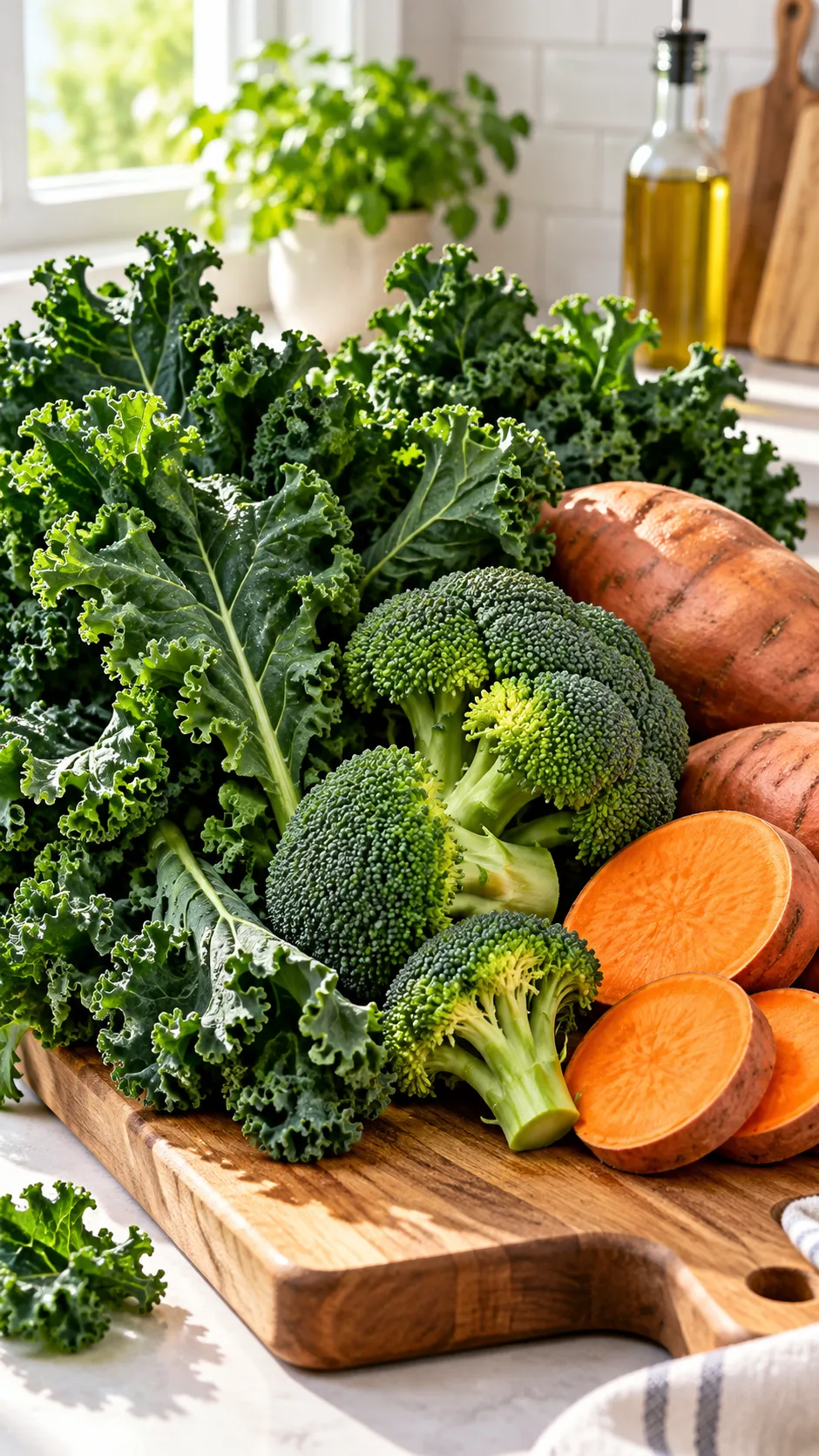
- Highly Beneficial: Kale, spinach, broccoli, collard greens, romaine lettuce, Swiss chard, dandelion greens, seaweeds (kelp and dulse), parsnips, and sweet potatoes.
- Neutral: Asparagus, carrots, celery, cucumbers, zucchini, bell peppers, tomatoes, garlic, onions, and pumpkin.
- AVOID: Cauliflower, cabbage, Brussels sprouts, mustard greens, white potatoes, eggplants, alfalfa sprouts, and domestic button mushrooms.
Look at the contrast here. Health magazines celebrate cauliflower and Brussels sprouts as nutritional miracles. Yet for Type O individuals, these cruciferous varieties can depress sluggish thyroid function. Stick to broccoli, spinach, and seaweeds rich in natural iodine to keep your metabolic rate firing at full capacity.
3. Fruits: pick sweet alkaline gems
Fruits offer antioxidants, but high-fructose varieties can wreck your insulin sensitivity. Furthermore, highly acidic fruits inflame your already acid-heavy stomach environment.
- Highly Beneficial: Fresh and dried figs, dark plums, red plums, and prunes.
- Neutral: Apples, bananas, blueberries, cherries, grapes, watermelon, mangoes, peaches, and pears.
- AVOID: Oranges, tangerines, strawberries, blackberries, rhubarb, honeydew melon, and cantaloupe.
Most people react with surprise when they see oranges and strawberries on the avoid list. Oranges hit your stomach lining with sharp citric acid, eroding your mucosal barrier. Plums and prunes produce an alkaline metabolic response that balances your blood chemistry.
4. Grains and cereals: the trouble zone
Here lies the biggest battleground for modern eaters. The Type O metabolism rejects wheat and gluten. Wheat germ agglutinin (WGA) lectins bind directly to your intestinal receptors, causing gut permeability and blocking normal insulin function.
Do you need to drop all carbs? No. You simply need to pick ancestral grains that do not disrupt your metabolism.
- Highly Beneficial: Essene bread (sprouted 100% Ezekiel grain bread with live enzymes).
- Neutral: Buckwheat, amaranth, quinoa, millet, rice (brown, white, basmati), spelt flour, and wild rice.
- AVOID: Whole wheat, white flour, wheat bran, semolina, couscous, cornmeal, cornflakes, and oat bran.
If you love cooking traditional West African staples or exploring regional cuisine, you can easily pair non-wheat starches alongside rich stews. In fact, reviewing a detailed African keto food menu will show you how to swap inflammatory wheat products for grain-free, gut-friendly local alternatives that keep your digestion light and your energy high.
5. Legumes and beans: handle with extreme caution
Vegetarians often insist that beans provide the cleanest protein. For Type O, beans create a mixed bag. Certain beans inhibit your ability to metabolize other nutrients and directly inflame your colon tissues.
- Highly Beneficial: Adzuki beans, black-eyed peas, and pinto beans.
- Neutral: Black beans, garbanzo beans (chickpeas), broad beans, and green peas.
- AVOID: Kidney beans, navy beans, copper beans, lentils (red, green, and brown), and peanuts (yes, peanuts are legumes!).
Kidney beans and lentils contain lectins that settle into your muscle tissues, reducing alkalinity and hurting physical performance. If you want legumes, stick to adzuki and pinto varieties, and soak them thoroughly before cooking to break down residual compounds.
6. Dairy products and plant milks
Prepare yourself for the plain truth: Type O bodies reject cow dairy. Your digestive system lacks the adaptations necessary to process lactose and bovine casein efficiently.
Does this mean you can never eat cheese again? Not quite, but you must shift from cow dairy to goat or sheep sources, or drop animal milk altogether.
- Highly Beneficial: None. No dairy product offers a therapeutic purpose for Blood Type O.
- Neutral: Feta cheese (sheep or goat), goat cheese, fresh mozzarella, butter, and ghee.
- AVOID: Whole cow milk, skim milk, cheddar cheese, American processed cheese, brie, camembert, gouda, ice cream, yogurt, and whey protein powders.
Dairy triggers heavy mucus production, sinus congestion, and systemic puffiness in Type O individuals. If you drop cow milk for just fourteen days, your belly bloating often vanishes. Unsweetened almond milk and coconut milk provide great substitutes without triggering inflammation.
7. Fats, oils, nuts, and seeds
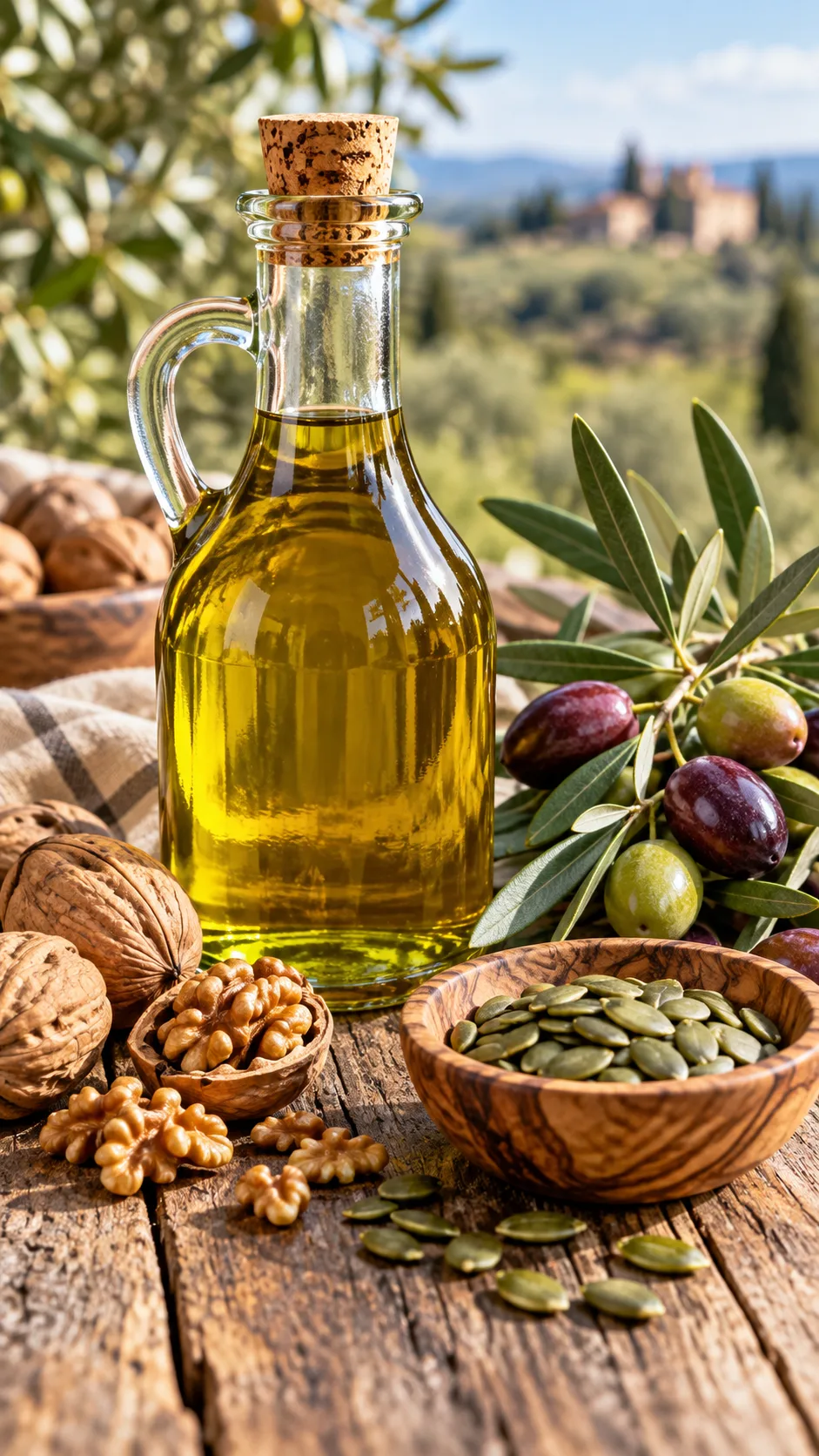
Fats fuel your brain and hormone production. Because Type O metabolisms rely heavily on fat oxidation, clean fats provide dense fuel for your daily tasks. Choose single-ingredient, cold-pressed plant oils and raw seeds.
- Highly Beneficial: Cold-pressed extra virgin olive oil, flaxseed oil, pumpkin seeds, and walnuts.
- Neutral: Canola oil, sesame oil, almonds, pecans, macadamia seeds, sunflower seeds, and chia seeds.
- AVOID: Corn oil, peanut oil, cottonseed oil, safflower oil, cashews, pistachios, and Brazil nuts.
Notice how cashews land in the danger zone alongside peanuts. Both contain harsh lectins that irritate Type O intestinal cells. Walnuts and pumpkin seeds supply anti-inflammatory fatty acids that support your cardiovascular system.
8. Beverages, spices, and condiments
You can ruin a clean diet by using the wrong spices and drinks. Remember: your stomach already makes copious amounts of hydrochloric acid. Harsh stimulants or irritating acids create serious discomfort.
- Highly Beneficial: Green tea, club soda or seltzer, ginger root, turmeric, cayenne pepper, and curry powder.
- Neutral: Beer, red wine (in moderation), peppermint tea, rosemary, thyme, and sea salt.
- AVOID: Black tea, commercial coffee, soda, distilled liquor, black pepper, white pepper, apple cider vinegar, balsamic vinegar, ketchup, and commercial mayonnaise.
Why avoid black pepper and vinegar? Both items irritate your stomach lining and ramp up acid production. Swap commercial vinegar for fresh lemon juice. Lemon juice metabolizes into an alkaline compound inside your digestive system, calming stomach acid.
What does scientific research say?
We must separate ancestral theories from clinical human trials. What happens when medical institutions test the Blood Type Diet under controlled laboratory conditions?
Researchers at the University of Toronto conducted a large dietary study on 1,455 participants, publishing their findings in PLOS ONE. The researchers monitored participants eating according to Dr. D’Adamo’s recommendations for all four blood types.
The results surprised the research team. Participants following the Type O diet reduced their blood triglycerides, lowered their blood pressure, and lost visceral fat around their waistlines. However, these improvements occurred regardless of whether the participant carried Type O blood. Type A and Type B participants experienced nearly identical health boosts when they ate the Type O food list.
Researchers at Harvard Medical School confirm these findings. They point out that dropping refined carbohydrates, eliminating heavily processed meats, and loading your cart with whole fish, leafy greens, and monounsaturated fats improves cardiovascular markers for every human being. Blood type antigens influence gut microbiome composition, but whole-food nutrition yields benefits across every biological group.
A realistic 3-day O positive sample meal plan
Do not stare at raw ingredients wondering how to build a meal. Here is a balanced, nutrient-dense 3-day meal plan showing how real people follow Type O guidelines without feeling deprived.
Day 1: high energy kickstart
- Breakfast: Two pasture-raised eggs scrambled in grass-fed ghee, served alongside sautéed baby spinach and half a cup of sliced fresh figs.
- Lunch: Large mixed salad with dark romaine lettuce, grilled chicken breast, diced cucumbers, raw walnuts, and an extra virgin olive oil and lemon dressing.
- Snack: Handful of raw pumpkin seeds and two fresh purple plums.
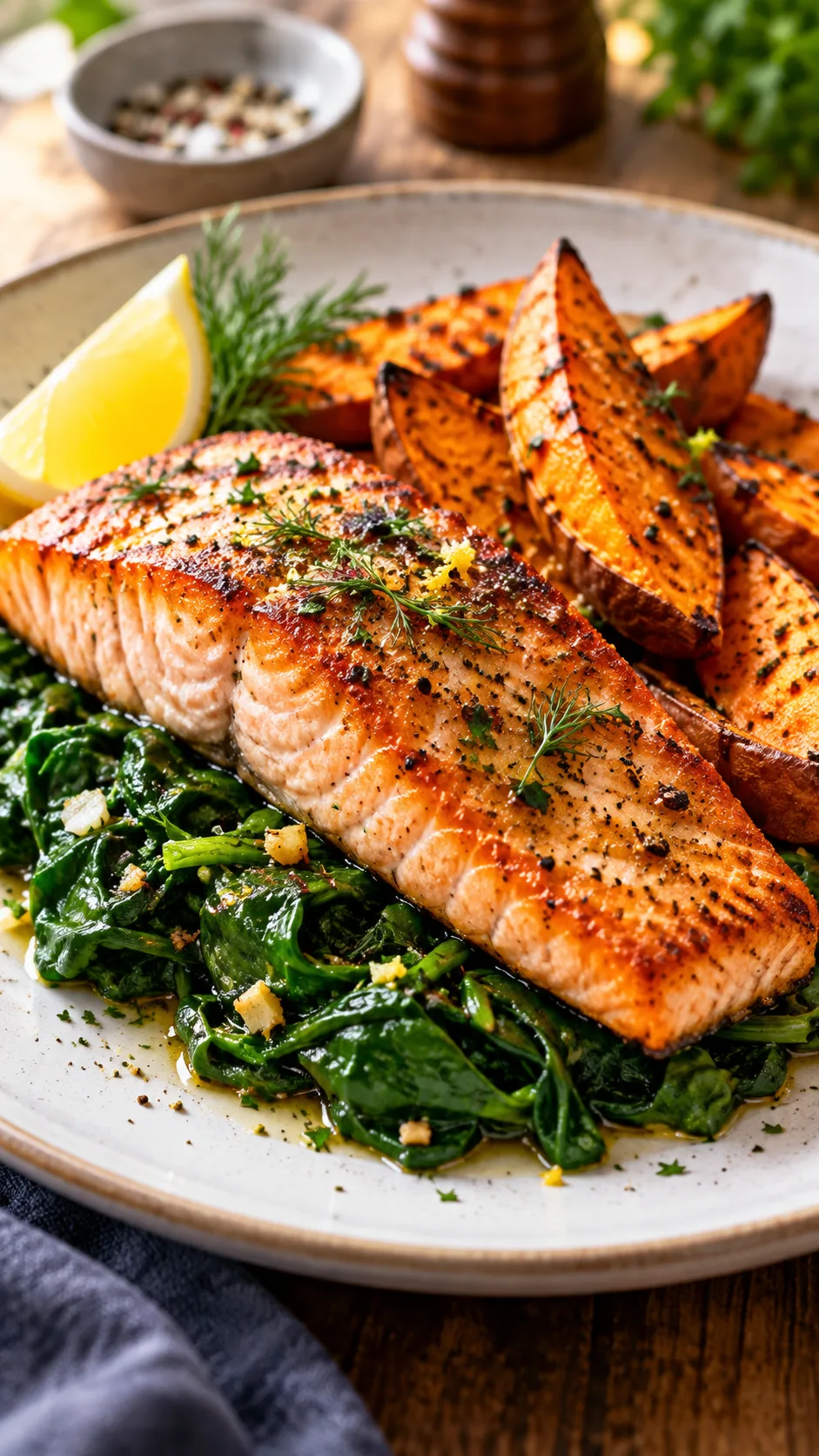
- Dinner: Pan-seared grass-fed flank steak served with steamed broccoli florets and half a baked sweet potato seasoned with sea salt.
Day 2: coastal brain fuel
- Breakfast: Sprouted Ezekiel toast spread with mashed avocado, topped with wild canned sardines and a sprinkle of sea salt, served with hot green tea.
- Lunch: Leftover grilled flank steak sliced over baby arugula with toasted walnuts, shredded carrots, and cold-pressed olive oil.
- Snack: Sliced fresh green apples dipped into raw almond butter.
- Dinner: Oven-baked wild Alaskan cod fillet served with roasted parsnips, sautéed Swiss chard, and a cup of warm bone broth.
Day 3: ancestral comfort
- Breakfast: Smoothie made with unsweetened almond milk, clean collagen protein powder, wild blueberries, a spoonful of flaxseed oil, and fresh spinach.
- Lunch: Turkey burger patties (no bun) topped with sliced avocado, served with raw celery sticks and authentic adzuki bean dip.
- Snack: A cup of dark prunes and raw pecans.
- Dinner: Slow-cooked lamb shanks stewed with fresh ginger, turmeric, onions, and carrots, served over fluffy steamed quinoa.
Navigating social dining without making a scene
How do you survive a dinner party or restaurant without interrogating your server? Social anxiety ruins more dietary protocols than hunger ever could.
When you walk into a restaurant, use this simple formula: Protein plus double green vegetables. Almost every restaurant serves steak, salmon, roast chicken, or burgers. Order the ribeye or salmon, decline the french fries or dinner rolls, and ask the kitchen to substitute steamed broccoli or a double house salad with oil and lemon on the side. Avoid creamy dressings, skip the bread basket, and you eat a clean Blood Type O meal without uttering a single confusing dietary buzzword.
If you attend an office gathering or birthday dinner, avoid talking about blood group antigens or lectin agglutination. Nobody wants a lecture about red blood cells clumping over birthday cake. Eat a high-protein snack before you leave your house, sip sparkling water with lime at the party, and focus on the conversation instead of the dessert tray.
Your practical 5-step transition plan
Tossing your entire pantry into the trash this afternoon will overwhelm you and drain your bank account. Instead of causing chaos, execute this five-step upgrade over the next two weeks.
- Purge the big inflammatory triggers first: Immediately remove wheat flour, pork products, and commercial cow milk. These three foods account for most dietary distress in Type O households.
- Upgrade your animal proteins: Stop buying cheap, grain-fed, factory-farmed meats loaded with inflammatory fats. Invest in wild-caught fish, grass-fed beef, and pasture-raised eggs. Quality matters just as much as quantity.
- Double your green leaf volume: Add at least two large handfuls of dark leafy greens into your meals every single day. Kale, collards, and spinach balance high hydrochloric acid levels effectively.
- Ditch industrial cooking oils: Throw out corn, canola, peanut, and vegetable blends. Cook with olive oil, flaxseed oil, and grass-fed butter or ghee.
- Track your physical biomarkers: Keep a notebook by your bed for two weeks. Rate your morning energy, mental focus, bloating, and joint stiffness on a scale of one to ten. Let your body’s biofeedback guide your choices, not dogma.
Do not chase dietary perfection at the expense of your sanity. Many people discover that eating clean beneficial foods 80% of the time gives them all the energy, clarity, and digestive comfort they sought. Listen to your stomach, fuel your daily routine, and make the food work for you instead of the other way around.