

You do not need another meal plan that turns lunch into a math exam. You need a way to eat that makes rice, vegetables, tofu, fish, or chicken feel like an ordinary Tuesday, not a grim “clean eating” punishment.
The Asian diet plan keeps things simple: satisfying staples, bold flavors, flexible portions, and meals you will want to make again. It does not demand perfection, ban carbs, or ask you to pretend cauliflower tastes like rice. Thank goodness.
Traditional eating patterns across Asia often center on vegetables, legumes, whole grains, protein, fermented foods, and modest amounts of added sugar. You can take ideas from those traditions without pretending every country eats the same way. They do not.
First: What does “Asian diet plan” mean?
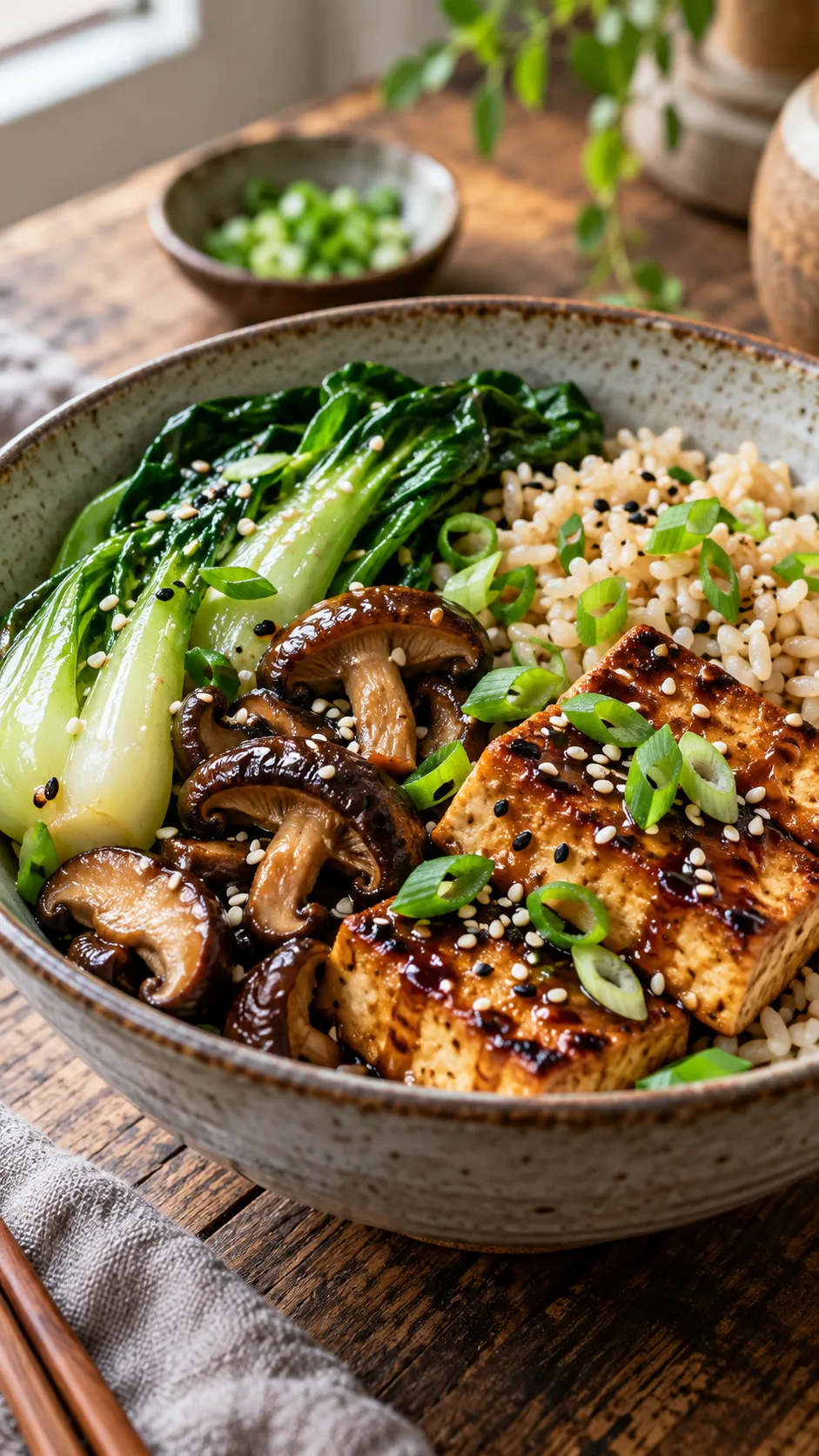
“Asian diet” covers an enormous range of food cultures, including Japanese, Korean, Chinese, Vietnamese, Thai, Indian, Filipino, Malaysian, and Indonesian cooking. No single plate speaks for all of them. Anyone who says otherwise probably thinks soy sauce counts as a personality.
Many traditional food patterns still share practical habits. They often build meals around plants, grains, beans, seafood or lean proteins, herbs, spices, and flavorful broths instead of oversized portions of meat and ultra processed snacks.
This article uses “Asian diet plan” as a practical framework inspired by Asian food traditions, not as a strict cultural label. Use the principles with recipes you enjoy, ingredients you can buy, and your own family traditions.
The core idea: Build a better bowl
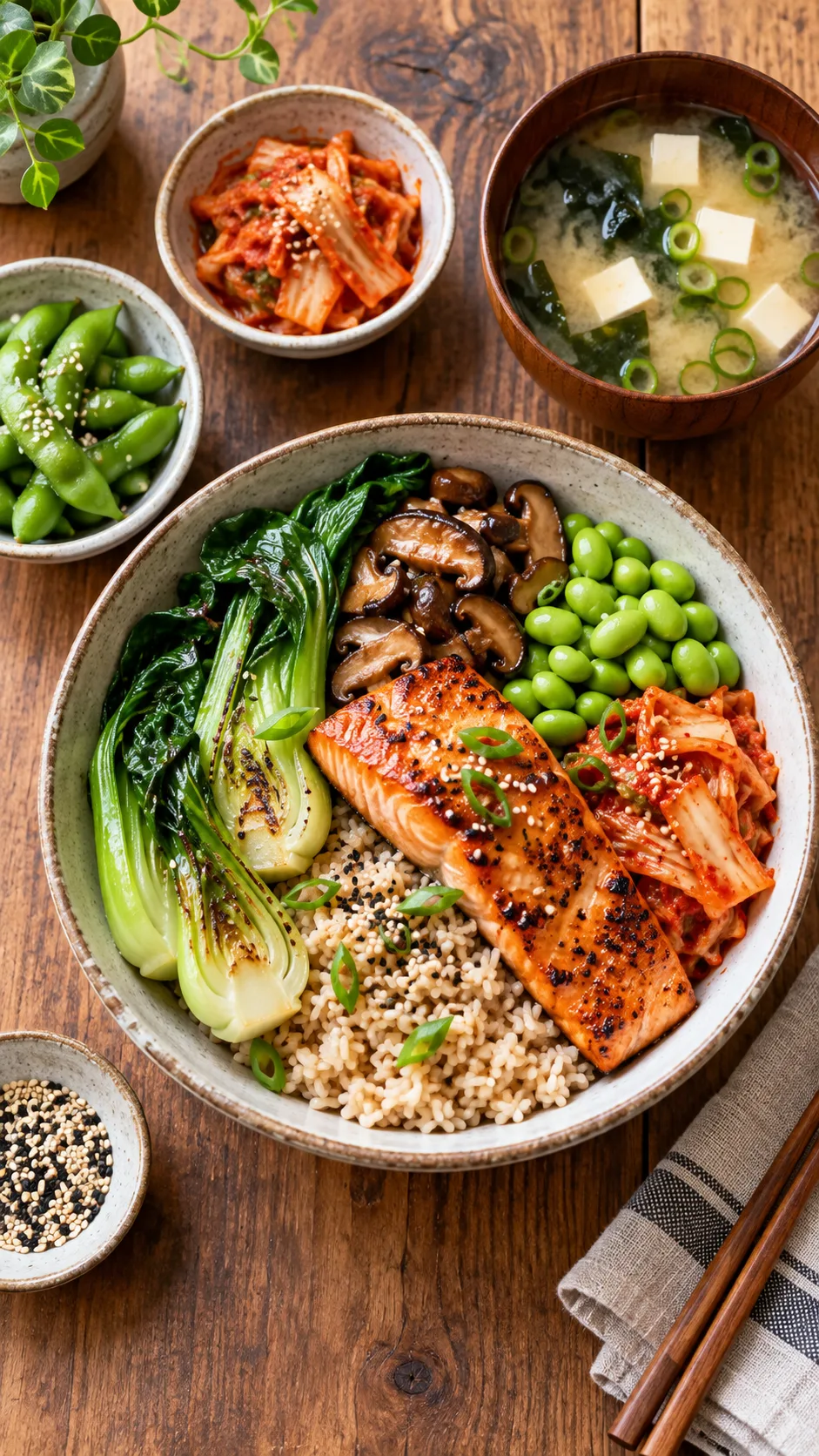
The simplest version of this healthy Asian diet plan uses one dependable formula: fill half your bowl with vegetables, add a palm sized portion of protein, include a sensible serving of carbohydrates, then finish with a flavorful sauce or garnish.
That setup puts fiber, protein, energy, and flavor in the same bowl. It also stops the tiring question, “What am I allowed to eat?” You can eat food instead of following rules all day.
- Vegetables: bok choy, cabbage, broccoli, spinach, carrots, mushrooms, cucumber, green beans, eggplant, peppers, or leafy greens
- Protein: tofu, tempeh, edamame, eggs, fish, shrimp, chicken, turkey, lean pork, lentils, chickpeas, or beans
- Carbohydrates: rice, brown rice, red rice, quinoa, oats, rice noodles, soba, sweet potato, corn, or whole grain flatbread
- Flavor builders: ginger, garlic, scallions, chili, lime, sesame, miso, vinegar, curry paste, herbs, and low sodium soy sauce
Why an Asian inspired diet plan works so well
Healthy eating gets easier when your meals taste good enough to make again. Asian cuisines use aromatics, acidity, heat, herbs, and umami for big flavor without huge amounts of butter, cream, or sugar.
That matters because bland food rarely creates lasting habits. You might choke down dry chicken and plain broccoli for four days, but will you cook it happily next month? Probably not.
You get more fiber without making it weird
Vegetables, beans, lentils, whole grains, seaweed, fruit, and nuts give this eating pattern plenty of fiber. Fiber helps keep digestion regular, helps you feel full after meals, and can support heart health when you eat it regularly.
The American Heart Association encourages people to eat a range of fruits, vegetables, whole grains, legumes, nuts, and lean proteins in a heart healthy eating pattern. Read its practical guidance at the American Heart Association’s healthy eating resource.
Start slowly if you do not eat much fiber now. Add edamame to rice bowls, toss cabbage into stir fries, or have fruit after lunch. Your gut tends to handle gradual changes better than a sudden burst of food heroics.
Protein shows up in everyday foods
You do not need to live on protein shakes to eat enough protein. Tofu, tempeh, fish, eggs, yogurt, chicken, beans, and lentils can all support a protein rich Asian diet plan.
Protein can help you stay full and repair muscle after exercise. Pair it with vegetables and carbs instead of eating protein by itself. Your body wants a complete meal, not a culinary hostage situation.
If you want more protein focused meal ideas, try our high protein diet plan that keeps you full and builds muscle. You can work those ideas into rice bowls, noodle soups, curries, and stir fries.
Carbs stop acting like the villain
Rice, noodles, potatoes, and flatbreads can all fit into a healthy diet. Your portion, the rest of your meal, and your usual activity matter much more than online panic over one scoop of rice.
Traditional meal patterns often pair rice with vegetables, soups, fish, tofu, and fermented sides. That combination slows the meal down and brings nutrients that a huge bowl of plain white rice cannot offer alone.
Choose brown rice, mixed grain rice, quinoa, or barley when you enjoy them. Choose white rice when it fits your meal or digestion. Consistency beats food snobbery.
The simple Asian diet plate method
You can follow an Asian diet plan for weight loss, maintenance, or better overall nutrition without tracking every crumb. Start with visual portions. Then adjust them for your hunger, results, activity, and medical needs.
- Start with vegetables. Add two fists of cooked or raw vegetables to your bowl or plate.
- Add protein. Include one palm of tofu, fish, chicken, eggs, shrimp, beans, tempeh, or lean meat.
- Add a carb source. Use one cupped hand of rice, noodles, grains, starchy vegetables, or flatbread.
- Add a little fat. Use sesame seeds, peanuts, cashews, avocado, olive oil, or a small drizzle of sesame oil.
- Finish with flavor. Add herbs, citrus, chili, ginger, garlic, vinegar, or a measured sauce.
This approach works because it gives you a satisfying meal before hunger convinces you to order three appetizers and call them “balance.” A vegetable heavy stir fry fills you up differently than takeout noodles swimming in oil.
A note about sauces and sodium
Soy sauce, fish sauce, miso, kimchi, curry paste, and instant noodle seasoning pack a lot of flavor, but many also contain plenty of sodium. Sodium does not make food bad, but frequent high sodium meals can cause problems for people with high blood pressure or kidney concerns.
Use low sodium soy sauce when you can. Thin salty sauces with rice vinegar, lime juice, water, ginger, garlic, chili, or fresh herbs. You still get plenty of flavor, and dinner will not taste like a salt lick.
The World Health Organization recommends that adults keep sodium below 2,000 milligrams a day, or about 5 grams of salt. Read more at the WHO salt reduction fact sheet.
Foods to eat more often on an Asian inspired meal plan
Think “more often,” not “always.” A sustainable Asian diet plan leaves room for restaurant meals, celebrations, convenience foods, and the occasional Thursday when cereal wins dinner.
Vegetables and fruits
Build your shopping list around vegetables that cook quickly and taste good with strong seasonings. Cabbage, frozen stir fry mixes, spinach, carrots, mushrooms, snap peas, broccoli, and bok choy can make weekday meals much simpler.
For fruit, keep bananas, oranges, apples, berries, mango, pineapple, pears, or anything you will eat before it becomes fridge decor. Fresh, frozen, and canned fruit without added syrup all work.
Beans, soy foods, and lentils
Tofu and tempeh give you affordable protein and soak up sauces well. Edamame works as a snack, salad topping, or rice bowl addition. Lentils, mung beans, black beans, and chickpeas bring protein and fiber to soups, curries, and salads too.
Research links higher intakes of legumes and plant foods with healthier eating patterns. The Harvard T.H. Chan School of Public Health guide to legumes covers their nutrition and simple ways to use them.
Fish and seafood
Salmon, sardines, trout, mackerel, shrimp, tuna, and white fish all work well in this plan. Fish gives you protein, while oily fish also supplies omega 3 fats that support heart health.
Try broiled salmon with rice and cucumber salad, or add shrimp to a vegetable heavy noodle soup. Need a shortcut during a busy week? These salmon meal prep ideas can make lunch feel less repetitive.
Fermented foods
Kimchi, plain yogurt, kefir, miso, tempeh, and some pickled vegetables bring tang, depth, and variety. Fermented foods may support gut health, but they do not work like magical fairy dust. Eat them because you like them and because they make simple meals more interesting.
Watch your serving sizes with salty fermented foods if you manage hypertension. Pair a small serving of kimchi with plenty of rice, tofu, and vegetables instead of treating it as unlimited vegetables.
A 7 day Asian diet plan you can repeat
This sample Asian meal plan focuses on flexible, accessible meals. Adjust portions for your appetite, goals, medical needs, food allergies, and activity level. Talk with a registered dietitian or clinician if you manage diabetes, kidney disease, pregnancy nutrition, an eating disorder, or another condition that needs personal guidance.
Day 1
Breakfast: Oats with Greek yogurt, berries, chia seeds, and a drizzle of honey. Lunch: A bowl with chicken, brown rice, broccoli, carrots, and sesame ginger sauce. Dinner: Miso salmon, sautéed bok choy, and rice.
Day 2
Breakfast: Eggs scrambled with spinach, mushrooms, and scallions, plus fruit. Lunch: Tofu noodle soup with cabbage, carrots, edamame, and rice noodles. Dinner: Turkey or tofu lettuce wraps with rice and cucumber salad.
Day 3
Breakfast: Plain yogurt with mango, walnuts, and oats. Lunch: Leftover lettuce wraps in a grain bowl with extra greens. Dinner: Chickpea and vegetable curry with basmati rice and plain yogurt.
Day 4
Breakfast: Overnight oats with banana and peanut butter. Lunch: Tuna rice bowl with cucumber, shredded carrots, avocado, seaweed, and edamame. Dinner: Beef or tempeh stir fry with broccoli, peppers, mushrooms, and rice.
Day 5
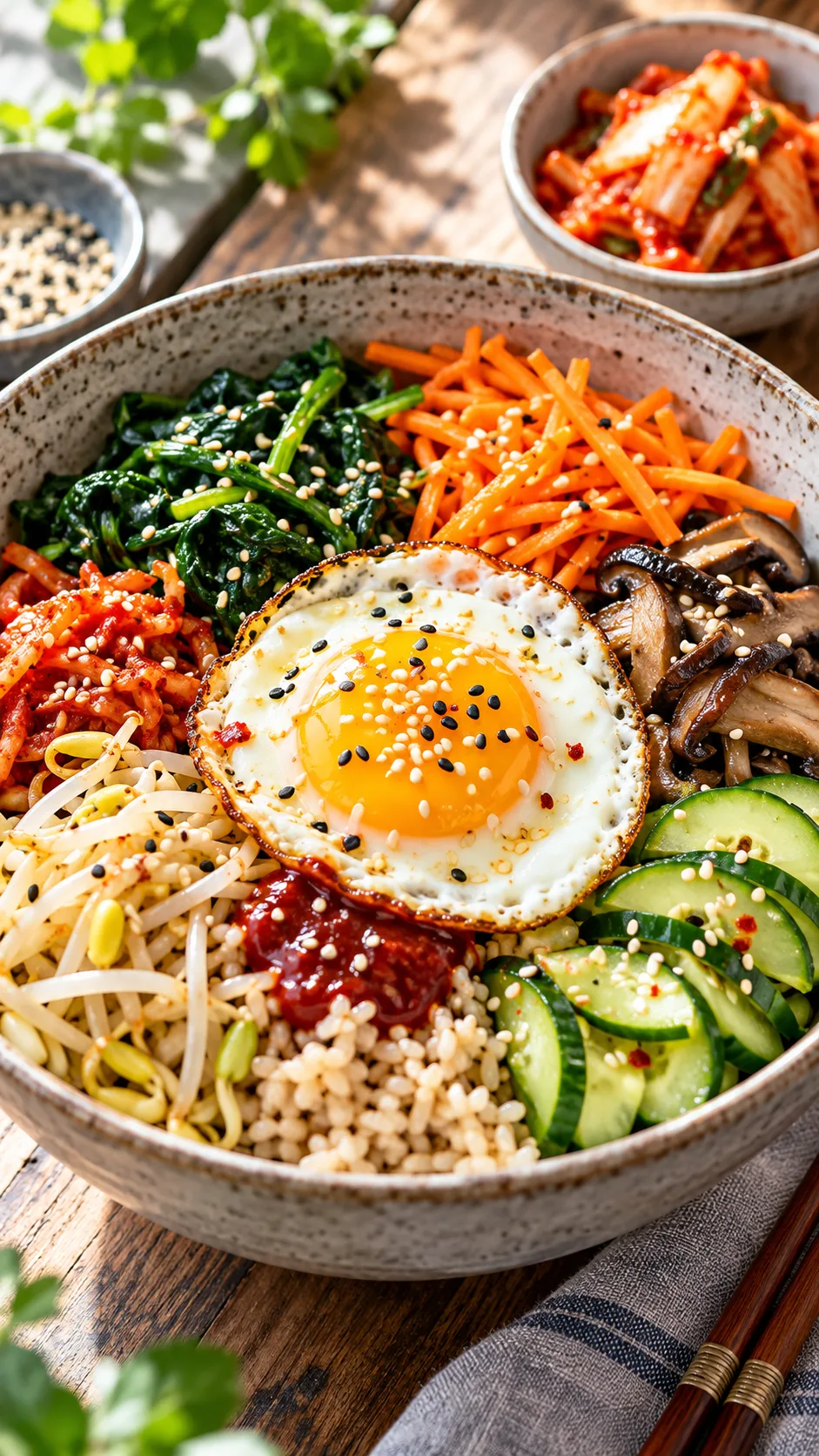
Breakfast: Savory rice bowl with a fried egg, spinach, kimchi, and sesame seeds. Lunch: Lentil soup with a side salad and whole grain crackers. Dinner: Ginger chicken or tofu with green beans and sweet potato.
Day 6
Breakfast: Smoothie with milk or soy milk, berries, spinach, and Greek yogurt. Lunch: Cold soba noodle salad with shredded vegetables and sesame dressing. Dinner: Homemade vegetable fried rice with eggs, peas, carrots, and shrimp or tofu.
Day 7
Breakfast: Whole grain toast with peanut butter, banana, and cinnamon. Lunch: Leftover fried rice with fruit on the side. Dinner: Vietnamese inspired rice noodle bowl with grilled chicken or tofu, herbs, cucumber, carrots, and lime.
Have a snack when hunger calls for one. Choose fruit with nuts, edamame, yogurt, roasted chickpeas, hard boiled eggs, or hummus with vegetables. Hunger does not mean you failed your plan. It means you need food.
How to make Asian inspired healthy eating effortless
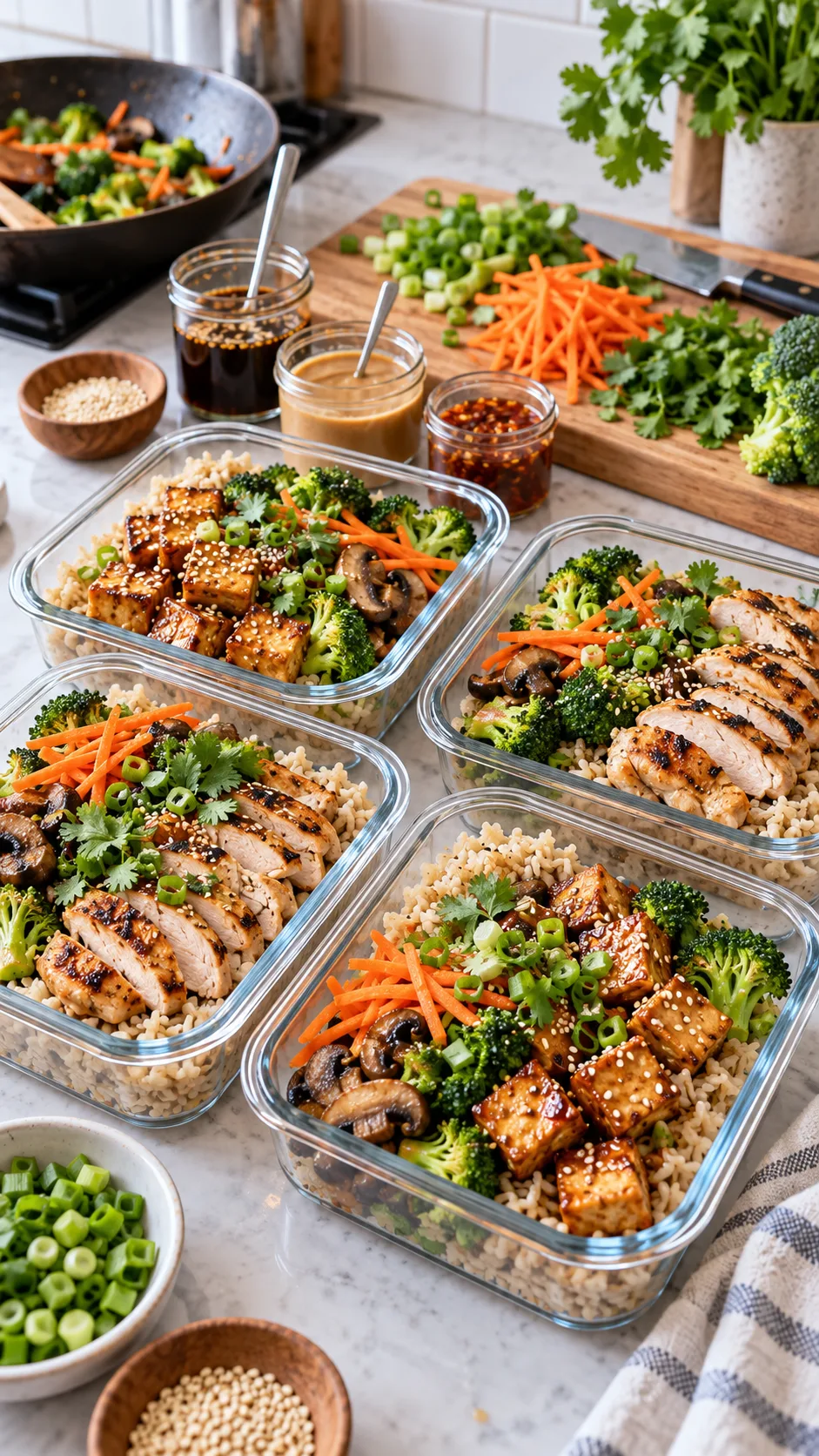
The best diet plan saves effort on your busiest days. Prepare a few building blocks once, then combine them in different ways through the week. You do not need seven identical containers of chicken and broccoli glaring at you from the fridge.
- Cook one grain. Make rice, quinoa, noodles, or barley for three or four meals.
- Prep two proteins. Bake tofu and cook chicken, eggs, salmon, or lentils.
- Buy easy vegetables. Grab frozen broccoli, bagged slaw, prewashed greens, or stir fry mixes.
- Make one sauce. Mix low sodium soy sauce, rice vinegar, lime, ginger, garlic, and a touch of honey.
- Keep smart backup meals. Stock canned beans, frozen edamame, tinned fish, instant brown rice, and low sodium soup.
Meal prep should lower stress, not turn into a Sunday endurance sport. If you want more structure, our lazy girl meal plan has easy ideas for days when motivation disappears under a blanket.
Restaurant ordering without blowing up your goals
Restaurant food can fit your Asian diet plan. Look for grilled, steamed, roasted, broth based, or vegetable heavy dishes. Ask for sauce on the side when you can, then enjoy dinner without putting the meal on trial.
- Choose pho, ramen with extra vegetables and protein, or clear soups more often than deep fried starters.
- Order steamed rice and a vegetable and protein entrée instead of creamy or heavily battered dishes when you want a lighter meal.
- Share rich dishes and add a side of greens, cucumber salad, or steamed vegetables.
- Eat slowly enough to notice when you feel comfortably full.
Common mistakes that make this plan harder than it needs to be
Eating tiny portions of rice and then raiding the pantry
People often cut carbs too hard, feel ravenous, then blame their “lack of discipline” at 9 p.m. Add a sensible portion of rice or noodles to a balanced meal. Your body usually responds better to enough food than to chaos.
Forgetting protein at breakfast
A pastry and coffee can taste great, but they may not keep you full for long. Add yogurt, eggs, tofu, milk, soy milk, nuts, or nut butter. Some protein early in the day can make afternoon cravings less intense.
Using too much oil and sauce
Healthy oils still contain calories, and restaurant style sauces can add a lot of sugar and sodium quickly. Measure oil with a spoon when you cook. Use sauces as accents instead of turning them into soup.
Trying to copy foods you do not enjoy
You do not need to eat kimchi, seaweed, tofu, or spicy food to follow this plan. Keep the structure and choose flavors you love. A Mediterranean style chickpea bowl or a curry inspired lentil bowl can use the same balanced approach.
Can the Asian diet plan help with weight loss?
Yes, an Asian inspired diet can support weight loss when it helps you create a calorie deficit without constant hunger. Vegetables, protein, fiber rich foods, soups, and structured bowls can make that easier.
But no cuisine guarantees weight loss. Portion sizes, snacks, drinks, sleep, stress, movement, medications, and health conditions all affect your results. Focus on habits you can maintain for months instead of a frantic two week food makeover.
If fat loss is your main goal, pair this way of eating with the practical strategies in our fat loss diet plan that works without starving you. You do not need misery to make progress. Misery makes a terrible meal prep assistant.
The bottom line: Eat more flavor, not more food rules
The best Asian diet plan does not trap you in a narrow menu. It teaches you to build meals around vegetables, protein, satisfying carbs, smart fats, and bold flavor.
Make a rice bowl. Stir fry whatever vegetables wait in your fridge. Add tofu, fish, eggs, beans, or chicken, then wake it up with ginger, lime, herbs, or chili.
Start with one meal this week instead of rebuilding your whole life. Healthy eating feels easy when your food tastes like something you want to eat. That may be the most useful nutrition strategy of all.