

Fibroid symptoms can make you feel as if your uterus has taken over your schedule. Heavy periods, pressure, bloating, back pain, exhaustion, and the need to map every outing around the nearest bathroom can wear you down fast.
Food will not melt fibroids overnight, no matter what a detox tea seller with a ring light claims. Still, a sensible fibroid diet can support hormone health, ease inflammation, improve iron intake, reduce constipation and bloating, and help you handle symptoms that drain your energy.
The common mistake? Many women hunt for one miracle food instead of building an eating routine they can live with. Start there.
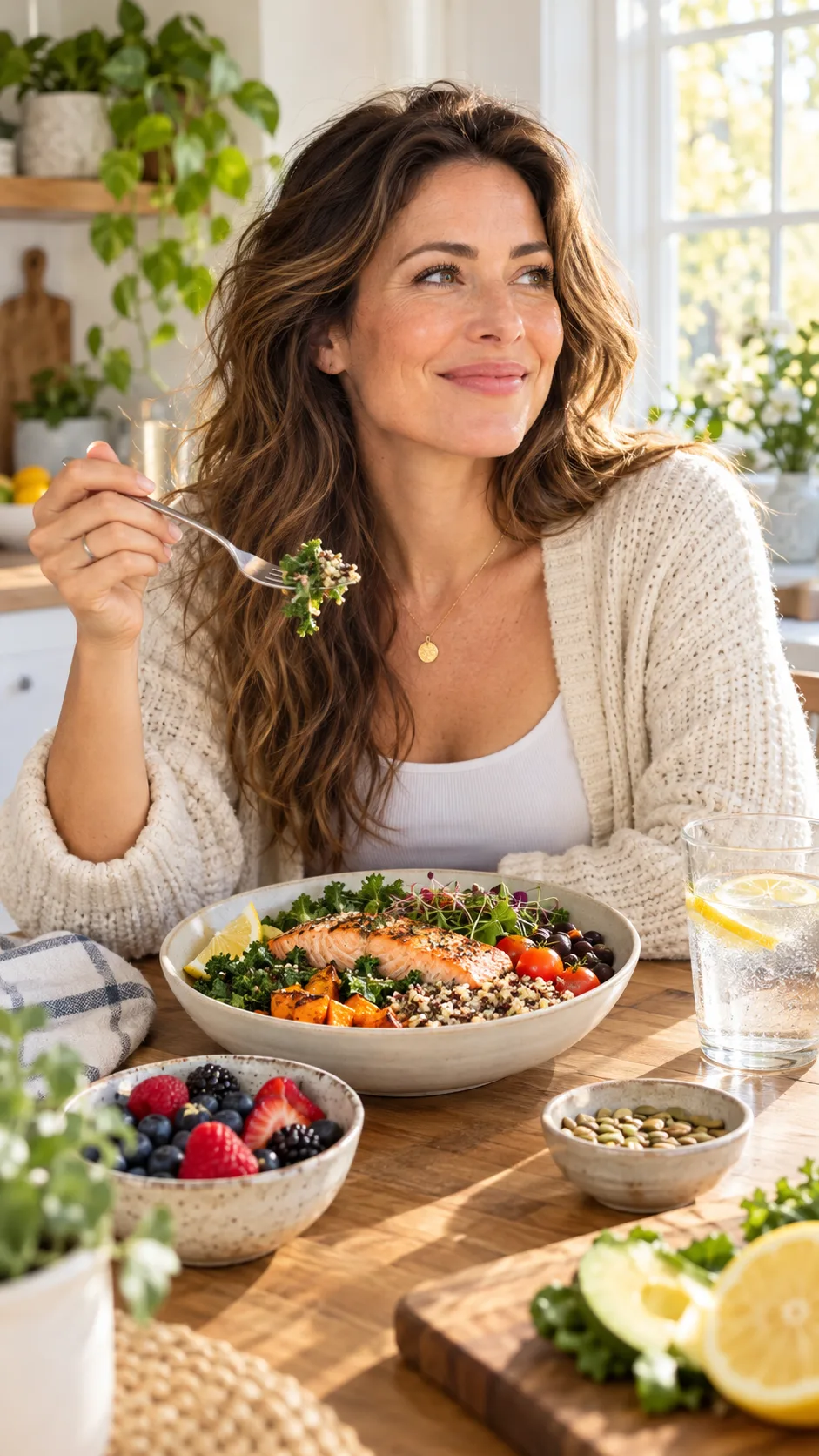
Can diet shrink fibroids?
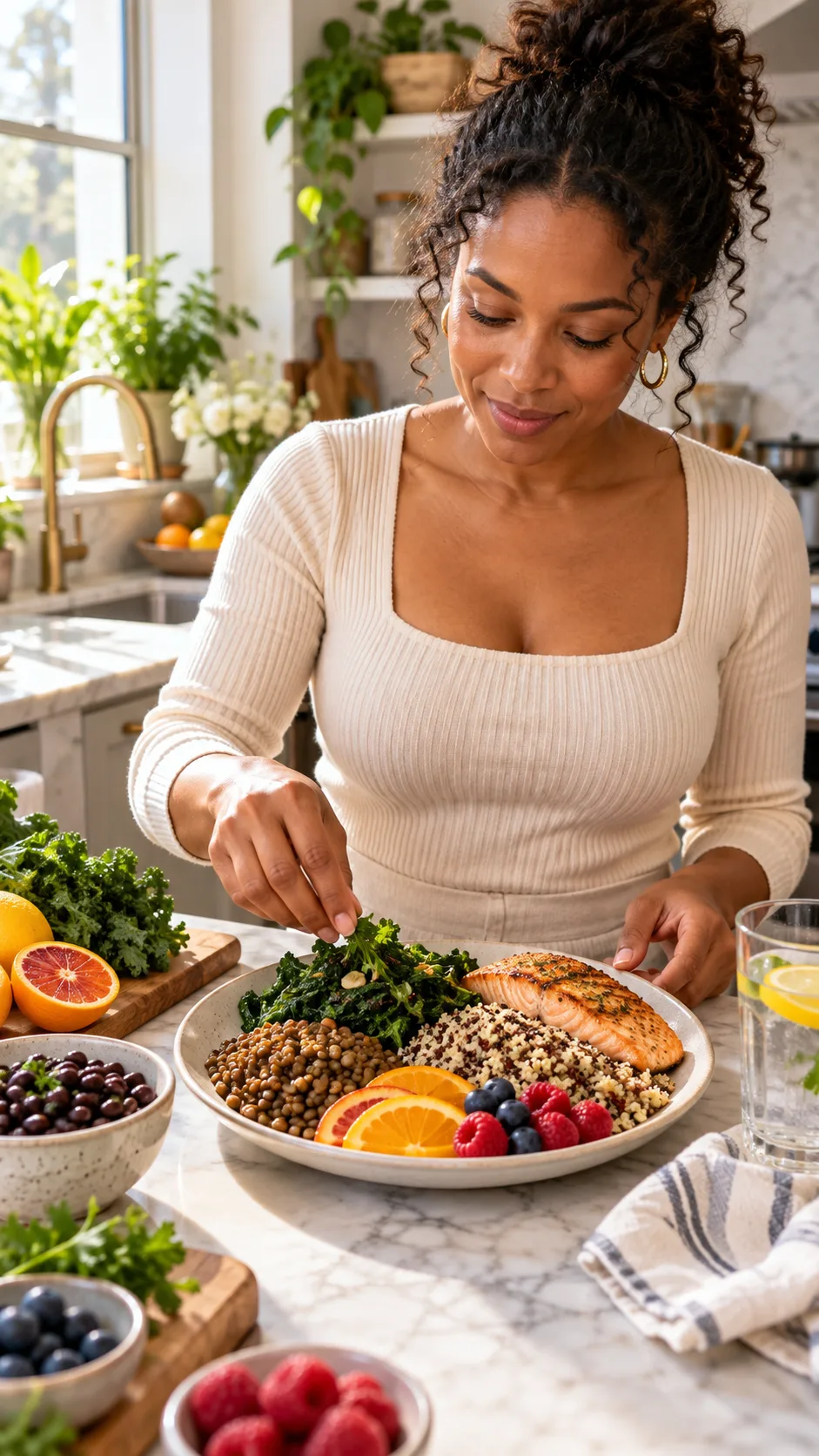
Ignore the internet noise before it sends you into a 14-day juice cleanse with nothing to show for it except an empty wallet. No diet has strong clinical proof that it reliably shrinks uterine fibroids on its own.
Fibroids, also called leiomyomas, grow from muscle tissue in the uterus. Estrogen and progesterone can affect their growth. Genetics, age, body weight, and other health factors matter too.
A balanced way of eating can still help. It can help you manage inflammation, maintain a body weight that feels healthy for you, avoid sharp blood sugar swings, and replace nutrients that heavy bleeding takes from your body.
Think of food as one part of symptom management, not the whole plan. Your gynecologist, blood tests, medication choices, and imaging all matter.
The American College of Obstetricians and Gynecologists notes that fibroids can cause heavy bleeding, pelvic pressure, frequent urination, pain, fertility problems, and pregnancy complications. Some fibroids cause no symptoms, which can make them frustratingly hard to spot.
What women often get wrong about a fibroid diet
They chase “estrogen detox” instead of eating well
Your liver and kidneys already remove waste products every day. You do not need a green powder that tastes like lawn clippings to “flush estrogen” from your body.
Focus on fiber rich foods, enough protein, plenty of produce, water, and fewer ultra processed foods. Those habits support digestion and metabolic health without making fairy tale promises.
They cut out everything at once
Some women cut dairy, gluten, soy, sugar, meat, caffeine, carbs, and every scrap of pleasure from their diet in one frantic weekend. Then hunger and frustration set in, and someone holding a biscuit suddenly looks like a personal enemy.
Change one or two habits at a time instead. Keep track of symptoms for four to eight weeks, then watch for patterns that fit your body.
They overlook iron loss
Heavy periods can empty iron stores quickly. Low iron can leave you tired, dizzy, short of breath, foggy, cold, and far from yourself.
A healthy fibroid diet will not solve much if severe iron deficiency anemia keeps you struggling. Ask a clinician for a complete blood count and ferritin test when heavy bleeding affects daily life.
They confuse bloating with fibroid growth
Fibroids can cause pelvic pressure and make your lower belly feel fuller. Digestion can pile bloating, gas, and constipation on top of that discomfort. Salty packaged foods, too little fiber, dehydration, and irregular meals can make it worse.
You cannot reduce a fibroid belly in one spot. You can help your digestion and cut some of the extra puffiness that adds to pelvic pressure.
The best foods for fibroid symptoms
The most useful fibroid diet often resembles a Mediterranean style, fiber rich eating plan. It centers on plants, protein, healthy fats, and minimally processed meals that help keep hunger and blood sugar steadier.
You do not need perfection. You need meals you can make on a busy Tuesday when cramps have already ruined your mood.
Fill half your plate with colorful vegetables
Vegetables provide fiber, potassium, folate, vitamin C, and plant compounds that support general health. Dark leafy greens also contain non heme iron, which can help when heavy periods lower your stores.
- Leafy greens: spinach, kale, ugwu, collard greens, Swiss chard, cabbage
- Cruciferous vegetables: broccoli, cauliflower, Brussels sprouts, cabbage
- Bright choices: carrots, tomatoes, bell peppers, pumpkin, beetroot
- Easy freezer options: mixed vegetables, spinach, green beans, broccoli florets
Pair iron rich greens or beans with vitamin C foods such as oranges, guava, strawberries, tomatoes, or bell peppers. Vitamin C helps your body take in plant based iron.
Choose fiber rich carbs without fearing carbs
Carbohydrates do not cause fibroids. Your body uses them for energy, and the bacteria in your gut feed on fiber.
Choose fiber rich carbohydrates more often, especially when constipation and bloating make pelvic pressure worse. Fiber can also help you stay full, which may help if weight management matters to you.
- Oats and oat bran
- Brown rice, wild rice, and quinoa
- Whole grain bread or whole wheat pasta
- Sweet potatoes, yam, plantain, and potatoes with the skin
- Beans, lentils, chickpeas, and peas
- High fiber Nigerian staples in sensible portions
If you want practical ideas that work with familiar meals, this guide to low calorie Nigerian foods offers options that do not turn your plate into punishment.
Eat enough protein at every meal
Protein helps you feel full, supports muscle, and makes balanced meals easier to put together. It can also prevent the familiar “I had coffee and crackers, why am I starving at 4 p.m.?” problem.
Choose protein sources that suit your budget, culture, and preferences. Aim for variety rather than chasing one supposedly perfect choice.
- Fish such as salmon, sardines, mackerel, tuna, and tilapia
- Eggs
- Chicken or turkey
- Greek yogurt or unsweetened yogurt, if you tolerate dairy
- Beans, lentils, tofu, tempeh, and edamame
- Lean beef in moderate portions, especially when you need dietary iron
Need more meal ideas? Our Nigerian protein diet guide can help you put together filling meals with accessible protein choices.
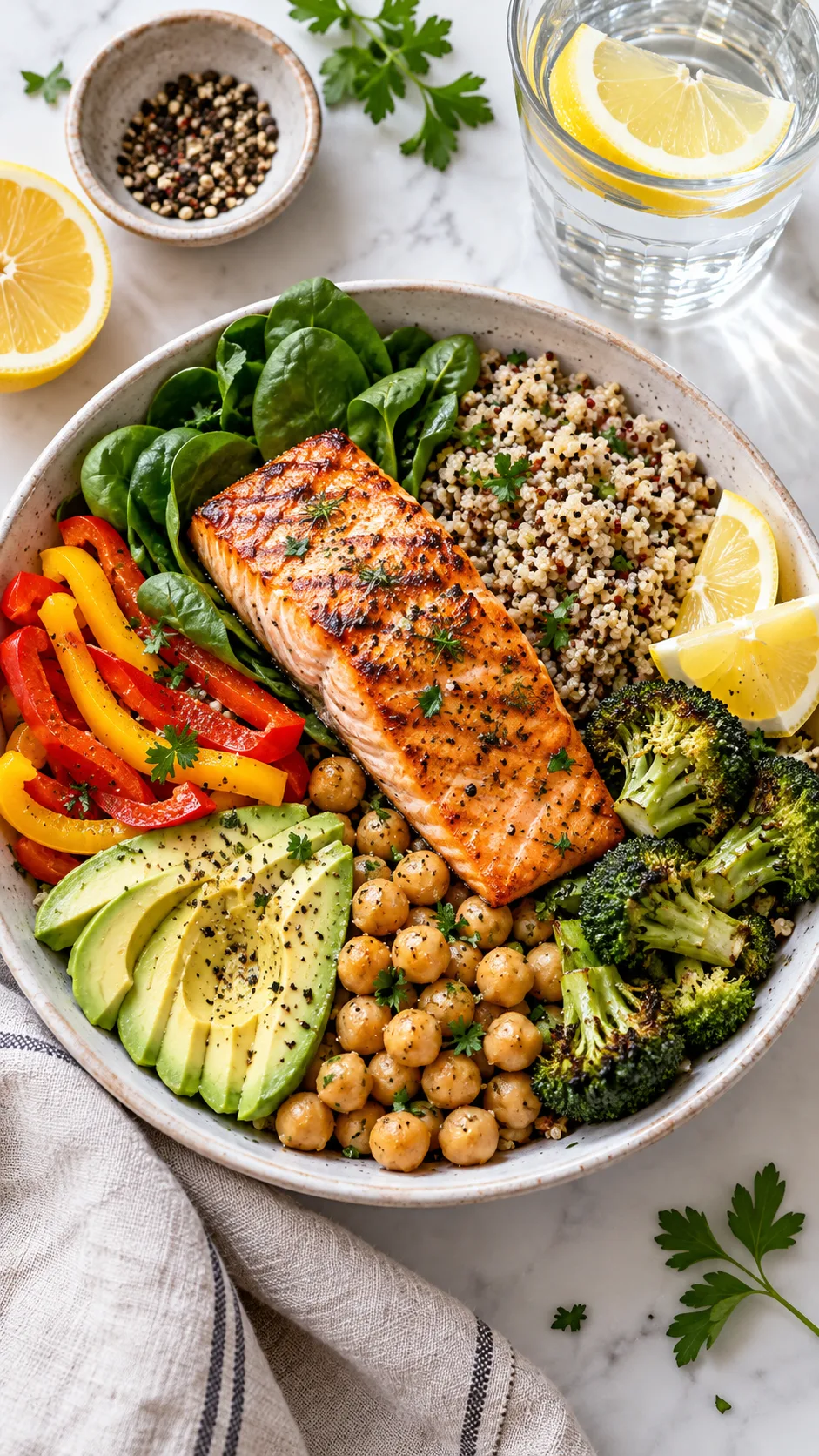
Add fats that support fullness
Healthy fats help you stay satisfied and help your body absorb fat soluble vitamins. Fatty fish provides omega 3 fats, which may help maintain a healthy inflammatory response.
Use olive oil, avocado, nuts, seeds, natural peanut butter, and oily fish more often. Keep portions reasonable because healthy fats still contain plenty of calories. Avocado does many things, but it cannot bend physics.
Let fruit handle your sweet cravings
Fruit gives you fiber, vitamins, water, and sweetness without the blood sugar spike that often follows frequent sugary snacks. Berries, citrus, apples, pears, bananas, mangoes, watermelon, guava, and oranges all work.
You do not need to fear fruit because it contains sugar. Whole fruit brings fiber and water with it. A large bottle of soda does not.
Foods and habits to limit when you have fibroids
No food deserves a permanent villain label unless you have an allergy, intolerance, or medical reason to avoid it. Some eating habits can worsen bloating, fatigue, inflammation, or blood sugar swings for many people.
Cut back on ultra processed foods
Fast food, packaged pastries, sugary cereals, instant noodles, processed meats, chips, and sweet drinks can push more nourishing foods off your plate. They often pack in sodium, refined carbohydrates, and added sugar while offering little fiber.
You do not need to ban them for life. Eat them less often, choose smaller portions, and make your usual meals easier to reach.
Pay attention to alcohol
Alcohol can disrupt sleep, worsen inflammation, and add strain when heavy bleeding already leaves you tired. Some research has examined a link between alcohol intake and fibroid risk, but researchers need stronger evidence.
If alcohol worsens cramps, bleeding, sleep, or anxiety, take that pattern seriously. Try going without it for four weeks and see how you feel.
Make caffeine personal
Caffeine does not automatically cause fibroids, and you do not need to toss your morning coffee in dramatic fashion. Coffee, energy drinks, and strong tea can worsen anxiety, breast tenderness, reflux, or poor sleep for some women.
Cut back if you notice a clear pattern. Swap one cup for decaf, herbal tea, or water instead of quitting cold turkey and dealing with a headache that feels big enough to have its own zip code.
Ease up on sodium when bloating flares
Salt does not make fibroids grow, but salty meals can make you retain water and feel more swollen. Restaurant meals, seasoning packets, cured meats, canned soups, and packaged snacks often contain more sodium than you realize.
Cook at home more often when you can. Use garlic, ginger, onions, herbs, pepper, lemon, lime, and spices to build flavor instead of depending on salt alone.
Iron deserves more attention than most fibroid diet advice gives it
Heavy menstrual bleeding can cause iron deficiency, and iron deficiency can drain your energy. If stairs leave you exhausted, you crave ice, you cannot focus, or you look unusually pale, do not write it off as “just being busy.”
The National Institutes of Health Office of Dietary Supplements lists meat, seafood, poultry, fortified grains, legumes, and leafy greens as dietary iron sources. Your clinician may suggest an iron supplement when food cannot replace what you lose.
Build an iron smart plate
- Choose an iron source: lean beef, sardines, beans, lentils, spinach, fortified cereal, or tofu.
- Add vitamin C: tomatoes, citrus fruit, peppers, berries, or guava can help your body absorb plant iron.
- Keep tea and coffee away from iron heavy meals: wait at least an hour when you can because they can reduce iron absorption.
- Get tested: do not take high dose iron for a long time without medical guidance.
Iron supplements can cause constipation, nausea, or dark stools. A clinician can help you find the right dose and schedule, especially if bowel symptoms already trouble you.
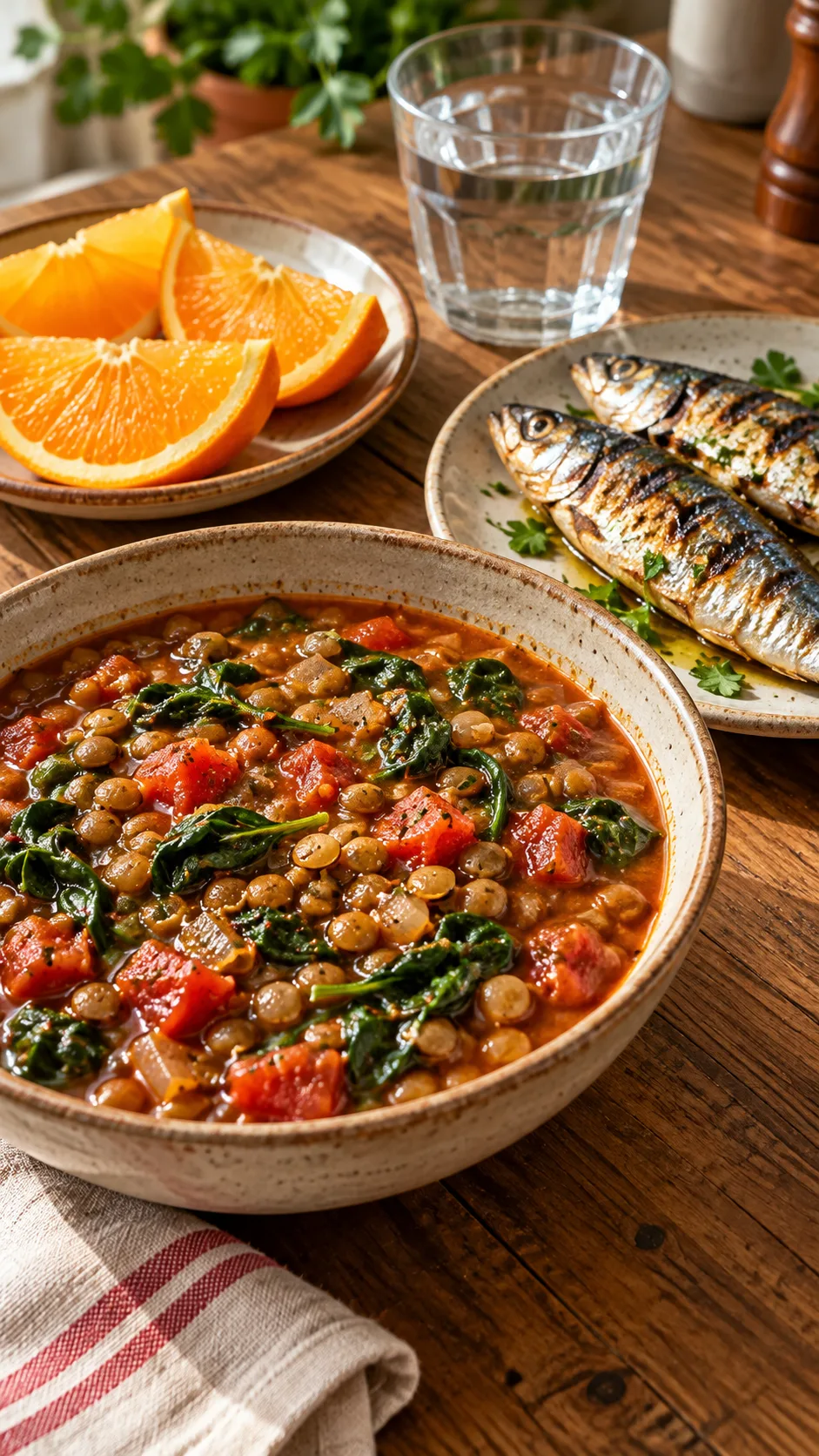
A simple 7-day fibroid friendly meal formula
You do not need seven complicated recipes or a refrigerator stocked like a cooking show set. Use this flexible formula: protein + high fiber carbohydrate + vegetables + healthy fat + fruit.
Mix and match meals around what you enjoy and what you can afford. A routine you follow beats a flawless menu you abandon after three days.
Breakfast ideas
- Oats with yogurt, chia seeds, berries, and walnuts
- Eggs with spinach, tomatoes, and whole grain toast
- Greek yogurt with fruit, pumpkin seeds, and oats
- Beans with boiled plantain and sliced avocado
- Smoothie with unsweetened yogurt, berries, spinach, peanut butter, and oats
Lunch and dinner ideas
- Brown rice with beans, grilled fish, and mixed vegetables
- Chicken stir fry with broccoli, peppers, carrots, and quinoa
- Lentil soup with whole grain bread and a side salad
- Yam or sweet potato with egg sauce and leafy greens
- Whole wheat pasta with sardines, tomatoes, spinach, and olive oil
- Ofada or brown rice with vegetable rich stew and lean protein
Snack ideas
- An apple with peanut butter
- Carrots or cucumber with hummus
- Orange slices and a handful of nuts
- Plain yogurt with cinnamon and fruit
- Air popped popcorn with minimal salt
Meal prep can help when fatigue wipes out your motivation. These Asian meal prep recipes can give you ideas for quick vegetable heavy bowls, stir fries, and lunches you can make ahead.
Supplements, herbs, and “natural” fibroid cures: be careful
“Natural” does not always mean safe, effective, or compatible with your medications. Supplements can interact with blood thinners, hormonal treatments, blood pressure medicines, and surgery plans.
Vitamin D has drawn research interest because some studies found lower vitamin D levels among women with fibroids. Researchers still need more well designed trials before anyone can claim that vitamin D supplements shrink fibroids.
Ask your clinician to check your vitamin D level if you have risk factors for deficiency. Take supplements only at a dose that fits your medical needs.
Take extra care with herbal blends that claim to dissolve fibroids, balance every hormone, or cleanse your womb. Those products often offer no reliable evidence and charge plenty for the packaging.
The National Center for Complementary and Integrative Health provides safety information about herbs and supplements. Bring every supplement bottle, tea, powder, and tincture to appointments so your doctor can see the full picture.
When food is not enough
A fibroid friendly diet can support your health, but it cannot replace medical care when symptoms become severe. Contact a gynecologist if you soak through pads or tampons every hour, pass large clots, feel faint, have severe pelvic pain, or bleed between periods.
Ask for help when fibroid symptoms affect your work, relationships, sex life, sleep, fertility plans, or mental health. You deserve care long before you hit a breaking point.
Your clinician may talk with you about medicines, hormonal options, iron treatment, nonsurgical procedures, myomectomy, uterine artery embolization, or hysterectomy. They will consider your symptoms, fibroid size and location, and future pregnancy plans. Ask direct questions: What will this treatment improve? Which side effects should I expect? How will it affect fertility?
The bottom line: build a diet that helps you feel like yourself again
The best fibroid diet makes no magic promises. It gives your body more fiber, iron rich foods, produce, protein, healthy fats, and regular meals. It also cuts back on ultra processed habits that can worsen bloating and fatigue.
Food may not erase fibroids, but it can help you manage the symptoms that come with them. Start with one useful change this week: add vegetables to lunch, pair iron foods with vitamin C, trade one sugary drink for water, or schedule that overdue blood test.
You do not need a perfect plate. You need a plan that supports your body, fits real life, and leaves room to enjoy dinner without treating every bite like a medical exam.