

Your face reflects what’s on your plate. Not perfectly, and not overnight, but more than most expensive serums will admit. If you’ve spent a fortune on skincare and still wake up looking dull, your fork might deserve a closer look.
This guide walks you through the glowing skin diet: the nutrients that matter and the foods that supply them, plus a realistic daily eating plan. It also covers what to cut back on and what no diet can fix. Ready to eat your way to clearer, more radiant skin?
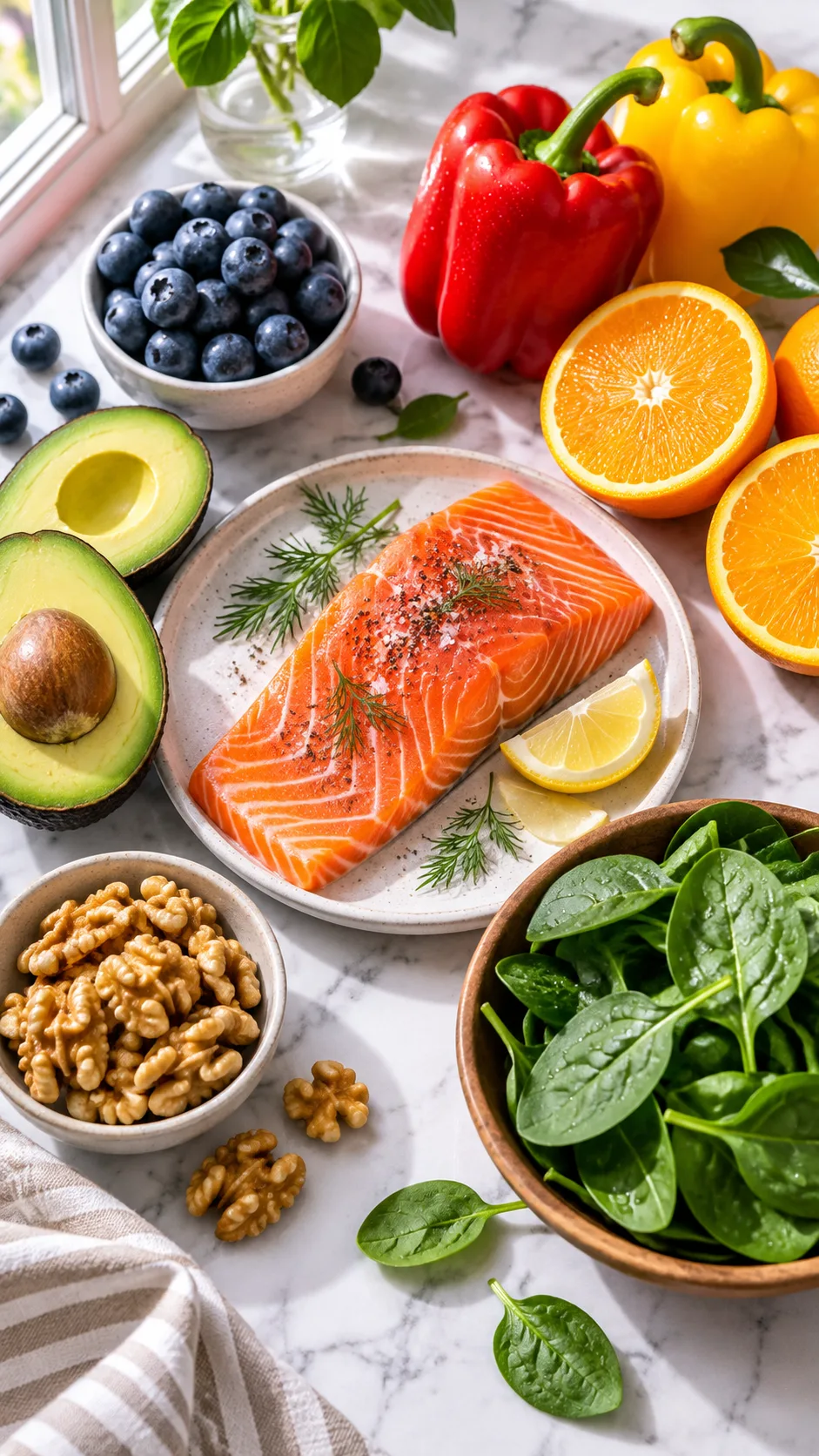
What glowing skin really means, and what food can do
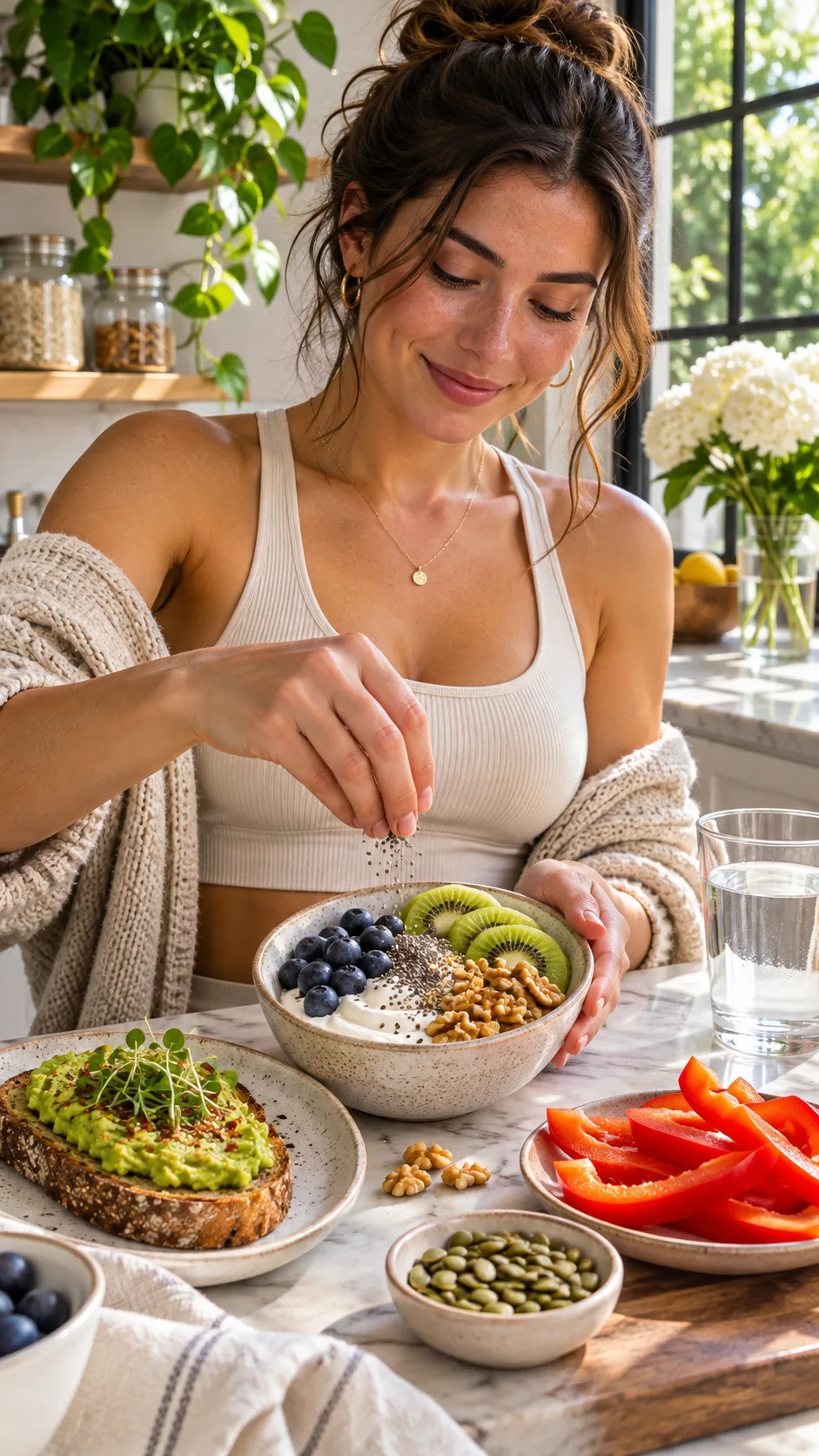
Glowing skin isn’t a mystery. It comes down to even tone, good hydration, a healthy skin barrier, and minimal inflammation. Food influences all four.
Set your expectations honestly, though. No food erases genetics, and no smoothie replaces sunscreen. Anyone who promises a “miracle glow in three days” is selling something.
What food can do is supply the raw materials your skin uses to repair itself and fight oxidative damage. It also helps keep oil production steady. Skin renews itself roughly every four to six weeks, so every meal gives your next batch of skin cells something to work with.
The quick science
- Antioxidants neutralize free radicals from UV light, pollution, and stress.
- Healthy fats support your skin’s moisture barrier.
- Protein supplies the amino acids your body needs to build collagen and elastin.
- Stable blood sugar may calm the hormone swings that trigger breakouts in some people.
The nutrients your skin uses every day
You don’t need to memorize a chemistry textbook. Focus on these six nutrients and the foods that supply them.
1. Vitamin C: your collagen builder
Your body can’t make collagen without vitamin C. The NIH Office of Dietary Supplements confirms that vitamin C plays a central role in collagen formation and also works as an antioxidant in skin.
Good sources include bell peppers, kiwi, strawberries, oranges, broccoli, and guava. One red bell pepper beats an orange on vitamin C, and that surprises almost everyone.
2. Vitamin E: the barrier protector
Vitamin E sits in your skin’s fatty layers and helps shield cells from oxidative damage. It works even better alongside vitamin C. The NIH vitamin E fact sheet lists sunflower seeds, almonds, and hazelnuts as top food sources.
A small handful of almonds a day covers a good chunk of your needs.
3. Omega-3 fatty acids: the inflammation fighters
Omega-3s help calm inflammation and support a plump, hydrated skin barrier. If your skin looks red, irritated, or tight, this is where many people fall short.
Salmon, sardines, mackerel, walnuts, chia seeds, and flaxseed all deliver omega-3s. Aim for fatty fish two times a week.
4. Zinc: the oil and healing regulator
Zinc supports wound healing and helps regulate inflammation. The NIH zinc fact sheet notes that zinc deficiency can cause skin lesions and slow wound healing.
Pumpkin seeds, chickpeas, lentils, oysters, beef, and cashews all contain good amounts of it.
5. Carotenoids: the natural glow-givers
Carotenoids are the orange, red, and yellow pigments in produce. Researchers at the University of St Andrews found that people who ate more fruits and vegetables developed a healthier, more golden skin tone within weeks. Raters judged that tone more attractive than a suntan.
Carrots, sweet potatoes, tomatoes, mango, apricots, and red peppers are rich in carotenoids. Cook your tomatoes with a little olive oil, because fat helps your body absorb lycopene.
6. Protein: the building blocks
Skin is mostly protein. If you under-eat protein, your skin, hair, and nails show it first. Eat a portion about the size of your palm at every meal: eggs, fish, poultry, tofu, Greek yogurt, beans, or lentils.
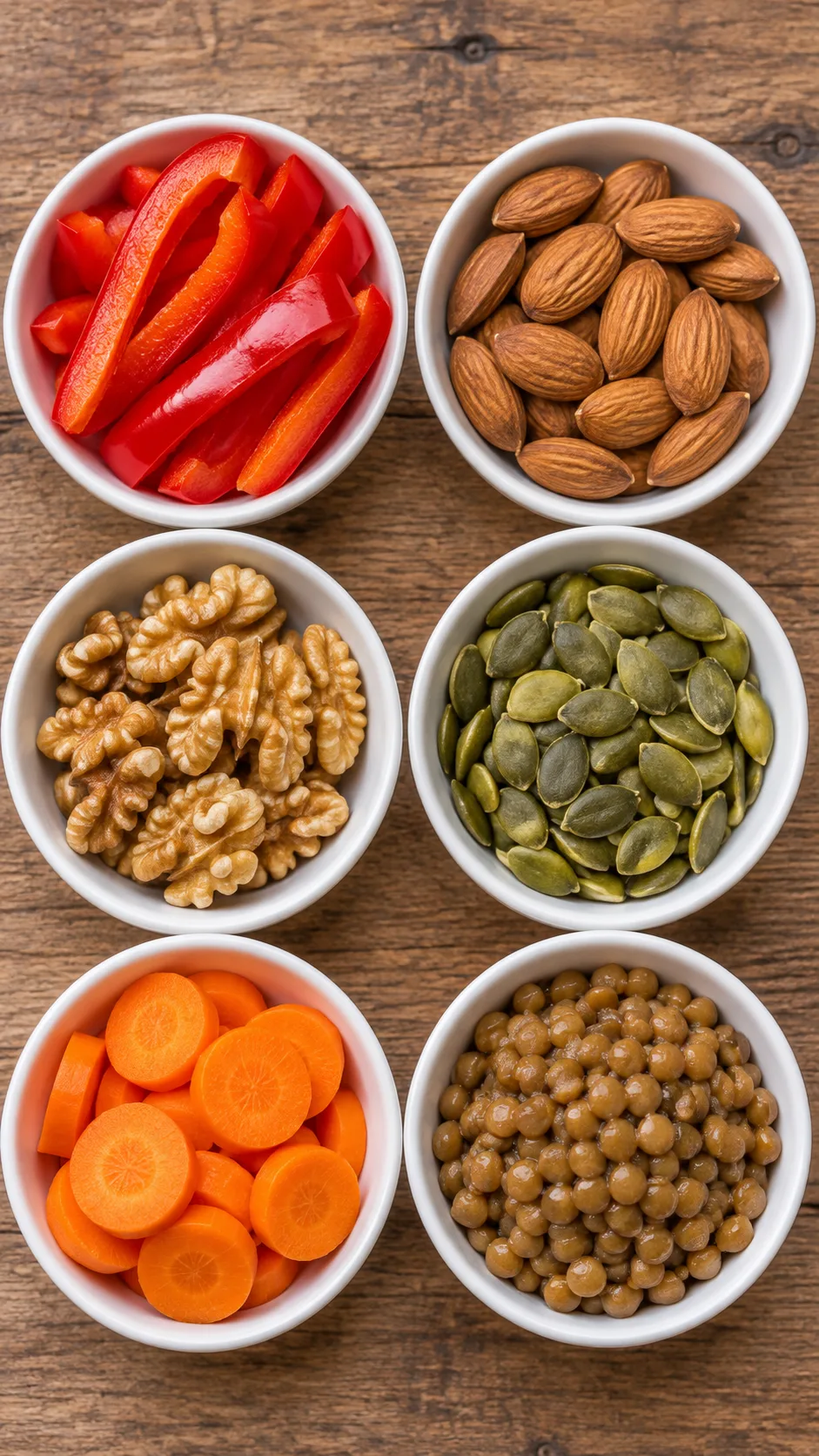
Your daily glowing skin meal plan
Theory is nice, but a plate is better. This simple day of eating covers every nutrient above and needs no culinary degree.
Breakfast: build your base
Start with protein, fiber, and color. Try Greek yogurt with blueberries, chia seeds, and chopped walnuts. Or scramble two eggs with spinach and tomatoes and serve them over whole grain toast.
Skip the sugary cereal. A blood sugar spike at 8 a.m. does your skin no favors.
Lunch: load up on color
Build a big bowl. Pile on leafy greens, roasted sweet potato, chickpeas, red pepper, and avocado. Drizzle it with olive oil and lemon juice. Add grilled chicken or salmon if you want extra protein.
The lemon does more than add flavor. Vitamin C boosts your absorption of iron from plants, and low iron can leave your skin looking pale and tired.
Snack: keep it simple
- A small handful of almonds and a kiwi
- Carrot sticks with hummus
- An orange and a few pumpkin seeds
- A square or two of dark chocolate (70% cocoa or higher)
Yes, chocolate made the list. Dark chocolate contains flavanols, and some small studies suggest they support skin hydration and circulation. I’ll take that deal.
Dinner: fish, veggies, and smart carbs
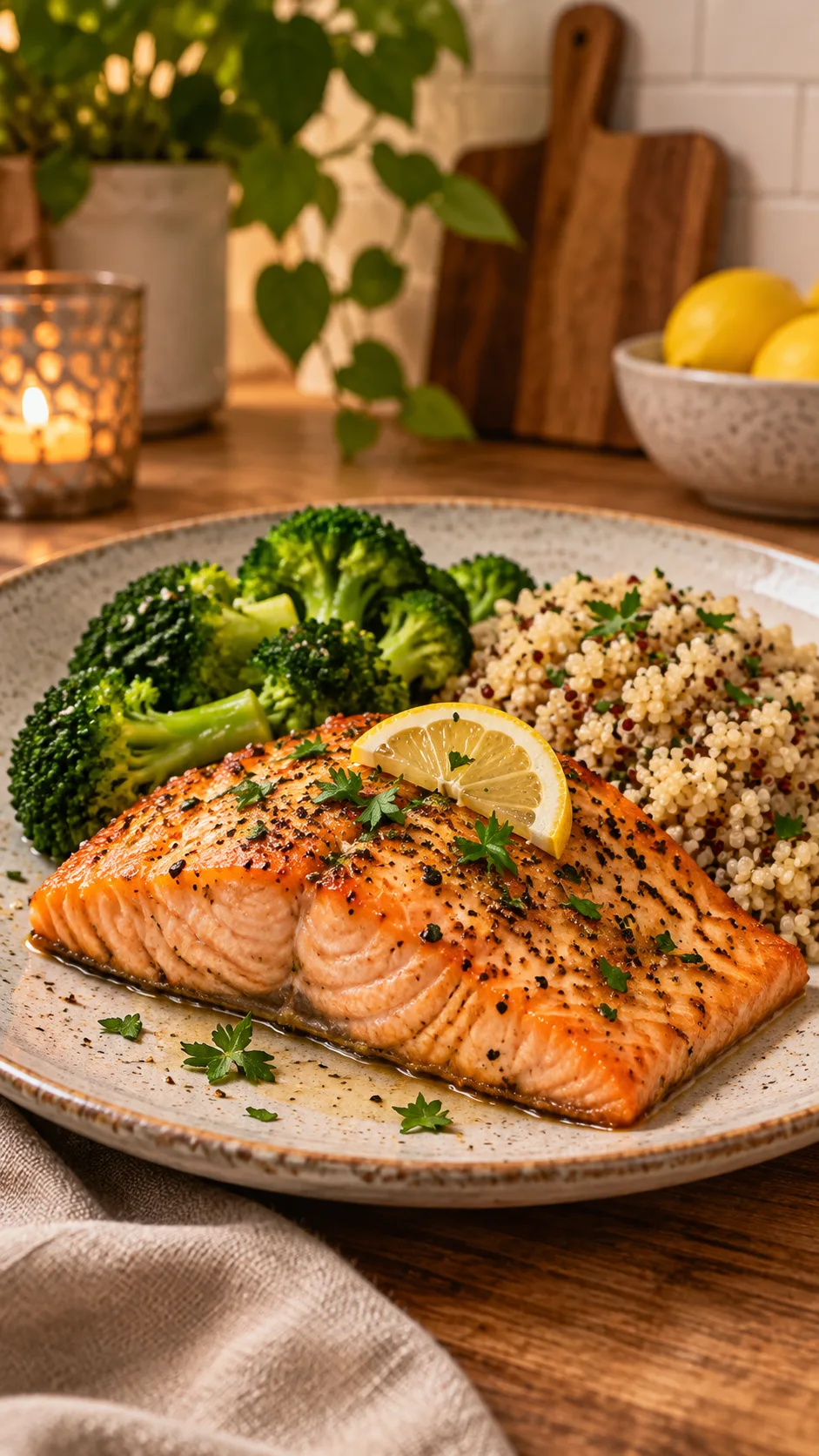
Bake salmon with garlic and herbs. Pair it with steamed broccoli and a scoop of quinoa or brown rice. The fish gives you omega-3s, and the broccoli adds vitamin C.
Vegetarian? Swap in a lentil and vegetable curry with turmeric, plus a side of sautéed greens. Turmeric adds a mild anti-inflammatory punch, and a pinch of black pepper helps your body absorb it.
Sample day at a glance
- In the morning, drink water with lemon, then eat Greek yogurt with berries, chia, and walnuts.
- At midday, build a rainbow salad bowl with beans or salmon and an olive oil dressing.
- In the afternoon, have almonds and a piece of fruit.
- In the evening, eat baked salmon (or lentil curry) with steamed greens and a whole grain.
- All day, drink water, green tea, and herbal tea.
Foods that can dull your glow
You don’t need to ban anything. Still, a few foods consistently cause trouble when you eat them in large amounts.
Added sugar and refined carbs
White bread, pastries, and soda have a high glycemic load, so they spike your blood sugar and insulin. Several studies link low glycemic eating patterns with fewer acne lesions. Excess sugar also feeds glycation, a process where sugar molecules attach to collagen and make it stiffer over time.
Want a gentler way to cut back on refined carbs without feeling deprived? Our 21-day low carb diet plan keeps you full while you reset your habits.
Excess alcohol
Alcohol dehydrates you and disrupts your sleep. It also widens blood vessels, which leaves your face puffy and flushed. You don’t have to quit. But if you drink most nights, your skin will notice before you do.
Dairy (for some people)
Research connects dairy, especially skim milk, with acne in some people. The evidence isn’t universal, so don’t panic and toss your cheese drawer. If you break out often, try cutting dairy for four weeks and watch what happens.
Ultra processed and fried foods
Packaged snacks and deep fried foods often bring refined oils, a lot of salt and sugar, and very few nutrients your skin can use. Salt-heavy meals can also make your face look puffy in the morning. That puffiness usually fades within a day once you rebalance.
Hydration: does water really give you a glow?
The honest answer is mostly no. Drinking water won’t magically erase wrinkles, and the “eight glasses” rule has no firm scientific basis. But mild dehydration can make skin look dull and make fine lines show more.
Drink steadily through the day and let thirst and urine color guide you. Pale yellow means you’re doing fine.
Hydrating foods count too
- Cucumber and watermelon (both about 90% water)
- Oranges and strawberries
- Soups and broths
- Green tea, which adds polyphenol antioxidants
The glowing skin grocery list
Stock your kitchen once, and the rest gets easy. Print this, screenshot it, or stick it on your fridge.
- Fatty fish such as salmon, sardines, and mackerel
- Colorful produce: bell peppers, carrots, tomatoes, sweet potatoes, berries, citrus, and kiwi
- Leafy greens like spinach, kale, and arugula
- Nuts and seeds: almonds, walnuts, pumpkin seeds, chia, and flax
- Healthy fats, meaning extra virgin olive oil and avocado
- Plant proteins: lentils, chickpeas, and tofu
- Whole grains such as oats, quinoa, and brown rice
- A few extras: green tea, turmeric, and dark chocolate
Watch: a quick visual guide to eating for better skin
A video can make the idea click faster than a paragraph. This walkthrough shows skin-friendly foods in action.
Diet is only half the story
Food builds your skin from the inside. But glowing skin also needs a few outside habits, and ignoring them wastes your effort.
Sunscreen beats every superfood
UV exposure causes most visible skin aging. The American Academy of Dermatology recommends a broad spectrum, water resistant sunscreen with SPF 30 or higher every day. No kale smoothie competes with that.
Sleep, stress, and movement
Poor sleep raises cortisol, and cortisol can trigger oil production and breakouts. Seven to nine hours a night does more for your complexion than most people expect. Regular exercise also boosts circulation, which helps deliver nutrients to your skin.
Exfoliation and topical care
Food helps new skin cells form, but dead cells still pile up on the surface. Gentle exfoliation clears them away so your glow shows through. If you want options for your body, try these best body scrubs for glowing skin.
Hormonal breakouts need extra attention
If you deal with stubborn acne, irregular periods, or oily skin along the jawline, hormones may play a bigger role than diet alone. Conditions like PCOS often show up on the skin first. In that case, a targeted approach like this PCOD Indian diet plan may help, and a doctor visit is worth your time.
Common glowing skin diet mistakes
Plenty of people start with enthusiasm and then stall. These mistakes cause most of the stalls.
- Crash dieting starves your skin of fats and protein. If you want to lose weight, pick a sensible approach like a calorie deficit diet plan that keeps you full.
- Relying on supplements leaves gaps. Pills can fill some of them, but whole foods bring fiber and hundreds of compounds a capsule can’t copy.
- Going too low in fat hurts your skin barrier, which needs healthy fats. Skipping them often leaves skin dry and flaky.
- Expecting instant results sets you up to quit. One salad won’t change your face by Friday.
- Overhauling everything at once rarely lasts. Change one meal at a time, and your habits will stick.
How long until you see results?
Be patient. Your skin cycle runs about 28 to 40 days, so give any new eating pattern at least four to six weeks before you judge it. Some people notice less puffiness and a healthier color within two weeks.
Clearer skin from acne changes usually takes longer, often eight to twelve weeks. That timeline sounds long to me, but it beats years of chasing quick fixes. Take a photo in the same light each week, because daily mirror checks will drive you nuts.
When to see a professional
Food can’t fix everything. See a board certified dermatologist if you have painful cystic acne, sudden skin changes, persistent rashes, or a mole that changes shape or color. A registered dietitian can also build a plan around allergies, medical conditions, or dietary restrictions. Talk to one before you cut out whole food groups on your own.
Final thoughts: eat for the skin you want in six weeks
Glowing skin starts with consistent, colorful, nutrient dense eating, not a magic ingredient.
- Eat the rainbow for vitamin C, vitamin E, and carotenoids.
- Add fatty fish or plant omega-3s to calm inflammation.
- Include protein and zinc at most meals.
- Limit sugar, excess alcohol, and ultra processed snacks.
- Drink water, wear SPF, and sleep well.
Start small. Add one colorful veggie to dinner tonight and swap one sugary snack for almonds and fruit tomorrow. Your skin will thank you in a few weeks.