

You probably know the story by heart. You cut carbs on a Monday morning, and by Tuesday afternoon, you want to fight someone for a slice of garlic bread. Your stomach growls like an angry lawnmower, your head throbs, and you wonder why anyone willingly chooses this misery.
Most low carb diets fail because they starve you. People pull out the bread, pasta, and rice, but they replace those calories with limp iceberg lettuce and dry chicken breasts. That is not a sustainable diet; that is self-inflicted punishment. When you force your body into a massive calorie deficit without enough fat or fiber, your hunger hormones throw a riot.
We do things differently here. This 21-day low carb diet plan focuses on one clear goal: crushing appetite while burning fat. You will eat rich, savory meals loaded with quality protein, nourishing fats, and high-volume leafy vegetables. By day four, you will forget that 3:00 PM sugar crashes ever existed.
Why most low-carb diets make you miserable (and how to fix it)
Why do conventional diets leave you feeling so ravenous? The answer hides right inside your endocrine system. When you cut carbohydrates, your pancreas releases far less insulin, the hormone that shuttles glucose into your cells and signals your body to store fat.
Lower insulin unlocks stored body fat for fuel. However, if you fail to replace those lost carbohydrate calories with adequate healthy fats and satiating protein, your stomach pumps out ghrelin, your primary hunger hormone. Ghrelin sends emergency signals straight to your brain, demanding fast energy in the form of sugar and refined starch.
You bypass this biological trap by mastering the satiety triangle: protein, fat, and cellular fiber. When you combine these three components on a single plate, your digestive tract slows gastric emptying and stimulates peptide YY (PYY) and cholecystokinin (CCK). These gut hormones tell your brain: “Stop eating. We have plenty of fuel.”
If you struggle with metabolic slowdown, our insulin resistance meal plan explains how insulin sensitivity dictates appetite control. Once you stabilize your blood sugar curves, ravenous cravings disappear naturally.
The 3 pillars of staying full on low-carb
You cannot survive twenty-one days on sheer willpower. Willpower drains fast when you commute home past five different bakeries. Instead, you build meals around three direct dietary pillars.
1. High-quality protein comes first
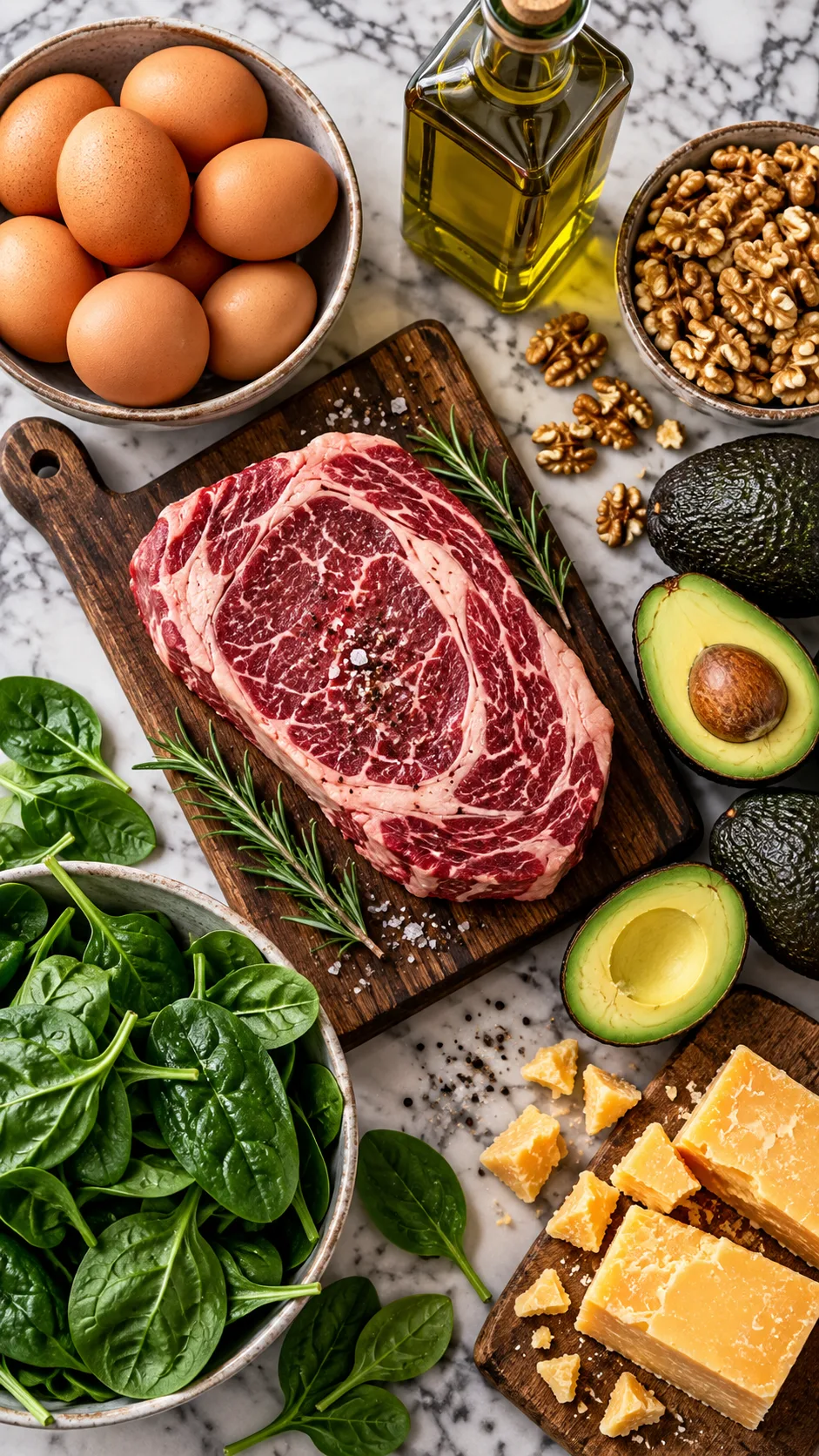
Protein triggers the highest thermic effect of food (TEF) of any macronutrient. Your body burns roughly twenty to thirty percent of protein calories simply digesting and processing the amino acids. More importantly, protein provides the strongest anti-hunger signal known to nutritional science.
Aim for 1.2 to 1.6 grams of protein per kilogram of ideal body weight every single day. If you want a detailed look into structuring high-satiety protein targets, review our protein diet framework to set your targets. Eat whole food sources like pasture-raised eggs, wild salmon, grass-fed beef, chicken thighs, and canned sardines.
2. Smart fats fuel your engine
Low-carb without fat equals slow metabolic starvation. When you remove glucose, your liver converts fatty acids into ketones, providing clean, steady energy to your brain and muscles. Fats also delay digestion, keeping food in your stomach longer so you feel pleasantly satisfied for four to six hours after eating.
Do not drown your food in processed seed oils or tubs of cream cheese. Prioritize whole-food fats: extra virgin olive oil, ripe avocados, unsweetened coconut cream, macadamia nuts, and butter from grass-fed cows. Research published by the Harvard T.H. Chan School of Public Health shows that fat quality matters far more than simply chasing arbitrary low-fat guidelines.
3. High-volume, non-starchy vegetables
You need mechanical fullness. The stretch receptors in your stomach wall notify your vagus nerve when your meal fills physical volume. If you eat two strips of bacon and an egg yolk, you hit low-carb macros, but your stomach remains physically empty.
Load half your plate with non-starchy, fiber-dense vegetables. Zucchini, broccoli, cauliflower, Swiss chard, and spinach deliver tiny carb counts alongside substantial prebiotic fiber. The Mayo Clinic highlights dietary fiber as an essential driver of gut health and prolonged satiety. Eat your greens to protect your microbiome while dropping body fat.
The ground rules for the next 21 days
Keep your strategy straightforward. Complex rules create compliance failures. Follow these five ground rules every single day from Day 1 through Day 21:
- Keep net carbs under 40 grams daily: Calculate net carbs by subtracting grams of dietary fiber from total carbohydrate grams. This keeps you in an efficient fat-burning zone without demanding extreme keto deprivations.
- Drink 2.5 to 3 liters of water daily: As insulin falls, your kidneys dump water and sodium rapidly. Dehydration disguises itself as intense sugar cravings. Drink water consistently throughout the day.
- Supplement your electrolytes: Salt your food generously with unrefined sea salt. Take 300 mg of magnesium glycinate before bed and add potassium-rich foods like avocados and leafy greens to every dinner plate.
- Eliminate liquid calories: Ditch soda, fruit juices, beer, and sweet coffees. Stick to black coffee, unsweetened iced tea, seltzer, and clean bone broth.
- Eat until 80% full, never stuffed: Chew your food slowly. Give your gut hormones twenty full minutes to signal your brain before grabbing second helpings.
The complete 21-day low carb meal plan
This plan divides your three-week journey into three distinct metabolic phases: The Metabolic Reset (Week 1), The Fat-Adaptation Groove (Week 2), and The Sustainable Rhythm (Week 3). Every meal balances protein, rich fats, and expansive volume so you never leave the kitchen hungry.
Week 1: The metabolic reset (days 1 to 7)
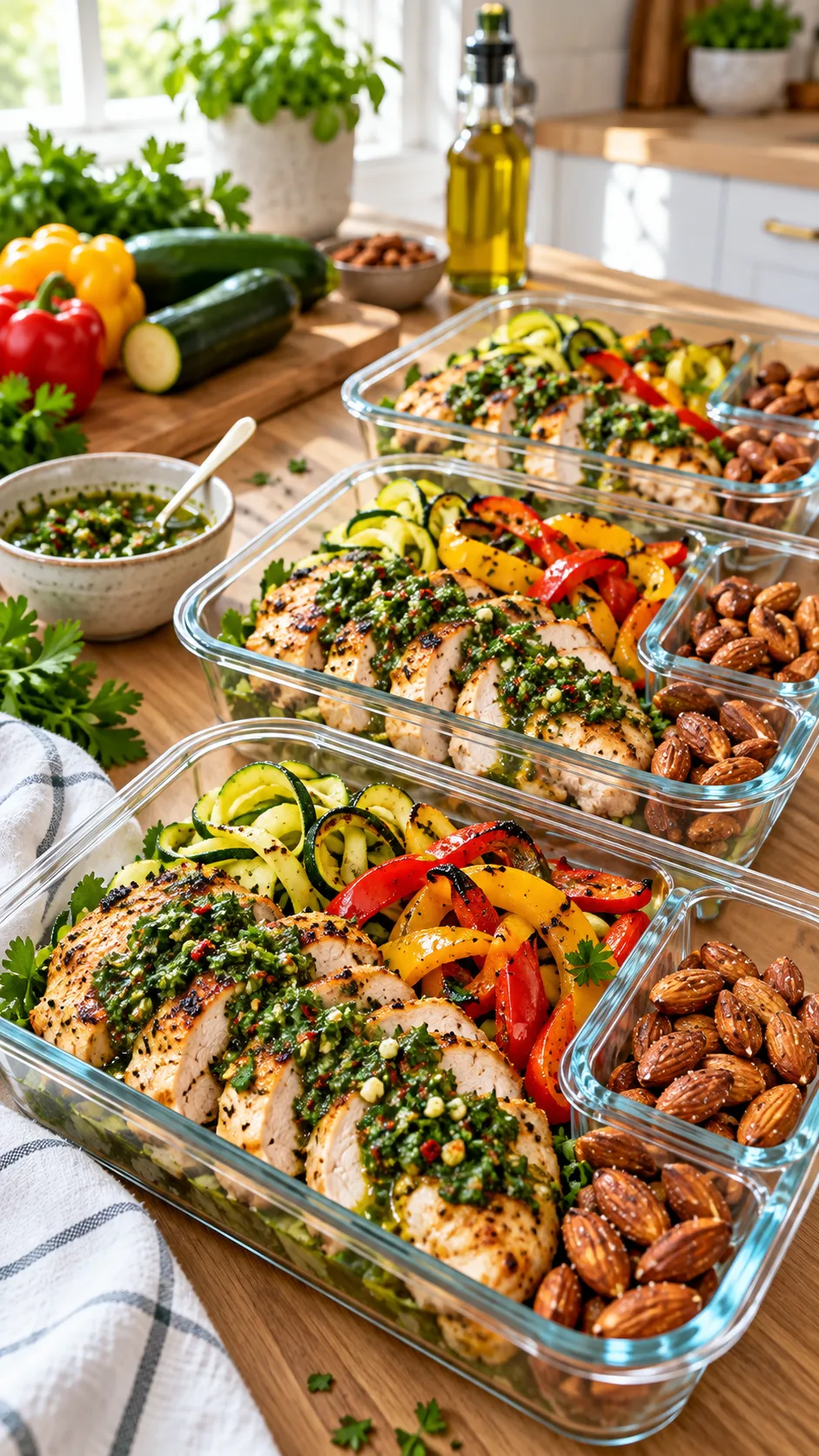
Week 1 cuts out refined sugars, flours, and high-glycemic starches immediately. You might feel a brief energy dip around Day 3 as your body burns through its glycogen stores. Push through; your energy will surge past the finish line of Day 5.
Day 1
- Breakfast: 3 pasture-raised eggs scrambled in 1 tablespoon of grass-fed butter, paired with 1 cup of baby spinach and half a sliced avocado.
- Lunch: Large bowl of mixed greens topped with 5 ounces of canned tuna, 2 tablespoons of avocado-oil mayonnaise, diced celery, and sea salt.
- Dinner: 6-ounce grilled chicken breast topped with melted provolone cheese, served alongside roasted broccoli tossed in extra virgin olive oil.
- Snack (Optional): A handful of raw macadamia nuts.
Day 2
- Breakfast: Full-fat unsweetened Greek yogurt (3/4 cup) mixed with 1 tablespoon of chia seeds, cinnamon, and a tiny palmful of crushed walnuts.
- Lunch: Turkey-bacon lettuce wraps: 4 large romaine leaves wrapped around roast turkey slices, uncured bacon, tomato slices, and chipotle mayo.
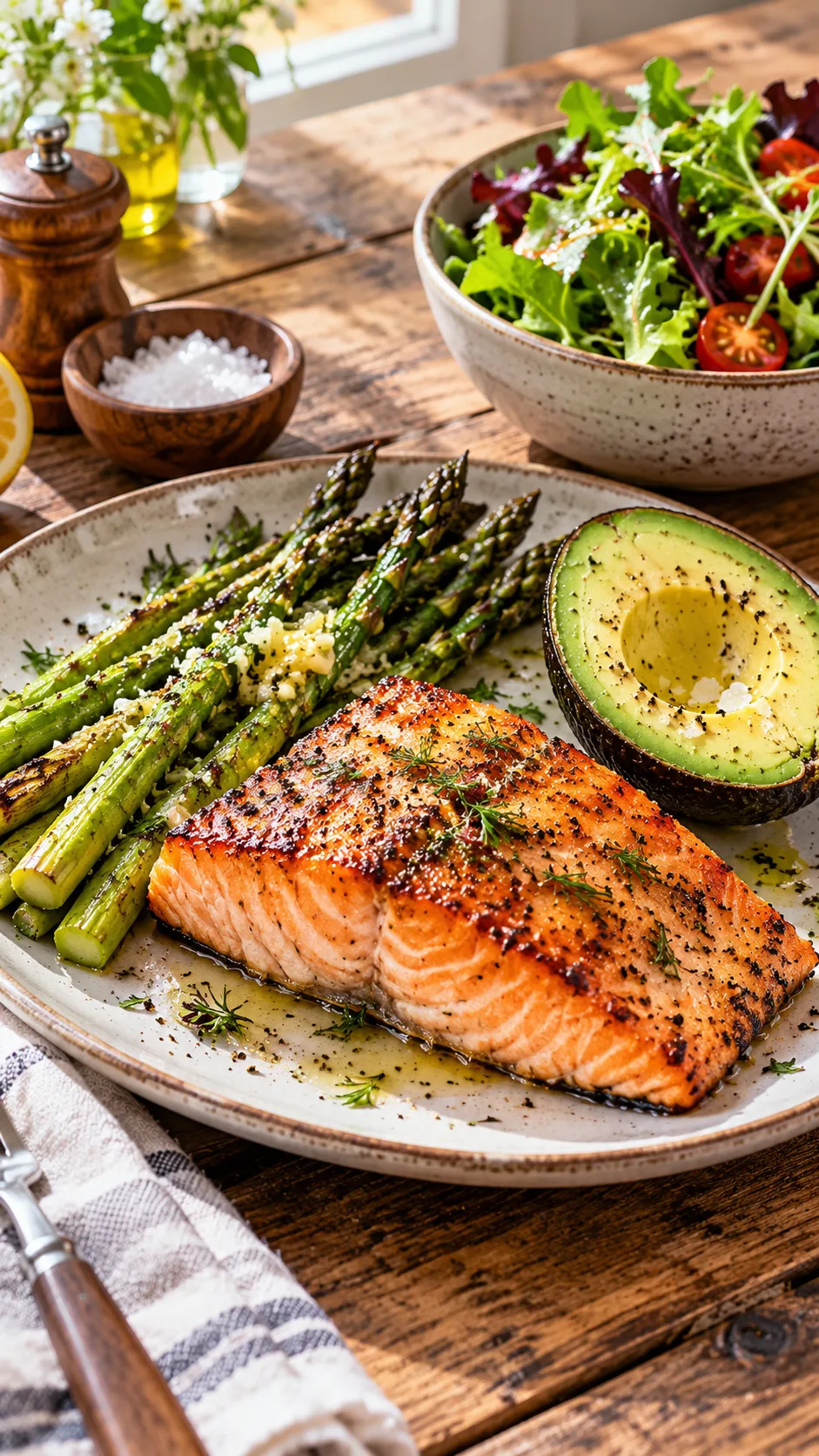
- Dinner: 6 ounces of baked wild salmon filet served with sautéed asparagus spears and garlic-herb butter.
- Snack: Celery sticks dipped in natural almond butter.
Day 3
- Breakfast: 3-egg omelet stuffed with sautéed crimini mushrooms, diced red bell pepper, and 1 ounce of sharp cheddar cheese.
- Lunch: Caesar salad made with crisp romaine lettuce, 5 ounces of grilled chicken thighs, shaved parmesan, and a rich egg-yolk-based Caesar dressing (no croutons).
- Dinner: 6 ounces of ground beef (85/15) seasoned with cumin and chili powder, served over cauliflower rice with fresh salsa, cilantro, and guacamole.
- Snack: Two hard-boiled eggs with smoked paprika.
Day 4
- Breakfast: 2 pasture-raised eggs fried in coconut oil, 2 breakfast sausage links (zero sugar), and sautéed kale.
- Lunch: Leftover ground beef and cauliflower rice bowl with extra avocado slices.
- Dinner: Pan-seared pork chops cooked with fresh rosemary, served with roasted Brussels sprouts drizzled with balsamic vinegar and olive oil.
- Snack: 1 ounce of aged Gouda cheese.
Day 5
- Breakfast: Low-carb green shake: unsweetened almond milk, 1 scoop of unflavored whey isolate, 1 cup of spinach, half an avocado, and a splash of vanilla extract.
- Lunch: Egg salad bowl made with 3 chopped hard-boiled eggs, mashed avocado, diced red onions, and lemon juice served over butter lettuce.
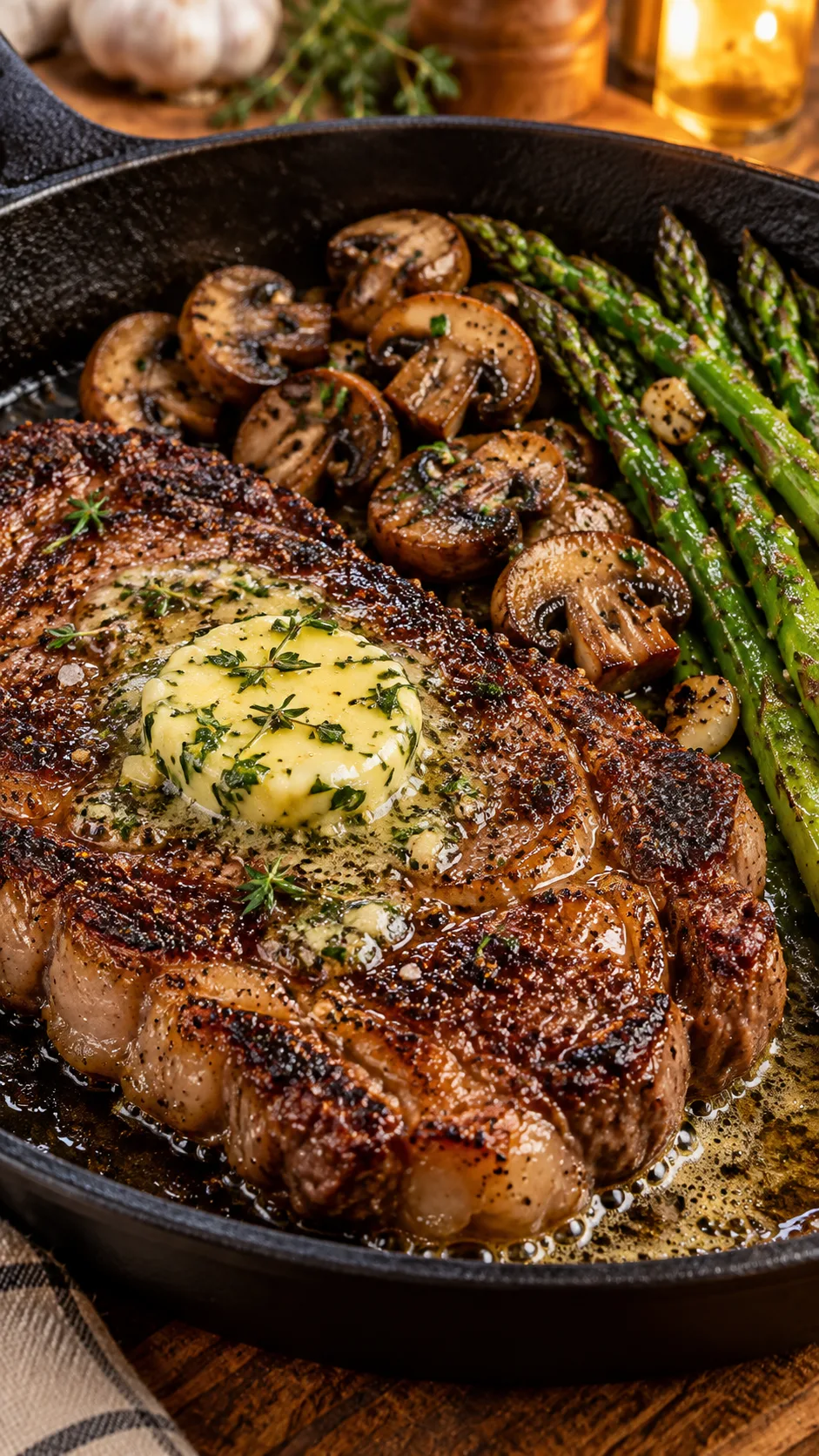
- Dinner: 7-ounce ribeye steak seared in a cast-iron skillet, paired with creamed spinach made using heavy cream and garlic.
- Snack: A handful of salted pumpkin seeds (pepitas).
Day 6
- Breakfast: 3 eggs scrambled with smoked salmon, capers, and 1 tablespoon of cream cheese.
- Lunch: Grilled chicken thigh salad with cucumbers, kalamata olives, diced feta cheese, and cold-pressed olive oil.
- Dinner: Baked cod or halibut topped with lemon-herb butter, accompanied by roasted zucchini coins.
- Snack: Sliced bell peppers with homemade guacamole.
Day 7
- Breakfast: Low-carb breakfast casserole slice (eggs, ground sausage, spinach, and cheddar cheese baked in a casserole dish).
- Lunch: Leftover baked fish or canned sardines mashed with lemon, served over leafy greens with toasted walnuts.
- Dinner: Slow-cooker beef pot roast with beef bone broth, radishes (a fantastic low-carb potato substitute!), and celery chunks.
- Snack: 1 cup of warm, salted bone broth.
Week 2: The fat-adaptation groove (days 8 to 14)
By Week 2, your cells produce abundant fat-burning enzymes. Your morning mental clarity should jump noticeably, and your cravings will decline. We add creative variety to keep meals enjoyable.
If you want to target stubborn midsection fat during this stage, read through our diet plan for belly fat loss to see how fat mobilization speeds up when you keep baseline insulin low for two straight weeks.
Day 8
- Breakfast: 3 sunny-side-up eggs served over a bed of sautéed Swiss chard and two slices of pastured bacon.
- Lunch: Roast beef roll-ups with horseradish mayo, wrapped inside provolone cheese slices, paired with sliced cucumbers.
- Dinner: Chicken parmesan: breaded with grated parmesan cheese and almond flour, baked in marinara sauce (zero added sugar) and mozzarella, served over zucchini noodles.
- Snack: 1 ounce of dry-roasted pecans.
Day 9
- Breakfast: Chia seed pudding prepared the night before with unsweetened coconut milk, pure vanilla, and topped with 5 fresh raspberries.
- Lunch: Leftover parmesan chicken with a fresh side salad.
- Dinner: Grilled shrimp skewers brushed with garlic butter, served alongside cauliflower mash whipped with sour cream and chives.
- Snack: Dill pickles wrapped in slices of smoked ham.
Day 10
- Breakfast: 3 scrambled eggs with chorizo sausage and fresh cilantro, served with a quarter cup of salsa.
- Lunch: Cobb salad: romaine, grilled chicken strips, bacon bits, blue cheese crumbles, boiled egg, and red wine vinaigrette.
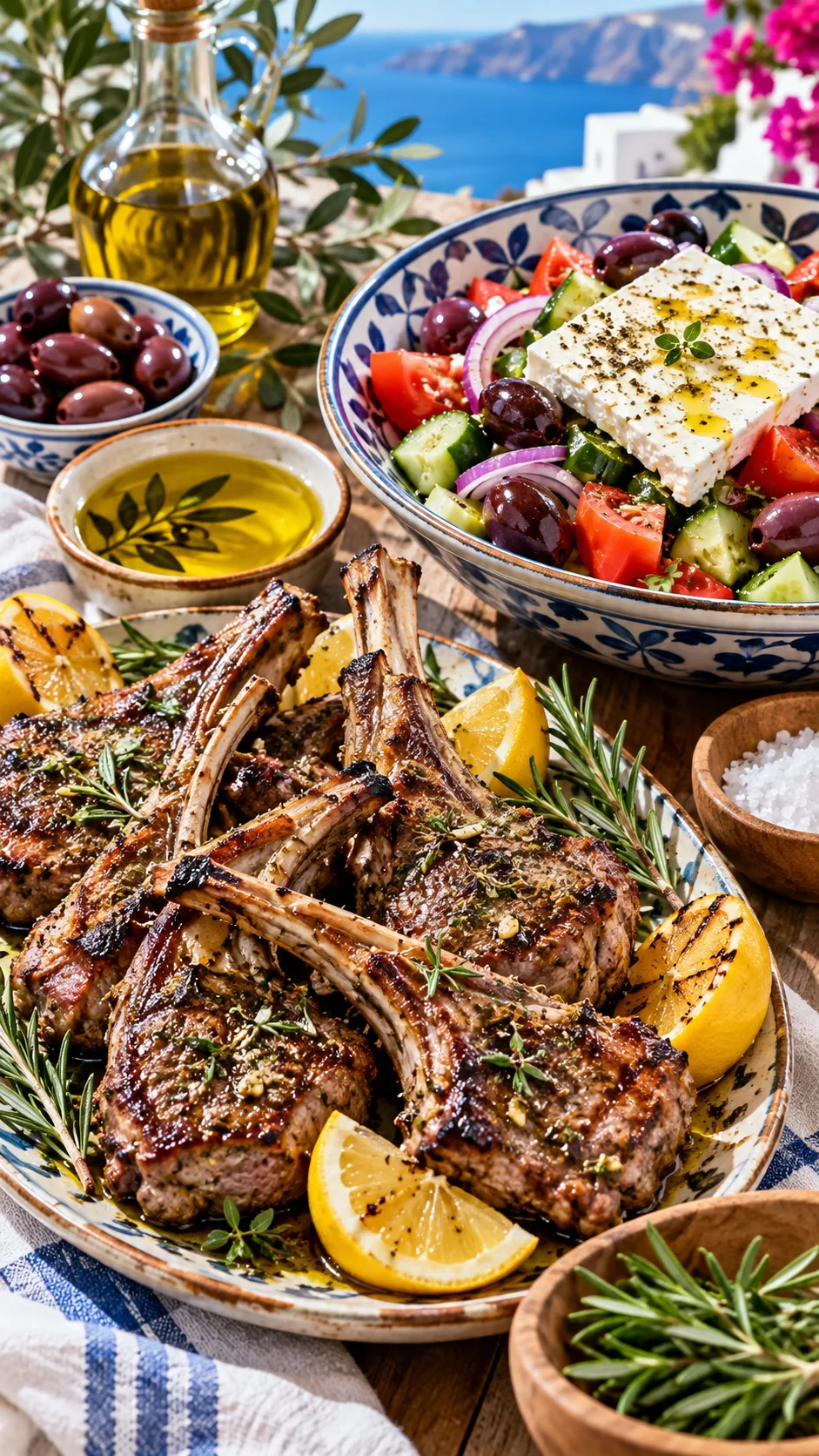
- Dinner: Lamb chops seared with garlic and rosemary, served with roasted green beans tossed in bacon grease.
- Snack: 1 square of 90% dark chocolate.
Day 11
- Breakfast: Baked avocado boats: two avocado halves filled with an egg each, topped with crumbled bacon and baked until eggs set.
- Lunch: Cold roast beef salad with arugula, shaved parmesan, capers, and extra virgin olive oil.
- Dinner: Thai red curry made with chicken thighs, full-fat coconut milk, bamboo shoots, bell peppers, and fresh Thai basil (no rice).
- Snack: Salted macadamia nuts.
Day 12
- Breakfast: 3 eggs scrambled in butter with diced ham and sharp white cheddar.
- Lunch: Leftover Thai coconut chicken curry served over shirataki miracle noodles.
- Dinner: Grilled smash burger patties (two 3-ounce patties) topped with cheddar, caramelized onions, mustard, and pickles inside iceberg lettuce wraps.
- Snack: Cucumber slices with whipped cream cheese.
Day 13
- Breakfast: Coconut flour pancakes (2 small pancakes) topped with melted butter and unsweetened cinnamon butter.
- Lunch: Big Italian antipasto bowl: genoa salami, pepperoni, fresh mozzarella, artichoke hearts in oil, and romaine.
- Dinner: Baked wild trout with herb butter, accompanied by roasted asparagus.
- Snack: Roasted nori seaweed snacks brushed with sesame oil.
Day 14
- Breakfast: 3 pasture-raised poached eggs over sautéed spinach and prosciutto.
- Lunch: Sardine salad made with olive oil sardines, red onion, parsley, and lemon juice served over arugula.
- Dinner: Slow-braised pork carnitas served over cilantro-lime cauliflower rice with diced avocado.
- Snack: 1 boiled egg sprinkled with truffle salt.
Week 3: The sustainable rhythm (days 15 to 21)
You have conquered the hardest part. Now you cement these choices into automatic reflexes. We maintain clean food choices, keeping your blood sugar completely steady.
Day 15
- Breakfast: 3 scrambled eggs with goat cheese and fresh chives, accompanied by 2 turkey sausage links.
- Lunch: Leftover pork carnitas bowl with sour cream and sliced jalapenos.
- Dinner: Pan-seared sea scallops in garlic-lemon-tarragon butter, alongside sautéed baby zucchini.
- Snack: A wedge of Brie cheese.
Day 16
- Breakfast: Full-fat cottage cheese (1/2 cup) mixed with pumpkin seeds, cinnamon, and a tiny dash of liquid stevia.
- Lunch: Tuna salad stuffed inside a whole scooped-out bell pepper.
- Dinner: Ground turkey meatballs seasoned with Italian herbs, served in low-sugar marinara over roasted spaghetti squash.
- Snack: Pitted Castelvetrano olives.
Day 17
- Breakfast: Omelet with 3 eggs, diced mushrooms, baby spinach, and Swiss cheese.
- Lunch: Leftover turkey meatballs and spaghetti squash.
- Dinner: Crispy-skin duck breast or chicken thighs, served with braised red cabbage and bacon lardons.
- Snack: Celery stalks stuffed with natural walnut butter.
Day 18
- Breakfast: 3 fried eggs with sliced avocado and pan-fried halloumi cheese slices.
- Lunch: Smoked salmon wraps: roll wild smoked salmon around cucumber sticks, dill, and cream cheese.
- Dinner: Grilled flank steak with homemade chimichurri sauce, served with roasted cauliflower florets.
- Snack: Roasted sunflower seeds.
Day 19
- Breakfast: Shakshuka: 3 eggs poached directly inside a spicy tomato, onion, and bell pepper sauce, topped with crumbled feta.
- Lunch: Leftover flank steak sliced over mixed greens with a chimichurri-olive oil dressing.
- Dinner: Lemon-garlic butter chicken roasted whole in the oven, served with steamed broccoli and parmesan cheese.
- Snack: Bone broth with a tablespoon of grass-fed butter blended in.
Day 20
- Breakfast: 3 eggs scrambled with diced chorizo and roasted green chiles.
- Lunch: Shredded roast chicken salad with mayo, tarragon, chopped walnuts, and diced celery inside romaine cups.
- Dinner: Grilled salmon filet topped with pesto, accompanied by grilled asparagus and a wedge of lemon.
- Snack: 1 ounce of roasted almonds.
Day 21
- Breakfast: The Celebration Scramble: 3 pastured eggs scrambled in butter with lump crab meat or shrimp, chives, and cream cheese.
- Lunch: Classic bacon-avocado-chicken salad bowl with olive oil vinaigrette.
- Dinner: Prime rib or your favorite cut of steak seared in butter, served with creamed cauliflower mash and sautéed garlic mushrooms.
- Snack: Fresh organic raspberries (1/4 cup) with two tablespoons of real whipped cream (no sugar).
Smart snacking and the emergency hunger protocol
Do you need snacks? Most people do not need to snack on this plan because the high-fat, high-protein meals sustain their blood sugar for five straight hours. However, life happens. Stress hits, meetings run late, or a tough workout leaves you depleted.
When physical hunger strikes, reach for zero-carb, protein-rich foods instead of convenience bars laden with maltitol or cheap fiber syrups. Studies in Cell Metabolism demonstrate that protein leverage directly curbs subsequent food intake. Keep these items in your fridge at all times:
- Hard-boiled eggs: Boil a dozen eggs every Sunday. They give you a quick, complete food option.
- Aged hard cheeses: Sharp cheddar, manchego, and parmesan contain zero carbohydrates and provide clean, savory fats.
- Canned sardines or salmon: These fish contain omega-3 fatty acids that fight inflammation and calm hunger pathways.
- Beef biltong or sugar-free jerky: Check the ingredient labels closely. Choose brands without brown sugar or corn syrup.
How to beat the keto flu before it starts
People often abandon low-carb diets during the first week because they mistake electrolyte depletion for starvation. When you drop carbohydrate intake, your kidneys release water and flush out sodium, potassium, and magnesium ions. This causes brain fog, muscle cramps, and fatigue, commonly known as the keto flu.
You can prevent this issue entirely. Add half a teaspoon of coarse pink Himalayan salt to a tall glass of water every morning. Eat an entire avocado daily for potassium, which contains more potassium than a medium banana without the 25-gram sugar spike. Take magnesium glycinate before bed to support muscle relaxation and restful sleep.
What happens after day 21?
You finished the twenty-one days. Your waistline shrunk, your morning energy spiked, and your mind feels clear. Where do you go on Day 22?
Do not sprint straight back to pizza boxes and sugary cereals. If you dump a wave of refined carbohydrates back into your digestive tract, your body will rapidly hoard water, bloat your intestines, and trigger massive insulin spikes. Instead, transition strategically into a sustainable low-glycemic lifestyle.
Slowly introduce low-glycemic carbohydrates like sweet potatoes, blueberries, lentils, and quinoa on days when you lift weights or run. Keep your refined sugar intake at zero. Continue building every single meal around a strong protein foundation, leafy green volume, and healthy dietary fats. You reset your metabolic baseline, so protect it for life.