You want quick results, not a diet that leaves you chewing sad kale for six months. The GM diet plan promises fast weight loss over seven days, so people often try it before holidays, weddings, or the day their jeans suddenly feel hostile.
Can the GM diet move the scale? Yes. Most of the early loss comes from water, lower calorie intake, and cutting back on processed food. You can use the plan for a brief reset, but it will not give you a lasting fix on its own.
This guide lays out a practical GM diet day-by-day meal plan, the results you might see, and the mistakes that can derail you. You can get through the week without becoming a hungry gremlin.
What is the GM diet?
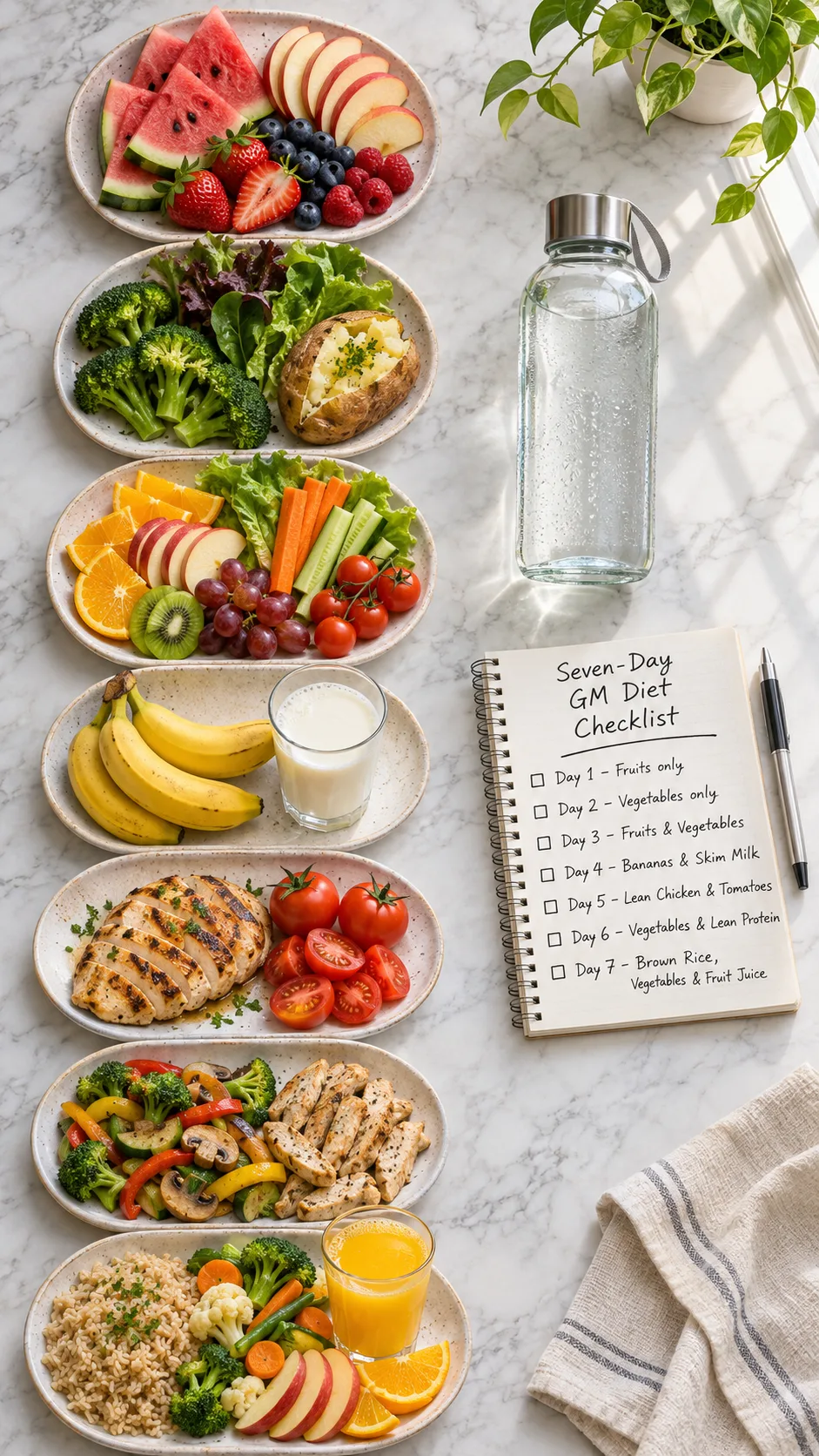
The GM diet, or General Motors diet, follows a seven-day plan that assigns certain foods to each day. The plan centers on fruit, vegetables, lean protein, water, and simple carbohydrates.
Many people say General Motors created the plan with health organizations, but credible evidence does not back up that story. The diet spread through word of mouth, old magazine handouts, and the internet’s talent for making ordinary things sound dramatic.
The idea is straightforward: cut high-calorie processed food, eat a narrow selection of whole foods, drink plenty of water, and create a large calorie deficit. You may see fast changes on the scale, especially if you usually eat takeaways, drink sugary beverages or alcohol, or snack every night.
What the GM diet can and cannot do
The GM diet can lower your calorie intake and interrupt a short spell of junk-food eating. It may also push you to eat more produce, cook at home, and notice how quickly casual snacking adds up.
The plan does not make your body burn fat through a special seven-day sequence. You lose weight when you use more energy than you eat, as the Centers for Disease Control and Prevention explains.
Expect water-weight changes first. Your body stores water alongside carbohydrates, so cutting calories and processed carbs can make your weight fall quickly. That drop may feel encouraging, but it does not mean you lost seven pounds of body fat.
GM diet rules before you start
Preparation matters more than heroic willpower here. Fill your fridge, wash your produce, cook protein ahead of time, and move foods that tempt you out of sight.
Treat the plan as a short experiment, not a punishment. Stop if you feel dizzy, weak, unwell, or consumed by thoughts about food, then return to balanced meals. Your health does not need a dramatic plot twist.
- Drink water regularly: Aim for roughly 2 to 3 liters each day unless a clinician tells you otherwise.
- Skip alcohol: Alcohol adds calories, disrupts sleep, and can make late-night pizza sound like a great idea.
- Avoid added sugar: Skip soda, sweet coffee drinks, candy, pastries, and packaged desserts.
- Choose simple cooking methods: Steam, grill, roast, bake, or sauté with small amounts of oil.
- Keep exercise light: Walk, stretch, or cycle gently instead of forcing punishing workouts.
- Prioritize sleep: Poor sleep can increase hunger and make self-control harder.
People with diabetes, kidney disease, a history of eating disorders, pregnancy, breastfeeding needs, or other medical conditions should avoid restrictive plans unless a qualified clinician approves them. The NHS Eat Well resources offer practical healthy-eating advice.
The GM diet plan: Day-by-day meals that feel doable
The traditional GM diet shifts its food focus each day. This version follows that familiar setup but includes practical meal ideas, sensible portions, and some flexibility.
Pay attention to hunger. You do not need to eat until you feel stuffed, and you do not need to prove anything by feeling miserable. That approach rarely ends well.
Day 1: Fruit day
Day one centers on fruit. Classic versions usually leave out bananas. Fruit gives you water, fiber, vitamins, and sweetness when your brain starts asking for cookies.
Pick high-water fruits such as melon, berries, oranges, apples, peaches, kiwi, grapefruit, and pineapple. Watermelon works particularly well because a full bowl contains relatively few calories.
- Breakfast: Watermelon, berries, and a sliced apple.
- Lunch: A large fruit salad with orange segments, kiwi, grapes, and pineapple.
- Snack: A pear or two mandarins.
- Dinner: A melon bowl with berries and fresh lime juice.
Do not turn fruit day into a dried-fruit festival. Dates, raisins, fruit juice, and smoothie bowls can contain much more sugar and many more calories than whole fruit. Choose fresh, whole fruit when you can.
Day 2: Vegetable day
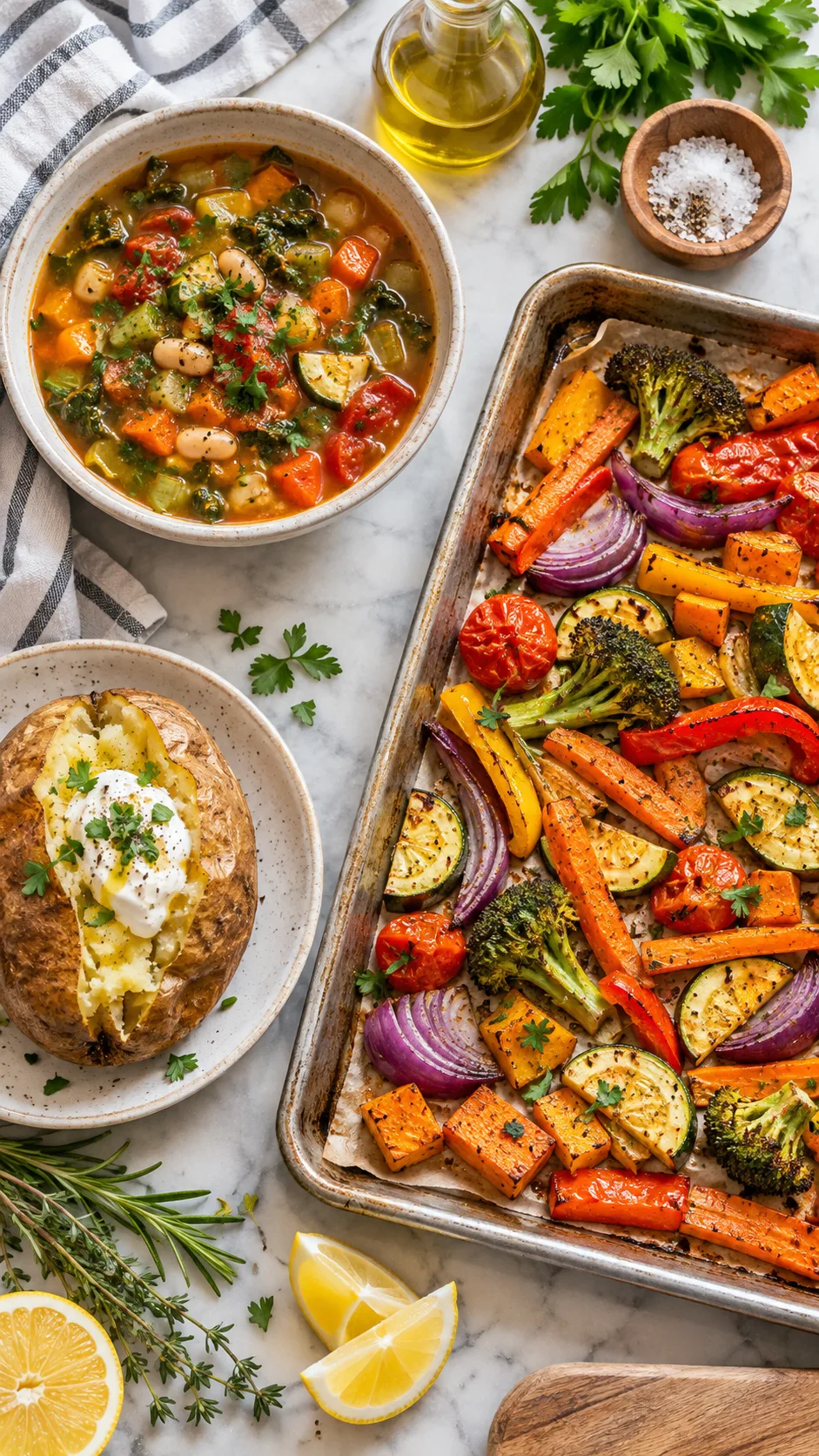
Day two focuses on vegetables, and your body may welcome the change. Start with a baked potato if you want to follow the traditional GM diet version, then build the rest of the day around non-starchy vegetables.
Choose broccoli, spinach, zucchini, mushrooms, tomatoes, cauliflower, cabbage, peppers, green beans, cucumbers, and leafy salads. Use herbs, spices, lemon, vinegar, garlic, and chili to add flavor.
- Breakfast: One baked potato with black pepper and a small amount of Greek yogurt or olive oil.
- Lunch: Vegetable soup with cabbage, celery, tomatoes, carrots, and green beans.
- Snack: Cucumber and bell pepper slices with salsa.
- Dinner: Roasted broccoli, cauliflower, zucchini, and mushrooms.
Skip creamy sauces, fried vegetables, and large amounts of butter. Cheese sauce does not cancel a vegetable’s existence, but it can wipe out your calorie deficit.
Day 3: Fruit and vegetable day
Day three combines the first two days, without the potato or bananas. Many people find this day easier because they can switch between sweet fruit and savory vegetables.
Make large salads, snack on fruit, cook vegetable soup, and keep water nearby. Boredom can easily masquerade as hunger, and variety can help you tell the difference.
- Breakfast: Berries, orange slices, and cucumber.
- Lunch: A large salad with leafy greens, tomatoes, cucumbers, peppers, carrots, lemon, and herbs.
- Snack: Apple slices and celery sticks.
- Dinner: Vegetable soup followed by a bowl of melon.
Use a light hand with dressing. Olive oil contains healthy fats, but a generous pour can add hundreds of calories before you notice.
Day 4: Bananas and milk day
The classic GM diet allows bananas and milk on day four. Bananas supply potassium and carbohydrates, while milk provides protein and calcium.
You can choose low-fat dairy milk, unsweetened soy milk, or another fortified protein-rich alternative if dairy does not suit you. Read the label, since some plant milks contain more added sugar than nourishment.
- Breakfast: One banana blended with unsweetened milk, ice, and cinnamon.
- Lunch: Two bananas with a glass of milk.
- Snack: One banana with cinnamon tea.
- Dinner: A banana-milk smoothie with ice and a spoonful of plain Greek yogurt, if it suits your needs.
Most versions allow up to six to eight small bananas, but you do not need to force yourself to eat that many. Eat enough to feel satisfied. Skip honey, chocolate syrup, nut butter, and sugary cereal.
Day 5: Lean protein and tomatoes
Day five brings in more substantial protein, and many people greet that change with open arms. Traditional plans suggest lean beef or chicken with tomatoes, though you can adjust the protein source.
Choose chicken breast, turkey, fish, eggs, tofu, tempeh, lentils, or beans. If you eat red meat, pick a lean cut and keep the portion moderate.
- Breakfast: Egg scramble with chopped tomatoes, spinach, and herbs.
- Lunch: Grilled chicken breast or tofu with tomato-cucumber salad.
- Snack: Cherry tomatoes with salt, pepper, and lemon.
- Dinner: Baked salmon or lentil patties with roasted tomatoes and greens.
Drink extra water today because your kidneys process more waste products during protein digestion. The National Institute of Diabetes and Digestive and Kidney Diseases advises people to choose weight-loss plans that support safety and habits they can maintain.
Day 6: Lean protein and vegetables
Day six continues the protein focus and adds a broad selection of vegetables. You may feel more energetic than you did during the low-protein days earlier in the week.
Make meals that feel like real meals: protein, vegetables, herbs, seasoning, and enough food to leave you satisfied. This day offers a lesson you can keep, since balanced plates tend to work better than random restriction.
- Breakfast: Omelet with mushrooms, spinach, tomatoes, and peppers.
- Lunch: Turkey lettuce wraps with cucumber, shredded carrot, and salsa.
- Snack: Edamame or sliced vegetables with lemon and seasoning.
- Dinner: Stir-fried tofu or chicken with broccoli, cabbage, mushrooms, and zucchini.
Cook with a nonstick pan, broth, or a measured teaspoon of oil. You need flavor, not enough oil to fill a pool.
Day 7: Brown rice, vegetables, and fruit
Day seven adds brown rice, vegetables, and fruit. It can help you ease back toward more balanced eating.
Choose brown rice, quinoa, or another whole grain with plenty of fiber if you do not enjoy brown rice. Watch portions and aim for roughly half to one cup of cooked grain at each meal, depending on your hunger and activity.
- Breakfast: Brown rice porridge with cinnamon, berries, and a splash of milk.
- Lunch: Brown rice bowl with roasted vegetables, spinach, tomatoes, and lemon.
- Snack: Apple or orange with herbal tea.
- Dinner: Vegetable stir-fry over brown rice with pineapple on the side.
You can make fresh vegetable juice if you enjoy it, but whole vegetables keep you fuller because they contain more fiber. Your blender does not need to take charge of every meal.
GM diet mistakes that can ruin your results
Most GM diet problems happen outside the official meal plan. A few small extras can erase your calorie deficit faster than you can say, “But it was only a handful.”
1. Treating the plan like a binge-and-restrict cycle
Do not eat everything in sight before day one or reward yourself with a weekend binge after day seven. That pattern can undo your progress and turn food into a constant fight.
Move into balanced meals after the plan instead. Bring back protein, healthy fats, whole grains, and fiber gradually, while keeping portions sensible.
2. Forgetting protein for too long
The first few days contain very little protein, so you may feel tired, hungry, and cranky. You can follow the traditional version, but do not brush off serious hunger or weakness.
If you struggle, add a small serving of protein such as plain Greek yogurt, tofu, beans, eggs, or lean chicken. That change may slow the scale a little, but it can make the plan safer and easier to manage.
3. Drinking your calories
Fruit juice, soda, sweetened coffee, energy drinks, and alcohol can sabotage your GM diet results. They rarely make you feel full, yet they can add a lot of calories.
Choose water, sparkling water, unsweetened tea, or black coffee in moderation. Add cucumber, mint, lemon, or berries if plain water feels boring.
4. Exercising like you train for a marathon
Hard workouts and very low-calorie eating make a rough match. Your body needs fuel, recovery, and electrolytes. It does not need boot-camp punishment.
Walk, do yoga, stretch, or cycle easily during the seven days. Return to strength training and tougher sessions after you resume balanced meals.
5. Believing the scale tells the whole story
Your weight can change because of water, digestion, sodium, hormones, and sleep. You may lose several pounds during the week, then regain some of that number once you eat more carbohydrates.
Notice how your clothes fit, how your energy feels, and which habits you can keep. The scale offers one data point, not your full biography.
Realistic GM diet results: How much weight can you lose?
Many people report losing 4 to 10 pounds on the GM diet in one week. That sounds dramatic, but most people lose a mix of water weight, stored carbohydrates, digestive bulk, and some body fat.
Most people lose a much smaller amount of body fat in a single week. The American Heart Association supports gradual weight loss that people can maintain because extreme plans rarely create habits that last.
The best result from the GM diet does not come from a dramatic before-and-after photo. Use the week to reset your routine, spot problem habits, and develop a calmer relationship with food.
What to eat after the GM diet
The week after the GM diet matters more than the diet itself. If you go straight back to burgers, pastries, cocktails, and midnight snacks, your body can quickly regain water weight and you may think the plan failed.
Start with balanced meals that include protein, fiber-rich carbohydrates, vegetables, fruit, and healthy fats. You do not need perfection. You need a routine that can handle normal life.
- Breakfast: Eggs with whole-grain toast and fruit, or Greek yogurt with oats and berries.
- Lunch: Chicken, tofu, fish, or beans with salad and brown rice.
- Dinner: Lean protein, roasted vegetables, and potatoes, quinoa, or whole-grain pasta.
- Snacks: Fruit, yogurt, nuts, edamame, hummus, or chopped vegetables.
If you want a lower-fat approach after your reset, read our guide to doing a low-fat diet without the common mistakes. If you prefer a much higher-protein style of eating, compare the trade-offs before you follow dramatic changes such as these carnivore diet before-and-after stories for women.
Is the GM diet worth trying?
The GM diet can work as a short-term reset if you approach it carefully, drink enough water, keep activity gentle, and avoid bingeing afterward. It can help you cut processed food, add structure to your week, and see the scale move quickly.
The plan cannot replace a balanced way of eating that you can maintain. You will usually get better long-term results when you build meals around protein, vegetables, fruit, whole grains, and portions that fit your life.
Think of the GM diet as a seven-day wake-up call rather than a permanent rulebook. Aim to feel strong enough to continue, not to survive a week of food misery.