You took the shot, and now food either bores you or makes your stomach flip. Sound familiar? A smart tirzepatide meal plan fixes both problems at once.
Tirzepatide (the active drug in Mounjaro and Zepbound) quiets your appetite, but it doesn’t tell you what to eat. Eat the wrong foods and nausea, reflux, or a miserable afternoon follows. Eat the right ones and you feel steady and strong.
This guide gives you the rules that matter and a full 7-day menu.
Quick note: I’m not your doctor, and this article doesn’t replace medical advice. Your prescriber and a registered dietitian know your health history, so check any big diet change with them first.
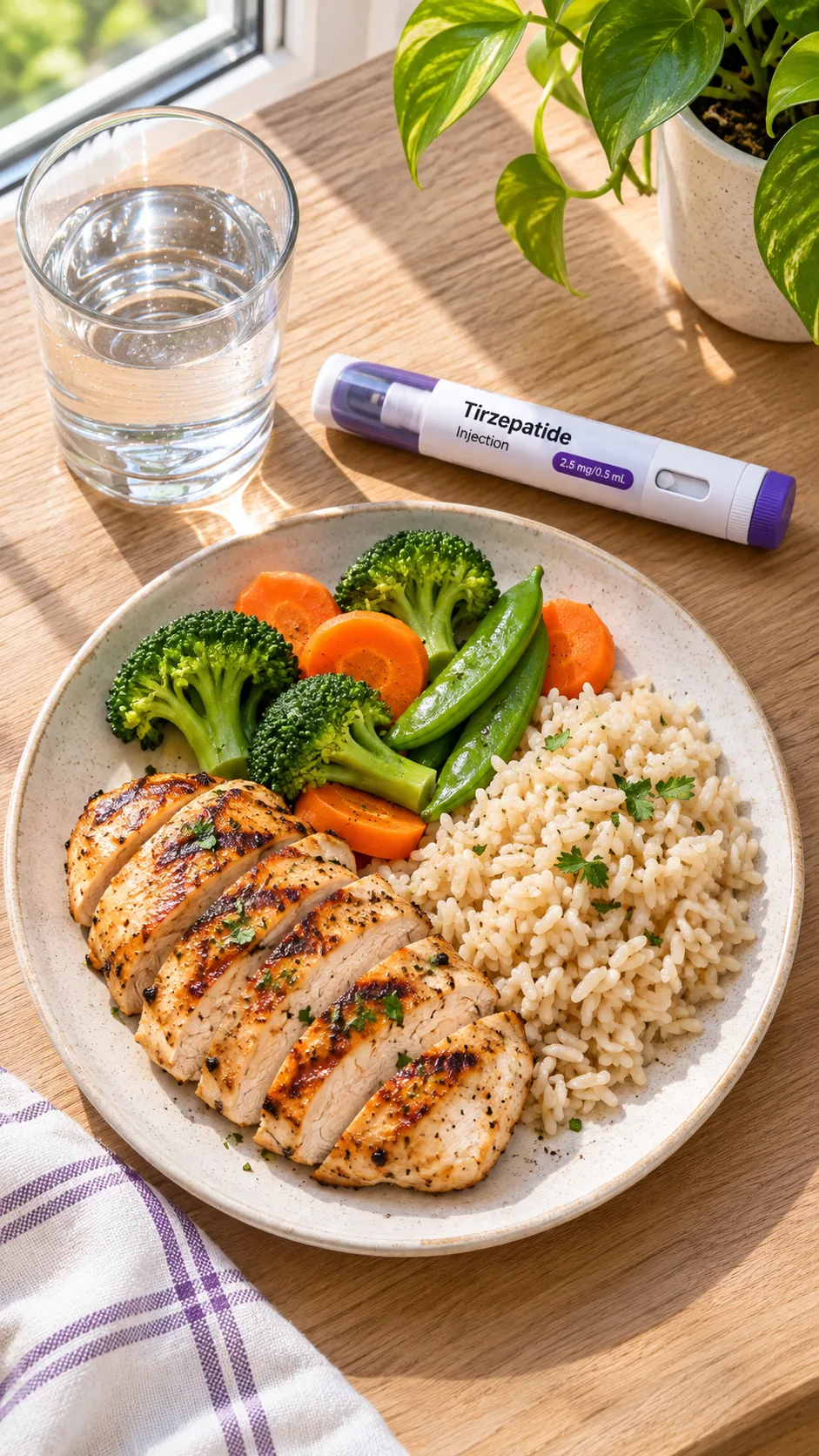
Why tirzepatide changes the way you eat
Tirzepatide mimics two gut hormones, GIP and GLP-1. Those hormones tell your brain you’re full, and they slow how fast your stomach empties. Food sits in your stomach longer, so smaller portions feel like plenty.
That slower emptying also explains the side effects. Common ones include nausea, constipation, diarrhea, and heartburn. Big, greasy, or sugary meals make all of them worse.
Ever wondered why a burger that once felt fine now feels like a brick? Your stomach simply processes it more slowly. Your meal plan has to work with that, not against it.
The real goal: fullness plus nutrition
When your appetite shrinks, you can easily under-eat, and that costs you muscle and energy and sours your mood. Your goal is not to eat as little as possible. Pack every small meal with protein and fiber, and drink plenty of fluids.
The 7 golden rules of a tirzepatide diet
These rules do most of the heavy lifting. Follow them and the menu below almost writes itself.
- Lead with protein. Eat it first at every meal. Dietitians commonly recommend roughly 1.2 to 1.6 grams per kilogram of body weight daily during weight loss, but your provider can set your exact number.
- Eat small, frequent meals. Think four to five mini-meals instead of three big ones. Your stomach will thank you.
- Stop at “comfortably satisfied.” Don’t wait for “full.” On tirzepatide, the gap between those two feelings is where nausea lives.
- Go easy on fat and fried food. Fat slows digestion even more, which often triggers queasiness and reflux.
- Add fiber slowly. Fiber fights constipation, but a sudden jump can cause bloating. Add a little more each week.
- Sip fluids all day. Dehydration makes nausea and constipation worse. Sip between meals instead of chugging during them.
- Eat slowly. Put your fork down between bites. Yes, it’s boring advice, and yes, it works.
Foods that keep you full and calm your stomach
Not all “healthy” foods behave well on this medication. Raw kale salad in a giant bowl? Probably not your friend. These foods tend to work better.
Protein sources
- Eggs and egg whites
- Plain Greek yogurt and cottage cheese
- Skinless chicken, turkey, and white fish
- Tofu, tempeh, and lentils
- Protein shakes (sip them slowly on rough days)
Gentle, filling carbs
- Oatmeal and overnight oats
- Rice, potatoes, and sweet potatoes
- Berries, bananas, and cooked apples
- Whole-grain toast in small portions
Foods that ease nausea
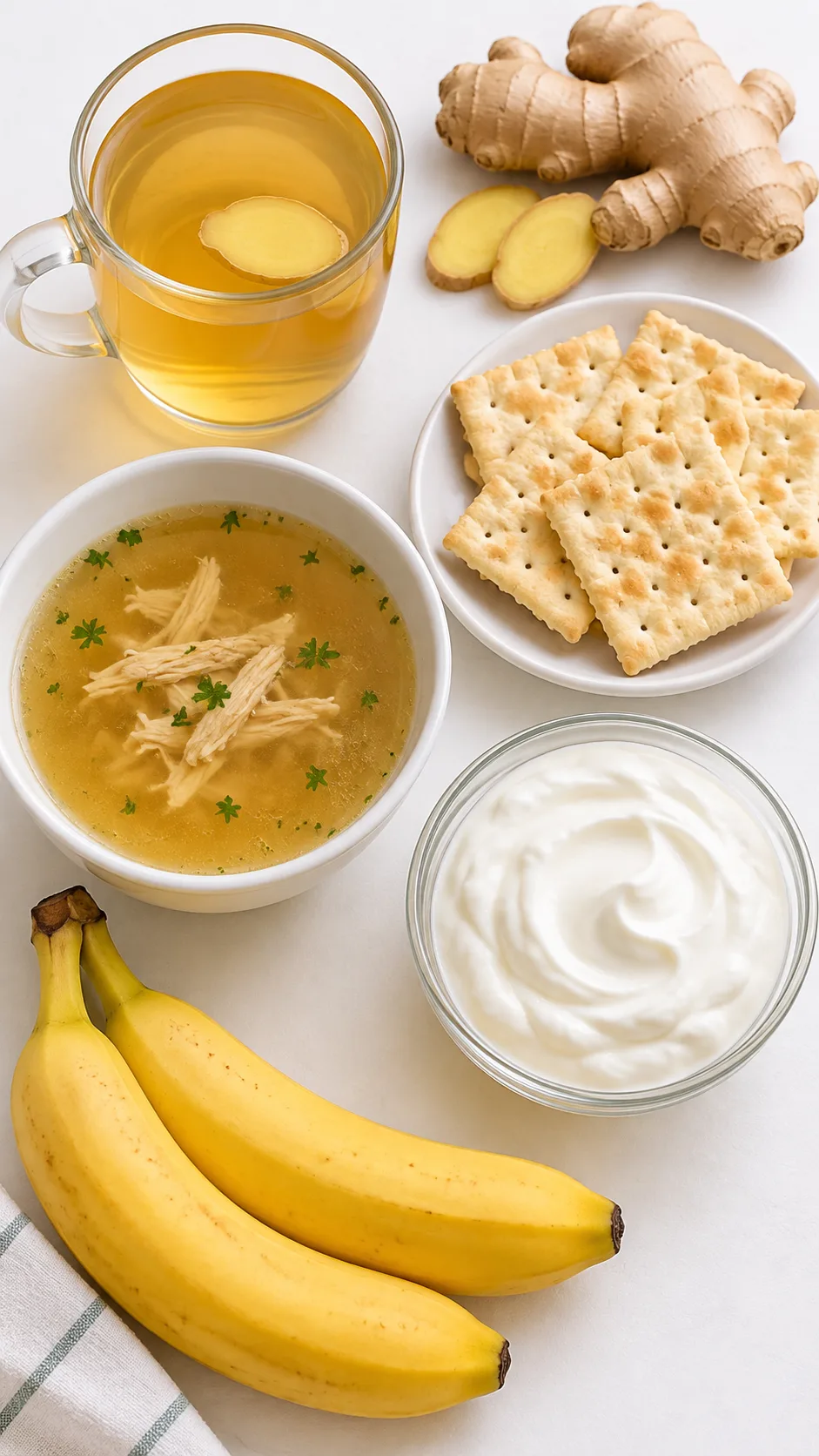
- Ginger tea or chews
- Broth-based soups
- Crackers and plain toast
- Cold or room-temperature foods (they smell less than hot ones)
- Peppermint tea
Foods to limit (your stomach will tell you why)
You don’t have to ban anything forever, but these foods cause the most trouble, so go carefully.
- Fried and greasy foods: fast food, fried chicken, heavy cream sauces
- Sugary drinks and sweets: they spike nausea and leave you hungry later
- Spicy dishes: they aggravate reflux for many people
- Alcohol: it irritates your stomach and can drop your blood sugar
- Carbonated drinks: the bubbles can cause painful bloating
- Huge portions of raw veggies: cook them first, because they digest more easily
Everyone reacts differently. Keep a quick food diary for two weeks and you’ll spot your personal trigger foods fast.
The 7-day tirzepatide meal plan
This plan uses small portions, high protein, and gentle ingredients. Most days land around 1,200 to 1,500 calories, depending on your portion sizes. If you want a more specific calorie target, check our simple 1500 calorie meal plan or the 1200 calorie diet meal plans and swap in meals that fit.
Portion tip: Start with about half of what each meal lists. Eat more only if you still feel hungry after 20 minutes.
Day 1
- Breakfast: Plain Greek yogurt with berries and a spoonful of oats
- Snack: Hard-boiled egg
- Lunch: Chicken and rice soup
- Snack: Cottage cheese with sliced peach
- Dinner: Baked cod, mashed sweet potato, steamed green beans
Day 2
- Breakfast: Scrambled eggs with soft spinach and a slice of toast
- Snack: Protein shake, sipped slowly
- Lunch: Turkey and avocado lettuce wraps (use a thin slice of avocado)
- Snack: Banana with a teaspoon of peanut butter
- Dinner: Lentil stew with carrots and a little brown rice
Day 3
- Breakfast: Overnight oats with protein powder and cinnamon
- Snack: Greek yogurt with ginger tea on the side
- Lunch: Tuna salad (made with yogurt, not mayo) on crackers
- Snack: Apple slices and a cheese stick
- Dinner: Grilled chicken, roasted zucchini, small baked potato
Day 4
- Breakfast: Cottage cheese bowl with pineapple
- Snack: Handful of plain crackers and turkey slices
- Lunch: Egg-drop soup with tofu cubes
- Snack: Protein smoothie with banana and unsweetened almond milk
- Dinner: Baked salmon, quinoa, steamed broccoli
Day 5
- Breakfast: Two-egg omelet with mushrooms and a few berries
- Snack: Greek yogurt with a drizzle of honey
- Lunch: Chicken salad with cooked veggies and a light vinaigrette
- Snack: Edamame, lightly salted
- Dinner: Turkey meatballs, zucchini noodles, mild tomato sauce
Day 6
- Breakfast: Oatmeal with protein powder and sliced banana
- Snack: Hard-boiled egg and a few grapes
- Lunch: Lentil soup with a side of cottage cheese
- Snack: Smoothie or shake, small glass
- Dinner: Baked chicken thigh (skin removed), mashed cauliflower, carrots
Day 7
- Breakfast: Greek yogurt parfait with oats and berries
- Snack: Turkey roll-ups
- Lunch: Shrimp and rice bowl with steamed vegetables
- Snack: Cottage cheese with cinnamon
- Dinner: Tofu stir-fry with mild seasoning and a small scoop of rice
Hate a meal? Swap it. Any protein plus a gentle carb plus a cooked veggie follows the same formula.
How to hit your protein target without forcing food down
Protein feels hard when your appetite vanishes. In my view, it’s the biggest challenge on this medication, so make it easy.
- Eat protein first. Take your first few bites from the protein on your plate.
- Drink some of it. Shakes and smoothies go down easier than a steak on queasy days.
- Stack small doses. A yogurt here and an egg there add up quickly.
- Prep ahead. Boil a dozen eggs on Sunday and thank yourself all week.
Why does this matter so much? Protein protects your muscle while you lose fat. Add two or three resistance workouts weekly and you protect it even more.
Your injection day strategy
Many people feel the worst nausea in the day or two after their weekly dose. You can plan around that.
The day before and day of
Keep meals light and low in fat. Choose soups, yogurt, eggs, and rice. Avoid big dinners and heavy restaurant food.
The day after
Lean on bland, cold foods like crackers, bananas, and smoothies. Sip ginger tea and electrolyte drinks. If you can only manage tiny portions, prioritize fluids and protein and make up the rest tomorrow.
After a dose increase
Side effects often flare when you move up a dose. Eat even smaller portions that week, and tell your provider if nausea sticks around.
Fix constipation, reflux, and nausea
Constipation
- Drink fluids steadily through the day
- Add fiber slowly with oats, berries, chia seeds, and cooked veggies
- Walk for 10 to 15 minutes after meals
- Ask your provider before you start any laxative or supplement
Reflux and heartburn
- Stop eating two to three hours before bed
- Skip spicy, acidic, and fatty foods
- Keep meals small
Nausea
- Eat before you feel starving
- Choose cold foods with little smell
- Sip ginger or peppermint tea
- Sit upright after eating instead of flopping on the couch

Hydration: the boring habit that helps
Reduced appetite often means reduced thirst too. That combo sets you up for headaches, fatigue, and constipation. Aim for steady sipping all day, and ask your provider how much fluid suits you.
Plain water works, but variety helps. Try herbal tea, broth, sugar-free electrolyte drinks, or water with a squeeze of lemon. Keep a bottle within arm’s reach, because out of sight really does mean out of mind.
Watch the video: eating well on tirzepatide
Prefer to see it in action? This walkthrough covers practical food choices and common mistakes.
5 common mistakes (and how to dodge them)
- Under-eating. Skipping meals because you aren’t hungry costs you muscle and energy. Eat on a schedule, even when your appetite stays quiet.
- Skipping protein. A plate of plain pasta fills you for an hour, then leaves you drained.
- Relying on salads. Big raw salads bloat many people. Cook your veggies instead.
- Eating too fast. Your fullness signal now arrives sooner and hits harder, so slow down.
- Ignoring blood sugar needs. If you take tirzepatide for type 2 diabetes or prediabetes, balanced meals matter even more. Our prediabetic diet guide covers that in detail.
Does the research back this up?
The clinical trials behind tirzepatide showed significant weight loss alongside lifestyle changes like diet and activity. The drug works best with good habits, not instead of them. For background on healthy weight management, the National Institute of Diabetes and Digestive and Kidney Diseases offers excellent resources.
For general nutrition targets, check the Dietary Guidelines for Americans. And if you want a personalized plan, the Academy of Nutrition and Dietetics runs a directory at eatright.org where you can find a registered dietitian near you. A dietitian who understands GLP-1 medications can tailor a plan far better than any generic guide.
When to call your doctor
Mild nausea happens. Severe symptoms don’t belong on the “normal” list. Contact your provider right away if you notice any of these:
- Severe or constant stomach pain, especially if it spreads to your back
- Vomiting that won’t stop or prevents you from keeping fluids down
- Signs of dehydration, like dizziness or very dark urine
- Yellowing skin or eyes
- Signs of an allergic reaction, like swelling of the face or trouble breathing
Don’t tough it out. Your care team wants to hear from you, and they can adjust your dose or your plan.
Make it stick without making it miserable
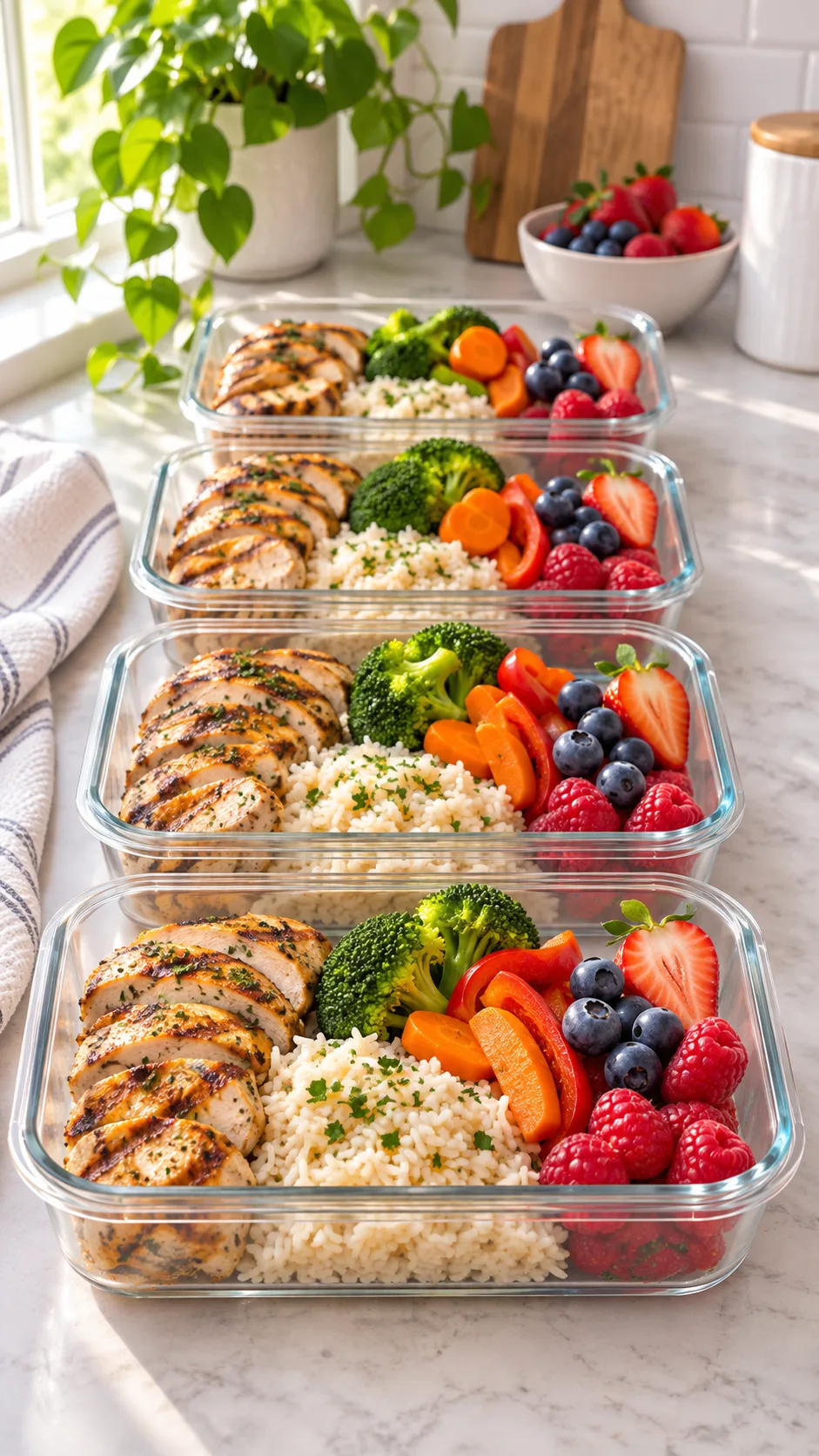
Meal prep keeps this whole thing painless. Spend one hour on the weekend boiling eggs, cooking a pot of rice, baking chicken, and portioning yogurt. If cooking feels like too much, our lazy girl meal plan proves healthy eating can feel embarrassingly easy.
Expect your preferences to shift, too. Foods you loved might lose their charm, and weird new favorites might appear. Roll with it and keep protein in the lineup.
Final thoughts: eat well, feel better
A good tirzepatide meal plan comes down to a few simple moves. Put protein first, keep portions small, avoid greasy foods, drink fluids, and listen to your stomach. Plan ahead for injection day, and call your doctor when something feels off.
The medication turns down your hunger, but your food choices decide how you feel while it works. Feed your body well, and you’ll lose weight and keep your strength and your sanity.
Ready to start? Pick three meals from the plan above, prep them this weekend, and see how your body responds. Small, steady wins beat perfect plans every time.