

You want a healthy way to eat without misery, strange rules, or a nightly standoff with the fridge. The Pegan diet draws from paleo and vegan eating, then skips the part where cauliflower rice takes over your life.
Dr. Mark Hyman created the Pegan approach as a flexible plan built around whole foods. He encourages people to fill most of the plate with plants, eat smaller amounts of high-quality animal foods, and stop treating ultra-processed snacks as a food group. It sounds less like a trendy diet and more like common sense with a memorable name.
Can the Pegan diet fit real life? Can you follow it without spending every Sunday soaking seeds, spiralizing vegetables, and interrogating every bean?
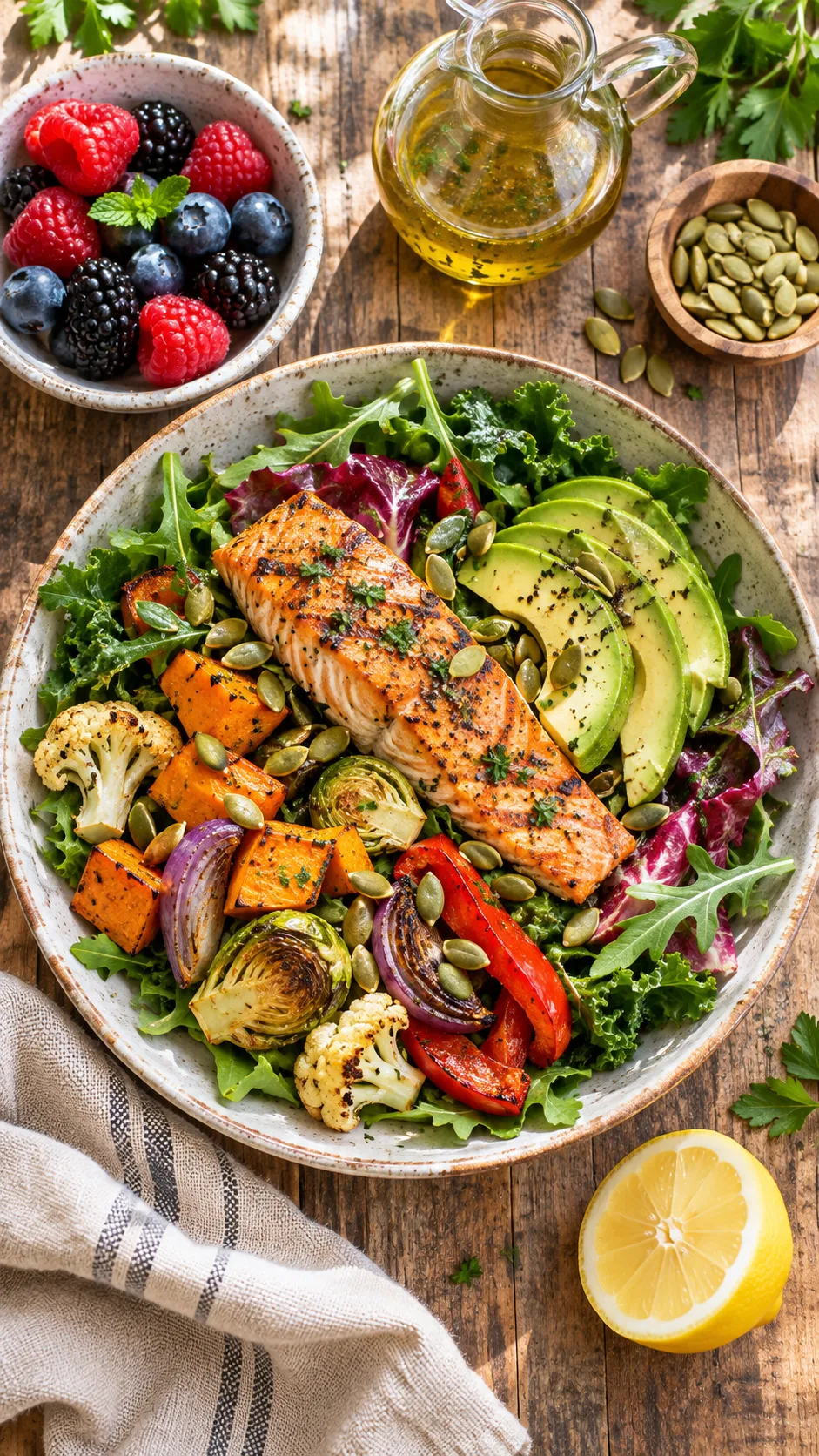
What is the Pegan diet, exactly?
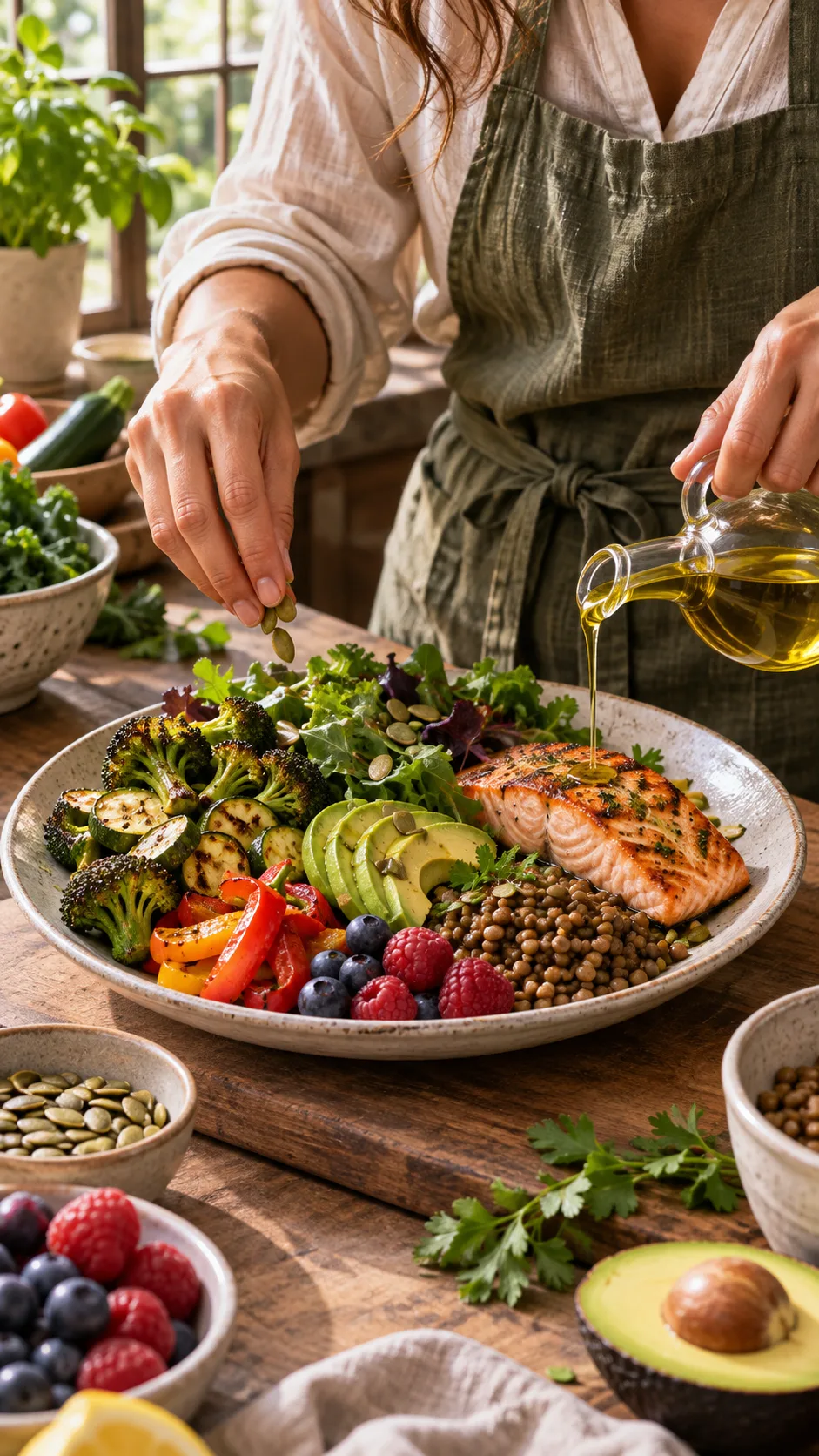
The Pegan diet combines ideas from paleo and vegan diets. Paleo eaters often choose meat, fish, vegetables, fruit, nuts, and seeds while avoiding grains, legumes, dairy, and processed foods. Vegans avoid animal products and build meals around plants, beans, grains, nuts, and seeds.
Mark Hyman takes the middle route. He puts plants at the center of every meal, while allowing modest portions of eggs, fish, and responsibly raised meat. He also includes some legumes and gluten-free whole grains, especially when they help with energy, budget, and digestion.
Strict diet camps can turn dinner into a moral exam. The Pegan diet asks a simpler question: Does this food help you feel full, steady, and well?
The Pegan plate formula
Set macro math aside for a moment. A Pegan plate often holds about 75% non-starchy vegetables and fruit, with roughly 25% protein and smart carbohydrates. That ratio brings fiber, volume, flavor, and enough protein to head off the 4 p.m. snack panic.
- Half to three-quarters of your plate: non-starchy vegetables such as broccoli, greens, peppers, mushrooms, zucchini, cabbage, and asparagus.
- A palm-sized protein portion: fish, eggs, chicken, turkey, tofu, tempeh, or occasional grass-fed meat.
- Smart fats: extra-virgin olive oil, avocado, olives, nuts, seeds, and fatty fish.
- Optional slow carbs: beans, lentils, quinoa, wild rice, sweet potatoes, winter squash, or gluten-free oats.
- Fruit for sweetness: berries, apples, citrus, kiwi, peaches, and other whole fruit instead of sugar-heavy desserts.
You do not need to weigh kale or count three almonds with lab-level precision. Build a colorful plate, include protein, add a fat that satisfies you, and let your hunger cues contribute. That approach works better than turning dinner into homework.
What Mark Hyman gets right about healthy eating
Hyman gets the broad idea right: most people benefit from more whole plants and fewer ultra-processed foods. You do not need a dramatic food identity to see that vegetables, beans, fish, eggs, fruit, nuts, and olive oil usually beat soda, chips, and frosted pastries.
Several Pegan principles match well-established nutrition guidance. Details still matter, but the basic framework makes sense.
1. Plants should take up most of your plate
Vegetables and fruit provide fiber, potassium, folate, vitamin C, and thousands of plant compounds that packaged snack foods cannot copy. Fiber can help you feel satisfied after meals and keep digestion regular. Your gut microbes enjoy plant foods too. They just have terrible manners and never write thank-you notes.
The Harvard T.H. Chan School of Public Health guide to fiber explains how fiber-rich foods support health and why most adults do not get enough. The Pegan diet naturally raises fiber intake because it gives vegetables, fruit, nuts, seeds, and legumes a larger place at the table.
2. Protein helps meals stick with you
Many people eat a salad for lunch, feel pleased with themselves for 40 minutes, then tear through a box of crackers by mid-afternoon. Pegan-style meals aim to prevent that pattern by pairing plants with protein. Fish, eggs, poultry, tofu, tempeh, Greek-style plant yogurt, and beans can all make meals more filling.
Protein needs depend on body size, age, activity, medical history, and personal goals. Athletes, older adults, pregnant people, and people who eat mostly plants often need more planning. Talk with a registered dietitian if you want a personal target instead of borrowing one from a fitness influencer with suspiciously perfect lighting.
3. Fat quality matters more than fear of fat
The Pegan diet favors olive oil, nuts, seeds, avocados, and fish rich in omega-3 fats. These foods bring flavor and make meals feel complete, which can help you keep eating this way. Few people stick with a so-called healthy lifestyle built on dry chicken and sadness.
The American Heart Association’s guidance on cooking oils recommends unsaturated fats such as olive, canola, avocado, and other plant oils in place of saturated fats. Portions still matter, because even excellent olive oil lacks a calorie invisibility cloak.
4. Added sugar and refined carbs need less attention
Hyman encourages people to limit sugary drinks, candy, refined flour products, and heavily processed snacks. That advice makes sense in daily life. These foods can push more nourishing choices aside, and they often make it easy to eat beyond fullness.
The Pegan approach does not ask you to fear every banana or sweet potato. It encourages carbohydrates that bring fiber, water, nutrients, and some chewing. A potato with salmon and greens affects your day very differently from a giant bag of candy.
Where the Pegan diet needs a reality check
The Pegan diet offers useful ideas, but no one should treat a branded eating plan like sacred scripture. Food choices depend on context. Culture, budget, medical needs, food access, cooking skills, and plain old preferences all count.
Beans and whole grains do not deserve villain status
Some Pegan versions limit beans and grains because they may raise blood sugar for some people or cause digestive trouble. That can happen, especially when someone moves from very little fiber to a mountain of lentils overnight. Your gut has opinions, and it can express them loudly.
Most people can eat beans, lentils, oats, brown rice, quinoa, and whole-grain foods within a healthy diet. These foods supply fiber, minerals, plant protein, and affordable calories. The American Diabetes Association’s carb guide focuses on carbohydrate quality and portion awareness instead of blanket fear.
Try a practical experiment instead of issuing a dramatic ban. Eat a modest serving of lentils or quinoa with protein, vegetables, and fat. Notice your energy, hunger, blood sugar response if you monitor it, and digestion across several meals.
Meat quality helps, but perfection costs money
Hyman often recommends grass-fed, pasture-raised, and sustainably sourced animal foods. Those choices may fit personal values, animal welfare concerns, and environmental goals. They also cost more, and many people cannot build a weekly grocery budget around boutique beef.
Buy the best options that fit your budget, then keep things in perspective. Frozen vegetables, canned salmon, canned beans, conventional eggs, and store-brand olive oil can make a nutritious Pegan-style meal. Consistency matters more than dietary purity.
“Pegan” does not mean “low-carb for everyone”
Some people feel good with fewer starches, especially if refined carbs make up much of their current diet. Other people train hard, walk all day at work, manage certain health conditions, or simply feel better with more whole-food carbohydrates. Your body does not owe loyalty to a diet label.
If cutting carbs leaves you tired, irritable, ravenous, or preoccupied with food, rethink the plan. Add beans, fruit, oats, potatoes, squash, or whole grains and see what changes. Thoughtful adjustments work better than white-knuckling.
How to start eating Pegan without overhauling your entire life
You do not need a ceremonial pantry purge. Start with meals you already eat. Add plants, choose a protein, use better fats, and cut back on the processed extras that never left you satisfied anyway.
Use this simple Pegan meal template
- Choose two or more vegetables. Combine raw and cooked vegetables for more texture and less boredom.
- Add a protein. Pick salmon, eggs, chicken, turkey, tofu, tempeh, lentils, or beans.
- Add a satisfying fat. Use olive oil dressing, avocado, tahini, nuts, seeds, or olives.
- Choose a smart carb when you want one. Add berries, beans, quinoa, sweet potato, squash, or a small serving of whole grains.
- Make it taste good. Use herbs, lemon, garlic, chili, salsa, vinegar, mustard, spices, and sauces with simple ingredient lists.
This structure works for breakfast, lunch, and dinner. It also saves you from chasing “perfect” Pegan recipes every night. You need repeatable meals, not a culinary dissertation.
A realistic Pegan breakfast
Try scrambled eggs with spinach, mushrooms, tomatoes, avocado, and berries. For a plant-forward option, make chia pudding with unsweetened soy milk, berries, walnuts, and a spoonful of nut butter. Add oats when you need a more substantial breakfast.
Love toast? Keep it if it works for you. Choose whole-grain or gluten-free bread, top it with eggs or mashed beans, and add fruit on the side. Your diet should fit your breakfast, not start a feud with it.
Easy Pegan lunches
Make a large salad with greens, chopped vegetables, chickpeas or chicken, avocado, pumpkin seeds, and olive oil vinaigrette. Or put together a grain bowl with roasted vegetables, salmon, quinoa, herbs, and tahini-lemon sauce. You can also claim leftovers for lunch before they turn into a fuzzy science project at the back of the fridge.
If weekday cooking drains your will to live, prepare a few basics in batches. Our easy meal prep ideas can help you prepare proteins, vegetables, sauces, and grab-and-go components without eating the same meal all week.
Simple Pegan dinners
Roast salmon with broccoli, peppers, and sweet potato wedges. Make turkey lettuce cups with mushrooms, shredded cabbage, herbs, and brown rice or cauliflower rice on the side. Simmer a vegetable-heavy lentil soup, then finish it with olive oil and fresh lemon.
You can make a stir-fry with tofu or chicken, frozen vegetables, ginger, garlic, tamari, and sesame seeds. Serve it over cauliflower rice, quinoa, or brown rice based on your appetite and activity. Flexible eating beats fussy rules.
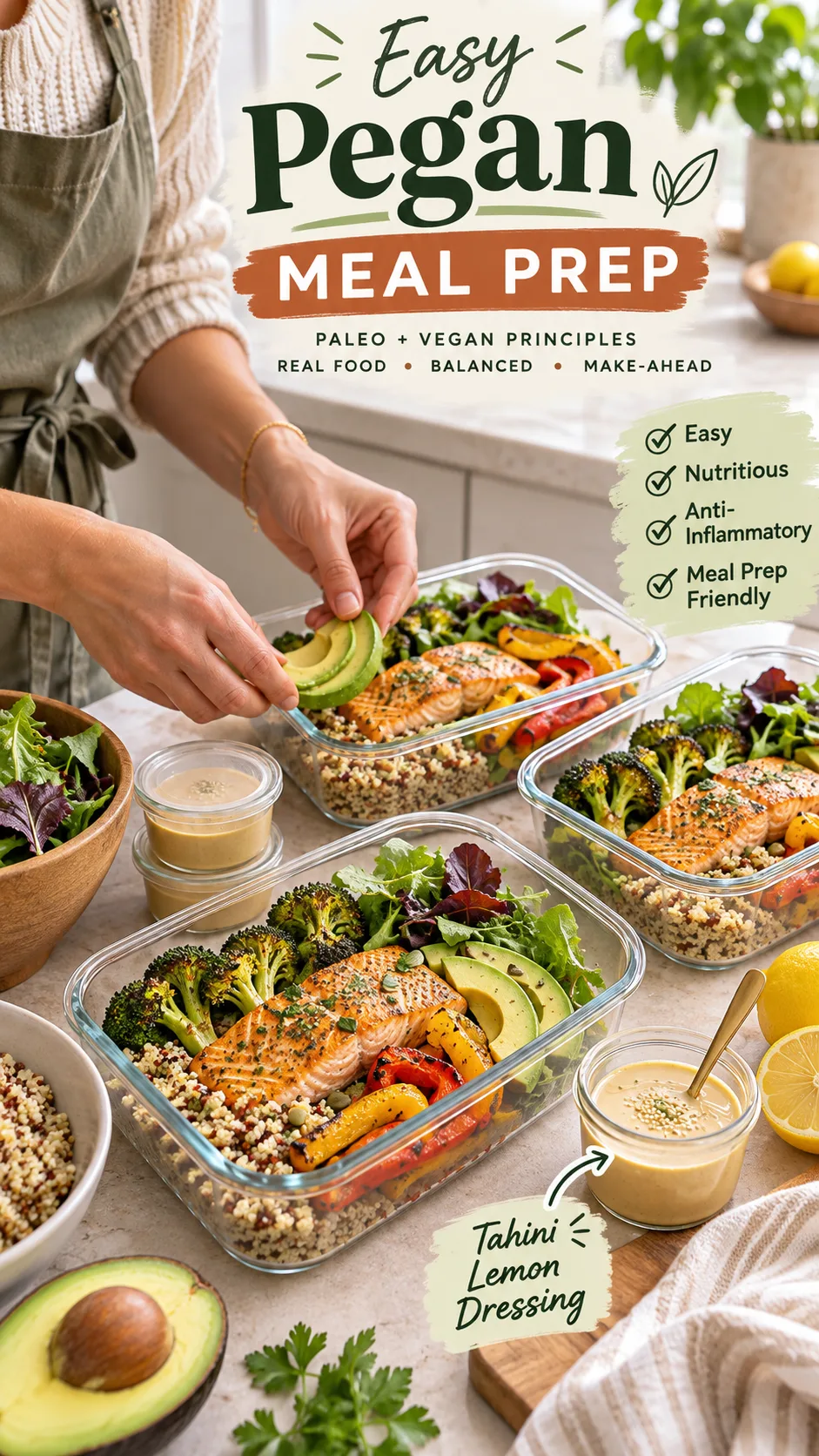
A 7-day Pegan diet meal plan you can follow
This sample Pegan meal plan offers ideas, not commandments. Adjust portions for your hunger, activity, health goals, and medical needs. If you manage diabetes, kidney disease, digestive disease, food allergies, pregnancy, or an eating disorder history, ask a qualified clinician or dietitian for personal guidance.
- Day 1: Eggs with greens and berries; chicken salad with avocado; baked salmon, asparagus, and sweet potato.
- Day 2: Chia pudding with walnuts and fruit; lentil vegetable soup; turkey meatballs with zucchini noodles and marinara.
- Day 3: Veggie omelet with sliced orange; quinoa bowl with roasted vegetables and tahini; tofu stir-fry with cabbage and mushrooms.
- Day 4: Unsweetened yogurt or soy yogurt with berries and seeds; tuna-stuffed avocado with crunchy vegetables; chicken fajita bowl with black beans and salsa.
- Day 5: Oats with nut butter, cinnamon, and apple; leftover stir-fry; shrimp with roasted Brussels sprouts and wild rice.
- Day 6: Smoothie with unsweetened milk, spinach, berries, and protein; chopped salad with chickpeas; burger bowl with greens, tomato, pickles, avocado, and roasted potatoes.
- Day 7: Eggs or tofu scramble with vegetables; salmon salad; vegetable curry with lentils and cauliflower rice or brown rice.
Snack when hunger calls for it. Choose fruit and nuts, vegetables with hummus, edamame, a hard-boiled egg, or leftovers. Leftovers count as snacks. Your body does not require every bite to arrive in a tiny branded package.
Smart Pegan grocery list staples
A stocked kitchen makes Pegan-style eating much easier. Buy foods you use, not foods that a wellness podcast told you to admire from across the room. One dependable sauce and a bag of frozen broccoli will do more for dinner than six mysterious powders.
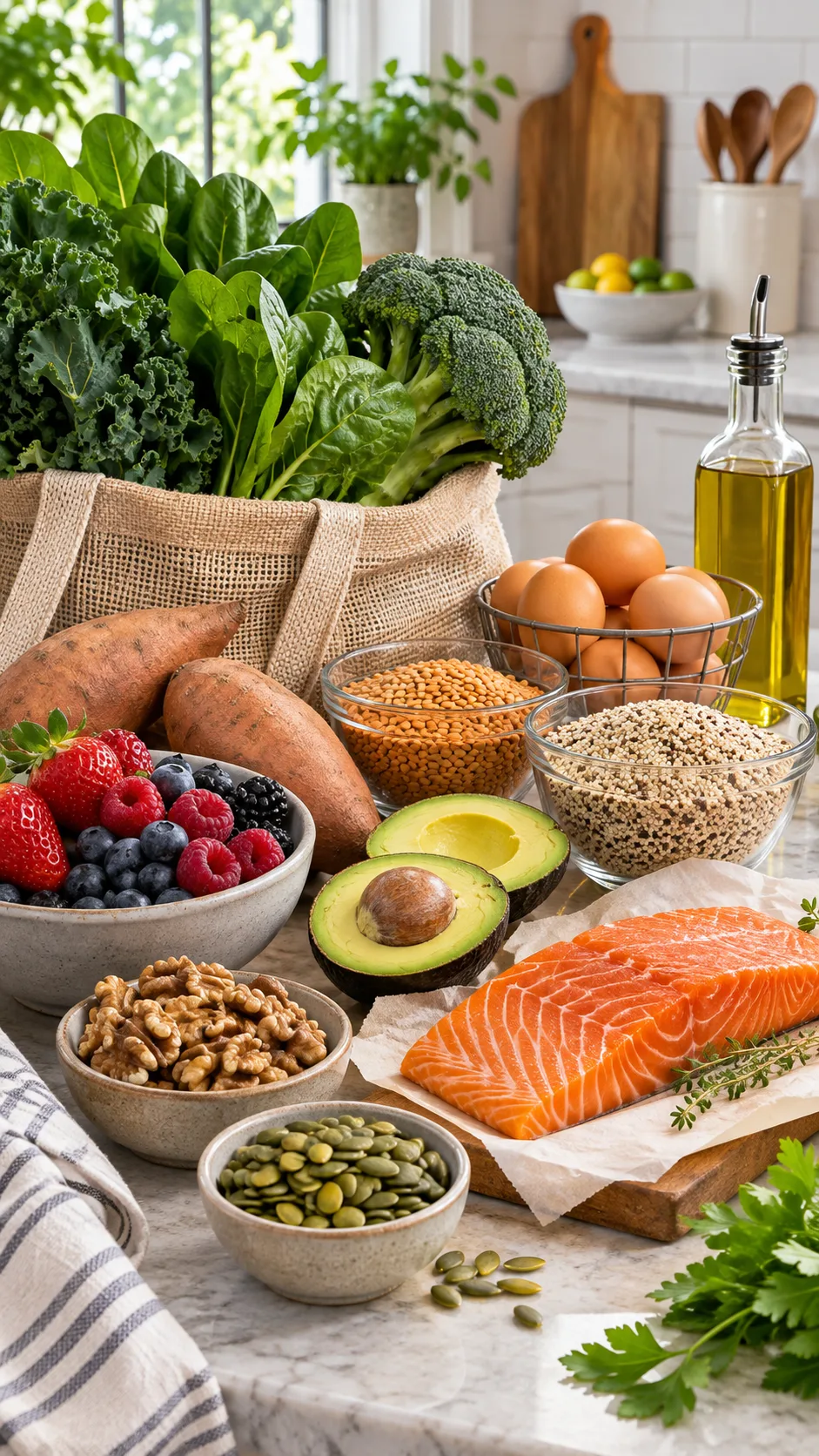
- Vegetables: spinach, kale, mixed greens, broccoli, cauliflower, carrots, onions, peppers, cabbage, mushrooms, zucchini, frozen vegetable blends.
- Fruit: berries, apples, citrus, bananas, kiwi, frozen cherries, seasonal fruit.
- Proteins: eggs, salmon, sardines, chicken, ground turkey, tofu, tempeh, lentils, beans, unsweetened yogurt or soy yogurt.
- Smart carbs: quinoa, oats, brown rice, wild rice, sweet potatoes, winter squash, black beans, chickpeas.
- Fats and flavor: olive oil, avocado, nuts, seeds, tahini, olives, garlic, lemon, vinegar, mustard, herbs, spices, tamari.
Need more quick protein ideas? These ground turkey meal prep recipes can work within a Pegan-style plan with easy swaps, including extra vegetables, olive-oil-based sauces, and a reasonable serving of beans or sweet potato.
Who should try the Pegan diet?
The Pegan diet may suit people who want more structure without strict calorie counting. It can also help people who want to eat more vegetables, cook at home more often, cut back on added sugar, and include protein more deliberately at meals.
It may not work as well for someone who thrives on simple vegan staples such as rice and beans, lives on a tight grocery budget, or finds food rules stressful. You can borrow the useful Pegan habits without adopting the label. Call it “eating mostly real food” if that feels less tiring.
Pay attention if food rules begin to dominate your thoughts, social life, or mood. Healthy eating should support your life, not make it smaller. A registered dietitian can help you build a plan that respects nutrition science and the life you live.
The bottom line on Mark Hyman’s Pegan diet
Mark Hyman gets the fundamentals right: eat plenty of vegetables, include quality protein, favor unsaturated fats, choose fiber-rich carbohydrates, and eat fewer ultra-processed foods. Those habits can support steady energy, satisfying meals, and habits you can maintain over time.
Problems begin when flexible guidance hardens into rigid rules. You do not need to ban every bean, fear every grain, or buy expensive specialty foods to eat well. Build colorful meals, notice how you feel, and keep the plan simple enough for a chaotic Wednesday.
The best Pegan diet looks less like perfection and more like a plate you want to eat again tomorrow. That matters.