

You step on the scale, hold your breath, and watch the needle drop another pound. Society pushes women to shrink, shed fat, and drop clothing sizes, so people rarely discuss the exhausting struggle to gain healthy weight.
Friends often tell you to eat fast food or gorge on donuts. That approach backfires. Greasy meals upset your digestion, crash your energy, and trigger breakouts. You want muscle tone, strength, and steady stamina without dealing with stomach cramps or brain fog.
You need a sustainable plan built around whole foods. Here is how you can build real curves and add healthy mass without eating junk.
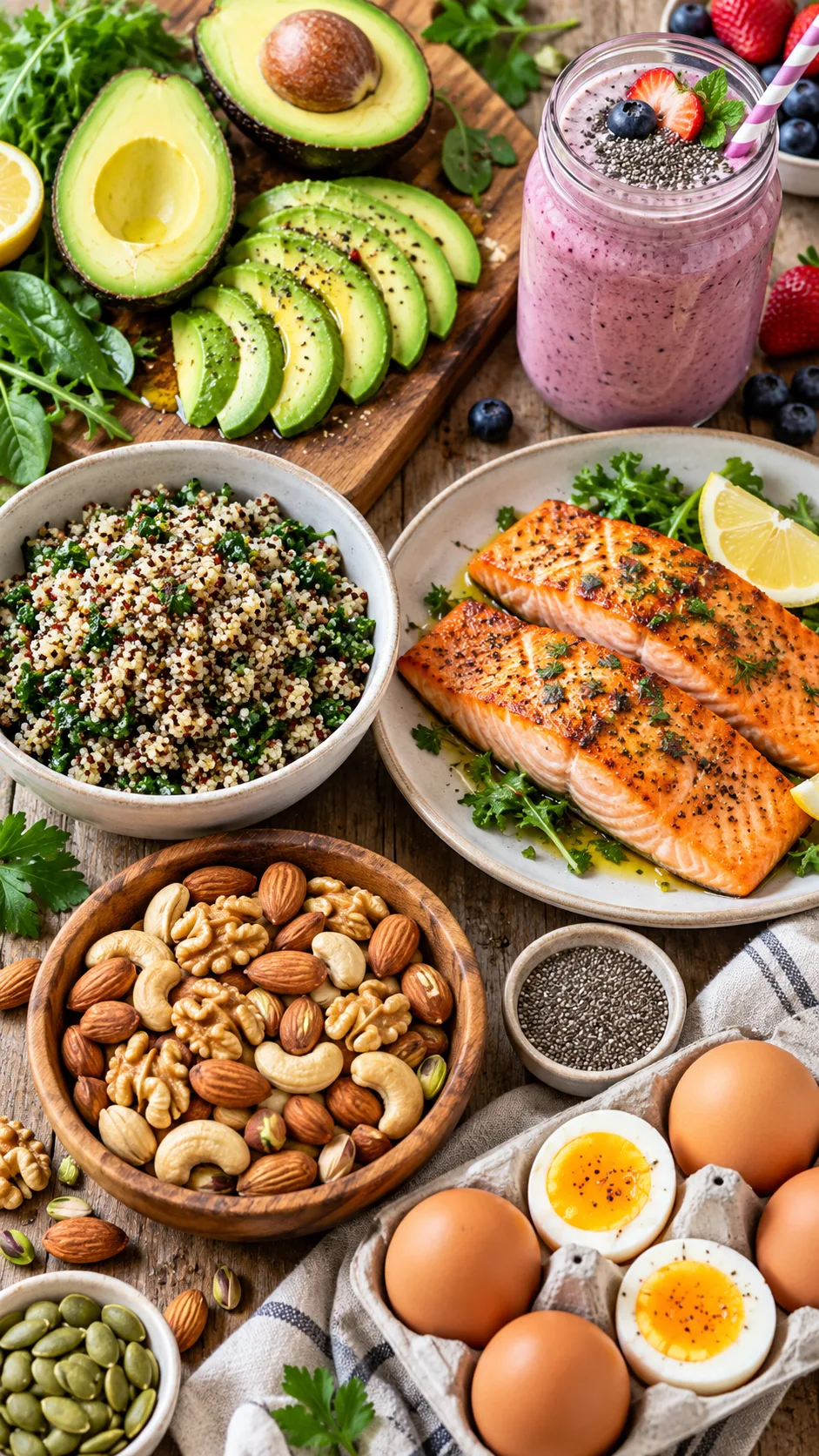
Why gaining weight feels hard for women
Many women struggle to pack on weight simply because of genetics. A naturally fast metabolism burns through meals before your body can store the energy.
Hormones also regulate your appetite. Estrogen and progesterone alter stomach emptying and fullness cues. When your body produces high levels of the fullness hormone leptin, a few bites can leave you completely satisfied.
Stress uses up your fuel reserves quickly. Cortisol often blunts appetite in women, leading to accidental calorie deficits. Skipping breakfast during a rushed morning can ruin your daily calorie target before lunchtime.
Salads alone will not fix this issue. You must pick concentrated, nutrient-dense foods to outpace your metabolism.
The dirty bulking trap: why junk food fails you
You can gain weight eating pastries and drive-thru burgers, but your physical energy will crash hard.
A junk food surplus floods your body with refined sugars and trans fats. This habit spikes systemic inflammation, triggers visceral fat gain around your organs, and disrupts insulin sensitivity. Researchers at Harvard Health note that chronic low-grade inflammation from ultra-processed food damages heart health over time.
Your body needs quality materials to grow. Clean weight gain combines a caloric surplus with real micronutrients. You build dense muscle fibers, reinforce bone mineral density, and support hormone production without stressing your arteries.
Whole foods keep your energy steady, your skin clear, and your digestion smooth while adding weight where you want it.
Step 1: Calculate your calorie surplus
You cannot manage what you do not measure. Most women who struggle to gain weight overestimate how much food they eat. You might assume you eat 2,500 calories a day, but tracking often reveals you barely reach 1,600.
Find your Total Daily Energy Expenditure (TDEE). This number accounts for your basal metabolic rate and your daily physical movement. The National Academy of Sports Medicine (NASM) provides a reliable calculator for this starting baseline.
Add 300 to 500 calories to your maintenance number for steady weight gain. If your body maintains its weight at 1,800 calories, set your new intake between 2,100 and 2,300 calories. This bump protects your gut from sudden discomfort and moves the scale up by roughly half a pound to one pound every week.
Log your meals for two weeks in Cronometer or MyFitnessPal to confirm your numbers. Once you understand real portion sizes, you can stop logging and rely on visual cues.
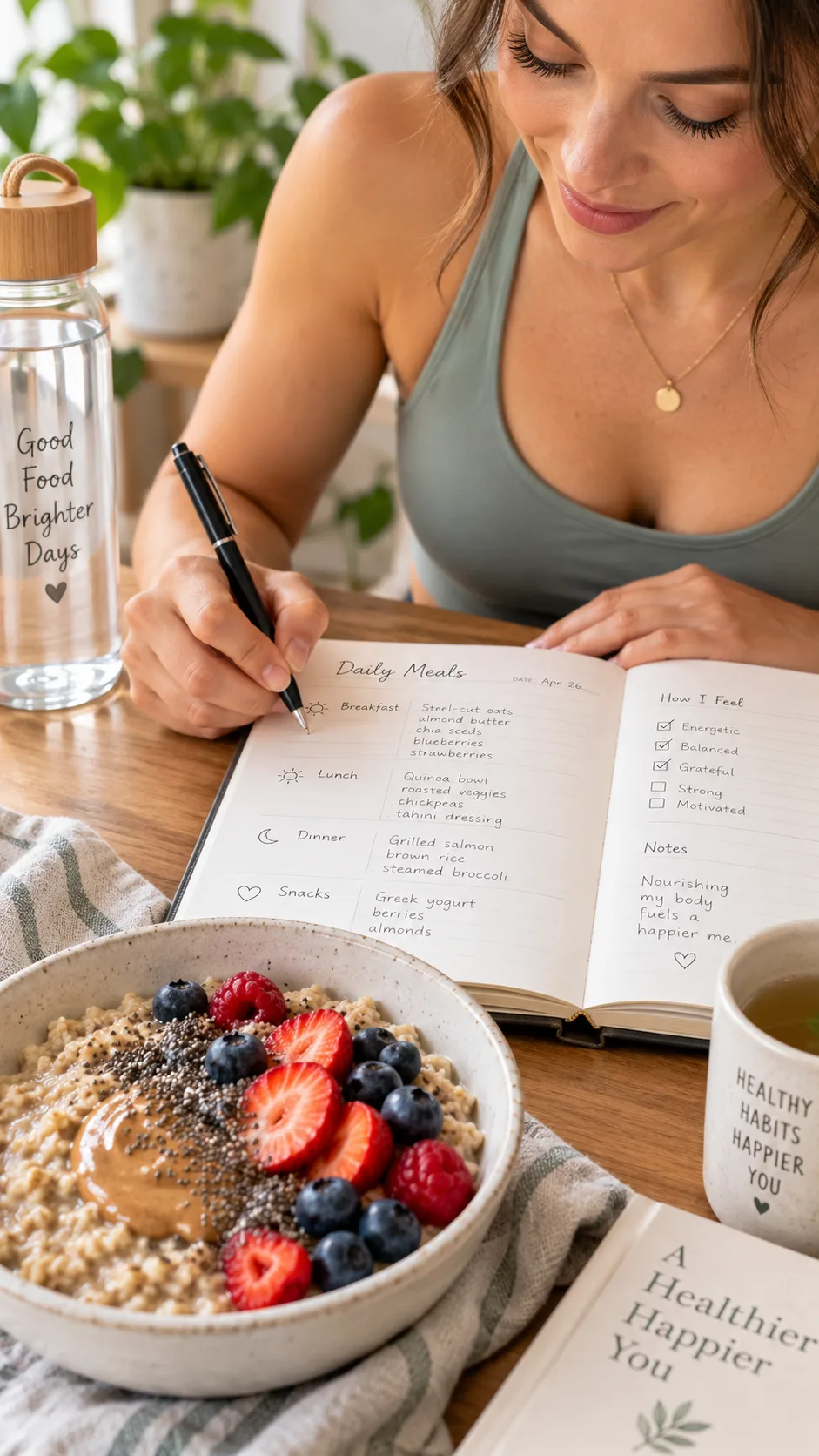
Step 2: Balance your macronutrient ratios
Dry chicken breasts and massive raw salads take up huge space in your stomach without offering enough energy. You need calorie density.
Set up your daily macronutrient split using these targets:
- Protein (1.6 to 2.0 grams per kilogram of body weight): Protein supplies the amino acids your body needs to construct muscle. Choose wild salmon, eggs, tempeh, Greek yogurt, and poultry.
- Healthy fats (30% to 35% of total calories): Fats provide nine calories per gram, which makes them ideal for packing calories into small servings. Eat extra virgin olive oil, avocados, nut butters, and seeds daily.
- Complex carbohydrates (45% to 50% of total calories): Carbohydrates power hard training sessions and spare protein for tissue repair. Eat sweet potatoes, brown rice, oats, sourdough, and quinoa.
Lifting weights alongside this nutrition plan helps you build muscle tone rather than just fat tissue. Follow our gym diet plan to direct those incoming calories toward lean strength.
Clean foods that help you gain weight fast
Fill your kitchen with foods that supply high calorie counts without filling your stomach to the brim. When your appetite runs low, every spoonful matters.
- Nut butters (almond, peanut, cashew): Two tablespoons provide roughly 190 to 200 calories of fats and plant protein. Mix them into warm oatmeal or spread them over toasted sourdough.
- Full-fat Greek yogurt: Whole-milk yogurt contains natural probiotics, calcium, and 15 to 20 grams of protein per cup. Avoid low-fat versions.
- Avocados: One medium avocado supplies about 250 to 300 calories, along with monounsaturated fats and soluble fiber.
- Oils (extra virgin olive oil and coconut oil): Pour two tablespoons over your vegetables, rice bowls, or pasta. You add 240 calories to a plate without expanding its physical size.
- Whole eggs: Eat the yolks. Egg yolks contain choline, vitamin D, and cholesterol that supports female hormone production.
- Whole grains: Oats, farro, and sweet potatoes deliver steady carbohydrate energy throughout the day. Meals from an Asian diet offer great inspiration for rice-heavy dishes that make larger portions taste great.
- Seeds (hemp, chia, flax, pumpkin): Add three tablespoons of hemp seeds to a bowl of yogurt or oatmeal for an extra 170 calories and 10 grams of complete protein.
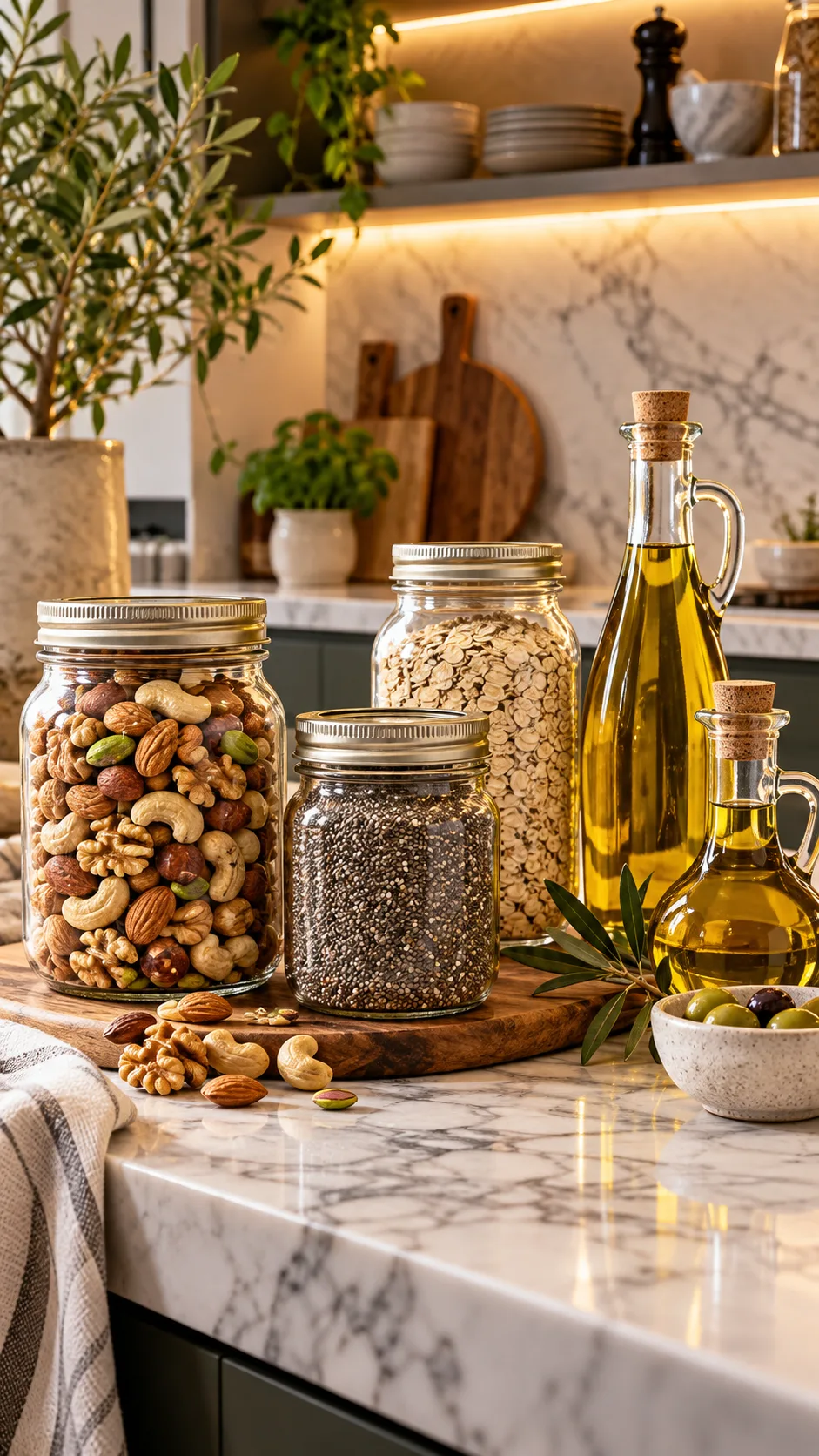
7-day weight gain meal plan (2,300 to 2,500 calories)
Use this weekly meal plan to see how easy high-calorie, unprocessed eating can feel. Adjust specific portions up or down to hit your calculated calorie needs.
Day 1
- Breakfast: 3 scrambled eggs in 1 tablespoon grass-fed butter, 2 slices whole-grain toast with half an avocado, and 1 cup whole milk.
- Morning Snack: 1 cup whole-milk Greek yogurt, 2 tablespoons hemp seeds, 1 tablespoon honey, and 1 sliced banana.
- Lunch: 150 grams grilled chicken breast, 1 cup cooked quinoa, and roasted zucchini tossed in 1 tablespoon olive oil.
- Afternoon Snack: 1 large apple with 2 tablespoons almond butter.
- Dinner: 170 grams wild salmon, 1 large baked sweet potato with 1 tablespoon butter, and steamed broccoli.
- Evening Treat: 2 squares of dark chocolate and a handful of walnuts.
Day 2
- Breakfast: Overnight oats made with 1 cup rolled oats, 1 cup whole milk, 1 scoop whey protein, 2 tablespoons chia seeds, and 1 tablespoon maple syrup.
- Morning Snack: Handful of almonds, cashews, and dried cranberries.
- Lunch: Turkey and avocado wrap made with a large whole-wheat tortilla, cheddar cheese, hummus, and spinach.
- Afternoon Snack: Power smoothie containing 1 banana, whole milk, peanut butter, and rolled oats.
- Dinner: 170 grams lean ground beef in tomato sauce over whole-wheat penne with parmesan cheese.
- Evening Treat: Warm whole milk with honey and cinnamon.
Day 3
- Breakfast: 3-egg omelet with spinach, feta cheese, and tomatoes, served with roasted potatoes.
- Morning Snack: Rice cakes topped with thick cashew butter and sliced strawberries.
- Lunch: Poke bowl with sushi rice, fresh tuna, diced avocado, edamame, and sesame oil dressing.
- Afternoon Snack: 1 cup cottage cheese with fresh pineapple chunks and pumpkin seeds.
- Dinner: Chicken thigh curry prepared with whole coconut milk, served over jasmine rice.
- Evening Treat: 1 whole-grain muffin with a glass of whole milk.
Day 4
- Breakfast: 2 whole-grain waffles topped with 2 tablespoons peanut butter, sliced banana, and maple syrup, with 2 hard-boiled eggs on the side.
- Morning Snack: Trail mix made with pumpkin seeds, dark chocolate chips, and dried apricots.
- Lunch: Quinoa bowl with roasted chickpeas, sweet potato wedges, tahini dressing, and grilled halloumi.
- Afternoon Snack: Protein smoothie blended with whole milk, oats, and frozen blueberries.
- Dinner: 180 grams sirloin steak, garlic mashed potatoes with butter, and roasted asparagus.
- Evening Treat: Sliced pear drizzled with warm almond butter.
Day 5
- Breakfast: Shakshuka with 3 eggs poached in olive oil and tomato sauce, paired with crusty sourdough bread.
- Morning Snack: 1 cup whole-milk Greek yogurt topped with granola and blueberries.
- Lunch: Albacore tuna salad with olive oil mayonnaise and diced celery, stuffed into a pita pocket with avocado.
- Afternoon Snack: 2 homemade oat and peanut butter energy bites.
- Dinner: Baked cod with lemon-butter sauce, wild rice pilaf, and green beans sautéed in olive oil.
- Evening Treat: A handful of macadamia nuts and dried figs.
Day 6
- Breakfast: Protein smoothie bowl made with frozen bananas, protein powder, and whole milk, topped with shredded coconut and granola.
- Morning Snack: 2 hard-boiled eggs with sea salt and a dish of green olives.
- Lunch: Burrito bowl with grilled chicken, brown rice, black beans, guacamole, and sour cream.
- Afternoon Snack: Toasted sourdough spread with ricotta cheese and honey.
- Dinner: Beef burger on a brioche bun with avocado slices and baked sweet potato wedges.
- Evening Treat: Hot cocoa prepared with whole milk and dark cocoa powder.
Day 7
- Breakfast: 3 scrambled eggs with cheddar cheese, mushrooms, and bell peppers, served with 2 slices of buttered toast.
- Morning Snack: 1 banana with 2 tablespoons sunflower seed butter.
- Lunch: Lentil stew cooked with extra virgin olive oil, served with warm sourdough bread.
- Afternoon Snack: Whole-milk Greek yogurt mixed with peanut butter and cacao nibs.
- Dinner: Roasted chicken thighs with crispy skin, baby potatoes, and buttered carrots.
- Evening Treat: Sliced honeycrisp apple with sharp cheddar cheese.
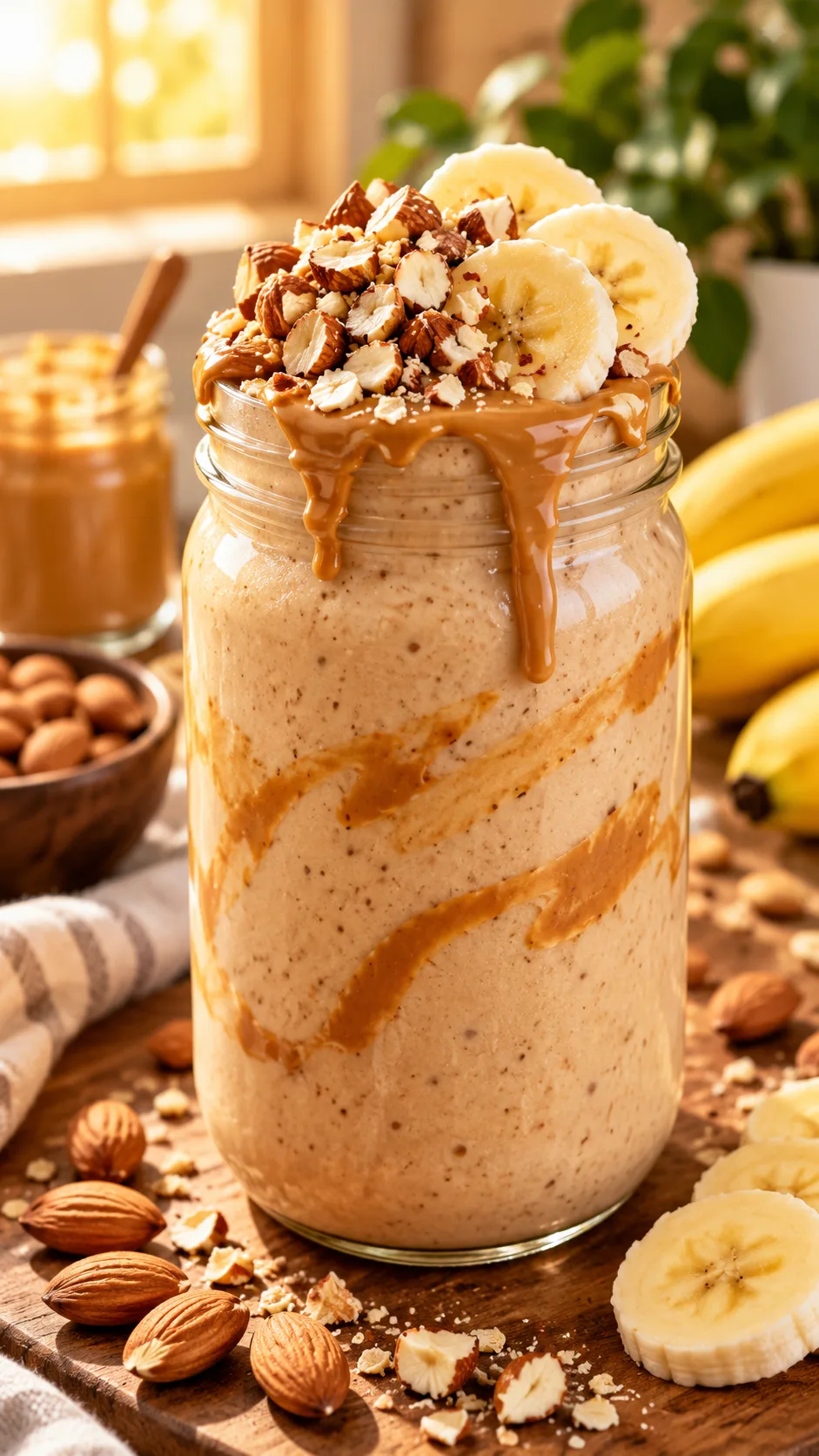
High-calorie smoothies make weight gain simple
Liquid nutrition solves the problem of an early fullness cue. Your stomach digests liquids much faster than solid foods, letting you absorb energy without intense fullness.
Skip commercial weight gainer powders. Many manufacturers fill those tubs with cheap maltodextrin, artificial sweeteners, and thickeners that cause severe bloating.
Make your own 800-calorie shake at home in minutes:
- 1.5 cups whole milk or oat milk
- 1 large ripe banana
- 2 tablespoons peanut or almond butter
- 1/2 cup finely ground rolled oats
- 1 scoop unflavored or vanilla whey protein powder
- 1 tablespoon chia seeds
- 1 tablespoon honey
Drink this shake between lunch and dinner, or consume it an hour before bed. You get nearly a thousand clean calories without feeling stuffed.
You can also pull high-calorie inspiration from traditional food cultures. Our guide to Nigerian foods for weight gain highlights hearty, calorie-dense foods like pounded yam, egusi soup, and plantains that deliver compact nutrition in every portion.
Daily habits that speed up your weight gain
Food provides building blocks, but daily routines dictate how your body uses them. Follow these habits to get the most out of your extra calories:
1. Stop drinking liquids during meals
Water fills up room inside your stomach. Drinking two glasses of water while you eat stretches your stomach lining and triggers fullness signals before you finish your food. Drink fluids 30 minutes before your meal or wait 30 minutes after you clear your plate.
2. Lift heavy weights and reduce cardio
Long sessions on the treadmill burn the calorie surplus you need for growth. Prioritize compound lifts instead. Squats, deadlifts, barbell hip thrusts, overhead presses, and rows instruct your body to direct incoming amino acids toward muscle tissue.
3. Protect your sleep schedule
Your body produces human growth hormone and rebuilds damaged muscle during deep sleep. Research published by the National Institutes of Health (NIH) shows that ongoing sleep loss impairs recovery and halts lean mass gains. Sleep for eight hours every night.
4. Eat every 3 to 4 hours
Spacing out your meals keeps your digestion moving comfortably and provides steady nutrition. Do not try to eat three gigantic meals. Split your daily calories into three balanced meals and two calorie-dense snacks.
Troubleshooting common roadblocks
Do not panic if the scale pauses for two weeks. Weight gain does not follow an exact line every day.
Water retention, hormonal shifts during your menstrual cycle, and digestion rates will cause daily weight shifts. Compare weekly averages instead of stressing over single morning weigh-ins.
If your weekly average stays flat after two weeks, add 200 calories to your daily total. Eat another handful of walnuts in the afternoon or add a tablespoon of olive oil to your dinner.
If you experience bloating during the first week, give your digestive tract time to adapt to the higher volume. Drink warm ginger or peppermint tea after meals to relax your stomach.
Frequently asked questions
Can I gain weight in my glutes and thighs without gaining a belly?
You cannot tell your body where to store fat because your genetics dictate your body shape. However, you can steer growth directly to your legs and glutes by pairing a minor surplus with hard resistance training. Heavy barbell hip thrusts, Romanian deadlifts, and split squats trigger muscle development across your lower body.
How long does it take for a woman to see weight gain results?
You will likely notice higher gym energy and better pump within your first week. Visible muscle growth and fuller curves usually appear within four to six weeks of steady eating and lifting. Slow, controlled progress gives you lasting tissue instead of rapid fat storage.
What if I lose my appetite due to stress?
Rely on shakes and dense snacks when solid food feels hard to stomach. Smoothies, whole milk, spoonfuls of nut butter, and warm broths supply calories with very little chewing. Manage your stress directly through walks outside, breathing exercises, and a consistent sleep schedule.
Consistency beats perfection
Adding weight and building curves takes patience and consistent meals. You do not need fast food, sugary powders, or extreme eating habits to see progress. You need a reliable surplus, whole foods, and a good training routine.
Stock your kitchen, hit your calorie targets, train with weights, and let your body grow. Pick your next meal and start today.