

Your blood type can’t pick your breakfast. I know, I know. That’s not the headline you wanted. Stay with me, because the story behind the blood type diet is more interesting than the diet itself.
Maybe a friend swears she dropped 15 pounds eating like a type O. Maybe you spotted a “foods to avoid for type A” list and wondered whether your morning toast is sabotaging you. Fair question. This article covers what the blood type diet claims, what research says, and what you should put on your plate instead.
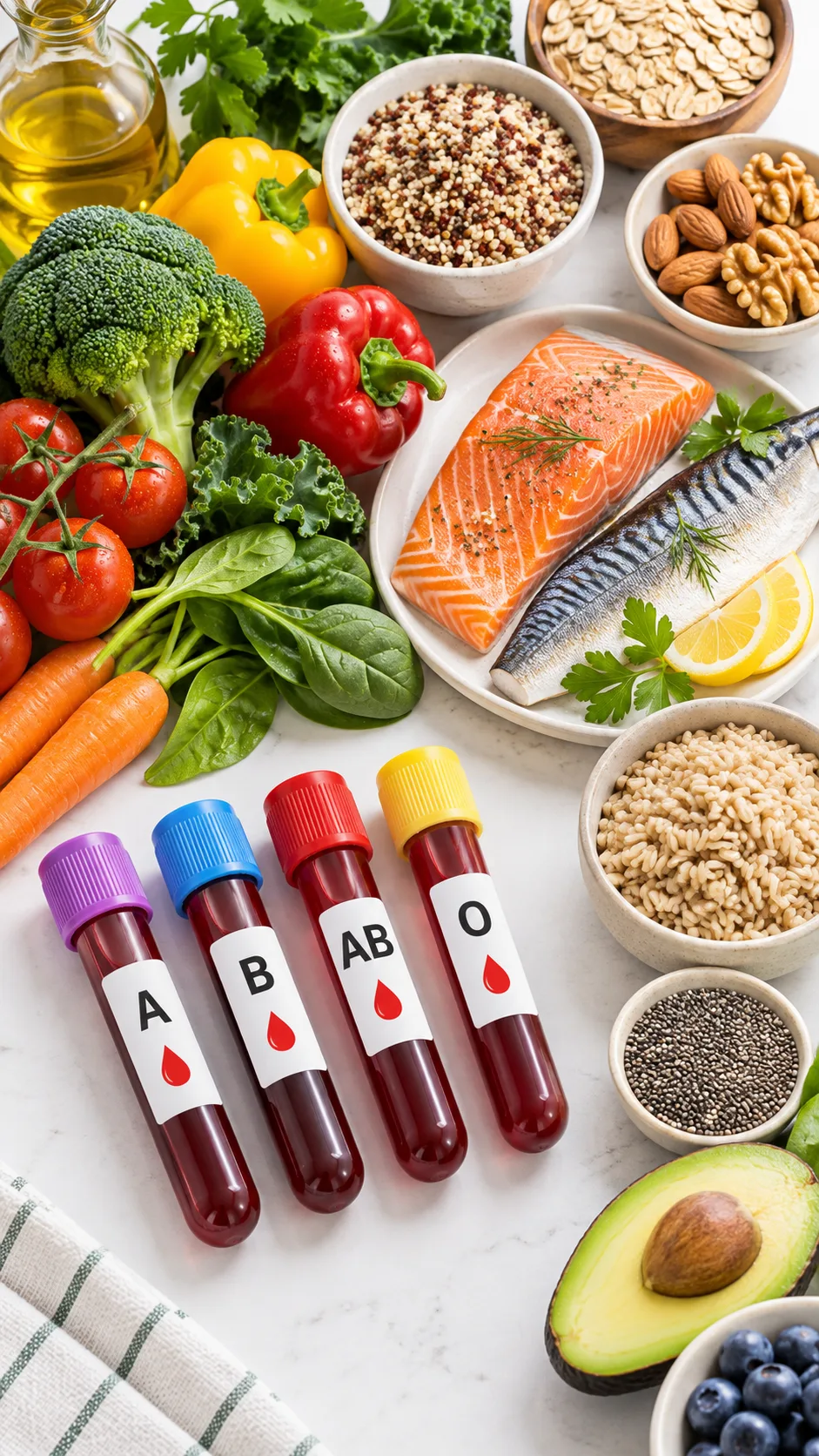
What is the blood type diet, exactly?

Naturopath Dr. Peter D’Adamo popularized the idea in his 1996 book Eat Right 4 Your Type. His pitch sounds simple: your ABO blood group determines which foods digest well and which ones make you sick, fat, or tired. Eat the wrong food for your type, and you supposedly invite inflammation, weight gain, and fatigue.
The theory took off. Celebrities talked it up, and the book sold millions of copies. Few diets have turned a lab result into a personality, so I get the appeal.
The four types according to the diet
D’Adamo assigns each blood group an “ancestral” eating pattern:
- Type O (“the hunter”) eats a lot of protein and meat, with few grains and little dairy.
- Type A (“the cultivator”) eats mostly vegetarian, with no red meat and little dairy.
- Type B (“the nomad”) eats a balanced omnivore diet. Dairy is welcome, but corn, wheat, and chicken go on the “avoid” list.
- Type AB (“the enigma”) blends the A and B rules. It allows seafood, tofu, and dairy and cuts red meat.
Tidy, right? Humans love tidy. Biology rarely cooperates.
The lectin theory: the engine behind the claims
The whole diet rests on lectins, a family of proteins that plants, grains, legumes, and some animal foods contain. D’Adamo argues that certain lectins “clump” the red blood cells of people with the wrong blood type. He says that clumping causes digestive trouble, inflammation, and disease.
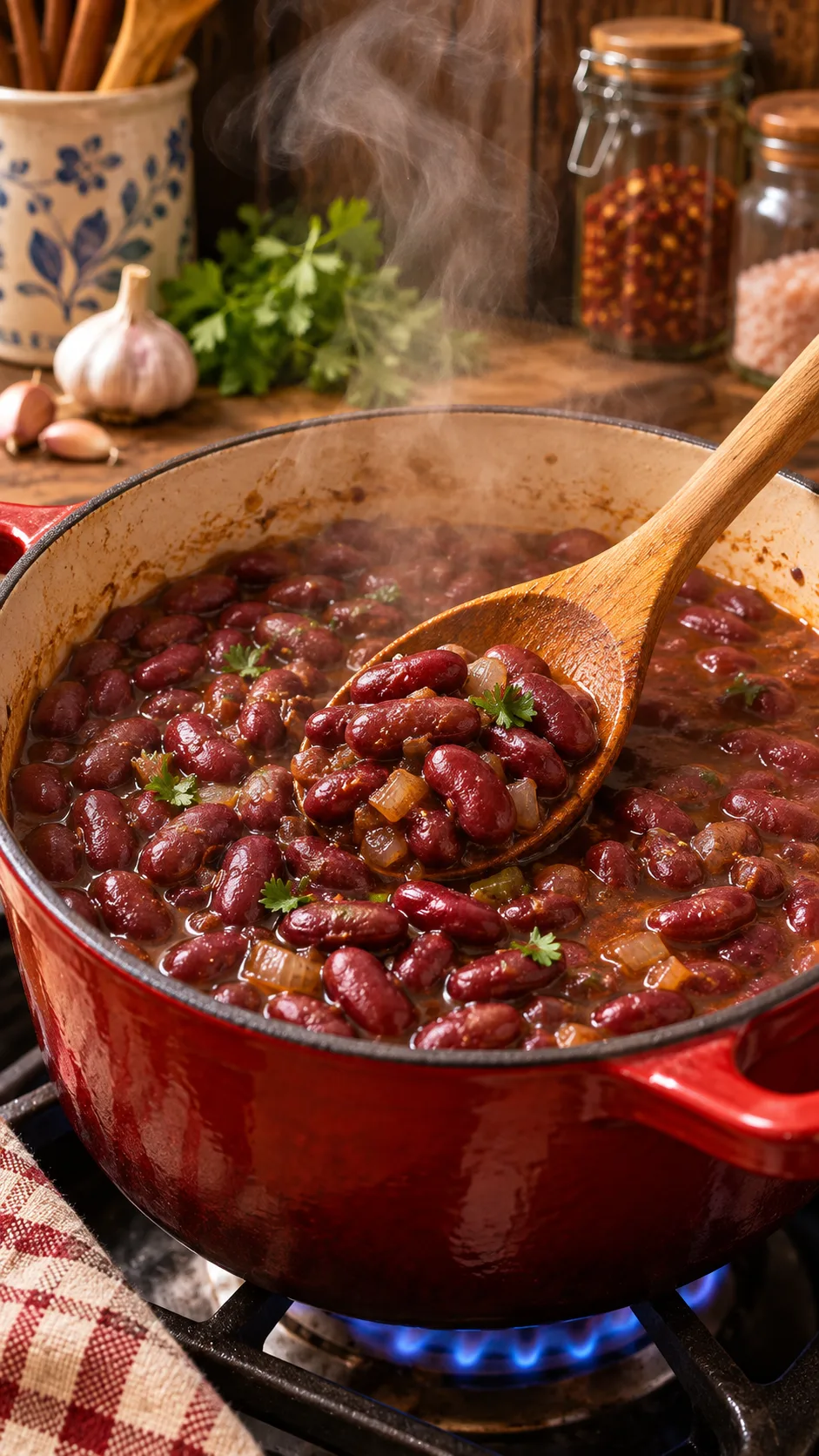
There’s a kernel of truth here. Lectins are real, and some of them can harm you. Raw kidney beans contain a lectin that causes brutal stomach upset, which is why recipes tell you to boil them thoroughly. Cooking deactivates most of the problem.
The theory falls apart next. Normal portions of cooked food don’t send active lectins into your bloodstream to attack your red blood cells. Your gut breaks down and blocks most of them first. The dramatic clumping story doesn’t match how digestion works.
What the research found
Scientists tested this idea, and the results didn’t back the diet up.
The 2013 systematic review
In 2013, researchers searched more than a thousand articles on blood type diets. Only 16 studies met their standards, and none of them showed that blood type diets improve health. The authors concluded that no evidence supports the claimed benefits. The work appeared in The American Journal of Clinical Nutrition.
The 2014 Toronto study
A larger test came from a University of Toronto team. They studied 1,455 young adults and checked how closely each person’s usual eating matched the diet for their blood type. The full paper appears in PLOS ONE, and the findings surprised a lot of people:
- People who ate the “type A” way showed better health markers, such as lower BMI, blood pressure, and insulin levels.
- The same pattern held for “type O” and “type B” eaters.
- Those benefits had nothing to do with the participants’ actual blood type. A type O person eating the type A diet improved just as much as a type A person.
The diets worked, at least some of them, for everyone who followed them. Blood type changed nothing.
Bottom line: the food lists help when they push you toward vegetables, whole foods, and fewer processed items. Your ABO group doesn’t deserve the credit.
So why do so many people swear it works?
I get it. I once tried a very strict eating plan a coworker raved about, and I felt amazing for two weeks. Then I realized I had simply stopped eating fries from the drive-through at 3 p.m. The plan didn’t work magic. My habits changed.
The blood type diet works the same way for most followers. Consider what it asks you to do:
- It cuts highly processed food. Almost every type’s list bans junk food, refined sugar, and fast food.
- It pushes vegetables. Every version promotes produce.
- It makes you read labels and plan meals. Paying attention alone improves how people eat.
- It creates a sense of identity. “I eat this way because of who I am” motivates people far better than “I should eat salad.”
Add the placebo effect and the pull of a structured plan, and the anecdotes pile up. Every diet has fans for the same reason. Any plan that cuts junk food and adds whole foods will make most people feel better.
Where blood type genuinely matters
Before you write off blood types entirely, give them some credit. Your ABO group does influence your health, just not through your dinner menu.
Medical realities
- Matching blood type for transfusions and transplants saves lives. This is where blood type matters most.
- Doctors check Rh status during pregnancy to prevent complications between mother and baby.
- Studies link non-O blood groups to a slightly higher risk of cardiovascular disease and blood clots, while type O carries a somewhat higher risk of stomach ulcers.
- Some research connects blood group antigens to how certain pathogens, including norovirus, latch onto cells.
The pattern is clear. These links raise or lower risk by modest amounts, and they don’t tell you to ditch bread. Scientists still work out the mechanisms, and nobody has built a trustworthy meal plan from them.
FYI: even if your blood group carries a higher risk, the advice stays boringly universal. Keep a healthy weight, don’t smoke, stay active, and eat well.

The problems with following the blood type diet strictly
Does a little experimentation hurt? Sometimes it does, depending on your type’s rules.
Nutritional gaps
Type O’s plan limits dairy and grains, which can leave you short on calcium and fiber if you don’t plan carefully. Type A’s plan cuts meat and dairy, so you need a reliable source of vitamin B12, iron, and protein. The type B and AB lists ban perfectly healthy foods, like chicken or corn, for no solid reason.
Food fear
Telling someone that tomatoes or lentils will “harm” them creates anxiety around food. That stress doesn’t help anyone. I’d argue that fear of ordinary foods does more damage than a slice of whole wheat bread ever could.
Cost and complexity
Memorizing “highly beneficial,” “neutral,” and “avoid” categories for hundreds of foods wears you out. Sustainable eating has to fit real life, including potlucks and Tuesday nights when you can’t think straight.
A quick look at the video evidence
If you prefer watching to reading, this explainer walks through the claims and the evidence in plain language:
What to eat instead, according to the research
Skip the type chart. Build your plate around patterns that large, well-run studies keep supporting. The Harvard Healthy Eating Plate and the Dietary Guidelines for Americans both offer a solid starting point.
Seven habits that beat any blood type chart
- Fill half your plate with vegetables and fruit. Variety matters, so mix your colors.
- Choose whole grains over refined ones. Oats, brown rice, and whole wheat give you fiber and steady energy.
- Pick quality protein. Fish, beans, eggs, poultry, tofu, and nuts all work.
- Use healthy fats. Olive oil, avocado, and nuts beat a diet heavy on butter.
- Limit highly processed foods and added sugar. This single change does more than most “special” diets.
- Drink water first. Sugary drinks sneak in a shocking number of calories.
- Eat in a way you can keep up for years. Consistency crushes perfection.
Looking for a vegetable to add to your rotation? Try the underrated garden egg, a vegetable high in fiber and low in calories that shows up in many traditional dishes. It shows that variety beats rules every time.
Should you still try it? An honest take
Here’s my opinion, and I think it’s a fair one: if a blood type plan nudges you toward more whole foods, go ahead. Just don’t believe the biology behind it, and don’t cut out entire food groups without a reason.
Curious how the traditional lists look anyway? Our guide to the blood type diet for A+ lays out the classic recommendations, and our breakdown of the O positive blood type diet food list covers the type O approach. Read them as one way to organize meals, not as medical instructions.
Quick safety checklist before you start any restrictive plan:
- Talk to your doctor or a registered dietitian if you have a health condition.
- Never drop a food group without replacing its main nutrients.
- Skip any plan that promises to cure disease.
- Track how you feel, not just the number on the scale.
For personalized guidance, find a registered dietitian through the Academy of Nutrition and Dietetics. A professional can tailor advice to your labs, your budget, and your schedule. No blood type chart can do that.
Frequently asked questions
Does the blood type diet help you lose weight?
Some followers lose weight, but they do it by cutting processed food and calories, not because of their blood type. The Toronto study found that the diets improved health markers regardless of participants’ blood group.
Do lectins really harm people?
Raw or undercooked beans can make you sick, so cook them properly. Cooked legumes and whole grains belong in a healthy diet, and research links them to lower heart disease risk.
Is my blood type linked to any health risk?
Yes, slightly. Non-O types carry a modestly higher risk for some cardiovascular conditions, and type O carries a higher risk for ulcers. Those risks shift only a little, and lifestyle habits matter far more.
Why does the diet feel so convincing?
It gives you structure and an identity, plus a list of healthy habits wrapped in a personalized story. That combination feels powerful, even when the science behind it doesn’t hold up.
What diet works best for every blood type?
Research consistently favors patterns built on whole foods and plenty of plants, like the Mediterranean diet, with lots of vegetables, fruit, legumes, whole grains, fish, and healthy fats. These patterns work across the board.
The bottom line on the blood type diet
The evidence points in one direction:
- The blood type diet lacks scientific support. A 2013 systematic review and a 2014 study of 1,455 adults found no link between blood type and diet success.
- Its lectin theory overreaches. Cooking neutralizes most harmful lectins, and normal digestion handles the rest.
- The plans work mostly because they cut junk food and add vegetables and whole foods.
- Blood type matters for medicine, including transfusions and pregnancy, but it doesn’t dictate your dinner.
- Balanced, varied eating wins for every type, A, B, AB, and O.
So here’s your takeaway: stop asking what your blood type allows, and start asking what your body needs. Eat more plants, cook more at home, and find a rhythm you can enjoy for decades. Your red blood cells will survive just fine.