

Want to eat like people who often reach 90 or 100 without turning dinner into a chemistry project? The Blue Zone diet keeps the answer refreshingly simple: eat mostly plants, enjoy real food, share meals, and stop before your waistband complains.
People in the world’s Blue Zones do not count every almond, depend on protein powder, or fret over a slice of sourdough. They build everyday routines around long lives, steady energy, close communities, and meals worth sitting down for. That sounds pretty good.
This guide covers the food habits common among the longest living populations, the science behind them, and ways to use the approach without relocating to a small Mediterranean island.
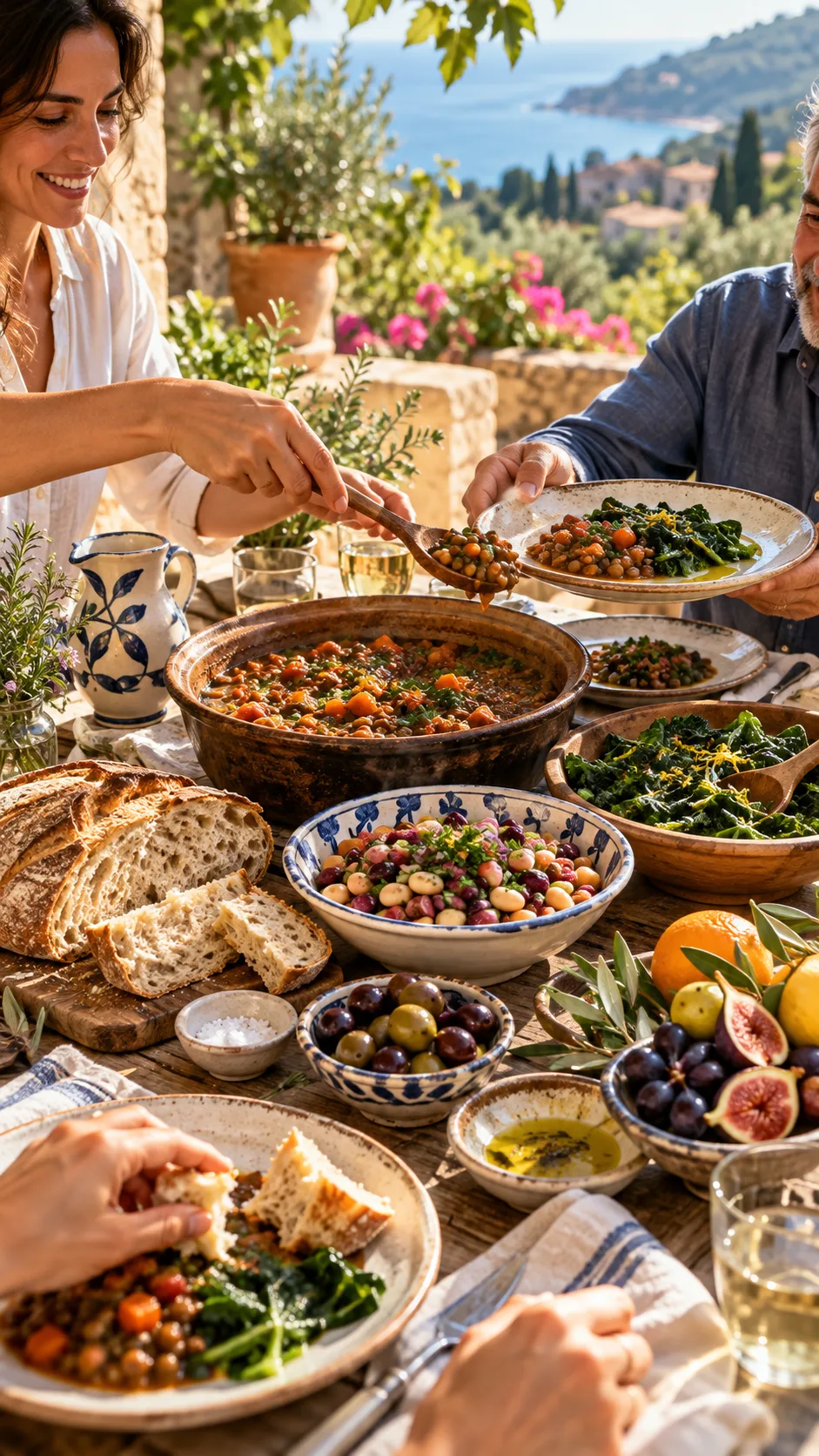
What is the Blue Zone diet?
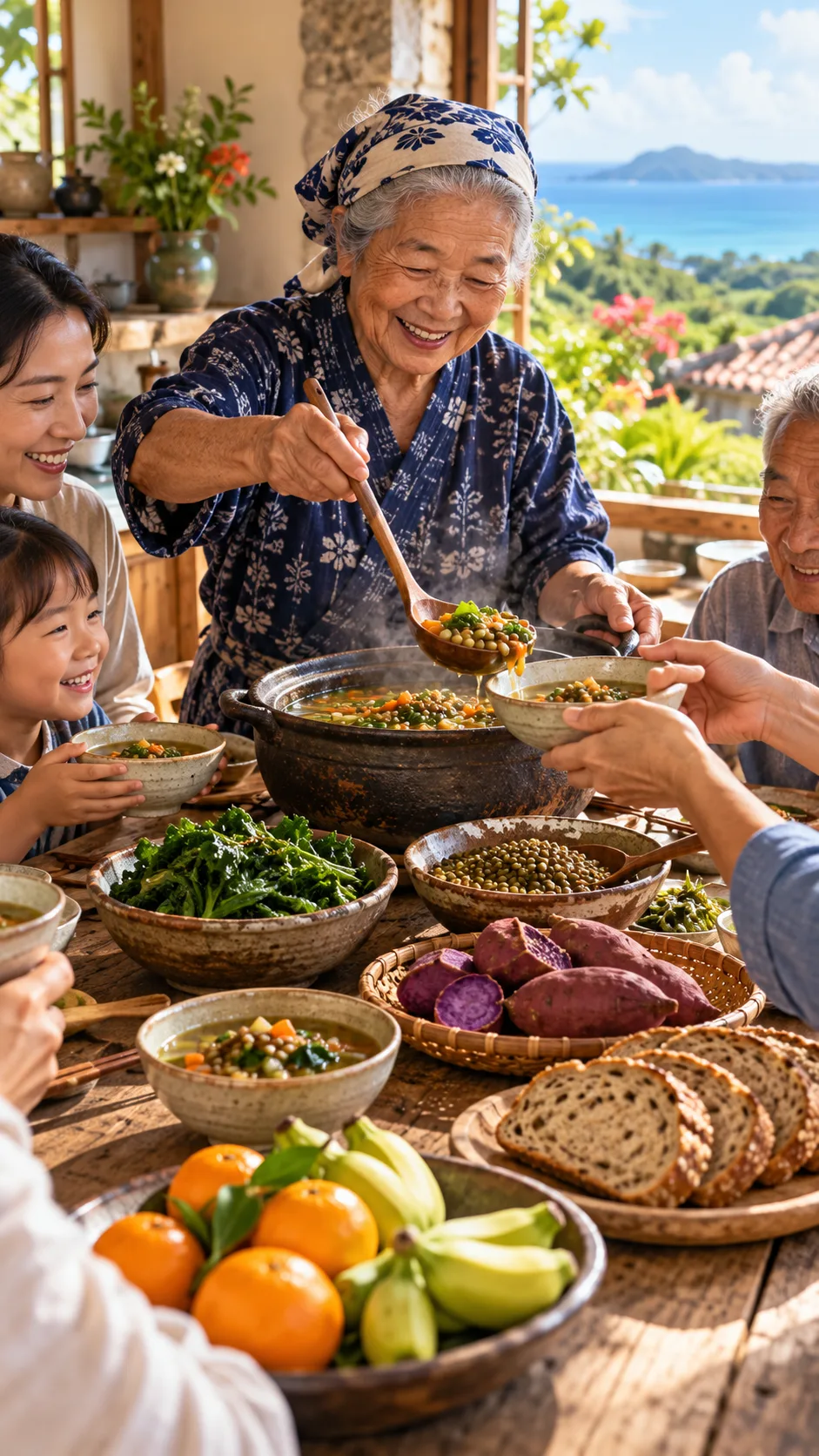
The term Blue Zones refers to regions where an unusually large number of people live long, healthy lives. Journalist and researcher Dan Buettner brought these communities to wider public attention through demographic research, field reporting, and conversations with residents.
Researchers and demographers often name five places: Okinawa in Japan, Sardinia in Italy, Ikaria in Greece, Nicoya in Costa Rica, and Loma Linda in California. Each community eats in its own way, but their food habits have plenty in common.
The Blue Zone diet centers on whole plant foods, beans, whole grains, vegetables, fruit, nuts, and modest portions. People in these regions also move throughout the day, maintain close relationships, manage stress, and find purpose in daily life. Food matters, but it does not carry the whole load.
You can read the original reporting and community research at Blue Zones. Take any single “longevity secret” with a grain of salt. Long life comes from patterns, not one heroic chia seed.
The core Blue Zone diet principles
The longest living people do not follow one rigid meal plan. They repeat a few straightforward habits over decades. That kind of consistency does more than a dramatic two week cleanse.
1. Put plants at the center of every meal
Blue Zone populations usually get most of their calories from plant foods. Vegetables, beans, fruit, herbs, whole grains, and nuts take up most of the plate before meat enters the picture.
This way of eating brings fiber, potassium, folate, antioxidants, and thousands of naturally occurring plant compounds. Fiber rich foods also feed the microbes in your gut, which influence digestion, immunity, and metabolic health.
- Fill half your plate with vegetables, leafy greens, or a colorful salad.
- Choose fruit when you want something sweet more often than packaged desserts.
- Add herbs, garlic, onions, tomatoes, and spices for flavor instead of leaning on heavy sauces.
- Choose foods that still look like food, not science fair leftovers.
A bowl of bean soup often satisfies you more than a “healthy” snack bar with seventeen ingredients. Your body tends to notice the difference too.
2. Eat beans every day
Beans sit at the heart of the Blue Zone diet. Black beans, lentils, chickpeas, white beans, fava beans, and soy foods appear again and again in these long living communities.
Beans provide plant protein, slowly digested carbohydrates, fiber, iron, magnesium, and little saturated fat. They also cost less than many fashionable wellness products, which must annoy the wellness industry.
Buettner’s Blue Zones work often suggests a practical goal: about one cup of beans each day. Split that amount between meals if a full cup at dinner sounds intimidating.
- Add lentils to soups, curries, pasta sauce, or grain bowls.
- Mix chickpeas into salads with lemon, olive oil, and herbs.
- Build tacos around black beans, salsa, avocado, and cabbage.
- Keep low sodium canned beans in your cupboard for busy nights.
- Begin with smaller portions if your gut has not eaten legumes lately.
The Harvard T.H. Chan School of Public Health guide to legumes explains how beans fit into a nutrient dense diet. You do not need to eat them plain from a can while staring sadly out the window.
3. Choose whole grains over refined carbs
Blue Zone communities often eat traditional whole grains such as oats, barley, corn, wheat, and brown rice. These foods give you steadier energy than sugary cereals, pastries, and white bread that disappears faster than your good intentions on a Friday night.
Whole grains keep their fibrous bran and nutrient rich germ. Their structure slows digestion and helps a meal keep you full longer.
Try oats at breakfast, whole grain sourdough with soup, barley in stews, or brown rice with vegetables and beans. You do not need perfection. You need to eat whole grains more often than refined grains over the course of a week.
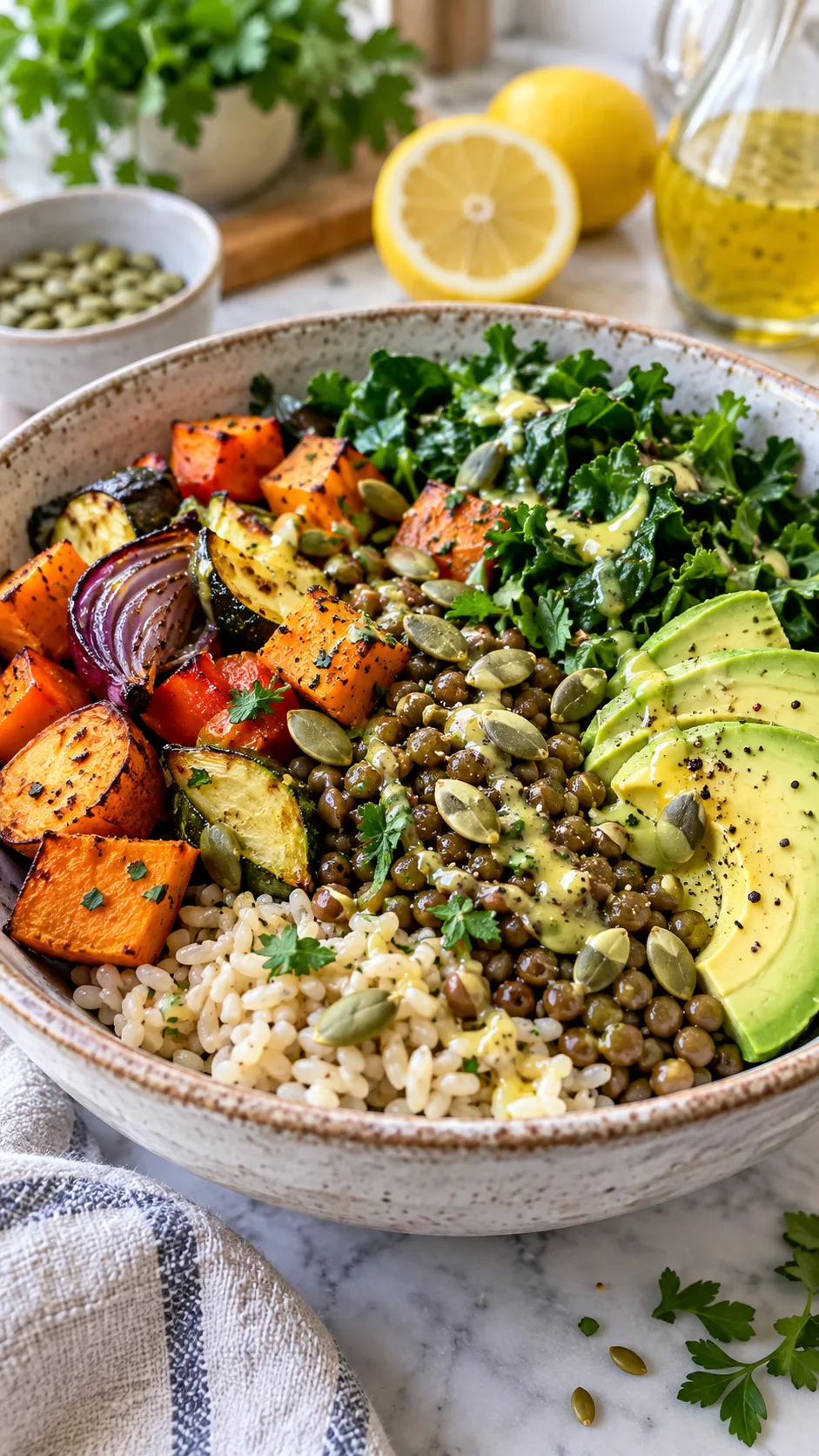
Why the Blue Zone diet works so well
The Blue Zone eating pattern makes nourishing choices familiar, filling, affordable, and enjoyable. It does not ask you to stay hungry, track every bite, or stock a cupboard with powders named after minor planets.
Fiber keeps you full and supports your gut
Most adults do not eat enough fiber. Plant heavy Blue Zone meals make it easier to get more because beans, vegetables, fruit, nuts, and whole grains all contribute.
Fiber helps keep digestion regular, helps manage blood sugar after meals, and can make you feel fuller. The National Institutes of Health notes that dietary fiber contributes to digestive health and overall diet quality.
If you eat very little fiber now, add it slowly and drink plenty of water. Your digestive system will welcome a gentle adjustment more than a sudden bean fueled revolution.
Healthy fats replace heavily processed fats
People in several Blue Zone regions eat olive oil, nuts, seeds, and avocado. These foods contain unsaturated fats along with vitamins, minerals, and satisfying texture.
Sardinians and Ikarians often use olive oil generously in traditional cooking. Okinawans historically ate more sweet potatoes, vegetables, and soy foods. No single fat source carries magical citizenship papers for longevity.
Use olive oil in cooking and dressings, snack on a small handful of nuts, and add avocado when it suits the meal. Keep portions reasonable because healthy fats still bring plenty of calories.
Lower meat intake changes the overall pattern
The Blue Zone diet does not always exclude meat, but it gives meat a smaller role. Many Blue Zone residents eat meat occasionally, in small portions, or as flavor in a dish rather than as the center of every plate.
This pattern can lower saturated fat intake and leaves more room for beans, vegetables, and whole grains. It can also ease pressure on your grocery budget.
If you enjoy meat, begin with one or two plant centered dinners each week. Lentil bolognese, bean chili, vegetable curry, or tofu stir fry can make a complete dinner without a giant steak overseeing the meal.
The “80% rule”: Stop before you feel stuffed
Okinawans traditionally practice hara hachi bu, a reminder to eat until they feel about 80% full. The habit encourages a pause before you move from satisfied to “I need a nap and stretchy pants.”
The rule does not demand obsessive portion control. It asks you to notice your body’s signals, slow down, and leave room between hunger and discomfort.
Try putting your fork down between bites, using smaller plates, and eating away from screens. Your brain needs time to recognize fullness, and autoplay rarely helps.
- Start meals with water, broth based soup, or a vegetable salad.
- Serve food from the kitchen instead of leaving serving bowls on the table.
- Eat slowly enough to notice the taste of your food.
- Wait ten minutes before you take seconds.
- Stop when you feel comfortably satisfied rather than painfully full.
This mindful habit can help with weight management without making every meal a math problem. Any approach that lets you enjoy dinner without opening a spreadsheet has something going for it.
Blue Zone breakfast, lunch, and dinner ideas
You do not need rare ingredients or an ancient village cookbook to eat the Blue Zone way. Start with plants, beans, whole grains, and flavors that leave you satisfied.
Easy Blue Zone breakfasts
Breakfast gives you an easy opening to add fiber and plant protein. Breakfast does not need eggs, bacon, or a muffin the size of a throw pillow.
- Oats with berries: Cook rolled oats and top them with berries, walnuts, cinnamon, and plain yogurt or soy yogurt.
- Avocado toast: Use whole grain bread, mashed avocado, tomatoes, chili flakes, and a side of fruit.
- Bean breakfast bowl: Combine black beans, sauteed greens, corn, salsa, and avocado.
- Greek style plate: Pair fruit, whole grain toast, olives, tomatoes, and a modest amount of cheese.
Simple Blue Zone lunches
Lunch does not need to impress anyone on social media. It needs to carry you through the afternoon without sending you on a 3 p.m. snack hunt.
- Lentil soup with whole grain bread and a crunchy salad.
- Chickpea salad with cucumber, tomato, red onion, herbs, lemon, and olive oil.
- Leftover vegetable stew over brown rice or barley.
- Hummus, roasted vegetables, greens, and whole grain pita.
Comforting Blue Zone dinners
Blue Zone dinners often look humble, colorful, and filling. That combination helps on busy weeknights because it cuts down on decisions and makes a mysterious 9 p.m. delivery order less tempting.
- Make a three bean chili with tomatoes, peppers, onions, corn, and spices.
- Cook white beans with kale, garlic, carrots, and olive oil.
- Serve baked sweet potatoes with black beans, salsa, and avocado.
- Try vegetable minestrone with cannellini beans and whole grain pasta.
- Build a stir fry with tofu, broccoli, mushrooms, brown rice, ginger, and sesame seeds.
Want a leaner, more appearance focused way to plan meals too? Our guide to model diet habits that support year-round leanness offers practical ideas, though the Blue Zone approach cares more about longevity than looking good under studio lights.

Food habits Blue Zone communities share beyond the plate
A Blue Zone diet works best alongside a Blue Zone way of life. An extra spoonful of flaxseed cannot make up for a stressful, isolated routine with very little movement. Sorry.
They move naturally every day
Many long lived people walk, garden, cook, clean, climb hills, and run errands on foot. They weave movement into ordinary routines instead of depending only on hard gym workouts.
Take daily walks, use the stairs, garden, carry groceries, or set aside short movement breaks. Your body benefits from frequent movement, even if you never own matching workout clothes.
They protect their social circle
Meals bring people together in Blue Zone communities. Families, neighbors, friends, and faith groups often create regular contact, which can help people stick with healthy habits.
Invite someone over for soup. Meet a friend for a walk. Start an easy Sunday dinner tradition. Close relationships can help people cope with stress, and company makes a bean dinner feel less like nutrition homework.
They enjoy food without constant guilt
Long lived communities enjoy celebration foods, shared wine in some regions, bread, cheese, and family recipes. They do not treat every meal like a moral exam.
That balance matters. You can eat nourishing foods most of the time and enjoy birthday cake without giving a dramatic “starting over Monday” speech.
If you want a more polished, pleasure first view of healthy eating, read how the chic diet makes eating well feel luxurious. The best eating pattern includes food you truly want to eat.
Does the Blue Zone diet include wine, dairy, and fish?
People often ask because they hope the answer includes unlimited red wine and cheese boards. Longevity does not offer that sort of hall pass.
Wine
Some Blue Zone populations drink small amounts of wine with meals and friends. Other groups, including many Seventh day Adventists in Loma Linda, avoid alcohol entirely.
Health authorities do not advise nondrinkers to start drinking for health reasons. The Centers for Disease Control and Prevention explains that alcohol can pose health risks, even at lower levels of use.
If you drink, keep it moderate and talk with a qualified clinician about your own health situation. If you do not drink, sparkling water in a nice glass still makes a civilized beverage.
Dairy and cheese
Some Blue Zone communities eat goat or sheep cheese, yogurt, or other dairy foods in modest amounts. Others eat very little dairy.
You do not need dairy to follow the Blue Zone diet. Choose plain yogurt, kefir, or small portions of cheese if you enjoy and tolerate them, or choose fortified plant alternatives if they suit you better.
Fish and eggs
Several Blue Zone populations eat fish or eggs occasionally. These foods add variety but do not form the daily foundation of the broader plant centered pattern.
Choose fish according to your preferences, budget, and local advice. Let beans provide dependable everyday protein, and treat animal foods as optional additions.
How to start the Blue Zone diet without overhauling your life
Do not try a kitchen purge, a 40 ingredient grocery run, and a whole new identity by Monday morning. Small changes that you repeat tend to last.
- Add beans three times this week. Start with chili, soup, or a chickpea salad.
- Switch one refined grain. Choose oats, brown rice, barley, or whole grain bread.
- Make vegetables easy to see. Wash, chop, and store them where you can reach them.
- Create one plant centered dinner ritual. Pick a dependable meal for every Tuesday or Thursday.
- Eat one meal without screens. Pay attention to hunger and fullness.
- Walk after dinner. Even ten to fifteen minutes can help you build a routine that lasts.
- Share food with someone. Call a friend, cook together, or bring soup to a neighbor.
Begin with the change that feels almost too easy. Choose a habit that can survive deadlines, travel, tired evenings, and days when cereal feels like a complete personality.
Important limits and health considerations
The Blue Zone diet gives many people a flexible eating pattern that agrees with current evidence, but no diet suits every medical need. People with kidney disease, inflammatory bowel conditions, food allergies, diabetes medications, or other health concerns should ask a registered dietitian or doctor for personal advice.
Add fiber slowly if you now eat a low fiber diet. Drink water, adjust your portions, and give your digestion time to adapt.
Blue Zone research follows real communities over long periods. It cannot prove that one food creates longevity because genetics, healthcare access, activity, relationships, culture, sleep, and purpose all influence health.
That nuance makes the Blue Zone message more useful: build a life where healthy eating feels normal, social, and satisfying.
Final takeaway: Eat for more than a longer life
The Blue Zone diet sounds almost suspiciously simple: eat mostly plants, make beans a daily habit, choose whole grains, use healthy fats, eat modest portions, and share meals with people you love.
These habits do not promise immortality, flawless skin, or the ability to hike a mountain at 104. They can help you build meals and routines that support energy, heart health, fullness, and long term wellbeing.
Start with one bowl of beans, one extra serving of vegetables, and one slower dinner this week. Longevity rarely comes from one perfect meal. It grows from ordinary choices you enjoy repeating for years.