

You just grew a human. Now someone hands you a baby, a mesh underwear situation nobody warned you about, and a fridge holding half a lemon and expired oat milk. Cool. Very supportive.
Nobody says this loudly enough: what you eat in the first 12 weeks after birth changes how fast you heal, how much milk you make, and whether you feel like a person or a zombie. Postpartum meal prep isn’t a Pinterest hobby. It’s damage control with a fork.
I’ve coached dozens of new mums through this window, and I’ve lived it myself. I once ate cold jollof standing over the sink at 3am while cluster-feeding, and I’d do it again. Ten out of ten, no regrets. But I’d have felt a lot better if Past Me had frozen twelve portions of stew before the baby arrived.
Why postpartum nutrition is different from ordinary healthy eating
Your body just finished major construction work. Whether you delivered vaginally or through a c-section, you’re repairing tissue, replacing blood, rebalancing hormones, and, if you’re breastfeeding, running a tiny dairy operation on the side.
That takes fuel. Real fuel. Not a sad rice cake.
Breastfeeding alone burns roughly 450 to 500 extra calories a day, according to the CDC’s guidance on maternal diet. Add wound healing and blood loss recovery on top of that, and suddenly you understand why you want to eat the entire kitchen at 2am.
What your body is asking for
- Protein: rebuilds tissue, closes wounds, keeps your hair (somewhat) attached to your head
- Iron: replaces what you lost during delivery and fights that bone-deep exhaustion
- Healthy fats: feed your brain, support hormones, enrich your breast milk
- Fibre and fluid: because that first postpartum bowel movement deserves your full strategic attention
- Calcium, choline, iodine, B12: your milk pulls these straight from your stores if you don’t eat enough
Notice what’s missing? A diet. Nobody needs a “snap back” plan six days after birth. Your body will handle that conversation later, probably around month four, when you have the energy to care.
The golden rule: prep for the woman who has one hand free
Every postpartum meal prep mistake comes from the same place. You plan for a version of yourself who has two hands, ten quiet minutes, and the ability to stand upright without wincing.
That woman is on holiday. She’ll be back in spring.
Prep for the woman with a baby on one arm, a 7% phone battery, and zero patience. That means food she can eat one-handed, cold if necessary, without cutlery, while someone screams.
The one-hand test
Before you freeze anything, ask yourself three questions:
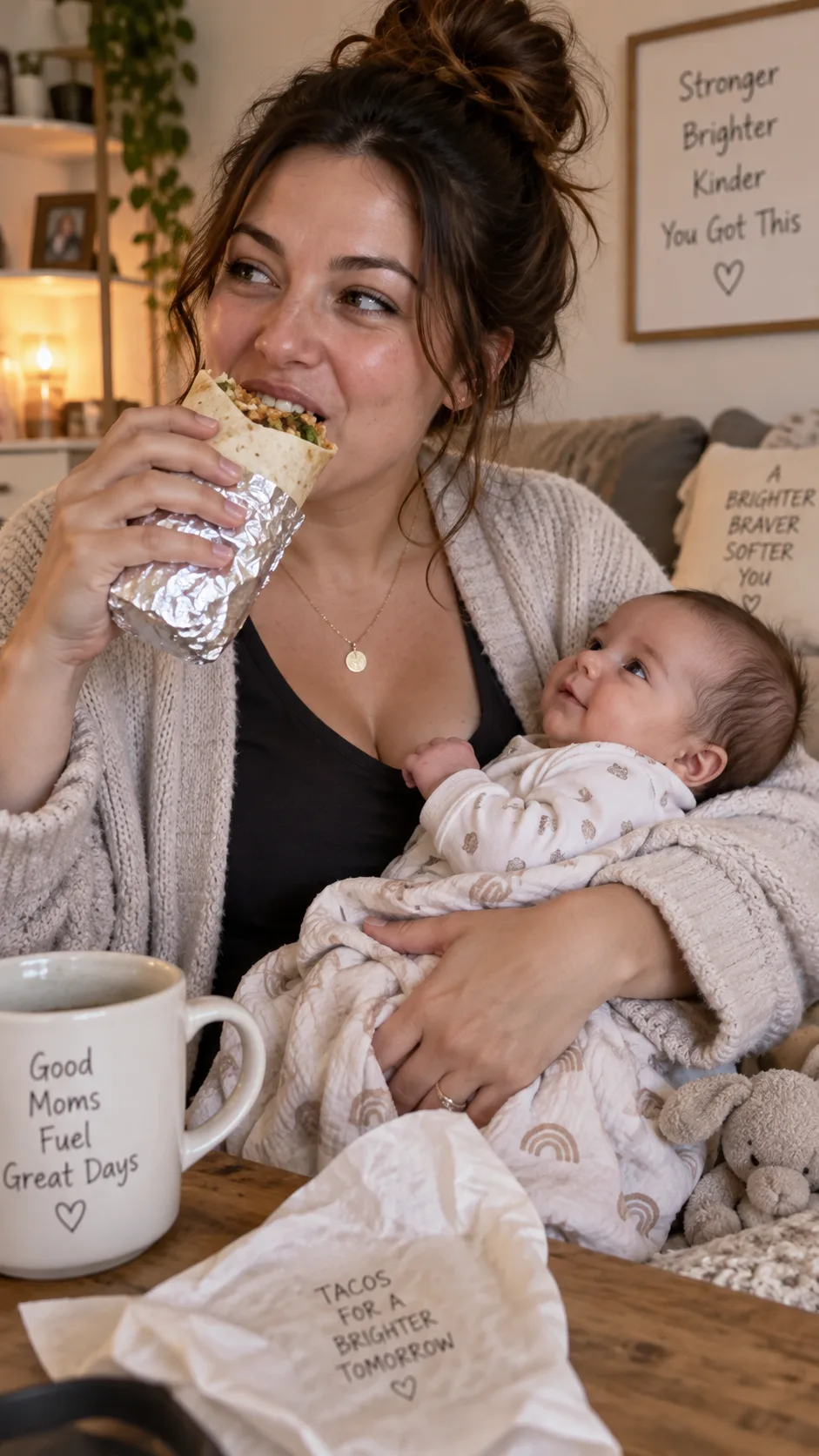
- Can I eat this with one hand? Burritos yes. Spaghetti, absolutely not.
- Does it still taste okay lukewarm? Because you will forget it in the microwave. Twice.
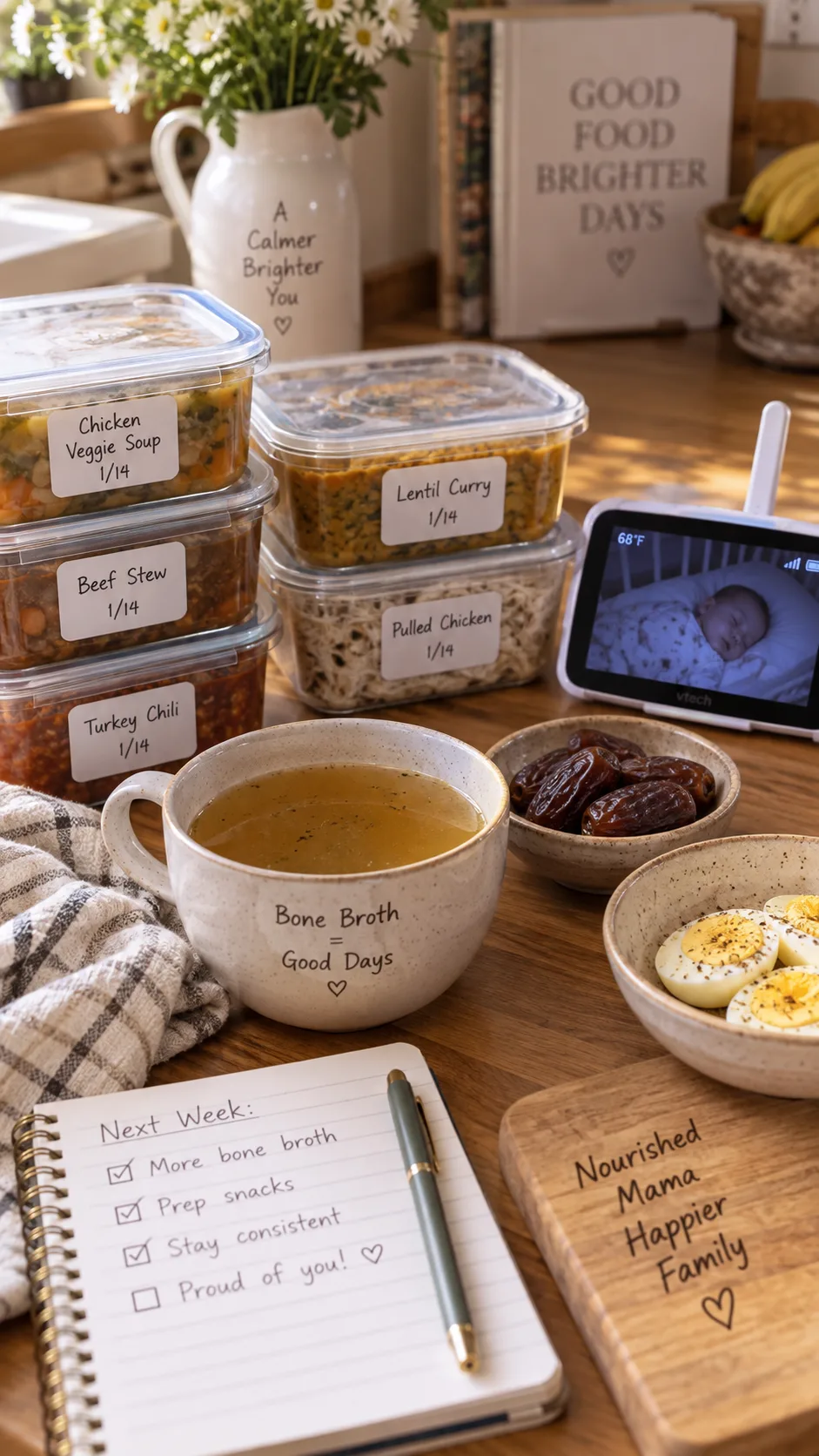
- Can my partner or mum find it and heat it without asking me eleven questions? Label everything. Big letters. Masking tape and a marker.
Healing foods: what speeds up recovery
Your perineum, your c-section incision, your uterus shrinking back down: all of it runs on specific nutrients. Skimp on those and healing drags on for weeks longer than it needs to.
1. Protein at every single meal
Aim for roughly 70 to 100g of protein daily while healing and breastfeeding. That’s not a rounding error. That’s deliberate eating.
Easy wins: eggs, chicken thighs, beef stew, lentils, Greek yoghurt, fish, beans, peanut butter. If you’re Nigerian or West African, your existing stews already carry the weight here. Egusi with plenty of fish? Excellent postpartum food. Grandma knew.
2. Iron-rich foods, paired smartly
You lost blood. Possibly a lot. Iron rebuilds it, and low iron feels exactly like depression and exhaustion wearing a trench coat.
- Heme iron (absorbs easily): liver, red meat, sardines, shellfish
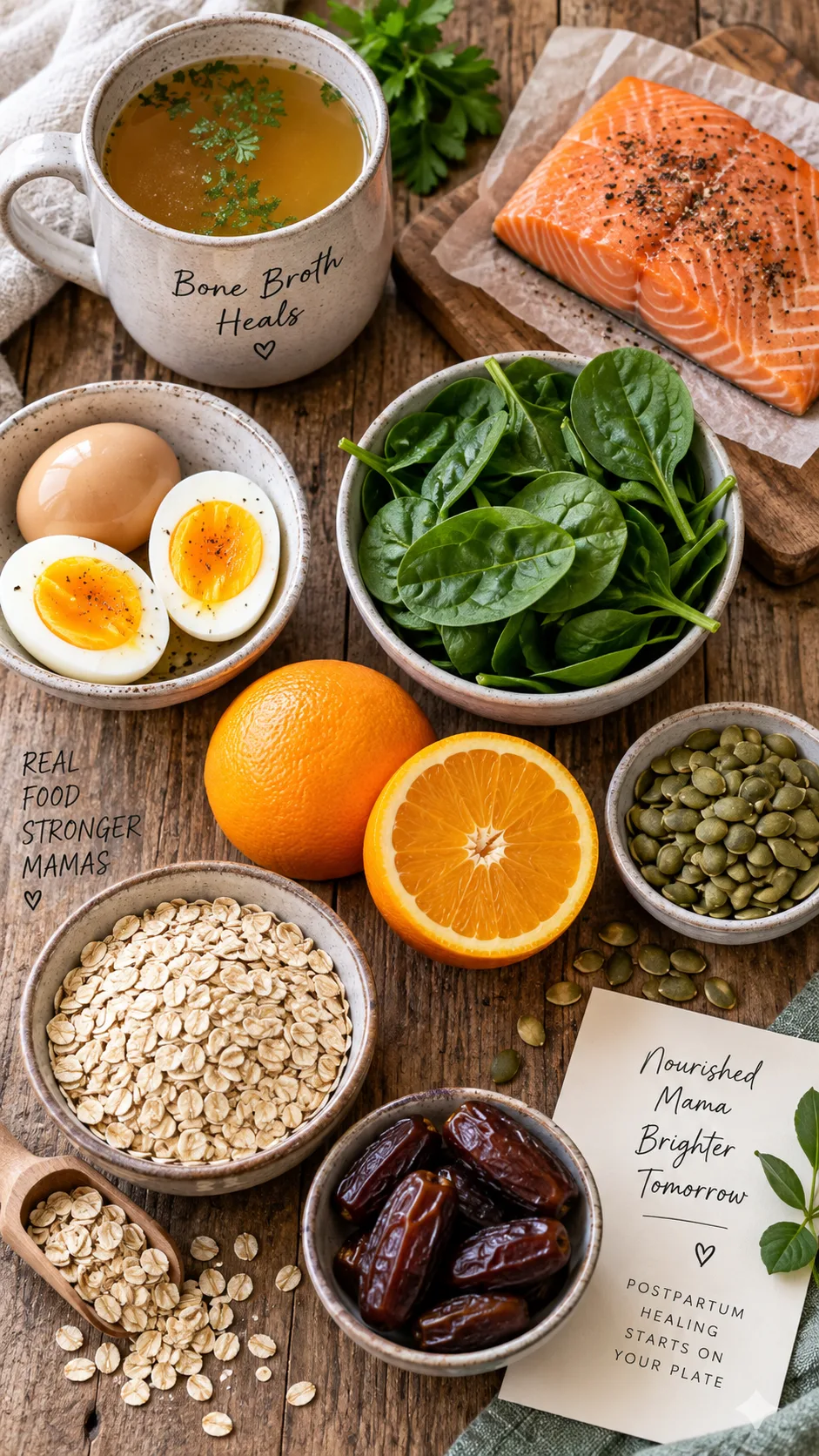
- Non-heme iron: ugu leaves, spinach, lentils, beans, pumpkin seeds, fortified cereal
- Pair non-heme iron with vitamin C (orange, tomato, bell pepper, lime) and you’ll absorb dramatically more
- Skip tea and coffee with iron-heavy meals, since tannins block absorption
The NIH Office of Dietary Supplements keeps a solid breakdown of iron needs if you want the deep technical version.
3. Collagen support: vitamin C and zinc
Your body builds new tissue out of collagen, and collagen needs vitamin C and zinc to form properly. Citrus, guava, peppers, pumpkin seeds, beef, cashews. Bone broth helps too, partly for the minerals, mostly because warm liquid at 4am feels like a hug.
4. Fibre and fluids (the unsexy heroes)
Postpartum constipation is real, and iron supplements make it worse. Oats, chia, pawpaw, beans, prunes, plenty of water. Trust me, you want to sort this out BEFORE it becomes a crisis.
If you’re managing inflammation, swelling, or general achiness on top of everything, this low inflammation diet plan built for busy schedules layers neatly onto postpartum eating without adding extra work.
Eating for milk supply without losing your mind
Ever wondered why your supply tanks on the days you forget to eat? That’s not a coincidence.
Milk production runs on calories and water first, with “lactation cookies” coming in a distant thirty-second. Chronic under-eating and dehydration hurt supply far more than skipping oats ever will.
The real supply checklist
- Eat enough. Under-eating is the number one supply saboteur I see. Don’t restrict while you’re still establishing milk.
- Drink to thirst, then a bit more. Keep a 1-litre bottle at every feeding spot. Breastfeeding makes you thirsty in a way that feels almost supernatural.
- Don’t skip carbs. Low-carb postpartum tanks energy and, for many women, supply. Save keto for later.
- Include galactagogue-friendly foods such as oats, fenugreek, fennel, barley and brewer’s yeast. Modest evidence, low risk, and they taste good.
- Feed or pump often. Food supports supply; demand drives it. Nutrition alone won’t fix a latch problem.
For a full breakdown of exactly what to eat while nursing, I’ve written a longer piece on the breastfeeding diet that keeps milk supply up, and it pairs well with everything here.
What about caffeine and alcohol?
Most breastfeeding parents tolerate up to about 300mg of caffeine daily (roughly two mugs of coffee) without bothering baby. Watch your newborn. Some babies get twitchy and wide-eyed, and those babies will let you know.
For alcohol, the American College of Obstetricians and Gynecologists offers clear, non-judgy guidance. Short version: moderate, occasional, and timed around feeds.
The meal prep plan (build it before or after birth)
Here’s the system I recommend. It takes one long afternoon, or three short sessions, and it carries you through the roughest weeks.
Phase 1: the freezer stash (10 to 14 meals)
Cook big, portion small, freeze flat. Flat bags thaw faster and stack better. Choose meals that survive freezing without turning into science experiments:
- Stews and soups: beef stew, egusi, chicken curry, chilli, lentil soup
- Casseroles and bakes: baked pasta, shepherd’s pie, enchiladas
- Cooked proteins: shredded chicken, meatballs, taco mince
- Breakfast items: egg muffins, pancakes, breakfast burritos
- Bone broth: freeze it in ice cube trays and drop it into anything
Label every bag with the name, date, and reheating instructions. Your sleep-deprived brain will thank you. So will whoever’s helping.
Phase 2: the snack basket
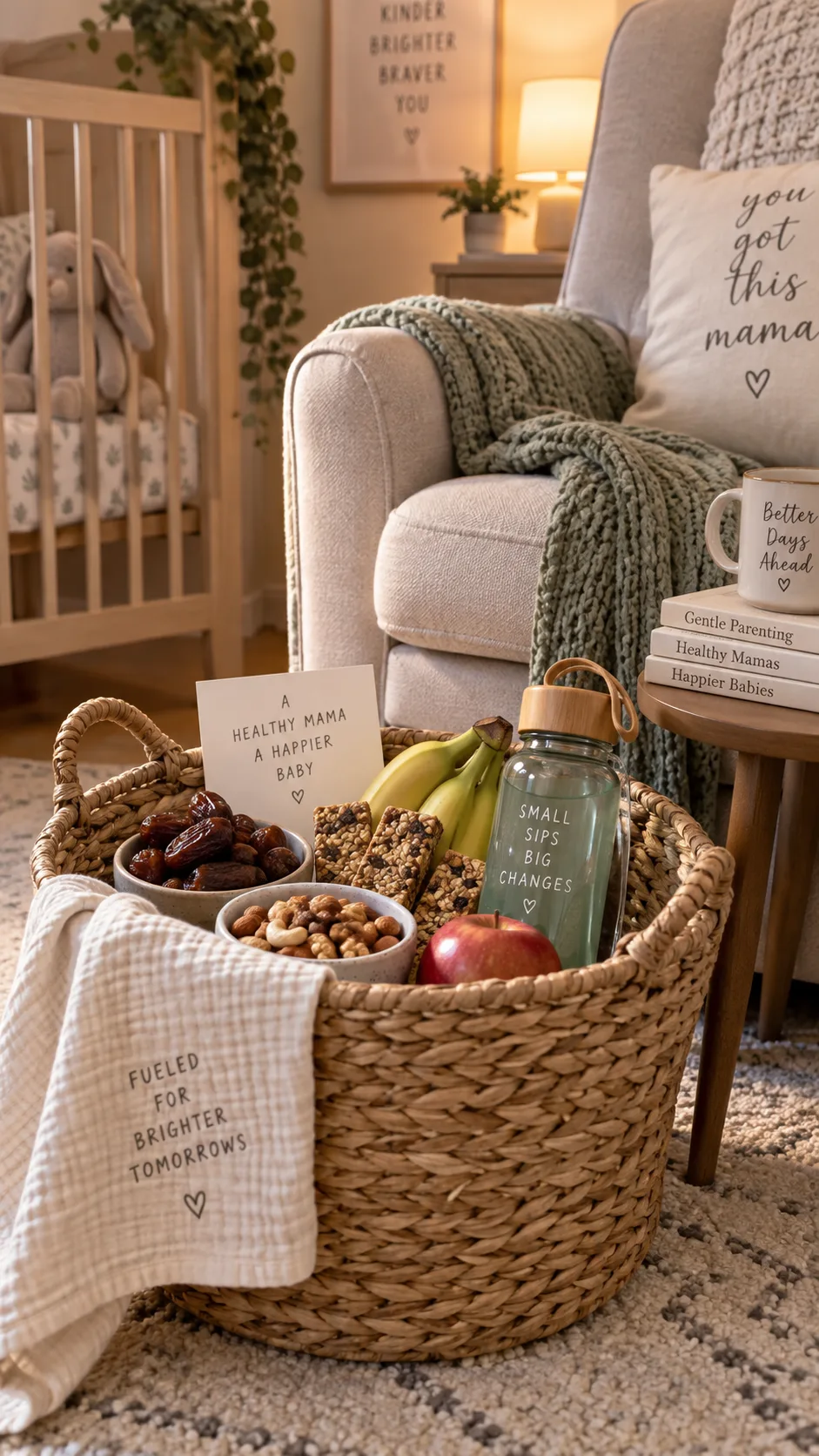
You’ll eat more snacks than meals in month one. Build baskets: one by your bed, one by the sofa, one by the nursing chair. Fill them with food that needs zero prep:
- Dates, dried apricots, trail mix
- Nut butter sachets and oatcakes
- Protein bars you genuinely enjoy (taste-test first, seriously)
- Roasted chickpeas, kilishi, beef jerky
- Bananas, apples, easy-peel oranges
- Boiled eggs (fridge, obviously)
Yoghurt deserves its own mention. High protein, high calcium, needs no cooking, eats with one hand. Greek yoghurt in particular carries nearly double the protein of regular yoghurt, which makes it a quiet postpartum superstar.
Phase 3: the assembly shelf
Not everything needs cooking. Stock a shelf of components that snap together into a meal in ninety seconds:
- Tinned sardines, tuna, salmon
- Pre-cooked rice pouches and couscous
- Tortillas, pitta, good bread (freeze it)
- Hummus, cheese, avocados
- Frozen veg, already washed and chopped, and don’t feel guilty about it
- Rotisserie chicken from the shop, because you’re not a hero
Phase 4: outsource shamelessly
When people ask “how can I help?”, hand them a specific job. “Bring a tray of lasagne on Thursday” beats “oh, we’re fine!” every time.
Set up a meal train. Accept the takeaway. Order the grocery delivery. Nobody hands out medals for suffering through a hungry week with a two-week-old.
A sample day that doesn’t require heroics
Here’s what a realistic, healing-focused postpartum day looks like. Not aesthetic. Just functional.
- 6am (feed): Big glass of water, 3 dates, handful of almonds
- 8am: Reheated egg muffins, toast with butter, orange juice
- 10:30am: Greek yoghurt with oats, chia and honey
- 1pm: Freezer stew over rice, spinach stirred in while reheating
- 4pm: Peanut butter on wholemeal bread, plus a banana
- 7pm: Chicken curry from the freezer, veg on the side
- 10pm and night feeds: Bone broth, crackers, cheese, water bottle on repeat
Count the meals. Six-ish. That’s normal. The three-square-meals structure collapses in the newborn phase, and pretending otherwise leads straight to under-eating.
Mistakes I see constantly (learn from other people’s pain)
Starting a weight-loss diet too early
Your body needs surplus energy to heal and lactate. Cutting calories in week three stalls recovery, crashes your mood, and often reduces supply. Give it 6 to 8 weeks minimum, longer if breastfeeding feels fragile. The keto meal prep stuff will still exist next year, promise.
Forgetting to drink water
Water bottles hide. Buy three. Station them everywhere. Dehydration masquerades as fatigue, headaches, and “my milk feels low.”
Prepping food nobody wants to eat
Twelve containers of plain steamed broccoli and boiled chicken breast? You will not eat those. You’ll order pizza and feel guilty about the freezer. Prep food you genuinely crave. Comfort food with protein added counts.
Relying only on supplements
Keep taking your prenatal, since it covers gaps, especially vitamin D, B12 and iodine. But supplements plug holes; they don’t build a house. Food does the building.
Ignoring your own culture’s postpartum foods
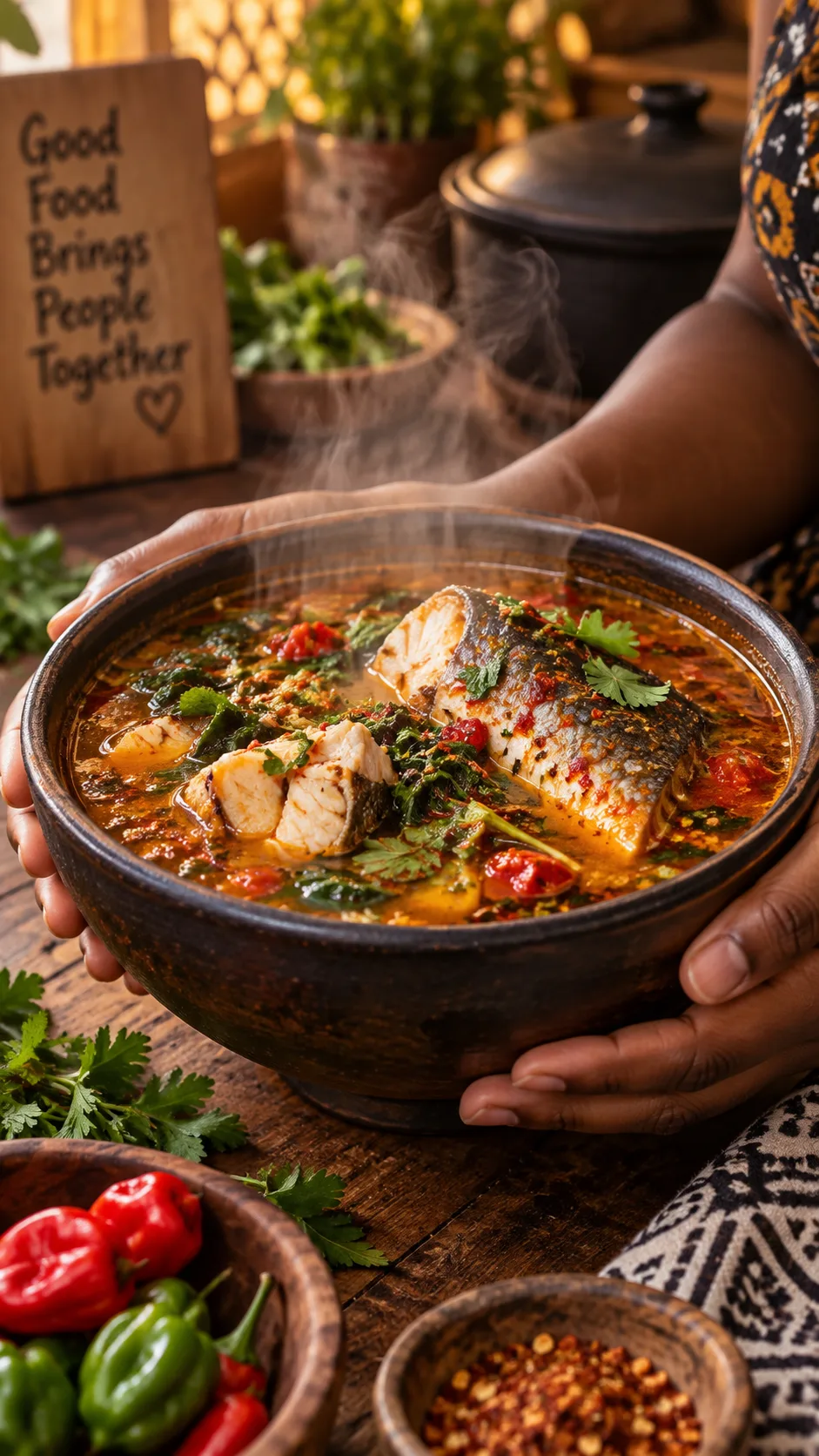
Pepper soup, ogbono, hot ginger tea, congee, samgyetang, atole. Traditional postpartum foods across the world share a pattern: warm, soupy, protein-rich, mineral-dense, easy to digest. Those grandmothers were running nutritional science without the lab coats.
C-section recovery: a few extra notes
Abdominal surgery adds requirements. Push your protein toward the higher end, prioritise zinc and vitamin C hard, and manage constipation aggressively, because straining hurts a fresh incision in ways I won’t describe.
- Eat smaller, more frequent meals for the first week, since big meals bloat and press on the incision
- Go easy on gas-producing foods (beans, cabbage, fizzy drinks) for the first few days
- Warm, soft, soupy foods first, then build back to normal texture
- Keep snacks at bed height. Reaching and twisting will remind you it’s a bad idea
Getting help from real experts
Food fixes a lot. It doesn’t fix everything. Talk to a professional when you notice:
- Persistent dizziness, breathlessness, or extreme fatigue (possible anaemia, so ask for a blood test)
- Supply concerns lasting more than a few days
- Pain while feeding, cracked nipples, or a baby who won’t settle at the breast
- Mood changes, intrusive thoughts, or sadness that lingers past two weeks
The NHS breastfeeding support pages list free helplines, and a good IBCLC lactation consultant sorts out issues faster than six weeks of guessing. Ask for help early. That’s a strength move, not a weakness one.
Your 3-hour prep session, start to finish
- Hour 1: Cook two big-batch mains (one stew, one casserole). Start broth simmering.
- Hour 2: Bake egg muffins, boil a dozen eggs, portion and label everything from hour one.
- Hour 3: Assemble snack baskets, fill water bottles, stock the assembly shelf, write a fridge list of what’s available.
That last step matters more than it sounds. A visible list on the fridge means anyone in your house can feed you without waking you up. Peak postpartum luxury.
The bottom line
Postpartum meal prep isn’t about perfect nutrition or clean eating. It’s about making sure that when you’re sore, leaking, and running on four broken hours of sleep, real food sits within arm’s reach.
Prioritise protein, iron, healthy fats, fibre and fluids. Prep food you can eat one-handed. Eat enough. Genuinely enough. Skip the diet talk for now. Let the people around you help.
You’re rebuilding tissue, producing food for another human, and learning a whole new job with no training manual. Feed yourself like the person doing all that.
Start with one thing today: cook a double batch of something you love, freeze half, and label it. Future You, the one holding a newborn at 3am, will feel genuinely looked after.