You drink coffee every morning anyway, so turning it into a weight-loss plan sounds almost suspiciously convenient. A few extra cups, less hunger, more energy, and the scale starts cooperating? If only fat loss came with free refills.
The coffee diet can help some people control appetite and burn a tiny bit more energy, but coffee does not melt body fat on command. Your overall food intake, activity, sleep, stress, and health habits still call the shots.
So what does coffee do in your body, what can it realistically do for weight loss, and when does your beloved mug start causing more problems than progress?
What is the coffee diet?

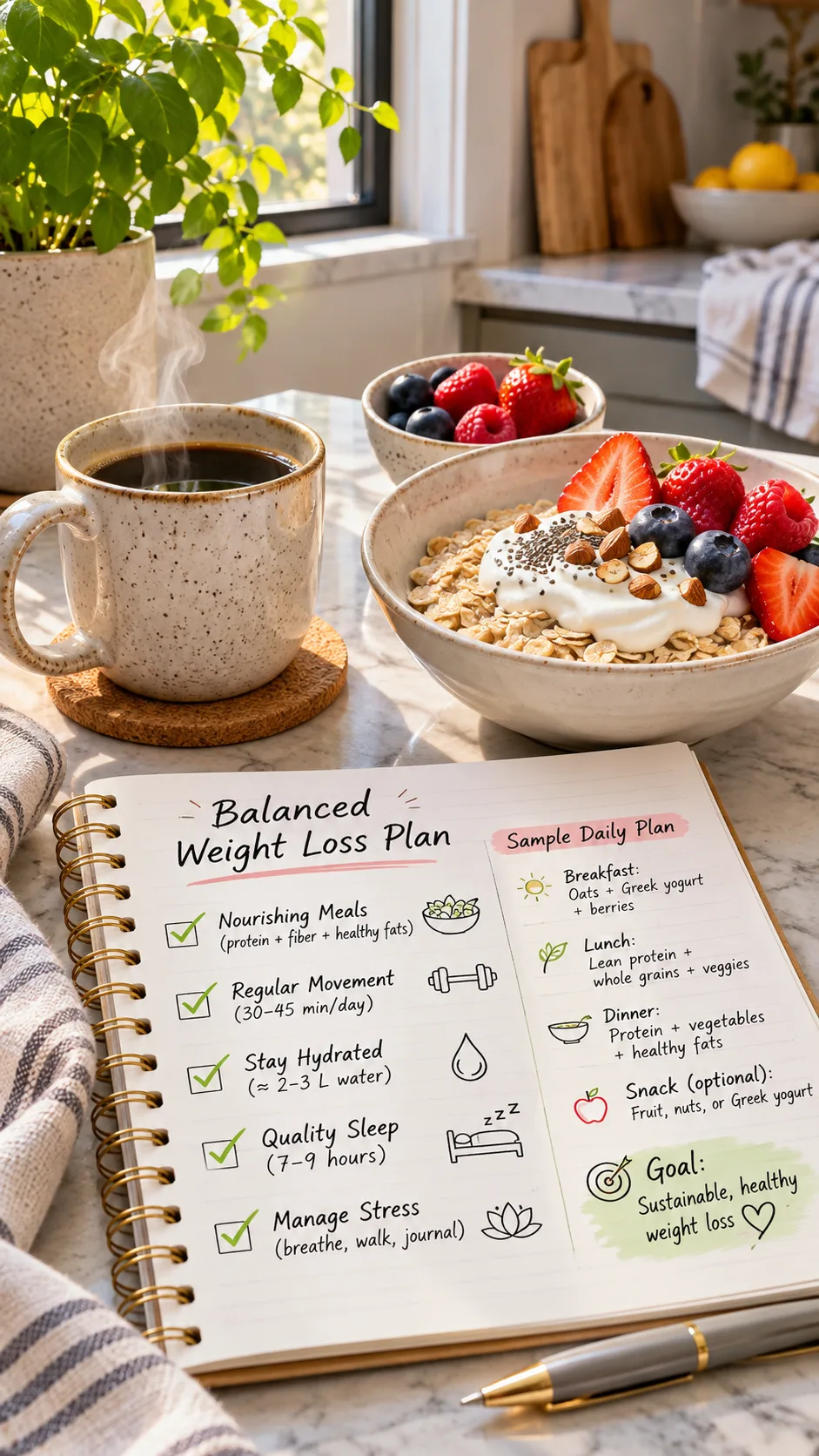
The coffee diet asks you to drink several cups of coffee each day while following a lower-calorie, whole-food eating plan. Most versions encourage black coffee or coffee with very little added sugar, cream, syrup, or whipped topping. Yes, the caramel cookie crumble situation does not count as a health drink. Tragic, I know.
Some popular coffee diet plans suggest three or more cups daily and focus on light-roast coffee because it contains more chlorogenic acids than darker roasts. These plant compounds may influence blood sugar handling and fat metabolism, although researchers still need more high-quality studies on real weight-loss outcomes.
The plan often includes fruit, vegetables, lean protein, whole grains, beans, and healthy fats. In other words, the diet’s useful part comes from eating filling, minimally processed foods and managing calories, not from treating coffee like a magic bean potion.
The basic coffee diet rules people follow
- Drink black coffee, ideally without added sugar or high-calorie creamers.
- Eat mostly whole foods with plenty of fibre and protein.
- Keep daily calories below your maintenance needs.
- Limit ultra-processed snacks, sugary drinks, and frequent takeaways.
- Drink water throughout the day instead of using coffee as your only fluid source.
The core truth: You lose weight when you consistently consume less energy than your body uses. Coffee may make that process feel easier for some people, but it cannot replace the calorie deficit.
How coffee affects your body
Coffee contains caffeine, antioxidants, and hundreds of naturally occurring plant compounds. Your body responds quickly to caffeine because it affects your brain, nervous system, heart, digestive system, and even your workout performance. Ever noticed how one strong cup can turn “I cannot function” into “I should reorganise every cupboard”? That’s caffeine doing its thing.
Caffeine wakes up your nervous system
Caffeine blocks adenosine, a brain chemical that helps you feel sleepy. As adenosine loses its grip, you feel more alert, focused, and ready to move. Caffeine can also raise adrenaline, which prepares your body for activity.
That extra alertness can help you walk more, train harder, or avoid the mid-afternoon desk slump. Those small behaviour changes matter more for fat loss than any dramatic promise printed on a diet book cover.
Coffee can slightly raise calorie burn
Caffeine can temporarily increase your resting energy expenditure, meaning your body burns slightly more calories at rest. The effect varies a lot between people, and it often shrinks as your body develops caffeine tolerance.
Do not expect an extra cup of coffee to erase a large pastry. A typical coffee-related calorie boost looks modest, not miraculous. Think “small nudge,” not “fat-burning furnace.”
Coffee may support workout performance
Caffeine can improve alertness, endurance, and perceived effort during exercise. Many people find that coffee before a walk, run, gym session, or home workout helps them train with more focus. If you move more consistently because you enjoy your pre-workout coffee ritual, that can support long-term weight management.
The International Society of Sports Nutrition review on caffeine explains that caffeine can support performance across several exercise types. You do not need fancy powders for this benefit; plain coffee works well for many adults.

Can coffee help you lose weight?
Yes, but only indirectly. Coffee may help you feel fuller, train more effectively, and avoid high-calorie drinks. Those benefits can make a calorie deficit easier to maintain.
Coffee alone does not create meaningful fat loss, though. If you drink coffee alongside oversized portions, sugary snacks, poor sleep, and minimal movement, the scale will not suddenly applaud your dedication to espresso.
Coffee may curb appetite for a short time
Some people feel less hungry after coffee, especially in the morning. Caffeine can blunt appetite temporarily, and a warm drink can create a sense of fullness. That effect does not last equally for everyone.
Other people get hungrier after coffee, especially if they drink it on an empty stomach and then crash a few hours later. Your own response matters more than someone’s viral “coffee breakfast hack.”
Try pairing coffee with a protein-rich breakfast instead of using it as breakfast. Eggs, plain yogurt, oats, beans, fruit, or leftovers from dinner can keep hunger steadier than caffeine and vibes.
Black coffee has very few calories
Plain black coffee contains almost no calories. That makes it a useful replacement for soda, sweetened iced tea, energy drinks, or fancy coffee drinks packed with syrup, cream, and toppings.
A large flavoured latte can easily add hundreds of calories to your day. Switching that drink for black coffee or coffee with a measured splash of milk can help you cut calories without shrinking your food plate.
If you want more practical meal ideas, check out these Nigerian breakfast ideas for weight loss. A filling breakfast gives coffee a supporting role instead of forcing it to carry your whole diet on its tiny caffeinated shoulders.
What research says about coffee and body weight
Research often links regular coffee drinking with lower body weight or less weight gain over time. Observational studies can show patterns, but they cannot prove that coffee caused those outcomes. Coffee drinkers may also exercise more, eat differently, or follow other habits that influence weight.
Researchers have studied caffeine, chlorogenic acids, and coffee extracts for possible metabolic benefits. Some studies suggest small improvements in energy expenditure, fat oxidation, or appetite regulation. Still, results vary, and many trials remain short or use supplements instead of ordinary coffee.
The National Center for Complementary and Integrative Health warns that weight-loss supplement claims often race far ahead of solid evidence. That warning applies to “fat-burning coffee” products too, especially when they promise dramatic results.
Chlorogenic acids: helpful, but not magical
Chlorogenic acids act as antioxidants and may influence how your body absorbs and uses carbohydrates. Light-roast coffee usually contains more of these compounds than dark-roast coffee, although brewing method and bean type also matter.
Scientists have not proven that drinking light-roast coffee creates major weight loss. Choose the coffee you genuinely enjoy and can drink without loading it with sugar. Consistency beats chasing one supposedly superior roast.
Your habits decide the result
Someone who replaces daily sugary drinks with black coffee, walks after meals, and eats more protein may lose weight. Someone who drinks six coffees, skips meals, then eats everything in sight at 9 p.m. may feel wired, tired, and annoyed.
Coffee works best when it supports sensible habits. It works worst when it masks hunger, wrecks sleep, or encourages an all-or-nothing diet cycle.
The hidden weight-gain traps in coffee drinks
Coffee itself rarely causes weight gain. The extras often do. Sugar, flavoured syrup, condensed milk, full-fat cream, sweetened whipped cream, and oversized portions can turn coffee into dessert with a lid.
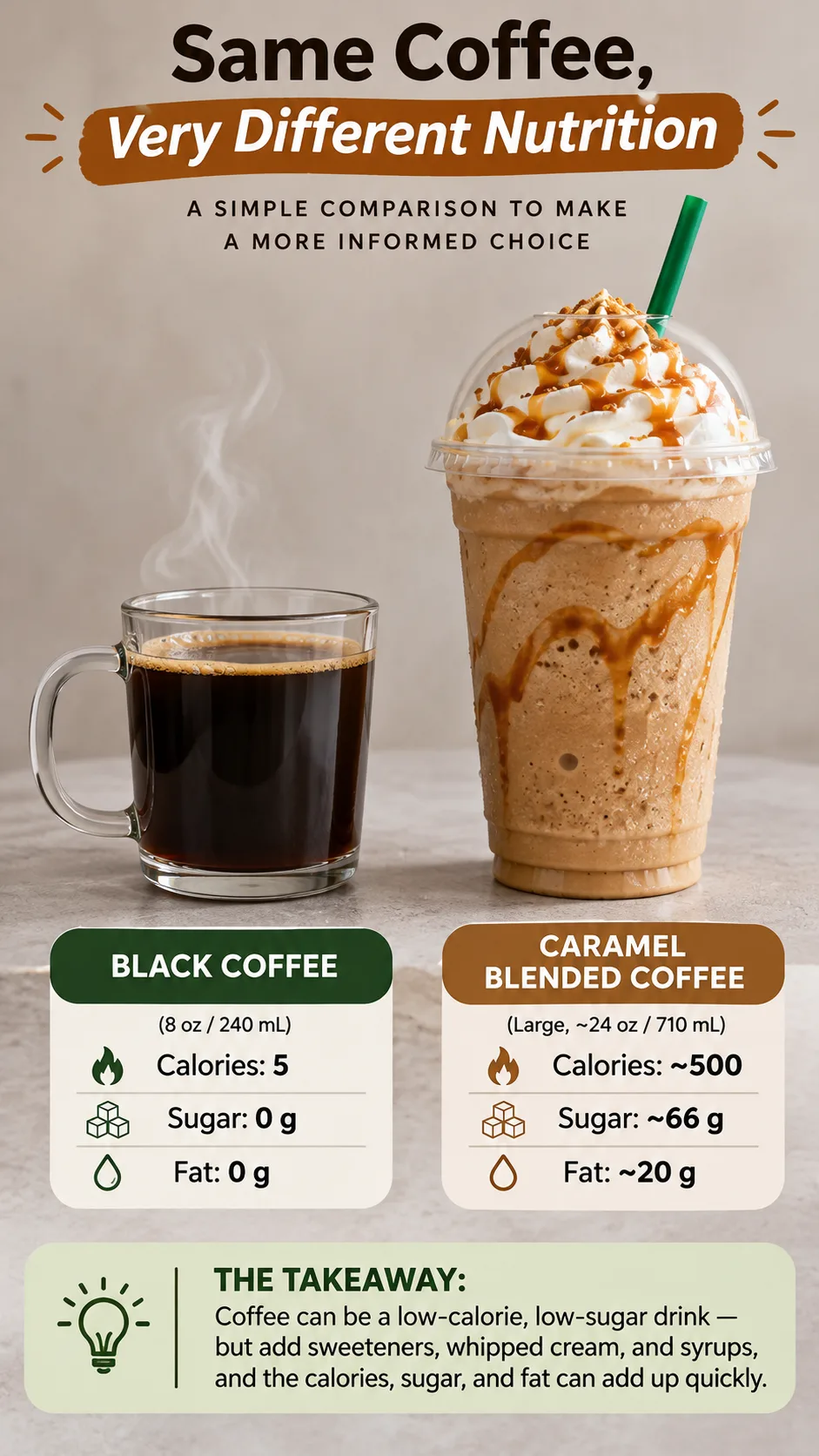
Common coffee add-ons that raise calories fast
- Flavoured syrups: They add sugar quickly, especially when cafes use multiple pumps.
- Sweetened creamers: They can contain sugar, oils, and more calories than people expect.
- Whipped cream: Delicious? Sure. A weight-loss staple? Not exactly.
- Condensed milk: It adds richness and plenty of sugar in a small amount.
- Large portions: A giant coffee drink often contains more than one serving.
- Coffee-shop snacks: Muffins and pastries can out-calorie the coffee by a mile.
You do not need to drink miserable coffee to lose weight. Try cinnamon, unsweetened cocoa, a little milk, or a measured teaspoon of sugar if that helps you stick with your plan. A realistic routine beats a perfect routine that lasts three days.
If you enjoy milk in coffee, measure it for a week just to learn your usual amount. Most people do not need to ban milk; they simply need to stop free-pouring like they host a cooking show.
How much coffee is safe?
For most healthy adults, the U.S. Food and Drug Administration says up to 400 milligrams of caffeine per day generally does not cause dangerous effects. That amount equals roughly four small cups of brewed coffee, but cup strength varies wildly.
You can read the FDA’s practical guidance on safe caffeine intake. A huge mug of strong coffee can contain far more caffeine than a small homemade cup, so “I only had two coffees” does not always tell the full story.
Signs you have gone past your personal limit
- You feel shaky, anxious, restless, or unusually irritable.
- Your heart races or feels like it skips beats.
- You struggle to fall asleep or wake repeatedly at night.
- You get headaches, reflux, nausea, or frequent stomach upset.
- You rely on coffee just to feel normal each day.
- You crash hard and reach for more caffeine late in the afternoon.
Your personal caffeine limit may sit well below 400 milligrams. Genetics, medication, anxiety levels, body size, pregnancy, sleep quality, and caffeine tolerance all influence how you respond.
Who should take extra care?
Talk with a doctor or registered dietitian before using caffeine for weight loss if you are pregnant, breastfeeding, have high blood pressure, heart rhythm concerns, panic disorder, severe anxiety, reflux, or sleep problems. People who take stimulant medication or certain other prescriptions should also ask a clinician about caffeine interactions.
Pregnancy needs particular caution. The American College of Obstetricians and Gynecologists advises pregnant people to keep caffeine below 200 milligrams daily.
Why coffee can backfire on weight loss
The biggest coffee diet problem often comes from poor sleep. Caffeine can stay in your system for hours, and a late cup can make bedtime harder even if you swear coffee “does nothing” to you. Your brain may disagree at 2 a.m.
Short sleep can increase hunger, cravings, and the urge to choose quick high-calorie foods. It can also lower your motivation to exercise. That creates a frustrating cycle: you feel tired, drink more coffee, sleep worse, and raid the snack cupboard the next day.
Do not use coffee as a meal replacement
Skipping meals and drinking coffee can seem like a quick route to fewer calories. It can also leave you ravenous, low on energy, and more likely to overeat later. Your body needs protein, fibre, vitamins, minerals, and real food, not just caffeine.
Build meals around lean protein, vegetables, fruit, beans, whole grains, and satisfying fats. If you need ideas that fit familiar foods, this guide to Nigerian foods for weight loss offers plenty of practical options.
Watch for “slimming coffee” scams
Many slimming coffee products contain laxatives, unlisted stimulants, or vague proprietary blends. These products may cause diarrhoea, dehydration, rapid heartbeat, or medication interactions. Losing water weight after a laxative does not equal losing body fat.
Skip any product that promises effortless, rapid, or permanent weight loss. Also skip products that hide ingredient amounts behind fancy marketing language. If a coffee company claims you can lose 10 kilos while changing nothing else, your wallet may lose weight first.
How to use coffee for weight loss without wrecking your day
You can include coffee in a healthy weight-loss plan if coffee agrees with you. Keep the approach simple, track how you feel, and let sleep guide your caffeine timing.
- Drink coffee earlier in the day. Many people do well when they stop caffeine at least six to eight hours before bed.
- Choose low-calorie additions. Use black coffee, a splash of milk, cinnamon, or a small measured amount of sweetener.
- Eat real meals. Pair coffee with protein and fibre instead of using it to silence hunger.
- Use it before movement. Enjoy a cup before a walk or workout if it helps your energy and does not make you jittery.
- Track your sleep. If coffee harms your sleep, cut back or move your final cup earlier.
- Drink water too. Coffee contributes to fluid intake, but water still deserves a regular place in your day.
- Avoid extreme rules. You do not need six cups of coffee or a punishing 1,000-calorie plan to lose weight.
In my opinion, the smartest coffee diet looks boring in the best possible way: one or two coffees you enjoy, filling meals, regular movement, and enough sleep. Boring habits tend to work because you can repeat them when life gets busy.
A simple coffee-friendly day of eating
Want a realistic example? Here is how coffee can fit into a balanced day without becoming the main character.
- Breakfast: Coffee with eggs and vegetables, or oats with yogurt, fruit, and nuts.
- Mid-morning: Water, fruit, or a small handful of nuts if hunger shows up.
- Lunch: Beans, grilled chicken or fish, vegetables, and a moderate serving of rice, yam, or whole grains.
- Afternoon: Decaf coffee or tea if you crave the ritual but want to protect sleep.
- Dinner: A protein source, plenty of vegetables, and a satisfying carbohydrate portion based on your needs.
This style of eating keeps hunger manageable and gives your body steady energy. You can adjust portions based on your goals, activity level, and hunger signals. No drama, no detox tea, no pretending air counts as a snack.
The bottom line on the coffee diet
The coffee diet can support weight loss, but coffee does not cause weight loss by itself. Black coffee may slightly increase energy expenditure, reduce appetite for some people, and help you exercise with more energy. Those benefits remain modest, and your overall eating pattern still matters most.
Use coffee as a tool, not a crutch. Keep your drinks simple, protect your sleep, eat enough protein and fibre, and avoid sketchy “slimming coffee” products.
Your morning cup can absolutely fit into a healthy weight-loss plan. Just remember: coffee can wake you up, but only consistent habits can move the scale in the direction you want.