

Rice can sound suspiciously dull when someone calls it a “healing” food. Still, the Rice Method Diet keeps coming up in discussions about blood pressure, chronic inflammation, swelling, and metabolic health. Can a bowl of rice calm inflammation, or does this plan just wear a convincing wellness costume?
The answer falls somewhere in the middle. The original rice diet followed a strict, low-sodium, low-fat, plant-focused plan that improved several health markers tied to inflammation. It did not rely on magic rice dust, unfortunately.
Doctors pay attention to this approach because it addresses major sources of inflammatory stress: excess sodium, high blood pressure, insulin resistance, excess body weight, and heavily processed food. Rice plays a part, but the full eating pattern matters much more.
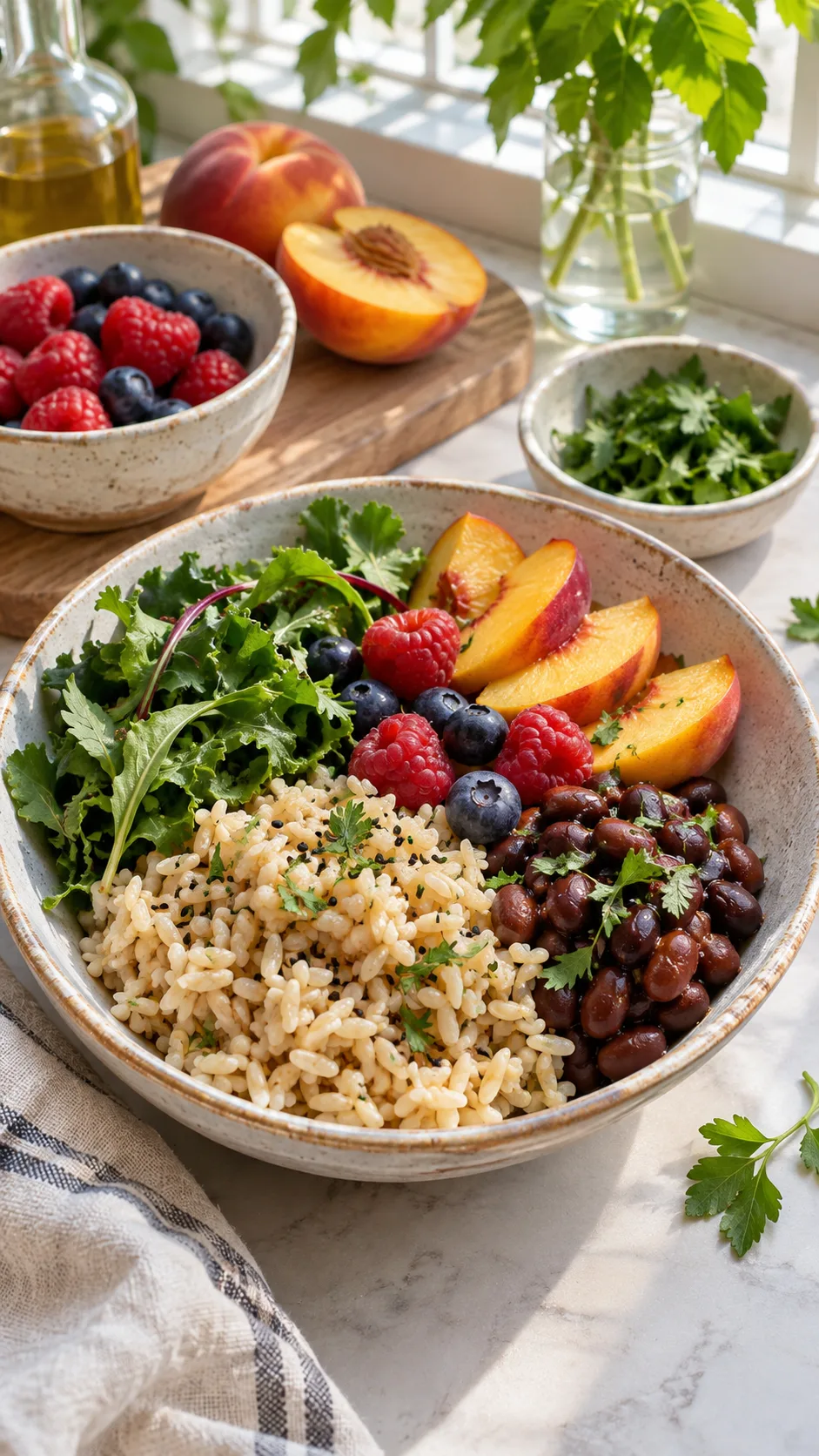
What is the Rice Method Diet?

The Rice Method Diet, often called the Rice Diet, began with Dr. Walter Kempner at Duke University in the 1930s. He developed the plan for people with severe high blood pressure, kidney disease, diabetes, and heart problems, when doctors had few treatment options.
Kempner’s original program relied on white rice, fruit, fruit juice, sugar, and very little sodium. Later versions brought in vegetables, beans, lean protein, and small amounts of fat. Yes, the original version included sugar, which still makes many modern nutrition professionals reach for their olive oil bottles.
The historic plan avoided trendy “detox” talk and took a blunt medical approach: it sharply cut sodium, fat, protein, and calories. That formula helped some patients lower blood pressure, lose weight, and shed retained fluid.
The core idea behind the Rice Diet
The Rice Diet reduces foods and nutrients that can put pressure on the cardiovascular and metabolic systems. Its repetitive, low-calorie menu also makes overeating harder. Most people do not mindlessly eat five thousand calories of plain rice and peaches. Well, almost nobody.
Modern versions tend to offer more balance than Kempner’s original plan. They often include whole grains, fruit, vegetables, legumes, low-fat dairy or fortified alternatives, and planned sources of protein.
- Very low sodium: often much lower than a diet built around restaurant meals.
- Low saturated fat: less processed meat, fried food, butter, and rich desserts.
- More plant foods: more fruit, vegetables, beans, and whole grains.
- Simple portions: fewer meals that leave you wondering how you ate so much.
- Less ultra-processed food: fewer packaged snacks and salty convenience meals.
How the Rice Method Diet may affect inflammation
Inflammation does not work like a single switch. Your immune system uses it to fight infection and repair tissue, so your body needs some inflammation. Trouble starts when low-grade inflammation sticks around too long and joins forces with high blood pressure, visceral fat, poor sleep, stress, and a poor-quality diet.
The Rice Method Diet may help because it improves several of those factors at the same time. It does not “flush toxins” from your body. Your liver and kidneys already handle that job around the clock, without help from a juice cleanse.
It can lower sodium intake
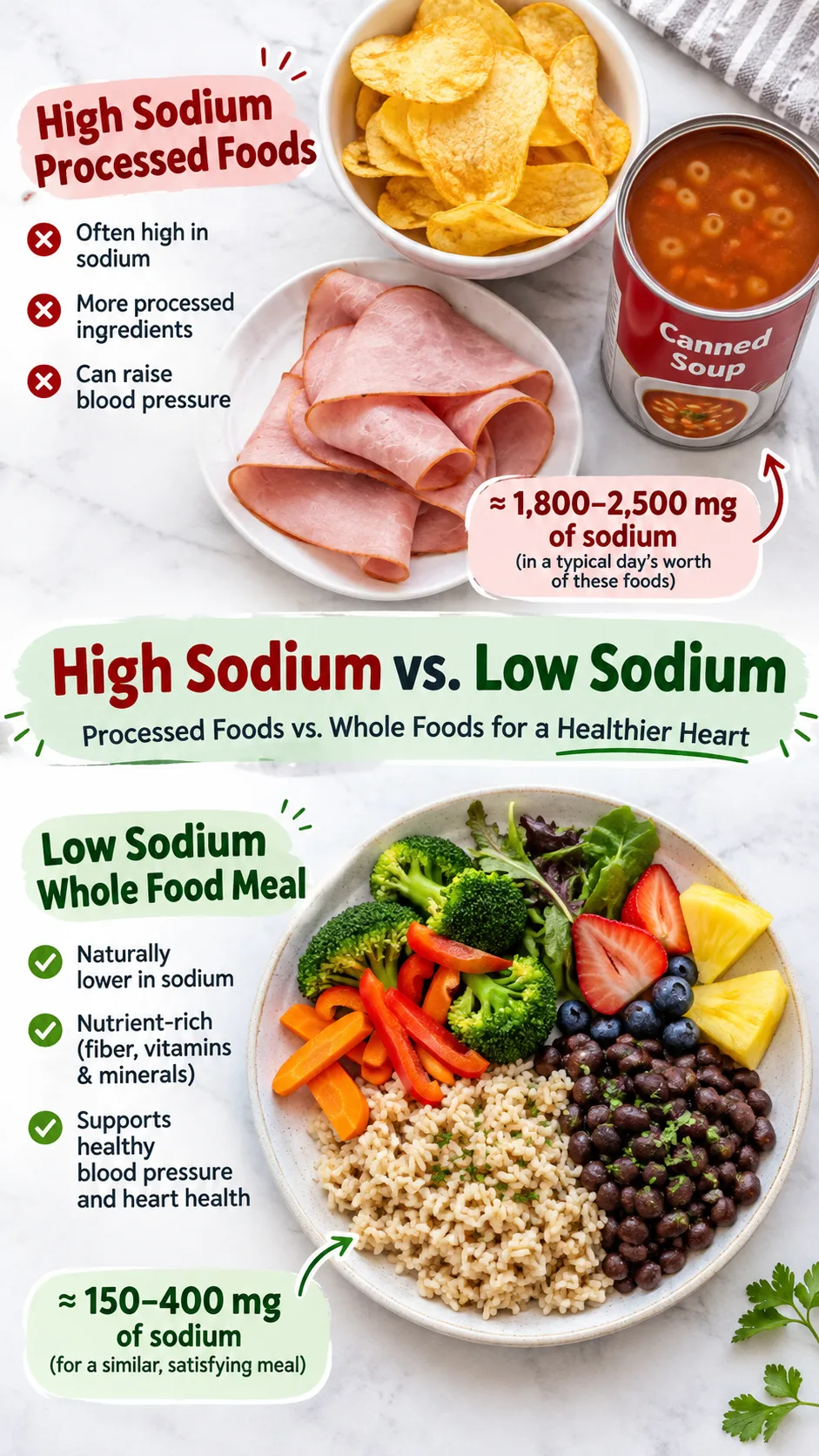
High sodium intake can raise blood pressure, especially in people with hypertension, kidney disease, diabetes, or salt sensitivity. Over time, high blood pressure can harm blood vessels and add inflammatory stress to the vascular system.
The Rice Diet sharply limits salt, packaged meals, cured meats, takeout, salty sauces, and snack foods. Those changes can reduce fluid retention and help lower blood pressure. The American Heart Association’s sodium guidance offers practical targets and food swaps that support the same goal.
Many people notice less puffiness within days of cutting back on sodium. That shift comes from less retained fluid, not instant fat loss. Even so, less swelling can feel good, especially when your rings, socks, and ankles seem to argue with you every day.
It can support weight loss, which may lower inflammatory signals
Excess body fat, especially visceral fat around the organs, can release inflammatory signaling molecules. Weight loss often improves blood pressure, blood sugar, triglycerides, and some inflammation markers.
The Rice Diet adds structure and lowers calorie density. Fruit, rice, vegetables, beans, and broth-based meals can fill a plate without delivering as many calories as fast food, pastries, cheese-heavy dishes, and processed snacks.
You do not need to fear every calorie or chase rapid weight loss. Lasting changes matter more than severe restriction. A plan that makes you miserable often ends with you face-first in a takeaway menu by Thursday.
It swaps ultra-processed food for simpler foods
A traditional Rice Method Diet leaves little room for processed meats, sugary drinks, fried food, packaged desserts, chips, and salty ready meals. These foods can encourage overeating while loading your diet with sodium, refined carbohydrates, and unhealthy fats.
When you replace those foods with produce, legumes, grains, and minimally processed protein, you raise your fiber and micronutrient intake. Fiber supports gut microbes, helps manage blood sugar, and helps you feel full. Researchers continue to examine the connection between the gut and inflammation, but your gut will likely welcome regular fiber more than a diet built around drive-thru fries.
If you want a less restrictive way to make this change, start with this inflammation diet guide for beginners. It covers practical food choices without asking you to live on a rice-and-fruit island.
What research says about the original Rice Diet
Dr. Kempner reported major improvements among patients with severe hypertension and kidney disease who followed his program closely. His work drew attention because many of those patients had very few treatment choices at the time.
Modern doctors do not treat the original Rice Diet as a standard long-term plan for everyone. The plan demanded intense restriction, close medical supervision, and a tightly controlled setting. You cannot copy that arrangement from a social media reel and expect the same results.
Historical research found that very low-sodium, low-calorie diets could lower blood pressure and reduce complications for some high-risk patients. Today, doctors can offer safer medications, better testing, and more flexible eating plans, including DASH-style diets.
The National Heart, Lung, and Blood Institute’s DASH eating plan gives people a more balanced, evidence-based way to lower blood pressure. DASH includes fruit, vegetables, whole grains, low-fat dairy, beans, nuts, and lean proteins while limiting sodium and saturated fat.
Why doctors still find the idea interesting
Doctors do not discuss the Rice Diet because rice has supernatural anti-inflammatory powers. They discuss it because the plan shows how strongly food patterns can affect blood pressure, fluid balance, weight, and metabolic health.
A tightly controlled diet can teach a useful lesson: your everyday food choices can change measurable health markers. Blood pressure can fall. Blood sugar can improve. Swelling can ease. Those results matter, even if the original menu sounds like it came from a very stern boarding school.
Many clinicians now recommend the underlying principles instead of the full historic protocol. They may suggest less sodium, more plants, fewer processed foods, more fiber, reasonable portions, regular movement, and medication when needed.
Does rice itself cause or reduce inflammation?
Rice does not automatically cause inflammation, and it does not automatically cure it. Your total diet, health history, portion size, activity level, sleep, stress, and medical conditions shape the answer.
White rice digests quickly and can raise blood sugar faster than many intact whole grains. That matters most for people with insulin resistance, prediabetes, or diabetes. Beans, vegetables, tofu, fish, chicken, or olive oil can slow digestion when you pair them with rice and can soften the blood sugar rise.
Brown rice offers more fiber, magnesium, and nutrients than white rice. White rice can still fit into an anti-inflammatory diet, especially if you struggle with high-fiber foods or need carbohydrates that digest easily.
Choose the rice that works for you
- Brown rice: offers more fiber and a nuttier texture.
- Black or red rice: provides more plant pigments and a stronger flavor.
- Basmati rice: often produces a gentler blood sugar response than some other white rice varieties.
- White rice: works well in balanced meals and may suit sensitive digestion.
- Wild rice: technically comes from a grass, but it adds protein, fiber, and a chewy texture.
Want the simplest rule? Build your rice bowl around vegetables and protein instead of making rice the whole meal. Use one portion of rice, plenty of colorful plants, and a satisfying protein source. Your plate does not need drama to do its job.
The biggest risks of following a strict Rice Diet
The original Rice Diet can leave nutritional gaps when people follow it without medical guidance. It restricts protein, fat, sodium, and food variety so severely that some people may struggle to meet their nutritional needs.
Too little protein can lead to muscle loss, weakness, poor recovery, and hunger. Too little fat can make it harder for your body to absorb fat-soluble vitamins and support hormone health. Strict restriction can also push people toward an unhealthy all-or-nothing relationship with food.
People with kidney disease, diabetes, heart failure, an eating disorder history, pregnancy, or a complex medical condition should never begin a strict Rice Diet without professional guidance. Your doctor or registered dietitian can tailor sodium, protein, potassium, fluid, and carbohydrate targets to your needs.
The National Institute of Diabetes and Digestive and Kidney Diseases explains why people need individualized kidney nutrition plans. One person may need more potassium-rich foods, while another may need strict limits. Nutrition requires nuance, annoyingly but importantly.
Watch for these warning signs
Stop the plan and seek medical advice if restrictive eating causes dizziness, fainting, severe fatigue, rapid weight loss, persistent diarrhea, palpitations, worsening swelling, or unstable blood sugar. Your body gives you feedback for a reason. Listen before it starts using all caps.
- Talk with your clinician if you take blood pressure, diabetes, kidney, or diuretic medications.
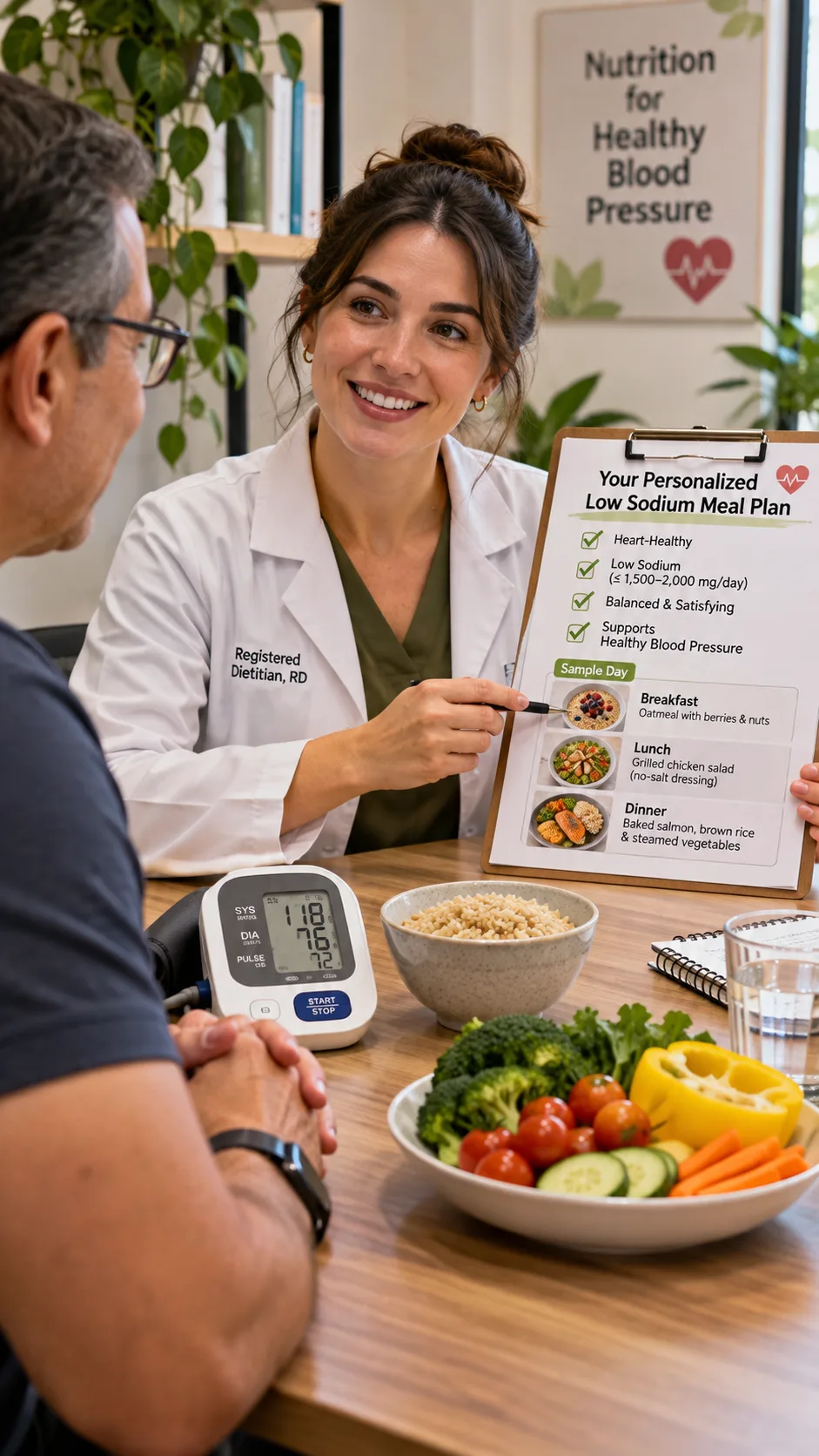
- Ask for a registered dietitian referral if you want a structured low-sodium plan.
- Track your blood pressure at home if hypertension worries you.
- Make protein a priority at meals if you cut calories or lose weight.
- Use lab work and symptoms, rather than internet hype, to judge your progress.
A safer modern version of the Rice Method Diet
You can borrow the strongest parts of the Rice Diet without making meals feel like punishment. This approach makes more sense for most people: use rice as a flexible base, eat more plants, reduce sodium, and include enough protein and healthy fats.
This version can help you manage inflammation while giving you enough variety to enjoy your life. Food should support your health, but it should also let you attend a birthday dinner without packing emergency plain rice in your handbag.
A balanced anti-inflammatory rice plate
Use this formula for lunch or dinner. Adjust portions for your hunger, activity level, goals, and medical needs.
- One-quarter plate: rice, quinoa, barley, sweet potato, or another carbohydrate.
- One-quarter plate: protein such as beans, lentils, tofu, fish, eggs, Greek yogurt, chicken, or tempeh.
- Half the plate: non-starchy vegetables such as broccoli, spinach, peppers, cabbage, zucchini, or carrots.
- Add flavor: garlic, ginger, lemon, vinegar, herbs, chili, cumin, turmeric, or low-sodium sauces.
- Add healthy fat: olive oil, avocado, nuts, seeds, or tahini in a sensible portion.
This way of eating fits more closely with the long-term heart-health advice that doctors and dietitians give. For more meal ideas, try an anti-inflammation diet meal plan that beginners can stick to.
Simple rice meals that support lower inflammation
Ginger salmon rice bowl
Combine cooked brown rice with baked salmon, shredded cabbage, cucumber, edamame, carrots, ginger, sesame seeds, and a squeeze of lime. Use low-sodium tamari sparingly. Salmon provides omega-3 fats, while the vegetables bring fiber and color.
Smoky bean and vegetable rice skillet
Cook onions, bell peppers, zucchini, black beans, tomatoes, paprika, cumin, and cooked rice in a pan. Add lime and cilantro at the end. This meal costs little, fills you up, and does not require a degree in culinary wizardry.
Turmeric chickpea rice soup
Simmer low-sodium broth with chickpeas, carrots, celery, spinach, turmeric, black pepper, garlic, and cooked rice. This meal works well when you want comfort food without the sodium bomb that often hides in canned soup.
Can the Rice Method Diet help with autoimmune inflammation?
A lower-sodium, minimally processed, plant-forward eating pattern may help some people manage factors that can worsen autoimmune symptoms, such as excess weight, poor blood sugar control, or high blood pressure. No Rice Diet can replace medical care for rheumatoid arthritis, lupus, inflammatory bowel disease, Hashimoto’s disease, or other autoimmune conditions.
Food can support your treatment plan, but it cannot promise a cure. Anyone who claims that rice alone will “reverse inflammation forever” probably also sells something in a beige pouch.
If you manage thyroid-related inflammation and fatigue, a more tailored plan may help. Read our guide to the Hashimoto’s disease diet plan for calming inflammation and fatigue for practical, condition-specific ideas.
The bottom line on the Rice Method Diet and inflammation
The Rice Method Diet can reduce several drivers of chronic inflammation because it cuts sodium, lowers calorie intake, limits processed foods, and centers simple plant foods. The original plan also comes with real downsides, especially when people follow it for long periods without medical supervision.
Rice does not perform miracles. Better eating patterns do. Treat the Rice Diet as a history lesson and a source of practical ideas, rather than a rigid rulebook.
Start small: cook one low-sodium rice-and-vegetable meal this week, add a protein source, and notice how you feel. Consistency beats dietary drama every time.