Semaglutide can quiet the constant “what should I eat next?” noise, but it cannot build a healthy diet for you. You still need a plan that keeps your energy up, protects muscle, and keeps nausea from taking over.
Most beginners make one big mistake: they eat far too little because they finally can. That can feel like a win for about a week. Then fatigue, constipation, low protein intake, and a rough relationship with food catch up with them.
A sensible semaglutide diet plan works with your lower appetite instead of treating food like the enemy. Eat smaller meals, choose foods that give you something back, get enough protein and fluids, and build a routine you can stick with when life gets messy. It may sound simple. It works.
First, know what semaglutide does
Semaglutide belongs to a group of medicines called GLP-1 receptor agonists. It can help you feel full sooner, stay full longer, and think about food less often. Your healthcare clinician may prescribe it under brand names such as Wegovy, Ozempic, or Rybelsus, depending on your health needs.
The medicine also slows stomach emptying. That explains why huge meals, greasy takeout, and fast eating can suddenly make you feel awful. Your stomach may prefer a slower, calmer routine now.
The FDA’s Wegovy information says clinicians use semaglutide alongside a reduced-calorie eating pattern and increased physical activity. Medication can help, but it cannot do the daily work for you.
Why appetite loss can create a new problem
Lower appetite can sound like a dream if hunger has dominated your life for years. But a low appetite can also lead you to eat too little protein, fiber, vitamins, and food overall. The scale may drop quickly while you lose strength and muscle.
That can make weight maintenance tougher later. Muscle helps you move, train, manage blood sugar, and use energy throughout the day. You do not need to become a bodybuilder. You do need to give your body a reason to hold onto muscle.
The biggest semaglutide diet mistakes beginners make

People rarely struggle because they lack motivation. More often, they follow advice that ignores the way semaglutide changes appetite and digestion. If you have ever tried to “be good” all day and then felt terrible by dinner, you need a different approach, not more guilt.
- They skip meals all day. Skipping meals can leave you weak, dizzy, irritable, and short of your protein target. A low appetite calls for small planned meals, not accidental starvation.
- They make coffee their breakfast. Coffee can suppress appetite even more and may worsen nausea or reflux for some people. Eat something with it, especially a source of protein.
- They eat one giant “healthy” meal. A huge salad, protein bowl, or restaurant meal can overwhelm a stomach that now empties more slowly. Spread your food across the day instead.
- They avoid carbs completely. You do not need to fear fruit, oats, beans, potatoes, or whole grains. These foods provide energy and fiber, and they can make the plan easier to live with.
- They forget fluids and fiber. Semaglutide-related constipation can make you feel heavy, uncomfortable, and convinced that nothing helps. Water, fiber, movement, and medical guidance usually help more than another detox tea.
- They ignore strength training. Cardio supports heart health, but resistance training tells your body to keep muscle while you lose weight. Your body needs that signal.
- They keep eating trigger foods because “I barely eat them now.” You may eat less highly processed food, but it can still displace more nourishing options and trigger nausea. A few bites of greasy food can leave you feeling worse than expected.
The semaglutide diet plan: Your core nutrition priorities
You do not need a perfect menu or a cupboard full of expensive “GLP-1 snacks.” You need meals that you can make, eat, and repeat without much fuss. Start with the basics below, then adjust them with your prescriber or registered dietitian.
1. Put protein first at every meal
Protein should anchor your semaglutide meal plan. It helps you keep lean mass during weight loss, supports fullness, and gives your body material for recovery. When appetite drops, protein matters even more because you have fewer chances to eat it.
Many adults do well with roughly 20 to 35 grams of protein at meals, but your needs depend on body size, age, activity level, kidney health, and medical history. Ask a registered dietitian or clinician for a personal target if you take semaglutide for diabetes or obesity treatment.
- Eggs, egg whites, and cottage cheese
- Greek yogurt or skyr with low added sugar
- Chicken, turkey, lean beef, fish, and shellfish
- Tofu, tempeh, edamame, lentils, and beans
- Protein shakes when solid food feels hard to manage
Start with the protein on your plate. That small habit can help when your appetite disappears halfway through lunch. You can add vegetables or carbs later, but you cannot make up for protein you did not eat.
2. Choose high-fiber foods, then increase slowly
Fiber supports digestion, blood sugar control, and fullness. It can also help many people manage constipation, though you should add it gradually and drink enough water. If you suddenly triple your fiber intake, bloating may make you regret it.
Build meals around vegetables, berries, apples, beans, lentils, oats, chia seeds, whole grains, and potatoes with skin. The National Institute of Diabetes and Digestive and Kidney Diseases recommends fiber, fluids, and regular activity to help manage constipation.
3. Keep portions modest, not microscopic
Think “small plate, slow pace” instead of “tiny plate, sad life.” Start with a modest serving, eat slowly, and stop when you feel comfortably satisfied. Semaglutide can give you a clearer fullness signal, so pay attention before your stomach protests.
Use a simple plate formula when you tolerate solid meals well:
- One palm of protein: chicken, fish, tofu, eggs, Greek yogurt, or beans.
- One fist of fiber-rich carbs: fruit, oats, beans, brown rice, quinoa, potatoes, or whole-grain bread.
- One to two fists of vegetables: cooked vegetables may feel easier to eat during nausea.
- A small amount of fat: avocado, olive oil, nuts, seeds, or nut butter.
4. Drink water on purpose
Semaglutide can reduce thirst along with hunger, so do not wait until you feel parched. Keep water nearby and sip it throughout the day. Pale-yellow urine can offer a simple hydration clue, unless your clinician has told you to limit fluids.
Plain water works well, but herbal tea, sparkling water, broth, and electrolyte drinks can help when nausea makes water hard to tolerate. Limit sugary drinks and take it easy with alcohol, especially during dose increases. Alcohol can worsen nausea, dehydration, and blood sugar swings.
A simple daily semaglutide meal plan
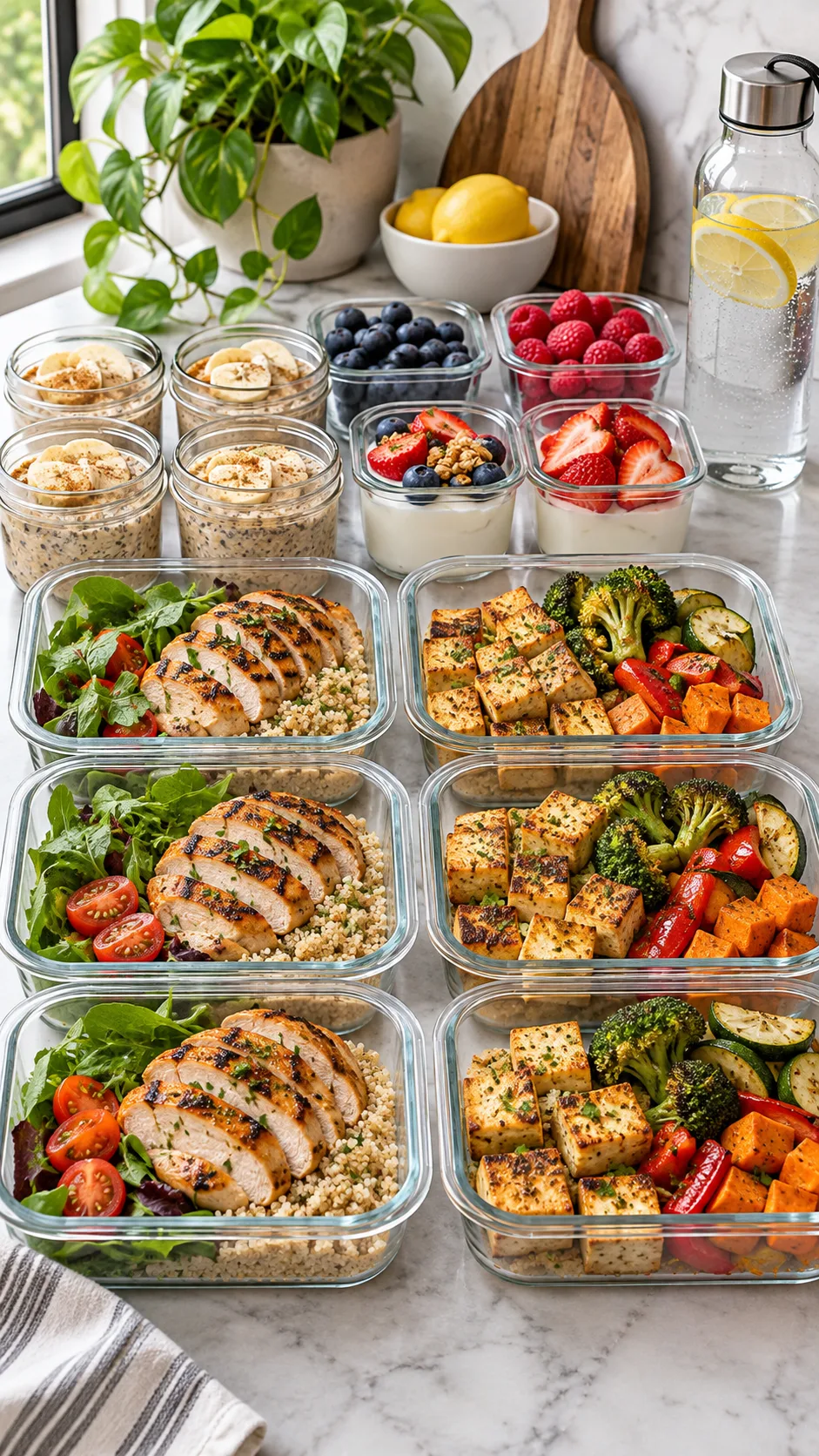
This sample day gives you some structure without turning your kitchen into a laboratory. Adjust portions for your hunger, nutrition needs, cultural preferences, and medical guidance. If a full meal feels impossible, split it into two smaller eating times.
Breakfast: Start with easy protein
Try Greek yogurt with berries, chia seeds, and a small handful of oats. You could also make scrambled eggs with spinach and a slice of whole-grain toast. If nausea hits early, a protein shake and a banana may go down more easily than a full breakfast.
Lunch: Keep it balanced and boring in the best way
Build a bowl with chicken or tofu, cooked vegetables, quinoa or brown rice, and a light olive-oil dressing. You can swap the grain for potatoes, beans, or a whole-grain wrap. Simple meals tend to win because you will make them again on a Tuesday when cooking feels like too much.
Snack: Use one when your body needs it
You do not need a snack just because the clock says 3 p.m. Have one when you need energy, struggle to meet protein needs, or plan a workout. Good options include cottage cheese and fruit, an apple with peanut butter, edamame, a cheese stick, or a low-sugar protein shake.
Dinner: Go lighter than your old dinner
Try salmon, roasted zucchini, and a small baked potato. You could also choose turkey chili with beans, tofu stir-fry with vegetables, or lentil soup with a side salad. Eat slowly and stop before “full” turns into “why did I do that?”
When nausea shows up
When nausea hits, choose bland, lower-fat foods in small amounts. Crackers, toast, bananas, rice, applesauce, broth, yogurt, eggs, and simple soups often go down more easily. Skip greasy meals, heavy cream sauces, giant portions, and strong food smells when your stomach feels sensitive.
Contact your prescribing clinician if nausea becomes severe, lasts, or feels hard to manage. Seek urgent care for severe abdominal pain, repeated vomiting, dehydration symptoms, or other worrying symptoms. Do not push through serious symptoms just to stay on schedule.
How to time meals around your injection
You can take weekly semaglutide injections on any day your prescriber approves, with or without food. Many people prefer the same day each week because a routine can prevent missed doses. Your injection day does not call for a cleanse, a special fast, or a ceremonial salad.
Some people feel stronger side effects during the first day or two after an injection, especially after a dose increase. Plan easier meals for that time. Keep protein shakes, soup, yogurt, eggs, fruit, and plain crackers on hand before you need them.
Track your meals, water intake, bowel movements, nausea, energy, and workout performance for two weeks. Your notes can help you spot patterns and give your clinician useful details. “I feel weird sometimes” tells them far less than “nausea starts the day after my injection when I eat high-fat dinners.”
Strength training makes the plan work better
Weight loss without muscle protection can leave you smaller without making you stronger or healthier. Strength training helps you keep lean mass while semaglutide lowers your appetite. You do not need expensive equipment or a gym outfit that belongs on social media.
Aim for two or three full-body strength sessions each week if your health allows it. Focus on squats or chair stands, rows, presses, hinges, carries, and core movements. Start light, use good form, and gradually make the exercises harder.
Walking deserves more credit than it gets. A short walk after meals can support digestion, blood sugar management, and daily activity. Start with 10 minutes if that works for you. You do not need a heroic workout montage.
If you want a structured approach that pairs nutrition with training, this gym diet plan for building muscle without starving offers useful principles. For a simpler lower-carb approach, you can also use ideas from this 7-day low-carb meal plan for beginners without cutting out every carbohydrate you enjoy.
Foods to limit on semaglutide
You do not need a banned-food list, because rigid rules can make food feel strangely powerful. Still, some foods cause more trouble when semaglutide slows digestion. Notice your own triggers and keep them occasional instead of making them daily staples.
- Large fried meals and high-fat fast food
- Huge restaurant portions
- Sugary drinks, sweet coffee drinks, and frequent desserts
- Alcohol, especially on an empty stomach
- Very spicy or rich meals when nausea flares
- Highly processed snack foods that replace real meals
Food quality matters, but consistency matters more. You can eat pizza sometimes and still make progress. You may feel better with one or two slices and a salad than with half the box while you watch a show.
Who needs extra medical guidance?
Semaglutide needs real medical oversight, not social media advice from someone holding a neon tumbler. Talk with your clinician before making major diet changes if you have diabetes, kidney disease, digestive disorders, a history of eating disorders, or complicated medication needs.
Tell your clinician about every medicine and supplement you take. Semaglutide can affect blood sugar, and people who use insulin or sulfonylureas may face a higher risk of low blood sugar. The official Wegovy prescribing information lists important warnings, side effects, and medication guidance.
Pregnant people, people planning pregnancy, and people who breastfeed should ask their healthcare team for individual guidance. Anyone with a personal or family history of medullary thyroid carcinoma or multiple endocrine neoplasia syndrome type 2 should do the same. Your prescriber can help you decide whether this medication fits your situation.
The bottom line: Make semaglutide a tool, not your whole plan
The best semaglutide diet plan stays simple: eat protein first, include fiber, drink enough water, keep portions comfortable, and strength train regularly. Follow those habits most days, and you can support fat loss without giving up your energy or muscle.
Do not chase perfection or try to eat as little as humanly possible. Build meals that you can tolerate, enjoy, and repeat. Semaglutide can turn down the food noise, but your daily habits shape what happens over time.