

Forget green juice cleanses, tiny grain bowls, and powdered superfood supplements. While Western fitness trends cycle through expensive new crazes every six months, Eastern European grandmothers rely on a pantry built on cheap, unglamorous staples. Traditional Slavic communities maintain steady health and gut resilience through freezing winters and heavy manual labor without modern fitness gadgets.
They solve their nutritional needs without boutique studios or pricey meal plans. Instead, they gather wild foods, ferment everyday staples, cook slow-burning pseudocereals, and store root vegetables in cold cellars. Runway stars borrow these exact rustic principles all the time; check out the supermodel diet secrets that explain their bodies, where Slavic heritage foods routinely fill backstage catering tables.
Grandmothers across Poland, Ukraine, Lithuania, and Serbia never track calories on spreadsheets. They eat with the seasons, preserve nutrients through live bacterial cultures, and power everyday stamina with hearty cooking. These simple habits create a practical, resilient way of eating.
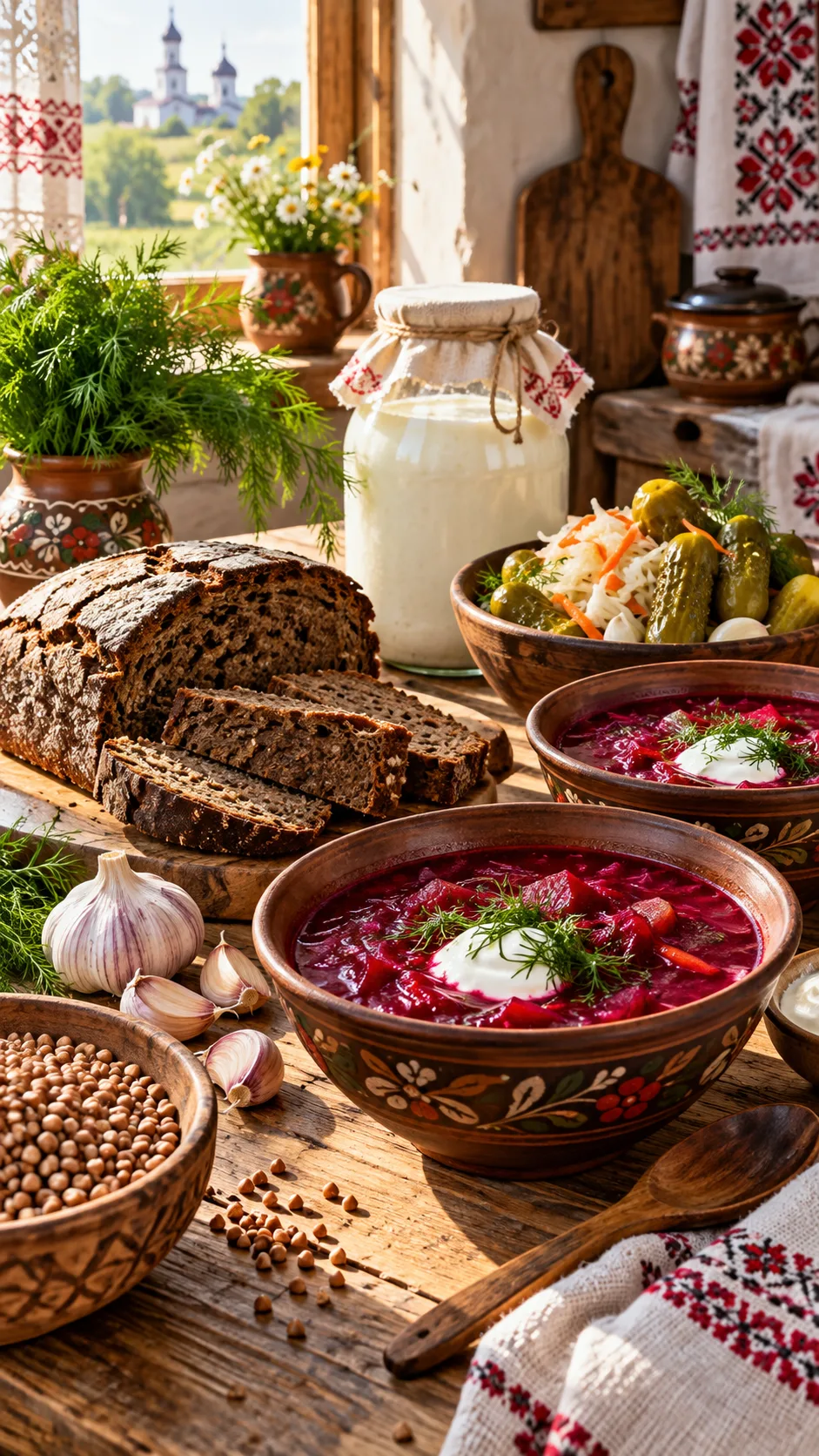
The Fermentation Habit: Gut Health Long Before Bottled Probiotics
Modern supplement brands charge high prices for bottled probiotics. Eastern Europeans simply keep large glass jars bubbling on their kitchen counters. Fermentation forms the core of Slavic home cooking, turning ordinary cabbage and dairy into potent digestive aids.
Lactic acid fermentation preserves vitamins through cold winters and fills food with live bacterial cultures. Researchers at the Stanford School of Medicine discovered that a diet rich in fermented foods dramatically increases gut microbial diversity while lowering systemic inflammation markers. Slavic cooks mastered this method long before clinical trials tested it.
Kefir and Ryazhenka: Traditional Cultured Dairy
Unlike standard grocery store yogurt, traditional Slavic kefir relies on live symbiotic colonies of yeast and bacteria called kefir grains. This drink sends over thirty distinct probiotic strains straight to your digestive tract.
Families drink kefir with breakfast, pour it over cold summer soups, and use it to tenderize tough cuts of meat. Ryazhenka takes cultured dairy a step further. Cooks simmer milk over low heat for hours until the sugars caramelize, then ferment the warm, golden liquid. This method creates an easily digestible drink that repairs muscle tissue without upsetting your stomach.
Sauerkraut and Pickled Cucumbers
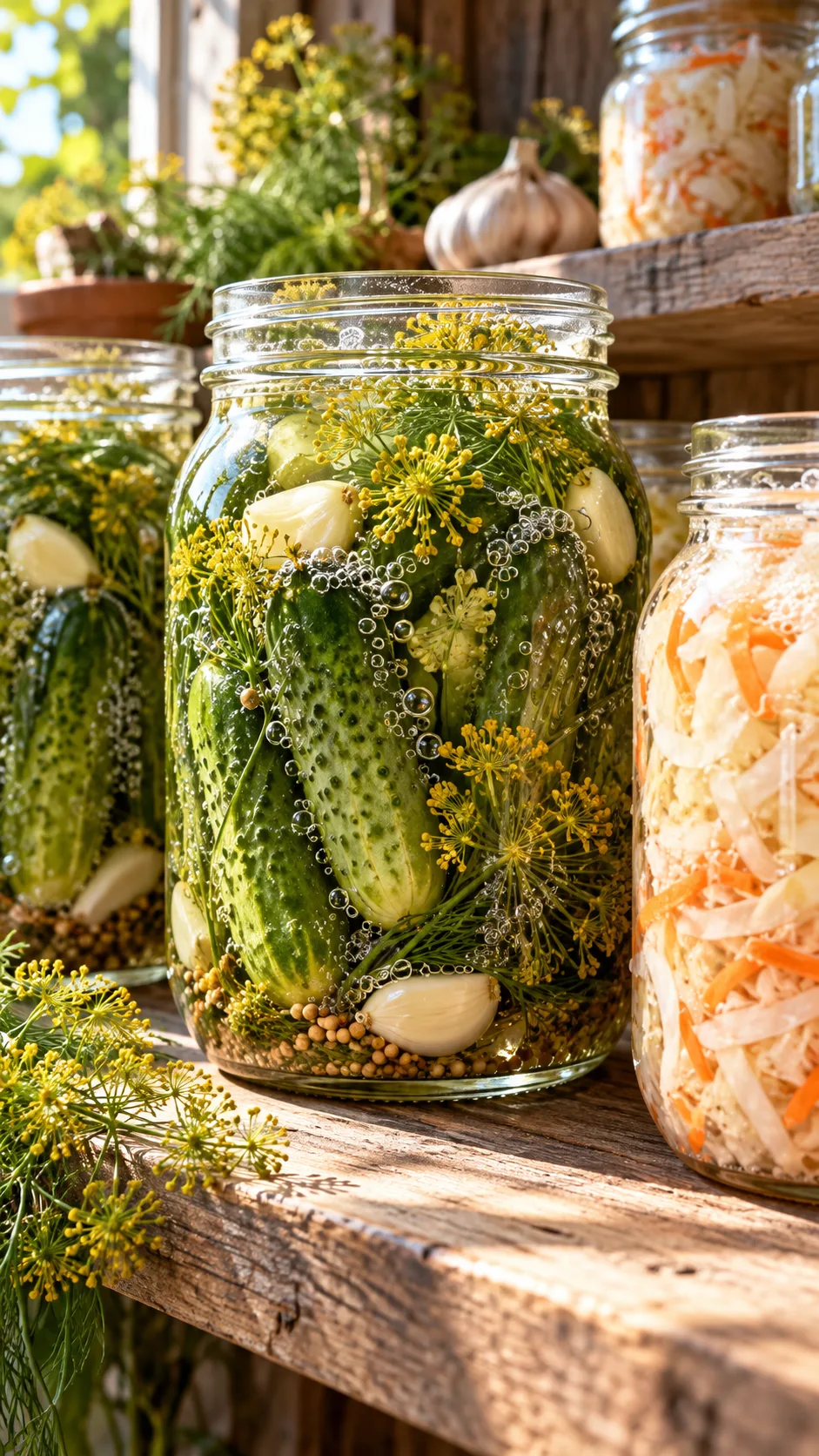
Most commercial pickles sit in distilled white vinegar and yellow food dye. Traditional Slavic ogórki kiszone and kiszona kapusta use only spring water, unrefined rock salt, garlic cloves, dill heads, and horseradish root.
This wild brine helps beneficial Lactobacillus bacteria multiply while killing off harmful pathogens. One serving supplies active digestive enzymes along with a heavy dose of natural Vitamin C. Never boil real fermented sauerkraut; eat it raw beside roasted meats to stimulate digestive acid production immediately.
Kvass: The Fermented Bread Drink
Instead of drinking commercial sodas, Eastern Europeans brew kvass at home. They ferment leftover dark rye bread with water, raisins, and a spoonful of raw honey. The brew quickly develops a fine sparkle and a tart, refreshing taste.
Kvass supports intestinal flora and restores electrolytes after hard farm work or hot sauna sessions. Many health-conscious eaters pick this bread tonic over kombucha because kvass contains far less cane sugar.
Grechka: The Staple Slavic Pseudocereal
Walk into any grocery store between Warsaw and Vladivostok, and you will find whole shelves filled with grechka, or toasted buckwheat groats. Western wellness blogs present buckwheat as a trendy new superfood, but Slavic households have used it as daily fuel for generations.
Buckwheat belongs to the knotweed family rather than true grasses, so it contains no gluten. Cooks toast the groats until they turn reddish-brown, creating an earthy flavor that easily outperforms plain rice or quinoa. It sustains intense physical effort, controls appetite, and prevents sudden energy dips throughout the day.
Why Grechka Outperforms Common Grains
- Steady Carbohydrate Digestion: Grechka sits low on the glycemic index. It supplies steady energy over five hours, preventing afternoon fatigue and sharp drops in blood sugar.
- High Rutin Content: This plant flavonoid strengthens capillary walls, improves blood flow, and lowers vascular inflammation. Clinical trials on PubMed confirm rutin’s ability to protect cellular health against oxidative stress.
- Dense Mineral Content: Grechka contains significant amounts of magnesium, zinc, copper, and bioavailable iron. Traditional laborers ate it daily to keep muscles working smoothly without manufactured sports supplements.
- Complete Protein Profile: Buckwheat supplies all nine essential amino acids, including hard-to-find lysine. This amino acid profile repairs muscle tissue without adding heavy amounts of saturated animal fat.
Cooking basic grechka takes fifteen minutes. Rinse one cup of groats, place them in two cups of salted water, bring the pot to a boil, cover tightly, and simmer on low heat. Fold in a generous spoonful of grass-fed butter to produce the hearty grain dish that fueled Slavic workers for centuries.
Beetroot and Borscht for Cardiovascular Strength
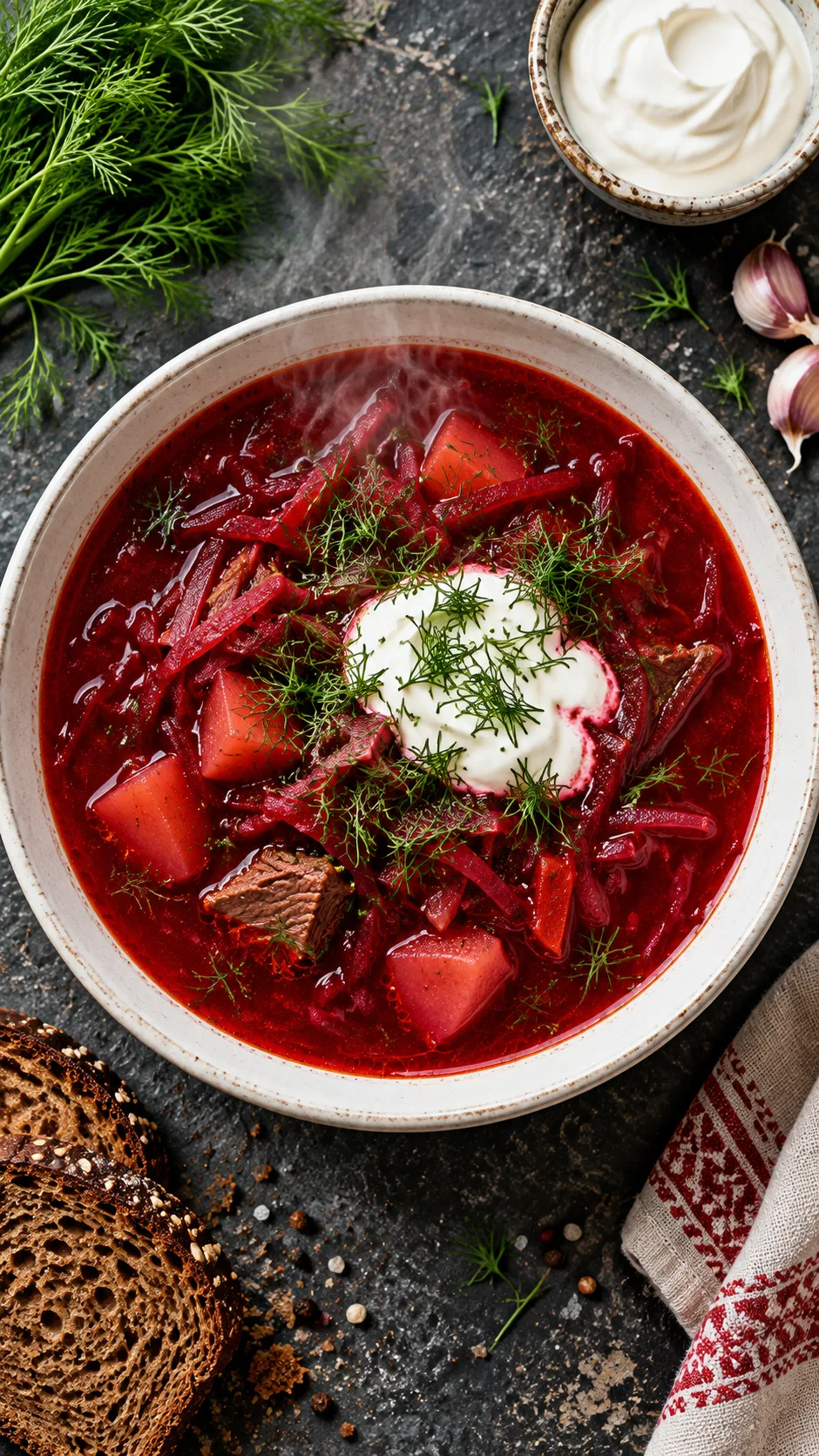
Few dishes match the reputation of borscht. Western diners often think of it as a cold, sugary purée in a jar. Real Eastern European borscht is a hot soup made from rich marrow broth, beef shanks, shredded cabbage, carrots, beets, and chopped fresh herbs.
Beets contain high levels of dietary nitrates. Oral bacteria convert these nitrates into nitric oxide, a molecule that widens blood vessels, lowers resting blood pressure, and delivers oxygen to muscle fibers. Distance athletes buy bottled beet juices for performance gains, but Eastern Europeans simply eat hot bowls of homemade borscht.
Betalains and Liver Support
The deep red color of beets comes from betalains. These water-soluble nitrogen pigments neutralize free radicals more effectively than the anthocyanins in blueberries. Betalains help the liver produce detoxification enzymes, speeding up the clearance of metabolic waste products.
In Poland and Western Ukraine, households regularly make zakwas buraczany, a raw fermented beet tonic. Drinking a small cup each morning stimulates bile secretion, aids fat digestion, and settles the stomach before meals.
Dark Sourdough Rye Bread
Modern diet programs frequently tell people to avoid all bread. In Eastern Europe, bread carries deep cultural weight and remains a daily staple. However, Slavic homes do not buy soft, commercial white bread stuffed with vegetable oils, added sweeteners, and chemical dough conditioners.
They bake dense 100% rye sourdough (chleb żytni). Rye contains less gluten than modern hybridized wheat, and long forty-eight-hour sourdough fermentations break down phytic acid, making the minerals easy for the gut to absorb.
| Nutritional Attribute | Commercial White Bread | Traditional Slavic Rye Sourdough |
|---|---|---|
| Glycemic Impact | Very High (Causes rapid insulin spikes) | Low (Arabinoxylans blunt blood sugar) |
| Fermentation Method | Fast chemical yeasts (under 1 hour) | Wild lactobacilli cultures (24 to 48 hours) |
| Fiber Profile | Strip-milled, minimal fiber | Rich insoluble and prebiotic soluble fiber |
| Satiety Factor | Causes hunger within two hours | Maintains fullness through long shifts |
Studies from the Harvard T.H. Chan School of Public Health show that fiber-dense whole grains like rye stabilize blood glucose, reduce LDL cholesterol, and feed beneficial bacteria that produce short-chain fatty acids in the gut. Dense rye bread turns starches into usable fuel instead of storing them as belly fat.
To see how other European traditions balance simple staples with healthy habits, read about the chic diet secrets that make eating well feel effortlessly luxurious. Slavic home dining leaves out rich cream sauces, but it delivers deep satisfaction through rustic, nutrient-packed ingredients.
Dacha Culture: Foraged Greens and Forest Harvests
To understand Slavic nutrition, you must look at the dacha. Dachas are simple country garden plots where city families spend weekends growing vegetables, picking fruit, and walking through woods. This tradition turns regular urban workers into skilled seasonal foragers.
From April until the first hard frost, families harvest wild foods that contain far more micronutrients than factory-farmed produce. Plants growing in the wild fight off insects and weather extremes, building dense concentrations of protective polyphenols.
Wild Forest Mushrooms
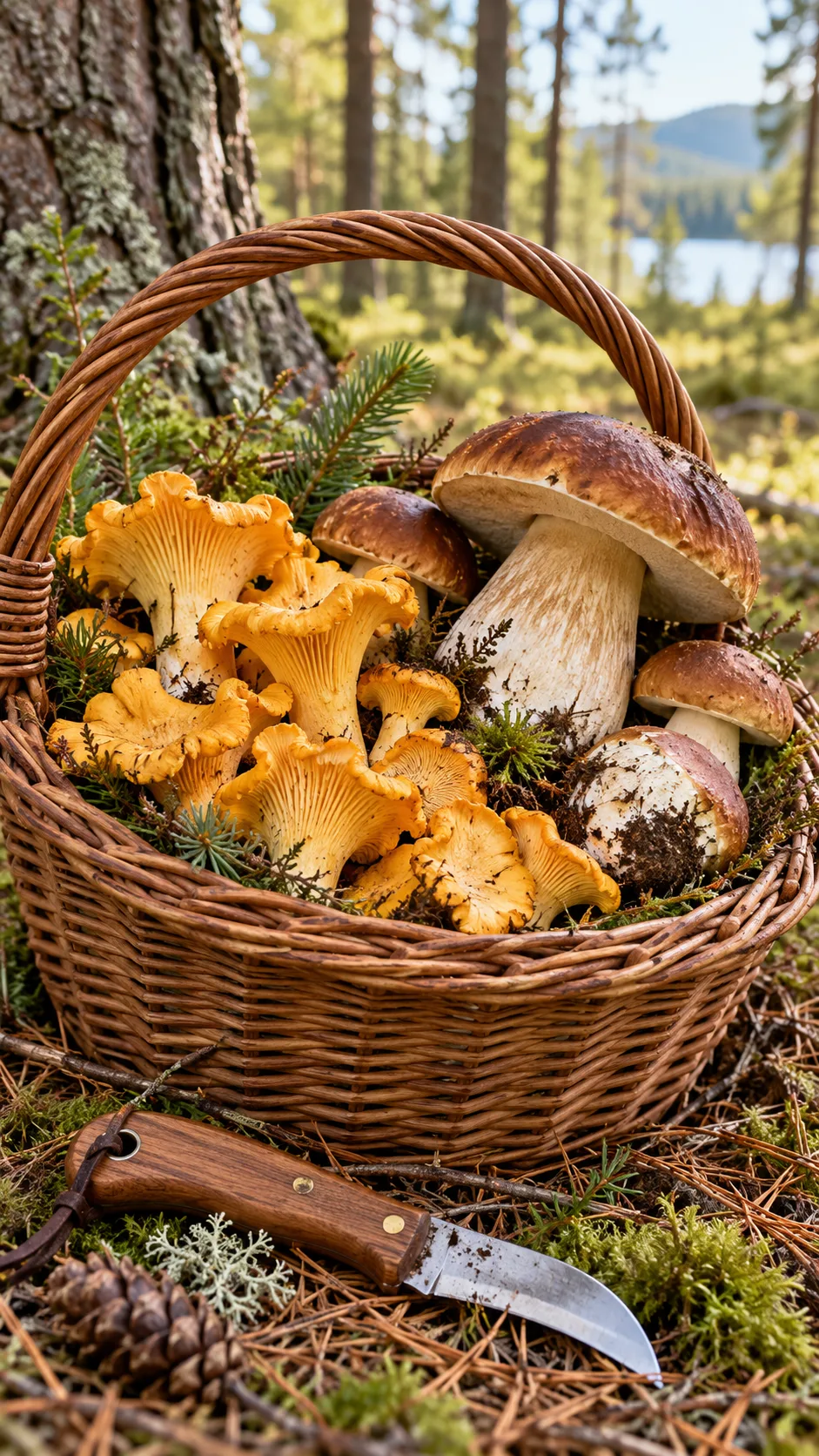
Mushroom hunting is a passionate seasonal ritual across the region. Every autumn, families take baskets into birch and pine woods to gather chanterelles, porcini, and honey mushrooms.
Wild mushrooms provide rich amounts of beta-glucans, bioavailable Vitamin D, selenium, and ergothioneine (a cellular antioxidant that protects mitochondria). Cooks string mushrooms on thread to dry above wood stoves, creating an intense seasoning for winter broths and grain dishes.
Wild Forest Berries
Cultivated supermarket berries lack the intense punch of wild forest bilberries (jagody). Slavic foragers gather sea buckthorn (oblepikha), wild cranberries, and rowan berries across marshes and hillsides.
- Sea Buckthorn: These tart orange berries hold ten times more Vitamin C than citrus fruit, alongside Omega-7 fatty acids that protect skin against cold, dry winds.
- Wild Lingonberries: They contain high levels of proanthocyanidins and benzoic acid, natural compounds that help prevent urinary tract infections.
- Aronia (Chokeberry): Gardeners press these dark berries into unsweetened juices that relax blood vessels and deliver high amounts of iron.
Fresh Dill and Garden Herbs
Slavic cooks chop fresh dill over almost every hot meal. This herb provides more than flavor; it carries potent volatile oils like carvone and limonene.
These compounds reduce intestinal cramps, support bile production, and limit harmful bacteria in the gut. Slavic cooks use dill, flat-leaf parsley, and wild sorrel like leafy green vegetables rather than tiny garnishes. They toss them by the handful into broths, eggs, and cucumber salads.
Traditional Fats: Salo, Broths, and Smetana
For decades, low-fat diets pushed consumers toward refined seed oils and margarine. Slavic cooks disregarded that trend completely. They continued cooking with pastured lard, rich bone stocks, and cultured cream.
Eastern Europeans know that heavy physical labor during freezing months demands fat-soluble vitamins (A, D, E, and K2) to keep joints supple and hormones balanced. You can see similar fat utilization in the model diet secrets that keep you lean year-round, where whole fats curb sugar cravings.
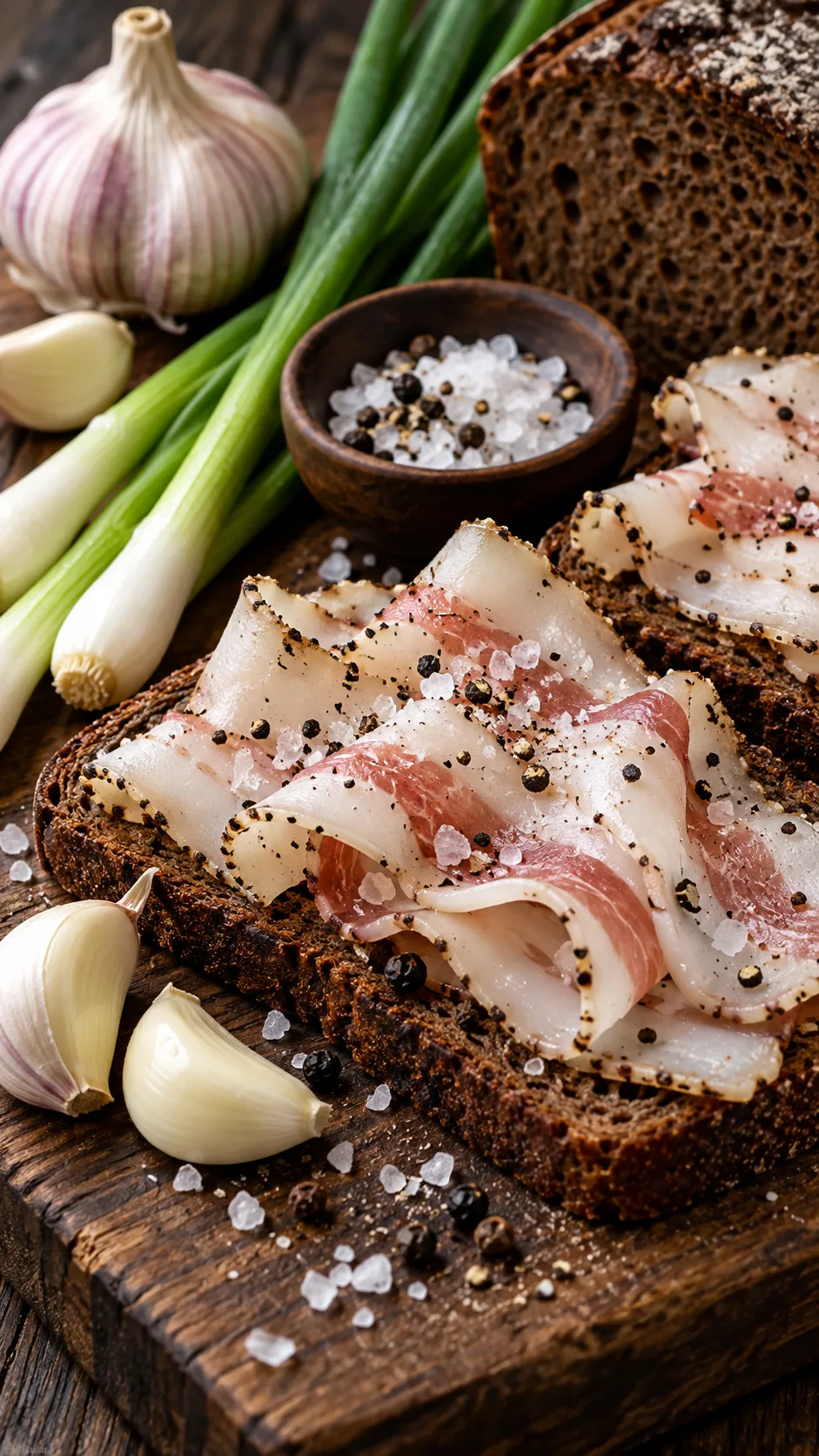
Salo: Salt-Cured Pork Fat
Few foods define Slavic pragmatism better than salo: cured, raw pork backfat seasoned with salt, garlic, and cracked pepper. Despite its reputation among low-fat advocates, pastured pork fat contains large amounts of oleic acid, the same monounsaturated fat found in extra virgin olive oil.
It also provides arachidonic acid, an essential lipid for brain cellular structures and hormone production. Laborers eat thin slices of chilled salo on dense rye bread with raw garlic before long hours outdoors. It provides long-lasting energy without raising insulin levels.
Real Cultured Sour Cream: Smetana
Commercial light sour cream relies on gums, gelatin, and starches to create texture. Authentic Slavic smetana contains whole cream fermented with live lactic cultures.
Its clean acidity balances rich meats, helps the body absorb beta-carotene from root vegetables, and provides gut-supportive butyric acid. Home cooks spoon cold smetana directly into soups, stewed cabbage, and skillet potatoes.
Bone Gelatin and Kholodets
Instead of spending money on powdered collagen tubs, Slavic families make kholodets. They simmer beef shanks, pork feet, and poultry bones with garlic and bay leaves for hours to create a chilled savory meat terrine.
As the rich stock cools, it forms a firm gelatin rich in glycine and proline. These specific amino acids rebuild the stomach lining, soothe inflamed joints, and maintain skin firmness throughout life.
Cyclic Eating and Seasonal Fasting
Traditional Slavic eating follows the calendar year instead of relying on the same imported foods every week. For centuries, Orthodox liturgical traditions established regular periods of fasting.
During Great Lent and the Nativity Fast, households cut out meat, dairy, eggs, and heavy animal fats for several consecutive weeks. This rhythm created measurable metabolic benefits without modern crash diets:
- Spring Cleansing: Lent forces the digestive system to rely on beans, split peas, dried mushrooms, cabbage, and unrefined grains. This high-fiber phase gives the liver a break and clears out heavy fat reserves.
- Summer Abundance: Warm months bring raw cucumbers, wild berries, field peas, and herbs that flood the body with vitamins.
- Autumn Preparation: Autumn brings fresh poultry, wild game, squash, and potatoes that help the body build stamina for cold weather.
- Winter Preservation: Winter relies on lacto-fermented kraut, bone broths, salted lard, smoked river fish, and dense rye bread to maintain strength without fresh garden produce.
This regular variation keeps the digestive tract resilient and prevents the sluggish metabolism caused by eating identical, processed meals year-round.
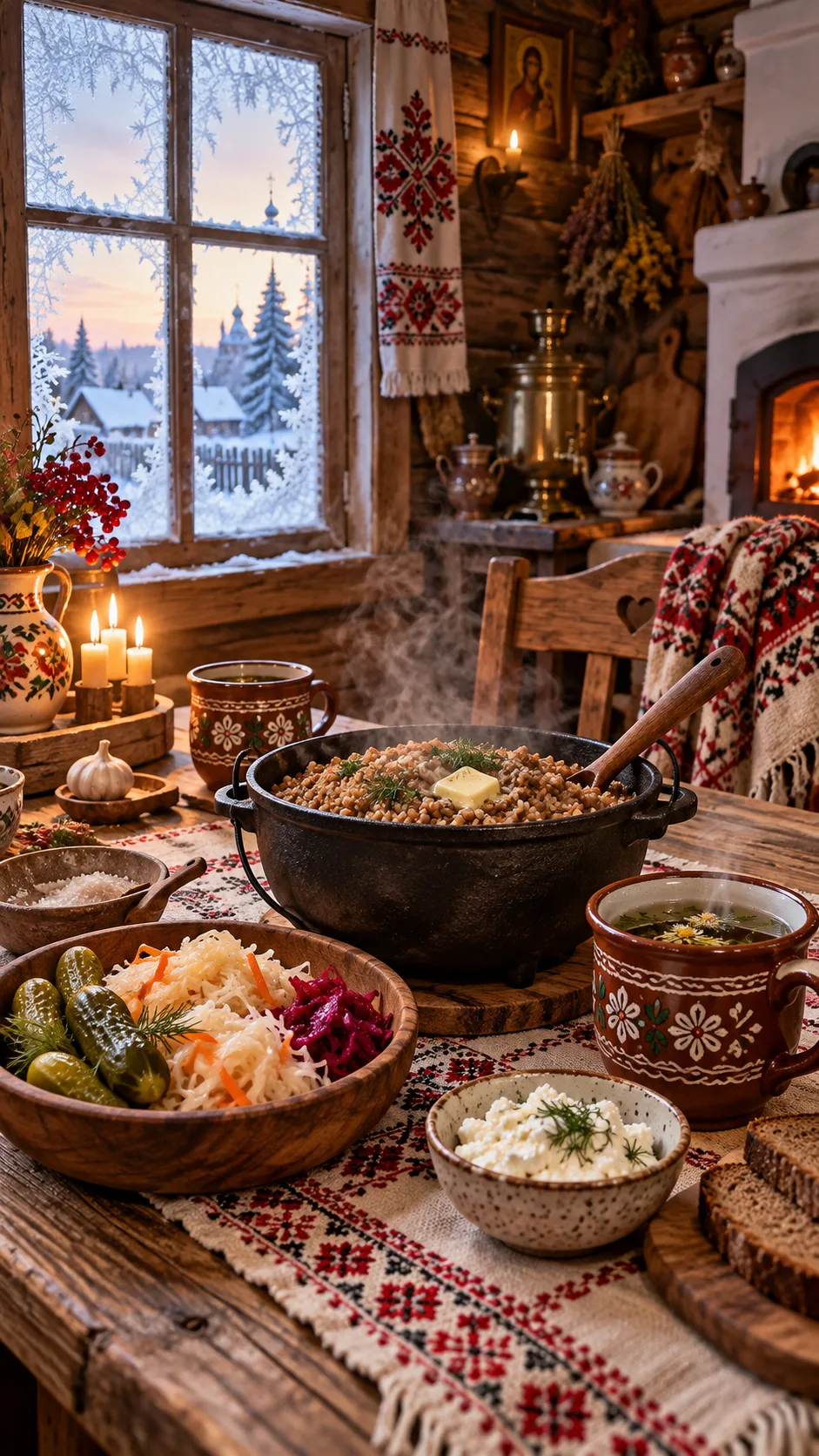
How to Use Slavic Principles in Daily Meals
You do not need land in Eastern Europe to benefit from these habits. You can build metabolic strength by swapping commercial, highly refined foods for practical Slavic staples available at local markets.
Step 1: Upgrade Your Daily Grain
Drop instant white rice and processed white pasta. Pick up a bag of toasted buckwheat groats (grechka). Cook them in a standard two-to-one water ratio with sea salt, and fold in a pat of grass-fed butter before serving. Pair it with eggs, beef, or roasted mushrooms.
Step 2: Add Real Fermented Vegetables
Buy raw sauerkraut or brine-fermented pickles made without vinegar, sugar, or chemical preservatives. Eat two forkfuls of raw fermented vegetables right before lunch and dinner. This habit supplies live probiotics and stimulates stomach acid before your main meal.
Step 3: Drink Unsweetened Kefir
Replace packaged afternoon snacks with a glass of plain, full-fat kefir. Add a handful of berries or a sprinkle of cinnamon if you prefer extra flavor. The combination of protein, healthy fat, and probiotics halts afternoon hunger immediately.
Step 4: Cook Beetroot Broths
Boil beets, cabbage, onions, garlic, and beef shanks into a large pot of soup. Top each bowl with chopped fresh dill and real sour cream. You get cardiovascular support, deep hydration, and easy digestion in one simple meal.
Sample One-Day Slavic Menu
- Breakfast: Two slices of dark rye sourdough with grass-fed butter, smoked sardines, fresh radishes, and a glass of plain kefir.
- Lunch: A bowl of hot beet borscht made with beef shank broth, cabbage, shredded beets, garlic, dill, and a spoonful of smetana.
- Snack: A glass of chilled rye kvass or raw beet tonic with a small handful of walnuts.
- Dinner: Warm toasted grechka served with pan-seared mushrooms, stewed beef, a generous serving of raw sauerkraut, and a sour brine pickle.
The Root of Slavic Physical Stamina
The Slavic diet works because it ignores passing food fads. It avoids refined carbohydrates, welcomes natural pasture-raised fats, and skips laboratory supplements. Instead, it relies on basic, time-tested habits: wild herbs, sourdough fermentation, cold-weather roots, and seasonal variation.
When you build meals around sour rye, toasted buckwheat, live fermented pickles, and fresh garden herbs, you give your body the exact nutrients that kept Eastern Europeans strong through brutal winters and relentless physical toil. Stock your kitchen with these affordable staples to build lasting digestive health and steady daily energy.