

Going gluten free sounds simple until you stand in the grocery aisle, squint at a sauce label, and wonder why wheat turns up in everything. You can make a gluten free diet work without turning every meal into a research project.
This beginner’s playbook explains gluten, foods you can eat, foods to avoid, and habits that help you stay on track. You do not need sad desk salads or crackers that taste like packing material.
One important heads-up: Talk with a doctor before you stop eating gluten if you suspect celiac disease. Celiac testing works best while you still eat gluten, so quitting too soon can make the results harder to interpret.
First, what does “gluten free” mean?
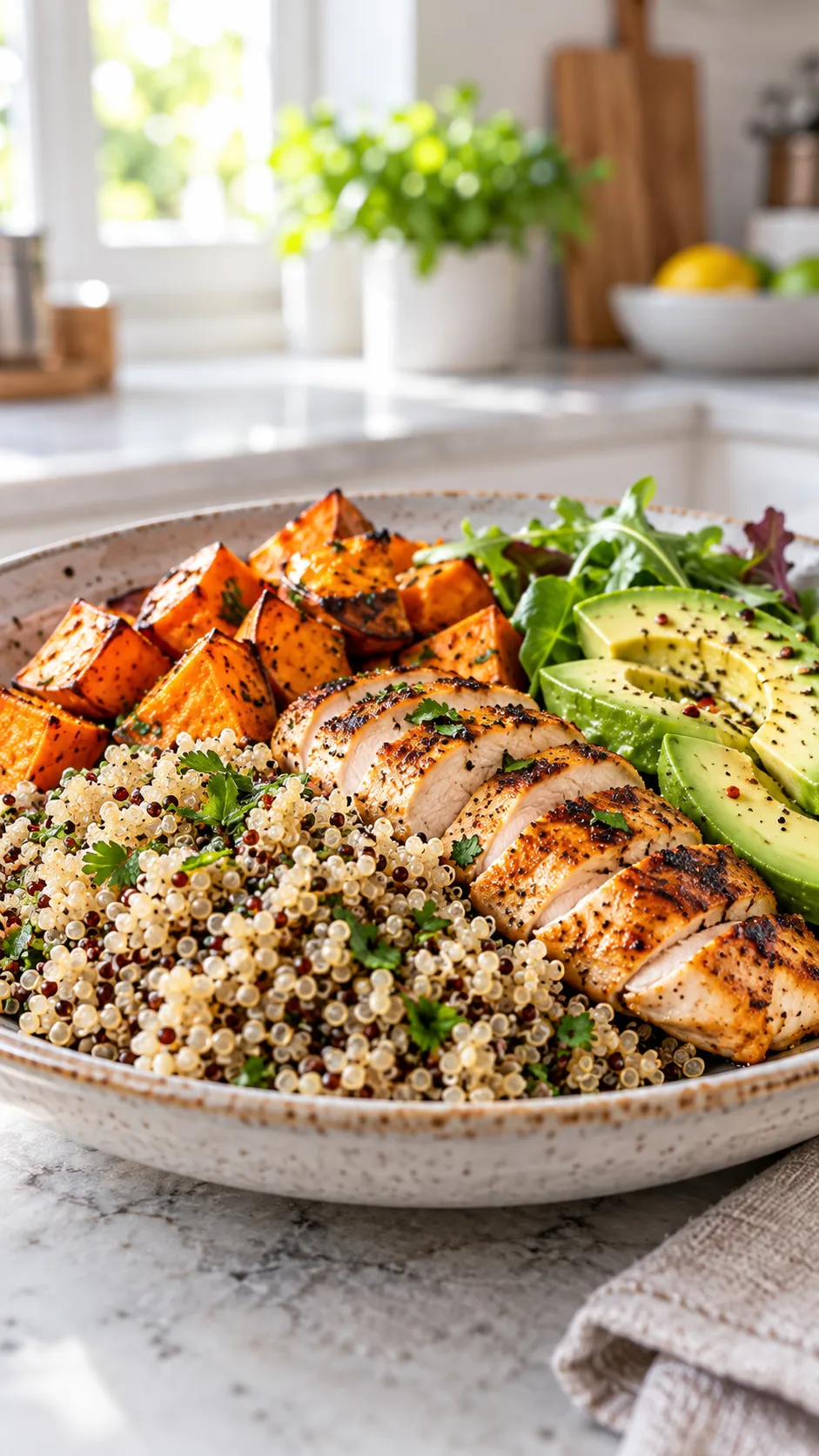
Gluten is a group of proteins found naturally in wheat, barley, and rye. It gives bread dough its stretch and helps baked goods hold their shape. That works well for a fluffy loaf. It does not work well when your body cannot tolerate gluten.
A gluten free diet leaves out foods and ingredients that contain those grains. People follow this diet because of celiac disease, non-celiac gluten sensitivity, wheat allergy, or personal preference.
Celiac disease, wheat allergy, and gluten sensitivity differ
Celiac disease causes an autoimmune reaction when someone eats gluten. That reaction damages the small intestine over time and can interfere with nutrient absorption. People with celiac disease need to avoid gluten for life and pay close attention to cross-contact.
A wheat allergy involves the immune system, but it does not work like celiac disease. Wheat can cause hives, swelling, breathing trouble, stomach pain, or anaphylaxis in severe cases. An allergist can help you identify the cause safely.
Non-celiac gluten sensitivity can cause symptoms after someone eats gluten-containing foods, without causing the intestinal damage linked with celiac disease. Some people react to fermentable carbohydrates in wheat rather than gluten itself. If bloating and gut trouble top your list of symptoms, the low FODMAP diet beginner’s guide may give you useful context.
The Celiac Disease Foundation’s guide to celiac disease explains the condition in clear, research-backed detail. You deserve real answers, not a social media diagnosis from someone holding a green juice.
Foods you can eat on a gluten free diet
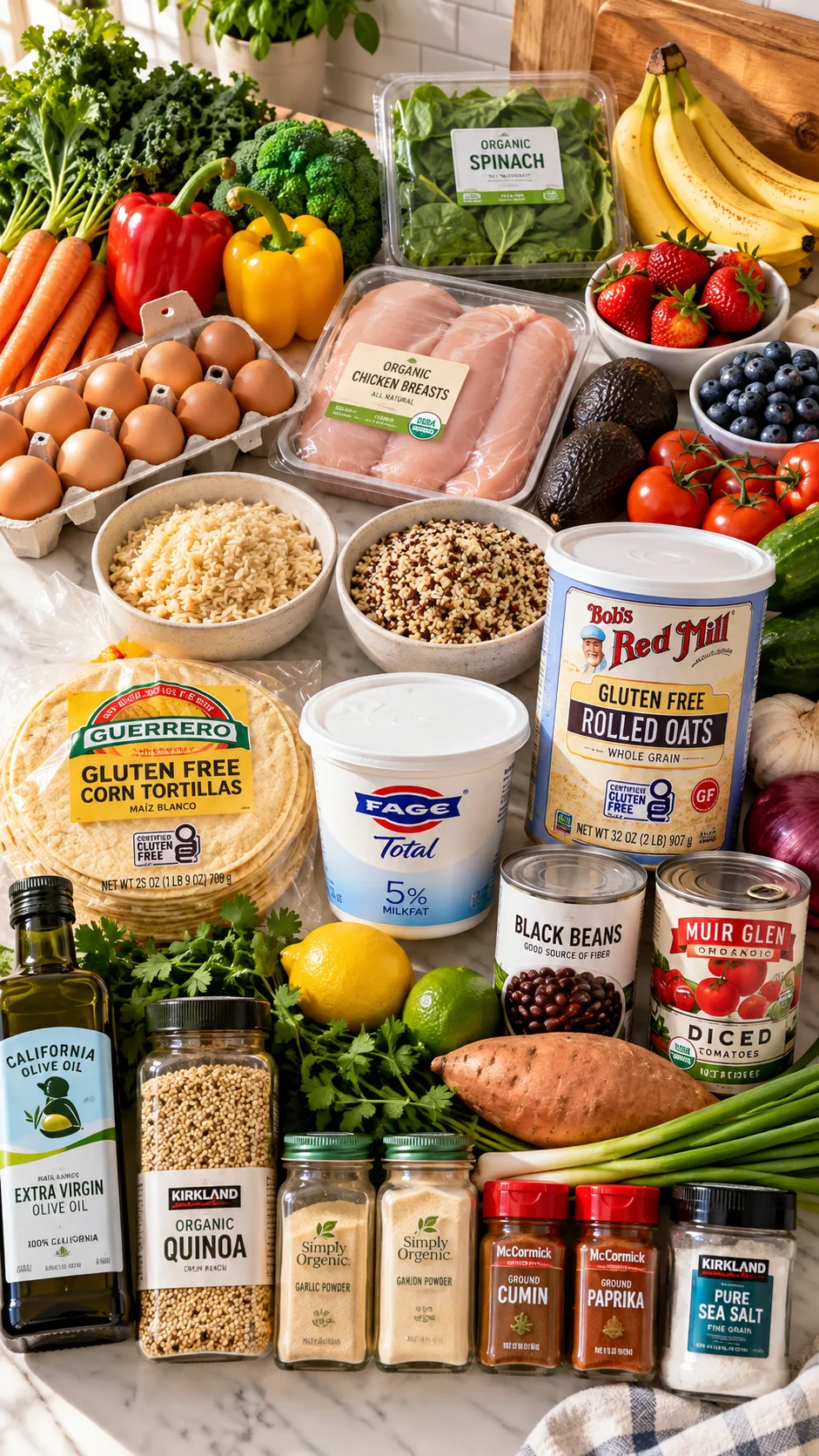
A gluten free diet includes much more than pricey replacement bread. Plenty of naturally gluten free foods can anchor filling, affordable meals. Start with those foods, then bring in packaged options when they make your life easier.
Naturally gluten free foods to put on your plate
- Fruit and vegetables: Fresh, frozen, canned, and dried options can work, as long as sauces and seasoning mixes do not contain gluten.
- Meat, poultry, fish, and eggs: Choose plain, unbreaded options, and check marinades, deli meats, sausages, and other processed products.
- Dairy and dairy alternatives: Milk, plain yogurt, cheese, and butter usually fit, but flavored products can contain unexpected ingredients.
- Beans, lentils, nuts, and seeds: These foods bring fiber, protein, and staying power to gluten free meals.
- Gluten free grains and starches: Rice, quinoa, buckwheat, millet, corn, potatoes, cassava, sorghum, amaranth, and teff all fit.
- Healthy fats: Olive oil, avocado, nuts, seeds, and nut butters help meals taste satisfying.
Whole foods make gluten free eating easier because they require less label reading. A baked potato, grilled salmon, broccoli, and olive oil need no detective work. That alone can feel like a relief.
Gluten free grains worth keeping around
Rice and potatoes can cover plenty of meals, but different grains keep dinner from getting dull. Quinoa adds protein, buckwheat makes a hearty breakfast, and corn tortillas keep taco night simple. Despite its confusing name, buckwheat does not contain wheat.
Oats need extra care. Oats do not naturally contain gluten, but companies often process them near wheat, barley, or rye. Choose oats labeled “certified gluten free”, especially if you have celiac disease.
The U.S. Food and Drug Administration’s gluten free labeling overview explains the federal standard for products that carry a gluten free claim. Labels help, but read the ingredient list when a product raises questions.
Foods to avoid when you go gluten free
The three main gluten-containing grains are wheat, barley, and rye. Triticale, a wheat and rye hybrid, contains gluten too. If a food contains any of these grains, it does not fit a gluten free diet.
The obvious gluten foods
- Bread, bagels, rolls, pita, and flour tortillas made with wheat
- Regular pasta, noodles, couscous, and semolina
- Most conventional cakes, cookies, donuts, pastries, and crackers
- Beer, ales, lagers, and malt beverages made from barley
- Wheat-based breakfast cereal and granola
- Breading, batter, croutons, stuffing, and breadcrumbs
- Regular pizza crust, unless the restaurant offers a gluten free version
That list can feel dramatic at first. Then you remember that tacos, fries, rice bowls, omelets, chili, curries, roast chicken, sushi with gluten free tamari, and dessert can all fit. The diet changes some choices. It does not cancel good food.
The less obvious sources of gluten
Gluten can hide in soy sauce, gravy, soup, salad dressing, seasoning blends, candy, snack mixes, processed meats, and sauces. Malt flavoring and malt vinegar also belong on your avoid list.
Look for ingredient names such as wheat, barley, rye, malt, brewer’s yeast, and, in products from countries with different labeling rules, sometimes unspecified starches or flavorings. Companies change recipes, so read labels even on foods you bought last month.
Restaurants bring another layer of risk. Ask whether the kitchen uses a shared fryer, pasta water, toaster, or prep surface for regular and gluten free food. A gluten free bun cannot do much if someone puts it on a grill covered in crumbs. Tiny crumbs can cause surprisingly big problems.
How to read gluten free food labels without losing your mind
Label reading takes time at first. After a few grocery trips, you will spot the important information faster. You are learning a practical skill, with fewer capes and more pantry staples.
- Look for a gluten free claim. A package that says “gluten free” can make the choice easier, especially with snacks and sauces.
- Read the ingredient list anyway. Check for wheat, barley, rye, and malt, especially when a package leans on vague health claims.
- Check the allergen statement. In the United States, companies must identify wheat clearly, but they do not need to flag barley or rye the same way.
- Pay attention to cross-contact warnings. Statements such as “may contain wheat” matter most for people with celiac disease or wheat allergy. Ask your care team how careful you need to be.
- Do not guess. When you cannot confirm an ingredient, choose something else. You can try it later once you get a clear answer.
A gluten free label does not make a food nutritious. A cookie stays a cookie, even with a gluten free label. Build most meals around protein, produce, fiber-rich carbohydrates, and fats. Then eat treats because you enjoy them.
If you like a flexible approach built around whole foods, the Mediterranean diet for beginners has meal ideas that work well with gluten free eating. Swap regular grains and bread for certified gluten free options.
Cross-contact: the detail that matters most for celiac disease
Cross-contact happens when gluten free food picks up gluten from crumbs, utensils, cooking surfaces, or shared equipment. Even a very small amount of gluten can harm someone with celiac disease. You do not need to clean your house like a crime scene, but you do need a practical routine.
Simple kitchen rules that help
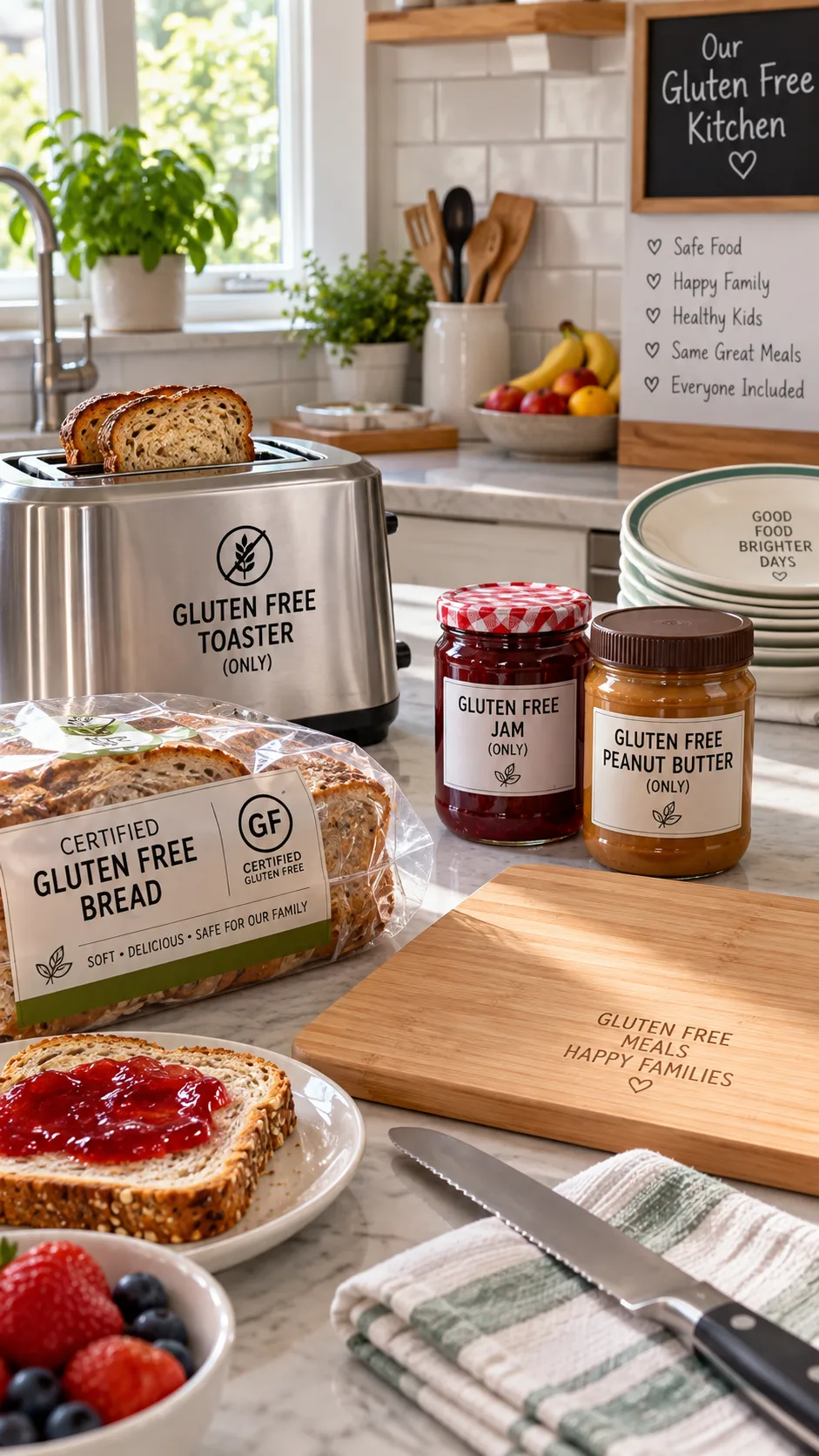
- Use a separate toaster for gluten free bread, or use toaster bags made for gluten free food.
- Keep separate butter, peanut butter, jam, and mayonnaise jars so nobody drags bread crumbs into them.
- Wash cutting boards, pans, colanders, utensils, and counters thoroughly before you cook.
- Store gluten free flour and snacks above regular flour and bread products.
- Use clean oil for gluten free frying because old fryer oil can hold crumbs and batter.
- Serve gluten free food first during shared meals to protect it from stray crumbs.
Shared kitchens can work when everyone follows clear rules. Label your gluten free staples, explain why the routine matters, and set things up so safe choices feel easy. A second toaster costs less than constant anxiety.
The National Institute of Diabetes and Digestive and Kidney Diseases offers reliable guidance on celiac disease nutrition and avoiding gluten. Save the page for days when an ingredient label feels suspicious.
Your easy gluten free meal plan formula
You do not need a complicated meal plan to eat well without gluten. Choose a protein, add produce, pick a gluten free carbohydrate, and finish with flavor. That formula works for breakfast, lunch, dinner, and the meal you throw together after forgetting to eat all day.
Gluten free breakfast ideas
- Certified gluten free oats with berries, chia seeds, and Greek yogurt
- Eggs with spinach, cheese, avocado, and corn tortillas
- Plain yogurt with fruit, nuts, and certified gluten free granola
- Breakfast potatoes with peppers, onions, and scrambled eggs
- A smoothie with milk or soy milk, banana, peanut butter, berries, and protein powder labeled gluten free
Gluten free lunch and dinner ideas
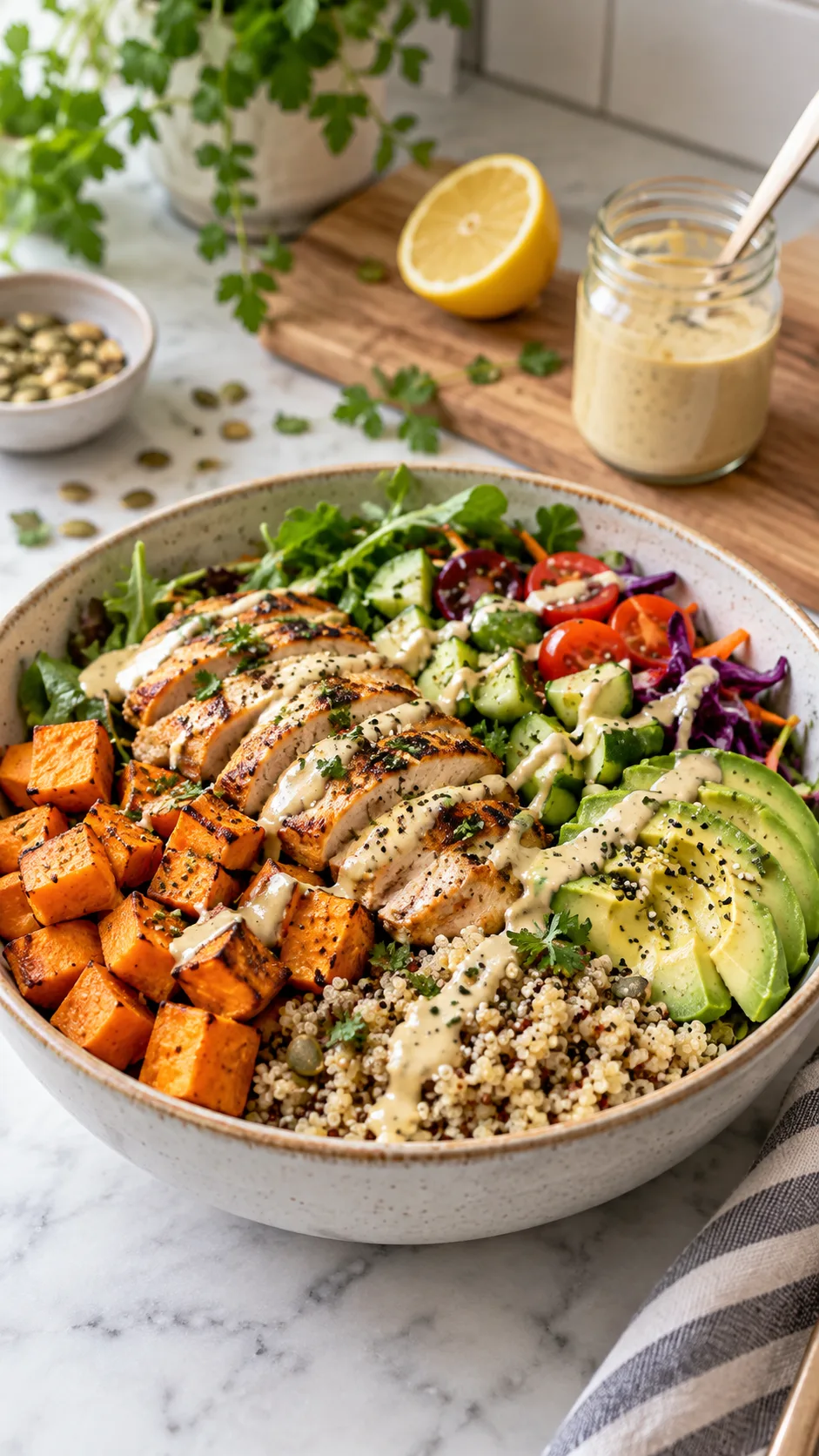
- Rice bowl with chicken, roasted vegetables, avocado, and gluten free tamari
- Loaded baked potato with chili, cheese, Greek yogurt, and scallions
- Quinoa salad with chickpeas, cucumber, tomato, feta, herbs, and olive oil
- Salmon tacos in corn tortillas with cabbage slaw and salsa
- Gluten free pasta with turkey meat sauce and a big side salad
- Sheet-pan chicken thighs, potatoes, broccoli, and lemon-garlic olive oil
Meal prep can help, but you do not need to spend every Sunday surrounded by identical plastic containers. Roast vegetables, cook rice or quinoa, prepare a protein, and keep a few sauces you trust in the fridge. Mix those foods through the week, and dinner becomes less of a daily battle.
How to stick with a gluten free diet in real life
Consistency matters more than perfection. You might skim a label too quickly, order something confusing, or learn that your favorite seasoning contains wheat. Take the lesson, adjust your routine, and move on.
Make your first two weeks easy
Begin with naturally gluten free meals you already enjoy. Chicken and rice, eggs and potatoes, chili, tacos on corn tortillas, yogurt bowls, and stir-fries with gluten free tamari all work well. Save substitute baking projects for later, when you feel like running a kitchen science experiment.
Choose five breakfasts, five lunches, and five dinners that you can repeat. Repetition cuts decision fatigue and lowers your grocery bill. You can add more variety once your routine feels steady.
Plan for restaurants, travel, and other chaos
Check restaurant menus before you leave home. If you have celiac disease, call ahead and ask clear questions when you arrive: “Can the kitchen prevent cross-contact?” and “Do you use a dedicated fryer?”
Pack backup snacks when you travel. Nuts, fruit, certified gluten free protein bars, cheese sticks, rice cakes, tuna packets, and gluten free jerky can keep hunger from making your decisions for you. Airports rarely inspire confidence in anyone holding a suspicious salad.
Tell close friends and family what you need, especially if you have celiac disease. You do not need a dramatic speech. A simple “I cannot eat wheat, barley, rye, or food that touches them” gives people a useful place to start.
Keep nutrition on your radar
Some packaged gluten free foods contain less fiber, iron, folate, and B vitamins than similar wheat-based foods. Build meals around beans, vegetables, fruit, nuts, seeds, lean proteins, dairy or fortified alternatives, and gluten free whole grains.
Ask a registered dietitian for personal guidance if you feel tired, lose weight without trying, struggle with symptoms, or need support after a celiac diagnosis. A dietitian can help you meet your nutrient needs without making food feel like homework.
You can also use a simple approach from the macros diet for beginners guide if you want help balancing protein, carbohydrates, and fats. Choose gluten free carbohydrate sources such as rice, potatoes, quinoa, corn, and certified gluten free oats.
Common gluten free diet mistakes to avoid
Most beginners make mistakes because they rush, not because they lack discipline. You learn the rules one meal at a time. A few practical changes can make the process easier.
- Replacing every food with a packaged substitute: Gluten free bread and cookies can fit, but whole foods often cost less and provide more nutrition.
- Ignoring sauces and seasonings: Check soy sauce, marinades, dressings, soup bases, and spice blends every time.
- Assuming “wheat free” means gluten free: A product can leave out wheat and still contain barley or rye.
- Forgetting about cross-contact: This matters most for people with celiac disease and wheat allergy.
- Cutting gluten before medical testing: Keep eating gluten until your doctor completes testing if you suspect celiac disease.
- Eating too little fiber: Add beans, vegetables, fruit, chia, flax, quinoa, and certified gluten free oats to support digestion.
The biggest win comes when you treat gluten free eating as a skill rather than a personality trait. You do not need to become “the gluten free person.” You need food that keeps you healthy, satisfied, and confident.
Final takeaway: keep it simple, then keep going
A gluten free diet works best when you focus on naturally gluten free foods, read labels carefully, and make a realistic plan for your kitchen and schedule. Avoid wheat, barley, rye, and hidden sources of gluten. Take cross-contact seriously if you have celiac disease.
Start with meals you already enjoy, keep safe snacks nearby, and give yourself room to learn. You do not need a perfect gluten free life. You need a gluten free routine that works for you. Your next meal gives you a good place to begin.