

You’ve tried a 1000 calorie day before, haven’t you? You made it to about 2pm, then the office biscuits started whispering your name. By 8pm you’d eaten half a loaf of bread standing over the sink, and you swore diets just don’t work for you.
Here’s the thing: the calorie number wasn’t the problem. Your food choices were. A thousand calories of the wrong stuff leaves you hollow, cranky and dreaming of jollof rice by mid afternoon. A thousand calories of the right stuff? You forget to snack. I’ve watched it happen with clients, with friends, and with my own stubborn self.
So let me show you how to build a low calorie meal plan that fills you up instead of wearing you down. One warning before we go any further: this plan isn’t for everyone, and I’ll tell you honestly who should skip it.
First, the honest talk nobody gives you
A 1000 calorie diet sits firmly in very low calorie territory for most adults. The average woman needs roughly 2000 calories a day and the average man around 2500, so you’re cutting deep. That isn’t automatically dangerous. It also isn’t a lifestyle.
The NHS advises people to follow very low calorie diets for a maximum of 12 weeks, ideally with medical supervision. You can read their guidance on very low calorie diets here. I’m not your doctor, and I’d genuinely rather you talk to one before you start.
Who should not attempt this?
- Pregnant or breastfeeding women. Full stop, no debate
- Teenagers and anyone under 18
- People with a history of disordered eating
- Anyone managing type 1 diabetes or taking insulin without a doctor’s input
- Highly active people. If you train twice a day, this will wreck you
- Anyone who is already quite lean
Still with me? Good. Let’s make 1000 calories feel like 1800.
Why most 1000 calorie plans leave you starving
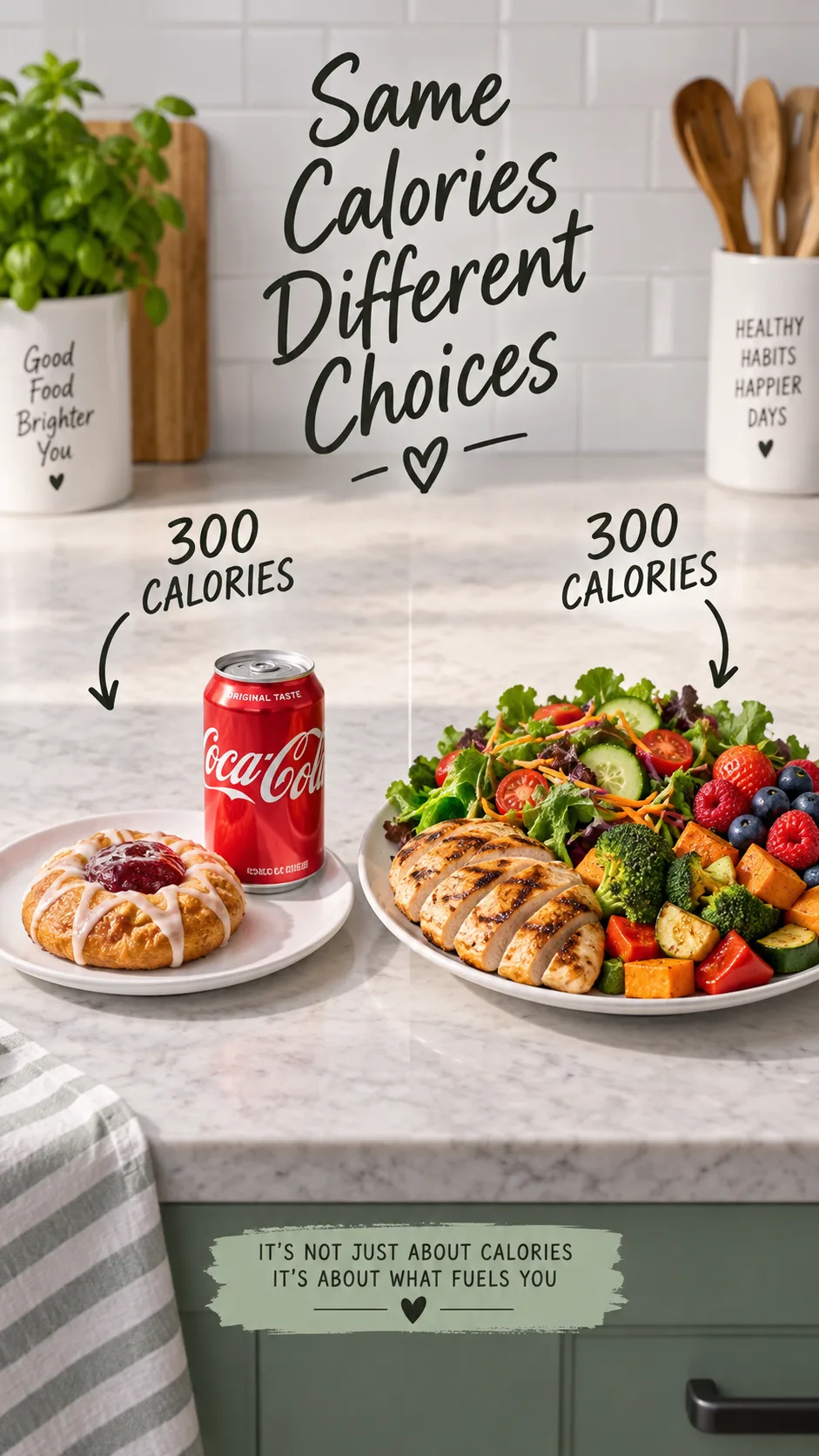
Ever wondered why a small chocolate croissant (roughly 300 calories) disappears in 90 seconds, while 300 calories of chicken and vegetables takes ten minutes and shuts your hunger down? Same energy, wildly different experience.
Your stomach doesn’t count calories. It counts volume, protein, fiber and chewing time. Ignore those levers and you’ll white-knuckle your way through the day. Pull them properly and hunger fades into background noise.
The satiety levers that do all the work
- Protein. The most filling macronutrient by a country mile. Research keeps finding that higher protein intakes reduce appetite and cut how much people eat without trying. The American Journal of Clinical Nutrition has published solid work on protein and satiety hormones.
- Fiber. It slows digestion, feeds your gut bacteria and physically takes up space. Harvard’s nutrition team explains why fiber matters here.
- Water-heavy volume. Soups, salads, cucumber, watermelon, courgette. Cheap calories, enormous plates.
- Chewing time. Food that takes effort to eat gives your brain a chance to catch up.
IMO, the biggest mistake people make is going low fat and low protein at the same time. You end up eating plain rice and boiled yam, then wondering why you want to cry by 4pm.
The rules I follow for every single meal
I don’t count macros to the decimal. I follow five rules instead, and they handle about 90% of the job.
- Protein first, always. Aim for 25 to 35g per main meal. Eat it before the carbs on your plate.
- Fill half the plate with non-starchy vegetables. They cost you almost nothing calorie-wise.
- Keep fats small but real. A teaspoon of olive oil, half an avocado, a few peanuts. Fat carries flavour and stops food tasting like punishment.
- Drink water before eating. Roughly 500ml, 20 minutes ahead. It sounds like grandma advice. It works anyway.
- Chew like you mean it. Fullness signals take about 20 minutes to arrive. Inhaling your food skips the memo.
Foods that punch above their calorie weight
- Eggs. 70 calories, 6g protein, ridiculously satisfying
- Plain Greek yogurt. Thick, creamy, loaded with protein
- Chicken breast, turkey, white fish. Your lean protein workhorses
- Beans and lentils. Protein and fiber in one package
- Ugu, spinach, cabbage, broccoli, cucumber. Volume for pennies
- Berries. A sweet fix with a low sugar load
- Konjac or shirataki noodles. Nearly zero calories, odd texture, genuinely useful
- Clear broths and pepper soup. Hot liquid fools your stomach beautifully
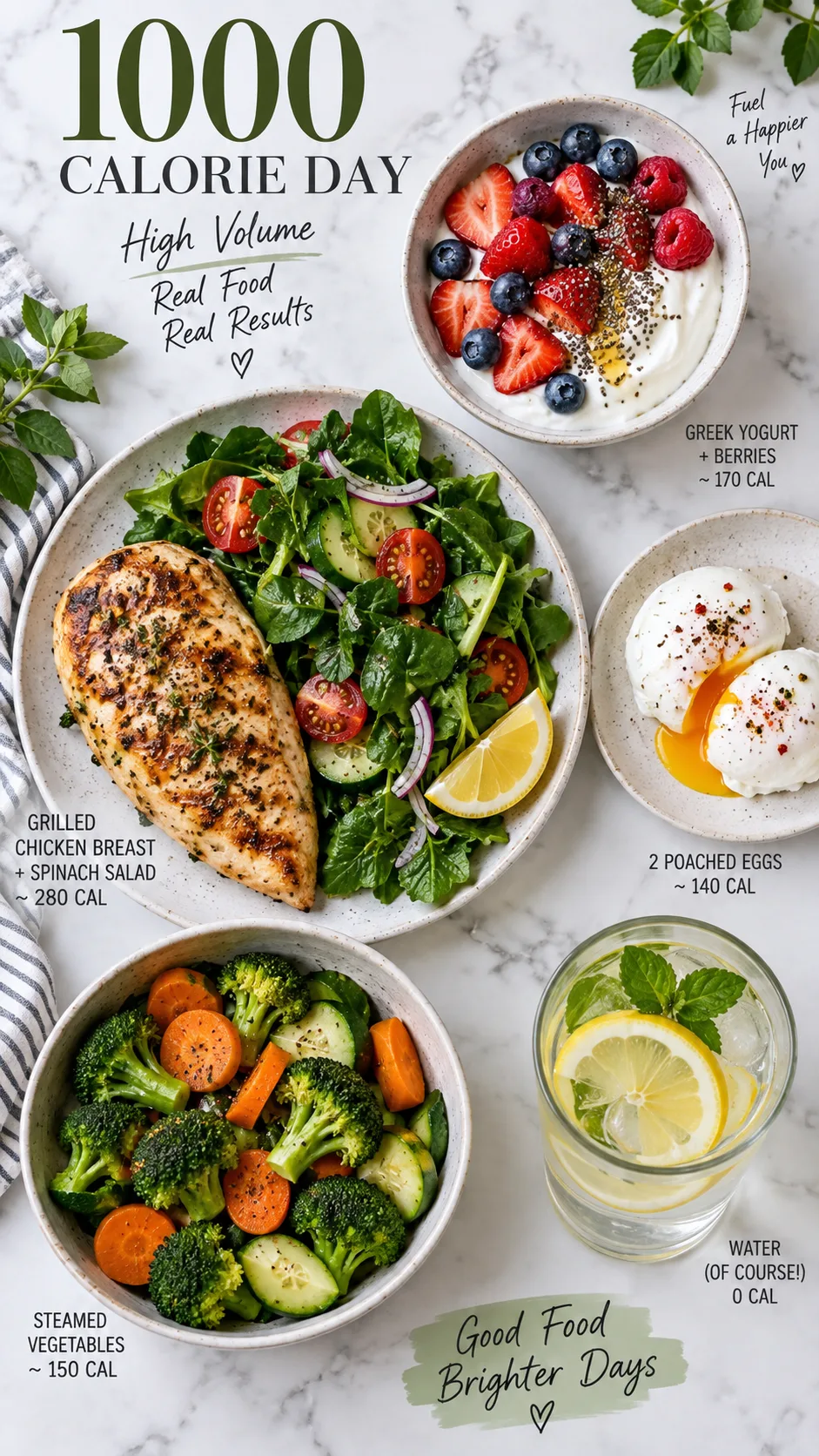
The 1000 calorie meal plan, day one
Here’s a full day I’ve eaten myself more than once. It lands around 1000 calories with roughly 100g of protein, which is the whole secret.
Breakfast, about 250 calories
- 2 whole eggs, scrambled in a non-stick pan with a spray of oil
- A big handful of spinach wilted in with them
- 1 slice of wholemeal toast
- Black coffee or green tea
Eggs early in the day cut how much you eat later on. If you want more morning options built around local ingredients, this list of 15 Nigerian breakfast ideas for weight loss is a good place to raid for variety.
Lunch, about 350 calories
- 120g grilled chicken breast, seasoned properly (dry spices cost you nothing)
- An enormous salad: lettuce, cucumber, tomato, red onion, grated carrot
- Dressing of 1 tsp olive oil, lemon juice and mustard
- 3 tablespoons of cooked beans stirred through
That bowl looks absurdly big. People at work will assume you’re eating loads. Let them.
Afternoon snack, about 150 calories
- 150g plain Greek yogurt
- A handful of berries or half a chopped apple
- Cinnamon on top (free flavour, always)
Dinner, about 250 calories
- 140g white fish (tilapia, cod, croaker) baked with pepper, garlic and ginger
- Steamed broccoli, cabbage and green beans, as much as you want
- 2 tablespoons of brown rice, or a small serving of cauliflower rice
Total: roughly 1000 calories, about 100g protein, about 30g fiber. Notice how much food that is? That’s the point.
Days two and three, because variety stops quitting
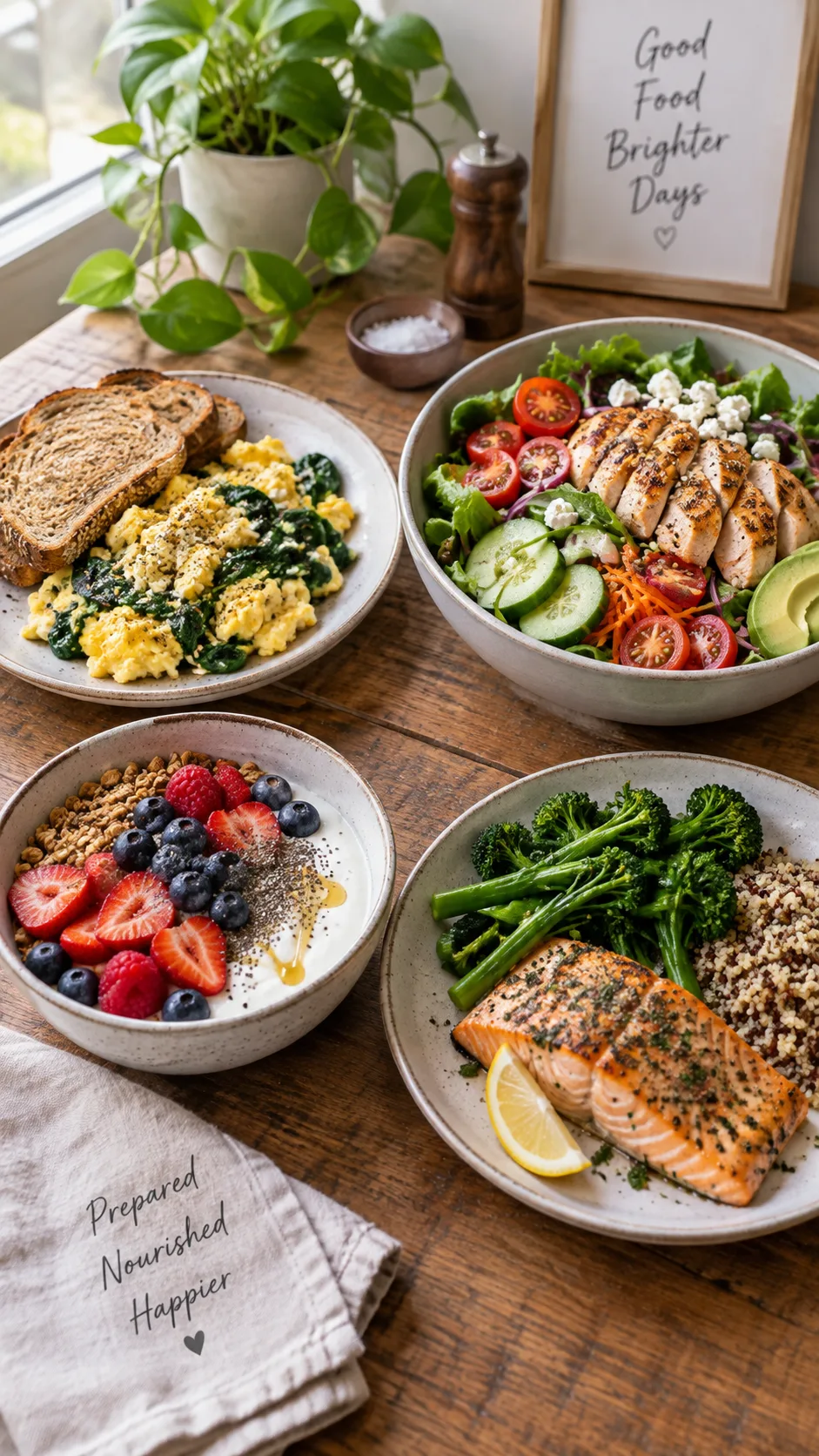
Eating the same four meals forever guarantees failure. Here are two more rotations at the same calorie level.
Day two
- Breakfast (240 cal): Overnight oats with 30g oats, 150ml unsweetened almond milk, 1 scoop protein powder and cinnamon
- Lunch (340 cal): Turkey and vegetable pepper soup, a huge bowl, with a small portion of boiled yam (about 60g)
- Snack (140 cal): 1 boiled egg and a pear
- Dinner (280 cal): Stir-fried prawns with courgette noodles, garlic, chilli and 1 tsp sesame oil
Day three
- Breakfast (230 cal): Moi moi (one medium wrap) and a cup of green tea
- Lunch (360 cal): Grilled chicken with vegetable sauce (efo riro style, minimal oil) and a fist-sized portion of unripe plantain
- Snack (130 cal): 20g roasted groundnuts with cucumber sticks
- Dinner (280 cal): Lentil and tomato stew with steamed cabbage
If you cook Nigerian food daily, don’t fight it. Work with it. This breakdown of 39 best Nigerian foods for weight loss saved me a lot of guesswork when I was adapting plans for family meals.
The portion tricks that make this sustainable
You don’t need a food scale forever. You do need one for the first two weeks, because your eyeballs lie constantly. Mine certainly did about “one tablespoon” of groundnut oil.
Hand measurements that hold up
- Protein: one palm-sized portion per meal
- Vegetables: two cupped hands minimum
- Carbs: one cupped hand, max
- Fats: one thumb
Kitchen moves that save hundreds of calories
- Swap frying for grilling, baking or air-frying. Same food, 100 to 200 fewer calories per meal.
- Measure oil with a teaspoon instead of pouring from the bottle. One free pour easily hits 3 tablespoons, which is 360 calories you never planned for.
- Skim the oil off your stews. Chill the pot, lift the solidified layer off the top, done.
- Bulk out stews with vegetables. Grated carrot, cabbage and garden egg stretch the portion without stretching the calories.
- Use smaller plates. Yes, really. Your brain judges fullness with its eyes.
Handling the hunger that still shows up
I’ll be straight with you: even a well-built 1000 calorie plan gets uncomfortable sometimes. Around day three or four, your body notices something changed. That’s normal, and it usually settles within a week.
My emergency hunger toolkit
- Drink 500ml of water and wait 15 minutes. Thirst pretends to be hunger all the time.
- Brew something hot. Green tea, black coffee, herbal tea. Warmth calms the stomach.
- Eat a bowl of clear broth. Maybe 20 calories, huge psychological payoff.
- Chew sugar-free gum while you cook. It stops the “tasting” nibbles that quietly add 200 calories.
- Go for a 10-minute walk. Cravings usually pass in under 20 minutes if you give yourself something else to do.
- Sleep properly. Poor sleep raises ghrelin and flattens your willpower. That isn’t a theory: the Sleep Foundation covers the research well.
Timing beats willpower
Some people do brilliantly on three meals plus one snack. Others prefer squeezing all 1000 calories into an 8-hour window, which makes each meal feel generous. If the second sounds appealing, this guide on the intermittent fasting schedule pairs neatly with low-calorie eating.
Personally? I hate fasting in the morning. I get grumpy and useless before 10am, so I eat breakfast and keep dinner light. Test both. Pick the one you can repeat on a bad Tuesday.

What to expect week by week
Managing your expectations matters more than any recipe. Here’s the realistic timeline.
- Week 1: The scale drops fast, mostly water weight and lost glycogen. Expect possible headaches, mild fatigue and a short temper.
- Week 2: Hunger settles considerably. Energy steadies. Clothes start feeling different.
- Weeks 3 and 4: Steady fat loss, typically 0.5kg to 1kg per week depending on where you started.
- Weeks 5 to 8: Progress slows. That’s normal, not failure. A smaller body burns fewer calories.
- Week 12: Time to transition upward. Seriously.
The exit strategy nobody plans (but everyone needs)
Here’s where most people blow it. They hit their goal, celebrate with three weeks of unrestricted eating, then regain everything plus interest. Sound familiar?
Instead, add 100 to 150 calories back per week until you reach maintenance. Put those calories into protein and whole carbs, not biscuits. Keep weighing yourself twice a week. Adjust calmly. That gradual ramp is what protects your results over the long haul, and the CDC’s weight management guidance makes the same point about slow, maintainable change.
Common mistakes that sabotage the whole thing
- Forgetting liquid calories. That daily bottle of malt, juice or sweetened coffee? Easily 300 calories. A third of your day, gone.
- Undereating protein. Stay under 80g a day at this calorie level and you’ll lose more muscle than you should.
- Skipping resistance training. Two or three short sessions a week tell your body to hold onto muscle and burn fat instead.
- Weighing yourself daily and panicking. Weight swings 1kg to 2kg from water, salt and hormones. Watch weekly averages.
- Going zero fat. Your hormones need fat. Keep at least 30g a day.
- Chasing shortcuts. Most fat-burner pills do nothing. If you’re curious about what holds up, this honest breakdown of weight loss supplements worth considering will save you money.
- Zero flexibility. Plan one slightly bigger meal a week. Rigidity breaks people. FYI, so does boredom.
A sample shopping list for the week
- Protein: 2 dozen eggs, 1.5kg chicken breast, 1kg white fish, 500g prawns, 1kg plain Greek yogurt, dried beans, lentils
- Vegetables: spinach or ugu, cabbage, broccoli, cucumbers, tomatoes, onions, peppers, carrots, courgettes, green beans
- Fruit: berries, apples, pears, oranges, watermelon
- Carbs: oats, brown rice, wholemeal bread, unripe plantain, small yam
- Fats: olive oil, groundnuts, avocado
- Flavour: garlic, ginger, chilli, curry, thyme, low sodium stock cubes, lemons, mustard, vinegar
Spices are your best friend on a low calorie meal plan. Bland food breaks diets faster than hunger does.
The bottom line
A 1000 calorie day fails when you fill it with soft, quick, low-protein food. It works when you build every meal around protein, fiber and volume, then season it like someone who enjoys eating.
Remember the essentials:
- 100g protein daily keeps hunger and muscle loss in check
- Half your plate is vegetables, every single meal
- Measure your oil. It’s the silent calorie assassin
- 12 weeks maximum, then ramp back up on purpose
- Talk to your doctor before you start, especially if you’re managing any condition
Start tomorrow morning with two eggs and a pile of spinach. Cook one real meal instead of ordering. Do that for seven days, then judge the plan on how you feel, not just on what the scale says.
A diet you can live with beats a perfect diet you quit on Thursday. Every time.