

You tried a 1200 calorie diet once, and by 3 p.m. you wanted to eat your own desk. Sound familiar? I’ve been there, staring into the fridge like it personally betrayed me, counting almonds like they were diamonds.
Here’s the thing nobody tells you: 1200 calories doesn’t have to feel like punishment. The hunger comes from WHAT you eat, not just how little. Swap the wrong foods for the right ones and suddenly you’re full, energised, and not googling “is it normal to dream about bread.”
This guide gives you real meal plans, real numbers, and real talk about who should (and absolutely shouldn’t) eat this way.
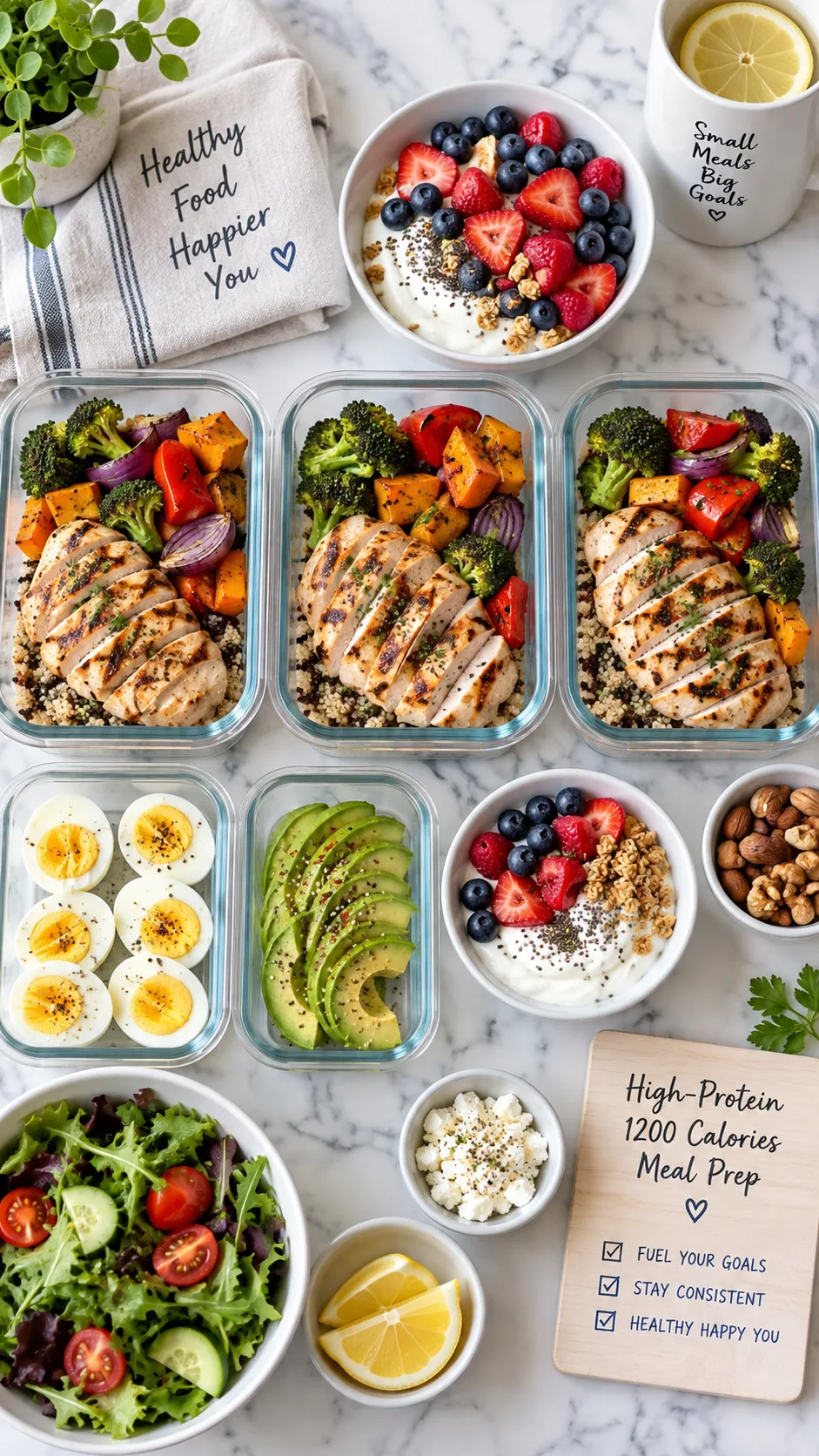
First, let’s get honest about 1200 calories
1200 calories sits at the absolute floor of what most adult women can safely eat. For most men? It’s too low, full stop. The National Institute of Diabetes and Digestive and Kidney Diseases and most registered dietitians treat 1200 as a minimum, not a target to race toward.
Why does that matter? Because eating below your basic needs for months wrecks more than your mood. You lose muscle, your hair thins, your period goes sideways, and your metabolism quietly adapts.
My honest opinion: most people who “fail” at 1200 calories didn’t lack willpower. They lacked protein, fibre, and a plan. Those three fix about 80% of the problem.
Who suits a 1200 calorie plan?
- Shorter women (under 5’4″) with a mostly sedentary job
- Older adults whose calorie needs naturally dropped
- People working with a doctor or dietitian on a short-term, supervised reset
Who should skip it entirely?
- Anyone pregnant or breastfeeding. That one is non-negotiable.
- Teenagers and growing kids
- Athletes or anyone training hard five-plus days a week
- Anyone with a history of disordered eating
- Most adult men (1500 to 1800 suits you better, sorry lads)
Talk to your doctor before you start. I know, boring advice. But so is fainting in a supermarket aisle. :/
Why you get hungry (and how to beat it)
Ever wondered why 1200 calories of chicken, beans and broccoli feels totally different from 1200 calories of muffins and juice? Same number. Completely different body response.
Three things drive fullness, and you control all of them.
1. Protein is your best friend
Protein wins the satiety game by a mile. It slows digestion, blunts ghrelin (your hunger hormone), and protects your muscle while you lose fat. Research summarised by Harvard’s Nutrition Source consistently shows higher-protein diets improve appetite control.
Target: 90 to 120g protein per day on a 1200 calorie plan. That’s high, deliberately. You’re protecting the muscle you already worked for.
2. Fibre fills space for almost free
Vegetables are the cheat code. A giant bowl of roasted courgette, peppers and mushrooms costs you maybe 120 calories and fills your stomach like a proper meal.
Target: 25 to 35g fibre daily. Beans, lentils, oats, berries, leafy greens, chia seeds. Your gut bacteria will throw a party.
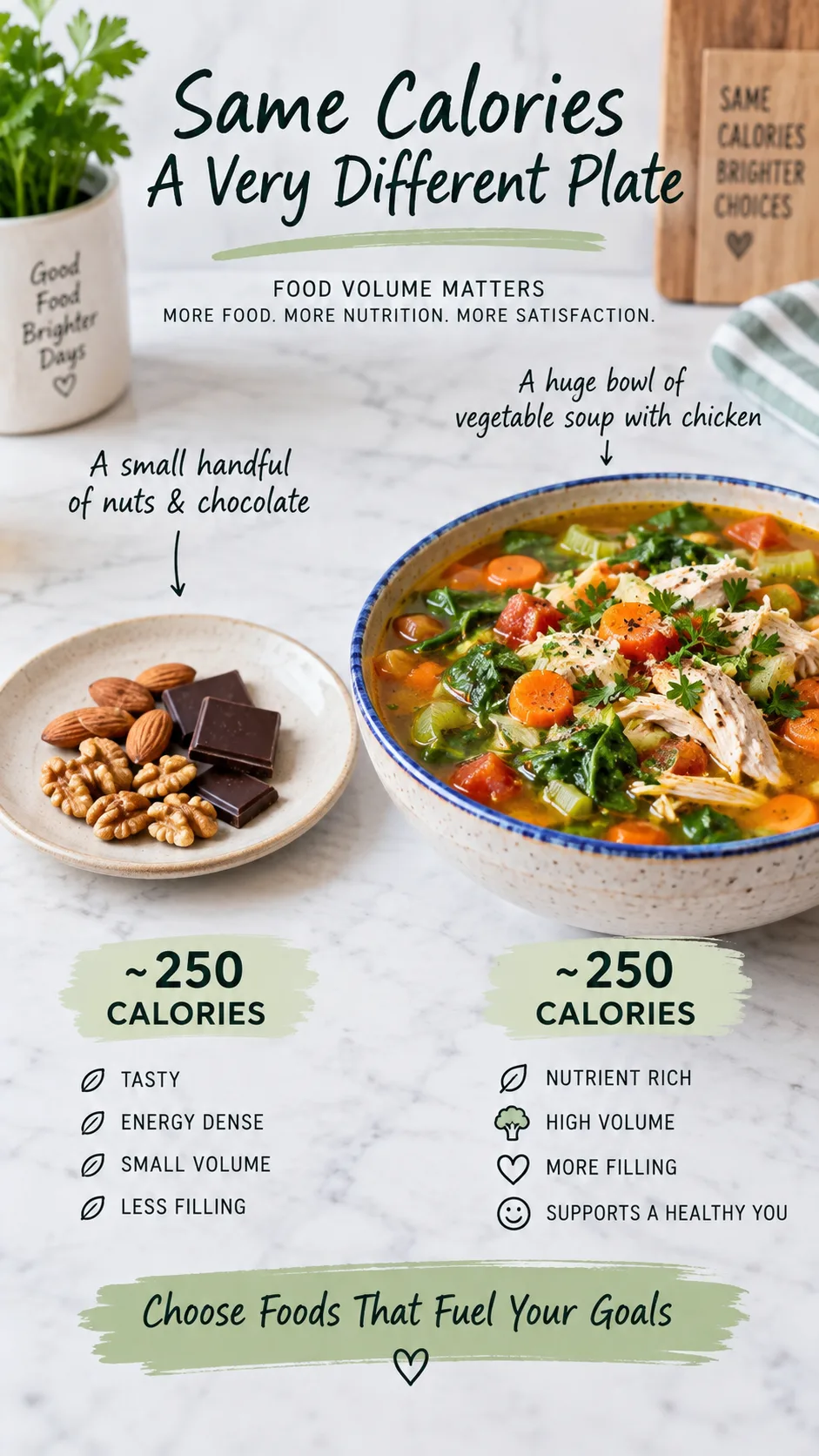
3. Volume beats density
This is the whole trick. Two tablespoons of peanut butter cost 190 calories and disappear in ten seconds. Three cups of vegetable soup with chicken cost 200 calories and give you twenty minutes of eating.
Which one makes you feel fed? Exactly.
The macro split that makes 1200 calories work
Forget complicated calculators for a second. Here’s a split that keeps hunger manageable:
- Protein: 35 to 40% (105 to 120g), the anchor of every meal
- Carbs: 35 to 40% (105 to 120g), mostly fibrous, slow-digesting ones
- Fat: 25 to 30% (33 to 40g), enough for hormones, flavour and sanity
Notice fat isn’t zero. Low-fat everything was a 1990s mistake and it made food taste like cardboard. You need fat to absorb vitamins and, frankly, to enjoy your dinner.
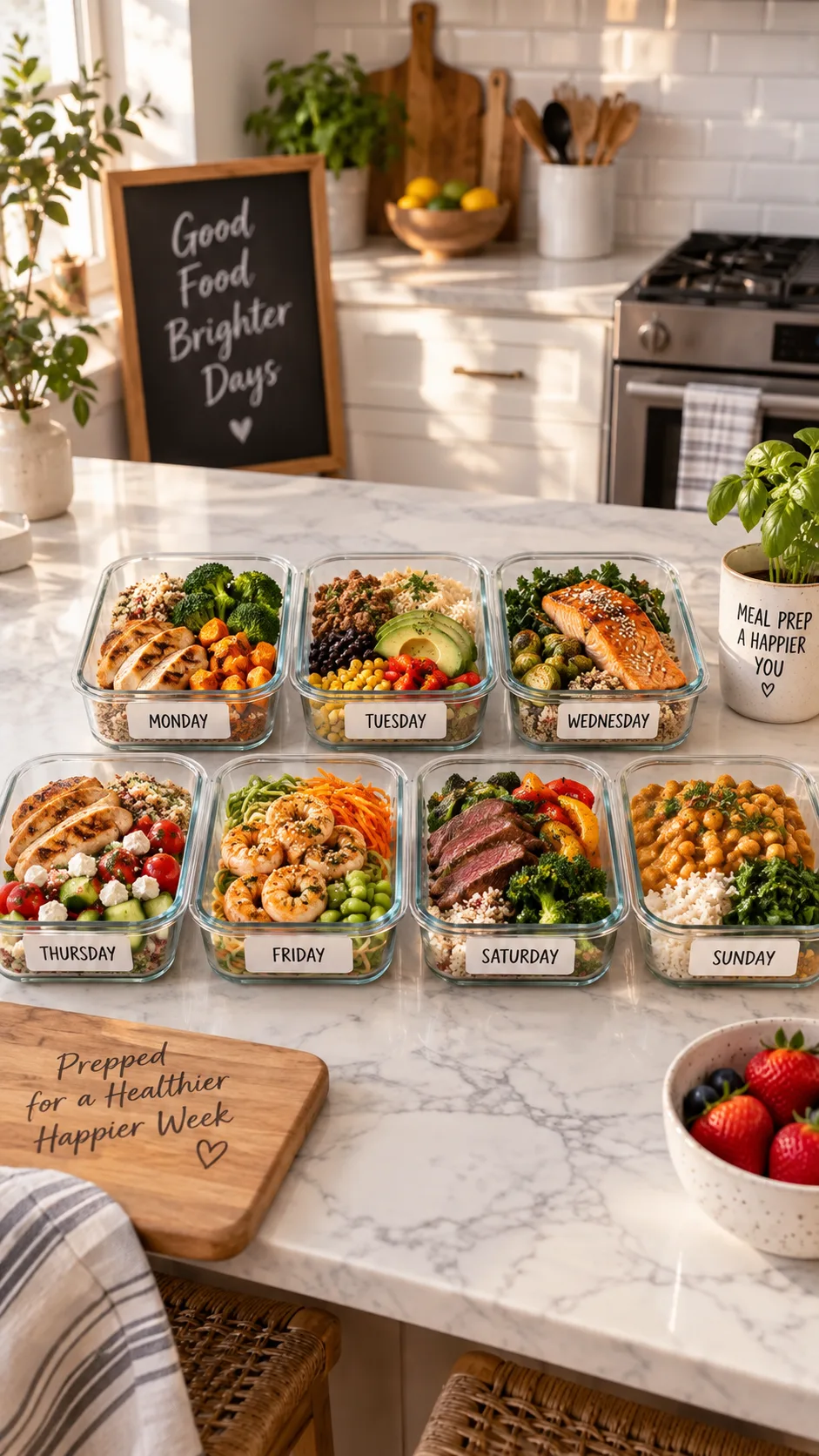
7-day 1200 calorie meal plan (high protein, high fullness)
Here’s the practical part. Every day lands between 1180 and 1230 calories with at least 90g protein. I’ve built these around real food you can buy anywhere.
Day 1: the easy starter
- Breakfast (300 cal): 200g Greek yogurt (0%), 100g mixed berries, 1 tbsp chia seeds, cinnamon
- Lunch (380 cal): Big salad with 120g grilled chicken, mixed greens, cucumber, cherry tomatoes, 1/4 avocado, lemon-mustard dressing
- Snack (120 cal): 2 boiled eggs with black pepper
- Dinner (400 cal): 130g baked salmon, 150g roasted broccoli, 100g sweet potato
Day 2: the comfort day
- Breakfast (290 cal): 40g oats cooked in water, 1 scoop protein powder stirred in, half a sliced banana
- Lunch (370 cal): Lentil and vegetable soup (300g) + 1 slice wholegrain toast
- Snack (140 cal): 150g cottage cheese with sliced tomato
- Dinner (410 cal): Turkey mince chilli (120g turkey, 80g kidney beans, peppers, onion, tomato) over cauliflower rice
Day 3: the lazy cook
- Breakfast (280 cal): 3 egg-white + 1 whole egg scramble with spinach and mushrooms, 1 slice rye toast
- Lunch (390 cal): Tuna (1 tin in water) mixed with Greek yogurt, sweetcorn and red onion, stuffed into a wholemeal wrap
- Snack (130 cal): Apple + 10 almonds
- Dinner (410 cal): Stir-fried prawns (150g) with 200g mixed veg, soy-garlic sauce, 60g cooked brown rice
Day 4: the plant-forward day
- Breakfast (300 cal): Tofu scramble (150g firm tofu) with turmeric, peppers and spinach
- Lunch (380 cal): Chickpea salad bowl with 120g chickpeas, quinoa (50g cooked), cucumber, parsley, tahini drizzle
- Snack (120 cal): Soy yogurt with 1 tsp pumpkin seeds
- Dinner (400 cal): Black bean and vegetable curry with 60g cooked basmati rice
Day 5: the social day
Going out for dinner? Plan around it. Eat light and protein-heavy early, then spend your calories where they matter.
- Breakfast (230 cal): Protein shake with water + 1 small pear
- Lunch (270 cal): Two boiled eggs + large mixed salad with vinegar dressing
- Snack (100 cal): 150g cucumber and carrot sticks with 2 tbsp hummus
- Dinner out (600 cal): Grilled fish or chicken, side vegetables, small portion of potatoes, skip the bread basket
Day 6: the batch-cook day
- Breakfast (310 cal): Overnight oats with 35g oats, 150g skyr, 1 tsp honey, strawberries
- Lunch (380 cal): Leftover turkey chilli + big green salad
- Snack (110 cal): 1 hard-boiled egg + cherry tomatoes
- Dinner (400 cal): Baked chicken thigh (skin off, 130g), 200g roasted Mediterranean veg, 1 tsp olive oil
Day 7: the reset
- Breakfast (290 cal): Smoothie with 1 scoop protein, 150g frozen berries, 100ml unsweetened almond milk, handful spinach
- Lunch (390 cal): Egg and avocado open sandwich on sourdough + side salad
- Snack (130 cal): 200g Greek yogurt with cinnamon
- Dinner (400 cal): White fish baked in foil with lemon, 200g green beans, 100g new potatoes
Notice the pattern? Protein at every single meal. Vegetables at lunch and dinner. Zero liquid calories except one shake. That’s the entire formula.
Adapting this to your own kitchen
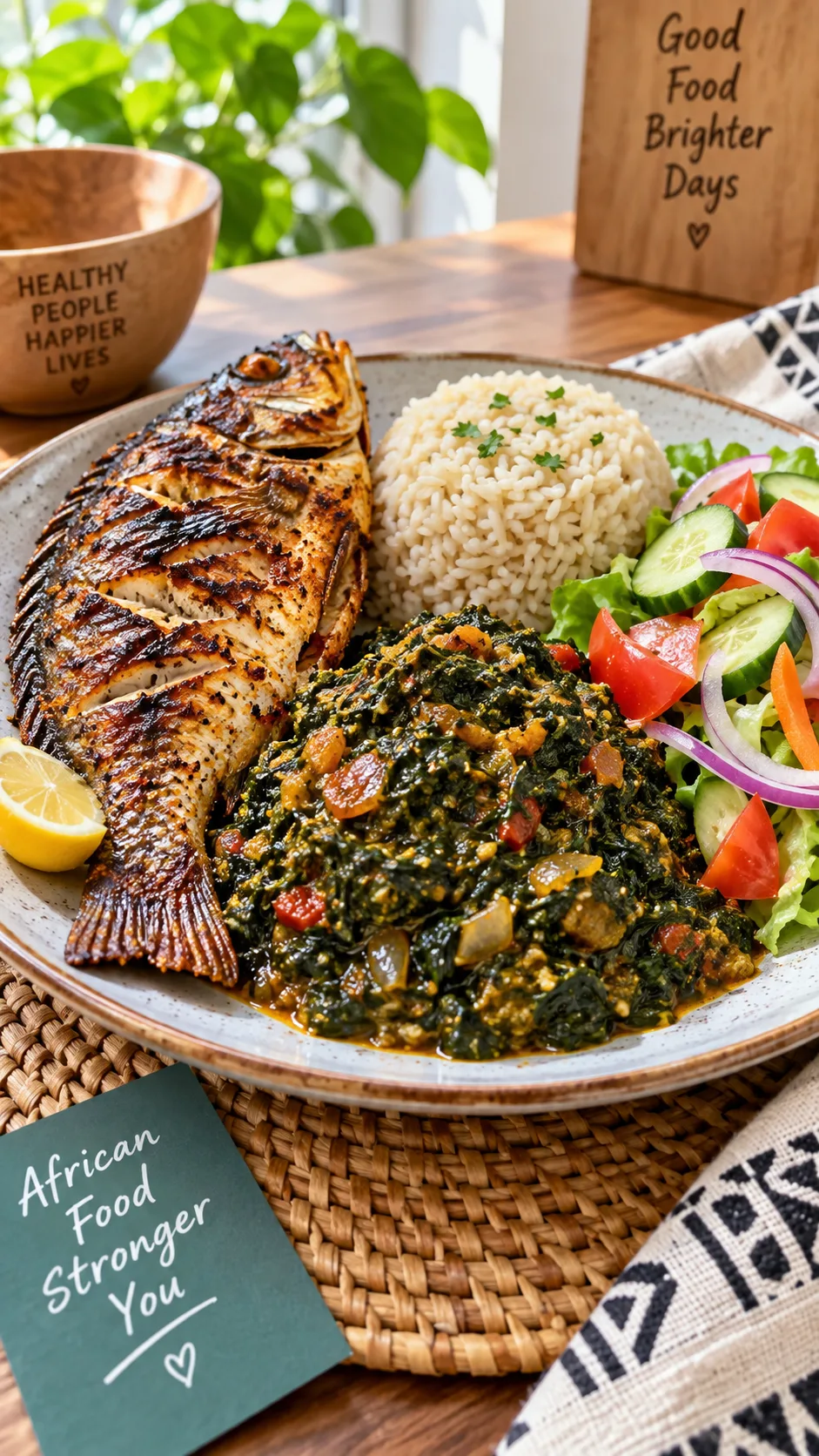
Salmon and quinoa aren’t universal. If you cook West African food, the same principles work beautifully: grilled fish, efo riro heavy on the greens, moi moi, beans, light on the palm oil and swallow. I’ve written a full breakdown in our guide to Nigerian weight loss meal plans with a food time table if that’s closer to your daily cooking.
The rules don’t change across cuisines:
- Protein first: fish, chicken, eggs, beans, tofu
- Double the vegetables, because they cost almost nothing calorie-wise
- Measure the oil, since one tablespoon is 120 calories and it hides everywhere
- Control the starch: rice, yam, bread, pasta. Portion them, don’t eliminate them.
The foods that betray you on 1200 calories
Some foods burn through your daily budget and leave you hungrier than before. FYI, these are the usual suspects:
- Smoothies and juice: 400 calories you drink in 90 seconds with zero fullness
- Nut butters: delicious, calorie-dense, impossible to portion honestly
- Granola: marketed as health food, behaves like dessert
- Salad dressings: a “light drizzle” is often 150 calories
- Dried fruit: all the sugar, none of the water, none of the satisfaction
- Alcohol: 7 calories per gram and it destroys your appetite control
I’m not banning these. I’m saying budget them consciously instead of accidentally.
Five hunger hacks that work
1. Front-load your protein at breakfast
Eat 30g+ protein before 10 a.m. and your afternoon cravings shrink noticeably. A carb-only breakfast sets you up for a 3 p.m. crash and a vending machine tragedy.
2. Drink water before you eat
Studies referenced by the CDC support water as a simple appetite tool. Two glasses, fifteen minutes before a meal. Cheap, easy, works.
3. Start meals with soup or salad
Broth-based soup as a starter genuinely reduces how much you eat afterwards. Your stomach registers volume before your brain registers calories.
4. Chew like you mean it
Fullness signals take about 20 minutes to reach your brain. Inhale your lunch in six minutes and you’ll miss the signal completely. Slow down, put the fork down between bites.
5. Sleep seven hours minimum
One bad night raises ghrelin and drops leptin. Suddenly you’re ravenous and blaming your “weak willpower.” Your hormones did that, not your character. Fix the sleep. 🙂
How fast will you lose weight?
If your maintenance sits around 1800 calories, a 1200 calorie plan creates a 600-calorie daily deficit. That’s roughly 0.5 to 0.6 kg (about 1.2 lbs) per week, and the Mayo Clinic