

You do not need to eat everything in sight to build curves. You need a muscle gain meal plan for women that gives your glutes, legs, shoulders, and back enough fuel to grow without making you feel like a human food coma.
More calories can help. Random pastries, takeaway fries, and “I deserve this whole pizza” dinners will not somehow become glutes. Your body needs a sensible calorie surplus, enough protein, filling carbs, dietary fats, and strength training that pushes you.
If you want fuller legs, stronger glutes, more shape through your waist and hips, and muscles that look athletic rather than worn down, this plan gives you somewhere to begin. Skip the detox tea. Skip the chicken and broccoli prison sentence. And please, do not call three almonds a snack.
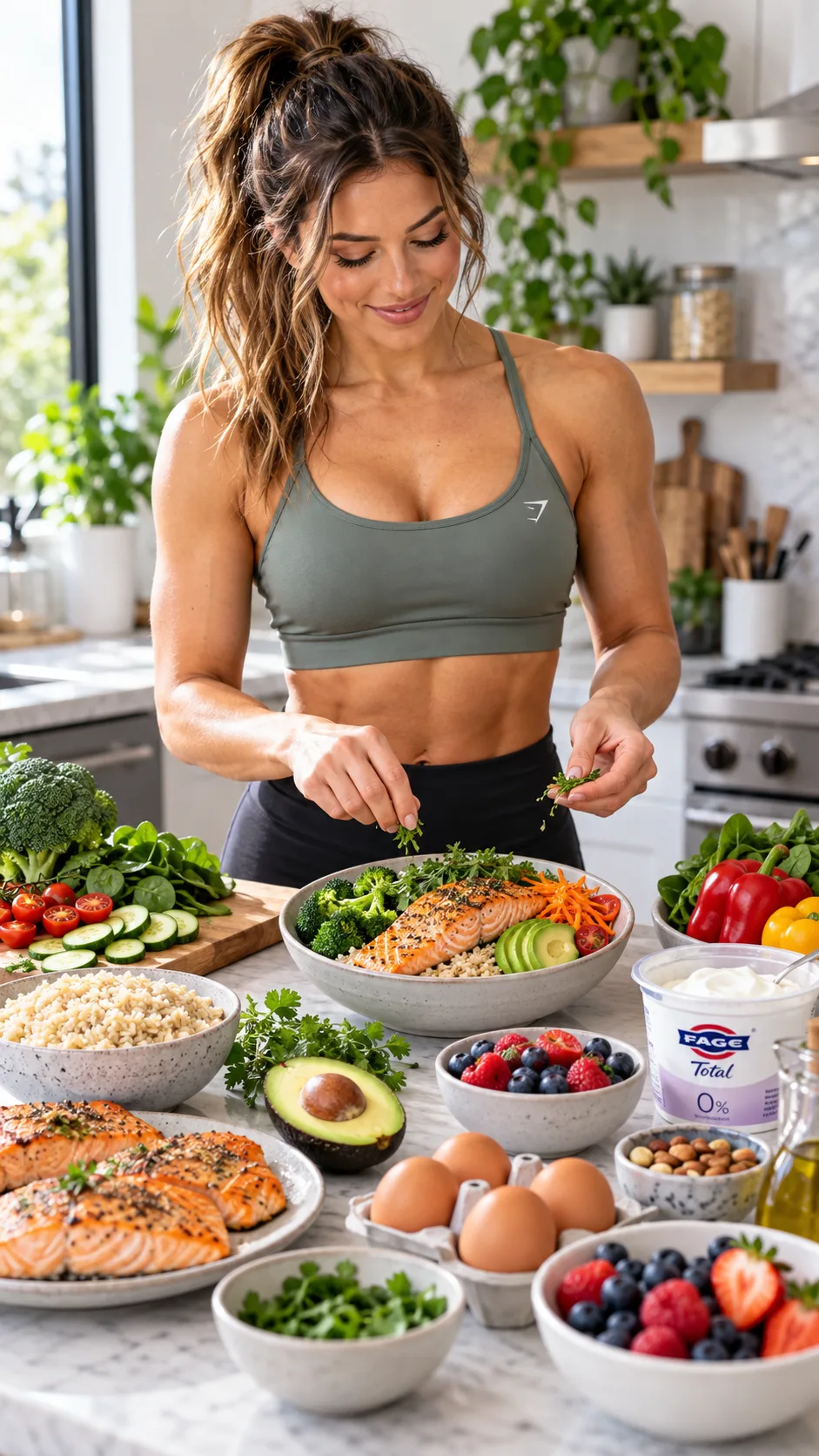
First: What builds curves?
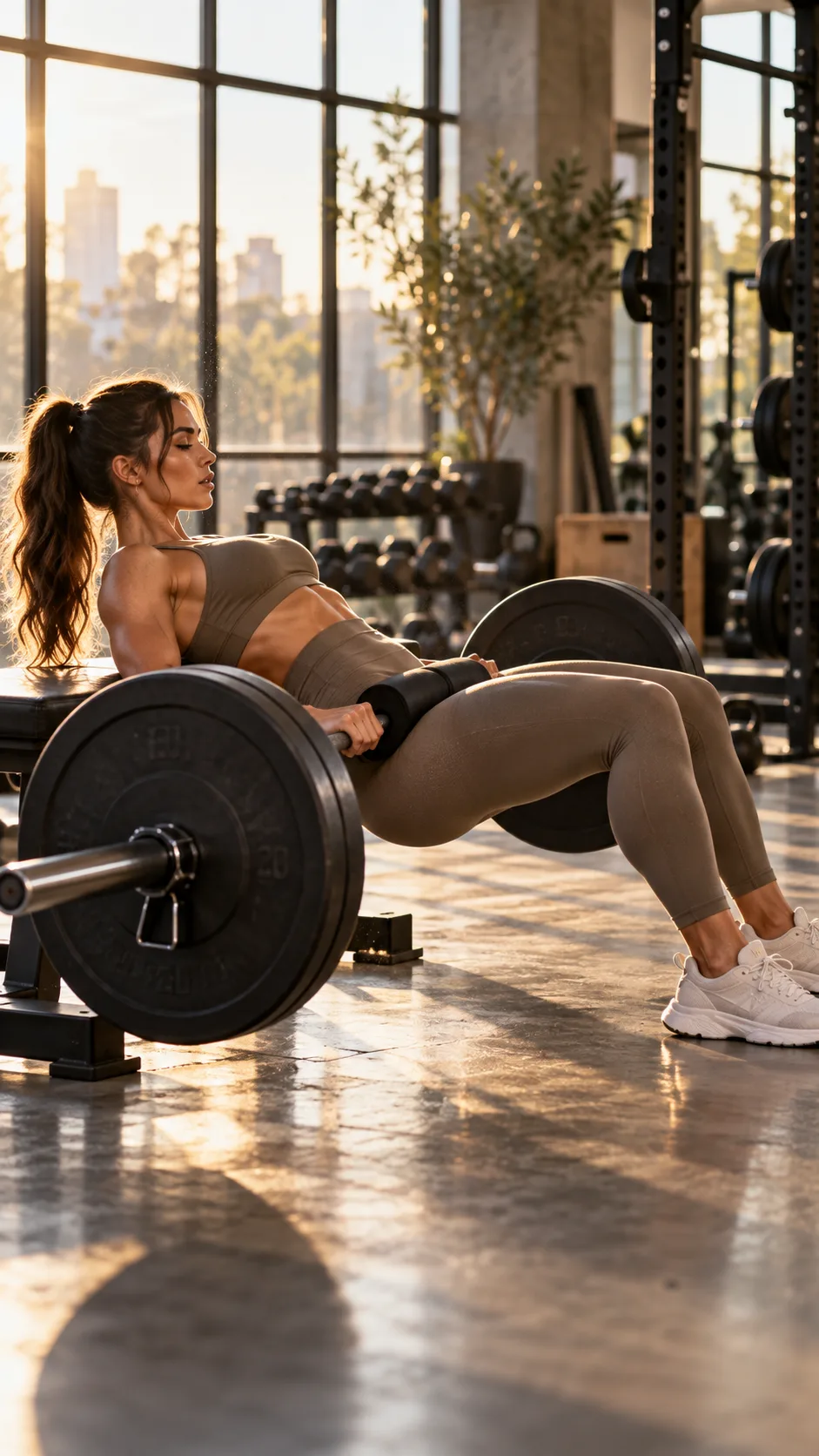
Your natural frame, fat distribution, and muscle size all shape your curves. You cannot direct fat storage to one specific spot, but you can grow muscle in particular areas through training. That gives you far more control than any “slim thick” miracle tea.
For many women, building the glutes, quads, hamstrings, shoulders, lats, and upper back changes their shape most noticeably. Strong glutes add shape from the side and back. Strong shoulders and lats can make your waist look smaller by comparison.
Your meals support that work, but your workouts tell your body to build muscle. Food supplies the materials, while strength training does the building. You would not buy bricks for a house and expect them to put themselves together.
Muscle gain does not mean “bulking until you panic”
A sensible muscle gain diet for women focuses on slow, controlled progress. You need enough extra energy for demanding training and recovery, not such a large surplus that fat gain outpaces muscle gain.
Most women can start with a calorie surplus of about 150 to 300 calories per day above maintenance. Smaller women, beginners, and women who gain weight easily may prefer the lower end. Taller women, highly active women, and women with demanding training schedules may need more.
Track your average body weight, gym performance, measurements, photos, energy, and hunger for two to four weeks before you change anything. The scale tells only part of the story. Adding 20 pounds to your hip thrust tells another, much more satisfying part.
Find your starting calories for muscle growth
You need enough food to train hard, recover well, and gain muscle. You do not need to turn a calorie calculator into your emotional support animal. Start with a realistic estimate, then adjust based on what your body does.
Many active women maintain their weight at roughly 1,800 to 2,400 calories per day, though your needs depend on your height, weight, age, job, daily steps, workouts, and metabolism. A petite office worker and a tall nurse who trains four days each week should not follow the same meal plan.
A simple calorie starting point
- Track your usual food intake for seven days without trying to “eat perfectly.”
- Track your morning weight three or four times that week and calculate an average.
- If your weight holds steady, add 150 to 300 calories daily.
- Keep that intake for two to four weeks while you strength train consistently.
- Add another 100 to 150 calories if your strength, recovery, and weight do not move.
Aim to gain about 0.25% to 0.5% of your body weight each week. For a woman who weighs 140 pounds, that equals about 0.35 to 0.7 pounds per week. Slow gains can feel dull, but they work. Your future jeans may appreciate the patience.
If you want a different nutrition goal later, our slim thick diet meal plan offers another practical way to build shape without starving yourself or living on bland food.
Your muscle gain macros: Protein, carbs, and fats
Calories drive weight gain, while macros affect your performance, recovery, hunger, and body composition. You do not need perfect numbers at every meal. You need steady habits through most of the week.
Protein: Your muscle building staple
Protein gives your muscles amino acids for repair and growth after training. Most women who want to gain muscle should eat about 1.6 to 2.2 grams of protein per kilogram of body weight daily, or about 0.7 to 1 gram per pound.
For example, a 140 pound woman can aim for roughly 100 to 140 grams of protein each day. Research from the International Society of Sports Nutrition supports higher protein intakes for people who train regularly.
Spread protein across three to five meals rather than trying to save the whole day with one enormous chicken breast at 9 p.m. Most meals work well with 25 to 40 grams of protein. Your muscles benefit from regular meals more than one dramatic midnight delivery.
Carbs: Fuel for hard training
Carbs fuel demanding lifting, support recovery, and make workouts feel less punishing. If you want to grow your glutes and legs, you need enough energy for progressive overload. Low energy often leads to poor workouts, and poor workouts rarely build much muscle.
Use carbs such as oats, rice, potatoes, pasta, bread, fruit, beans, quinoa, cereal, and couscous. Eat more carbs around your workout if your energy drops or your lifts stall.
Active women can start with 2 to 4 grams of carbohydrates per pound of body weight, depending on training volume and total calorie needs. You do not need to fear bread. Under eating usually hurts your gains far more than bread does.
Fats: For health, hormones, and food you enjoy
Dietary fat supports hormone production, nutrient absorption, and overall health. Keep fats around 20% to 35% of your total daily calories in most muscle gain meal plans.
Eat olive oil, avocado, nuts, nut butter, seeds, eggs, full fat dairy, salmon, and sardines regularly. These foods raise your calorie intake without asking you to force down another mountain of rice when your appetite disappears.
- Protein target: 0.7 to 1 gram per pound of body weight daily
- Carb focus: Eat more on training days and around workouts
- Fat minimum: Eat a reliable source at least two or three times daily
- Fibre goal: Eat fruits, vegetables, beans, and whole grains every day
- Hydration: Drink enough water to support training and digestion
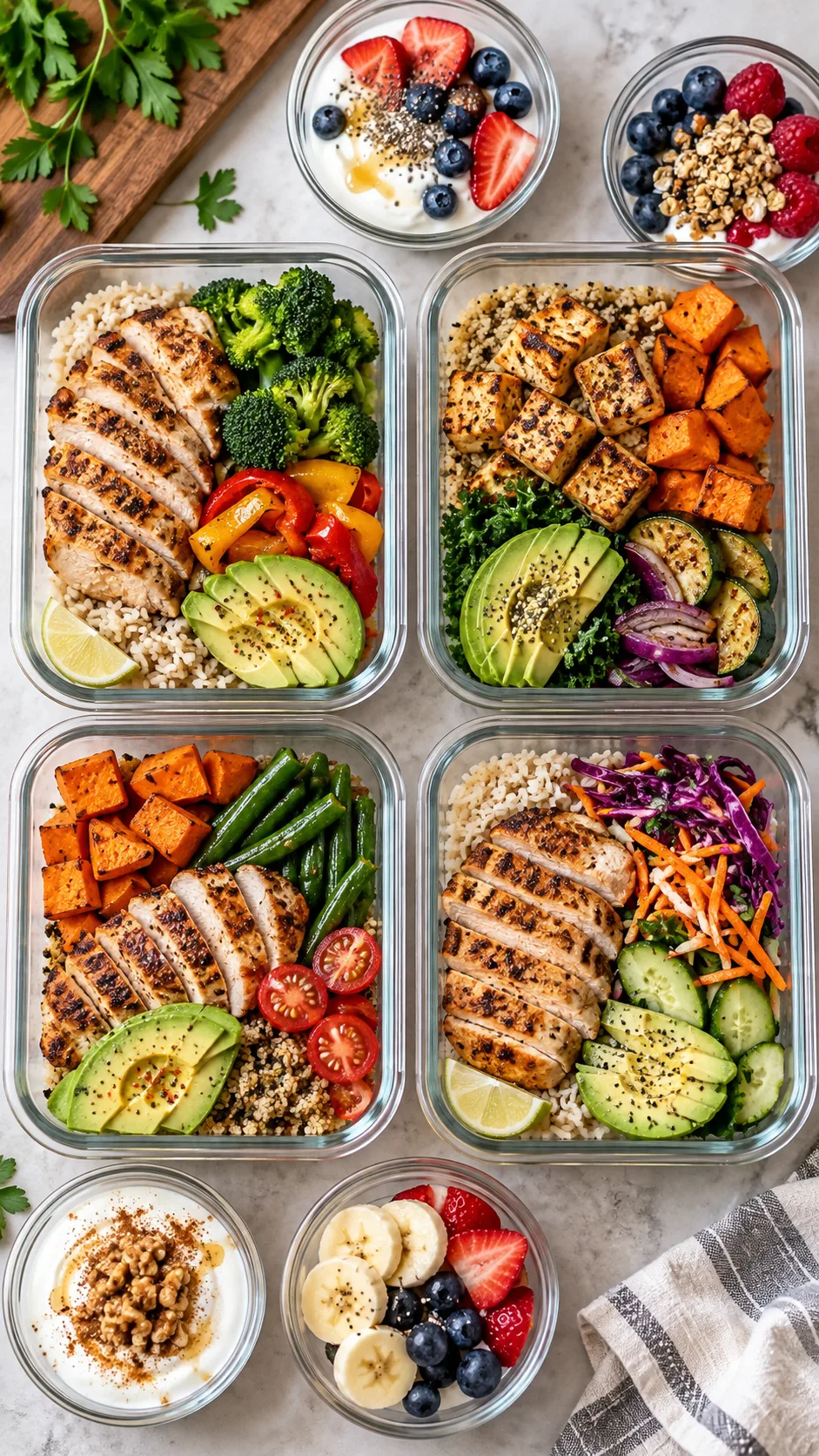
The best foods for a female muscle gain meal plan
You can gain muscle with almost any cultural food style. Your body does not care whether you get carbs from rice, potatoes, yam, pasta, oats, tortillas, or couscous. It cares whether you eat enough energy and protein consistently.
Easy protein choices
- Chicken breast, chicken thighs, turkey, lean beef, and mince
- Salmon, tuna, prawns, sardines, cod, and other fish
- Eggs and egg whites
- Greek yogurt, cottage cheese, milk, kefir, and high protein yogurt
- Tofu, tempeh, edamame, lentils, beans, and chickpeas
- Protein powder for convenience, rather than because you need to worship a shaker bottle
Easy calorie boosters when you feel too full
Some women want to gain muscle but struggle to eat enough. If large meals leave you stuffed, add small calorie dense foods instead of forcing down another dry chicken and rice plate.
- Add peanut butter to oats, toast, smoothies, or yogurt.
- Cook rice, vegetables, and eggs with olive oil or butter.
- Choose whole milk, full fat yogurt, or fortified soy milk.
- Add cheese, avocado, nuts, seeds, pesto, or hummus to meals.
- Blend fruit, milk, protein powder, oats, and nut butter into a smoothie.
For nutrition basics that support long term health, the Dietary Guidelines for Americans encourages a varied eating pattern built around nutrient dense foods. You can still eat dessert. Just make dessert part of the plan rather than letting it run the plan.
A 7 day muscle gain meal plan for women
This sample plan provides roughly 2,100 to 2,300 calories per day and about 120 to 145 grams of protein, depending on your brands and portions. Adjust serving sizes for your own calorie target. Add or remove a carb serving, fat serving, or snack before you cut protein.
Each day includes meals that support strength training, recovery, and steady energy. Swap foods within the same category whenever you need to. That flexibility makes consistency easier when life gets busy, because nobody needs to panic over a missing banana.
Day 1
- Breakfast: Oats with milk, protein powder, berries, banana, and peanut butter
- Lunch: Chicken rice bowl with avocado, black beans, salsa, and mixed vegetables
- Snack: Greek yogurt with granola and honey
- Dinner: Salmon, roasted potatoes, broccoli, and olive oil dressing
- Optional evening snack: Cottage cheese with pineapple and walnuts
Day 2
- Breakfast: Three eggs on whole grain toast with avocado and fruit
- Lunch: Turkey or tofu pasta with tomato sauce, spinach, and parmesan
- Snack: Protein smoothie with milk, banana, oats, and almond butter
- Dinner: Beef stir fry with rice, peppers, onions, and sesame oil
Day 3
- Breakfast: Greek yogurt bowl with oats, chia seeds, strawberries, and peanut butter
- Lunch: Tuna mayo wrap with salad, cheese, and a side of fruit
- Snack: Cottage cheese, crackers, and grapes
- Dinner: Chicken thighs, sweet potato, green beans, and olive oil
Day 4
- Breakfast: Breakfast burrito with eggs, beans, cheese, spinach, and salsa
- Lunch: Lentil curry with rice, yogurt, and cucumber salad
- Snack: Protein bar and a banana
- Dinner: Prawn pasta with pesto, cherry tomatoes, and spinach
Day 5
- Breakfast: Protein pancakes topped with Greek yogurt, berries, and maple syrup
- Lunch: Chicken or tempeh quinoa bowl with roasted vegetables and tahini dressing
- Snack: Apple slices with peanut butter and a glass of milk
- Dinner: Lean beef burgers, oven fries, salad, and cheese
Day 6
- Breakfast: Overnight oats with milk, yogurt, protein powder, banana, and walnuts
- Lunch: Salmon poke style bowl with rice, edamame, avocado, cucumber, and seaweed
- Snack: Yogurt with cereal and berries
- Dinner: Turkey chilli with beans, rice, cheese, and sour cream
Day 7
- Breakfast: Omelette with eggs, cheese, mushrooms, toast, and fruit
- Lunch: Chickpea and chicken couscous salad with olive oil dressing
- Snack: Smoothie with milk, frozen berries, protein powder, oats, and nut butter
- Dinner: Homemade tacos with lean mince or tofu, tortillas, guacamole, beans, and salad
Need more meal ideas that keep you full? You can also use ideas from our high-protein meal plan and increase your carb and fat portions to suit a calorie surplus.
What to eat before and after your workout
Meal timing matters less than your total daily calories and protein, but it can improve your training. A good meal before training gives you energy without making every squat rep miserable.
Before training
Eat carbs and protein one to three hours before lifting. Try chicken and rice, yogurt with fruit and cereal, eggs on toast, or a protein smoothie with banana and oats.
If you train early or cannot eat much before exercise, choose something small. A banana, cereal bar, toast with jam, or a few crackers can help. You do not need a perfect pre workout ritual involving seventeen powders and a blender.
After training
Eat protein and carbs within a few hours of your workout. Your body does not close a magical 30 minute “anabolic window,” but recovery meals still help. Eat a balanced meal when your schedule allows and keep your daily protein target on track.
Resistance training guidelines from the American College of Sports Medicine recommend progressive training for muscle development. Put simply, gradually add weight, do more reps, or improve your form over time.
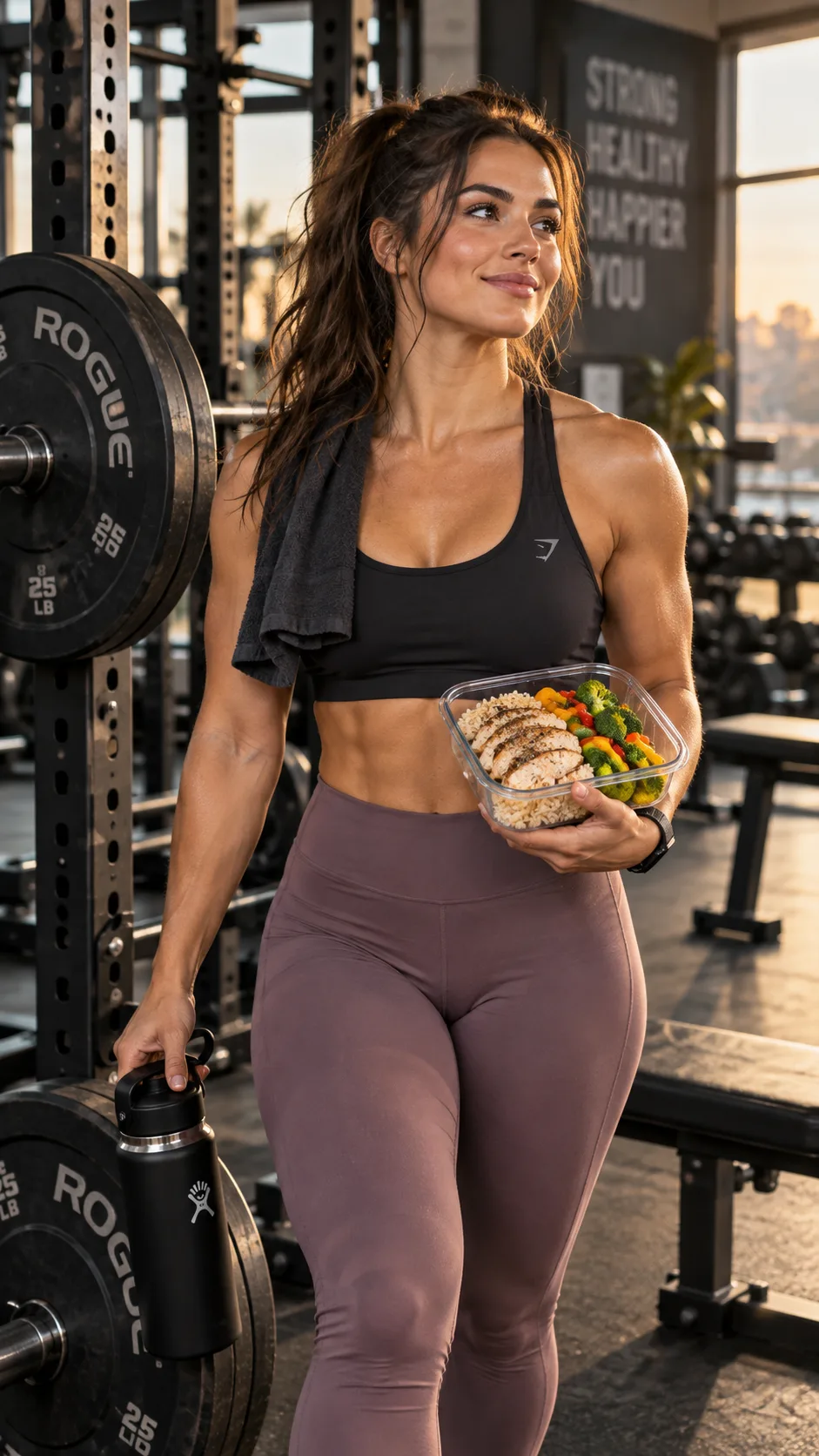
Pair your meal plan with training that builds shape
Food alone cannot sculpt your physique. Your body gains muscle when resistance training gives it a reason to adapt. For most women, three to five strength sessions each week offer a solid place to start.
Focus on compound movements, then add work for the muscles you want to develop. You do not need to train your glutes every day. Your glutes need hard training, protein, calories, and recovery, rather than a daily panic attack involving 200 kickbacks.
- Glutes: Hip thrusts, Romanian deadlifts, squats, split squats, lunges, step ups, cable kickbacks
- Legs: Leg presses, squats, leg curls, leg extensions, walking lunges
- Upper body: Rows, pulldowns, shoulder presses, chest presses, lateral raises
- Core: Planks, dead bugs, Pallof presses, hanging knee raises
Start with our strength training guide for women if you need a beginner friendly routine and clear exercise direction. Track your weights and reps. Progressive overload turns “I think I’m getting stronger?” into clear proof.
Common muscle gain mistakes women make
Eating “healthy” but not eating enough
Whole foods support health, but they can fill you up quickly. Large salads, lean protein, and vegetables can leave you far below your calorie target. Add rice, pasta, potatoes, oils, nuts, dairy, and sauces when you need more energy.
Skipping carbs because social media told you to
Carbs do not block muscle gain. They often help you train harder and recover better. You can make lower carb eating work if you enjoy it, though most lifters perform well with plenty of carbs.
Changing the plan every five minutes
Your body needs time to show progress. Do not replace your whole menu, program, and supplement stack after four days because your glutes did not send a thank you email. Stick with the basics for several weeks, track your results, then make small changes.
Ignoring sleep and recovery
Muscle growth needs recovery. Aim for seven to nine hours of sleep, manage stress where you can, and take rest days seriously. You do not need to earn rest. Hard training makes rest part of the work.
Obsessing over the scale
Your weight can shift because of water, your menstrual cycle, sodium, digestion, and glycogen storage. Use weekly averages and progress photos instead of reacting to one random Tuesday weigh in. Strength gains, measurements, and the way your clothes fit matter too.
Should you take supplements for muscle gain?
Supplements can help, but they cannot replace food, training, and sleep. Cover the basics before you spend your rent money on neon colored tubs with action movie names.
- Protein powder: Helpful when you struggle to reach your protein target through meals.
- Creatine monohydrate: Research supports 3 to 5 grams daily for strength and muscle gain. The National Institutes of Health explains the evidence and safety considerations for sports supplements.
- Caffeine: It can improve training performance if you tolerate it well. Avoid it late in the day if it ruins your sleep.
- Vitamin D, iron, B12, or omega-3s: Consider these only when your diet, blood tests, lifestyle, or clinician suggests a need.
Talk with a qualified healthcare professional or registered dietitian if you have a medical condition, take medication, feel unusually tired, miss periods, have a history of disordered eating, or follow a very restrictive diet. A muscle gain plan should make you stronger, not run you into the ground.
The bottom line: Eat to grow, train to shape
A successful muscle gain meal plan for women does not need extreme rules. Eat a small calorie surplus, reach your protein target, use carbs to fuel training, include dietary fats, and lift with intent.
Give the basic habits enough time to work. Build meals around foods you enjoy, challenge yourself in the gym, and allow gradual progress to add up. Curves come from smart fuel, hard training, and patience.