

You finish your carefully weighed, 400-calorie container of plain chicken breast and steamed broccoli at noon. By 1:45 PM, your stomach growls loud enough for coworkers across the office to hear it. The routine feels painfully familiar to anyone who has ever tried dieting.
Most meal prep plans fail because people confuse caloric restriction with self-inflicted starvation. They strip out carbs, drop fat to zero, and chew on dry poultry until their jaws ache. You never need to live on dry food and celery sticks to drop body fat.
I spent years botching my Sunday cooking sessions before finding the formula that controls hunger. When you combine lean protein targets with high-volume, fiber-rich ingredients and simple moisture tricks, your meals keep you full for five straight hours. Fix your weekly cooking routine today so you never stare into your refrigerator in frustration at 3:00 PM again.
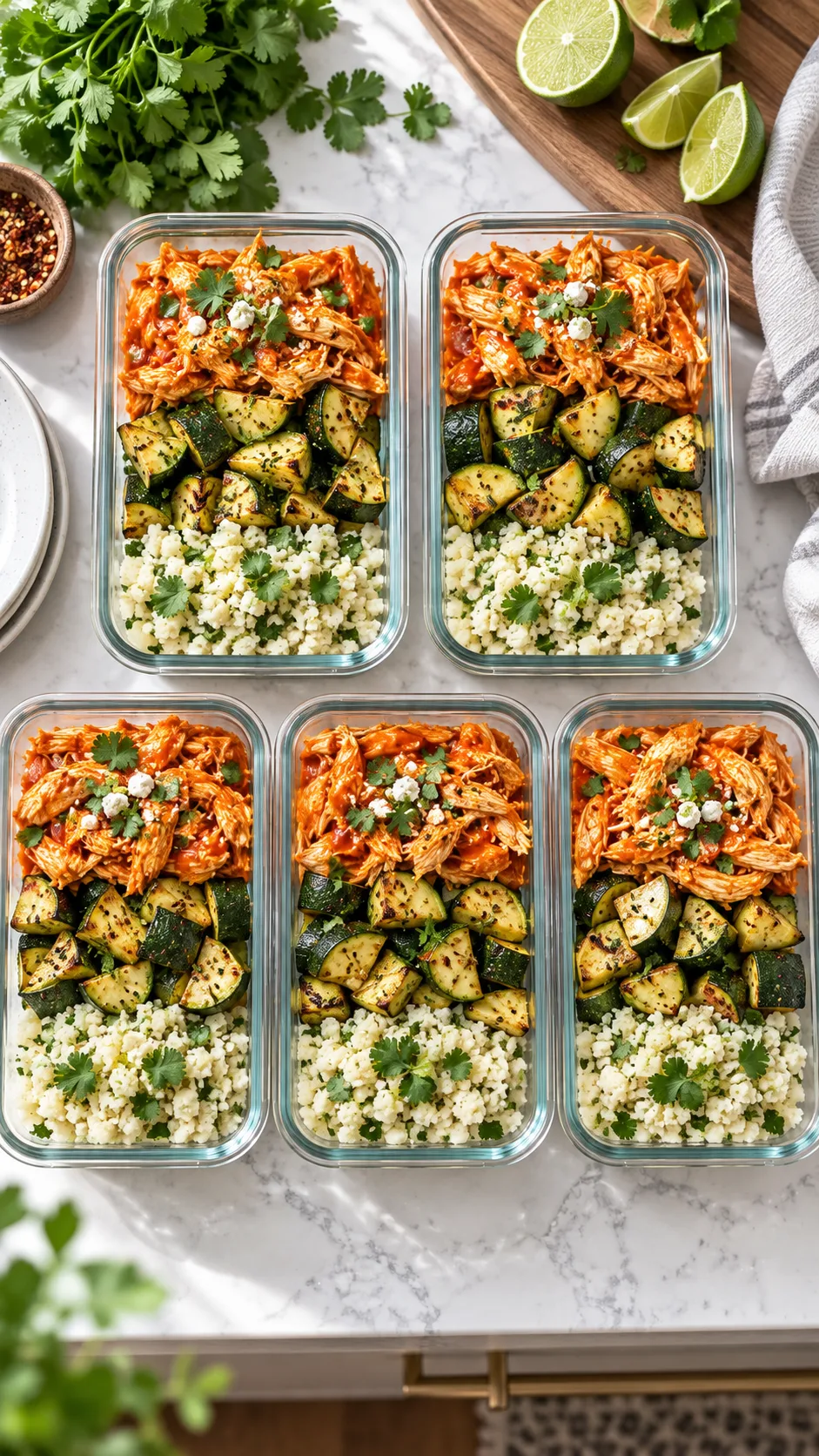
The science of true satiety: why low-calorie diets leave you hungry
Why do you crave a pantry raid two hours after eating a clean meal? Gut hormones, stomach stretch, and the thermic effect of food dictate how satisfied you feel. When you cut calories without addressing these physical triggers, your brain sounds the hunger alarm around the clock.
Protein controls satiety for clear biological reasons. First, dietary amino acids prompt your gut to release peptide YY (PYY) and glucagon-like peptide-1 (GLP-1), hormones that tell your brain when you have eaten enough. Research from the National Institutes of Health shows that higher-protein meals suppress ghrelin, your body’s main hunger hormone, much better than high-carbohydrate meals do.
Second, protein forces your digestive tract to work harder. Your body burns roughly 20 to 30 percent of protein calories simply digesting and absorbing those amino acids. Nutritionists call this the Thermic Effect of Food (TEF). When you eat 100 calories of chicken breast, your metabolism burns up to 30 calories during digestion alone.
Protein still needs help, though. You also need physical volume in your digestive tract. Your stomach lining uses mechanoreceptors that detect stretch; when food physically fills the space, these receptors tell your brain to stop hunger signals. Pairing lean meat with large portions of water-dense, high-fiber vegetables triggers both chemical and physical fullness at the same time.
The 4 rules of high-protein, low-calorie meal prep
Before you turn on your stove, lock down these four basic rules. If your meals skip even one of these points, you will end up ordering takeout by Wednesday night.
- Target 35 to 50 grams of protein per container: Anything under 30 grams leaves your hunger signals active. Build meals where protein accounts for 35% to 45% of your total meal calories.
- Use high-volume, low-density ingredients: Fill at least half of every container with watery vegetables like zucchini, cauliflower rice, cabbage, broccoli, or bell peppers. These foods take up massive plate space while adding almost no calories.
- Add moisture and acid: Lean meats turn dry and tough in the fridge. Use vinegars, citrus juice, tomato puree, mustard, and stock to keep meat tender through Friday afternoon.
- Include 5 to 8 grams of fat: Zero-fat meals taste bland and empty out of your stomach far too quickly. A modest amount of fat (such as a light pour of olive oil or a crumble of cotija cheese) slows stomach emptying and keeps food satisfying.
If you prefer lower carbohydrate targets, check out our guide on high protein low carb meal prep ideas that keep you full to customize your daily split.
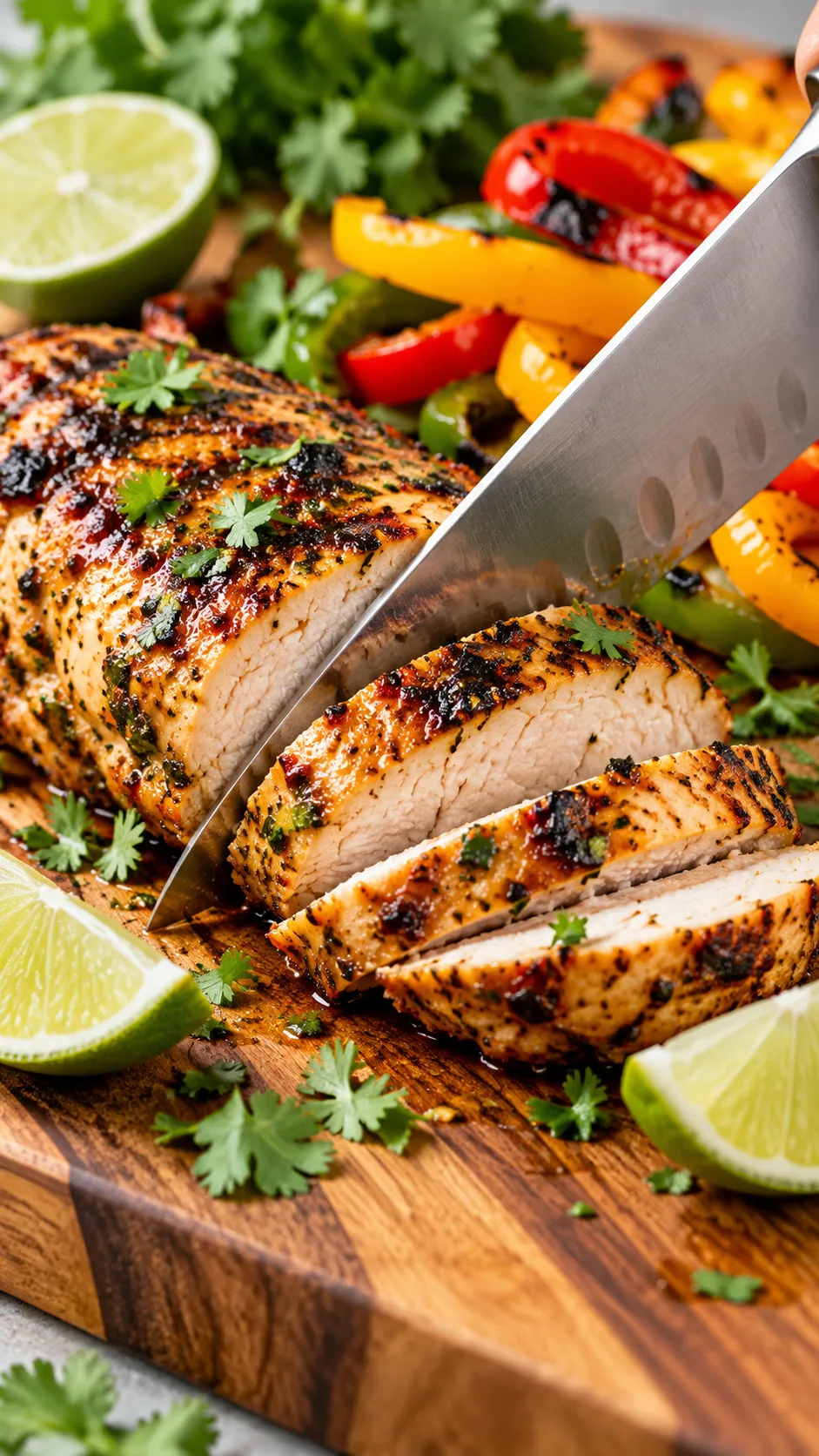
Kitchen tools you need (skip the rest)
You do not need hundreds of dollars in fancy gear to cook well. Three simple tools cut your prep time in half and keep your meals tasting crisp all week.
- A digital food scale: Measuring cups lead to mistakes. A kitchen scale stops hidden calorie creep and makes sure you hit your daily protein numbers every time.
- Airtight glass prep containers: Plastic containers absorb grease, hold tomato stains, and leave food tasting stale by Thursday. Glass reheats evenly in the microwave and seals tight to protect vegetable texture.
- An extra-large rimmed baking sheet: You want enough room to roast your proteins and vegetables side by side under high heat. Crowding ingredients onto small pans traps moisture and steams your food into mush instead of browning it.
4 batch-cook recipes that control hunger all week
These four recipes hold their texture and flavor across four to five days of refrigeration. Every meal delivers heavy protein while keeping total counts under 420 calories per serving.
Recipe 1: Shredded buffalo ranch chicken bowls
This bowl satisfies comfort food cravings while delivering 46 grams of protein per serving. The Greek yogurt ranch and spicy buffalo sauce keep the chicken moist all week long.
Macros per container (4 servings total): 375 Calories | 46g Protein | 18g Carbohydrates | 11g Fat | 6g Fiber
Ingredients:
- 1.75 lbs boneless, skinless chicken breast
- 1/2 cup Frank’s RedHot Buffalo Wing Sauce (or your favorite hot sauce)
- 3/4 cup 0% plain Greek yogurt
- 1 packet dry ranch seasoning mix (divided)
- 4 cups chopped cauliflower rice
- 4 cups chopped zucchini (cut into half-moons)
- 1 tablespoon avocado oil
- 1 teaspoon garlic powder
- Salt and cracked black pepper to taste
Preparation steps:
- Place the chicken breasts into your slow cooker or a deep pot. Pour the buffalo sauce and half of the ranch packet over the meat. Cook on high for 3 hours in the slow cooker, or simmer covered on the stove for 25 minutes until the chicken hits 165°F internally.
- Shred the chicken directly in the cooking juices with two forks so the meat pulls the moisture back in.
- Toss the zucchini and cauliflower rice with avocado oil, garlic powder, salt, and pepper. Spread the mixture over a large baking sheet and roast at 400°F (205°C) for 18 minutes until the edges brown.
- Whisk the Greek yogurt with the remaining ranch seasoning and two tablespoons of cold water to create a pourable sauce.
- Divide the roasted vegetables across four containers. Top with equal portions of shredded chicken, and spoon the yogurt ranch over each bowl before closing the lids.
For more assembly ideas and balanced bowl combinations, read our guide on healthy meal prep bowls that make eating well feel effortless.
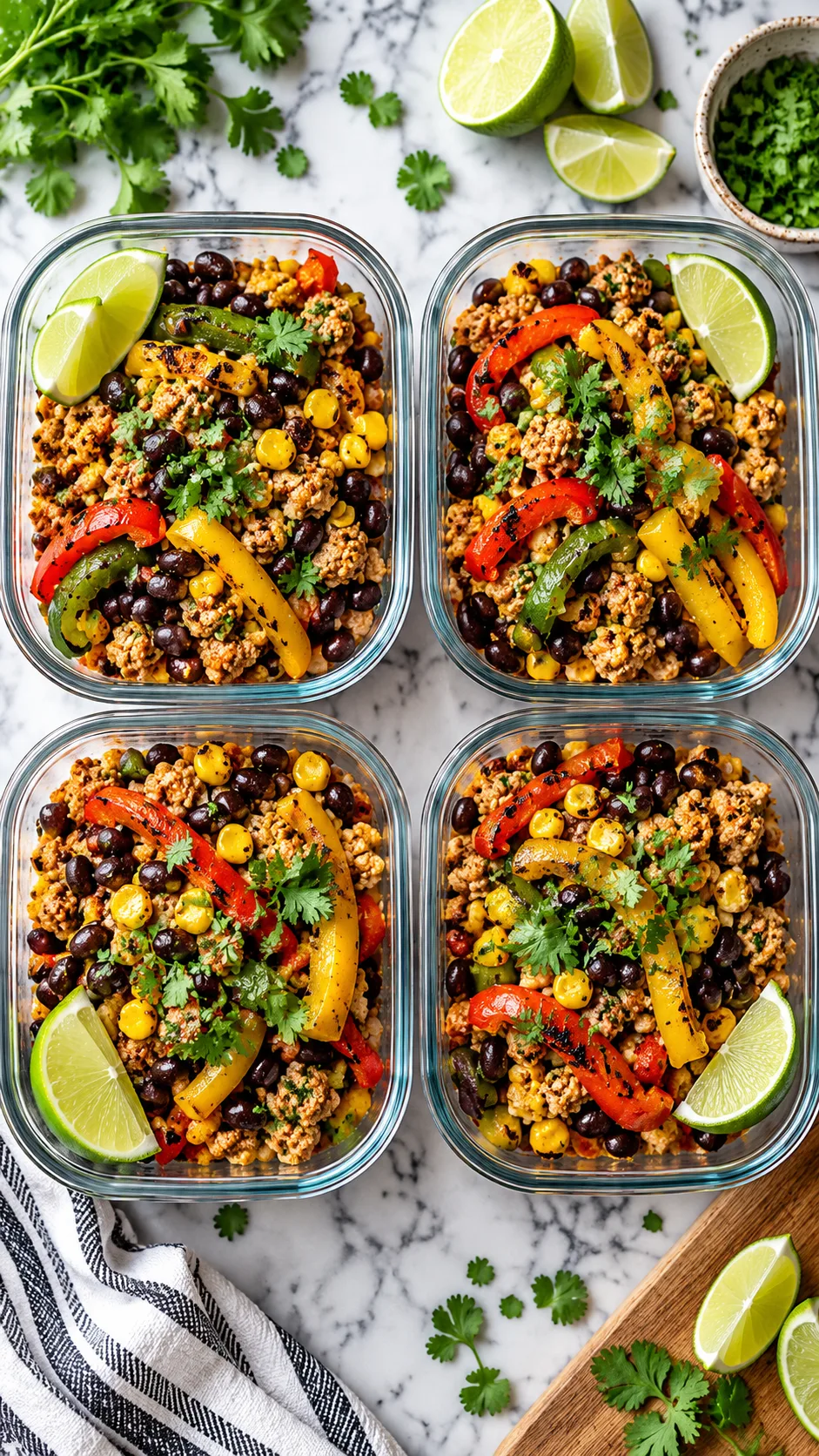
Recipe 2: Fire-roasted turkey and black bean taco skillet
Lean ground turkey tastes dry when people cook it without enough moisture or acid. We solve that by blooming spices directly in tomato paste and simmering the meat in diced fire-roasted tomatoes. For more ideas using this protein, browse our collection of ground turkey meal prep recipes.
Macros per container (4 servings total): 390 Calories | 42g Protein | 28g Carbohydrates | 10g Fat | 8g Fiber
Ingredients:
- 1.5 lbs 93/7 lean ground turkey
- 1 can (15 oz) black beans, drained and rinsed
- 1 can (14.5 oz) fire-roasted diced tomatoes with juices
- 2 large bell peppers (red and yellow), diced
- 1 medium yellow onion, diced
- 2 tablespoons tomato paste
- 1.5 tablespoons ground chili powder
- 1 tablespoon ground cumin
- 1 teaspoon smoked paprika
- 1/2 cup chopped fresh cilantro
- Juice of 1 fresh lime
Preparation steps:
- Heat a large skillet over medium-high heat. Add the diced onions and bell peppers, cooking for 4 to 5 minutes until tender.
- Push the vegetables toward the edges of the pan. Place the ground turkey in the center and break it up with a wooden spoon until it cooks through completely.
- Stir in the tomato paste, chili powder, cumin, and smoked paprika. Toast the spices against the hot pan surface for 60 seconds to release their fragrant oils.
- Pour in the diced tomatoes and rinsed black beans. Lower the heat to medium-low and simmer uncovered for 10 minutes until the liquid thickens into a rich sauce.
- Remove the skillet from the heat, stir in the cilantro and lime juice, and distribute the mixture across four prep containers.
Recipe 3: Honey sriracha garlic shrimp with edamame cauliflower rice
This quick stir-fry handles sweet and spicy takeout cravings while delivering clean protein from wild shrimp and shelled edamame. Shrimp contains practically zero carbs and minimal fat, making it an ideal choice for lean meal plans.
Macros per container (4 servings total): 325 Calories | 40g Protein | 24g Carbohydrates | 6g Fat | 7g Fiber
Ingredients:
- 1.5 lbs large raw shrimp, peeled and deveined
- 1.5 cups frozen shelled edamame, thawed
- 5 cups cauliflower rice
- 1 head of broccoli, cut into florets
- 2 tablespoons low-sodium soy sauce or tamari
- 1.5 tablespoons sriracha sauce
- 1 tablespoon honey
- 4 cloves fresh garlic, minced
- 1 tablespoon grated fresh ginger
- 1 teaspoon toasted sesame oil
Preparation steps:
- Whisk the soy sauce, sriracha, honey, minced garlic, and grated ginger in a small bowl until smooth.
- Steam or sear the broccoli florets for 5 minutes until crisp and bright green, then set them aside on a plate.
- Heat the sesame oil in a large wok or skillet over high heat. Add the cauliflower rice and edamame, cooking for 5 to 6 minutes until the extra moisture cooks off. Divide this mixture into four containers as your base.
- Bring the pan back to medium-high heat. Add the shrimp in a flat layer and cook for 90 seconds per side until pink and opaque.
- Pour the sauce over the shrimp during the last 30 seconds of cooking, tossing quickly as the liquid bubbles and glazes the seafood. Pull the pan off the burner right away to keep the shrimp tender.
- Portion the glazed shrimp and cooked broccoli over the cauliflower rice bases.
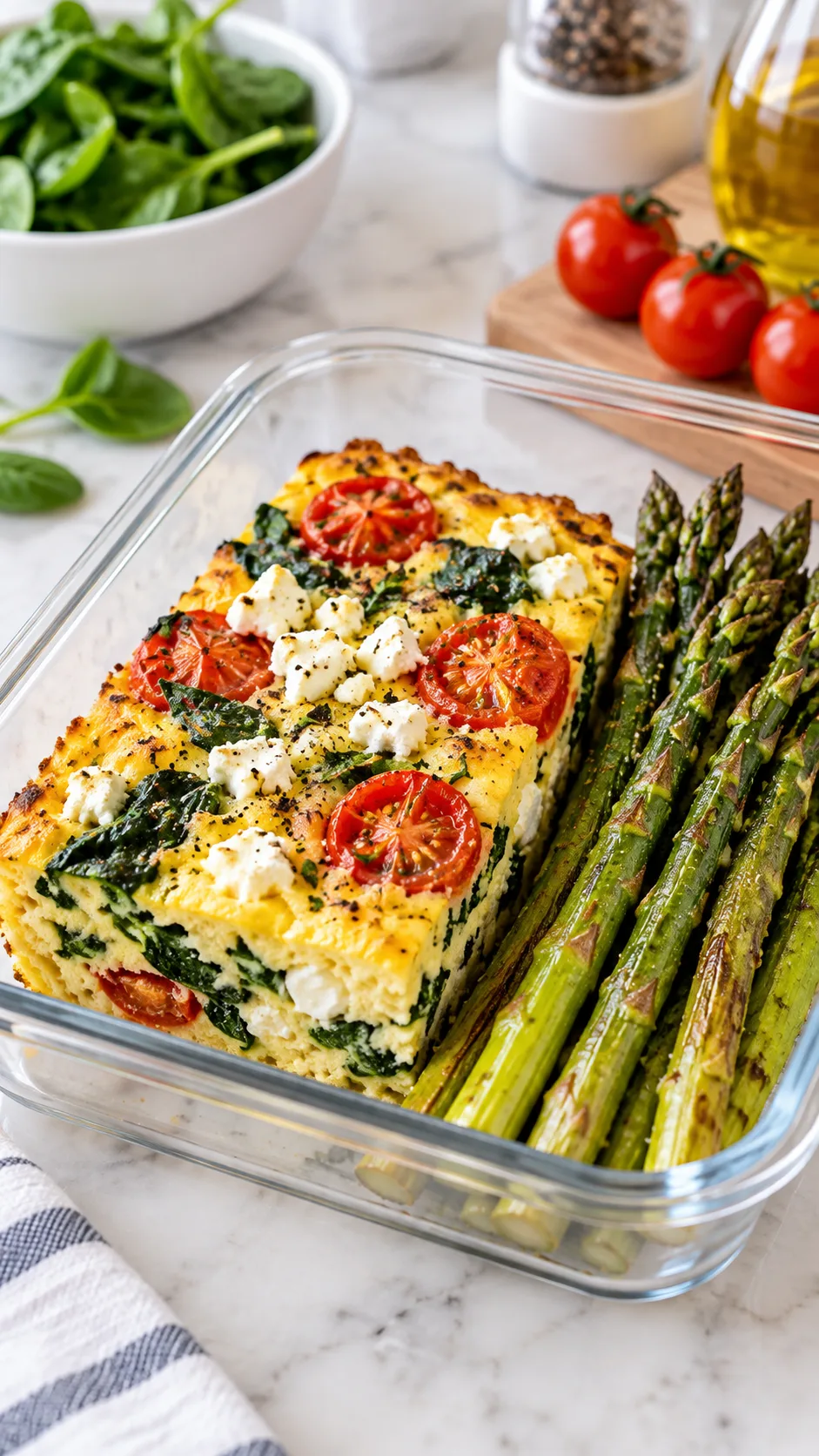
Recipe 4: Greek lemon herb egg white and cottage cheese frittata
Prep meals do not have to revolve around meat and rice every single day. This Mediterranean frittata works great for breakfast or a fast midday meal. Blending low-fat cottage cheese with whole eggs and whites creates a creamy bake that never turns rubbery in the microwave.
Macros per container (4 servings total): 260 Calories | 32g Protein | 10g Carbohydrates | 8g Fat | 3g Fiber
Ingredients:
- 6 large whole eggs
- 1.5 cups liquid egg whites
- 1 cup 1% cottage cheese
- 2 cups baby spinach, chopped
- 1 cup cherry tomatoes, halved
- 1/3 cup crumbled light feta cheese
- 1 tablespoon dried oregano
- Zest of 1 fresh lemon
- 1/2 teaspoon salt and black pepper
Preparation steps:
- Preheat your oven to 375°F (190°C) and coat a 9×13-inch glass baking dish with olive oil spray.
- Combine the whole eggs, liquid egg whites, cottage cheese, oregano, lemon zest, salt, and pepper in a blender. Blend on medium for 20 seconds until frothy and smooth.
- Spread the spinach and cherry tomatoes across the bottom of the greased dish.
- Pour the blended egg mixture over the vegetables, then scatter the crumbled feta across the top.
- Bake for 32 to 35 minutes until the middle sets and the edges turn light golden brown. Cool the dish for 10 minutes before slicing it into 4 large portions.
For more low-effort weekday meals, look over our list of low calorie meal prep ideas that keep you full.
Sauce architecture: flavor without hidden calories
Heavy sauces can wipe out your calorie deficit before you realize it. Standard bottled dressings, mayonnaise, and sweet barbecue glazes easily pack 150 to 250 calories into two tablespoons. You can save those calories for real food instead.
Build your sauces on light, high-volume bases. Keep these simple options ready in your fridge:
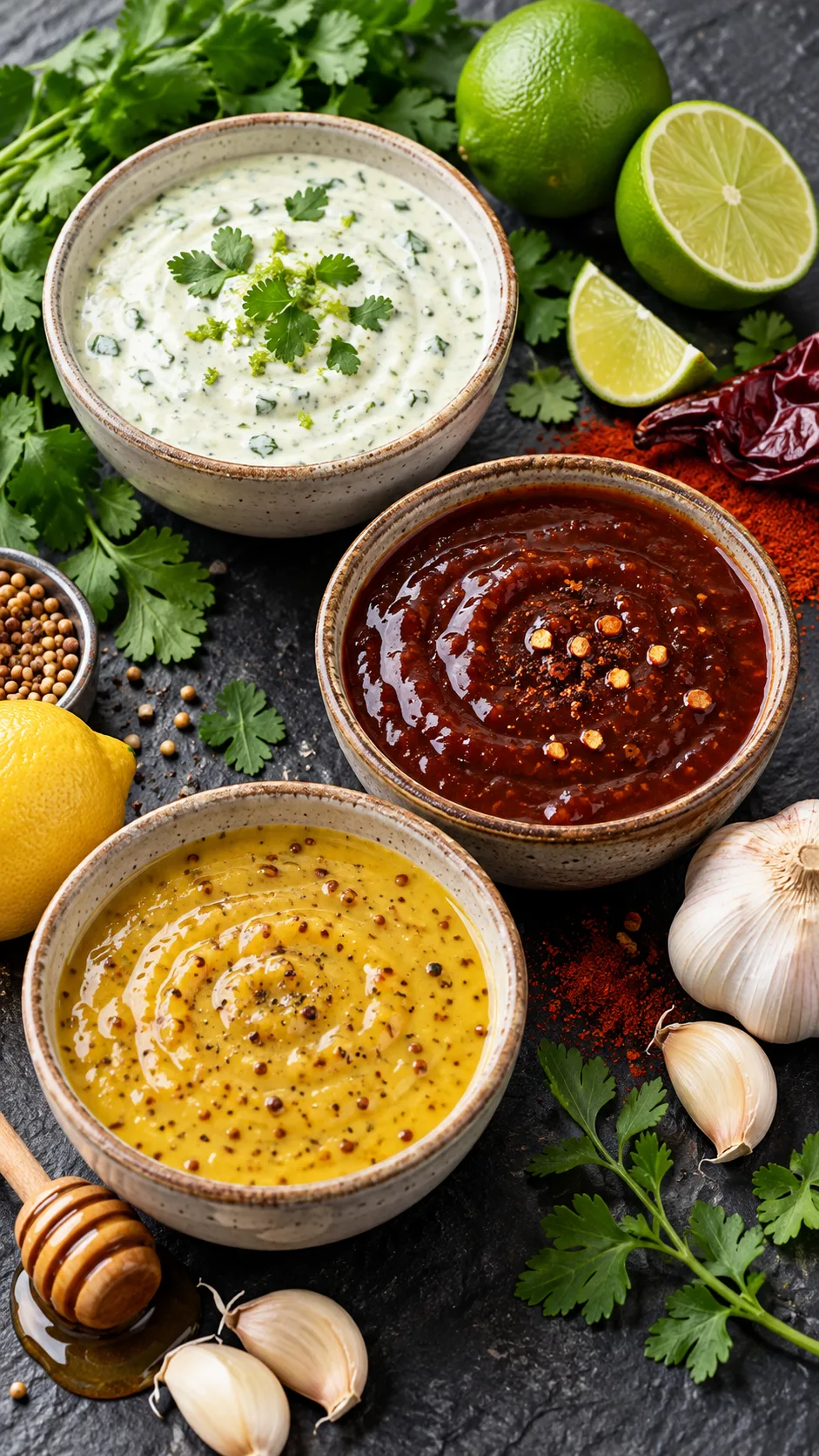
- The Greek yogurt base: Replace standard mayonnaise. Stir lemon juice, dill, garlic powder, and salt into 0% plain Greek yogurt for a creamy topping under 30 calories per quarter-cup.
- The Dijon and cider vinegar blend: Whisk grainy Dijon mustard with raw apple cider vinegar, a splash of water, and a few drops of liquid stevia. It gives you sharp, tangy flavor with minimal calories.
- The bone broth glaze: Simmer low-sodium chicken or beef bone broth with garlic and a teaspoon of cornstarch until it thickens. It coats meat with rich pan flavor while providing extra collagen protein.
- Hot sauces and fresh salsas: Fermented hot sauces and fresh tomato salsas pack plenty of acid and spice to brighten your meals without adding meaningful calories.
How to store and reheat meals without ruining texture
Dry, stringy reheated chicken ruins your appetite faster than anything else. Cooking your food correctly is only half the job; storage and reheating decide how your meals taste later in the week.
Use these simple rules to keep your food fresh through Friday:
- Cool your food before sealing: Never snap plastic or glass lids onto piping-hot food. Trapped steam condenses on the underside of the lid, drips down onto your ingredients, and makes vegetables soggy. Let your food sit on the counter for 20 minutes before closing the containers.
- Follow the four-day rule: The United States Department of Agriculture (USDA) suggests eating cooked refrigerated meats within 3 to 4 days. If you prep for five full days, put your Thursday and Friday meals into the freezer on Sunday. Move them into the fridge on Wednesday evening so they thaw safely.
- Microwave with water: Avoid heating your food on full blast. Turn your microwave power down to 70%, lay a damp paper towel over your container, and run it for two minutes. The damp paper towel acts like a small steamer and keeps meat tender.
- Pack crunchy toppings separately: If your meal includes pumpkin seeds, crushed tortilla chips, or fresh greens, keep them in small bags away from the main meal. Sprinkle them on only after heating your dish.
High-volume foods for larger portions
Your brain judges fullness partly by visual cues. A lonely four-ounce beef patty sitting in the center of an empty plate leaves you feeling shortchanged before you chew your first bite.
Mix that exact same beef portion with two cups of shredded green cabbage, a cup of riced broccoli, and sautéed mushrooms. You get a deep bowl full of steaming food. Clinical feeding trials from the Harvard T.H. Chan School of Public Health show that people who eat lower-density meals consume fewer total calories across the day without feeling hungrier.
| High-Volume Food | Calories per 100g | Fiber per 100g | Best Preparation Method |
|---|---|---|---|
| Riced Cauliflower | 25 kcal | 2.0g | Dry pan-sear with spices |
| Shredded Green Cabbage | 25 kcal | 2.5g | Quick wok stir-fry with soy sauce |
| Zucchini (Courgette) | 17 kcal | 1.0g | Sheet-pan roasting at 425°F |
| White Button Mushrooms | 22 kcal | 1.0g | Sauté with cooking spray and thyme |
| Spaghetti Squash | 31 kcal | 1.5g | Bake and pull into pasta strands |
Troubleshooting common meal prep problems
Even seasoned cooks run into hiccups. When your routine feels tiring or your food loses its appeal, use these fixes to get back on track.
“I get bored eating the same meal on day four.”
Stop preparing five identical boxes. Cook two different proteins (such as shredded chicken and lean ground beef) and switch your sauces throughout the week. You can use the same roasted vegetables while swapping between Tex-Mex spices, Greek seasoning, and buffalo sauce. Switching flavors keeps your meals interesting without doubling your cooking time.
“My roasted vegetables turn watery after reheating.”
You probably pack too much produce onto one pan or forget to season with salt before roasting. Divide your vegetables across two baking sheets so air moves freely around every slice. High heat (at least 400°F or 205°C) cooks off excess vegetable liquid quickly and caramelizes the surface, avoiding soft, soggy textures.
“I hit my protein target, but I still want snacks at night.”
Check your daily fiber and fluid intake. Protein helps repair muscle tissue and increases metabolic burn, but soluble and insoluble fiber physically fill your digestive tract. If your daily fiber count sits below 30 grams, add edamame, black beans, chia seeds, or dark greens to your prep bowls.
Make your meal prep work for your life
Fat loss does not require misery. It requires reliable habits. When you build weekday lunches around 35 to 50 grams of lean protein, pile your containers with fiber-rich produce, and cook with bold seasonings, cutting calories feels manageable.
Pick two recipes from this guide to start. Set your grocery list, block out two hours this Sunday, and cook food that satisfies your appetite all afternoon. Once you experience steady energy without afternoon crashes, you will never return to dry diet meals again.