

Your liver handles roughly 500 jobs a day, never complains, and asks for nothing in return. Then one day your blood test comes back with elevated ALT, your doctor says the words “fatty liver,” and suddenly you’re googling at 11pm like a mad scientist.
I’ve been there. My own liver enzymes went sideways in my early thirties, and I wasn’t some heavy drinker. I was a guy who ate takeout five nights a week and thought “sparkling water with lime” counted as a wellness habit.
Here’s the good news that nobody shouts loudly enough: the liver is the only major internal organ that regenerates itself. Give it the right fuel and stop the damage, and it will rebuild. Not vibes rebuilding. Measurable, blood-test-visible rebuilding.
So let’s talk about what a healthy liver diet plan looks like once you strip away the celery juice nonsense.
First, what “liver damage” usually means (it’s probably fat)
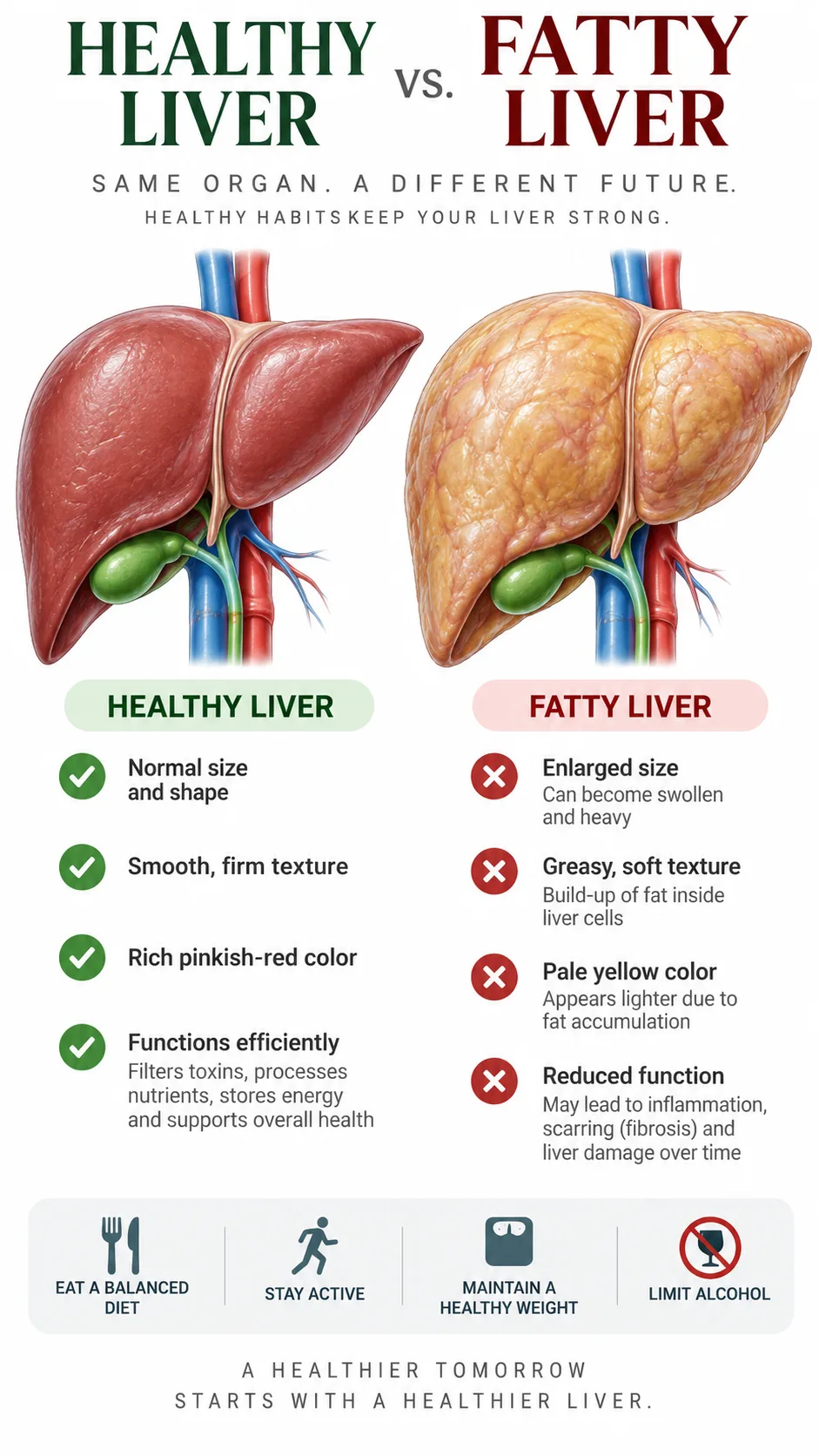
When people hear liver damage, they picture decades of whiskey. But the most common form worldwide has nothing to do with alcohol.
Doctors now call it MASLD (metabolic dysfunction-associated steatotic liver disease), previously known as NAFLD. Translation: your liver stores fat it shouldn’t be storing, because your metabolism is overwhelmed.
How common is it? Roughly 1 in 3 adults globally has some degree of it, according to research summarised by the National Institute of Diabetes and Digestive and Kidney Diseases. Most of them have no idea. There are barely any symptoms until things get serious.
The stages, quickly
- Steatosis (simple fatty liver): fat accumulates. Fully reversible. This is where you want to catch it.
- Steatohepatitis (MASH/NASH): fat plus inflammation. Still largely reversible with serious diet change.
- Fibrosis: scar tissue forms. You can halt it and sometimes partially reverse the early stages.
- Cirrhosis: permanent scarring. Damage control territory, not repair territory.
The earlier you act, the bigger the payoff. Studies consistently show that losing 7 to 10% of body weight can clear both the fat and the inflammation in a majority of people. That’s not a miracle supplement. That’s food.
Why your liver controls your energy levels
Ever wondered why you feel like a wet sandbag at 3pm even after eight hours of sleep?
Your liver is your body’s blood sugar thermostat. It stores glucose as glycogen, releases it when you need fuel, and keeps your energy steady between meals. A fat-clogged liver does this job badly.
You get blood sugar spikes, then crashes. You get brain fog. You get that specific tiredness where coffee somehow makes you more tired. Sound familiar?
Your liver also processes hormones, including estrogen, cortisol and thyroid hormone. When it lags, your hormones lag too, which is exactly why I always tell people that liver health and hormone balance go hand in hand. Fix one, and the other usually improves as a bonus.
The core principles of a liver repair diet
Forget 30-day detoxes. Your liver IS the detox system. It doesn’t need a juice cleanse to do its job, any more than your kidneys need a pep talk.
What it needs is less incoming damage and more raw materials for repair. Four principles run the whole plan:
- Slash added sugar, especially fructose. Your liver metabolises fructose almost exclusively, and the excess converts directly into liver fat through a process called de novo lipogenesis. Sugary drinks are the single worst offender.
- Cut ultra-processed foods. Refined flour, packaged snacks swimming in seed oils, processed meats. They drive insulin resistance, which drives fat storage in the liver.
- Prioritise protein and fibre at every meal. Protein protects muscle while you lose fat. Fibre feeds gut bacteria that influence liver inflammation through the gut-liver axis.
- Load up on polyphenols and healthy fats. Olive oil, oily fish, berries, coffee, green vegetables. These reduce oxidative stress and inflammation in liver tissue.
Notice what’s missing? Starvation. Weird powders. Lemon water rituals at 5am. This is a real food plan you can keep up with for years.
The 12 best foods for liver repair
These aren’t random “superfoods.” Each one has decent human research behind it.
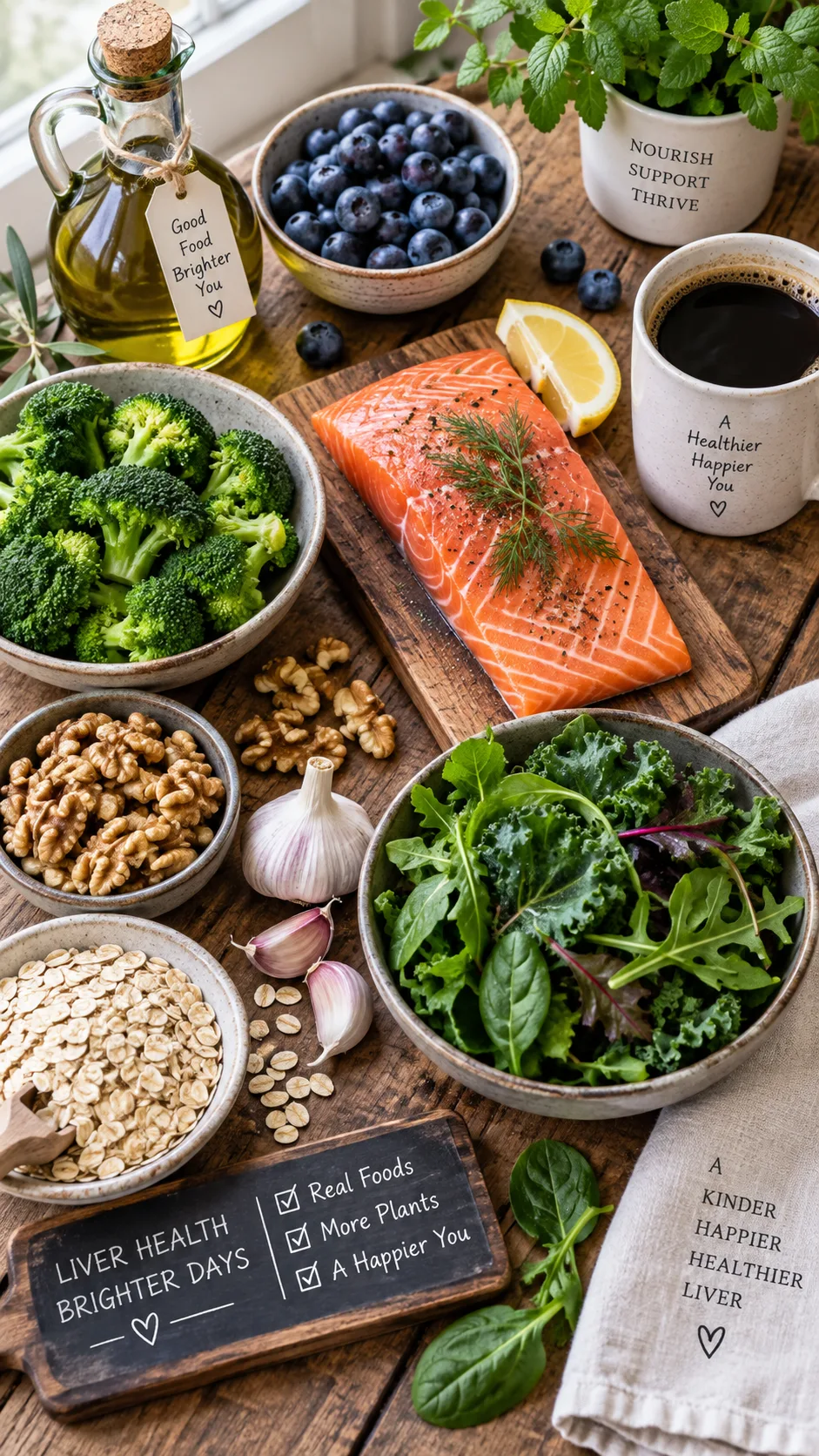
1. Coffee (yes, really)
Coffee is probably the most liver-protective thing in your kitchen. Multiple large studies link 2 to 3 cups daily with lower liver enzymes, less fibrosis progression, and reduced liver cancer risk. Black or with a splash of milk, not a 600-calorie caramel situation.
2. Extra virgin olive oil
The backbone of the Mediterranean diet, which remains the most evidence-backed eating pattern for fatty liver. It reduces liver fat and improves insulin sensitivity. Use it generously: cold on salads, warm for cooking.
3. Oily fish
Salmon, sardines, mackerel, herring. The omega-3s lower liver triglycerides directly. Aim for 2 to 3 portions a week. Tinned sardines on sourdough cost about £1 and take 90 seconds. No excuses.
4. Cruciferous vegetables
Broccoli, sprouts, cauliflower, rocket, kale. They contain glucosinolates that support your liver’s phase II detoxification enzymes: the real biochemical detox pathway, not the Instagram one.
5. Berries
Blueberries, raspberries, blackberries. High in anthocyanins, low in sugar, packed with fibre. Frozen works just as well and costs half as much.
6. Garlic and onions
Sulphur compounds that support detox enzymes, plus prebiotic fibre. Small studies show garlic supplementation reduces liver fat in MASLD patients.
7. Oats and barley
Beta-glucan fibre lowers cholesterol and slows glucose absorption. Steel-cut oats beat instant packets by a mile.
8. Nuts and seeds
Walnuts particularly, since they track with better liver enzyme profiles. A small handful daily. Not a family-size bag while watching Netflix (I speak from experience).
9. Green tea
Catechins reduce liver fat in several trials. Two to three cups daily works nicely. Skip the high-dose green tea extract pills though, because those have caused liver injury.
10. Beetroot
Betalains reduce oxidative stress. Roast it, grate it raw into salads, or blend it. Fair warning about the next day’s bathroom visit: it’s the beetroot, not an emergency.
11. Legumes
Lentils, chickpeas, black beans. Protein plus fibre plus resistant starch. They blunt blood sugar spikes better than almost anything.
12. Turmeric
Curcumin shows anti-inflammatory effects on liver tissue in several randomised trials. Pair it with black pepper and fat for absorption.
The foods working against your liver
I’d love to say “everything in moderation,” but some things genuinely earn a spot on the naughty list.
- Sugar-sweetened drinks: soda, energy drinks, fruit juice, sweetened coffees. The fastest route to liver fat there is.
- High-fructose corn syrup: it hides in sauces, cereals, breads, “healthy” granola bars.
- Alcohol: even moderate amounts stall recovery. If you already have fatty liver, alcohol multiplies the damage rather than adding to it.
- Refined carbs: white bread, pastries, most breakfast cereals.
- Processed meats: bacon, salami, hot dogs. Observational studies link them to higher MASLD risk.
- Deep-fried foods: repeatedly heated oils produce compounds that promote inflammation.
The single highest-impact change for most people? Stop drinking your calories. One 500ml soda a day equals roughly 15kg of sugar a year going straight to your liver. That’s a suitcase of sugar. Per year.
A realistic 7-day liver diet plan
Here’s the structure I used myself, adapted for normal humans who have jobs. Repeat, swap, mix freely. The pattern matters more than the specifics.
Breakfast options
- Steel-cut oats + blueberries + walnuts + cinnamon
- Three-egg omelette with spinach, tomatoes and feta
- Greek yoghurt + chia seeds + raspberries
- Smoked salmon on rye with avocado
Lunch options
- Big salad: rocket, chickpeas, cucumber, olives, tuna, olive oil + lemon
- Lentil soup + wholegrain bread
- Leftover roast chicken with quinoa and roasted vegetables
- Sardines on sourdough with rocket and chilli flakes
Dinner options
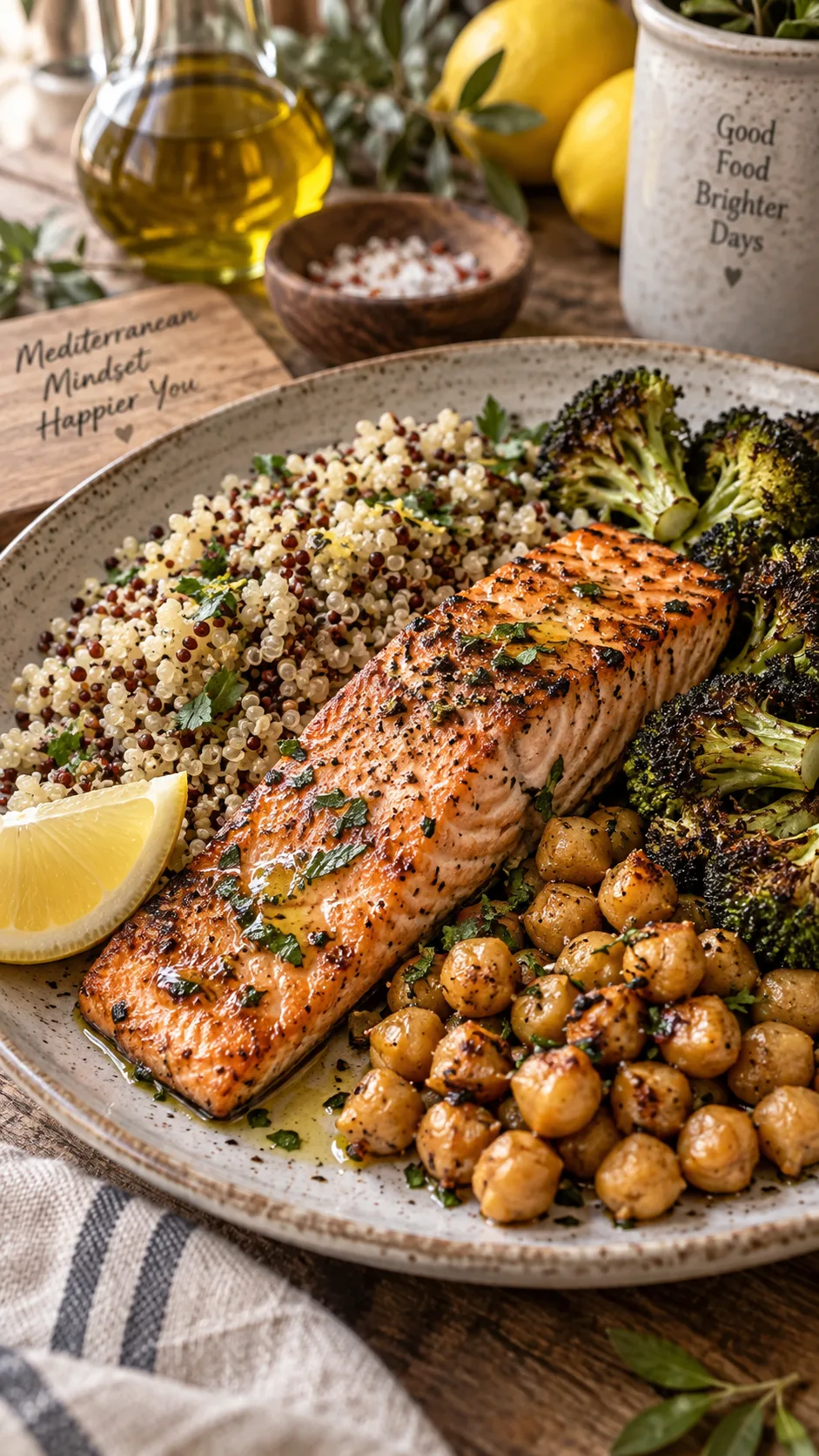
- Baked salmon, roasted broccoli, sweet potato
- Chicken and vegetable stir-fry with brown rice
- Turkey chilli loaded with beans and peppers
- Vegetable curry with lentils, turmeric and brown rice
Snacks
- Handful of almonds or walnuts
- Apple with peanut butter (no added sugar)
- Hummus with carrot and pepper sticks
- Boiled eggs
- Greek yoghurt
Golden rule: every plate gets protein, fibre and a healthy fat. Build that habit and you stop needing to count anything.
Beyond food: the habits that multiply your results
Diet does the heavy lifting, but these four things make the difference between “slightly better numbers” and “my doctor asked what I did.”
Move your muscles
Exercise reduces liver fat even without weight loss. Resistance training matters especially, because muscle acts as a glucose sink and pulls sugar out of your bloodstream before your liver has to deal with it. Aim for 2 to 3 strength sessions plus 150 minutes of walking weekly.
Sleep like it’s your job
Short sleep raises cortisol and insulin resistance. Both push fat into your liver. Seven to nine hours isn’t a luxury. It’s part of the treatment plan.
Watch your medications and supplements
Your liver processes everything. Excess paracetamol, certain herbal supplements, and some bodybuilding products cause real liver injury. The NIH runs a free database called LiverTox where you can check any drug or supplement. Bookmark it.
Manage stress (groan, I know)
Chronic cortisol elevation promotes visceral and liver fat storage. You don’t need a meditation retreat. A daily walk without your phone does surprising work. Stress management also underpins any decent hormone balancing approach, so you’re double-dipping on benefits.

How long until you see results?
This is the question everyone asks, so let me give real numbers rather than vague encouragement.
- 2 to 4 weeks: energy improves noticeably. Afternoon crashes fade. Sleep quality often improves first.
- 6 to 12 weeks: liver enzymes (ALT, AST) typically start dropping if you’ve been consistent.
- 3 to 6 months: imaging often shows measurable reduction in liver fat. This is where the real repair shows up.
- 12 months and beyond: early fibrosis can regress in many people who sustain the changes.
My own ALT went from 74 down to 29 in about five months. I changed no medications. I changed breakfast, lunch, dinner and my relationship with the pub. That last one was the hardest part.
Get tested, don’t guess
Please don’t self-diagnose from an article, even a very good one. Ask your doctor for:
- Liver function tests (ALT, AST, GGT, ALP, bilirubin, albumin)
- Fasting glucose and HbA1c
- Lipid panel
- FIB-4 score: a simple calculation from existing bloods that estimates fibrosis risk
- Ultrasound or FibroScan if anything looks off
The Mayo Clinic and the British Liver Trust both publish clear plain-English guidance on what these results mean. Use them to prepare questions before your appointment.
And if you already have diagnosed liver disease, run any big dietary change past your hepatologist first. Advanced cirrhosis comes with completely different protein and sodium requirements.
The bottom line
Your liver wants to heal. It’s wired for it. All it needs from you is less sugar, less alcohol, less ultra-processed junk, plus more real food, more movement and more sleep.
No detox teas. No thousand-pound supplement stacks. No 5am lemon water ceremonies.
Start with one thing this week. Kill the sugary drinks. Then add protein to breakfast. Then walk after dinner. Small, boring, repeated actions beat dramatic three-day cleanses every single time.
Your liver has covered for you for years without a word of thanks. Give it three months of decent food and see what it does with them. You’ll probably be surprised.