

You know that moment when you snap at your partner for breathing too loudly, then cry about a dog food commercial twelve minutes later? Yeah. I lived there for about three years.
My periods showed up whenever they felt like it. My energy crashed at 2pm like clockwork. And my mood? My friends learned to check the calendar before inviting me anywhere.
Then I changed how I ate. Not a cleanse, not a detox tea, not some 21-day miracle. Just a hormone balancing diet plan built on food that keeps your blood sugar steady and your body fed. Six weeks in, my cycle arrived on day 29. I nearly framed the calendar.
Here’s exactly what I did, what science backs it up, and what I’d skip if I started over.
First, why your hormones are probably throwing a tantrum
Hormones are chemical messengers. They tell your body when to sleep, when to ovulate, when to burn fuel, and when to store it. They work beautifully until you starve them, stress them, or bury them in refined sugar.
Ever wondered why your energy nosedives at the same time every afternoon? Blood sugar. Every time you eat a naked carb (toast, cereal, that “healthy” fruit smoothie), your glucose spikes, insulin rushes in, and then you crash. Repeat that four times a day for years, and your body starts ignoring insulin altogether.
Here’s the annoying part: insulin resistance directly disrupts your sex hormones. High insulin tells your ovaries to pump out more androgens, which throws off ovulation, which wrecks your cycle and your mood. The American College of Obstetricians and Gynecologists puts this insulin connection at the centre of PCOS, the most common hormonal disorder in women of reproductive age.
The other two troublemakers
- Cortisol, your stress hormone. Chronically high cortisol steals the raw materials your body uses to make progesterone. Less progesterone means worse PMS, worse sleep, and a shorter luteal phase.
- Estrogen clearance. Your liver and gut have to escort used estrogen out the door. Constipation and a sluggish gut microbiome recycle it right back in. Fun times.
So a real hormone balancing diet isn’t about magic foods. It’s about steadying blood sugar, lowering your cortisol load, and helping your gut and liver do their jobs. That’s it. Anyone selling you more than that is selling you something.
My starting point (aka the cautionary tale)
I thought I ate well. Oat milk latte at 7am. Granola bar around 10. Big salad for lunch, dressing on the side, because I was a certified health genius. Then popcorn and wine at 9pm because I’d been “so good all day.”
Total protein for the day? Maybe 45 grams. Total fat? I was terrified of it. My body read this as a famine with extra steps.
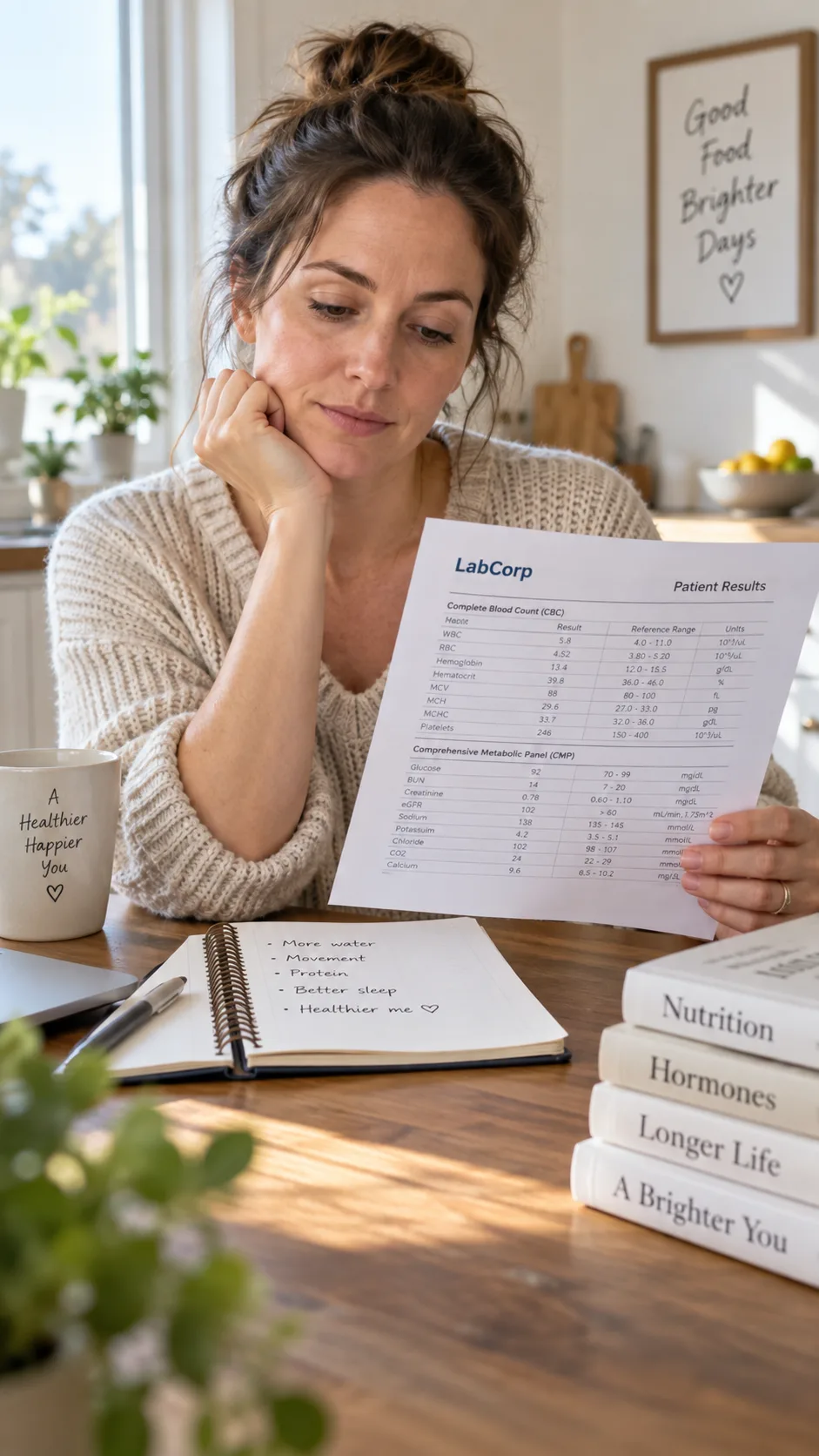
My GP ran bloodwork. Ferritin was low. Vitamin D was low. My thyroid sat in that “technically normal but clearly grumpy” range. FYI, get bloodwork before you change anything. You need a baseline, and you need to rule out thyroid disease, anaemia, and actual PCOS. Food is powerful, not psychic.
The 5 rules that changed everything
I tried to make this complicated. It didn’t need to be. Here’s the whole framework in five rules.
1. Eat 30g of protein at breakfast, before coffee
This single change did more for my mood than anything else. Protein blunts the glucose response, keeps you full, and gives your body the amino acids it needs to build hormones and neurotransmitters.
Thirty grams looks like three eggs plus a scoop of Greek yoghurt. Or a smoked salmon omelette. Or, on chaotic mornings, cottage cheese, berries, and a protein shake I drink while hunting for my keys.
And the coffee thing? Caffeine on an empty stomach spikes cortisol when your cortisol is already peaking naturally. I pushed my coffee to 9:30am, after food. My afternoon shakiness disappeared within a week. Coincidence? I don’t think so.
2. Never eat a naked carb
Carbs are not the enemy. Lonely carbs are. Every carb gets a chaperone: protein, fat, or fibre. Ideally all of them.
- Apple → apple plus almond butter
- Toast → toast plus eggs and avocado
- Rice → rice plus chicken and a pile of greens
- Dark chocolate → dark chocolate after dinner, not instead of it
Research on meal sequencing shows that eating vegetables and protein before your carbs meaningfully lowers post-meal glucose spikes. Same food, different order, better hormonal outcome. Cheap trick, real results.
3. Stop fearing fat
Your sex hormones are literally built from cholesterol. Cut fat too low and you hand your body an empty toolbox. I aimed for fat at every single meal: olive oil, avocado, eggs, oily fish, nuts, seeds, full-fat dairy if it agrees with you.
I also went after omega-3s, specifically fatty fish two or three times a week. The evidence here is decent. Omega-3 supplementation helps with menstrual pain and PMS symptoms across multiple trials. My cramps went from “call in sick” to “take an ibuprofen and carry on.”
4. Feed your gut like it pays your rent
Your gut microbiome houses a collection of bacteria called the estrobolome, which helps regulate how much estrogen you reabsorb versus excrete. A constipated gut is a hormonally confused gut. That’s mechanism, not metaphor.
My non-negotiables:
- 30+ different plant foods per week. Herbs and spices count. I keep a scrappy list on my fridge.
- Ground flaxseed, 1 to 2 tablespoons daily. Lignans support estrogen metabolism, and it keeps things moving.
- Cruciferous veg most days: broccoli, rocket, cabbage, Brussels sprouts. They supply compounds your liver uses in estrogen detox pathways.
- Fermented food daily. Kefir, sauerkraut, kimchi, live yoghurt. Small amounts, consistently.
5. Eat enough. Seriously.
This was my hardest lesson. Undereating is a hormonal stressor. When energy availability drops too low, your brain dials down reproductive hormones because it decides now isn’t a great time to make a baby. Missing or irregular periods are usually your body’s honest feedback, not a bonus.
I added roughly 300 calories a day, mostly protein and fat. I lost fat. My cycles regulated. Metabolism is weird and wonderful, and chronic restriction is the fastest way to break it.
What I eat in a day
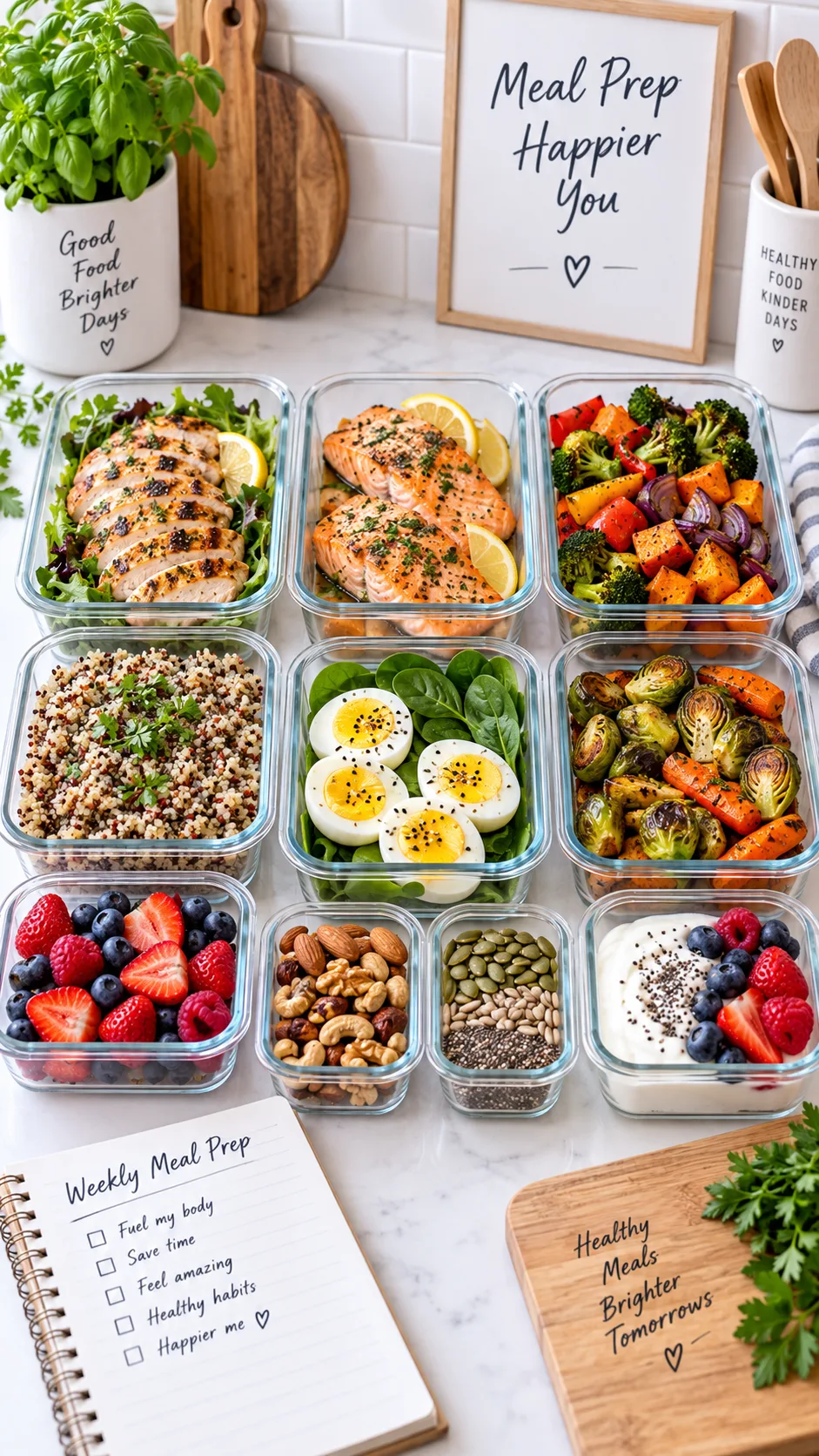
No exotic ingredients. No 40-minute breakfasts. Here’s a genuinely typical day.
Breakfast (7:30am)
Three-egg omelette with spinach and feta, half an avocado, a slice of sourdough. Roughly 32g protein. Water first, coffee later.
Lunch (12:30pm)
Big bowl: leftover salmon or chicken, quinoa, rocket, cucumber, red pepper, pumpkin seeds, olive oil and lemon. I eat the veg and protein first, carbs last. Feels silly. Works anyway.
Snack (3:30pm)
Greek yoghurt with ground flax and berries, or an apple with almond butter. This snack is the difference between a calm evening and raiding the cupboard at 6pm like a raccoon.
Dinner (7pm)
Protein, two vegetables, a decent carb. Sheet-pan chicken thighs with sweet potato and broccoli is my weeknight default. Two squares of 85% dark chocolate after. Non-negotiable.
The luteal phase adjustment
The week before my period, my appetite goes up, and that’s normal, because your resting metabolic rate genuinely rises a little in the luteal phase. I stopped fighting it. I add more carbs (sweet potato, oats, fruit) and more magnesium-rich food in that window.
Magnesium was a quiet game-changer for PMS. Dark leafy greens, pumpkin seeds, dark chocolate, black beans. The NIH Office of Dietary Supplements notes that most adults fall short of the recommended intake, and I was definitely one of them.
What I cut back (not banned, I’m not a monster)
- Alcohol. Down to a couple of drinks a month. Alcohol taxes your liver, which handles estrogen clearance, and it destroys deep sleep. My PMS improved dramatically. Annoying, but true.
- Ultra-processed snack food. Not because of “toxins.” Because someone engineered those foods to be eaten in volume, and they crowd out protein and fibre.
- Late-night sugar. A glucose spike at 10pm wrecks overnight recovery and next-day cravings.
- Caffeine after 1pm. Sleep drives hormone repair. I stopped negotiating with this one.
I still eat pizza. I still have birthday cake. A hormone balancing diet that you hate isn’t balancing anything. It’s just another stressor.
The stress piece nobody wants to hear
I’ll be blunt: you cannot out-eat chronic stress. I spent months perfecting my plate while sleeping six hours and working through lunch. My progress stalled hard.
Cortisol and progesterone compete for resources. High, relentless cortisol means lower progesterone, which means worse PMS, anxiety, and sleep. If you want the full breakdown of how I tackled that side, I wrote about my cortisol detox diet plan and the stress-eating spiral it finally broke.
The changes that mattered most weren’t glamorous:
- Seven to eight hours of sleep, consistently, in a dark room.
- A 10-minute walk after meals. It’s one of the most effective free glucose-lowering tools that exists.
- Strength training twice a week instead of punishing hour-long cardio sessions.
- Morning daylight within 30 minutes of waking to anchor my cortisol rhythm.
Does walking after dinner sound too simple to matter? It isn’t. Your muscles pull glucose out of your bloodstream without needing extra insulin. That’s real physiology, not wellness folklore.

The mistakes I made so you don’t have to
Mistake 1: chasing supplements before fixing food
I owned eleven bottles of things. Maca, DIM, vitex, three adaptogens I can’t pronounce. Total impact? Roughly nothing, because my breakfast was still a latte. Fix the plate first. Then talk to a doctor about targeted supplements based on real bloodwork.
Mistake 2: expecting results in two weeks
A single egg follicle takes around 90 days to mature before ovulation. That means today’s food influences a cycle roughly three months from now. I felt energy and mood shifts in two to three weeks, but cycle regularity took a full three months. Patience isn’t optional here.
Mistake 3: going ultra low carb
I tried keto during month two. My energy tanked and my period vanished. Some women genuinely do well on low carb, especially with insulin resistance, but many of us need moderate carbs to ovulate. If you’re curious about doing it properly rather than accidentally, read the beginner keto approach before you commit. For me? Moderate carbs won.
Mistake 4: writing off bloating as “just hormones”
Some of my bloating was hormonal. A lot of it came from food choices and eating too fast. If your stomach stages a daily protest, check the common bloating mistakes before you blame your estrogen.
Your first week starter plan
Don’t overhaul everything. Pick these five moves and run them for seven days.
- Day 1 to 7: 30g protein at breakfast. Every morning. No exceptions.
- Day 1 to 7: Water before coffee, coffee after food.
- Day 2: Add 1 tbsp ground flaxseed to something daily.
- Day 3: Start the 10-minute post-dinner walk.
- Day 5: Pair every carb with protein or fat. Track nothing else.
Then track how you feel: energy at 3pm, mood stability, sleep quality, cravings. IMO the subjective stuff tells you more than any app. Your body gives feedback constantly. Most of us just stopped listening.
When food isn’t the answer
Real talk, because this matters. Diet supports your hormones. It doesn’t replace medical care. Book an appointment if you have:
- No period for three or more months (and you’re not pregnant or menopausal)
- Cycles consistently shorter than 21 days or longer than 35
- Pain that stops you functioning, which can flag endometriosis and is not “normal”
- Sudden hair loss, unexplained weight changes, or heavy bleeding
Thyroid disorders, PCOS, and endometriosis need proper diagnosis. The NHS guidance on period problems is a solid, no-nonsense starting point. And if you’re managing other markers alongside this, say cholesterol, the principles overlap more than you’d expect, as I found with a low cholesterol eating approach built on the same fibre and healthy fat foundation.
Where I landed, one year on
My cycles run 28 to 30 days. My PMS lasts about a day instead of ten. I don’t crash at 3pm, and I haven’t cried at a dog food ad in months, though I reserve the right, because some of those ads are genuinely manipulative.
The takeaways, condensed:
- Blood sugar stability is the foundation. Protein at breakfast, no naked carbs, a walk after meals.
- Eat enough food. Restriction is a hormonal stressor, not a strategy.
- Fat and fibre aren’t optional. Your body builds hormones from one and clears them with help from the other.
- Sleep and stress management do half the work. No plate fixes six hours of sleep.
- Give it three months. Follicles take 90 days. Your patience is part of the protocol.
One last thought: your hormones aren’t broken, and they’re not out to get you. They’re responding, accurately, to the signals you’ve been sending. Change the signals and they change the reply.
Start tomorrow morning with 30 grams of protein. That’s the whole homework. Your 3pm self will thank you by Friday.