

Want a clearer picture of Jennie’s diet than the usual “one apple and good luck” celebrity rumor? Start here. BLACKPINK’s Jennie maintains a lean build through consistent habits, balanced meals, demanding workdays, and a sensible relationship with food.
She does not promote a rigid “Jennie diet plan,” and she has never given fans a secret 14-day starvation spreadsheet. Good. Nobody needs one. We can look at the food habits she has discussed in public and separate practical ideas from made-up nutrition advice.
First: Does Jennie follow a strict diet plan?
Not in the way most clickbait headlines claim. Jennie has spoken about choosing healthier foods, keeping a regular routine, enjoying meals, and adjusting her eating around a packed schedule. Her work also involves long rehearsals, travel, performances, fittings, and the need to feel energized on camera.
That kind of schedule needs food. A crash diet may produce a dramatic headline, but it can make a dance rehearsal miserable. Jennie’s public comments suggest mindful eating rather than obsessive rules.
Fans often credit her physique to low-carb plans, detox drinks, or very small portions. Most of those claims offer no direct proof. The sensible takeaway is simple: Jennie seems to favor overall balance, not a publicly confirmed restrictive diet.
Why “Jennie diet” rumors keep spreading
Celebrity bodies make easy marketing material. Someone sees Jennie in a polished stage outfit and assumes she survives on salad leaves and iced coffee. Social media loves a dramatic before-and-after story, while moderation rarely grabs attention.
Body shape depends on much more than lunch. Genetics, years of dance training, sleep, stress, styling, camera angles, body composition, and daily movement all matter. Food plays a major role, but food does not work alone.
Jennie also works with trainers, demanding choreography, professional scheduling, and support teams. Most people do not start a six-hour dance rehearsal before lunch. Build a healthy routine around your own life, not a backstage K-pop timetable.
What Jennie has shared about her eating habits
Jennie has mentioned enjoying simple, nourishing foods and noticing how meals make her feel. Interviews and lifestyle content have connected her with avocado toast, yogurt, fruit, vegetables, soups, and Korean home-style dishes. She enjoys treats too, which may be the most relatable detail here.
She does not seem to fear carbohydrates or treat ordinary foods as moral failures. That approach matters. A sustainable diet makes room for nutrition, culture, pleasure, and the occasional dessert.
Her habits sound closer to “eat well most of the time” than “never eat anything fun again.” That approach tends to last because people can live with it.
Breakfast: Simple, filling, and easy to repeat
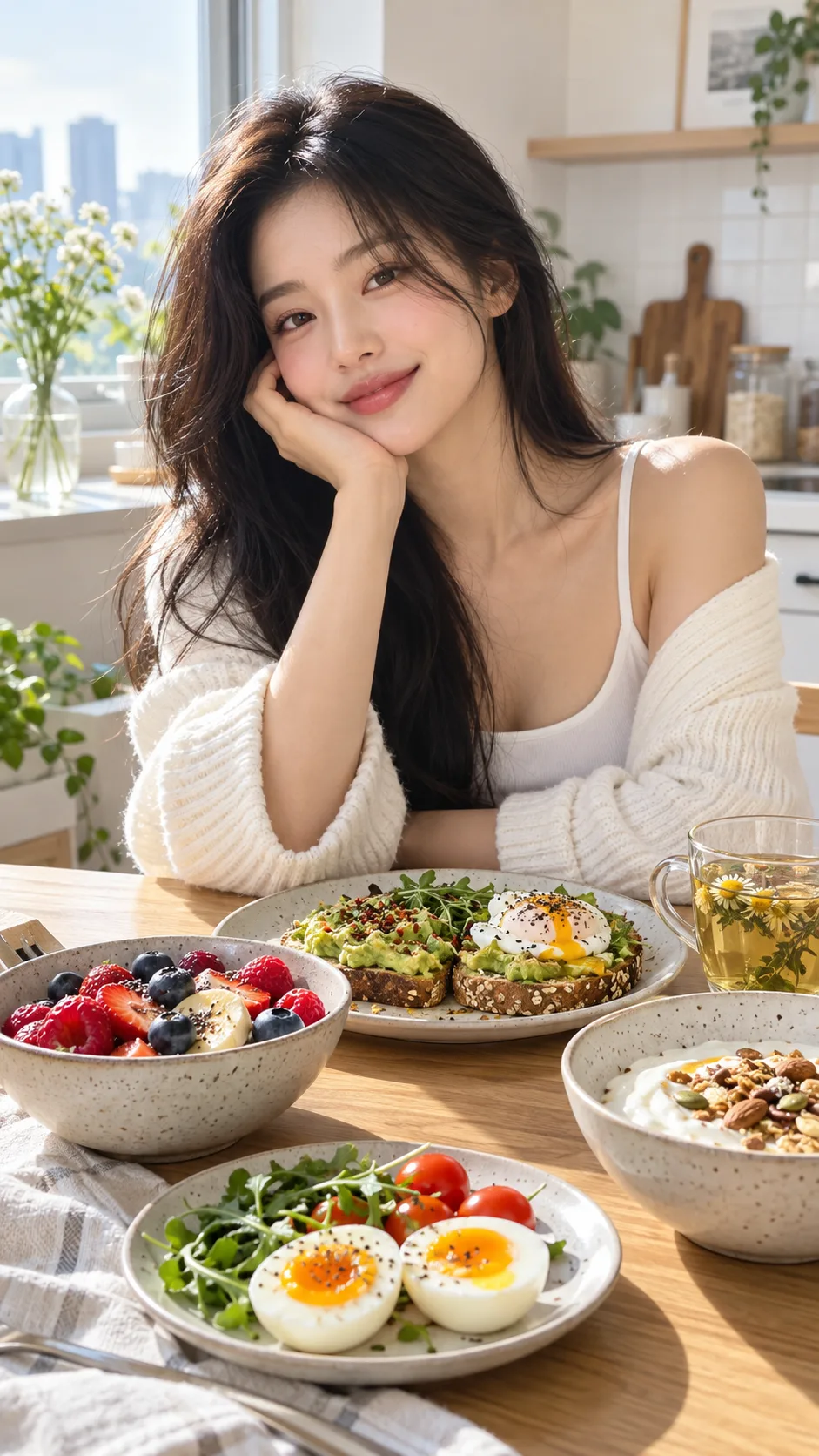
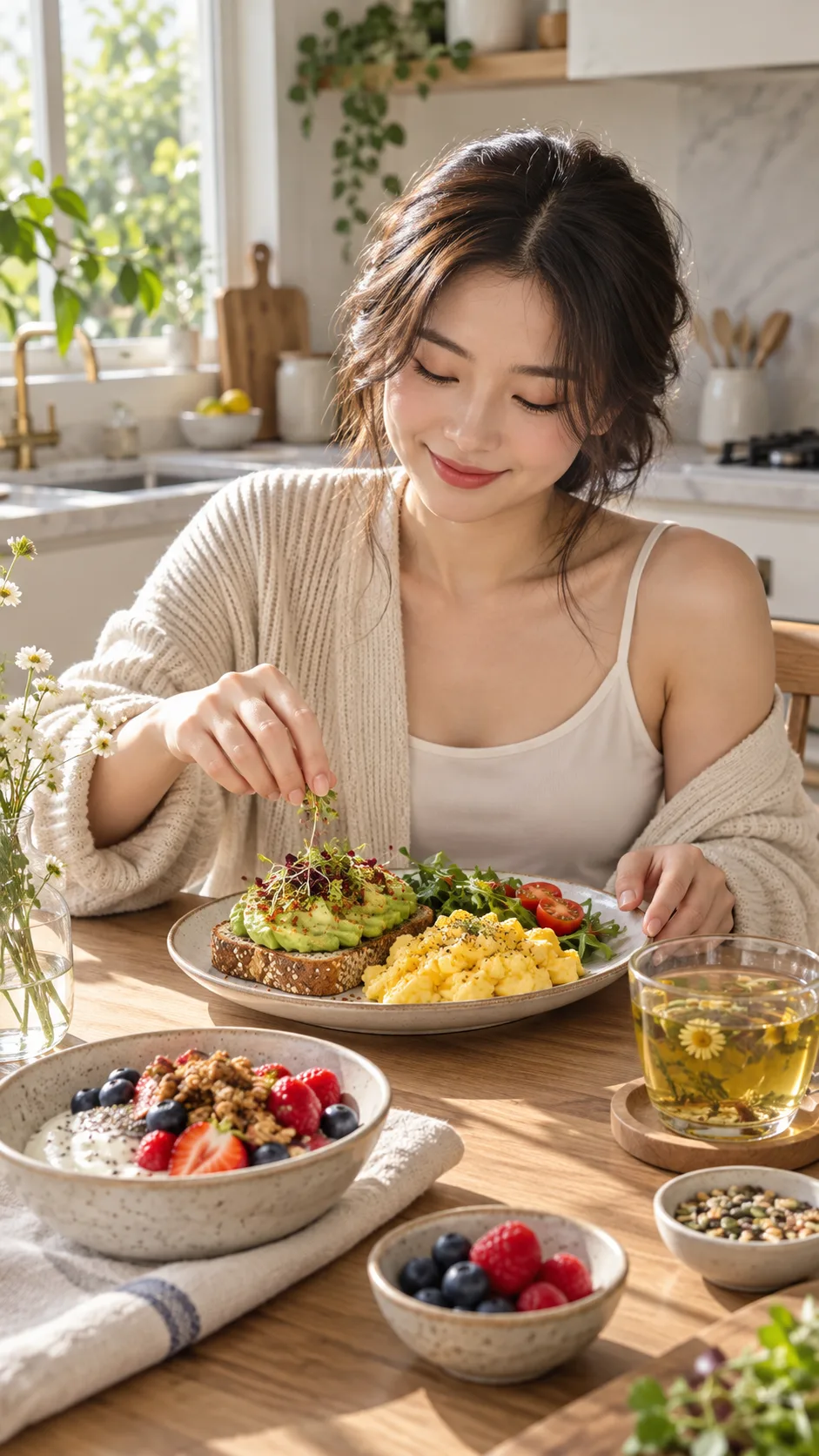
Public conversations about Jennie’s meals often mention avocado toast, eggs, fruit, yogurt, and granola for breakfast. Those foods make sense together because they provide fiber, protein, fats, and carbohydrates. They also require far less effort than a seven-course wellness ritual at 7 a.m.
Avocado toast remains popular for a reason. Whole-grain bread provides carbohydrates and fiber, avocado brings unsaturated fats, and eggs add protein. Add fruit or yogurt, and you have a breakfast that can carry you through the morning instead of leaving you desperate for a snack an hour later.
- Whole-grain toast: Provides carbohydrates for training, walking, work, and everyday brain power.
- Avocado: Adds satisfying fats and potassium.
- Eggs or Greek yogurt: Help the meal feel more filling with protein.
- Fruit: Adds fiber, color, and natural sweetness.
Lunch and dinner: Balanced plates over tiny portions
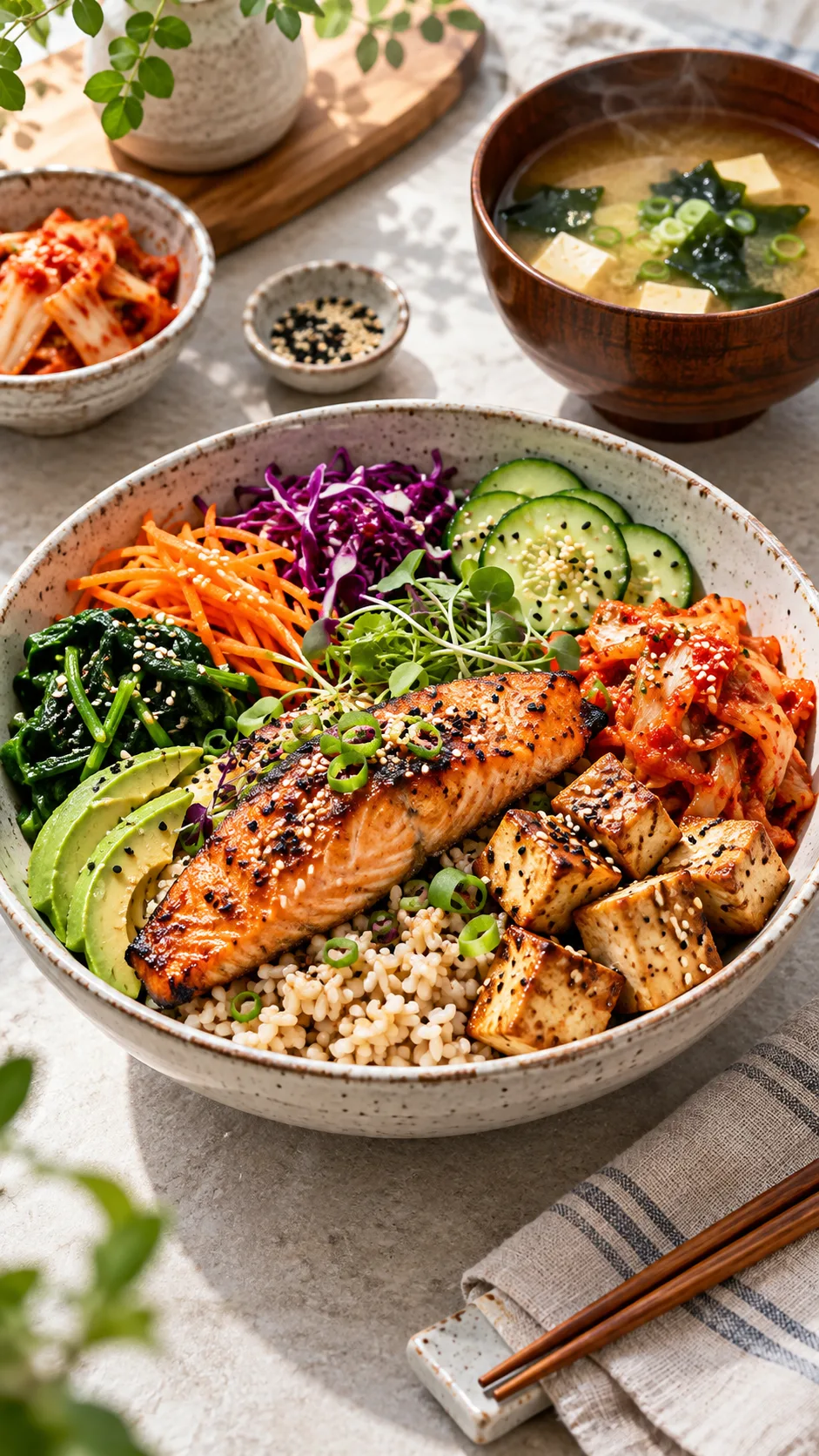
Jennie has shown appreciation for Korean food, and a traditional Korean-style meal can offer a strong balance. Rice provides energy, vegetables add volume and fiber, and fish, tofu, eggs, or meat contribute protein. Kimchi and other fermented foods bring flavor, though people watching sodium should keep an eye on portions.
A balanced lunch does not need celebrity branding. Try rice or noodles, a palm-sized serving of protein, at least two vegetables, and a sauce or side dish that you enjoy. Food needs to taste good. Bland chicken breast can only take a person so far.
Many reports mention salads and lighter meals during intense schedules. “Light” should not mean inadequate. Add protein, carbohydrates, and fats to a salad if you want it to satisfy you for more than 37 minutes.
Snacks: Fruit, yogurt, and foods that travel well
Busy performers need convenient food, and so do most people. Fruit, yogurt, nuts, cheese, roasted edamame, and protein-rich drinks can make useful snack choices. They bridge the gap between meals without letting hunger become a full-blown crisis.
Jennie has also spoken about enjoying juices and fresh foods. Juice can fit into a balanced diet, though whole fruit usually keeps you full longer because it contains fiber. You do not need to fear juice, but you should not rely on it as a magical meal replacement either.
The big secret is not food: It’s movement
Jennie’s lean physique also reflects a highly active career. BLACKPINK choreography demands stamina, coordination, strength, and repetition. Dance sessions work the heart, legs, core, posture, and concentration at the same time.
She has shared glimpses of Pilates, yoga, and workout routines over the years. Those workouts build core strength, mobility, balance, and body awareness. They cannot reshape one body part through magic, but they can help you get stronger and move better.
The World Health Organization’s physical activity guidance recommends regular aerobic activity and muscle-strengthening work each week. You do not need to become a K-pop idol to benefit. Walking, lifting, cycling, Pilates, dancing, and sports all count.
Why exercise changes the diet conversation
People often copy celebrity meals while overlooking celebrity activity levels. That creates a mismatch. If you eat less because an idol reportedly ate less during promotions, yet you do not train for hours every day, you may feel tired, hungry, and frustrated.
Movement can also help people regulate appetite, improve mood, protect muscle, and sleep better. Exercise does not make you “earn” food. It supports your body and can help you develop a more flexible relationship with eating.
If you want a plan that pairs nourishing food with strength training, check out this gym diet plan for building muscle without starving. Building or maintaining muscle can make fat loss feel more manageable than chasing the smallest number on the scale.
Jennie-inspired diet principles worth copying
You do not need Jennie’s exact meals to use habits that may support her routine. Focus on patterns rather than perfection. A nutrition plan should work on an ordinary Tuesday, not only during a motivational montage.
- Build meals around real food. Choose vegetables, fruit, proteins, grains, legumes, dairy or alternatives, and satisfying fats most of the time.
- Include protein at each meal. Eggs, fish, tofu, chicken, Greek yogurt, beans, lentils, and tempeh can help you stay full and support muscle recovery.
- Keep carbs on your plate. Rice, oats, potatoes, fruit, bread, and noodles can fuel performance and energy, especially when you move often.
- Eat enough to function. Extreme restriction can hurt training, concentration, mood, sleep, and social life.
- Use structure without turning food into homework. Regular meals often help people manage hunger better than random grazing or all-day restriction.
- Choose movement you enjoy. Dance counts, walking counts, and dramatically cleaning your kitchen to a BLACKPINK playlist counts too.
- Leave room for fun foods. A diet that bans everything you love often leads to a rebound later.
For a practical approach that puts fullness first, our protein diet plan that keeps you full offers meal ideas without calorie obsession. Protein cannot solve every nutrition problem, but it can make a balanced eating plan easier to maintain.
A realistic Jennie-inspired meal plan for one day
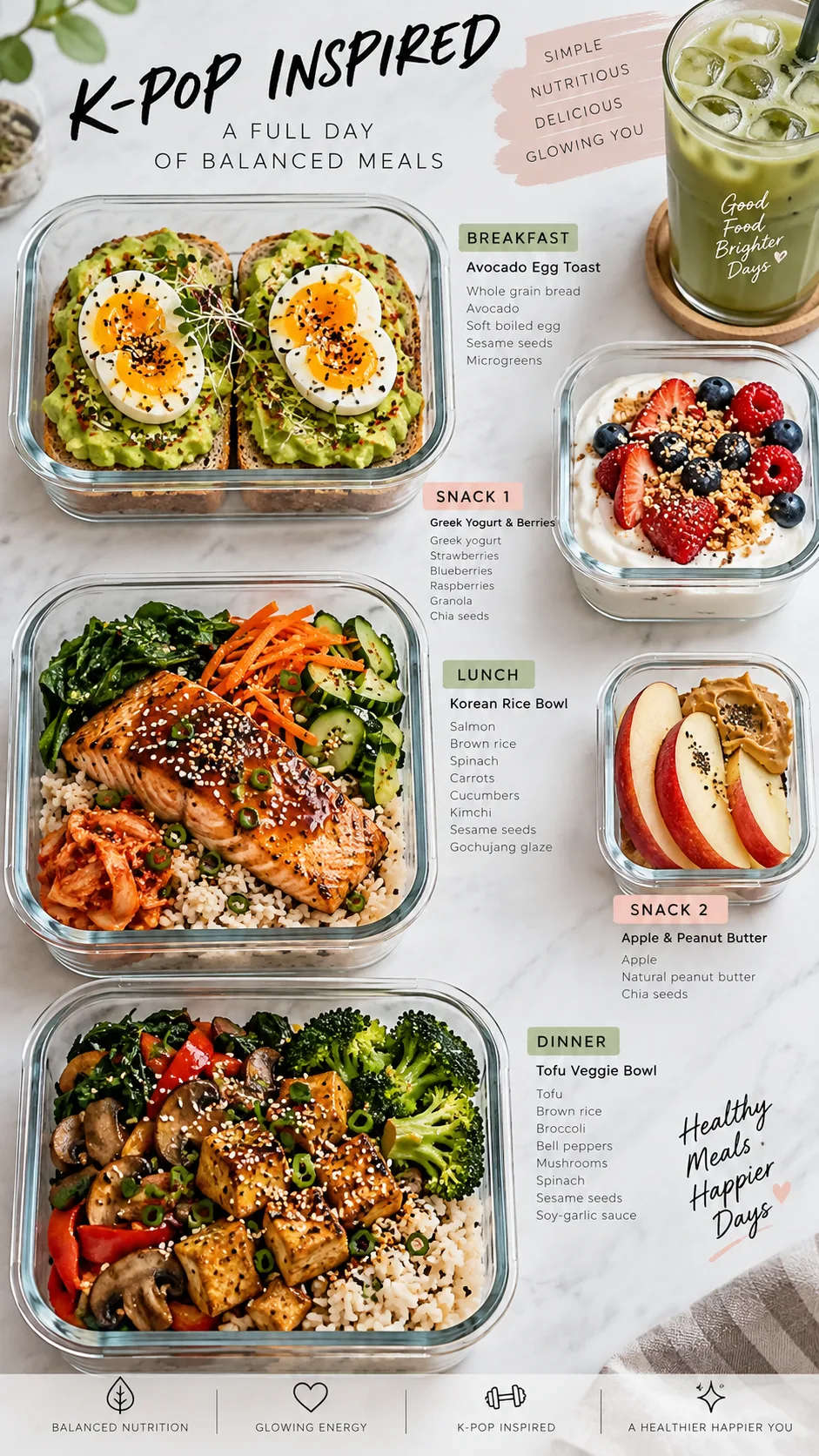
This sample menu does not claim to copy Jennie’s exact plate. It draws on the balanced, fresh, activity-friendly style that her public food preferences suggest. Adjust portions for your appetite, health needs, training, and goals.
Breakfast
Start with whole-grain toast topped with avocado and two eggs. Add berries or a banana on the side, plus coffee, tea, or water. This meal provides protein, fats, fiber, and enough carbohydrates to help you start the day with steady energy.
Mid-morning snack
Have plain Greek yogurt with fruit and a spoonful of nuts or seeds. Choose soy yogurt and add a protein source if you avoid dairy. This snack can help when lunch happens later than you planned.
Lunch
Make a Korean-inspired bowl with rice, grilled salmon or tofu, sauteed spinach, cucumber, carrots, mushrooms, and kimchi. Add gochujang or a sesame-based sauce for flavor. This meal brings texture, color, protein, and carbohydrates without leaving you deprived.
Afternoon snack
Try an apple with peanut butter, roasted edamame, or a protein smoothie. Choose the option that matches your hunger and schedule. A snack should bring you to dinner comfortably hungry, not ravenous enough to eat the furniture.
Dinner
Serve chicken, tofu, prawns, or lentils with roasted vegetables and potatoes or rice. Add a big salad with olive oil dressing if you enjoy it. Finish with fruit, dark chocolate, or a favorite dessert if you want one.
This plan resembles the heart healthy diet plan beginners stick to in one important respect: it favors foods that support long-term health over quick fixes. Lean does not always mean healthy, and healthy food does not have to feel joyless.
What not to copy from celebrity diet culture
Celebrity routines can inspire you, but they should never run your life. Your energy needs may differ from Jennie’s by a wide margin. Age, height, body size, medical history, hormones, medications, sleep, stress, and activity all influence how much food you need.
Do not copy extreme calorie cuts
Some online posts claim that idols survive on very low-calorie menus before events. Those plans can cause fatigue, nutrient gaps, poor recovery, intense cravings, and unhealthy thoughts about food. They also rarely tell the whole story.
The National Institute of Diabetes and Digestive and Kidney Diseases recommends gradual, sustainable weight management over dramatic short-term restriction. Slow progress may not look flashy, but it protects your health and gives habits more time to stick.
Do not fear rice or fruit
Jennie’s reported food preferences do not support the idea that every carbohydrate deserves exile. Rice plays a central role in Korean cuisine, and fruit provides vitamins, water, and fiber. Ask how a food fits into your full day instead of accepting a wellness influencer’s “clean” label.
Carbohydrates fuel high-intensity dance and workouts. Pair them with protein, fats, and fiber when you want steadier fullness. Your body does not need a dramatic food villain. It needs enough fuel.
Do not treat detoxes as nutrition
Juice cleanses and detox teas make big promises because big promises sell. Your liver and kidneys already handle detoxification every day. Support them with enough fluids, nutritious foods, sleep, and less alcohol, rather than a suspicious tea that turns your afternoon into a bathroom scheduling problem.
The National Center for Complementary and Integrative Health says researchers lack strong evidence for many detox and cleanse claims. Spend your money on groceries you genuinely enjoy.
How to adapt Jennie’s healthy eating style to your own goal
A Jennie-inspired diet can support fat loss, maintenance, performance, or general health, but your goal should shape your portions. You do not need to remake your entire kitchen overnight. Start with one meal you can repeat without dreading it.
If your goal is fat loss
Create a modest calorie deficit through portions, food choices, and movement instead of extreme cuts. Eat enough protein to support fullness and muscle, fill your meals with produce, and include foods you enjoy. For more guidance, see our fat loss diet plan that works without starving yourself.
Track more than body weight. Pay attention to your energy, strength, waist measurement, sleep, digestion, and consistency. A plan that leaves you exhausted and obsessed does not deserve the label “healthy.”
If your goal is muscle or dance performance
Eat enough carbohydrates on active days and spread protein across your meals. Have a meal or snack with carbohydrates and protein after hard exercise. Drink fluids consistently, especially after a long class or sweaty workout.
Strength training can complement dance, Pilates, and cardio. More muscle can improve strength and resilience, and it helps you maintain a capable body. Aim for progress rather than punishment.
If your goal is better everyday eating
Try the plate method. Fill roughly half your plate with vegetables and fruit, reserve one quarter for protein, and fill the final quarter with carbohydrates such as rice, potatoes, whole grains, or noodles. Add fats from avocado, nuts, seeds, olive oil, or sauce.
This approach works for Korean meals, sandwiches, pasta, curries, tacos, and family dinners. You do not need separate “diet food.” You need an eating pattern that holds up when life gets busy.
When you should talk to a professional
Talk with a registered dietitian or doctor if you have diabetes, thyroid concerns, digestive symptoms, a history of disordered eating, irregular periods, unexplained weight changes, or a medical condition that affects your food choices. Personal advice matters more when health needs enter the picture.
Seek support if food rules cause anxiety or guilt. A healthy plan should make life easier, not smaller. Good health includes mental health, social connection, and enough energy to enjoy your day.
The bottom line on Jennie’s diet
Jennie’s diet does not look like a secret starvation plan. Her public habits point to a balanced approach that includes fresh foods, protein, fruits and vegetables, satisfying meals, and plenty of movement through dance and training.
The best Jennie diet plan for you will not copy every rumored meal. Borrow the useful basics: eat real food, fuel your activity, avoid extremes, and leave room for enjoyment. That plan may sound less glamorous than a miracle detox, but it has a far better chance of lasting.
Take one idea from this article and try it this week. Add protein to breakfast, build a better lunch bowl, take a dance class, or stop calling rice “bad.” Your routine does not need celebrity drama to give you more confidence.