

Your great-great-grandparents never counted a single macro, and somehow they weren’t wheezing up a flight of stairs. Odd, isn’t it? Long before anyone slapped “clean eating” on a $14 smoothie, a 3,000-year-old book had already sketched out a pretty solid food framework.
I’m talking about the Biblical diet, sometimes called the Bible diet, the Hebrew diet, or (thanks to one very famous bestseller) the Maker’s Diet. And here’s the part that gets me: modern nutrition science keeps accidentally confirming it.
So what is it, what does Scripture really say, where does the science agree, and how would you eat this way starting Monday without turning your kitchen into a museum exhibit?
So what exactly is the Biblical diet?
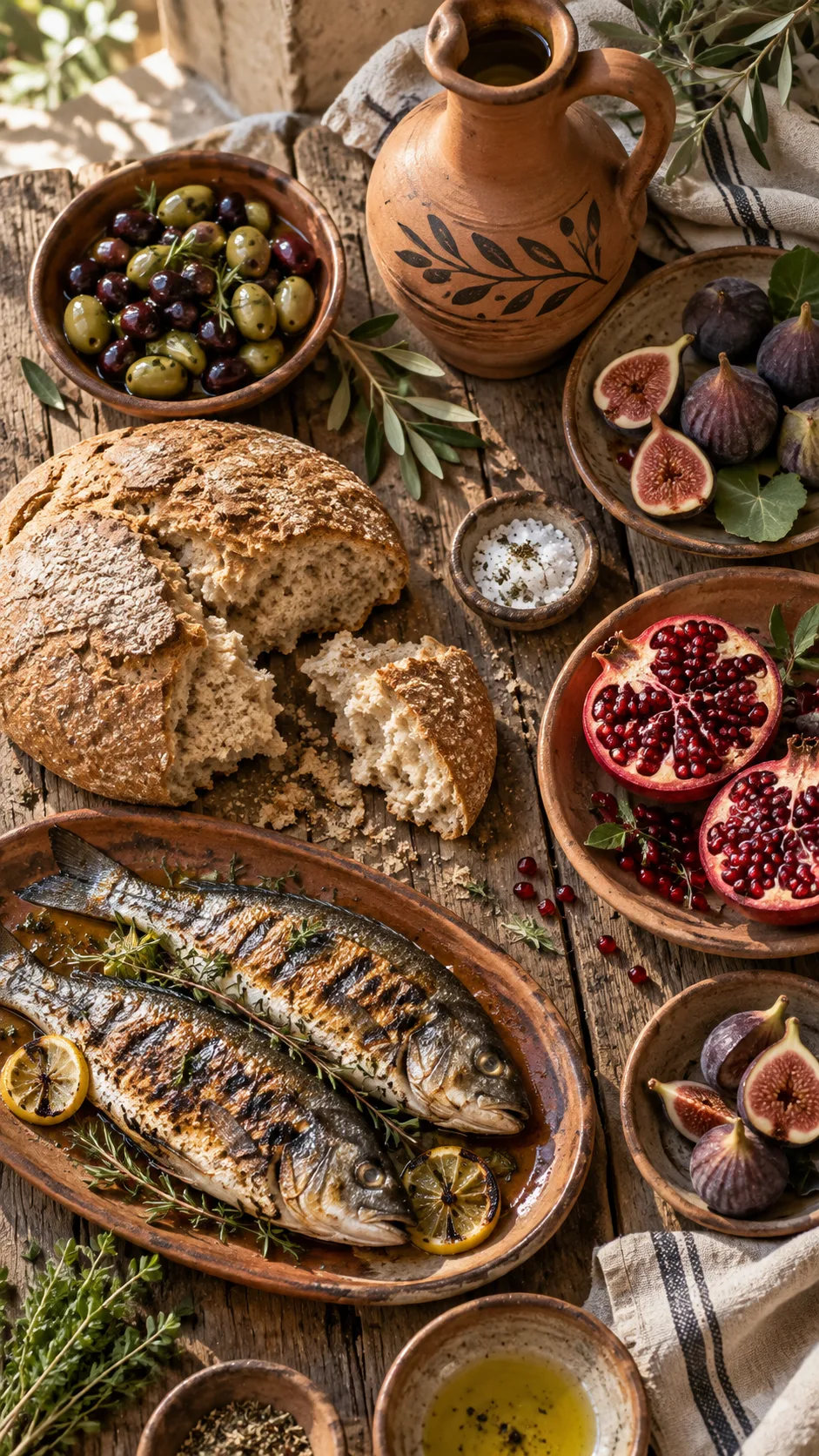
Nobody handed down one rigid meal plan on a stone tablet with a calorie count. The Biblical diet is a pattern of eating drawn from the foods people ate in Scripture, plus the dietary guidelines laid out in Leviticus 11 and Deuteronomy 14.
Think whole grains, legumes, fruit, vegetables, olive oil, fish, honey, nuts, and modest amounts of clean meat. Notice what’s missing? Everything with a barcode.
Two main approaches exist, and people mix them constantly:
- The Genesis 1:29 approach: plant-forward eating based on “every seed-bearing plant” and “every tree that has fruit with seed in it.” Essentially a whole-food, plant-heavy diet.
- The Levitical (kosher-style) approach: includes clean meats and fish while avoiding pork, shellfish, blood, and animal fat as the Mosaic law outlines.
Most people who follow a Biblical eating plan today land somewhere in the middle. They eat like a first-century Galilean who happens to own a fridge. Not a bad deal, all things considered.
The core food groups of a Biblical diet
- Grains: barley, wheat, spelt, millet, emmer, whole and barely processed
- Legumes: lentils, fava beans, chickpeas
- Fruits: figs, grapes, pomegranates, dates, olives, melons
- Vegetables: cucumbers, leeks, onions, garlic, bitter herbs, gourds
- Fats: olive oil (the undisputed MVP), nuts, seeds
- Protein: fish with fins and scales, lamb, goat, poultry, eggs
- Dairy: goat and sheep milk, curds, cheese
- Sweeteners: honey and date syrup, used sparingly
Look at that list again. Does anything scream “fad”? Nope. It reads like a Mediterranean diet meal plan your cardiologist would frame and hang on the wall.
The seven species: Scripture’s original superfood list
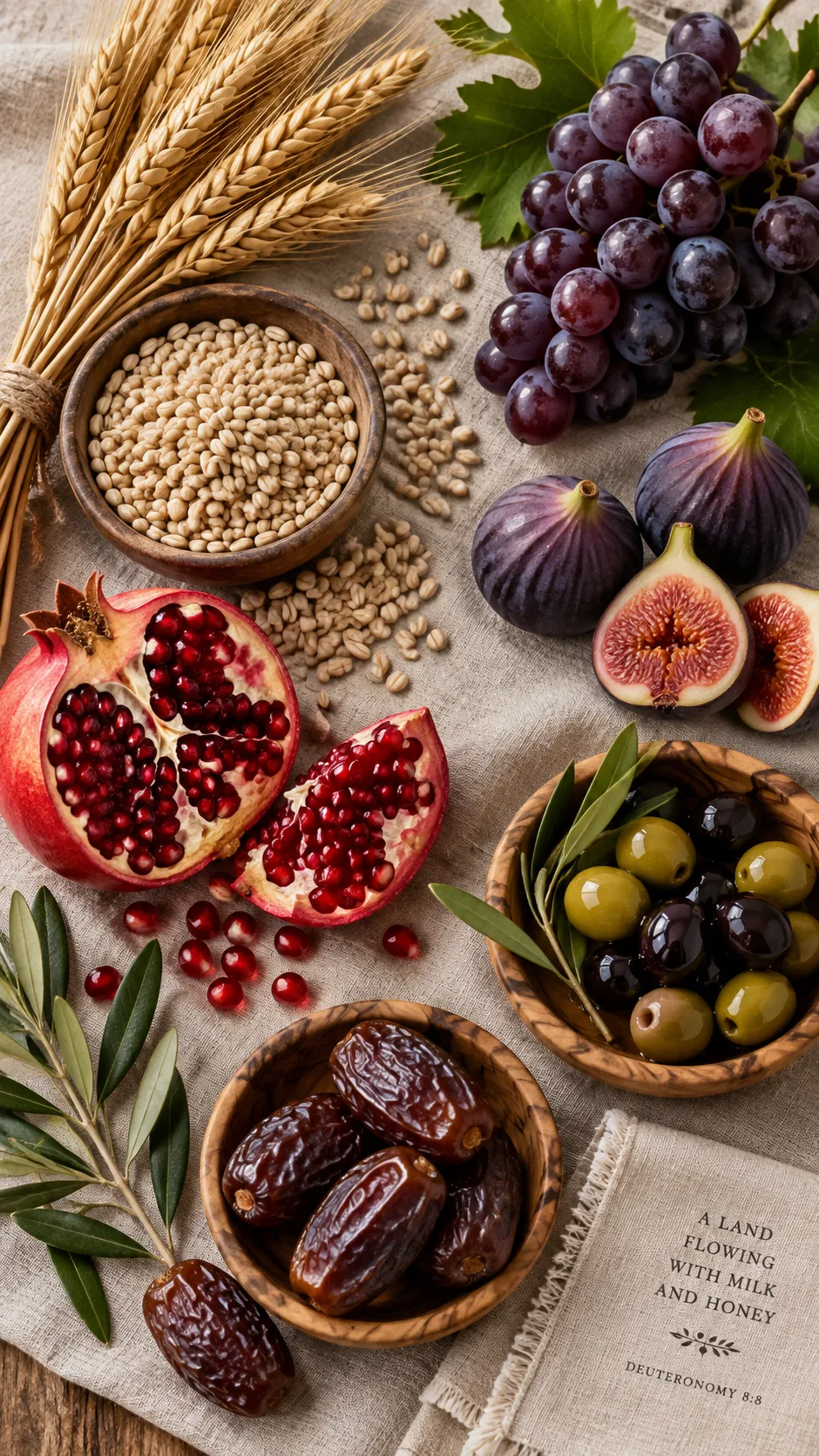
Deuteronomy 8:8 describes the Promised Land by naming seven specific foods: wheat, barley, grapes, figs, pomegranates, olives, and dates (the “honey” reference). Jewish tradition calls these the Shiv’at HaMinim, the Seven Species.
Here’s what cracks me up: nutritionists spent the last two decades “discovering” pomegranates and olive oil like they’d found a new planet. These foods have been on the list since roughly 1400 BC.
What modern research says about each one
- Olives and olive oil: Extra virgin olive oil carries a heavy load of polyphenols and oleic acid. The PREDIMED trial published in the New England Journal of Medicine found that a Mediterranean diet supplemented with EVOO cut major cardiovascular events significantly compared with a low-fat control.
- Pomegranates: Rich in punicalagins, some of the most potent antioxidants anyone has measured in food.
- Figs and dates: Real fiber, potassium, and slow-release energy. Nature’s energy gel, minus the sad plastic packet.
- Barley: Contains beta-glucan, a soluble fiber with solid evidence behind it for lowering LDL cholesterol.
- Grapes: Resveratrol and flavonoids, which observational research links to better vascular function.
- Wheat (whole, ancient varieties): B vitamins, fiber, and minerals, nothing like the stripped white flour in a hot dog bun.
If you like building meals around antioxidant-dense foods, you’ll find plenty of local equivalents in this roundup of Nigerian foods rich in antioxidants. Figs and pomegranates are great, but ugwu and bitter leaf aren’t slouching either.
What Leviticus 11 really says (and why it wasn’t random)
Leviticus 11 sorts animals into “clean” and “unclean.” Land animals needed split hooves AND a cud-chewing digestive system. Sea creatures needed fins and scales. Birds of prey and scavengers? Off the menu.
People love to argue about whether these rules were purely ceremonial or partly practical. I’m not here to settle a theology debate, since I’d lose. But the practical overlap is genuinely interesting.
The clean and unclean list, simplified
- Permitted: cattle, sheep, goats, deer, fish with fins and scales, most domesticated birds
- Prohibited: pork, camel, rabbit, shellfish (shrimp, crab, lobster, oysters), catfish, birds of prey, most insects apart from certain locusts
- Also prohibited: consuming blood, and the hard fat (suet) around organs
Ever wondered why the prohibited list leans so heavily toward scavengers and filter feeders? Pigs and shellfish are the cleanup crew of their ecosystems. Shellfish filter enormous volumes of water and concentrate whatever floats in it, which is why the FDA issues consumption advisories about contaminants in certain seafood.
Trichinosis from undercooked pork also plagued people for most of human history. Refrigeration and modern inspection changed a lot. But picture a Bronze Age desert with no thermometer, and those rules look far less mysterious.
Important caveat: I’m not claiming shellfish will hurt you today. Shrimp is nutritious. My point is that the ancient framework wasn’t arbitrary nonsense, and you can hold that position while still respecting the evidence.
The Daniel Fast: the most studied Biblical diet of all
This is where things get interesting from a research standpoint. In Daniel 1, Daniel refuses the king’s rich food and wine and asks instead for “vegetables and water” for ten days. He and his friends end up looking healthier than everyone working through the royal buffet.
Daniel 10 describes a longer fast: no meat, no wine, no “pleasant bread” for 21 days. Modern churches turned this into the 21-Day Daniel Fast, and researchers went and studied it.
What the research found
Dr. Richard Bloomer and his team at the University of Memphis published a study in Lipids in Health and Disease tracking participants through a 21-day Daniel Fast. The results were not subtle:
- Total cholesterol dropped meaningfully in participants
- LDL (“bad”) cholesterol fell significantly
- Systolic and diastolic blood pressure decreased
- Insulin levels and HOMA-IR (an insulin resistance marker) improved
- Oxidative stress markers went down
- Participants stuck with the plan, and the researchers noted high compliance
That last point matters more than the rest, IMO. The best diet is the one you don’t quit on day four while crying into a bag of crisps.
One honest wrinkle: HDL (“good”) cholesterol also dropped, which happens on a lot of very low fat plant diets. Researchers generally read the overall cardiometabolic picture as favorable, but you deserve to know.
Daniel Fast rules in plain English
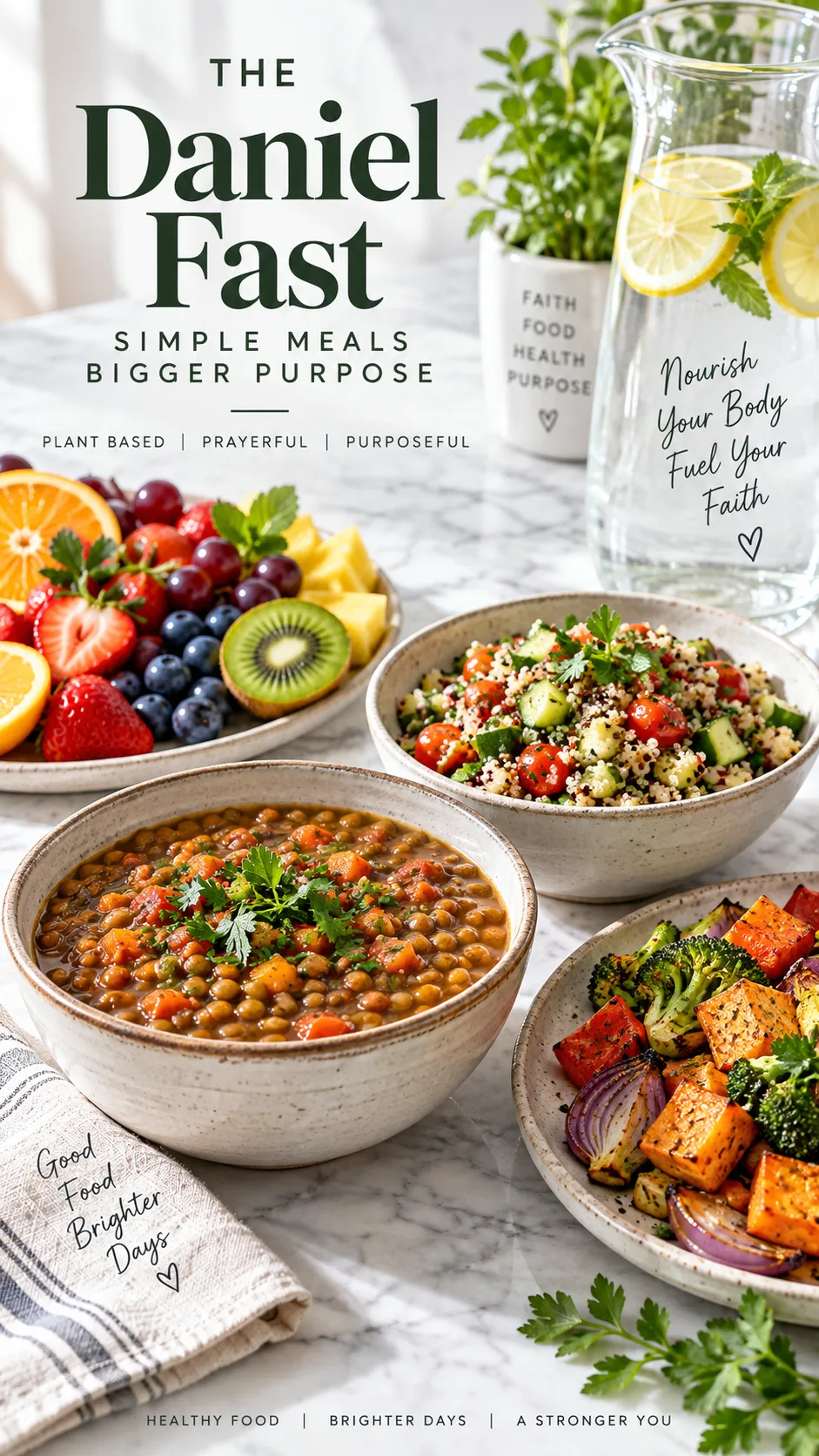
- Eat: fruits, vegetables, whole grains, legumes, nuts, seeds, and oils in modest amounts
- Drink: water, mostly. Some versions allow herbal tea
- Avoid: meat, dairy, eggs, refined sugar, refined grains, alcohol, caffeine, processed foods
- Duration: usually 21 days, often in January or before Easter
Why this eating pattern works: the science layer
Strip away the theology for a second and look at the food itself. A Biblical diet is a whole-food, high-fiber eating pattern with almost no ultra-processed food and olive oil as the main fat. Science has been extremely kind to that description.
1. Fiber, fiber, fiber
Legumes, barley, figs, and vegetables push you to 35-50g of fiber a day without much effort. The average Western intake sits around 15g. Fiber feeds your gut microbiome, which then produces short-chain fatty acids that help regulate inflammation and appetite.
2. Almost zero ultra-processed food
A 2024 umbrella review in The BMJ analyzed 45 meta-analyses covering nearly 10 million people and tied higher ultra-processed food intake to greater risk of cardiovascular mortality, type 2 diabetes, obesity, and anxiety, among other outcomes. The Biblical diet drops that whole category by default. Willpower has nothing to do with it. The menu does the work.
3. Built-in fasting rhythm
Scripture is full of fasting: weekly Sabbath rhythms, seasonal fasts, and the simple daily habit of eating two meals rather than grazing from dawn to midnight. Research on time-restricted eating keeps showing benefits for insulin sensitivity and metabolic markers.
4. Real fats, not frankenfats
Olive oil, nuts, fatty fish, and animal fats in modest amounts. No industrial trans fats and no deep bath of refined seed oil. The fat profile alone puts this pattern ahead of the standard diet.
5. Portion sanity
Proverbs 25:16 says that if you find honey, eat just enough, because too much and you’ll vomit it up. That’s ancient Hebrew for “stop at one slice of cake.” Proverbs 23:20-21 warns against gluttony and drunkenness in the same breath.
Moderation is not a modern wellness invention. It’s Iron Age common sense.
A sample 7-day Biblical diet meal plan
Here’s a realistic week. No exotic ingredients, no $200 grocery run, no pretending you own a stone oven.
Breakfast rotation
- Barley porridge with dates, walnuts, and a drizzle of honey
- Whole grain flatbread with olive oil, za’atar, and sliced cucumber
- Greek-style yogurt (goat if you can find it) with figs and almonds
- Two boiled eggs, tomatoes, olives, and whole wheat pita
Lunch rotation
- Lentil stew with onion, garlic, cumin, and olive oil: the literal “red stew” of Genesis 25
- Chickpea and cucumber salad with lemon, mint, and EVOO
- Grilled fish (tilapia, sea bass) with roasted vegetables
- Barley and vegetable soup with a hunk of whole grain bread
Dinner rotation
- Roast lamb or goat with bitter herbs and root vegetables
- Baked fish with garlic, leeks, and olive oil
- Bean and vegetable pottage over millet
- Herb-roasted chicken with a big cucumber and tomato salad
Snacks
- A handful of almonds or pistachios
- Fresh or dried figs, dates, grapes
- Pomegranate seeds
- Olives (the real ones, not the sad canned pucks)
Prepping all this sounds like a second job, but it isn’t. Batch a pot of lentils and roast a tray of vegetables on Sunday and you’re basically done. These easy meal prep ideas translate perfectly to Biblical eating.
My honest experience with it
I tried a modified 21-day version two Januaries ago, mostly out of curiosity and partly because my December had been, let’s call it, “festively irresponsible.”
Days 1-3 were rough. Caffeine withdrawal gave me a headache that felt personal. By day five, though, something shifted. Steadier energy, no 3pm crash, no strange post-lunch fog.
The biggest surprise wasn’t the weight loss (about 6 pounds, mostly water early on). It was how my relationship with snacking completely reset. When your options are dates, almonds, or nothing, you learn fast whether you’re hungry or just bored.
Did I go back to coffee? Absolutely. Immediately. But I kept the lentils, the olive oil, and the habit of not eating after 8pm. That’s the real win: you keep the 70% that sticks.

Common mistakes people make
- Turning it into legalism. Romans 14 and Acts 10 exist. If your faith tradition doesn’t require dietary law, don’t manufacture guilt over cheese. Eat well because it’s wise, not because you’re scoring points.
- Forgetting protein. Strict plant-only versions can run low. Stack legumes, nuts, and whole grains on purpose.
- Skipping B12 and iron. Long-term meatless eating needs a B12 supplement. Keep an eye on iron too, and this list of foods rich in iron will help you build it into your rotation.
- Drowning everything in “biblical” honey. Honey is still sugar. Proverbs warned you.
- Quitting caffeine cold turkey mid-workweek. Taper instead. Your coworkers will thank you.
- Buying overpriced “Bible diet” supplements. If a product markets itself with a scripture verse and a $79 price tag, keep walking.
Who should be careful
This one isn’t universal. Talk to a doctor or registered dietitian first if you:
- Are pregnant or breastfeeding
- Take medication for diabetes or blood pressure (this diet can lower both, so your dosages may need adjusting)
- Have chronic kidney disease (protein and potassium limits matter)
- Have a history of disordered eating
- Are under 18 or managing a serious medical condition
FYI, the blood pressure point is not theoretical. If your meds and your new diet both push BP down, you can end up dizzy. Get monitored.
How to start this week without overhauling your life
- Swap your cooking fat for extra virgin olive oil. One change, big return.
- Add one legume meal per day. Lentils, beans, chickpeas. Cheap and filling.
- Replace refined grains with whole ones. Barley, whole wheat, millet.
- Cut liquid sugar entirely. Soda and juice never made it to Galilee.
- Eat within a 10-hour window. It mirrors ancient eating rhythms without any effort on your part.
- Pick one weekly fast day, or just a simple minimal-food day if fasting isn’t for you.
- Eat slowly and give thanks. Sounds soft. It measurably slows your eating pace.
Pair the food with movement and you compound the benefit. Even basic strength work helps, so start somewhere simple like this 15-minute arm routine.
The bottom line
The Biblical diet is no gimmick, and it works no magic. It’s a whole-food, fiber-rich, olive-oil-forward eating pattern with built-in rhythms of restraint, and that description happens to overlap almost perfectly with the best-evidenced diets on earth.
The Daniel Fast research found real improvements in cholesterol, blood pressure, and insulin markers. The Mediterranean pattern it resembles has decades of hard data behind it. Scripture got there first, and science took notes.
You don’t need a 21-day ceremony to start. Buy lentils. Buy good olive oil. Stop drinking sugar. Eat until satisfied, not stuffed.
Ancient wisdom, modern proof, zero subscription fee. Start with your next meal.