

You probably think weight loss demands tiny salads, constant hunger, and expensive green powders that taste like lawn clippings. I thought the exact same thing until I tested an egg-based routine myself. Dropping body fat does not require self-torture.
Most quick-fix diets fail because they cut calories while ignoring human biology. When you slash fuel without giving your stomach substantial food to chew, your brain screams for sugar. The egg diet changes that pattern by supplying your body with dense protein and healthy fats that shut down hunger signals fast.
You can drop up to 10 pounds without waking up at midnight to raid the pantry. Here is the straightforward, sustainable way to run an egg-focused eating plan that protects your muscle, keeps your energy high, and burns fat steadily.
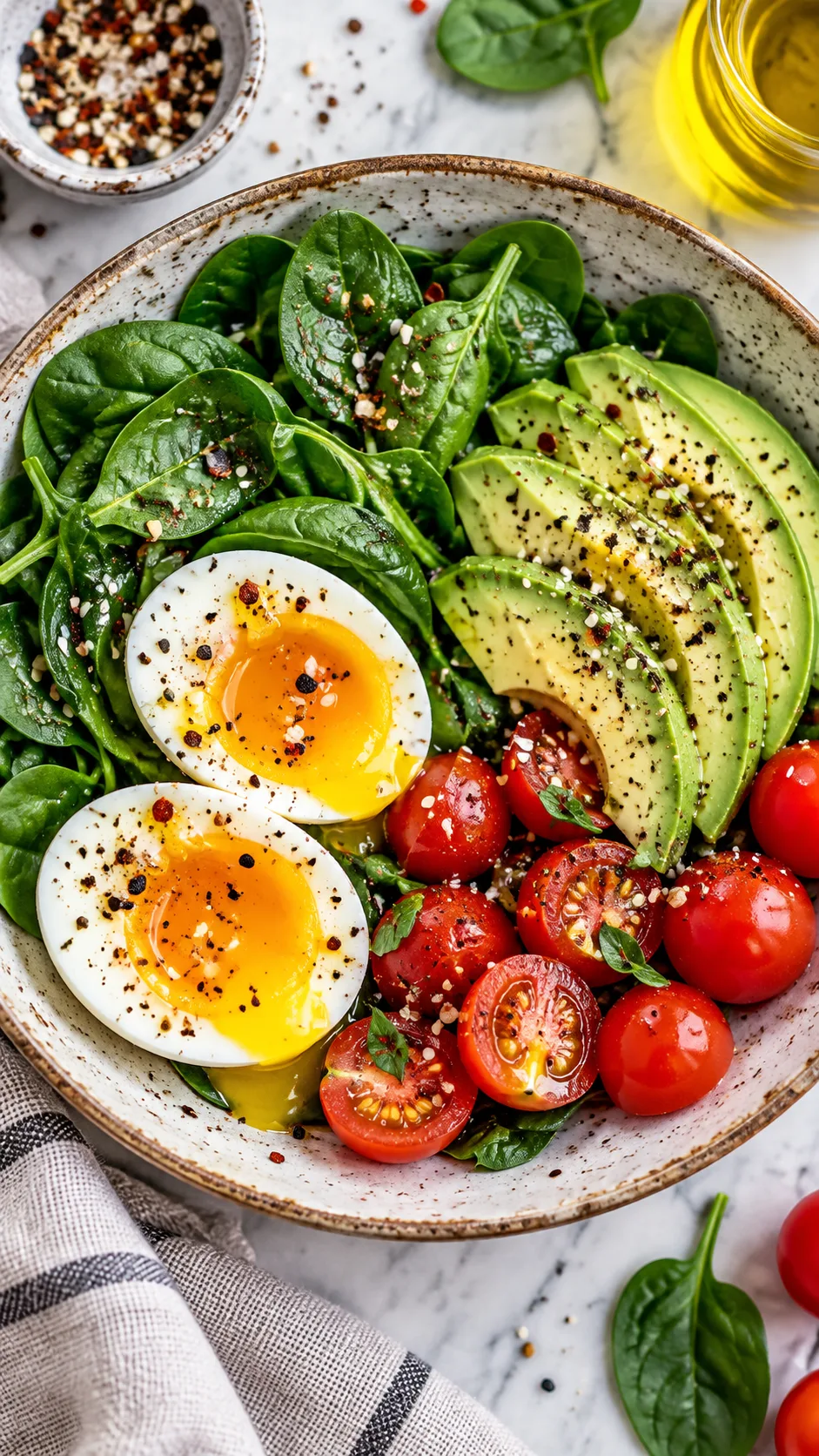
What is the egg diet plan (and why does it burn fat)?
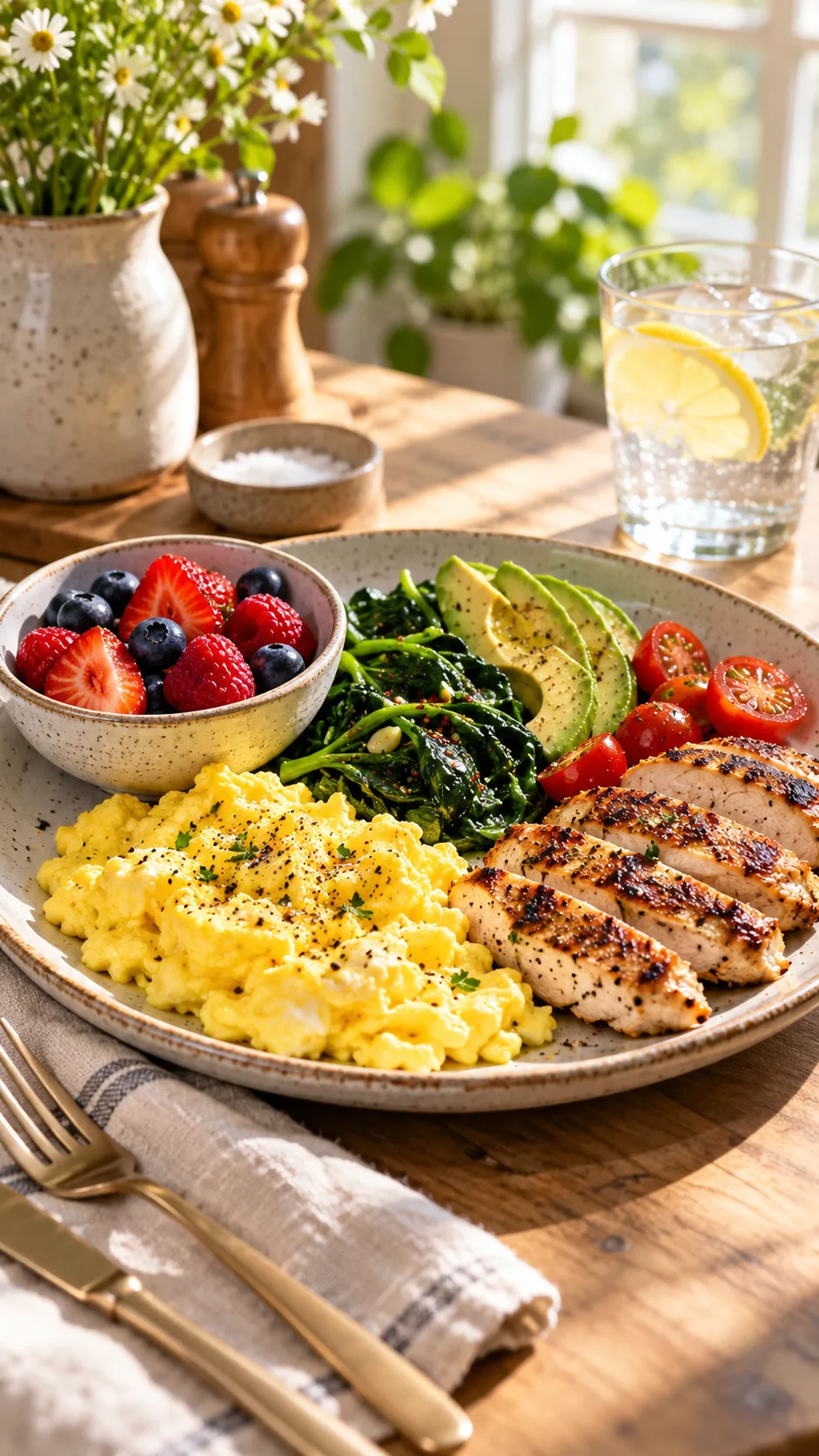
The egg diet centers your daily meals on whole eggs, lean proteins, and fibrous non-starchy vegetables. You cut refined sugars, ultra-processed carbohydrates, and liquid calories. By keeping carbohydrate intake low and protein intake high, you force your metabolism to burn stored fat for fuel instead of relying on circulating glucose.
Unlike extreme starvation diets, this plan mimics the metabolic advantages of a structured high protein diet plan. You eat whole food that takes time to digest. You never measure out depressing two-ounce chicken portions or drink thin meal-replacement shakes.
Eggs pack a remarkable nutritional punch. A single large whole egg delivers roughly 6 grams of complete protein, 5 grams of healthy fats, and almost zero carbohydrates, all within 70 to 75 calories. When you eat two or three eggs in a sitting, you consume a dense package of micronutrients for a fraction of your daily caloric budget.
The science: why you never feel starved on eggs
Why does a bagel leave you ravenous two hours later, while two scrambled eggs keep you full past lunchtime? The answer comes down to gut peptides and stomach emptying rates. High-protein foods trigger the release of peptide YY and GLP-1, the hormones that tell your brain to stop eating.
Eggs rank near the top of the Satiety Index, a clinical scale from University of Sydney researchers that measures how well foods satisfy appetite. A study in the National Institutes of Health database showed that an egg breakfast increases fullness and significantly lowers calorie intake throughout the day.
Your body also burns energy simply breaking down whole eggs. Nutritionists call this the Thermic Effect of Food (TEF). Your digestive system burns roughly 20 to 30 percent of protein calories just to process the amino acids, compared to 0 to 3 percent for dietary fats and 5 to 10 percent for simple carbs. You expend calories as you chew and digest your meal.

The cholesterol myth: setting the record straight
We need to address the common worry about heart health. Does eating multiple eggs every single day harm your cardiovascular system? The short answer is no. Medical guidelines spent decades warning against egg yolks based on flawed research from the 1970s, but modern science shows a different reality.
The Harvard T.H. Chan School of Public Health notes that for most healthy people, dietary cholesterol barely touches blood levels of LDL cholesterol. Your liver produces the vast majority of cholesterol circulating in your bloodstream. When you consume more cholesterol from whole foods like eggs, your liver simply decreases its own internal production to maintain balance.
Egg yolks also provide rich amounts of choline, a nutrient that supports brain function, cellular repair, and liver health. If you toss the yolk into the trash, you throw away lutein, zeaxanthin, vitamin D, and all the fat-soluble vitamins. Eat the whole egg. Your heart, eyes, and waistline will benefit.
The 14-day egg diet blueprint that works
Skip the extreme crash diets where people eat only boiled eggs for three weeks until they collapse from exhaustion. That approach damages your relationship with food and triggers immediate weight rebound. Instead, use this balanced protocol that blends eggs with lean meats, healthy fats, and low-carb greens. This structure produces consistent progress while keeping your mood stable.
Week 1: metabolic reset
Week one prompts your body to empty glycogen stores, shed excess water weight, and adapt to burning dietary fats and protein for immediate fuel.
- Day 1:
- Breakfast: 2 whole eggs scrambled in 1 teaspoon grass-fed butter, with 1 cup sautéed spinach.
- Lunch: Grilled chicken breast salad with mixed greens, cucumbers, and 1 tablespoon olive oil vinaigrette.
- Dinner: 2 soft-boiled eggs atop steamed asparagus spears, seasoned with sea salt and cracked black pepper.
- Day 2:
- Breakfast: 2 poached eggs over sliced fresh tomatoes and chopped fresh basil.
- Lunch: Canned wild tuna mixed with 1 tablespoon avocado oil mayo, served in romaine lettuce boats.
- Dinner: Baked salmon fillet alongside roasted broccoli florets with garlic powder.
- Day 3:
- Breakfast: 3-egg omelet filled with diced bell peppers, mushrooms, and fresh chives.
- Lunch: Leftover roasted salmon with a large cucumber-and-dill side salad.
- Dinner: 2 hard-boiled eggs with steamed green beans tossed in lemon juice and sea salt.
- Day 4:
- Breakfast: 2 sunny-side up fried eggs cooked in coconut oil, served over sautéed kale.
- Lunch: Sliced roasted turkey breast wrapped around cucumber spears with stone-ground mustard.
- Dinner: 2 soft-boiled eggs over steamed zucchini noodles tossed with fresh basil pesto.
- Day 5:
- Breakfast: 2 whole scrambled eggs with 2 egg whites for extra volume, alongside half a grapefruit.
- Lunch: Grilled lean sirloin steak strips over a bowl of arugula and shaved radishes.
- Dinner: 2 hard-boiled eggs mashed with half an avocado, sea salt, and smoked paprika.
- Day 6:
- Breakfast: 2 poached eggs resting on grilled portobello mushroom caps.
- Lunch: Pulled chicken breast over mixed spring greens dressed with raw apple cider vinegar and olive oil.
- Dinner: Baked cod with roasted cauliflower mash.
- Day 7:
- Breakfast: 3-egg scramble with baby spinach, diced red onion, and a sprinkle of feta cheese.
- Lunch: Big chef-style salad with mixed greens, 1 hard-boiled egg, grilled chicken slices, and cucumbers.
- Dinner: 2 sunny-side-up eggs served over steamed asparagus and roasted red peppers.

Week 2: steady fat burning
By week two, your energy stabilizes, cravings drop off, and your midsection tightens. This phase shares mechanisms with early phases of a keto diet plan. You protect lean muscle tissue while your body burns stubborn fat stores.
- Day 8:
- Breakfast: 2 baked egg muffins with chopped spinach, bell peppers, and turkey bacon crumbles.
- Lunch: Grilled shrimp skewers over an avocado and mixed greens salad.
- Dinner: 2 soft-boiled eggs over roasted Brussels sprouts seasoned with a splash of balsamic glaze.
- Day 9:
- Breakfast: 2 eggs scrambled with chopped fresh herbs (parsley, dill, cilantro) and cherry tomatoes.
- Lunch: Bunless lean turkey burger topped with sliced avocado, red onion, and mustard.
- Dinner: 2 fried eggs over a stir-fry of cabbage slaw and garlic in sesame oil.
- Day 10:
- Breakfast: 2 poached eggs with half a sliced avocado and bagel seasoning.
- Lunch: Skinless grilled chicken thigh with steamed broccoli and red pepper flakes.
- Dinner: 2 hard-boiled eggs alongside a crisp romaine and radish salad with lemon dressing.
- Day 11:
- Breakfast: 3-egg western-style scramble with diced bell peppers and lean ham.
- Lunch: Baked salmon fillet over sautéed spinach and garlic.
- Dinner: 2 poached eggs atop steamed cauliflower florets mashed with grass-fed butter.
- Day 12:
- Breakfast: 2 whole eggs fried in olive oil, served with half a grapefruit.
- Lunch: Sliced lean roast beef rolled with arugula and horseradish mustard.
- Dinner: 2 soft-boiled eggs with grilled zucchini ribbons and diced fresh tomatoes.
- Day 13:
- Breakfast: 2 baked egg cups with mushrooms and diced asparagus.
- Lunch: Seared tuna steak over chopped romaine, cucumber, and lime dressing.
- Dinner: 2 fried eggs over sautéed kale and sliced mushrooms.
- Day 14:
- Breakfast: 3-egg omelet with chopped spinach, cherry tomatoes, and parmesan.
- Lunch: Grilled lemon-herb chicken breast over a raw cucumber, tomato, and red onion salad.
- Dinner: 2 soft-boiled eggs with steamed broccoli florets and sea salt.
Foods that speed up results vs. foods that stall progress
You cannot eat unlimited portions on this protocol and expect the scale to drop. Success requires clear food choices. Build your grocery basket around the green light list and leave the rest on the supermarket shelf.
The “Green Light” food list
- Whole Eggs: Cage-free, organic, pasture-raised, or standard grocery eggs supply quality nutrition.
- Lean Proteins: Skinless chicken breast, turkey breast, wild-caught cod, salmon, tuna, and lean grass-fed beef cuts provide clean protein.
- Non-Starchy Vegetables: Spinach, kale, arugula, broccoli, cauliflower, asparagus, zucchini, bell peppers, cucumbers, and celery offer filling volume.
- Healthy Cooking Fats (in moderation): Extra virgin olive oil, avocado oil, grass-fed butter, and unrefined coconut oil work well for cooking.
- Hydration Options: Filtered water, sparkling mineral water, black coffee, and unsweetened green or herbal tea support hydration.
The “Red Light” food list (avoid completely)
- Refined Grains and Flours: Bread, pasta, cereal, bagels, crackers, and pastries stall fat loss.
- Starchy Vegetables: White potatoes, sweet potatoes, corn, peas, and yams supply too many fast carbs.
- Sugars and Sweeteners: Table sugar, agave nectar, maple syrup, honey, and high-fructose corn syrup spike blood sugar.
- High-Calorie Beverages: Avoid sodas, commercial smoothies, fruit juices, and specialty coffees. Read this list of drinks you should never touch during weight loss to protect your daily calorie deficit.
- Processed Snacks: Potato chips, pretzels, cookies, and candy bars pack excessive calories into small bites.
Three critical mistakes that sabotage egg diet results
Most people who struggle on the egg diet make the same avoidable missteps during week one. Fix these three errors right away to secure consistent progress without feeling exhausted.
1. Cutting out fiber entirely
If you eat only eggs and chicken without greens, your digestion will stall. Eggs contain zero dietary fiber. You need generous servings of spinach, broccoli, or leafy greens at lunch and dinner to keep your digestive tract running smoothly.
2. Fearing the salt shaker
When you cut carbohydrates out of your meals, your insulin levels drop. This drop signals your kidneys to release stored sodium and water rapidly. If you do not salt your eggs with sea salt, you will face headaches, fatigue, and brain fog within 48 hours. Season your food generously.
3. Drinking hidden liquid calories
Pouring sugary creamer into morning coffee ruins dietary progress fast. Creamers, sweetened oat milks, and fruit juices dump sugar directly into your bloodstream, which halts fat burning. Drink black coffee, cold brew, or unsweetened tea instead.
How to transition off the diet without regaining weight
When day 14 ends, you must avoid ordering a large pizza or downing a pint of ice cream. That choice packs on water weight overnight because your body pulls three grams of water into storage for every gram of carbohydrate it banks.
Step out of this protocol slowly to preserve your results. During days 15 through 18, reintroduce complex carbohydrates in measured portions. Add half a cup of cooked quinoa, a small baked sweet potato, or a half-cup of steel-cut oats to your meal after exercise.
Keep your daily protein intake steady at 0.8 to 1.0 grams per pound of your target body weight. Protein keeps your metabolism running strong and prevents rebound overeating. Treat eggs as a reliable staple of your ongoing routine rather than a brief trial.
Frequently asked questions about the egg diet plan
How much weight can I realistically lose in two weeks?
Most adults shed between 6 and 11 pounds across 14 days on this plan. The first 3 to 5 pounds come from water that bound to old glycogen reserves. The rest comes directly from burned body fat.
Can I eat soft-boiled or sunny-side-up eggs instead of hard-boiled?
Yes. The cooking method does not change the core nutrition. Boil them, poach them, scramble them in a hot skillet, or fry them sunny-side up. Gentle cooking of the yolks protects heat-sensitive nutrients like lutein and choline.
Will eating this many eggs give me bad breath?
Low-carb diets sometimes produce acetone breath as your liver ramps up ketone production. Brush your teeth twice a day, scrape your tongue, and drink 2.5 to 3 liters of fresh water daily to rinse away metabolic byproducts.
Can vegetarians run this protocol successfully?
Ovo-vegetarians do well on this plan. Swap out the chicken breast and fish for organic extra-firm tofu, tempeh, or hemp seeds, while keeping whole eggs as your primary protein source.
How many eggs per day should I set as a limit?
Most participants eat between 4 and 6 whole eggs daily across their three meals. Clinical studies show healthy adults tolerate this amount with no negative changes to cholesterol or heart health markers.
Final verdict: should you crack on?
The egg diet cuts straight through complicated nutrition trends. It delivers simplicity: no dense recipe books, no supplement regimens, and no constant tracking apps. You eat whole protein, nourish your body with healthy fats, and see steady progress on the scale.
Set your start day, buy several cartons of fresh eggs, pick up crisp green vegetables, and commit to the full 14 days. You have the tools in hand. Step up to the stove, crack the shells, and build the lean, energetic body you want.