

You wake up, drink a double espresso, and still feel exhausted. For years, I watched my training partners eat massive ribeye steaks and power through dawn workouts while a simple burger left me in a four-hour food coma. My stomach felt full of wet cement.
Then I found the Blood Type Diet. Peter D’Adamo, a naturopathic physician, introduced the idea in 1996 in his book Eat Right 4 Your Type. His premise turns heads: your ABO blood type reflects your ancestral biology and controls how your body processes proteins, lectins, and stress.
Matching your grocery list to your red blood cells sounds like odd science, but you do not need ancestral folklore to get clear results. When you align your meals with the digestive tendencies of the A-positive profile, your energy rebounds within 30 days. Here is how the system works, what you put on your plate, and what changes during a one-month commitment.
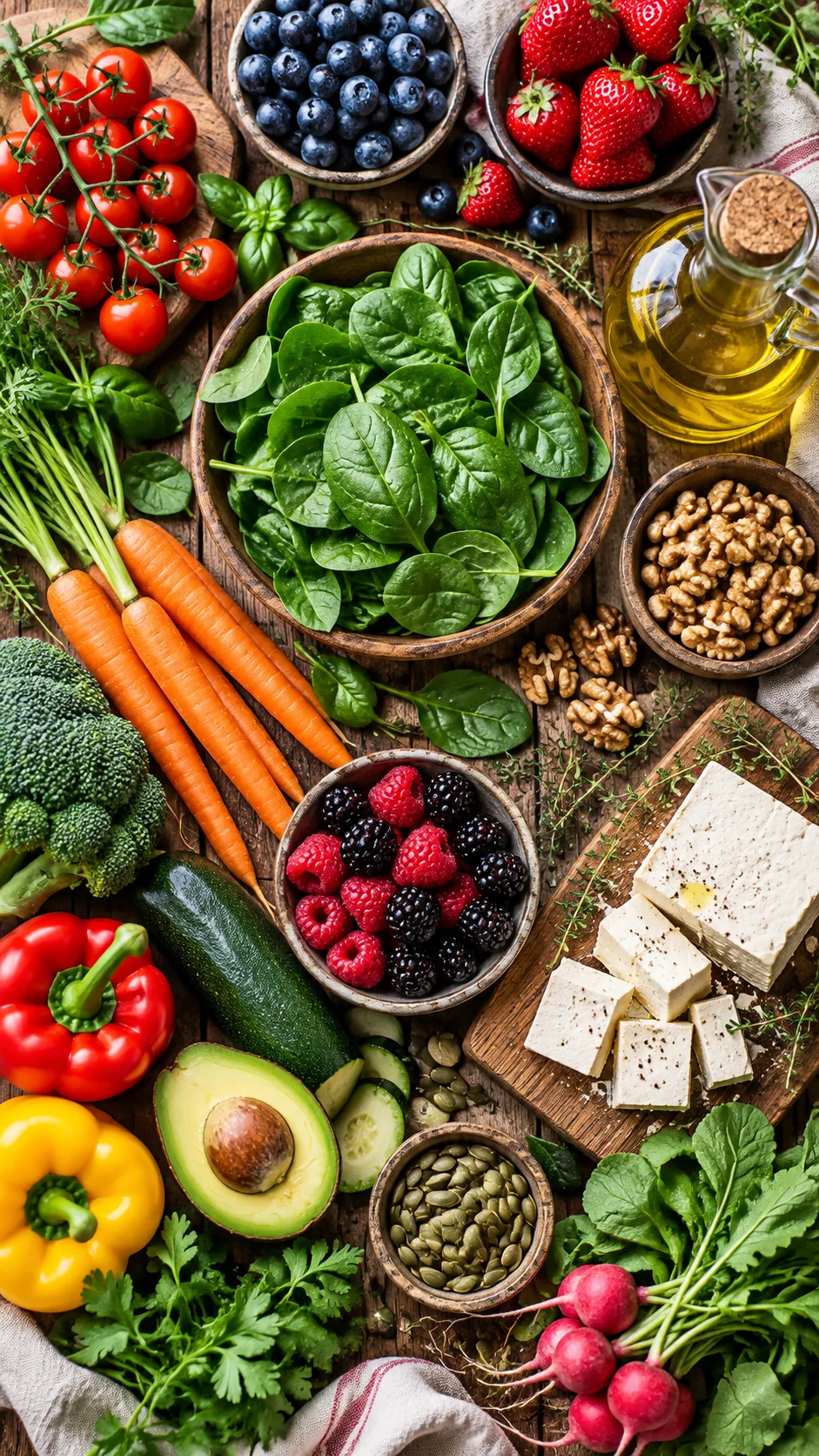
Why Blood Type A+ craves a different fuel
Dr. D’Adamo calls Blood Type A “The Cultivator.” In his model, Type A arose when early humans shifted from hunting game to cultivating crops. Whether modern geneticists agree with that timeline or not, clinical practice reveals clear physiological patterns in people with the A-positive marker.
First, Type A individuals produce lower levels of hydrochloric acid and less intestinal alkaline phosphatase. Low stomach acid struggles to break down dense animal proteins. Instead of moving through your system, red meat sits in your gut, ferments, and triggers persistent bloating.
Second, your blood type places specific antigens (sugary surface proteins) on your red blood cells. Foods contain lectins, which act like tiny Velcro strips. When you eat lectins that clash with the A-antigen, those proteins cling to your intestinal wall and block nutrient absorption. D’Adamo calls this microscopic agglutination, a clumping process that overworks your liver and clouds your thinking.
Finally, clinical data links Type A biology to higher baseline cortisol. When you push through grueling workouts and eat heavy food, your adrenal glands run ragged. Adopting a plant-centered food plan relieves that internal friction so your metabolism can recover.
The science vs. the hype: Does the data back it up?
What does medical literature say about blood type eating? A systematic review in the American Journal of Clinical Nutrition surveyed dozens of studies and found no proof for blood-type-specific claims.
Later, researchers at the University of Toronto studied participants on a Type A dietary pattern. The participants lowered their blood pressure, dropped their cholesterol, and improved their insulin sensitivity. However, these improvements showed up across all blood groups, not just Type A individuals.
The explanation is straightforward: the Type A plan follows an unrefined, plant-rich Mediterranean template packed with fiber, clean fats, and plant compounds. Doctors at Harvard Health Publishing agree that replacing fatty meats with whole plants cuts inflammation across the board. Whether your blood cells fight beef lectins or your low stomach acid simply welcomes the break, the practical outcome stays the same: you feel clean and energized.
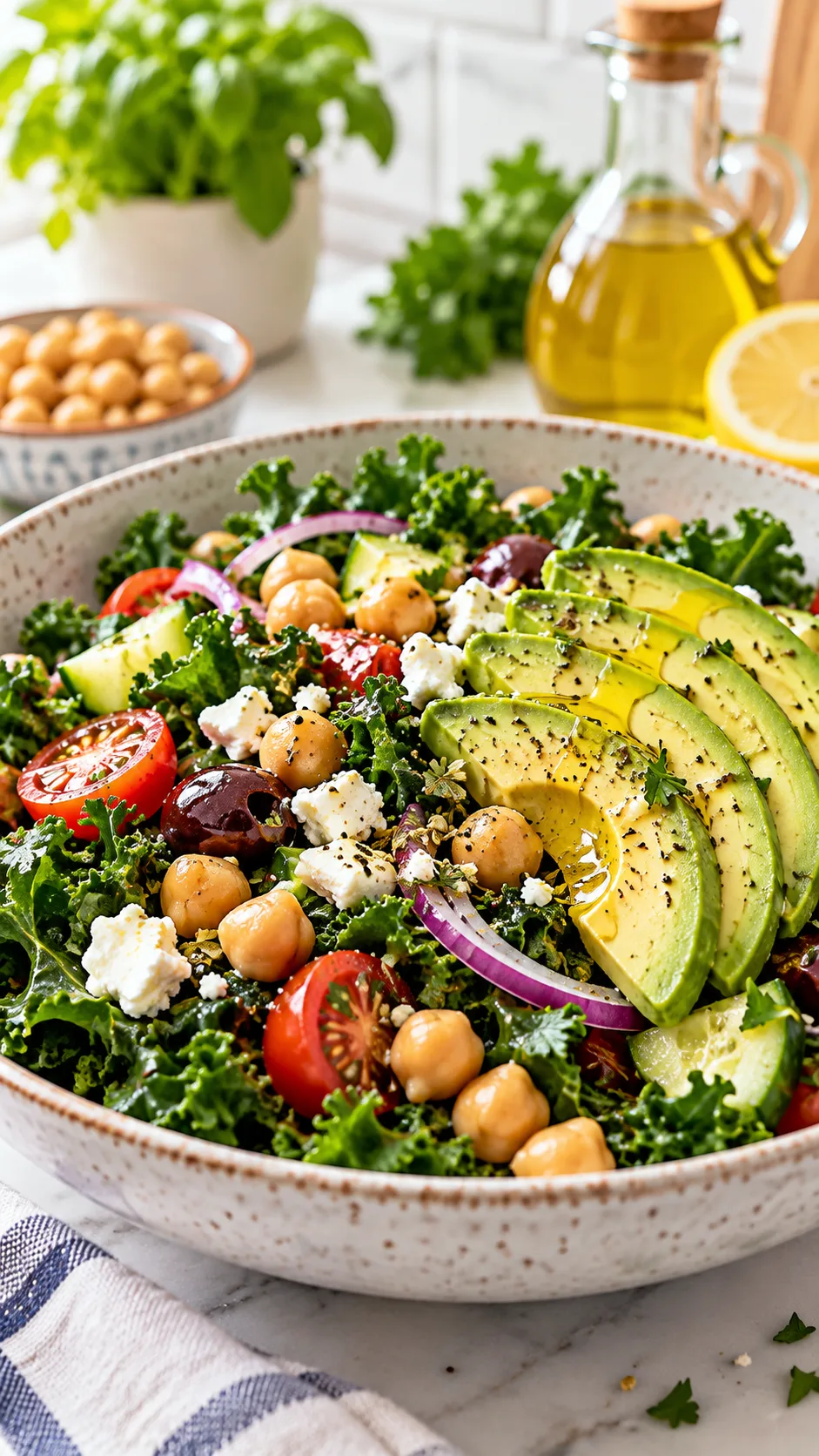
Foods to prioritize: Your Blood Type A+ superfoods
You do not starve on this protocol. You trade heavy inputs for nutrient-dense whole foods that feed your gut flora. D’Adamo groups foods into three categories: Beneficial (acts like medicine), Neutral (supplies pure fuel), and Avoid (acts like an irritant).
1. Vegetables and leafy greens
Vegetables anchor the A-positive lifestyle. Your gut handles the raw minerals, plant enzymes, and soluble fiber in garden vegetables with ease.
- Top picks: Kale, spinach, broccoli, Swiss chard, carrots, collard greens, garlic, and onions.
- Why they work: Garlic and onions provide quercetin to support immune function. Leafy greens deliver bioavailable folate and iron without demanding high stomach acid.
2. Plant proteins, legumes, and soy
If you cut back on livestock, you need dense alternative proteins. Type A digestive tracts thrive on legumes and clean soy. If you cook during packed work weeks, use healthy vegetarian meal prep ideas to stock your fridge with ready staples.
- Top picks: Tempeh, organic tofu, miso, lentils, black beans, pinto beans, and black-eyed peas.
- Why they work: Fermented soy supplies complete protein and active cultures that settle the intestinal wall. Unlike beef, these plant proteins break down fast in low-acid environments.
3. Clean aquatic proteins
You do not have to follow a strict vegan diet. The A-positive blueprint incorporates cold-water and white fish.
- Top picks: Wild salmon, sardines, rainbow trout, cod, mackerel, and sea bass.
- Why they work: Salmon delivers clean omega-3 fatty acids that calm inflammation without requiring heavy acid reserves for digestion.
4. Whole grains, seeds, and healthy fats
While Type O bodies often struggle with grain heavy diets, Type A burns clean carbohydrates for glycogen and steady focus.
- Top picks: Oats, buckwheat, amaranth, quinoa, sprouted grain bread, walnuts, pumpkin seeds, and extra virgin olive oil.
- Why they work: Extra virgin olive oil protects arterial walls, and walnuts deliver alpha-linolenic acid to support cellular health.
Foods to ditch immediately (the bloat triggers)
Cutting your favorite comfort foods takes discipline, but removing these items brings fast digestive relief.
- Red meat and dark poultry: Beef, pork, lamb, venison, and duck. Without strong stomach acid, these dense meats sit in your tract for days and produce foul byproducts like putrescine.
- Commercial dairy: Cow milk, ice cream, hard cheddar, and cream. Type A blood carries antibodies against cow dairy sugars, creating thick mucus, nasal congestion, and throat clearing.
- Aggressive lectin beans: Kidney beans, navy beans, and lima beans. Unlike lentils, kidney and lima beans contain phytohemagglutinins that irritate the intestinal lining and cause water retention.
- Nightshade vegetables: Tomatoes, white potatoes, eggplants, and peppers. Tomato lectins clump red blood cells in Type A systems. If you fight stiff joints, drop nightshades immediately.
- Shellfish: Shrimp, crab, lobster, oysters, and clams. Shellfish carry heavy lectin concentrations that provoke the A-type digestive tract.
The 30-day Blood Type A+ protocol: Your week-by-week roadmap
You do not need to rewrite your entire kitchen on day one. Phase these adjustments in over four steady weeks.
Week 1: The meat taper and gastric relief
Drop four-legged livestock first. Remove steaks, ground beef, pork chops, and bacon. Replace them with wild salmon, cod, and organic chicken breast. Pay attention to how your body handles lunch. Notice how your afternoon fatigue lifts once you pull heavy red meat from your plate.
Week 2: Dairy detox and fermented swaps
Drop cow milk, whey powders, and processed cheese. Pour unsweetened almond, oat, or hemp seed milk instead. If you want fermented dairy, eat small cups of goat milk kefir or sheep milk yogurt. Notice your sinuses; many people clear their morning congestion within seven days.
Week 3: Eliminating problem lectins
Remove tomatoes, kidney beans, and excess wheat flour. Fill your bowl with sprouted sourdough, quinoa, steamed kale, and lentil stews. If your gut has a history of dysbiosis, review common dietary pitfalls that sustain yeast cycles so your new carbohydrate choices support your microbiome.
Week 4: Optimization and energetic assessment
By day 22, your digestive system moves smoothly. You waste little energy grinding through stubborn meals, and your elimination becomes regular. Check your joints, skin tone, and morning alertness against your baseline on day one.
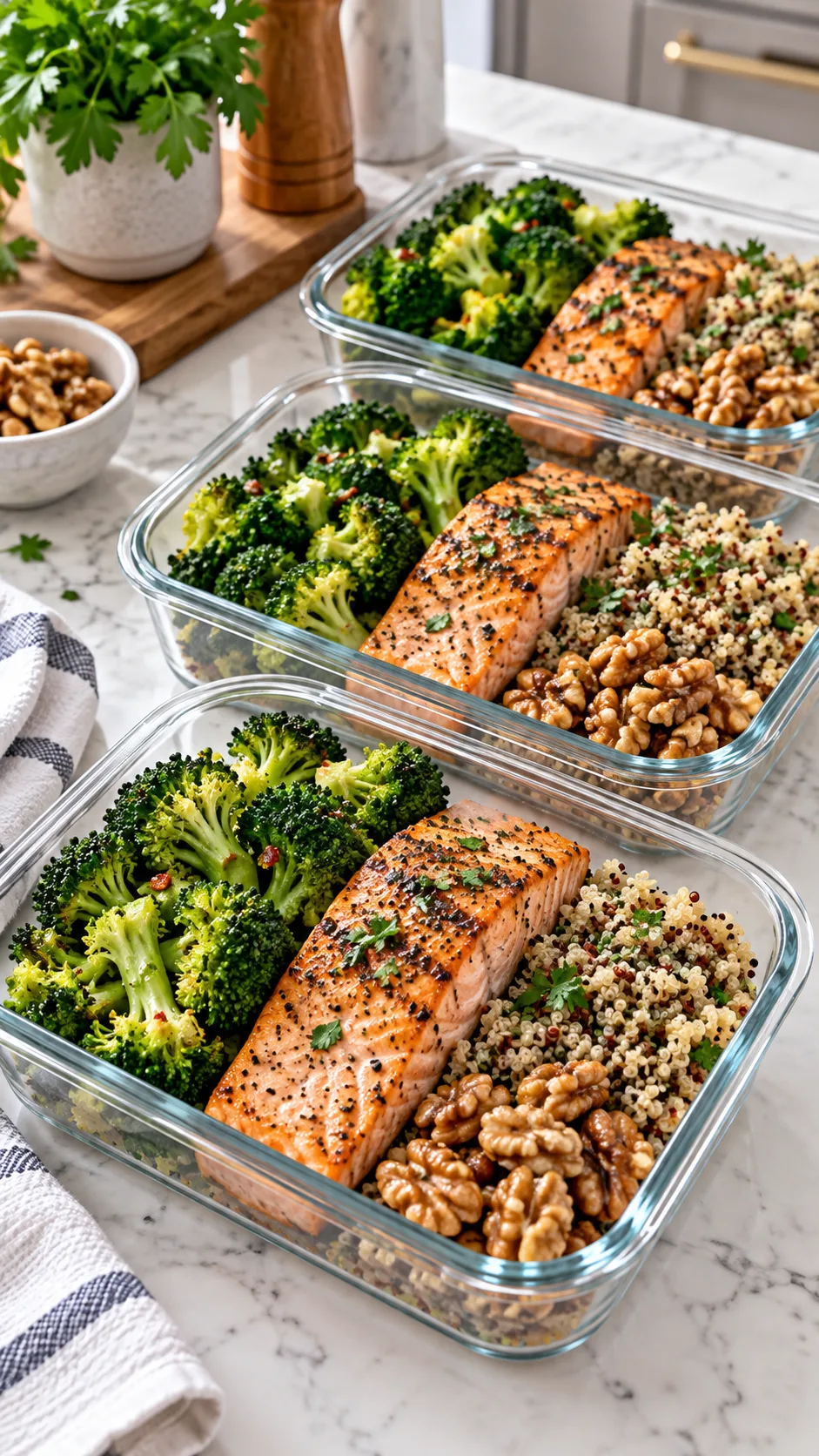
The complete 7-day A+ power meal plan
Use this weekly template to hit your daily nutrition marks without triggering digestive distress. If you cook ahead on weekends, adapt these meals into your regular plant-forward meal prep routine.
Monday
- Breakfast: Sprouted bread with mashed avocado, hemp hearts, and green tea.
- Lunch: Kale salad with olive oil, lemon juice, pumpkin seeds, diced cucumber, and steamed green lentils.
- Snack: Raw walnuts and fresh blueberries.
- Dinner: Seared wild salmon fillet over garlic quinoa with steamed asparagus.
Tuesday
- Breakfast: Rolled oats in almond milk with chia seeds, pure maple syrup, and sliced cherries.
- Lunch: Black bean soup topped with diced red onion, alongside sprouted grain crackers.
- Snack: Celery sticks with almond butter.
- Dinner: Pan-fried tempeh stir-fry with broccoli, snow peas, fresh ginger, and tamari over brown basmati rice.
Wednesday
- Breakfast: Protein smoothie blending pea protein powder, baby spinach, frozen pineapple, and coconut water.
- Lunch: Wild sardines on toasted sourdough with avocado and fresh lemon juice.
- Snack: Sheep milk yogurt with a spoon of raw buckwheat honey.
- Dinner: Baked chicken breast with rosemary, baked sweet potato, and steamed Swiss chard.
Thursday
- Breakfast: Buckwheat porridge in oat milk with fresh figs, chopped walnuts, and cinnamon.
- Lunch: Salad bowl with mixed greens, grated carrots, radishes, black-eyed peas, and garlic dressing.
- Snack: Brown rice cakes with sunflower seed butter.
- Dinner: Grilled trout with wild rice pilaf and sauteed zucchini in olive oil.
Friday
- Breakfast: Tofu scramble with turmeric, baby spinach, nutritional yeast, and sprouted toast.
- Lunch: Mediterranean lentil bowl with cucumbers, kalamata olives, flat parsley, olive oil, and sheep feta.
- Snack: Fresh blackberries and raw pumpkin seeds.
- Dinner: Baked cod with a walnut crust, roasted parsnips, and sauteed collard greens.
Saturday
- Breakfast: Sprouted grain waffles with maple syrup, raspberries, and matcha green tea.
- Lunch: Sourdough sandwich with roasted turkey breast, romaine lettuce, mustard, and avocado.
- Snack: Steamed edamame with coarse sea salt.
- Dinner: Red lentil dahl simmered with ginger, cumin, and garlic over jasmine rice.
Sunday
- Breakfast: Chia seed pudding made with coconut milk, chopped walnuts, and blueberries.
- Lunch: Warm quinoa bowl with roasted zucchini, carrots, red onions, and baked firm tofu.
- Snack: Sliced avocado with lemon juice and sea salt.
- Dinner: Pan-roasted wild salmon with garlic dandelion greens and sweet potato wedges.
Lifestyle habits: Stress management for the A-positive nervous system
Food solves only half the problem. You cannot out-eat a lifestyle that floods your body with adrenaline. Type A individuals carry an internal dial tuned toward elevated sympathetic drive.
When you put a Type A person through brutal two-hour conditioning workouts or ultramarathons, their system pours out heavy cortisol. While Type O bodies burn stress through explosive impact, extreme physical exhaustion depletes a Type A frame. Cortisol drops your stomach acid, thins your gut barrier, and prompts your body to store visceral fat.
Balance your training week with restorative work. Build your weekly schedule around these movements:
- Hatha yoga and deliberate stretching: Thirty minutes of steady breathwork and deep flexibility work lowers circulating cortisol within minutes.
- Brisk outdoor walks: Walk through parks and wooded trails. Low-intensity movement mobilizes fatty acids without sending panic signals to your adrenal glands.
- Tai Chi or Qigong: Fluid movement builds parasympathetic tone, which triggers digestive enzyme production for your next meal.
- Moderate strength work: Lift weights three days each week, keeping sessions under forty-five minutes. Focus on controlled lifts rather than frantic conditioning circuits.

Potential pitfalls and how to sidestep them
When people drop red meat and dairy overnight, they hit predictable hurdles. Keep these three solutions handy to protect your 30-day reset.
1. The protein deficiency panic
Ditching beef will not dissolve your muscle. You do not need two hundred grams of animal flesh each day to maintain strength. Mix lentils, tempeh, fish, quinoa, and hemp seeds across your day. Your liver pulls amino acids from an internal metabolic pool; if you eat enough calories from varied plant foods, your muscles keep their shape.
2. The non-heme iron blindspot
Plant iron absorbs less readily than the heme iron in steak. If you feel tired during week two, examine your food combinations. Always pair plant iron sources, such as spinach, lentils, and pumpkin seeds, with vitamin C. Squeeze lemon juice over your greens or toss raw cabbage into your lentil bowls. Vitamin C converts plant iron into a soluble compound your intestines absorb without friction.
3. Ordering at restaurants
Commercial kitchens rely on beef, butter, and nightshades. When eating out, pick Japanese, Greek, or Middle Eastern restaurants. Order sashimi, grilled white fish, or hummus with olive oil and greens. Ask your server to hold tomato purees and trade fries for steamed vegetables. Small requests keep you on track without pulling you out of social life.
Frequently asked questions
Can Blood Type A+ individuals ever eat chicken?
Yes. Dr. D’Adamo lists chicken and turkey as Neutral items for Blood Type A. While poultry lacks the distinct benefits of wild salmon or lentils, it will not disrupt digestion like beef or pork. Choose organic, skinless portions.
Is coffee allowed on the A-positive diet?
Yes. D’Adamo considers black coffee beneficial for Type A because it stimulates gastric acid secretion, supporting your natural digestive secretions. Limit your intake to one or two cups each morning so you avoid taxing your adrenals.
Will I lose weight on this 30-day protocol?
Most people lose between five and twelve pounds during their first month. You drop water weight rapidly in the first ten days as systemic inflammation subsides. Cutting dairy, heavy meats, and white flour reduces overall calorie density without strict fasting.
What about Blood Type A-negative? Is there a difference?
The Rh factor represents a separate surface protein, but D’Adamo’s foundational nutrition plan remains identical for both A+ and A- groups. Both types share lower stomach acid and higher cortisol production, so this protocol works equally well for A-negative individuals.
Conclusion: Run the 30-day experiment
You do not need to view the Blood Type Diet as dogma to profit from its logic. Treat this plan as an objective 30-day biological test. When you remove heavy meats, drop inflammatory dairy, and fuel your gut with plant proteins, omega-3s, and fresh vegetables, your gut responds right away.
Clear out the afternoon slump, the chronic bloat, and nagging joint pain. Buy wild fish, pick up fresh greens, prepare your grains, and give your body thirty days of agrarian nutrition. You might find that your blood profile gives you the exact blueprint your gut wanted all along.