

Think a parasite cleanse diet can fix every stomach ache, breakout, and sleepy afternoon? That idea sells a lot of expensive tinctures. It can also send people chasing the wrong problem for months.
A diet alone does not kill most human parasites. Accurate testing, the right prescription or over the counter treatment, and practical food hygiene do the heavy lifting. Food can support your recovery, your hydration, and your gut comfort, but it does not replace medical care.
That sounds less exciting than a three-day “worm flush.” It also works a lot better, which seems like a fair trade.
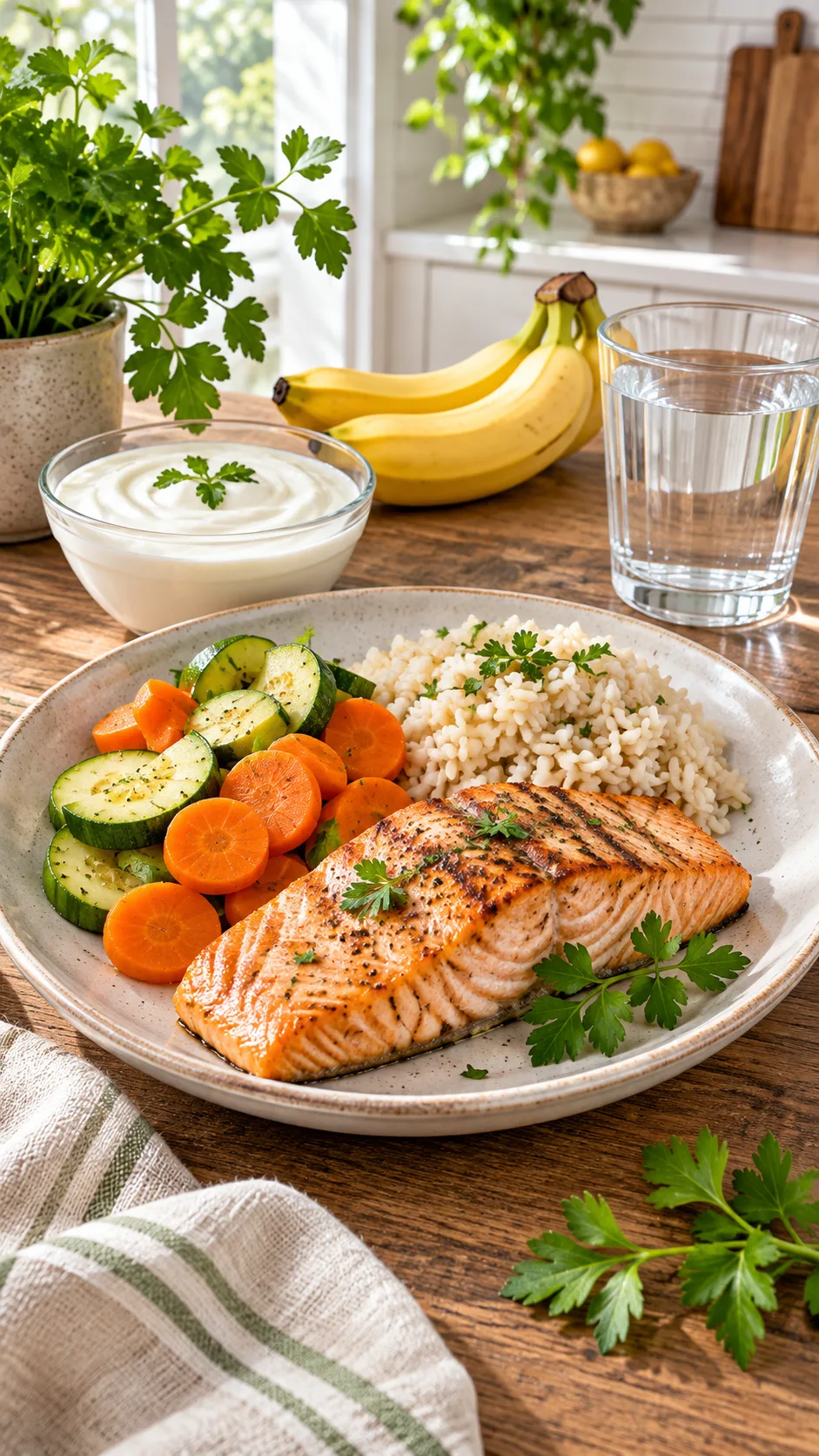
First, what a parasite cleanse can really do
People use “parasite cleanse” as a catch-all term for herbs, fasting plans, restrictive diets, colon cleanses, and supplement stacks. These plans promise to remove parasites, detox the gut, and reset your body in one swoop. Your gut deserves better than vague promises and a jar of mystery powder.
Parasites come in many forms. Protozoa such as Giardia can trigger diarrhea, gas, cramps, and fatigue. Helminths include roundworms, tapeworms, hookworms, and pinworms. They cause different symptoms and need different treatments.
A clinician narrows down the cause by looking at your symptoms, travel history, food and water exposure, exam, and stool testing. You cannot identify a parasite from a social media photo of something in a toilet. Food residue, mucus, and normal intestinal material can look dramatic after a cleanse heavy on fiber, and the internet apparently needed another jump scare.
The Centers for Disease Control and Prevention offers clear information on common parasites, symptoms, testing, and treatment. If you think you picked up an infection, start there and call a qualified healthcare professional.
What clears a parasitic infection?
The correct medication clears many intestinal parasites. Doctors may prescribe metronidazole, tinidazole, nitazoxanide, albendazole, mebendazole, praziquantel, or ivermectin, depending on the organism. Each medicine targets specific parasites, so random self-treatment makes little sense.
Pinworms, for example, often need medication plus household hygiene steps. Giardia often needs medical treatment and careful hydration. A tapeworm needs a different approach altogether, so no, a clove and walnut smoothie is not a universal strategy.
Diet helps treatment along. It helps you eat enough, replace fluids, and avoid foods that aggravate an already irritated digestive system. That is useful, but it does not turn food into an antiparasitic drug.
When to get tested instead of starting a cleanse
Everyone gets an upset stomach now and then. Some symptoms call for professional advice, though, especially after travel, exposure to untreated water, questionable food, or close contact with someone who has a diagnosed infection.
Book medical care promptly if your symptoms persist, worsen, or interfere with daily life. A clinician can check for parasites, bacterial infections, inflammatory bowel disease, celiac disease, food intolerances, and other problems that “cleanse” marketing loves to ignore.
- Diarrhea that lasts more than a few days, especially after travel or camping
- Blood in your stool, or black stool
- Fever, vomiting, severe abdominal pain, or dehydration
- Unexplained weight loss or loss of appetite
- Visible worms or segments in your stool
- Persistent itching around the anus at night, which can point to pinworms
- Symptoms during pregnancy, infancy, older age, or immune suppression
Seek urgent care for severe dehydration, fainting, confusion, intense pain, or bloody diarrhea. You need fluids and a real assessment, not a brave little shot of oregano oil.
The World Health Organization explains how soil-transmitted worms spread and why prevention matters. Your risk depends on where you travel, local sanitation, outbreaks nearby, and your own exposure.
The parasite cleanse diet that supports real treatment
If a clinician diagnoses and treats a parasite, your food choices can make recovery less miserable. The best parasite cleanse diet focuses on hydration, meals that are easy to digest, enough protein, and gradual fiber. It does not demand starvation, extreme fasting, or a kitchen cabinet full of supplements.
Your exact plan depends on your symptoms. Watery diarrhea calls for a gentler approach than constipation or mild bloating. Listen to your body, and if you have a confirmed infection, let your clinician guide you.
1. Put hydration before “detox” drama
Diarrhea and vomiting drain water and electrolytes fast. Drink safe water regularly, and use an oral rehydration solution when your symptoms cause meaningful fluid loss. Oral rehydration mixes contain a precise balance of water, glucose, and electrolytes that helps your body absorb fluid.
The U.S. National Library of Medicine has guidance on dehydration. If you cannot keep liquids down or urinate normally, contact a medical professional quickly.
- Choose safe drinking water, broth, oral rehydration solution, or diluted electrolyte drinks.
- Take small, frequent sips if nausea makes large drinks difficult.
- Limit alcohol, which can worsen dehydration and interact with some medicines.
- Go easy on very sugary drinks, which can aggravate diarrhea for some people.
Clean water also matters for prevention. If you travel where water safety feels uncertain, use sealed bottled water, properly boiled water, or a reliable filtration method recommended for that location. Ice, raw produce washed in unsafe water, and unpasteurized drinks can cause problems too.
2. Eat gentle carbohydrates when your gut feels raw
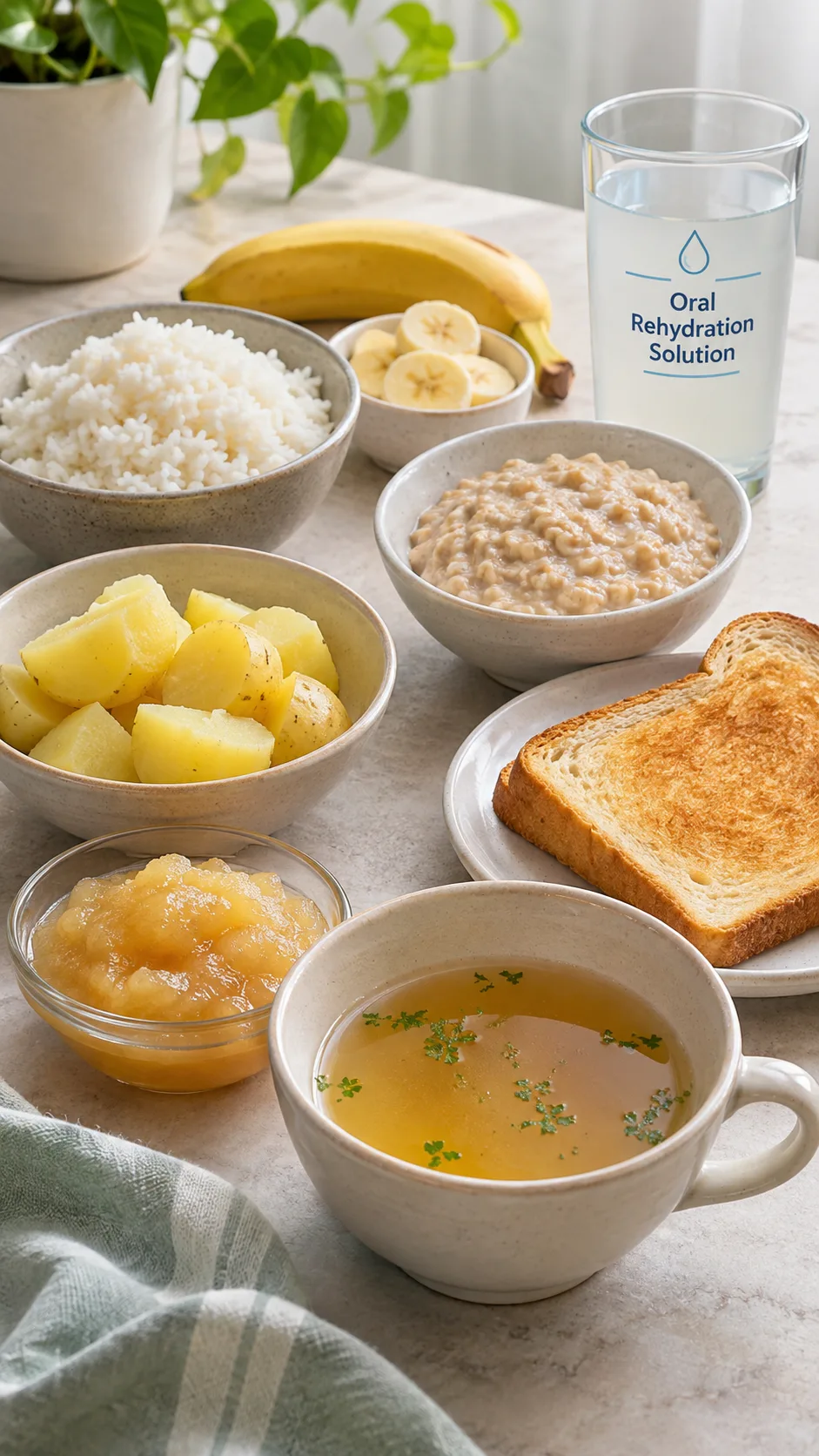
When diarrhea, nausea, or cramps hit, bland carbohydrates give you energy without making your gut work overtime. Think white rice, oats, potatoes, toast, crackers, bananas, applesauce, and plain pasta. You do not need to fear carbohydrates during recovery.
Choose foods you tolerate, then eat smaller meals more often. Large, greasy meals can trigger cramping and urgency when your digestive system already feels touchy. Nobody wins an award for forcing down a giant kale salad in the middle of a bout of diarrhea.
Some people develop temporary lactose intolerance after Giardia or other intestinal infections. If milk, ice cream, or soft cheese worsens your bloating or diarrhea, cut back for a short period and ask your clinician when to bring them back. Yogurt with live cultures may feel easier for some people, but your own tolerance gets the final vote.
3. Keep protein in the picture
Your body needs protein to maintain muscle, support your immune system, and recover after illness. Add easy options such as eggs, chicken, fish, tofu, plain Greek yogurt if you tolerate it, lentils, or soft beans. Start with modest portions if nausea or diarrhea limits your appetite.
Many cleanse plans slash calories and protein while promising “healing.” That approach leaves you tired and hungry, and it makes recovery harder. Recovery food should nourish you, not punish you.
Once your symptoms settle, this high-protein diet guide for women has practical ideas for building satisfying meals. Adjust the fiber and dairy choices while your stomach still feels sensitive.
4. Add fiber slowly, not heroically
Fiber supports regular bowel movements and feeds beneficial gut microbes over time. But a sudden avalanche of raw vegetables, bran, chia, and legumes can increase gas, urgency, and cramps during an active digestive illness. Timing matters more than trendiness.
Start with gentler fiber sources once your acute symptoms improve. Oats, cooked carrots, cooked squash, bananas, peeled apples, potatoes, and well cooked lentils often feel easier than giant raw salads. Increase portions slowly and drink enough fluid.
If constipation bothers you after treatment, fiber and fluids can help. If diarrhea continues, ask a clinician before loading up on fiber supplements. The right dose depends on what causes your symptoms, not on a cleanse calendar built for everyone.
5. Choose fats your stomach can handle
Healthy fats matter, but very rich meals can worsen nausea or loose stools in some people. Use modest amounts of olive oil, avocado, nut butter, eggs, fish, or nuts if you tolerate them. Skip deep-fried meals and heavy cream sauces until your digestion steadies.
Once you feel well, a less restrictive eating pattern can support your health over the long run. The Mediterranean diet for beginners gives you a sensible framework built on vegetables, beans, fish, whole grains, and healthy fats. It supports everyday health without pretending it can replace parasite treatment.
Foods and habits to limit during a suspected gut infection
You do not need a dramatic “forbidden foods” chart. Still, some foods and habits make symptoms worse or complicate treatment. Keep the goal simple: reduce irritation, protect your hydration, and avoid adding new variables while you figure out what is wrong.
- Skip alcohol. It dehydrates you and can interact dangerously with some medications.
- Avoid heavy, greasy foods, which can intensify nausea, cramps, and diarrhea.
- Go light on very spicy meals, which may irritate an already sensitive digestive tract.
- Steer clear of strong herbal blends. They can cause side effects, interact with medicines, and delay proper care.
- Pass on unpasteurized milk or juice, which can carry harmful germs.
- Avoid raw or undercooked meat and fish, which can expose you to more foodborne parasites and bacteria.
- Never drink untreated water. Prevention starts with what you drink, so this one bears repeating.
Do not assume “natural” means harmless. Black walnut, wormwood, clove, concentrated essential oils, and laxative herbs can cause stomach irritation, allergic reactions, liver problems, or medication interactions. Some products also lack reliable quality control.
Pregnant or breastfeeding people, children, older adults, and people with liver disease, kidney disease, digestive disorders, or immune suppression should avoid self-directed parasite cleanse supplements. Talk with a pharmacist or clinician before you take any herb or supplement, especially alongside prescription medicine.
What most people skip: hygiene and reinfection prevention
Here is the unglamorous truth: hygiene often matters more than a cleanse diet. You can take the right medication and still get reinfected if you ignore handwashing, laundry, food safety, and household cleaning. It isn’t sexy, but it works.
Pinworms show this clearly. Eggs spread through hands, bedding, towels, clothing, and frequently touched surfaces. Depending on the situation, your clinician may advise treatment for household members and repeat treatment on a schedule.

Your practical anti-reinfection checklist
- Wash your hands with soap and water after using the bathroom, changing diapers, gardening, or handling pets, and before you prepare food or eat.
- Keep your fingernails short and clean. Avoid nail biting and putting your fingers in your mouth.
- Wash fruits and vegetables under safe running water before you eat or prepare them.
- Cook meat and fish thoroughly, and use a food thermometer when you want certainty.
- Clean kitchen surfaces after you handle raw meat, fish, eggs, or unwashed produce.
- Wash bedding, underwear, pajamas, and towels regularly if pinworms are in the picture.
- Wear shoes outdoors in areas where contaminated soil can expose you to hookworm.
- Use safe water for drinking, brushing your teeth, making ice, and washing produce while you travel.
These steps also lower your risk of bacterial and viral stomach infections. Your future self may not send a thank-you card, but your gut will appreciate the boring consistency.
A simple three-day supportive meal plan while you wait for guidance
This sample plan supports hydration and gentle nutrition. It does not diagnose or treat parasites, and you should adjust it for allergies, diabetes, kidney disease, celiac disease, or medical advice. If severe symptoms show up, skip the meal plan and seek care.
Day 1: Settle the stomach
- For breakfast, have oatmeal made with water, banana slices, and a small spoonful of peanut butter if you tolerate it.
- For lunch, eat plain rice with baked chicken or tofu and cooked carrots.
- For a snack, choose applesauce, crackers, or a banana.
- For dinner, make a broth soup with chicken, tofu, or vegetables, plus potatoes and rice.
- Throughout the day, drink safe water, oral rehydration solution, weak tea, or clear broth.
Day 2: Build back steady energy
- For breakfast, have scrambled eggs with toast and a peeled apple or banana.
- For lunch, eat baked fish, mashed potato, and cooked zucchini with a little olive oil.
- For a snack, have plain yogurt with live cultures if you tolerate dairy, or a dairy free yogurt.
- For dinner, make a rice bowl with turkey, chicken, lentils, or tofu, plus cooked spinach and carrots.
- Drink water throughout the day, and add electrolytes if diarrhea continues.
Day 3: Ease toward your normal pattern
- For breakfast, have oats with berries and yogurt, or eggs with oatmeal if berries feel too acidic.
- For lunch, eat quinoa or rice with salmon, tofu, or chicken and cooked vegetables.
- For a snack, have a banana with nut butter, or toast with hummus if beans feel comfortable.
- For dinner, make a simple pasta bowl with lean protein, olive oil, and cooked vegetables.
- Drink water, soup, and electrolyte drinks as needed.
As your symptoms settle, return to a varied diet with protein, plants, healthy fats, and enough calories. If certain foods still trigger bloating or diarrhea long after treatment, talk to a registered dietitian or clinician. Ongoing symptoms deserve answers, not endless restriction.
Can probiotics help after a parasite infection?
Probiotics may help some people after certain digestive illnesses, but they do not kill parasites. Research shows mixed results because probiotic strains, doses, and conditions vary widely. Treat them as an optional support tool, not a cure.
You can try foods with live cultures, such as yogurt or kefir, if you tolerate dairy. You can also ask your clinician or pharmacist about a specific probiotic product, especially if you have immune system concerns. More capsules do not mean more benefit.
After an infection, your gut may need time to settle. Regular meals, enough sleep, gentle movement, hydration, and gradual fiber often help more than an aggressive supplement routine. Boring basics beat expensive chaos almost every time.
The biggest parasite cleanse diet myths
“Sugar feeds parasites, so I must eliminate all carbs”
Your body uses glucose, and so do many normal cells. Cutting all carbohydrate will not selectively starve a parasite out of your body. Extreme restriction makes it harder to meet your energy needs while you recover.
“I saw parasites leave my body during my cleanse”
Many cleanse products contain fiber, herbs, oils, or laxatives that change the texture and appearance of your stool. That material can look alarming without proving you have a parasite infection. Lab testing gives you a far more reliable answer.
“A colon cleanse removes parasites and toxins”
Your colon does not need routine flushing. Colon cleanses can cause dehydration, electrolyte problems, cramping, and injury. They can also delay the treatment you need.
“Herbal antiparasitics work just like medication”
Some plant compounds show activity in lab studies, but lab findings do not guarantee safe or effective treatment in people. Dose, purity, interactions, and the exact parasite all matter. Prescription treatment has clearer evidence for diagnosed infections.
How to build a smarter plan from here
Start with the facts. Ask yourself about recent travel, camping, untreated water, undercooked food, sick contacts, daycare exposure, pet exposure, and ongoing symptoms. Then contact a clinician if your story or symptoms suggest a possible infection.
Use diet as support, not as a substitute. Focus on safe fluids, simple meals, protein, foods you tolerate, and slow fiber increases once acute symptoms ease. Keep your meals calm and your hygiene serious.
A thoughtful eating pattern can also help you move away from the all-or-nothing thinking that cleanse culture encourages. If digestion keeps acting up without a confirmed infection, a medically guided elimination approach such as the low FODMAP diet for beginners may serve you better than another random detox.
Final takeaway: treat the cause, feed your recovery
The parasite cleanse diet that works does not promise miracles. It supports hydration, gentle digestion, enough nutrition, and prevention while proper testing and treatment deal with the infection.
Skip the starvation plans, the herbal mega-doses, and the toilet-photo detective work. Get clear answers, follow treatment backed by evidence, wash your hands like you mean it, and feed your body enough to recover.
Your gut does not need punishment. It needs a smart plan, and sometimes a real prescription.