Hungry again an hour after breakfast? You probably ate a bowl of “healthy” cereal and a banana, and your stomach rebelled. I don’t blame it.
A high protein diet for women fixes that problem better than almost any other eating strategy I know. It curbs cravings and protects your muscle while your body burns fat. You also don’t need to eat chicken breast out of a plastic tub for the rest of your life.
This guide covers how protein works, how much you need, what to eat, and where most women go wrong. Ready to eat more and snack less?
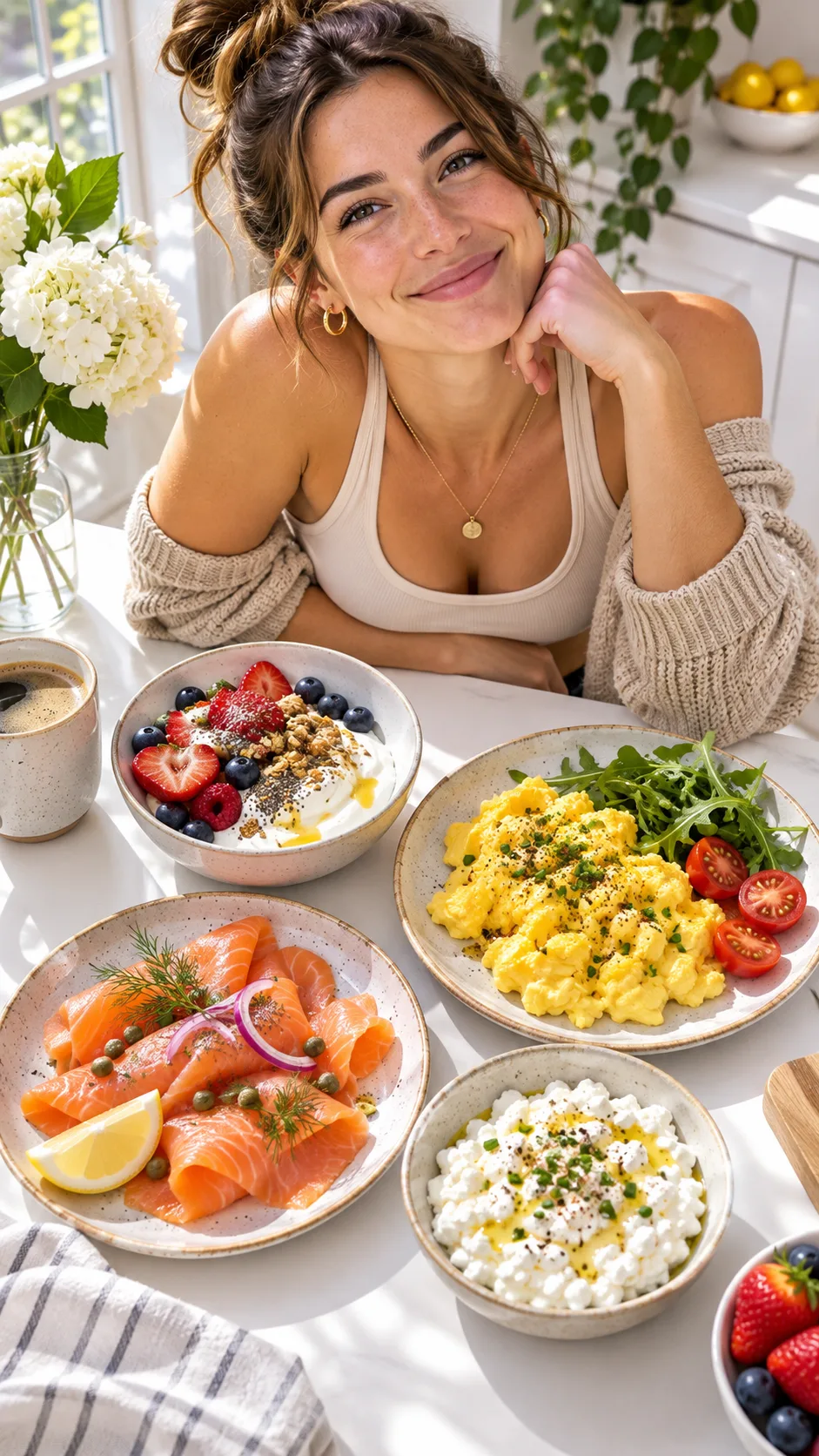
Why a high protein diet works for fat loss
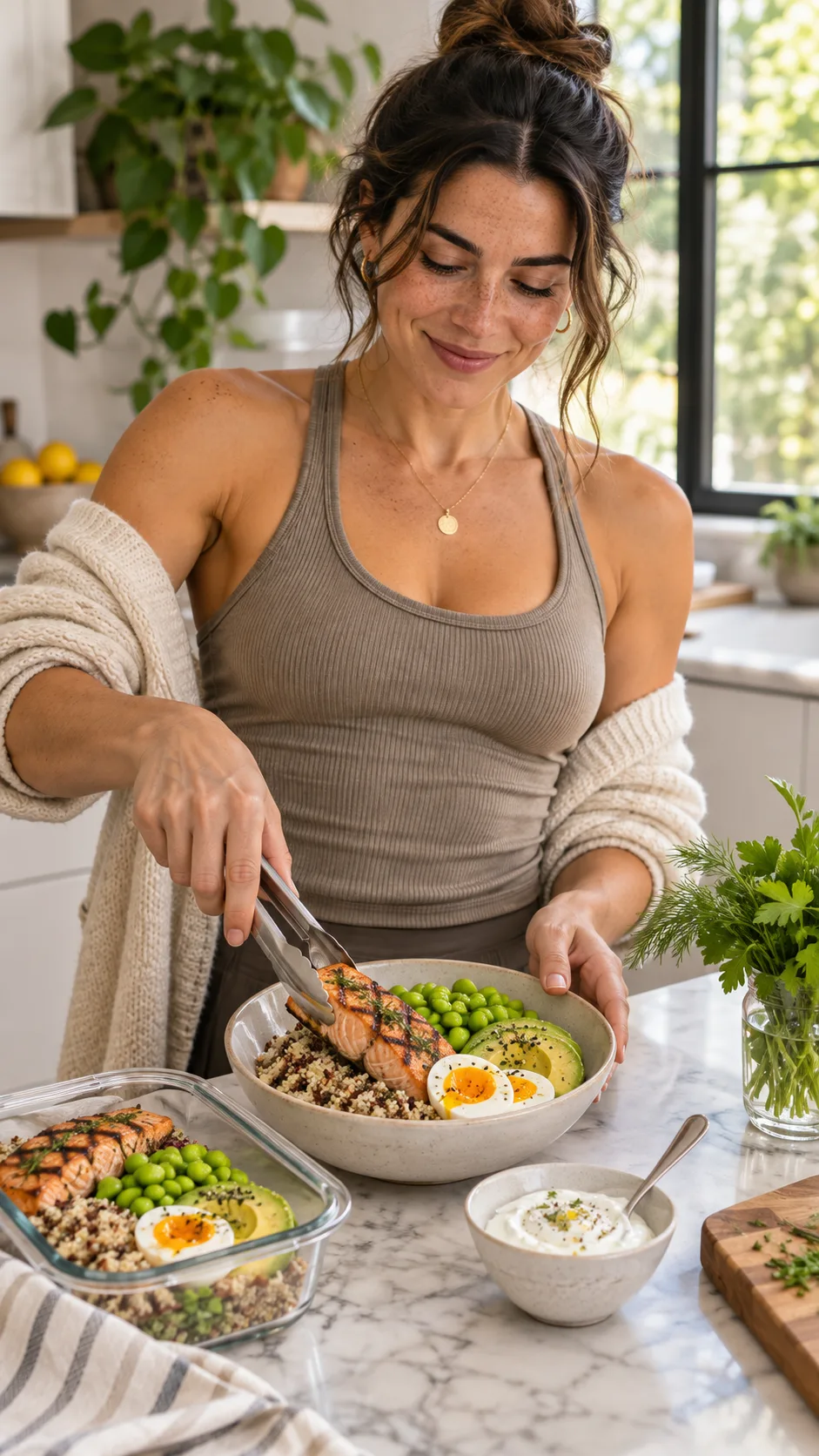
Protein does three jobs at once. It fills you up, it burns extra calories during digestion, and it protects your muscle while you lose weight. Carbs and fats can’t claim all three.
Protein controls your hunger hormones
When you eat protein, your gut releases satiety hormones like GLP-1 and peptide YY. Those hormones tell your brain, “We’re good, stop foraging.” Protein also helps lower ghrelin, the hormone that makes your stomach growl on cue.
Ever notice that a protein-heavy dinner keeps you out of the pantry at 9 p.m.? That’s biology, and willpower has little to do with it. You can stop beating yourself up about “weak self-control.”
Protein burns more calories just to digest
Your body spends energy to digest food, and scientists call that the thermic effect of food. Protein costs roughly 20 to 30 percent of its calories to process. Carbs cost about 5 to 10 percent, and fat costs even less.
So 100 calories of chicken don’t equal 100 calories of crackers in your body. Protein gives you a small but real metabolic edge, and it adds up over weeks and months.
Protein keeps your muscle while you lose fat
Here’s the part most diets skip. When you cut calories without enough protein, your body burns muscle along with fat. Less muscle means a slower metabolism and a softer, “skinny-fat” look.
Eating enough protein tells your body to hold onto muscle and burn fat instead. If you want to look toned and not just smaller, this matters most. Pair it with lifting and you have the real formula. Our strength training guide for women shows you exactly how to start.
How much protein do women need?
The official minimum is 0.8 grams per kilogram of body weight per day. That number prevents deficiency, but it won’t optimize fat loss, fullness, or muscle. You can read the baseline in the Dietary Guidelines for Americans.
Research on active adults and people who want to lose fat usually points higher. Most women do well in this range:
- Moderately active, maintaining weight: 1.0 to 1.2 g per kg
- Losing fat: 1.2 to 1.6 g per kg
- Lifting weights and building muscle: 1.6 to 2.0 g per kg
Take a 70 kg (154 lb) woman who wants to lose fat. She aims for about 85 to 110 grams of protein daily. That sounds like a lot until you spread it across the day.
The per-meal rule that makes it easy
Forget tracking every gram if that stresses you out. Aim for 25 to 35 grams of protein at each meal. Three meals plus a protein-rich snack get you there without a spreadsheet.
Spreading protein out also beats saving it all for dinner. Your muscles respond better to steady doses than to one giant steak. Your body can absorb more than 30 grams at once, so don’t panic if you go over.
The best high protein foods for women
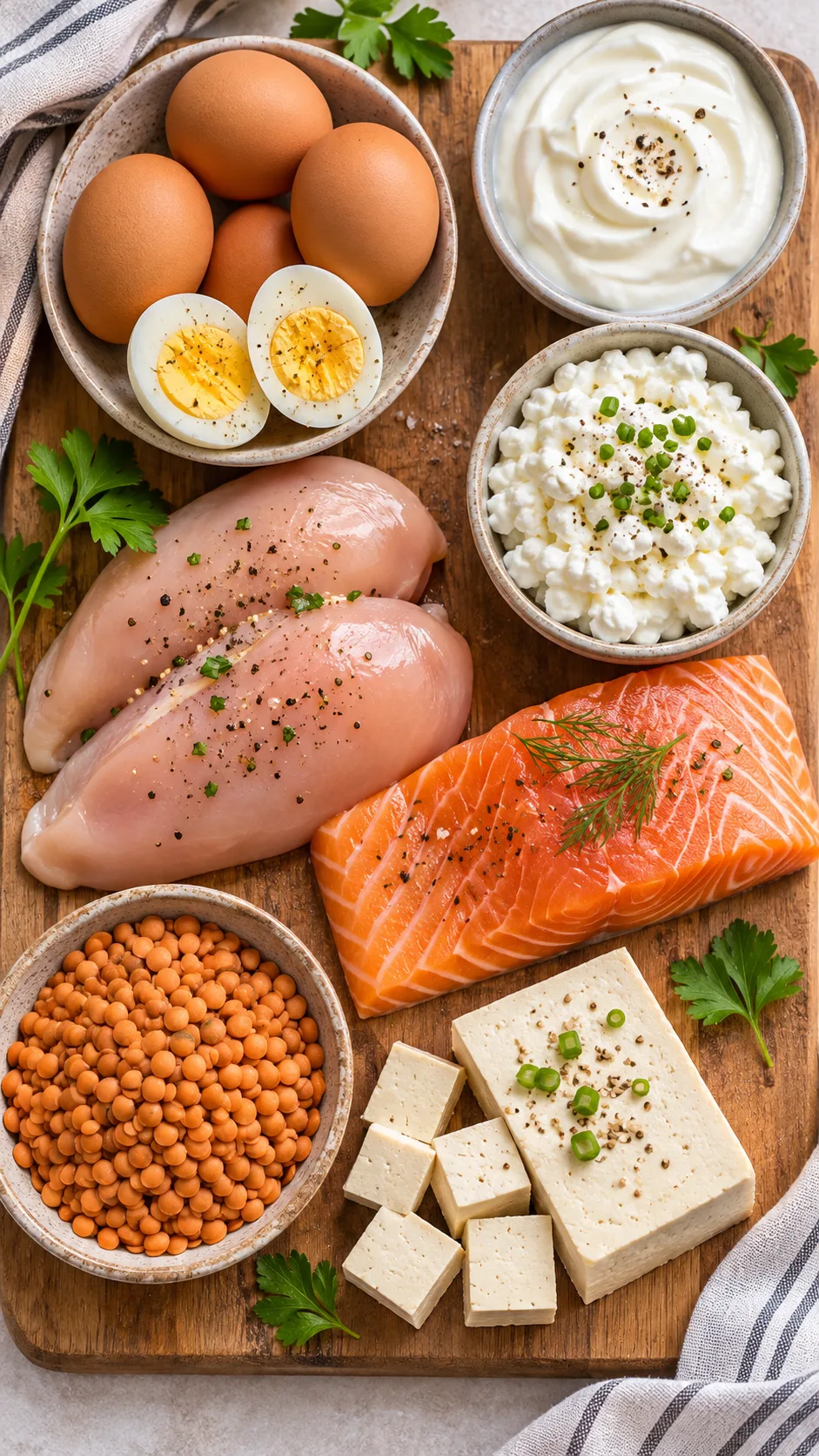
You don’t need exotic powders or a bodybuilder’s grocery list. These are the staples I keep coming back to, with approximate protein amounts.
- Eggs: about 6 g each. They cost little, cook fast, and work in almost any meal.
- Greek yogurt (plain, 3/4 cup): about 15 to 18 g. Add berries and call it dessert.
- Chicken breast (100 g cooked): about 31 g. Boring? Only if you season it like a coward.
- Salmon (100 g cooked): about 22 to 25 g, plus omega-3 fats that support heart health.
- Cottage cheese (1/2 cup): about 12 to 14 g. It tastes better than its reputation.
- Lentils (1 cup cooked): about 18 g, plus fiber that doubles your fullness.
- Firm tofu (100 g): about 10 to 15 g. It soaks up flavor like a sponge.
- Lean beef or turkey mince (100 g cooked): about 25 to 28 g, plus iron that many women lack.
Check the labels on your own products, because brands vary a lot. A tub of “high protein” yogurt can swing by 10 grams.
Don’t forget fiber and healthy fats
Protein works best as part of a team. Add vegetables, beans, and whole grains for fiber, plus a little olive oil, nuts, or avocado. That combination slows digestion and keeps you full for hours.
Skipping those and eating only protein is a classic mistake. You’ll feel full but bored, constipated, and cranky.
A sample day on a high protein diet (about 100 grams)
This is what an easy, realistic day looks like. It uses nothing fancy and no weird ingredients.
Breakfast: 28 g protein
Scramble two eggs with spinach and tomatoes. Add a side of 1/2 cup cottage cheese and a slice of whole-grain toast. You’ll feel satisfied until lunch, which is the whole point.
Lunch: 30 g protein
Build a big salad with 100 g grilled chicken, chickpeas, cucumber, and olive oil dressing. Toss in some feta if you feel generous. This lunch beats a sad desk sandwich every time.
Snack: 15 g protein
Eat 3/4 cup plain Greek yogurt with a handful of berries and a spoonful of almonds. It takes two minutes and calms the 3 p.m. snack monster.
Dinner: 30 g protein
Bake a salmon fillet and serve it with roasted broccoli and a small portion of quinoa. Season it well. Bland food makes people quit diets, and hunger rarely does.
Want a lower-calorie version of this structure? Try our calorie deficit meal plan for prep shortcuts that save your evenings.
Watch: a quick visual on protein and fat loss
Sometimes you learn faster by watching. This video breaks down how to build high protein meals without overthinking it.
7 mistakes that sabotage a high protein diet
I’ve watched plenty of friends start with big enthusiasm and quit within three weeks. Most of them tripped over the same problems.
- Eating protein only at dinner. Your morning self deserves some too. A protein-light breakfast sets up cravings all day.
- Ignoring total calories. Protein fills you up, but it still contains calories. A pound of cheese won’t melt fat, no matter how many grams it packs.
- Relying on processed protein bars. Many of them taste like candy because they basically are candy. Treat them as an occasional backup.
- Skipping vegetables. Fiber keeps your digestion moving and your meals filling.
- Forgetting to drink water. Higher protein intake works better when you stay hydrated.
- Skipping strength training. Protein gives your muscles the building blocks, but lifting tells them to use those blocks.
- Going extreme. You don’t need 200 grams a day, and consistency beats perfection.
Which one hits closest to home for you? I think number one catches most women, because we grew up on toast-and-jam breakfasts.
Protein needs change in perimenopause and beyond
Women lose muscle faster as estrogen drops during perimenopause and menopause. That loss slows your metabolism and makes fat loss harder. Protein matters even more at this stage.
Women over 40 do best leaning toward the higher end of the range, around 1.2 to 1.6 g per kg, and lifting weights twice a week or more. If midlife weight gain frustrates you, read our breakdown of the Galveston Diet for another approach built for this life stage.
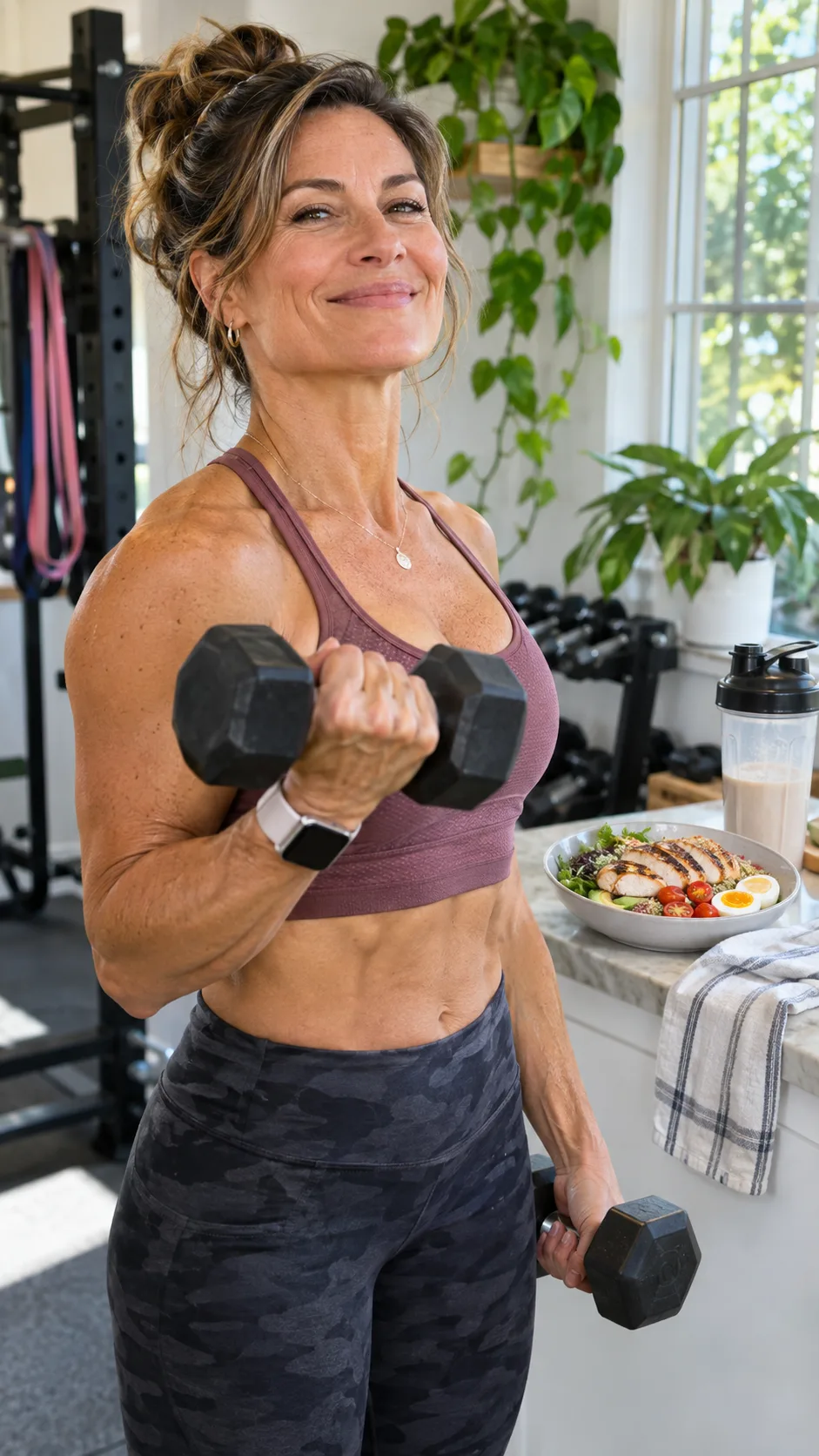
Is a high protein diet safe for women?
For most healthy women, yes. Harvard’s Nutrition Source explains that protein quality and the foods around it matter as much as the quantity. You can read their overview on protein and healthy eating.
Some women should check with a doctor first:
- Anyone with kidney disease or reduced kidney function
- Women who are pregnant or breastfeeding, because their needs change
- Anyone with a history of disordered eating
- Women who take medications that affect kidney or liver function
Not sure where you fall? Book a quick visit with your doctor or a registered dietitian. The Mayo Clinic’s nutrition resources also give solid, plain-language background.
Vegetarian and plant-based options
Yes, you can hit your numbers without meat. It takes a little more planning, that’s all.
- Mix your sources: combine lentils, beans, tofu, tempeh, edamame, and quinoa.
- Use dairy or eggs if you eat them. They make the math much easier.
- Add a plant protein powder (pea or soy) when you fall short.
- Eat a variety across the day so you cover all the essential amino acids.
Lentils with eggs and Greek yogurt will carry you further than any single “superfood.” Our guide to the high protein diet plan includes more meal ideas if you want a bigger menu.
How to make high protein eating stick
Knowing the science doesn’t help if dinner falls apart at 6 p.m. These habits make the difference.
Prep your protein in bulk
On Sunday, cook a tray of chicken thighs, boil a dozen eggs, and simmer a pot of lentils. Then you can assemble meals in five minutes. Future you will send a thank-you note.
Build every meal around protein first
Pick the protein, then add the vegetables and the carbs. This order flips the usual plate, where pasta leads and protein tags along. You’ll hit your numbers without counting anything.
Keep easy backups nearby
Stock tuna pouches, string cheese, hard-boiled eggs, and Greek yogurt. When life gets chaotic, you won’t grab chips from the vending machine. Planning for your weakest moment beats relying on motivation.
Track for two weeks, then relax
Use a free app to log your meals for 14 days. You’ll learn what 30 grams of protein looks like on your plate. After that, most women can eyeball it and put the app away.
What results can you expect?
Be realistic. Most women notice less hunger within the first week. Visible changes in body composition usually take four to eight weeks, especially with strength training.
Don’t obsess over the scale. Muscle weighs more than fat, so measure your waist, check how your clothes fit, and snap a progress photo. Those numbers tell the real story.
Want to boost results even more? Some women add simple swaps like those in our list of fat burning drinks. Just remember that no drink replaces solid meals.
Quick FAQ
Will a high protein diet make me bulky?
No. Women lack the testosterone levels needed to bulk up by accident. Protein plus lifting builds lean, defined muscle, and it won’t give you a bodybuilder’s physique.
Can I use protein shakes?
Yes. Shakes work well when you need something convenient, but whole foods should still make up most of your intake. Choose a powder with minimal added sugar.
Do I need to cut carbs?
No. Carbs fuel your workouts and your brain. Keep them, but choose fiber-rich options like oats, beans, fruit, and potatoes.
The bottom line
A high protein diet for women works because it tackles the real problems: hunger, muscle loss, and a slow metabolism. Aim for 25 to 35 grams at each meal, build plates around whole foods, and add some strength training. Keep your vegetables and fiber in the mix.
Five points to take with you:
- Protein fills you up by boosting satiety hormones.
- It burns extra calories during digestion.
- It protects muscle while you lose fat.
- Most women thrive on 1.2 to 1.6 grams per kilogram of body weight.
- Consistency wins over perfection every time.
So tomorrow morning, swap the cereal for eggs and yogurt. Notice how long you stay full. That small experiment might change how you eat for good, and your stomach will finally stop arguing with you.