You begin the SlimFast diet plan full of enthusiasm. You buy shakes, fill the cupboard with bars, and tell yourself that this time you will “be good.” Three days later, you find yourself in the kitchen at 10 p.m., hunting for snacks like a hungry raccoon with Wi-Fi.
Willpower rarely causes the problem. Most beginners make one big mistake: they treat SlimFast products as the whole plan instead of using them as one tool in a balanced way of eating. That approach leaves people hungry, bored, and one biscuit away from giving up.
You can make a SlimFast weight loss plan more filling, flexible, and realistic without tracking every bite in a spreadsheet. Start with a better setup.
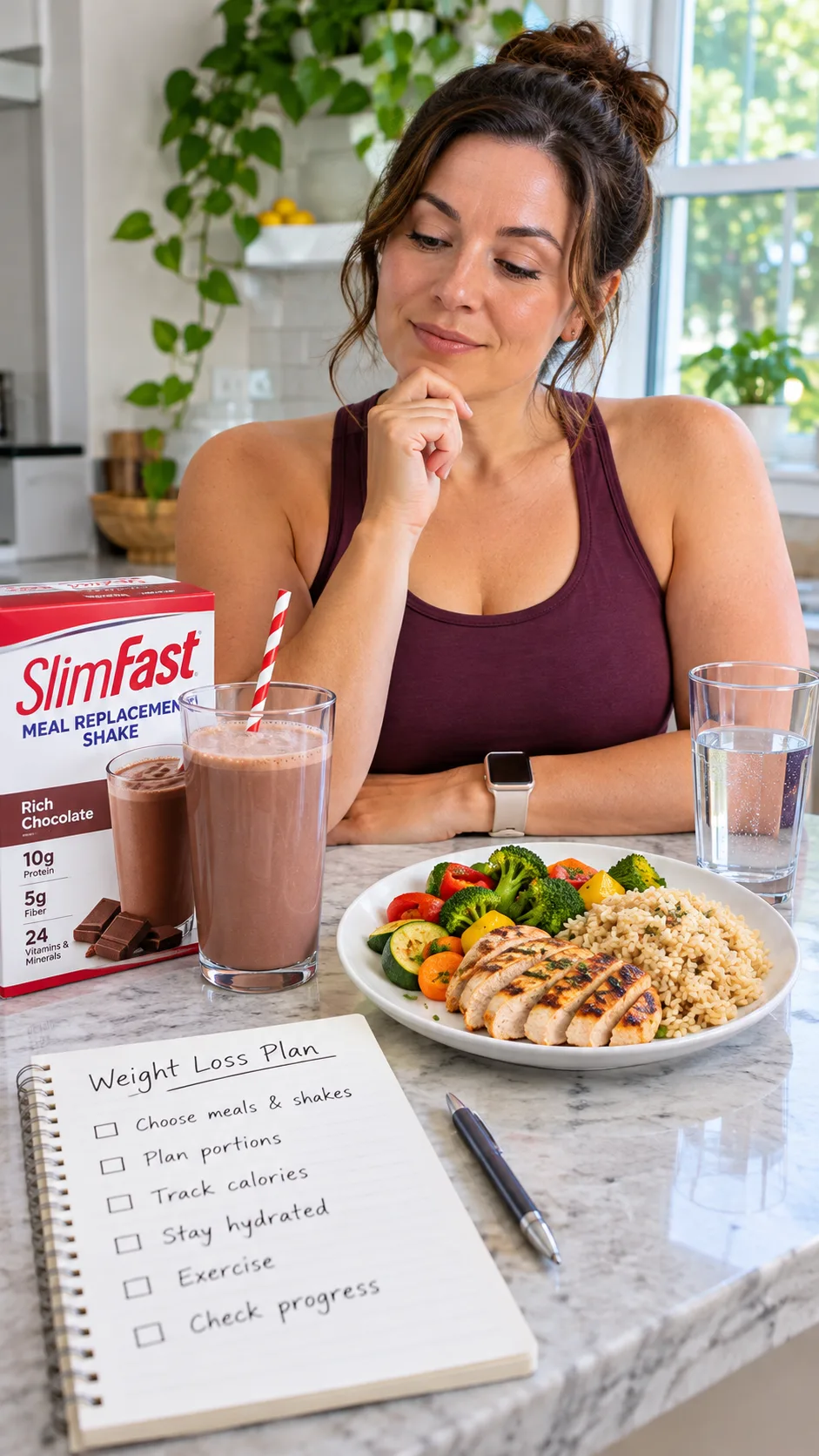
The biggest SlimFast diet plan mistake: replacing too much food
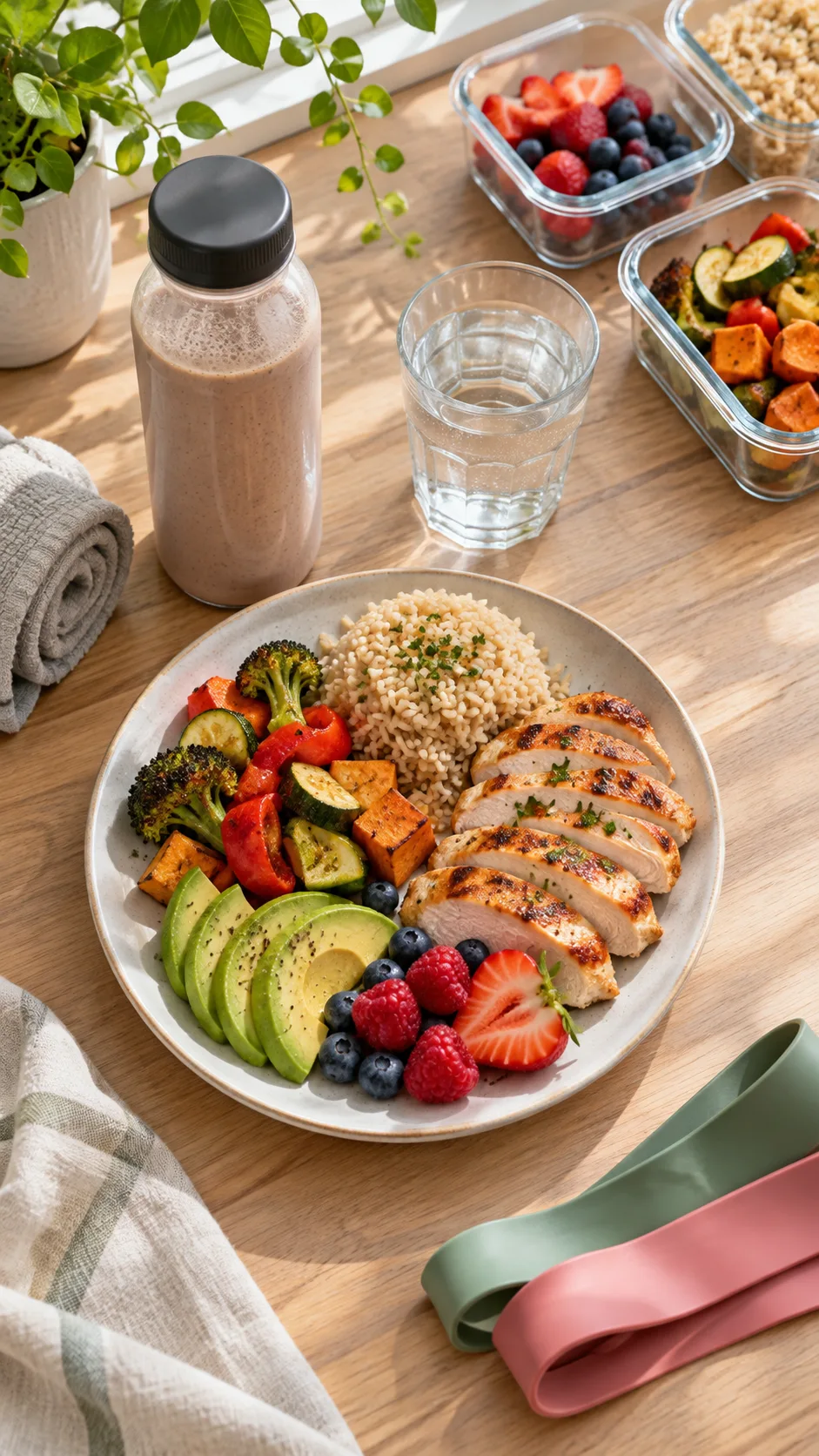
Many beginners think they need to replace breakfast, lunch, dinner, snacks, joy, and perhaps oxygen with SlimFast shakes. They stick to shakes and bars because the routine feels easy and promises fast results. Sooner or later, their bodies push back.
Meal replacement shakes can help you control calories, but they cannot teach you how to put together satisfying everyday meals. You still need protein, fibre, healthy fats, vitamins, minerals, and food that feels like a meal. A chocolate shake may taste fine, but hot food on a plate often wins.
The usual SlimFast approach includes meal replacements, portioned snacks, and one sensible meal. That setup works for some people. Problems start when you make that meal too small, skip the snacks you planned, or ignore hunger because you think hunger means the diet works.
It does not. Constant hunger that distracts you usually means you need to adjust the plan. Aim for a calorie deficit, not a daily argument with your fridge.
Why extreme restriction backfires
When you cut calories too sharply, you may feel tired, irritable, and preoccupied with food. Later, you may eat much more than you intended. A “tiny treat” can somehow turn into half a packet of biscuits. Restriction often drives that pattern. Greed does not.
Your body needs enough protein and resistance exercise to hold on to muscle while you lose fat. Muscle supports strength, mobility, and long term weight management. A plan that focuses only on the number on the scale leaves out an important part of the picture.
The Centers for Disease Control and Prevention recommends gradual, steady weight loss because people often keep it off more easily. Slow progress may not look dramatic on social media, but keeping weight off for years matters more. The boring wins count.
What the SlimFast diet plan can do well

A SlimFast meal plan can give you a useful starting point. It controls portions, cuts down on food decisions, and gives hectic days some structure. If you skip breakfast and then attack pastries at noon, a planned shake may help more than chaos.
Meal replacements can also help people who find portion sizes difficult. A ready made shake gives you a known calorie range, which makes tracking simpler. You do not need to weigh every grape as though you work in a laboratory.
Research reviews often find that meal replacements can help people lose weight when they use them within a calorie controlled eating plan. The important phrase sits right there: within an overall eating plan. The shake should support your routine. It should not control it.
Read the label on your SlimFast product before you plan your day around it. Calories, protein, fibre, added sugar, and serving sizes vary among shakes, powders, bars, and snacks. Brands also change formulas, because meal shakes apparently enjoy a rebrand too.
Who may find it useful?
- People who need a quick, portable breakfast or lunch.
- People who want straightforward calorie control without cooking every meal.
- Busy workers who often buy high calorie convenience food.
- Beginners who benefit from a clear food routine.
- People who use shakes for a short time while they learn healthier meal habits.
That last group often sees the best results. They use the plan like training wheels, then gain confidence with regular food. That skill matters more than any branded tub of powder.
What to do instead: build a “shake plus real food” plan
Rather than replacing nearly every meal, use one meal replacement on purpose. Most people do well with a shake at the meal that gives them the most trouble. For many, that means breakfast on a rushed morning or lunch between meetings.
Build the rest of your day around filling food. Eat protein, vegetables, fruit, high fibre carbohydrates, and healthy fats. This gives you structure without making you feel as though you joined a liquid food cult.
Your goal should not involve drinking the smallest possible amount of food. Eat enough nourishing food to lose weight steadily while keeping your energy, strength, and sanity. That plan works better.
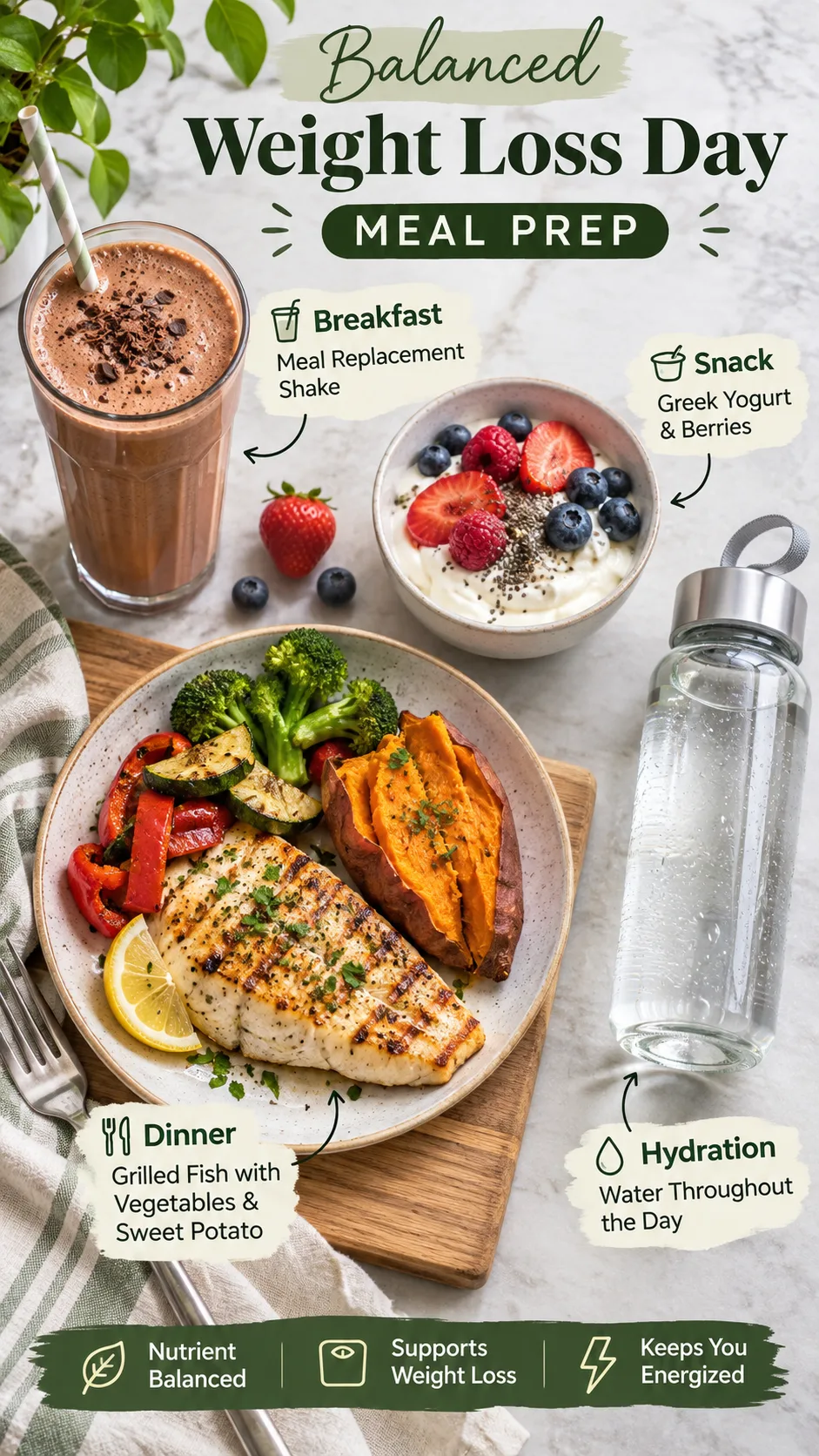
A practical SlimFast style day
- Breakfast: Have a SlimFast shake or another high protein meal replacement. Add fruit if you want more volume.
- Mid-morning: Choose Greek yogurt, boiled eggs, fruit, or a small handful of nuts if you feel hungry.
- Lunch: Eat a filling meal with lean protein, vegetables, and a high fibre carbohydrate.
- Afternoon: Plan a snack before hunger turns into an emergency.
- Dinner: Build a balanced plate, then stop when you feel comfortably full.
You do not need to follow this schedule exactly. Your job, shift pattern, training routine, and appetite all affect what works. Use this structure as a starting point, then change it based on your hunger, energy, and results.
Someone who exercises after work may want a protein rich snack before training and a proper dinner afterward. Someone who works night shifts may need their biggest meal at a different time. Your body does not care what diet culture calls “the perfect meal time.”
Make your one proper meal actually proper
Beginners often make a second mistake: they eat a tiny dinner because they fear calories. Then hunger hits an hour later, and they snack without a plan. A sensible meal should leave you satisfied. It should not punish you.
Use a simple plate formula. Fill about half your plate with vegetables or salad, give one quarter to protein, and use the last quarter for a high fibre carbohydrate. Add a small portion of healthy fat when your meal needs it.
The NHS healthy weight guidance encourages balanced meals, awareness of portions, and realistic changes instead of crash diets. That may sound less exciting than “lose 10 pounds by Thursday,” but it makes far more sense.
Easy meal ideas that fit a SlimFast weight loss plan
- Grilled chicken, roasted vegetables, and a small serving of brown rice.
- Beans or lentils with spinach, tomatoes, and baked sweet potato.
- Egg and vegetable stir fry with whole grain toast.
- Grilled fish, steamed greens, and boiled plantain or potatoes.
- Turkey mince chilli with beans, vegetables, and a spoonful of plain yogurt.
- Tofu curry with plenty of vegetables and a measured serving of rice.
If you enjoy Nigerian meals, you do not need to swap them for bland diet food. You can find practical ideas in this guide to Nigerian foods for weight loss. Portion size and cooking method matter much more than whether a meal looks diet friendly on Instagram.
Choose grilled, boiled, baked, air fried, or lightly sauteed foods more often than deep fried meals. Use rich sauces and oils in sensible amounts instead of pretending they do not count. Oil carries calories like a tiny, delicious freight train.
Prioritise protein and fibre so hunger does not win
Protein and fibre can change how a SlimFast diet plan feels. Protein helps you stay full and supports muscle during weight loss. Fibre adds bulk to meals and helps many people stay satisfied longer.
Check the nutrition label on your shake, then look at what the rest of your day gives you. If you eat mostly refined carbohydrates with little protein, hunger may hit fast. Ordinary foods can fix that. You do not need expensive detox tea.
Simple protein choices
- Eggs and egg whites
- Chicken, turkey, lean beef, or fish
- Greek yogurt or cottage cheese
- Beans, lentils, and chickpeas
- Tofu, tempeh, and edamame
- Tinned tuna or sardines
Simple fibre choices
- Vegetables, especially leafy greens, carrots, peppers, and broccoli
- Fruit such as apples, berries, oranges, and pears
- Oats, brown rice, whole grain bread, and whole grain pasta
- Beans, peas, lentils, and chickpeas
- Potatoes and sweet potatoes in sensible portions
- Seeds and nuts in measured amounts
The Dietary Guidelines for Americans encourages nutrient dense foods from every food group. You do not need perfect meals every day. You need a pattern you can repeat that gives your body what it needs.
Stop treating SlimFast bars like free food
Another common beginner trap goes like this: you drink a shake, eat two “diet” bars, snack on crackers, and wonder why progress stops. A SlimFast bar may fit your calorie target, but it still adds calories. The word “diet” does not open a secret calorie free dimension.
Plan snacks before hunger arrives. Choose one snack, portion it, and eat it without scrolling through videos or working at your desk. When you eat while distracted, you can miss the moment when you feel satisfied.
Try snacks that pair protein with fibre. An apple with peanut butter, yogurt with berries, carrots with hummus, or boiled eggs with fruit can work well. You can use a SlimFast snack product when convenience matters, but choose it on purpose.
Watch liquid calories too
Sugary coffee drinks, juice, alcohol, creamy smoothies, and fizzy drinks can wipe out your calorie deficit without much fuss. Start with water, sparkling water, unsweetened tea, or coffee with a modest amount of milk. You do not need to fear every drink. Just count drinks that contain a lot of calories.
If plain water bores you, add lemon, cucumber, mint, or berries. Keep a bottle close by and refill it through the day. Thirst can sometimes feel like hunger, which may explain those mysterious snack urges.
Track patterns, not just calories
Calorie awareness helps, but calories do not tell the whole story. Track your hunger, energy, sleep, workouts, cravings, and consistency along with your food intake. Those details can tell you why a plan succeeds or falls apart.
For example, you may hit your calorie target but feel ravenous every evening. That pattern may tell you to eat more protein at lunch, add vegetables at dinner, or save more calories for later in the day. You do not need more discipline. You need a better setup.
Weigh yourself in similar conditions once or twice a week if the scale helps you stay objective. Track your waist measurement, how your clothes fit, your strength, and your energy too. Salt, hormones, digestion, and normal changes in water weight can move the scale around like it holds a personal grudge.
Watch trends over several weeks instead of chasing dramatic changes after two days. Fat loss takes time. Consistent choices beat frantic restarts.
Add movement without trying to “earn” food
Exercise supports health, strength, mood, and weight maintenance, but you do not need to punish yourself with endless cardio. Start with walks, cycling, dancing, swimming, or any activity you enjoy. If you hate it, you probably will not keep doing it.
Try to do strength training two or three times a week if you can. Bodyweight squats, wall push ups, resistance bands, dumbbells, and gym machines all count. Strength work helps you hold on to muscle while you lose weight.
The CDC physical activity guidelines recommend regular aerobic activity and muscle strengthening work. Start below the guideline if you need to, then build up gradually. Five minutes today beats the imaginary 60 minute workout you keep putting off.
Do not exercise to earn dinner. Move because your body enjoys movement and because stronger muscles make everyday life easier. Food fuels your life. It does not act as a reward or punishment.
When you should skip the DIY SlimFast approach
A meal replacement diet does not suit everyone. Talk with a doctor or registered dietitian before you start if you have diabetes, kidney disease, digestive issues, food allergies, a history of disordered eating, or any condition that affects your nutrition needs. Pregnancy and breastfeeding also need personal guidance.
Medication can change the picture too. Some medicines affect appetite, blood sugar, fluid balance, or nutrient needs. A healthcare professional can help you fit weight loss goals around your health instead of guessing from a label.
If you feel dizzy, weak, constantly hungry, obsessed with food, or unable to function normally, stop and rethink the plan. Weight loss should support your health, not make every day miserable. You deserve better than forcing your way through every afternoon.
The bottom line on the SlimFast diet plan
The biggest SlimFast diet plan mistake involves using shakes and bars to replace too much real food. Meal replacements can help with convenience and portion control, but they work best alongside balanced meals, planned snacks, protein, fibre, water, and movement.
Use one shake when it makes life easier. Eat a proper meal with protein, vegetables, and a satisfying carbohydrate. Track your patterns, make changes before you quit, and give steady progress time.
Drop the all or nothing mindset. Build a plan you can follow on busy Mondays, social weekends, and random days when lunch happens at 4 p.m. The best weight loss plan does not demand perfection. It helps you keep going.