

A low protein diet can help you feel better, but only when you follow it for the right reason. Randomly cutting chicken, eggs, beans, and fish because someone online called protein “hard on the body” can backfire fast. Your muscles, immune system, skin, and energy levels all rely on protein, so this plan needs a little more thought than swapping steak for three bowls of cereal.
Doctors often recommend a low protein diet for people with certain kidney conditions, liver disease, or rare metabolic disorders. The goal is not to fear protein. The goal is to eat the amount your body can handle while still getting enough calories, vitamins, fibre, and enjoyment from food. Yes, food can still taste good. Nobody deserves a lifetime sentence of sad iceberg lettuce.
This guide explains what a low protein diet includes, which foods deserve a smaller spot on your plate, and how to build meals that keep you satisfied. It also covers the safety stuff, because your kidneys and liver deserve more than TikTok nutrition advice.
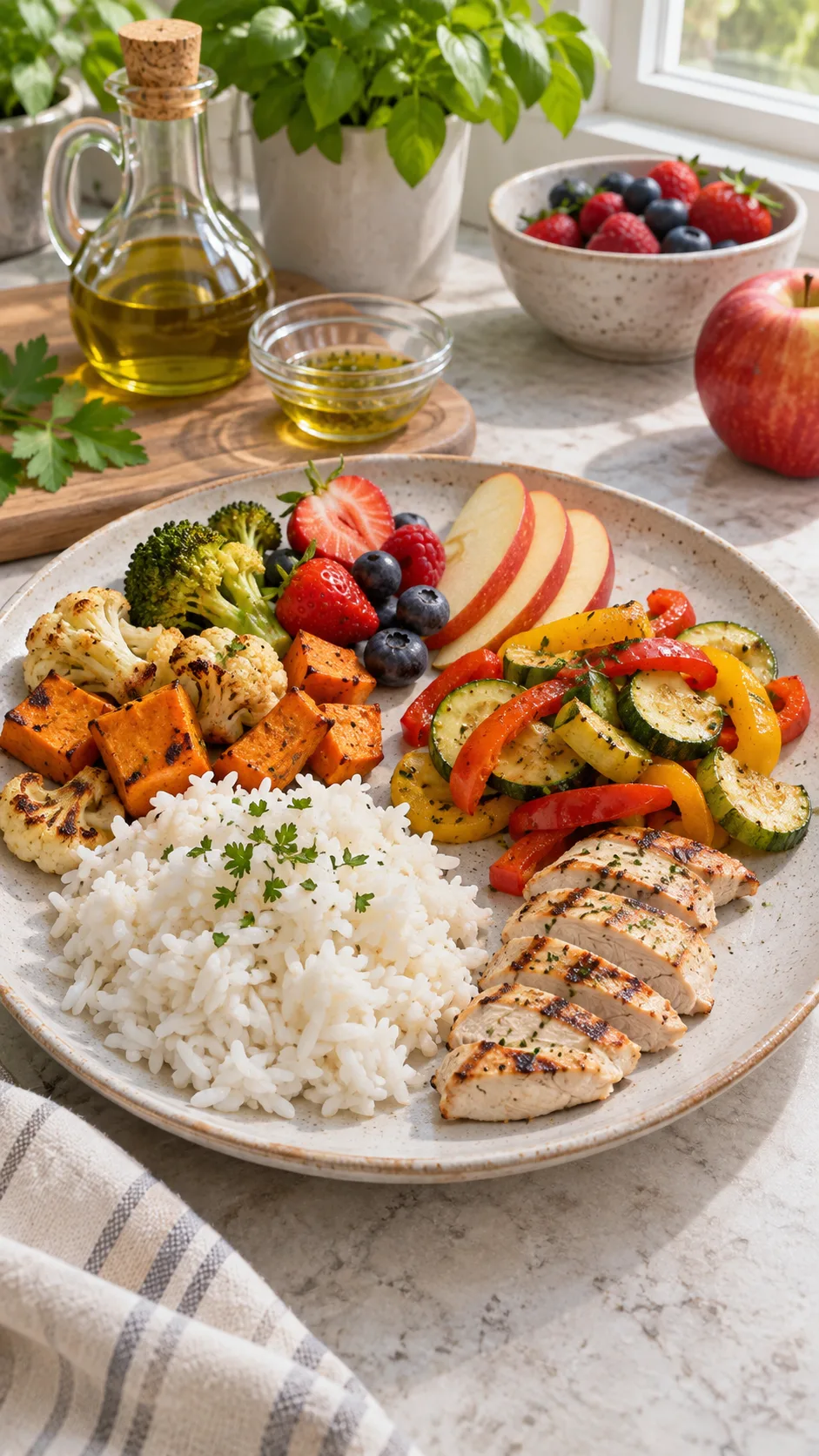
First: what does a low protein diet actually mean?

A low protein diet limits the total protein you eat each day. Your exact target depends on your diagnosis, body size, kidney function, treatment plan, age, activity level, and whether you receive dialysis. That sounds like a lot because it is a lot. Nutrition loves details almost as much as your aunt loves asking why you look tired.
Many healthy adults need around 0.8 grams of protein per kilogram of body weight each day as a basic reference point. People with chronic kidney disease who do not receive dialysis may need a lower target under professional guidance. The National Kidney Foundation explains that protein needs can change significantly with kidney disease stage and treatment.
If you receive dialysis, do not assume you need less protein. Dialysis can remove amino acids and increase protein needs, so many people on dialysis need more protein instead. That single detail explains why copying a “renal diet” from a random Facebook group can create problems.
Ask your doctor or renal dietitian for a daily protein target in grams. Once you know that number, food choices become much simpler. You stop guessing, and guessing rarely makes a diet less stressful.
Who may need a low protein diet?
A clinician may recommend protein restriction for several health reasons. The most common reason involves chronic kidney disease before dialysis. Your kidneys filter waste products from protein metabolism, and reducing protein can lower that workload for some people.
- Chronic kidney disease: A kidney specialist may set a lower protein goal to help manage symptoms and slow progression.
- Some liver conditions: A liver specialist may adjust protein type and amount for people with hepatic encephalopathy, although most people with liver disease still need adequate protein.
- Inherited metabolic disorders: Conditions such as phenylketonuria require carefully controlled protein and special medical foods.
- Short-term medical plans: Your care team may use temporary restrictions before or after specific treatments.
A low protein diet does not work as a trendy weight-loss shortcut. It can leave you hungry, weak, and short on nutrients when you follow it without a medical reason. Want sustainable fat loss? A balanced calorie plan, strength training, sleep, and meals you can repeat usually beat extreme rules.
For evidence-based kidney nutrition guidance, visit the National Kidney Foundation nutrition resource. You can also review nutrition advice from the National Institute of Diabetes and Digestive and Kidney Diseases.
Why the right amount of protein can help you feel better
When your clinician prescribes protein restriction, the right intake can reduce the buildup of waste products that your kidneys must filter. Some people notice less nausea, a better appetite, less metallic taste in the mouth, and improved comfort after they follow their plan consistently. Results vary, of course, because bodies enjoy being complicated.
A well-planned low protein diet can also help you control sodium, phosphorus, and potassium when your care team sets limits for those nutrients. These restrictions often travel together in kidney care, but they do not always apply to everyone. Your lab results should lead the plan, not a generic printable chart.
The real win comes from balance. You need enough energy from carbohydrates and fats so your body does not burn muscle for fuel. If you under-eat calories while cutting protein, your body can break down its own tissues. That defeats the point rather spectacularly.
Signs your plan needs an adjustment
Pay attention to how you feel, but do not rely on symptoms alone. Your doctor uses blood work, weight trends, blood pressure, kidney function, and your overall health to adjust your target. A dietitian can translate that information into actual meals, which feels much more useful than receiving a mysterious number on a lab report.
- Unexpected weight loss or looser clothes without trying
- Constant fatigue, weakness, or trouble recovering from activity
- Loss of appetite or feeling full after only a few bites
- Frequent illness or slow healing
- Muscle loss in your arms, legs, or face
- Worsening swelling, shortness of breath, or major changes in urine output
Call your healthcare team quickly if you notice swelling, confusion, severe vomiting, chest pain, breathing trouble, or dramatic weakness. Food supports medical treatment, but food cannot replace urgent care.
Foods to eat on a low protein diet
The best low protein foods give you energy, fibre, colour, and flavour without using up your entire protein allowance before lunch. Most fruits, many vegetables, refined grains, healthy fats, and specially formulated low-protein products fit well. Your personal plan may add restrictions for potassium, phosphorus, sodium, fluids, diabetes, or gluten, so always layer those instructions on top.
Think in terms of building your plate around lower-protein staples, then adding measured portions of higher-protein foods. This approach feels less restrictive than staring sadly at what you “cannot” eat. It also makes grocery shopping much less chaotic.
Fruit and vegetables
Fruit and vegetables bring fibre, vitamin C, antioxidants, and volume to meals. They usually contain small amounts of protein, but portions can add up if your protein target is very strict. Ask your dietitian about potassium if you have kidney disease, because bananas, oranges, potatoes, tomatoes, avocado, and leafy greens may need portion limits for some people.
- Apples, grapes, berries, peaches, pears, pineapple, and watermelon
- Cabbage, cucumber, bell peppers, lettuce, green beans, carrots, and cauliflower
- Zucchini, eggplant, onions, mushrooms, and summer squash
- Frozen fruit and vegetables without salty sauces or seasoning packets
Try roasting vegetables with olive oil, garlic, paprika, and lemon juice. Add fruit to breakfast or turn it into a snack with cinnamon and a drizzle of honey. Simple food does not need to taste like punishment.
Grains, starches, and energy foods
Grains and starches provide calories that help spare your body from breaking down protein for energy. Your dietitian may recommend lower-protein breads, pasta, rice, or specialty products if your limit sits very low. Regular whole grains offer more fibre, but they can also contain more phosphorus and protein than refined grains.
- White rice, rice noodles, couscous, polenta, and grits
- White bread, bagels, tortillas, and low-protein bread products
- Pasta with a vegetable-based sauce
- Unsalted crackers, pretzels, and simple cereals
- Potatoes or sweet potatoes when your potassium plan allows them
People often assume brown rice and whole-wheat pasta always win. They make great choices for many people, but kidney nutrition changes the rulebook sometimes. Your labs get the final vote.
Healthy fats add flavour and calories
Healthy fats make a low protein diet more filling and more enjoyable. Olive oil, canola oil, mayonnaise, margarine, avocado oil, and some salad dressings can boost calories without adding much protein. Watch sodium on packaged dressings, because “Italian herb” can quietly mean “salt shaker in a bottle.”
Use oils in cooking, add a spoonful of mayonnaise to a sandwich, or make a quick vinaigrette with olive oil and vinegar. If your doctor recommends weight maintenance or weight gain, these additions can help you meet calorie needs without pushing protein too high.
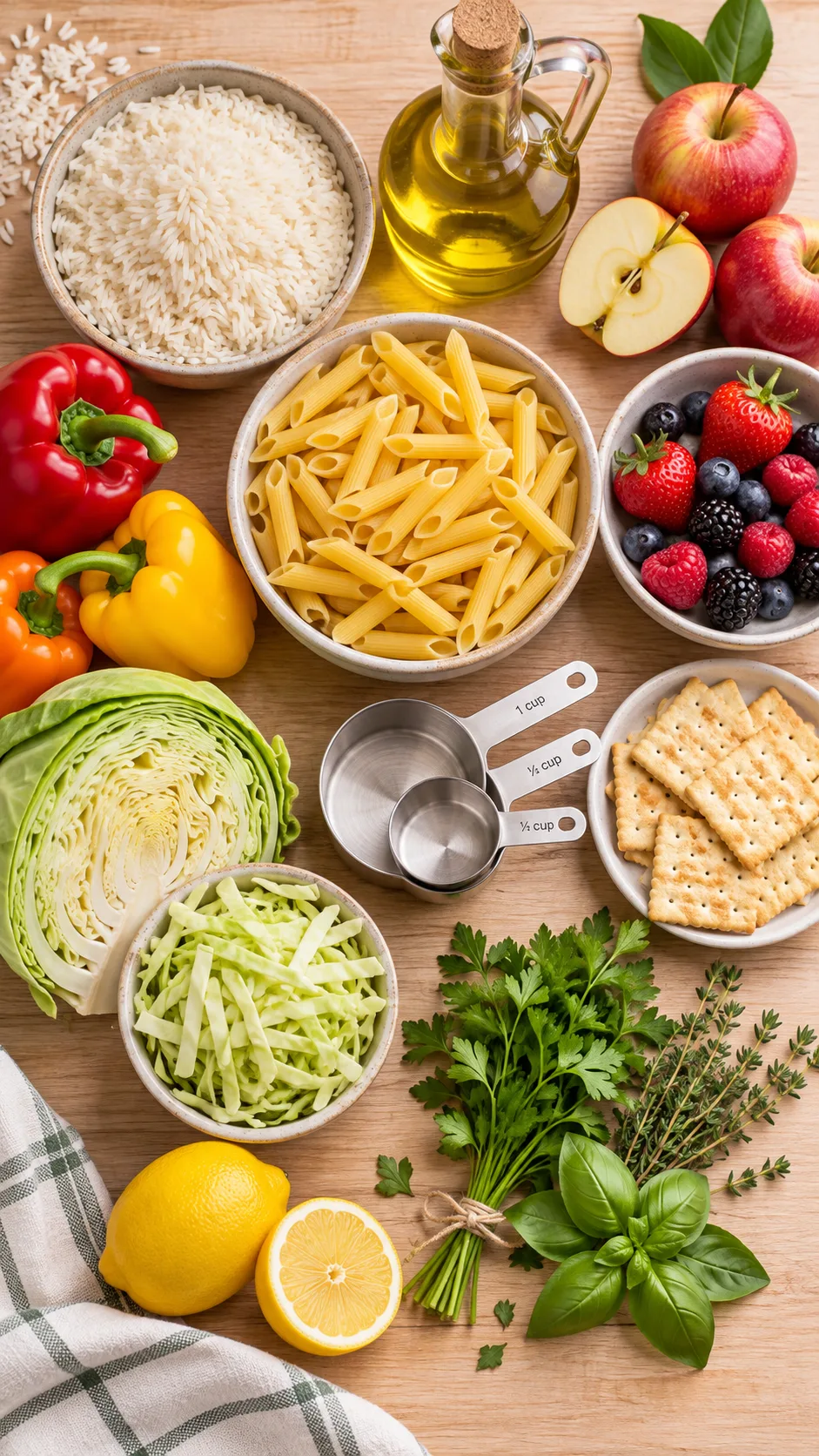
High-protein foods to limit or measure carefully
On a low protein diet, you do not necessarily ban protein foods forever. You usually measure them carefully. A food can fit your plan in a small serving, but a “healthy” oversized serving can use most of your daily allowance in one go.
Your dietitian may give you exchange lists, gram targets, or serving guides. Use a food scale at first if you can. Eyeballing a chicken breast works about as well as eyeballing a parking space during a driving test.
Animal proteins
Meat, poultry, fish, eggs, dairy, and seafood pack protein into small portions. They also often bring phosphorus, sodium, or saturated fat, depending on the food and how you prepare it. You can sometimes include a small portion, but save it for a meal where you will really enjoy it.
- Beef, pork, lamb, chicken, turkey, and processed meats
- Fish, shrimp, crab, tuna, sardines, and other seafood
- Eggs and egg whites
- Milk, yoghurt, cheese, cottage cheese, and protein shakes
- Jerky, sausages, bacon, deli meat, and canned meat
Processed meats deserve extra caution because they often carry a heavy sodium load. Sodium can increase thirst, swelling, and blood pressure, especially in kidney disease. Check labels and choose fresh foods when possible.
Plant proteins need portions too
Beans, lentils, peas, soy foods, nuts, seeds, peanut butter, and whole grains contain protein too. Plant foods offer fibre and useful nutrients, so they do not belong on a villain list. You simply need to count them in your daily total.
Many people get surprised by nut butter. It looks innocent on toast, yet two tablespoons can contribute around seven to eight grams of protein. Delicious? Absolutely. Free from a protein standpoint? Sadly, no.
- Black beans, kidney beans, chickpeas, lentils, and split peas
- Tofu, tempeh, edamame, and soy milk
- Peanuts, almonds, cashews, walnuts, and mixed nuts
- Sunflower seeds, pumpkin seeds, chia seeds, and tahini
- Peanut butter, almond butter, and hummus
Foods and habits that can throw off your plan
The biggest challenge rarely comes from one slice of turkey. It comes from small protein extras that pile up all day: milk in coffee, cheese on lunch, nuts at 3 p.m., and a “healthy” protein bar after dinner. Suddenly, your low protein diet has quietly turned into a normal protein diet wearing a trench coat.
Watch these common traps
- Protein powders and shakes: Many products contain 20 to 30 grams of protein per serving. Your clinician may prescribe a special formula, but do not use standard gym supplements without approval.
- Large restaurant portions: Restaurants often serve six to twelve ounces of meat. Split it, take half home, or ask for a smaller portion.
- “High-protein” snacks: Protein chips, bars, cereals, cookies, and puddings market themselves aggressively. Read the nutrition label before buying the hype.
- Salt substitutes: Many salt substitutes use potassium chloride. People with kidney disease may need to avoid them, so ask before you sprinkle.
- Skipping calories: Eating too little can trigger muscle breakdown. Include enough starches and healthy fats to protect your energy intake.
- Ignoring packaged food labels: Ingredients such as “phos” can signal added phosphorus. Your kidney dietitian can explain which additives matter for you.
For general label-reading help, the U.S. Food and Drug Administration Nutrition Facts guide offers a clear starting point. Still, a kidney-specific label plan often needs more nuance than a standard supermarket rule.
How to build a low protein meal without feeling hungry
A satisfying low protein meal starts with a starch or grain, adds plenty of vegetables or fruit, includes fat for flavour and fullness, and uses a measured protein portion when your plan allows it. This formula keeps meals practical. It also stops you from making a sad little plate of cucumber slices and calling it dinner.
A simple plate formula
- Base: Rice, pasta, bread, tortillas, couscous, potatoes, or another approved starch
- Volume: Colourful vegetables, salad, fruit, or soup made with allowed ingredients
- Flavour: Olive oil, herbs, lemon, vinegar, garlic, ginger, pepper, or salt-free seasoning
- Measured protein: The exact portion your plan allows, such as a small serving of chicken, fish, egg, tofu, or beans
Meal prep makes this way easier. Cook rice or pasta, chop vegetables, mix a simple sauce, and portion your protein ahead of time. Our guide to whole food meal prep that actually keeps you full can help you create a routine without turning Sunday into a full-time kitchen job.
Low protein breakfast ideas
Breakfast can feel tricky because eggs, Greek yoghurt, cottage cheese, and protein smoothies dominate most nutrition advice. You do not need to force those foods into your morning. Start with your prescription, then choose a breakfast that fits.
- Toast with jam or honey, apple slices, and a cup of tea
- Rice cereal with an approved milk alternative and berries
- Oatmeal in a measured portion with cinnamon, brown sugar, and fruit
- Toast with a thin layer of nut butter if your plan allows it
- Breakfast rice with sautéed peppers, onions, and a small measured egg portion
Low protein lunch and dinner ideas
Lunch and dinner work best when you build flavour first. Think lemony rice bowls, vegetable pasta, stuffed peppers, roasted vegetable wraps, or noodles with a sesame-style sauce in a controlled portion. You can eat enjoyable food while following a medical diet. You just need a smarter blueprint.
- Vegetable pasta with garlic, olive oil, roasted zucchini, and a measured amount of chicken
- Rice bowl with cucumber, cabbage slaw, mango, lime dressing, and a small fish portion
- Vegetable stir-fry over rice with a low-sodium sauce and approved protein amount
- Roasted pepper and onion sandwich with salad and fruit
- Coconut rice with vegetables and a small protein serving if your plan allows it; try this Nigerian coconut rice recipe guide for flavour ideas
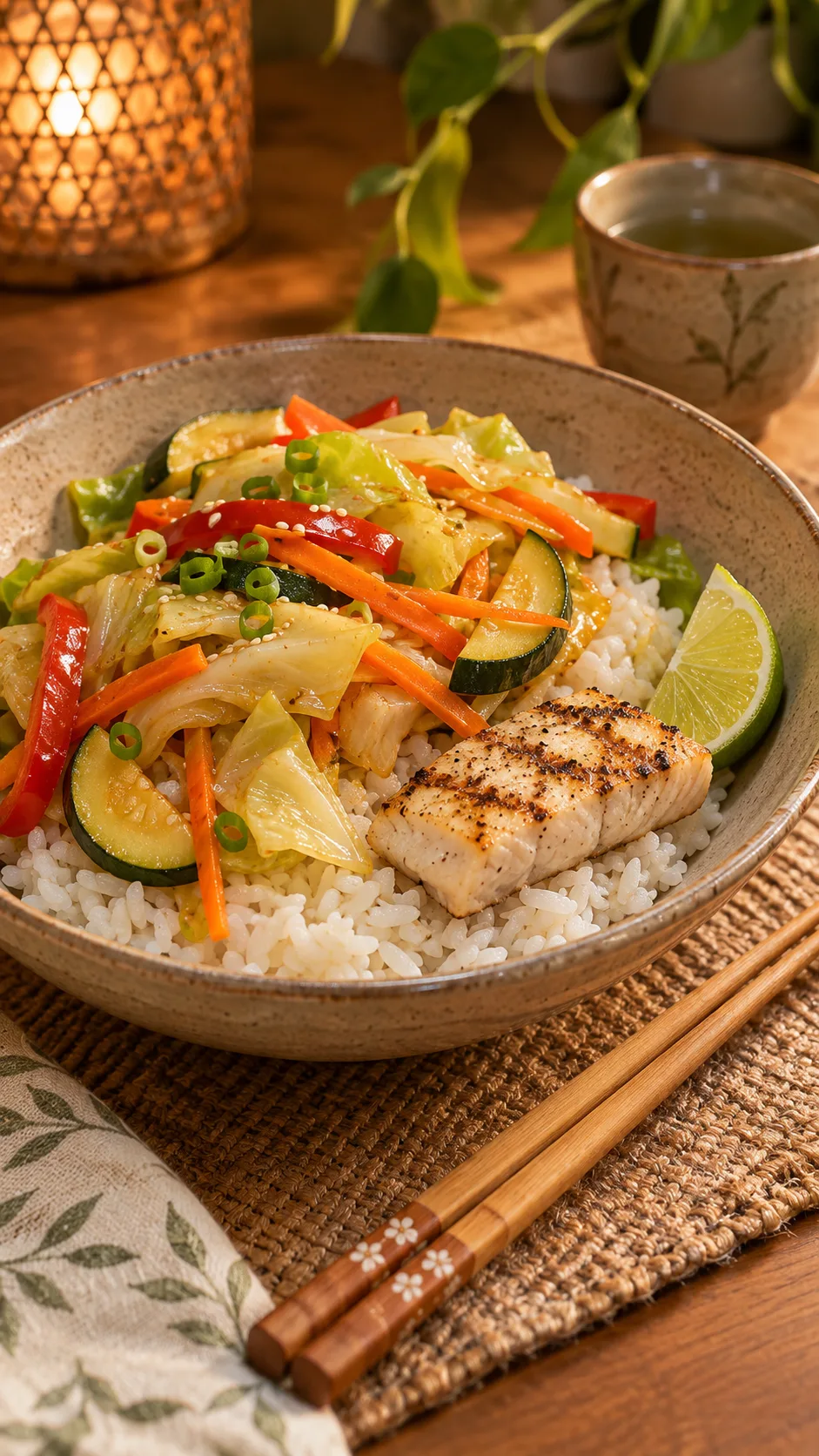
Sample one-day low protein meal plan
This sample shows the structure of a low protein day, not a universal prescription. Portion sizes and ingredients must match your personal protein, potassium, phosphorus, sodium, calorie, and fluid targets. A renal dietitian can tailor it properly, which beats hoping a blog menu magically matches your blood work.
Breakfast
Have toast with jam, a bowl of berries, and coffee or tea with an approved creamer or milk alternative. Add a small serving of oatmeal if your energy needs run higher and your plan allows it. Choose low-sodium options where possible.
Mid-morning snack
Eat an apple, grapes, or rice cakes with a little honey. If you need more calories, add a small amount of margarine or an approved spread. Keep the snack simple and save your protein budget for meals you care about.
Lunch
Build a rice bowl with shredded cabbage, cucumber, bell pepper, pineapple, olive oil, lime juice, and a measured portion of chicken or tofu. Add herbs, ginger, and chilli if you enjoy heat. Flavour does not increase protein, thankfully.
Afternoon snack
Choose unsalted popcorn, crackers, fruit sorbet, or a small homemade muffin that fits your plan. Check packaged snacks for sodium and phosphorus additives. A snack should help you stay energized, not send you into label-decoding despair.
Dinner
Serve pasta with olive oil, garlic, sautéed mushrooms, peppers, and a small serving of approved protein. Add a side salad with vinaigrette and fruit for dessert. If you need extra calories, drizzle more olive oil or add approved bread.
How to feel better fast without taking risks
You may feel better within days when you follow the right plan, especially if you previously ate large amounts of protein, sodium, or processed food. Better digestion, steadier energy, and less bloating can happen quickly for some people. Your lab values and long-term health need more time, so do not chase instant results like they sell at a late-night infomercial.
Focus on the habits that produce reliable progress. Track your food for a few days, measure portions, cook more meals at home, and keep follow-up appointments. Small consistent choices work far better than one “perfect” day followed by a drive-thru spiral.
- Get your protein target in writing. Ask for grams per day and portion examples.
- Meet calorie needs. Add approved starches and fats so you protect muscle and energy.
- Limit sodium. Fresh meals, herbs, acids, and spices can replace much of the salt.
- Review your labs. Potassium, phosphorus, albumin, kidney function, and weight trends guide adjustments.
- Plan your shopping. Buy foods that fit your targets before hunger talks you into random choices.
- Ask for help early. A registered dietitian can solve problems before they become exhausting.
When you should not start a low protein diet on your own
Do not start protein restriction without medical guidance if you feel weak, lose weight without trying, struggle with appetite, have an eating disorder history, are pregnant or breastfeeding, or train intensely. Children and teens also need individualized advice because growth requires enough protein and calories. Their bodies already have enough on the schedule.
Talk to your clinician first if you have diabetes, cancer, liver disease, kidney disease, digestive disease, or recent surgery. These conditions can change your protein needs dramatically. A diet that helps one person can harm another person with a different diagnosis.
If chronic kidney disease prompted your search, ask your doctor for a referral to a renal dietitian. The Academy of Nutrition and Dietetics can help you find a credentialed professional through its Find a Nutrition Expert directory.
Final thoughts: keep it simple, personal, and properly planned
A low protein diet done right does not mean living on bland salads or avoiding every food you enjoy. It means you eat the right amount of protein for your medical needs, fill the rest of your plate with satisfying lower-protein foods, and protect your calories, nutrients, and energy.
Start with your prescribed protein target, learn your best portions, and build meals around grains, fruit, vegetables, and healthy fats. Then check in with your care team and adjust as your body and lab results change. Your diet should support your life, not become the most demanding character in it.