

Your stomach keeps sending mystery messages, and you deserve better than trying to solve them every day. One lunch leaves you feeling fine. Another brings bloating, cramps, brain fog, or a frantic search for the nearest bathroom. Fun times, right?
A well planned elimination diet meal plan can help you find foods that trigger your symptoms without asking you to give up everything you enjoy forever. You pause a short list of likely culprits, track how you feel, then bring foods back one at a time. The idea sounds simple. The follow-through can feel tedious, but it can give you useful answers when you handle it carefully.
This guide covers a practical elimination diet menu, a step-by-step reintroduction plan, shopping ideas, and safety tips. You will also learn when to skip the do-it-yourself approach and call a registered dietitian or doctor.
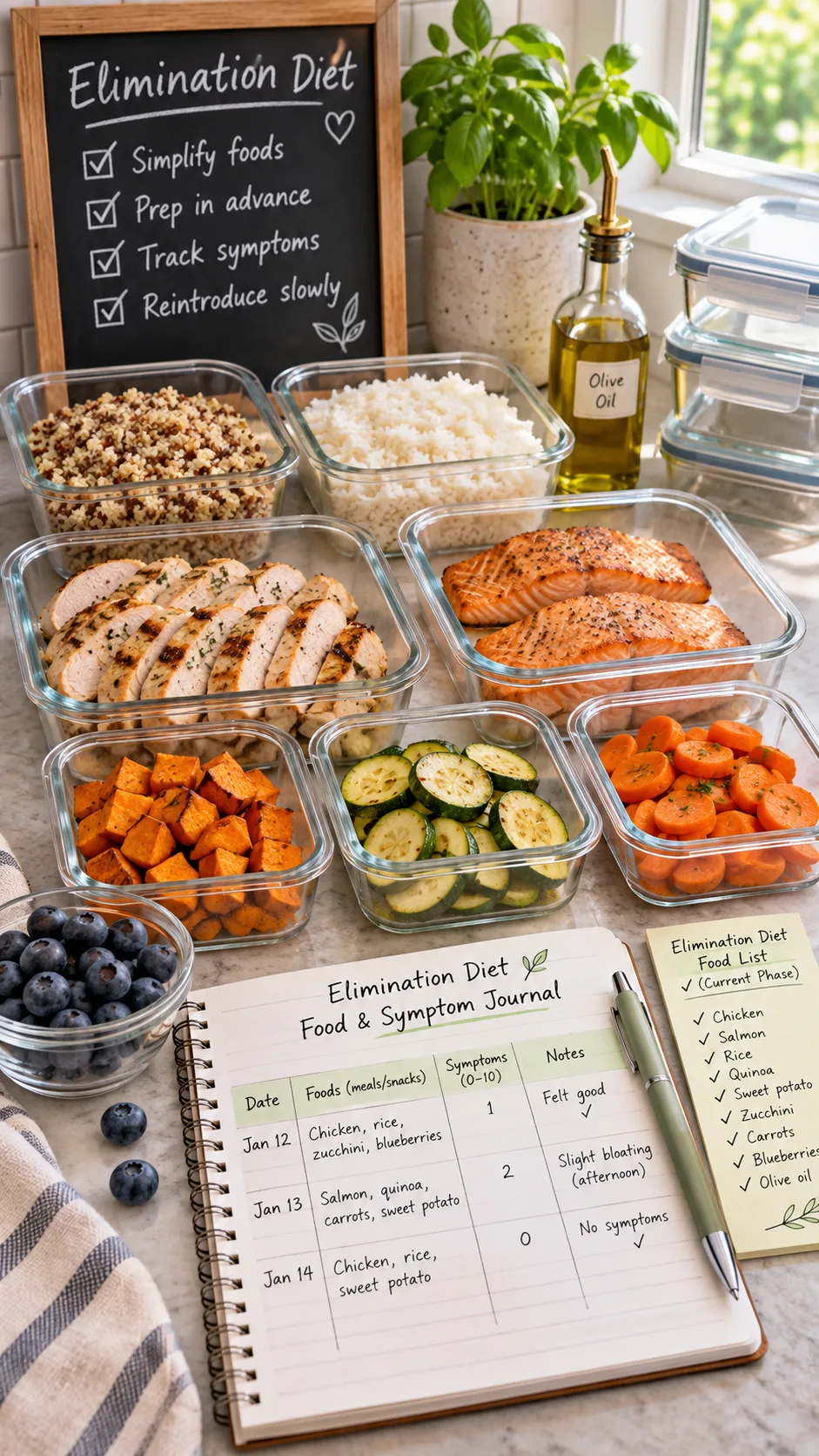
What is an elimination diet?

An elimination diet helps you identify foods that may worsen symptoms such as bloating, gas, diarrhea, constipation, headaches, eczema flares, fatigue, or stomach pain. You temporarily avoid specific foods or food groups, usually for two to six weeks. Then you test each food again during a structured reintroduction phase.
The reintroduction phase does the real detective work. You might feel better after a week of plain rice and chicken, but that alone cannot tell you which food caused the trouble. A careful food challenge can give you a clearer answer.
People often confuse an elimination diet with a crash diet. Do not turn this into a punishment plan or a sad parade of unseasoned lettuce. Eat enough calories, protein, fibre, and varied foods to care for your body while you gather information.
The National Institute of Diabetes and Digestive and Kidney Diseases notes that diet changes can help some people manage irritable bowel syndrome symptoms. Different symptoms call for different approaches, so your cousin’s “miracle fix” may do nothing for you.
Who can benefit from an elimination diet meal plan?
An elimination diet can help when you notice repeat symptoms after meals but cannot find a clear pattern. It may also help people with suspected food intolerances, recurring digestive discomfort, migraines, skin symptoms, or some IBS symptoms. Your own notes matter more here than popular food rules.
Symptoms worth tracking
- Bloating or abdominal pain that starts after meals
- Gas, nausea, reflux, diarrhea, constipation, or urgent bowel movements
- Headaches, migraines, fatigue, or “foggy” thinking after certain foods
- Itchy skin, hives, eczema flares, or flushing
- Joint aches or general discomfort that follows a repeatable food pattern
Food intolerances and food allergies involve different processes. Intolerances often cause digestive symptoms and can depend on the amount you eat. Allergies can trigger serious immune reactions. If food causes swelling, trouble breathing, fainting, widespread hives, or vomiting, seek urgent medical care and ask an allergist for guidance.
The American Academy of Allergy, Asthma & Immunology explains that food allergies can cause serious reactions. Do not test a food at home if you suspect an allergy. Ask a medical professional to guide that process instead of relying on bravery and a fork.
Who should not start without professional support?
Talk with a doctor or registered dietitian before you start if you are pregnant, breastfeeding, managing diabetes, living with kidney disease, taking medicines that require food timing, or recovering from an eating disorder. Children and teens also need professional guidance because their bodies need consistent nutrition for growth.
Seek medical care if you have blood in your stool, unexplained weight loss, fever, severe pain, ongoing vomiting, anemia, trouble swallowing, or symptoms that wake you at night. Food changes cannot replace medical care when your body sends a serious warning.
Rules that make an elimination diet work
A successful elimination diet does not demand perfection, but it does need consistency. Random cheat days can blur the picture because symptoms may appear hours later or the following day. Pick a plan you can follow long enough to learn something useful.
- Choose a focused list of foods to remove. Start with likely triggers instead of banning every food with a personality.
- Follow the elimination phase for two to four weeks. Many people notice changes during that period.
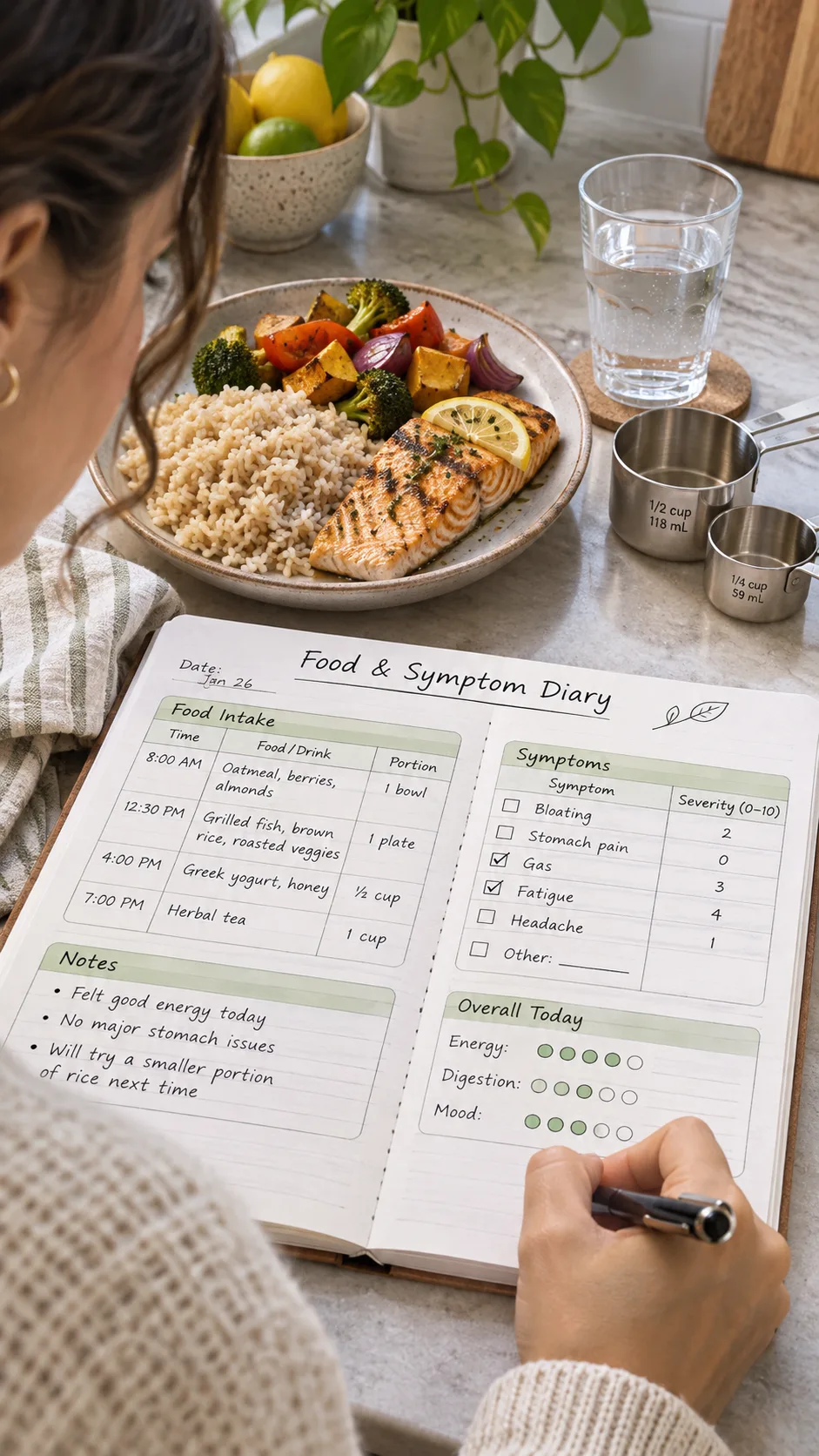
- Keep a daily food and symptom journal. Write down meals, portions, symptoms, stress, sleep, exercise, and bowel habits.
- Reintroduce one food group at a time. Test it for up to three days before you move on.
- Return to your baseline foods between challenges. Give your symptoms time to settle before you test the next food.
Do not avoid foods forever because an internet list told you to. Long term restriction can narrow your diet, lower your nutrient intake, and make shared meals more stressful than they need to be. Your goal involves personal tolerance, not dietary sainthood.
Stress, poor sleep, alcohol, menstrual cycles, infections, and large portions can trigger symptoms too. Your journal can help you notice those factors, so you do not blame innocent strawberries for a terrible night of sleep.
Foods to remove during the elimination phase
Your elimination list should fit your symptoms and health history. A dietitian can tailor a plan far better than a generic template. Many basic elimination diet meal plans temporarily avoid common triggers such as dairy, grains with gluten, eggs, soy, corn, alcohol, caffeine, highly processed foods, and added sugar.
Some people also pause peanuts, tree nuts, shellfish, and sesame when they suspect reactions. Do not remove all of these foods by default if you already eat a limited diet. More restriction does not always give you better answers.
Common foods to pause
- Dairy products, including milk, cheese, yogurt, cream, and whey protein
- Wheat, barley, and rye products, including most breads, pasta, crackers, and cereals
- Eggs and foods made with eggs, such as sauces or baked goods
- Soy foods, including tofu, soy sauce, edamame, and many packaged snacks
- Corn, corn syrup, corn starch, and corn based cereals
- Alcohol, energy drinks, coffee, and heavily sweetened drinks
- Highly processed foods with long ingredient lists, artificial colours, or flavour enhancers
Read labels closely. Dairy can hide in seasoning mixes, wheat can hide in sauces, and soy can turn up in foods that seem unrelated to soy. Food companies enjoy hide and seek. Give yourself five extra seconds at the shelf.
If your doctor suspects celiac disease, do not start a gluten-free diet before testing. Blood tests and other evaluations work best while you still eat gluten. Ask your clinician first because an early diet change can complicate the diagnosis.
Your 7-day elimination diet meal plan
This sample menu avoids dairy, gluten, eggs, soy, corn, alcohol, caffeine, and highly processed foods. It can give many adults a starting point, but adjust portions for your hunger, activity level, medical needs, and goals. Use salt, herbs, garlic infused oil, lemon, ginger, and simple spices if you tolerate them.
Choose products that carry gluten-free certification when you need to avoid gluten strictly. Check every package because sauces, broth, spice blends, and plant based milks can contain ingredients you plan to avoid.
Day 1
- Breakfast: Warm quinoa porridge with blueberries, sliced banana, chia seeds, and unsweetened coconut milk.
- Lunch: Grilled chicken salad with mixed greens, cucumber, carrot ribbons, avocado, olive oil, and lemon.
- Dinner: Baked salmon with roasted sweet potato and steamed zucchini.
- Snack: Apple slices with sunflower seed butter.
Day 2
- Breakfast: Turkey and sweet potato hash with spinach and fresh herbs.
- Lunch: Leftover salmon rice bowl with cucumber, carrots, greens, and olive oil.
- Dinner: Turkey meatballs with quinoa, sautéed green beans, and tomato-free herb sauce.
- Snack: Pear with a small handful of pumpkin seeds.
Day 3
- Breakfast: Smoothie with unsweetened coconut milk, banana, blueberries, spinach, and hemp seeds.
- Lunch: Chicken lettuce wraps with rice, shredded carrot, cucumber, avocado, and lime.
- Dinner: Beef stir-fry with broccoli, zucchini, carrots, ginger, and cauliflower rice.
- Snack: Rice cakes with mashed avocado and sea salt.
Day 4
- Breakfast: Gluten-free certified oats with raspberries, chia seeds, cinnamon, and coconut milk.
- Lunch: Tuna and potato salad with leafy greens, cucumber, olive oil, lemon, and dill.
- Dinner: Roast chicken thighs with baked potato and roasted carrots.
- Snack: Orange and pumpkin seeds.
Day 5
- Breakfast: Leftover chicken, sautéed spinach, and roasted sweet potato.
- Lunch: Quinoa bowl with turkey, zucchini, cucumber, carrots, avocado, and lemon dressing.
- Dinner: Cod with rice, green beans, and a drizzle of olive oil.
- Snack: Blueberries with unsweetened coconut yogurt that contains no soy or added gums, if you tolerate it.
Day 6
- Breakfast: Banana chia pudding made with coconut milk and topped with strawberries.
- Lunch: Baked potato topped with shredded chicken, sautéed zucchini, and avocado.
- Dinner: Beef burger patty wrapped in lettuce with roasted sweet potato wedges and cucumber salad.
- Snack: Kiwi and sunflower seed butter.
Day 7
- Breakfast: Quinoa breakfast bowl with sliced pear, cinnamon, hemp seeds, and coconut milk.
- Lunch: Salmon salad with greens, carrot, cucumber, avocado, olive oil, and lemon.
- Dinner: Roast turkey breast with quinoa and roasted broccoli.
- Snack: A banana or apple with pumpkin seeds.
This menu gives you protein, colourful produce, nourishing fats, and filling carbohydrates. If you want more meal prep shortcuts after you finish investigating food triggers, check out this lazy girl meal plan for easy healthy eating. Convenience can help you stick with the plan, and consistency can make your notes easier to interpret.
How to reintroduce foods without muddying your results
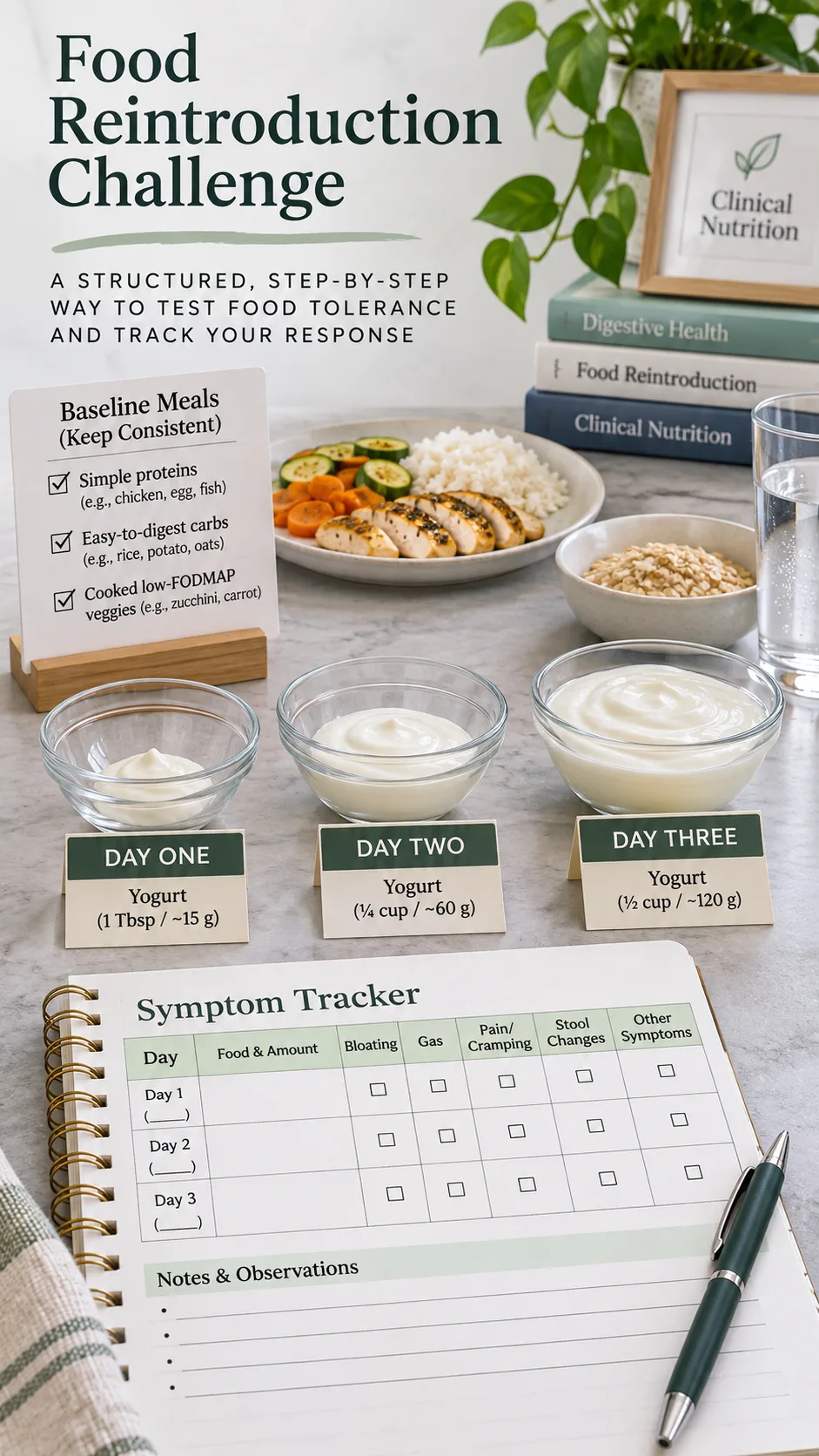
Once your symptoms improve and stay steady for several days, begin reintroductions. Pick one food group only and eat a normal portion early in the day. Watch for symptoms over the next 24 to 72 hours.
Many people use a three day challenge. On day one, eat a small serving. On day two, eat a medium serving. On day three, eat a larger serving if you feel well.
- Choose one food group. For example, test dairy before you test wheat.
- Use a simple version of that food. Try plain yogurt instead of pizza, because pizza brings dairy, wheat, tomato, and grease to the party.
- Track symptoms and timing. Note digestive changes, skin symptoms, headaches, energy, sleep, and mood.
- Stop the challenge if clear symptoms return. Go back to your baseline meals until your symptoms settle.
- Wait two to three symptom-free days before the next challenge. Then test another food group.
You may tolerate a small amount of a food but react to a larger serving. You may tolerate sourdough bread better than standard bread, or hard cheese better than milk. Your body does not owe you neat answers, but a structured test gives you your best chance of finding useful patterns.
What your food journal should include
A food journal can turn vague suspicions into evidence. You do not need a fancy app, a colour coded spreadsheet, or a degree in forensic science. A notes app or paper notebook can do the job.
- The exact foods and drinks you consumed
- Approximate portion sizes and meal times
- Symptoms, their severity, and when they started
- Bowel movements, if digestive symptoms drive your plan
- Sleep quality, stress level, exercise, and menstrual cycle details when relevant
- Medications, supplements, and any unusual events
Watch for repeat patterns instead of judging one random bad afternoon. A stomach ache after a huge restaurant meal could come from the portion size, fat, stress, alcohol, or many other factors. Three similar reactions after the same food mean much more.
The Monash University FODMAP program provides research based resources for people who follow a low-FODMAP elimination and reintroduction plan for IBS. This approach removes certain fermentable carbohydrates, not “bad foods,” and knowledgeable guidance can make it easier to follow.
How to keep your elimination diet nutritious
Restriction can leave nutrient gaps when you do not plan ahead. Cutting dairy can lower calcium intake, removing grains can reduce fibre, and dropping too many protein sources can leave you hungry by 10:30 a.m. Hunger makes it hard to make calm food choices.
Build every plate around these basics
- Protein: chicken, turkey, fish, beef, lamb, lentils or beans if your plan allows them, and seed based protein options
- Carbohydrates: rice, quinoa, potatoes, sweet potatoes, gluten-free certified oats, and fruit
- Vegetables: leafy greens, carrots, zucchini, cucumber, green beans, broccoli, and squash
- Fats: olive oil, avocado, coconut, sunflower seed butter, pumpkin seeds, and hemp seeds
- Calcium support: fortified dairy-free milk, canned salmon with bones, leafy greens, and dietitian approved supplements when needed
If weight management matters to you too, do not cut calories sharply during an elimination diet. You need regular meals so hunger does not shape your food choices or symptoms. Later, if you want a balanced plan with measured portions, our 1700 calorie meal plan that keeps you full offers a more goal focused option.
Common elimination diet mistakes to avoid
People often struggle because they make the plan too strict, too vague, or too short. A few adjustments can save you weeks of confusion.
- Removing too many foods: Start with the most likely triggers and protect your nutrition.
- Skipping the reintroduction phase: You cannot identify triggers if you never test foods again.
- Testing several foods together: A burger, bun, cheese, and sauce cannot give you a clear answer.
- Ignoring serving size: Some foods cause symptoms only in larger amounts.
- Forgetting hidden ingredients: Check broth, sauces, seasoning packets, protein powders, and restaurant meals.
- Staying restrictive for months: Reintroduce foods and build the broadest diet that feels good.
The best elimination diet may feel boring for a short while, then freeing afterward. You learn what bothers you, stop fearing every ingredient, and choose food with more confidence. A few weeks of extra label reading can feel like a fair trade.
When to ask a dietitian for help
A registered dietitian can help you build a personalised elimination diet meal plan, protect your nutrient intake, and make sense of confusing symptoms. They can also help if you eat vegetarian, vegan, cultural, religious, or budget conscious meals. You do not need to struggle alone before you ask for professional help.
Ask for support if symptoms continue despite the plan, if food anxiety grows, or if you keep removing foods from your diet. A clinician can check for celiac disease, inflammatory bowel disease, reflux, gallbladder problems, lactose intolerance, or allergies. The right diagnosis beats endless guessing.
Find your triggers, then enjoy food again
A thoughtful elimination diet meal plan gives you a temporary structure, not a permanent food prison. Remove likely triggers, eat satisfying whole food meals, track your symptoms, and bring foods back one by one. This process can reveal patterns with far more confidence than random restriction.
Your goal involves the broadest, most enjoyable diet that your body handles well. Start simply, stay consistent, and write everything down. Your future self may thank you when dinner ends with comfort instead of a stomach related plot twist.