

You do not need to live on kale, chia seeds, and misery to support fertility.
Still, you cannot treat your diet before pregnancy like a homework assignment due tomorrow. Your body needs reliable nutrition before pregnancy, not a frantic clean-eating phase two weeks before ovulation.
A healthy fertility diet can support ovulation, hormone production, steady blood sugar, egg health, and early pregnancy. Food cannot promise conception, because bodies do not follow a tidy spreadsheet. But the choices you make before trying can give your body the raw materials it needs.
Aim for preparation, not perfection. That approach prevents many common fertility nutrition mistakes.
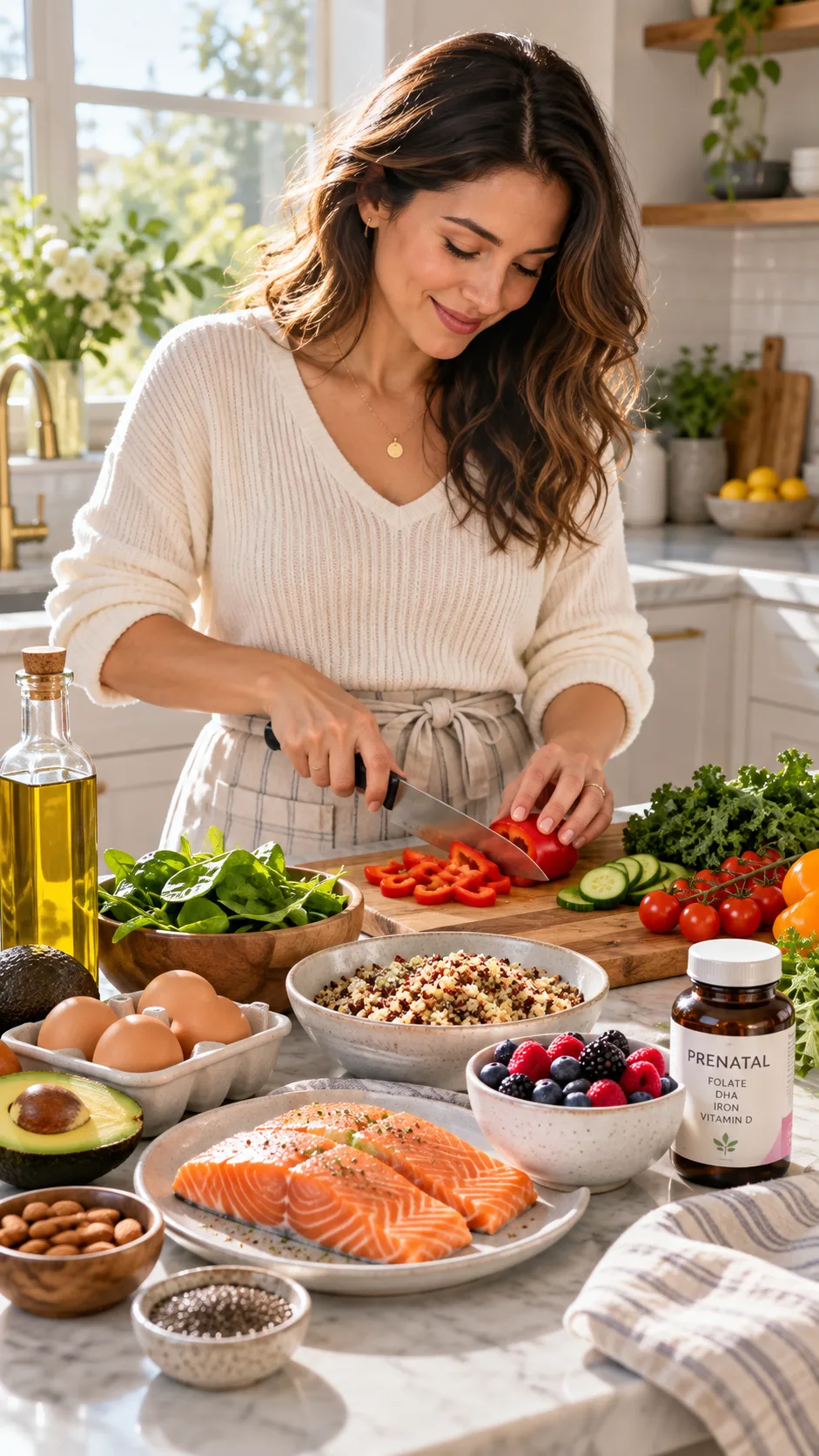
Why your preconception diet matters
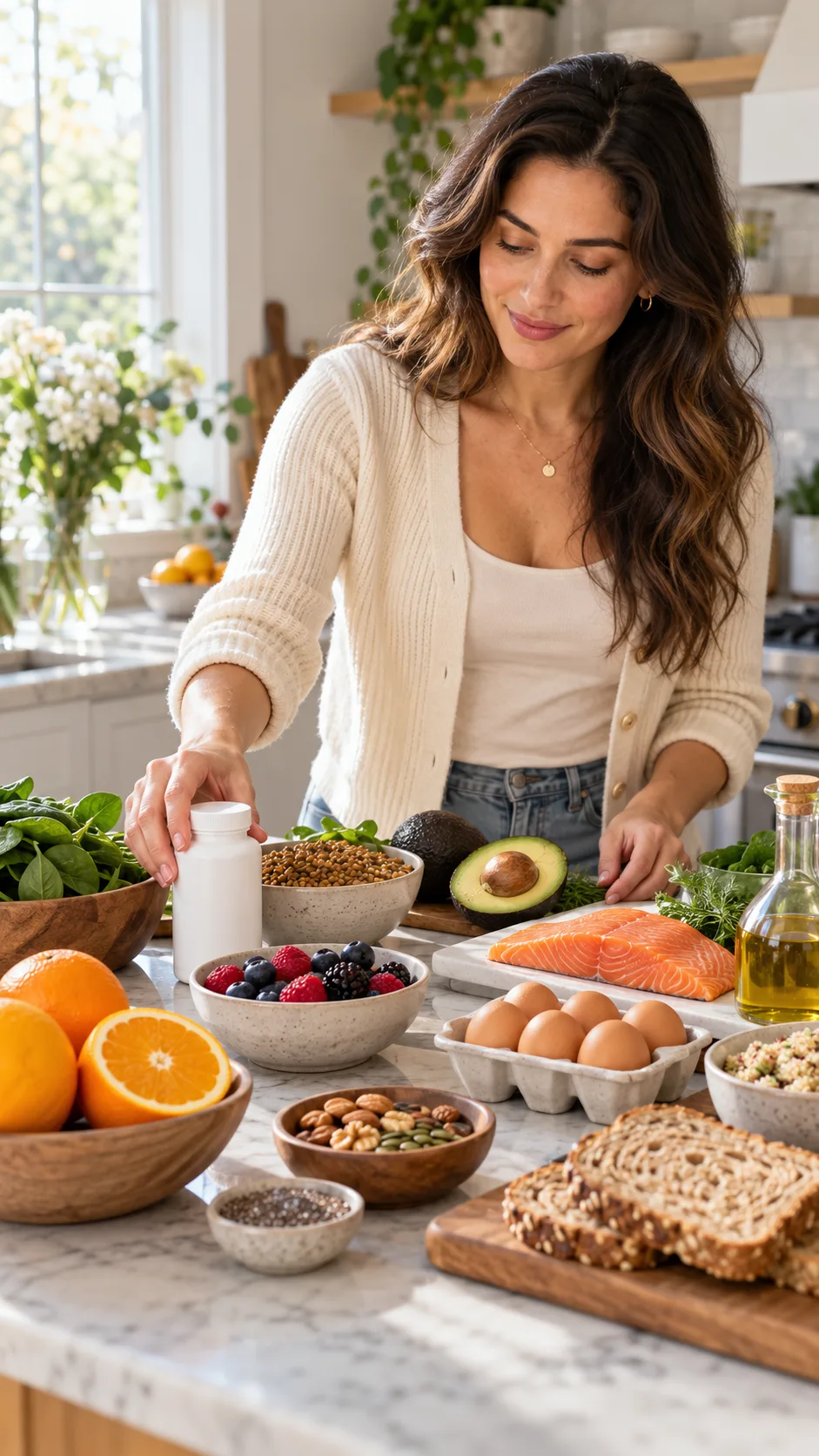
Your body starts getting ready for pregnancy long before a positive test. Your ovaries develop eggs over several months, your menstrual cycle depends on steady hormone signals, and your uterus needs enough nutrients to support an early pregnancy.
Food does not act like a fertility spell. No smoothie can make you ovulate, and no single “fertility superfood” can solve blocked fallopian tubes, severe endometriosis, sperm issues, or thyroid conditions. Anyone who promises otherwise deserves some skepticism.
Research supports a practical approach: eat enough food, include plenty of nutrient-rich choices, avoid big blood sugar swings, and address nutrient gaps before conception. The American College of Obstetricians and Gynecologists also recommends reviewing your health, medications, vaccines, and nutrition before pregnancy.
Start early when you can. Give yourself at least three months before you try to conceive, especially if you need time to establish habits, raise your iron intake, begin folic acid, or talk with a clinician.
Mistake #1: Waiting until pregnancy to take folic acid
This mistake sits at the top of the list because timing matters. The neural tube forms very early in pregnancy, often before you know you conceived. A missed period cannot turn back the clock.
Most women who could become pregnant need 400 micrograms of folic acid each day from a supplement, fortified foods, or both. The Centers for Disease Control and Prevention recommends daily folic acid before and during early pregnancy to help prevent neural tube defects.
A prenatal vitamin can make the routine easier, but read the label. Some products contain folic acid, while others contain methylfolate. Ask your clinician which form and dose fit your health history, especially if you take anti-seizure medication, have diabetes, previously had a pregnancy affected by a neural tube defect, or carry certain genetic risks.
You can also get folate from lentils, beans, asparagus, spinach, oranges, avocado, and fortified grains. These foods help, but they should not replace the recommended supplement dose when you plan a pregnancy.
- Do: Start a prenatal vitamin before you begin trying.
- Do: Check the folic acid amount on the supplement label.
- Do not: Assume gummy vitamins provide every nutrient you need.
For clear public health guidance, visit the CDC’s folic acid information page. The advice may sound simple, but it matters.
Mistake #2: Cutting carbs so hard that your cycle pushes back
Low-carb plans get plenty of attention, especially among people who want to manage weight or polycystic ovary syndrome (PCOS). But your body needs carbohydrates, and your reproductive system notices when you cut your energy intake too sharply.
Carbohydrates fuel workouts, support thyroid function, and supply fiber and important micronutrients. The issue usually comes down to carbohydrate quality and portion balance, not carbohydrates themselves.
A cinnamon roll followed by a sugary coffee can send blood sugar up and down quickly. Oats with Greek yogurt, berries, and nuts offer slower-digesting carbohydrates along with protein, fat, and fiber. Your hormones tend to appreciate a steadier routine.
Choose smarter carbs for fertility support
Choose high-fiber, minimally processed carbohydrates most of the time. Eat them with protein or unsaturated fat to help keep your energy and blood sugar steadier.
- Oats, quinoa, brown rice, and whole-grain bread
- Beans, lentils, chickpeas, and peas
- Potatoes and sweet potatoes with the skin
- Fruit, especially berries, citrus, apples, and bananas
- Vegetables of every color, including starchy vegetables
If you have PCOS, insulin resistance, or diabetes, ask a registered dietitian or clinician to help you create a fertility nutrition plan. You do not need to fear carbohydrates, but you do need an approach that works for your body.
Mistake #3: Skipping meals to lose weight faster
Many women begin trying to conceive while trying to make their bodies smaller as fast as possible. The urge makes sense. Social media has persuaded plenty of people that every life goal requires a smaller waist first.
But long-term under-eating can disrupt menstrual cycles and ovulation. Your brain tracks energy availability, and it can reduce reproductive hormone signals when it detects an ongoing energy shortage.
Regular meals do not ruin fat loss. They can help you get enough protein, iron, calcium, folate, and calories without leaving you so hungry that you raid the refrigerator at dinner.
If you want to change your weight before pregnancy, aim for gradual changes you can maintain and get professional support. Your clinician can help you choose a target that accounts for your cycle, medical history, activity level, and fertility timeline.
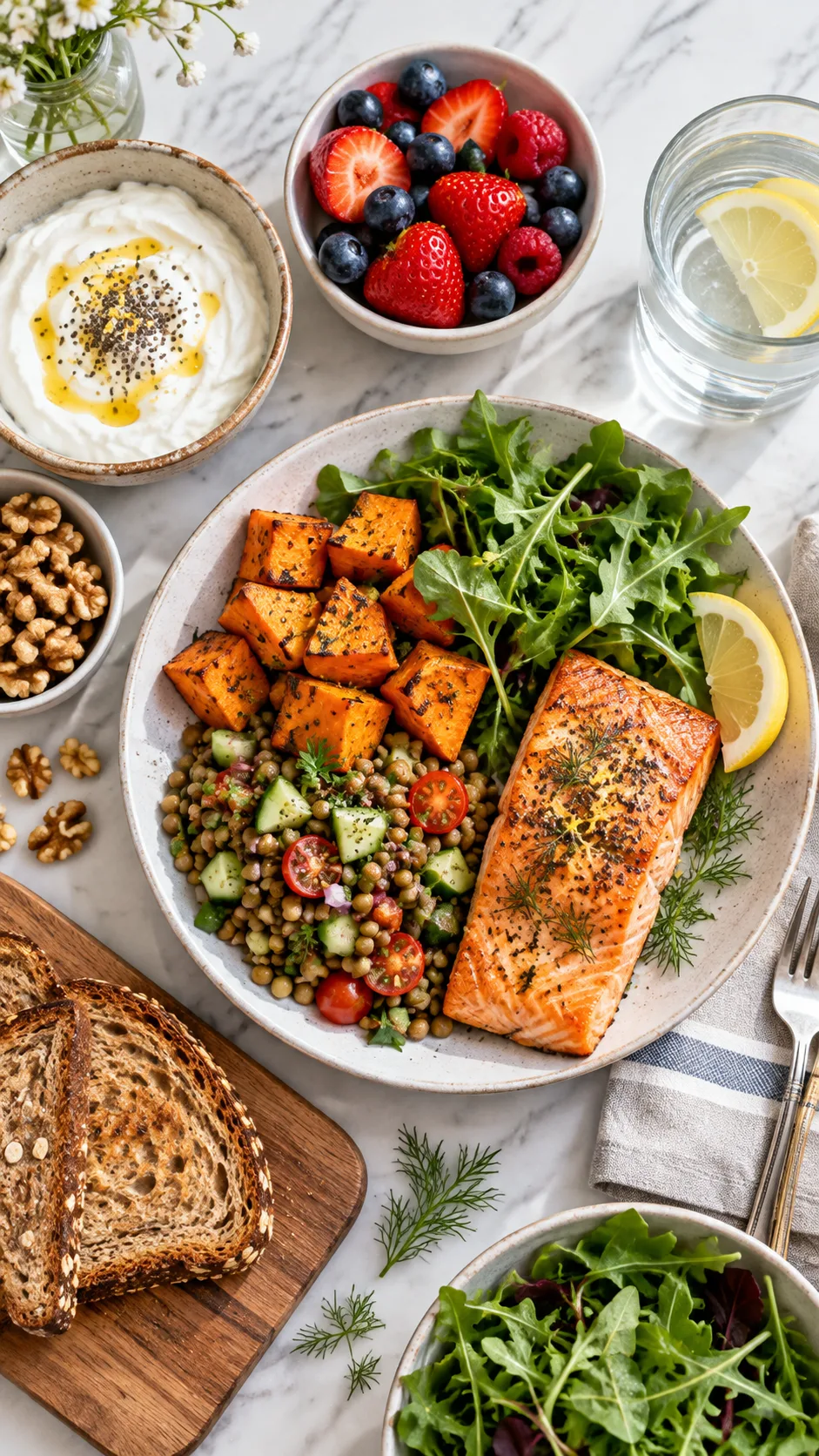
Mistake #4: Treating protein like an afterthought
Toast and coffee can feel like breakfast, but they rarely carry you through a busy morning. Protein supports fullness, muscle maintenance, blood sugar balance, and the amino acids your body uses every day.
You do not need chicken breast at every meal like a fitness influencer preparing for battle. You need a dependable source of protein throughout the day.
Easy protein ideas before pregnancy
- Eggs with whole-grain toast and fruit
- Greek yogurt with berries, oats, and pumpkin seeds
- Lentil soup with a side salad and whole-grain crackers
- Salmon, tofu, chicken, or beans with vegetables and rice
- Cottage cheese, hummus, edamame, or nuts for snacks
Plant proteins count. Beans, lentils, tofu, tempeh, nuts, seeds, and whole grains all add protein to your diet. If you eat only plant foods, work with a clinician or dietitian to monitor vitamin B12, iron, iodine, vitamin D, calcium, choline, and omega-3 fats.
Mistake #5: Missing iron, iodine, choline, and vitamin D
Folic acid gets most of the attention before pregnancy, but other nutrients matter too. Nutrient gaps can creep in when you skip meals, cut out major food groups, or rely on ultra-processed convenience foods most days.
Iron carries oxygen through your body and helps your body make healthy red blood cells. Heavy periods can lower iron stores over time, and low iron can leave you tired, foggy, short of breath, or strangely interested in chewing ice.
Eat iron-rich foods such as lean red meat, poultry, seafood, beans, lentils, tofu, fortified cereals, spinach, and pumpkin seeds. Eat plant sources of iron with vitamin C foods, such as citrus, peppers, berries, or tomatoes, because vitamin C helps your body absorb the iron.
Iodine supports thyroid hormone production, and thyroid hormones affect fertility and pregnancy. Iodized salt, dairy, eggs, seafood, and some prenatal vitamins can provide iodine. Fancy sea salt may look nice in a ceramic jar, but it often contains no iodine.
Choline supports fetal brain and spinal cord development. Eggs offer an easy source, while meat, fish, dairy, soy foods, beans, and cruciferous vegetables can also contribute. Many prenatal vitamins contain little or no choline, so check the label rather than assuming.
Vitamin D supports bone health, immune function, and reproductive health. Sun exposure, fatty fish, fortified foods, and supplements can help. Your clinician may suggest a blood test if you have a higher risk of deficiency.
The National Institutes of Health pregnancy nutrition fact sheet gives evidence-based information about nutrient needs and supplements. Trust it over a random “hormone healer” selling neon powders from her car trunk.
Mistake #6: Going too hard on detoxes, cleanses, and “hormone reset” plans
Your liver and kidneys already remove waste from your body. They do that work every day without lemon water, charcoal shots, or a three-day juice cleanse that leaves you glaring at someone else’s sandwich.
Cleanses often slash calories, protein, fat, and fiber while piling on expensive liquid sugar. They can make fatigue, headaches, constipation, and blood sugar swings worse.
Want a reset that helps? Build meals around vegetables, fruit, protein, high-fiber carbohydrates, and unsaturated fats. Drink water, get enough sleep, and limit alcohol. It may sound ordinary, but it often works.
If bloating sends you toward detox teas, read our guide to detox diet mistakes that keep you bloated. Persistent bloating, pain, major bowel changes, or unexplained weight loss call for medical care, not another restrictive plan.
Mistake #7: Forgetting about healthy fats
Decades of low-fat diet advice left many women wary of avocado, olive oil, nuts, and egg yolks. Your body needs dietary fat to absorb vitamins A, D, E, and K and to produce hormones.
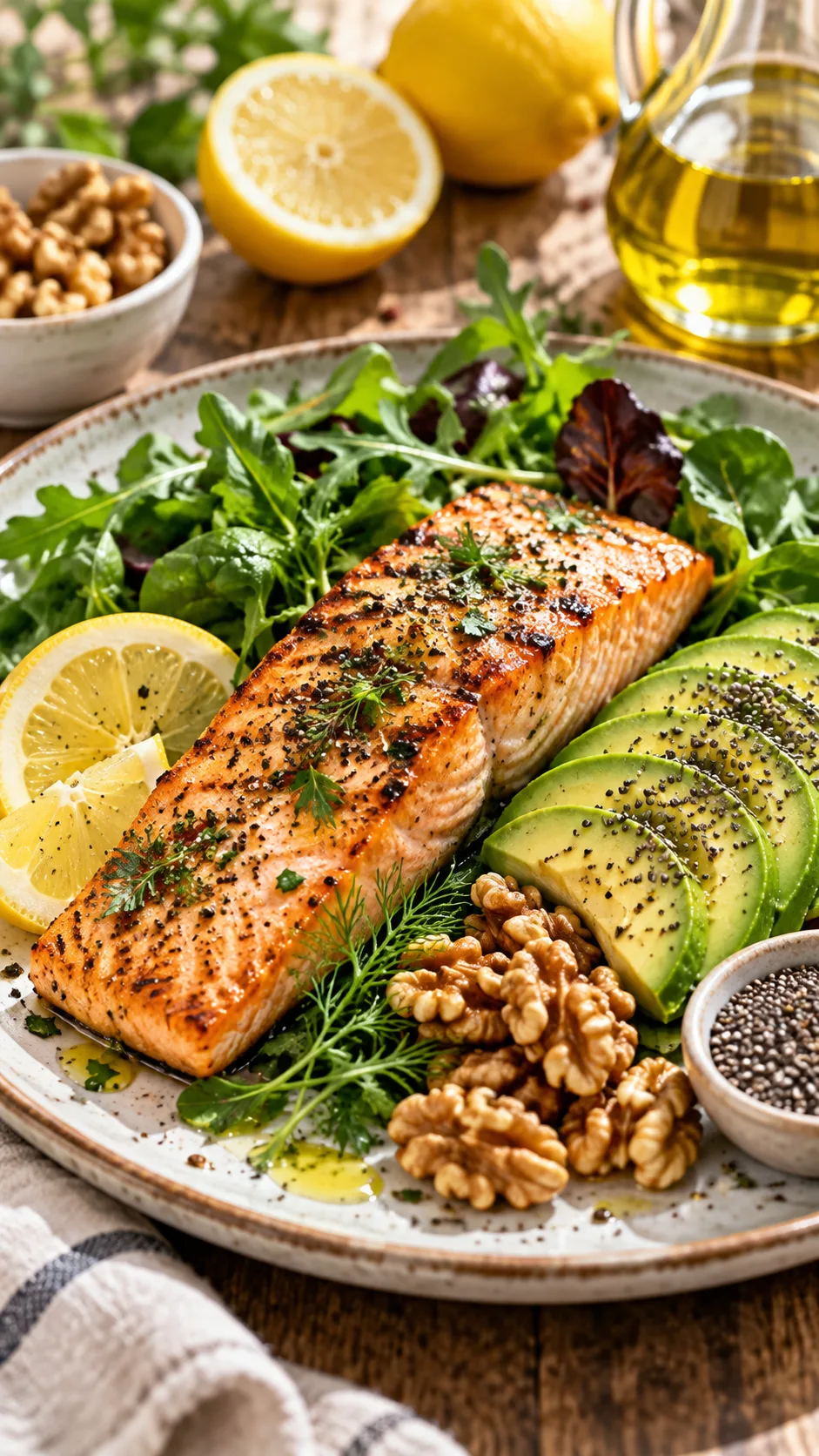
Choose mostly unsaturated fats from olive oil, avocado, nuts, seeds, olives, and fatty fish. These foods can also make meals more filling, which may keep you out of the snack cupboard at 9 p.m. after a dinner of lettuce and optimism.
Include omega-3 fats without overthinking it
Omega-3 fats, especially DHA, support fetal brain and eye development during pregnancy. Start the habit before conception by eating low-mercury seafood two or three times a week if you enjoy it.
- Salmon
- Sardines
- Trout
- Atlantic and Pacific mackerel
- Herring
- Anchovies
Avoid high-mercury fish such as shark, swordfish, king mackerel, marlin, orange roughy, tilefish from the Gulf of Mexico, and bigeye tuna. The FDA fish advice for people who are pregnant or may become pregnant provides a clear guide.
If you do not eat fish, ask your clinician about an algae-based DHA supplement. Flax, chia, walnuts, and hemp seeds provide ALA omega-3 fats, but your body converts only a small amount of ALA into DHA.
Mistake #8: Drinking more alcohol than you realize
Alcohol and fertility sit in a frustrating gray area because studies cannot always identify a completely safe amount for someone trying to conceive. Most clinicians advise avoiding alcohol during pregnancy, and many encourage people to cut back or stop while trying.
Implantation and early development can happen before a positive test. If you drink, keep it occasional and ask your clinician about your own circumstances.
Check your caffeine intake too. Most guidance allows up to 200 milligrams a day during pregnancy, roughly the amount in one 12-ounce brewed coffee, though coffee strength varies widely. A large cold brew can contain far more caffeine than it seems to.
Track what you consume for a few days. Coffee, tea, energy drinks, soda, chocolate, pre-workout powders, and some headache medicines can all add to your total.
Mistake #9: Ignoring gut health because you only care about ovulation
Your digestive system affects how you feel, how regularly you eat, and how well you absorb certain nutrients. You do not need a perfect microbiome score or a refrigerator packed with fermented drinks whose names you cannot pronounce.
Support your gut with fiber-rich plants, enough fluids, regular meals, and foods you tolerate well. Yogurt or kefir with live cultures can work well if you tolerate dairy. Beans, oats, berries, vegetables, and whole grains also feed beneficial gut bacteria.
Do not diagnose every stomach ache as candida, a food sensitivity, or “leaky gut.” If digestive symptoms keep disrupting your life, talk with a qualified clinician. You can also read about candida diet mistakes that keep gut symptoms stuck before you eliminate half the food in your kitchen.
Mistake #10: Copying someone else’s fertility diet exactly
Your friend conceived after quitting gluten, drinking bone broth, and eating pineapple core after ovulation. Good for her. Her experience does not create a universal fertility plan.
You need a nutrition plan that fits your medical history, cultural foods, budget, schedule, food preferences, and lab results. Someone with PCOS needs different support from someone with celiac disease, endometriosis, thyroid disease, low body weight, or a history of disordered eating.
Personalized care works better than internet rules. A registered dietitian who specializes in fertility can help you make a realistic plan without turning food into a stressful full-time job.
A simple fertility diet framework that feels doable
You do not need to memorize a massive list of “good” and “bad” foods. Use this flexible structure for most meals, then adjust it for your hunger, activity, preferences, and medical advice.
- Start with protein: eggs, yogurt, fish, poultry, tofu, beans, lentils, or cottage cheese.
- Add colorful produce: include fruit or vegetables with each meal when practical.
- Choose a high-fiber carb: oats, potatoes, rice, quinoa, beans, whole-grain bread, or fruit.
- Include healthy fat: olive oil, avocado, nuts, seeds, nut butter, or fatty fish.
- Take your prenatal vitamin consistently: keep it beside your toothbrush or coffee maker.
- Drink fluids throughout the day: water does the job well.
Consistency matters more than flawless eating. One takeout meal, a slice of birthday cake, or a skipped vegetable will not erase your health. What you do most weeks matters far more than what you ate last Tuesday.
When to talk with a fertility specialist
Nutrition can support reproductive health, but it cannot solve every fertility problem. Contact an obstetrician-gynecologist, reproductive endocrinologist, or fertility specialist if you have irregular or absent periods, severe pelvic pain, known PCOS, endometriosis, recurrent miscarriage, thyroid disease, or a history of pelvic infection.
Seek an evaluation after 12 months of regular unprotected sex if you are under 35. Seek help after six months if you are 35 or older. If you are over 40 or already know about fertility concerns, make an appointment sooner.
Your partner’s health matters too. Fertility involves two people when a couple tries together, and sperm health deserves the same attention. Do not let anyone place the whole burden on the woman holding the grocery list.
Final thoughts: Feed your future, not your fear
The best fertility diet does not punish you, starve you, or demand perfect eating. It gives your body enough energy, protein, fiber, healthy fats, folic acid, iron, iodine, choline, and other nutrients before pregnancy starts.
Make one or two changes this week. Buy a prenatal vitamin, add protein to breakfast, trade a cleanse for a real lunch, or cook salmon tonight. Small habits can build a solid base.
Trying to conceive already brings enough pressure. Let food support you instead of giving you one more thing to worry about.