

You open your refrigerator door at 9:30 PM and stare into the cold, humming light. You already hit your calorie target for the day, yet your stomach growls like an angry badger. You know the feeling.
Most diet plans fail because they hand you a starvation sentence disguised as wellness. They cut your portions down to crumbs, offer three limp celery sticks, and expect you to tackle your day with boundless energy. Misery burns zero fat.
A structured 1700 calorie meal plan creates the practical middle ground for fat loss. It gives you plenty of fuel to lift weights and power through long workdays while maintaining a steady caloric deficit. If you struggled with aggressive cuts like our high-protein 1400 calorie meal plan or our simple 1500 calorie meal plan, bumping your daily intake to 1700 calories brings fast relief and sustainable progress.
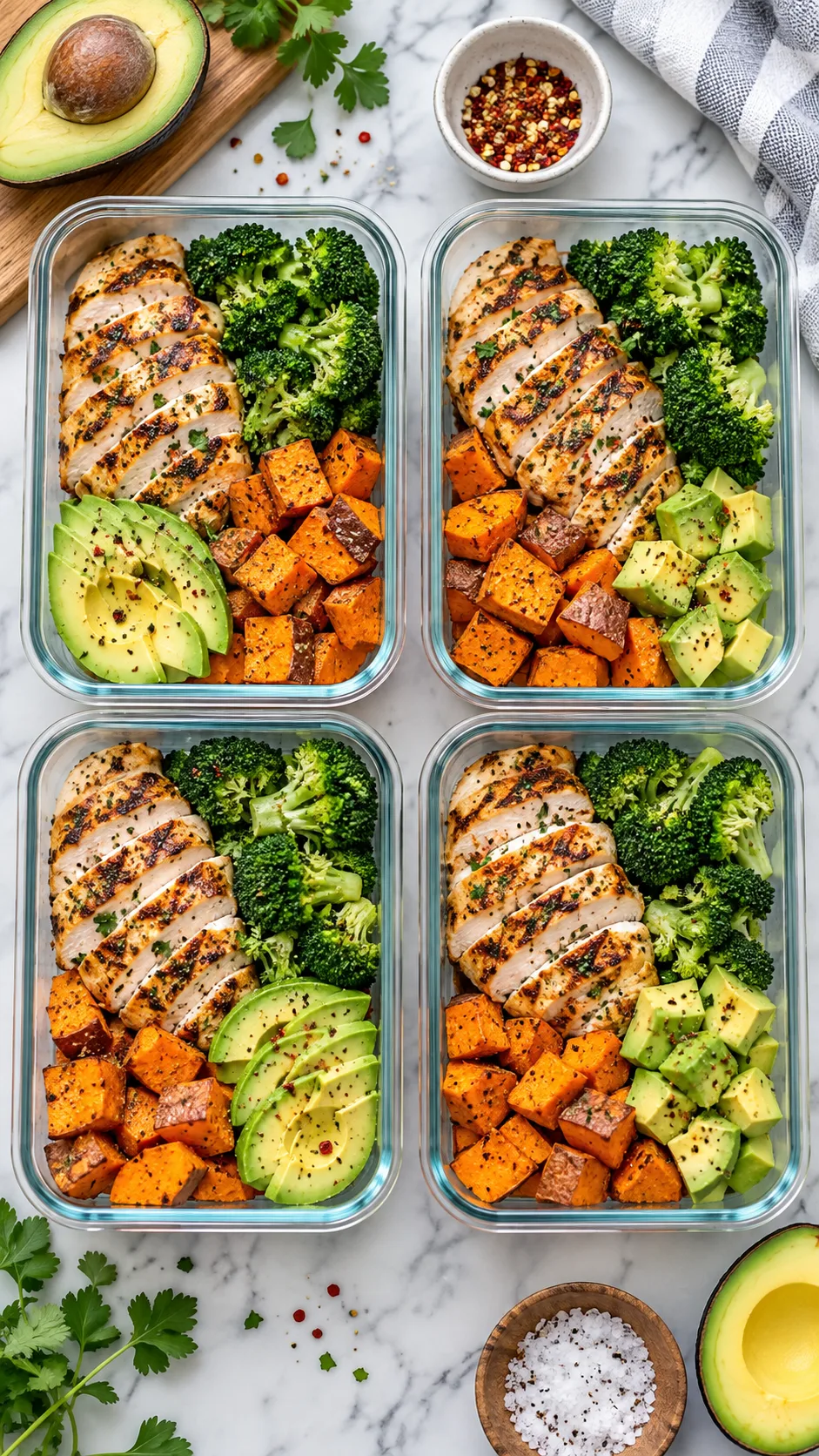
The satiety equation: why most diets leave you starving
Some 500-calorie meals leave you ravenous thirty minutes later, while others keep you full for five hours. Food composition drives this difference, not raw caloric math.
Your stomach does not tally calories. It registers volume, weight, and macronutrient signals. Hyper-processed, calorie-dense foods fill almost no physical space in your gut. Your stomach walls never stretch, your intestines release minimal fullness hormones, and your brain demands more food.
To stay full on 1700 calories, you need three physiological drivers:
- High Dietary Protein: Protein suppresses ghrelin (your main hunger hormone) and elevates peptide YY and GLP-1, the signals that tell your brain to stop eating. Clinical trials from the National Institutes of Health confirm that high-protein diets trigger far stronger satiety responses than diets loaded with carbohydrates or fats.
- Viscous Dietary Fiber: Fiber absorbs water in your gut, forms a thick gel, and delays stomach emptying. Research from the Harvard T.H. Chan School of Public Health shows that soluble fiber blunts blood glucose spikes and prevents afternoon energy crashes.
- Food Volume (Water-Rich Whole Foods): Water adds physical weight and bulk to your meals without adding calories. Eating two cups of roasted zucchini creates mechanical stomach stretch, signaling your brain to shut down hunger cues.
When you assemble these three factors at each meal, hunger fades. You will not spend your morning daydreaming about lunch.
The 1700 calorie macro blueprint
Careless eating produces inconsistent results. We set our macronutrients deliberately to maximize satiety and protect lean muscle.
If you slash calories without eating enough protein, your body burns away muscle tissue along with fat. Losing muscle slows your resting metabolic rate and complicates long-term weight maintenance. We adapt principles from our 7-day high protein meal plan to protect lean tissue.
Here is your daily macro breakdown:
- Daily Calories: About 1,700 kcal
- Protein: 145g to 155g (about 35% of total calories)
- Carbohydrates: 150g to 165g (about 35% of total calories)
- Healthy Fats: 50g to 55g (about 30% of total calories)
- Dietary Fiber: 35g to 45g minimum
This distribution stays balanced on purpose. We keep carbs in the rotation because carbs fuel workout intensity and thyroid health. We also retain healthy fats, since dietary fat supports hormone synthesis and vitamin absorption.
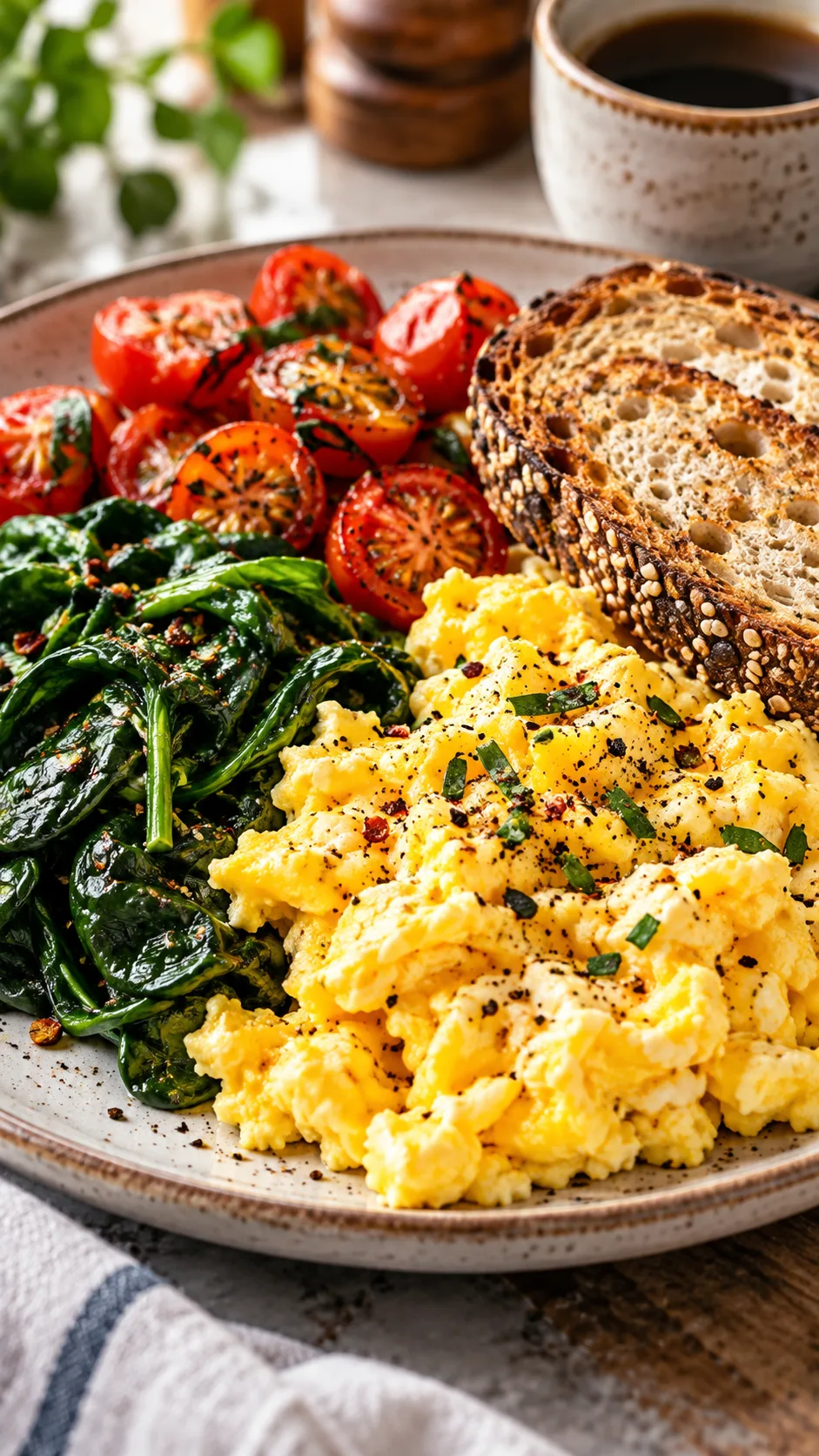
The complete one-day meal plan (full recipes and exact portions)
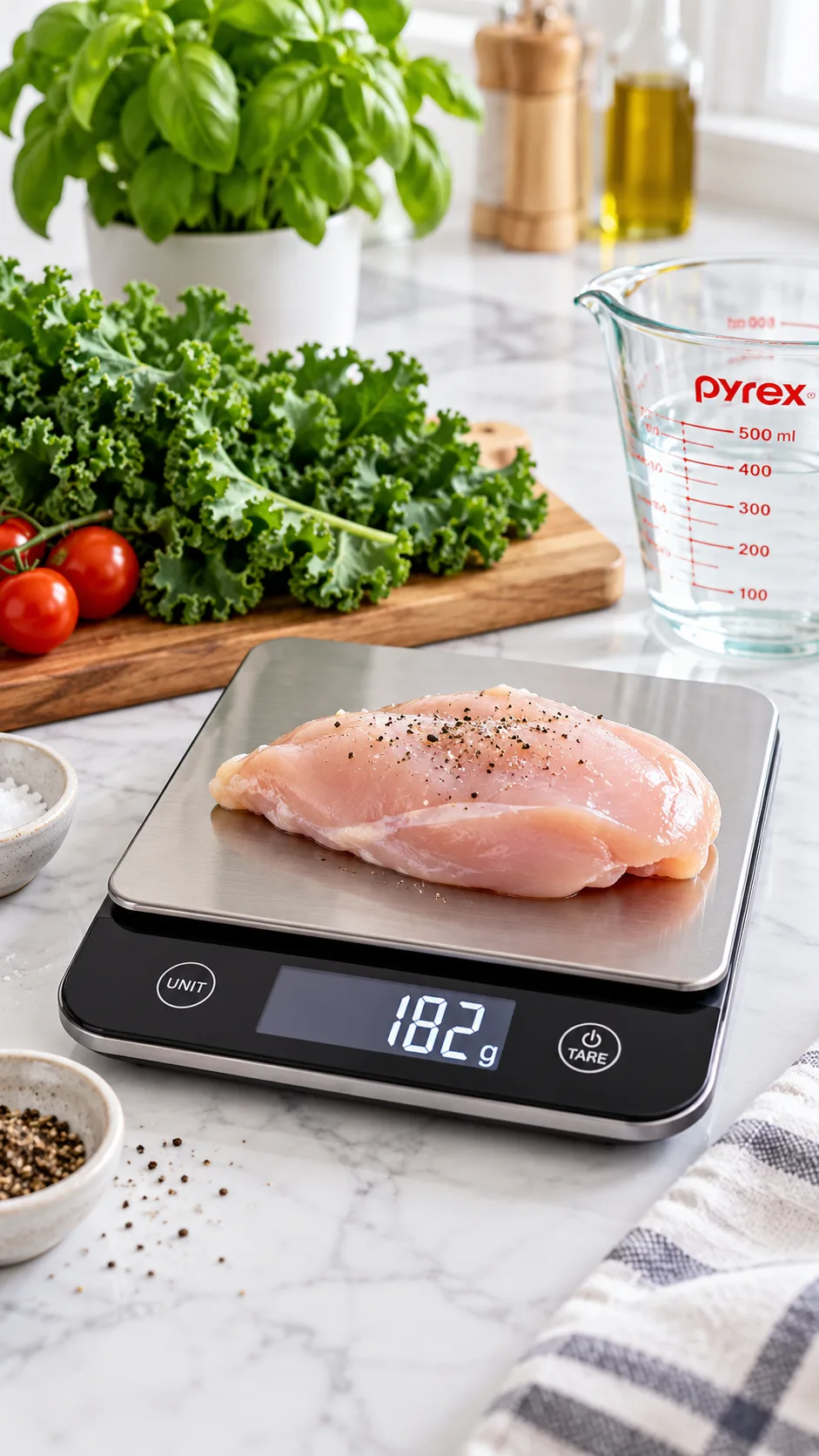
Below is a full day of eating designed for 1,700 calories. Weigh these ingredients raw on a digital food scale unless the instructions state otherwise. Accuracy ensures dependable fat loss.
Meal 1: High-volume protein scramble and berries (Breakfast)
Starting the day with a bagel or sweet pastry practically guarantees intense cravings by mid-morning. We lead with dense protein and unrefined fiber to establish steady blood sugar right away.
- Ingredients:
- 2 large whole eggs
- 150g liquid egg whites
- 2 cups fresh baby spinach
- 50g diced bell peppers
- 1 slice whole-grain sprouted bread, toasted
- 1 cup fresh blackberries or raspberries
- 1/4 avocado, mashed
- How to prep: Mist a skillet with cooking spray. Sauté the peppers and spinach until tender. Whisk the whole eggs with the egg whites, pour them into the skillet, and scramble gently over medium heat. Spread the avocado across your toast and enjoy the fresh berries on the side.
- Nutrition Profile: 425 Calories | 38g Protein | 34g Carbs | 14g Fat | 11g Fiber
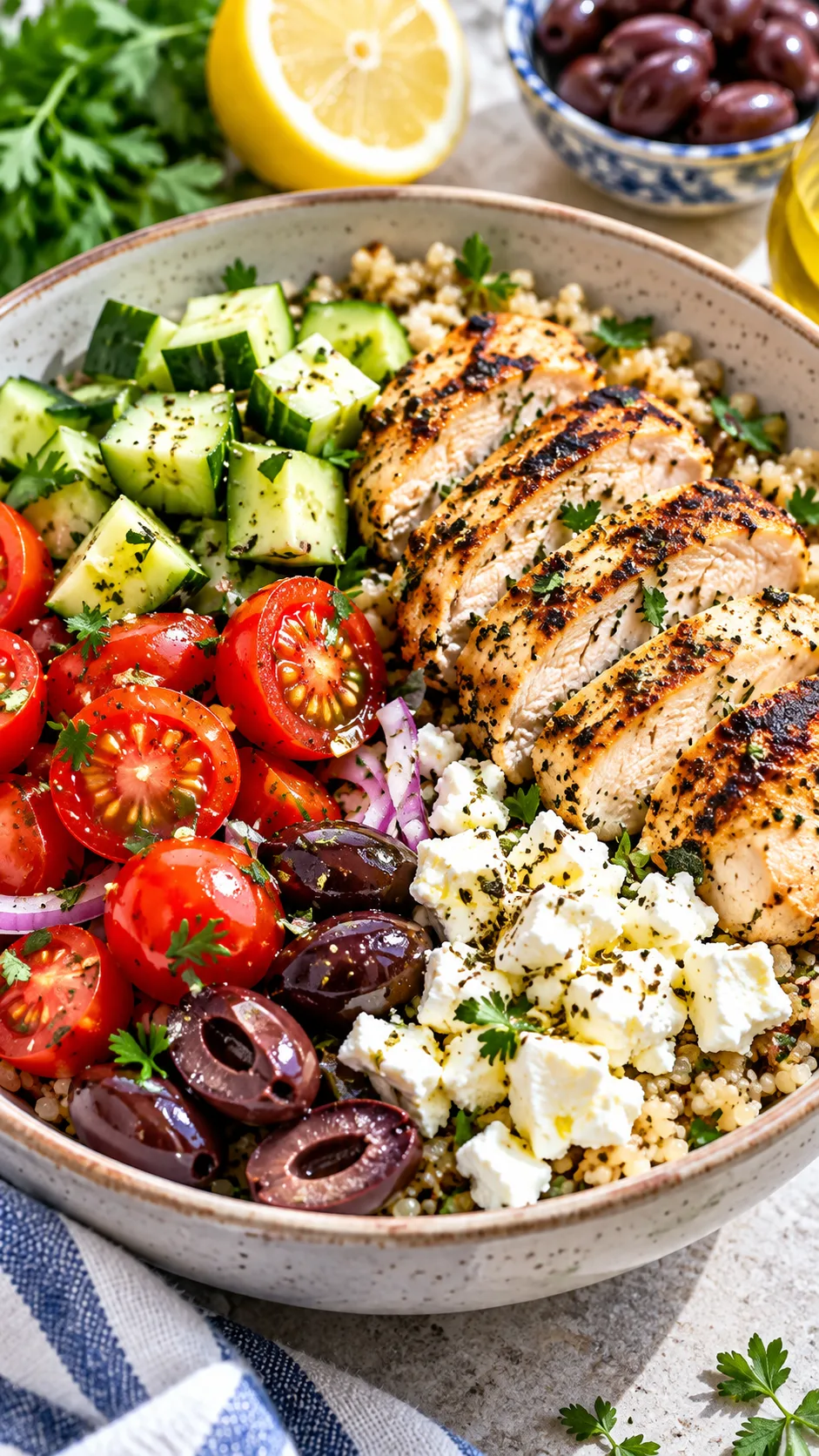
Meal 2: Mediterranean chicken and quinoa crunch bowl (Lunch)
Lunch needs to carry you straight through the 3:00 PM workday dip. This bowl delivers crisp vegetables, clean protein, and slow-burning complex carbs.
- Ingredients:
- 140g boneless, skinless chicken breast (weighed cooked and diced)
- 100g cooked quinoa (roughly 1/2 cup)
- 1.5 cups chopped romaine lettuce
- 75g English cucumber, diced
- 75g cherry tomatoes, halved
- 30g reduced-fat feta cheese
- 10 kalamata olives, sliced
- Dressing: 1 tsp extra virgin olive oil, 1 tbsp fresh lemon juice, dried oregano, salt, and black pepper
- How to prep: Place the chopped romaine into a wide bowl. Add the cooked quinoa, diced chicken, cucumbers, tomatoes, olives, and feta. Whisk the olive oil, lemon juice, and seasonings in a small ramekin, then pour the mixture over the bowl.
- Nutrition Profile: 465 Calories | 44g Protein | 36g Carbs | 16g Fat | 7g Fiber
Meal 3: The mid-afternoon satiety parfait (Snack)
Afternoon hunger often ruins an otherwise solid routine. Pass on the vending machine pretzels. This thick Greek yogurt bowl curbs sweet cravings and delivers a steady stream of amino acids.
- Ingredients:
- 200g nonfat plain Greek yogurt
- 15g chia seeds
- 1/2 cup fresh blueberries
- 12g chopped raw walnuts
- 1/2 tsp ground cinnamon (optional: zero-calorie stevia drops)
- How to prep: Stir the cinnamon and chia seeds directly into the Greek yogurt. Scatter the blueberries and chopped walnuts across the top. Rest the bowl in the fridge for 10 minutes so the chia seeds can absorb liquid and thicken the yogurt further.
- Nutrition Profile: 250 Calories | 24g Protein | 20g Carbs | 8g Fat | 7g Fiber
Meal 4: Sheet pan salmon, crispy spuds, and asparagus (Dinner)
Dinner should fill you up while keeping cleanup fast. Salmon provides omega-3 fatty acids that fight inflammation and support metabolic health, while roasted baby potatoes provide genuine comfort without excessive calories.
- Ingredients:
- 130g wild Atlantic salmon fillet
- 150g baby red potatoes, halved
- 150g fresh asparagus spears, with trimmed woody ends
- 1 tsp olive oil (for the potatoes and asparagus)
- Garlic powder, sea salt, black pepper, and lemon wedges
- How to prep: Heat your oven to 400°F (200°C). Toss the halved potatoes with half the olive oil, salt, and garlic powder, then roast them for 15 minutes. Slide the baking sheet out, move the potatoes to one edge, and set down the salmon fillet and asparagus spears. Brush the asparagus with the rest of the oil, season the fish, and return everything to the oven for 12 to 14 minutes until the salmon flakes under a fork.
- Nutrition Profile: 440 Calories | 34g Protein | 32g Carbs | 18g Fat | 6g Fiber
Meal 5: The nighttime sweet tooth fix (Evening snack)
Crawling into bed with an empty stomach invites midnight kitchen raids. This slow-digesting evening snack feels like dessert while keeping hunger quiet all night.
- Ingredients:
- 120g low-fat cottage cheese (or nonfat Greek yogurt)
- 1 tbsp all-natural peanut butter (weigh 16g on your scale)
- 1/2 cup frozen strawberries, thawed and mashed
- How to prep: Place the cottage cheese into a small dish. Warm the peanut butter in the microwave for 10 seconds to loosen it up, pour it over the cheese, and swirl in the mashed strawberries.
- Nutrition Profile: 170 Calories | 16g Protein | 11g Carbs | 8g Fat | 3g Fiber
Daily Totals: 1,750 Calories | 156g Protein | 133g Carbs | 64g Fat | 34g Fiber (Brand differences will place your actual numbers between 1,680 and 1,750 kcal).
Watch how to prep high-protein meals easily
Cooking meals in batches stops impulse snacking before it starts. Watch this demonstration to see how quickly you can batch-cook high-volume, high-protein recipes for the whole week:
Five traps that derail a 1700 calorie plan
Even committed eaters encounter hidden obstacles. If your fat loss stalls on 1700 calories, check for these frequent oversights:
1. Eyeballing cooking oils and nut butters
Pouring olive oil freehand easily slips 200 extra calories into your cooking pan. In the same way, grabbing a heaping spoon of peanut butter often yields 40 grams of spread instead of a standard 16-gram portion. Weigh calorie-dense fats on a gram scale every single time.
2. Drinking your deficit
Specialty coffee drinks pose as simple morning pick-me-ups while carrying 350 calories and 45 grams of sugar. Choose black coffee, cold brew with unsweetened almond milk, or sparkling water. Liquid calories rarely trigger fullness cues in your brain.
3. The weekend lapse
You hit your 1700-calorie mark from Monday through Friday afternoon. Then the weekend starts, bringing restaurant cocktails, appetizers, and dessert. Two unchecked weekend meals can erase your entire weekly calorie deficit. Maintain your structure across all seven days.
4. Skimping on water
The human brain often misinterprets dehydration as hunger. Guidelines from the Centers for Disease Control and Prevention stress regular hydration for appetite control and physical energy. Drink at least 2.5 to 3 liters of water each day to keep digestive volume high.
5. Mindless grazing
Grabbing a handful of chips while assembling lunch, finishing a child’s leftover toast, or sampling dinner sauce four times adds up quickly. These mindless bites easily inject 150 to 250 extra calories into your intake. Record every item that passes your lips.
Smart swaps to customize this plan
Monotony ruins adherence. You do not need to eat identical meals every single day to hit your target. Use these direct substitutions to keep your meals interesting:
- Chicken Breast: 93/7 lean ground turkey, 96/4 extra-lean ground beef, cod, canned tuna in water, or extra-firm pressed tofu.
- Salmon: Rainbow trout, shrimp (add 1/2 tbsp of olive oil to make up the fats), or lean sirloin steak.
- Quinoa: Brown rice, jasmine rice, whole-wheat couscous, or roasted baby potatoes.
- Asparagus: Roasted broccoli, green beans, Brussels sprouts, or grilled zucchini.
- Cottage Cheese: Plain skyr or casein protein powder mixed into pudding with water.
Swapping items within the same macronutrient category keeps your daily totals stable while refreshing your routine.
Who should follow this 1700 calorie plan?
Daily energy expenditure depends heavily on body size, movement, and workout routines, so 1700 calories will not suit every person.
This intake level works best for:
- Active Women (140 to 180 lbs): Women who lift weights several times per week, walk 8,000 or more steps daily, and want fat loss without sacrificing training intensity or hormone health.
- Moderately Active Men: Men seeking a faster rate of fat loss without risking muscle breakdown.
- People Recovering from Extreme Low-Calorie Diets: Anyone who stalled their metabolism on crash diets can use 1700 calories to restore physical energy, boost gym performance, and break binge-eating patterns.
Frequently asked questions
Can I drink coffee and diet soda on a 1700 calorie diet?
Yes. Black coffee, unsweetened tea, and sparkling waters fit this plan cleanly. Moderate amounts of diet soda will not stall fat loss, though water should remain your main beverage.
What should I do if I feel hungry between meals?
Drink a large glass of water and wait fifteen minutes. If your hunger persists, eat raw, non-starchy vegetables like sliced cucumbers, celery, or sweet peppers. You can eat generous portions of these vegetables without threatening your deficit.
How fast will I lose weight on 1700 calories?
Most adults shed 1 to 2 pounds per week at this calorie level. You might see a steeper drop during the first week as your body sheds excess water and stored glycogen.
Can I save calories for a larger dinner?
Yes. If you enjoy larger dinners, deduct 100 calories from breakfast and skip your afternoon snack. Shift those 300 to 400 calories directly to your evening meal. As long as your total daily calories and protein remain consistent, arrange your meal times however you like.
Take control of your nutrition today
Fat loss does not require punishing hunger. It demands high food volume, enough protein, and consistent adherence.
This 1700 calorie meal plan shows how you can fuel your daily routine, preserve muscle, and lose body fat without feeling deprived. Pick up a digital kitchen scale, shop for these groceries, and prepare your meals in advance.