

Want to gain weight without surviving on chips, bakery puffs, and milkshakes loaded with mystery calories? Good. Your body deserves more than a daily snack routine that leaves you bloated, tired, and hungry again an hour later.
A sensible Indian diet chart for weight gain uses foods you already know: rice, roti, dal, paneer, eggs, curd, nuts, fruit, potatoes, and good old ghee. Eat enough energy, enough protein, and enough meals to help your body grow.
It sounds simple because it is. Most people miss one unglamorous point: healthy weight gain needs consistency, not random overeating.
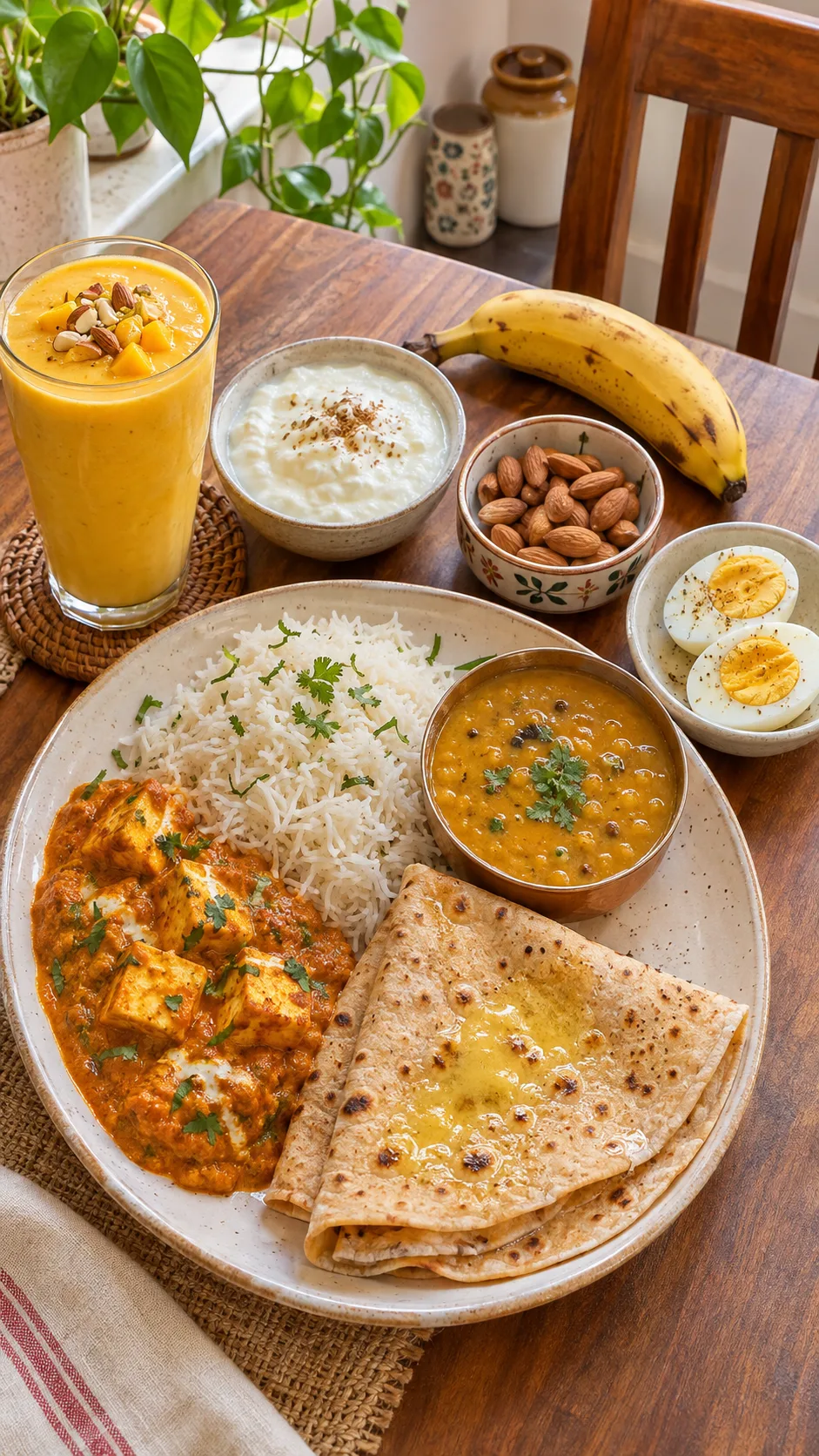
First, what does healthy weight gain mean?
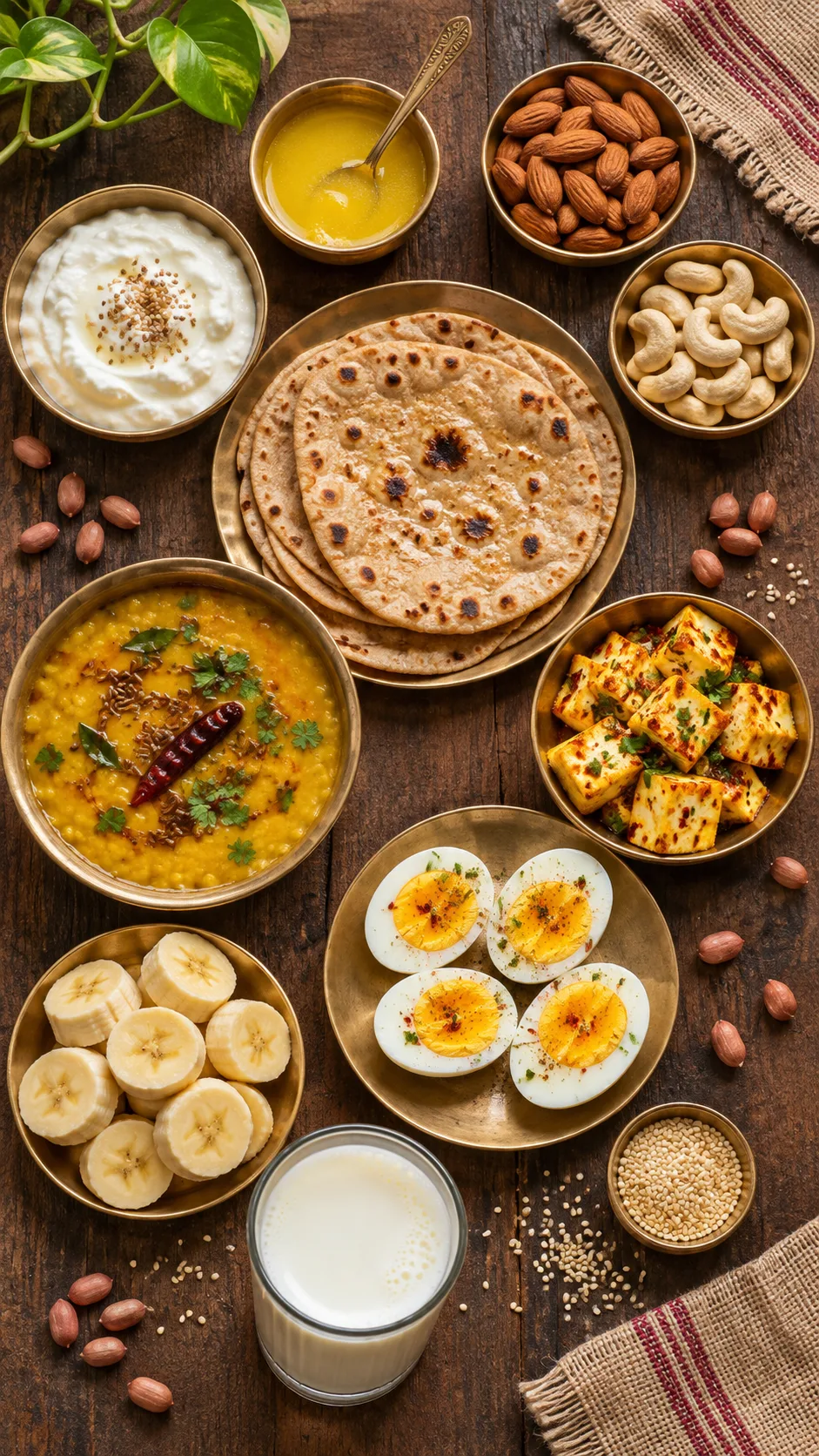
Healthy weight gain adds body weight through muscle, stored energy, water, and some body fat. Your results depend on your training, hormones, sleep, genetics, appetite, and starting weight.
You cannot tell your body to build muscle and nothing else. You can, however, improve your chances with strength training, protein rich meals, and a modest calorie surplus. That approach makes more sense than filling up on fried food and hoping it works out.
Most adults gain steadily when they eat roughly 250 to 500 extra calories per day. That amount often supports gradual progress without making every meal feel like a challenge.
The NHS guide to healthy weight gain recommends gradually increasing calories, eating smaller meals more often, and choosing nutrient dense foods. It may sound ordinary, but ordinary habits work when you stick with them.
Who should use a weight gain diet chart?
This Indian meal plan can help if you have a low appetite, recover from unintentional weight loss, begin strength training, or want to gain a few kilos. It may also help naturally thin people who think they eat plenty but skip meals or fill up on low calorie foods.
Talk to a doctor or registered dietitian before you follow a weight gain plan if you lose weight without trying, have ongoing diarrhoea, trouble swallowing, thyroid symptoms, diabetes, kidney disease, digestive problems, or a history of an eating disorder. Sometimes your body needs medical attention, not a larger serving of rice.
The simple formula behind an Indian diet plan for weight gain
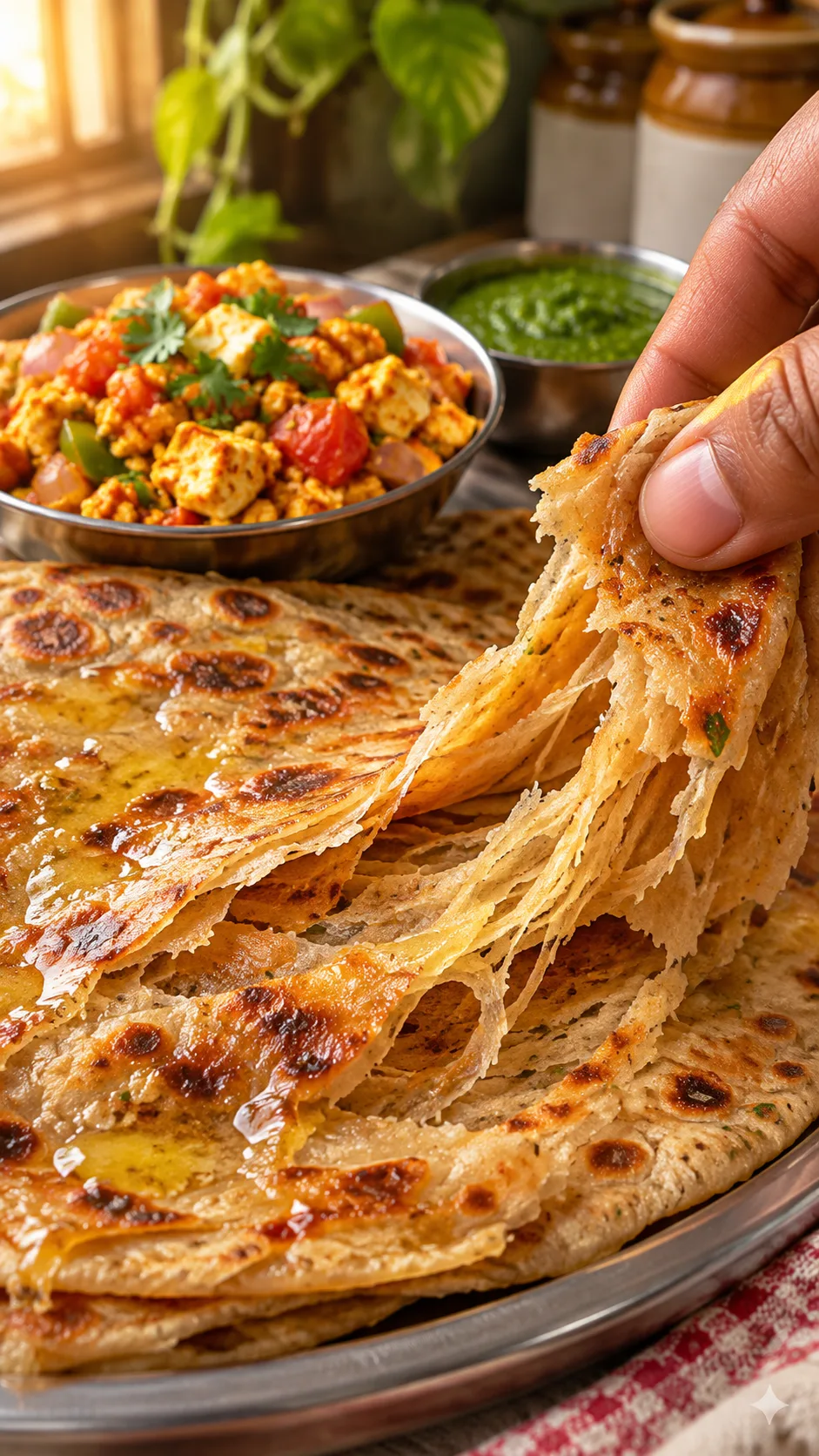
You do not need imported supplements, expensive “mass gainers,” or a cupboard that looks like a fitness influencer’s advert. You need meals with calories, protein, carbohydrates, healthy fats, vitamins, and minerals.
Think of your plate as a team. Carbs give you energy. Protein helps your muscles recover. Fats increase calories without making you eat a mountain of food. Fruits and vegetables provide fibre, vitamins, and minerals.
- Eat a calorie surplus: Eat a little more than your body burns each day.
- Include protein at every meal: Choose eggs, milk, curd, paneer, dal, chana, chicken, fish, soy, or tofu.
- Choose energy dense foods: Eat nuts, seeds, peanut butter, ghee, coconut, cheese, full fat dairy, and potatoes.
- Eat often enough: Have three meals and two or three snacks if large meals feel hard.
- Train for muscle: Do resistance exercises two to four times each week.
- Track your trend: Weigh yourself once or twice a week under similar conditions.
Many active adults do well with around 1.2 to 1.6 grams of protein per kilogram of body weight daily. If you lift weights and want to build muscle, a dietitian can help you work out a more personal target. The International Society of Sports Nutrition position stand explains how protein helps muscles grow after exercise.
Do you need to count every gram forever? No. Start by adding protein to every meal, then increase your portions if the scale does not move.
Best Indian foods for healthy weight gain
Good weight gain foods give you nutrition and calories in meals you can enjoy again and again. Your own list will depend on whether you eat vegetarian, non vegetarian, lactose free, or vegan meals.
Protein foods that support muscle gain
- Eggs: Add boiled eggs, omelettes, bhurji, or egg curry to your meals.
- Paneer: Use paneer in parathas, bhurji, tikka, curries, and sandwiches.
- Milk and curd: Choose full fat versions if dairy suits you.
- Dal and legumes: Eat moong, masoor, toor dal, rajma, chole, lobia, and kala chana.
- Soya chunks and tofu: These foods give vegetarians a solid protein option.
- Chicken and fish: Eat them with rice, roti, potatoes, or millet dishes.
- Peanuts and nut butters: They provide protein, fats, and easy calories.
Carbohydrates that make weight gain easier
Carbs do not ruin weight gain. They fuel training, refill muscle glycogen, and make meals easier to increase. Your body needs fuel. Motivational quotes will not do the job.
- Rice, poha, upma, idli, dosa, and appam
- Whole wheat roti, paratha, naan, and bhakri
- Potatoes, sweet potatoes, arbi, and yam
- Oats, daliya, ragi, millet, and corn
- Bananas, mangoes, chikoo, dates, raisins, and grapes
Healthy fats that add calories without huge portions
Fats help if you have a small appetite because they pack plenty of energy into a normal meal. Use them with some care instead of pouring oil into every curry.
- Ghee on rice, dal, khichdi, roti, or paratha
- Groundnut oil, mustard oil, sesame oil, or coconut oil in home cooking
- Almonds, cashews, walnuts, pistachios, and peanuts
- Flaxseed, sesame, pumpkin seeds, and sunflower seeds
- Fresh coconut or coconut chutney
- Avocado if it fits your budget
The Indian Council of Medical Research-National Institute of Nutrition provides evidence based nutrition resources for Indian eating patterns. Trust sound nutrition advice when social media tells you to drink butter coffee for every health concern under the sun.
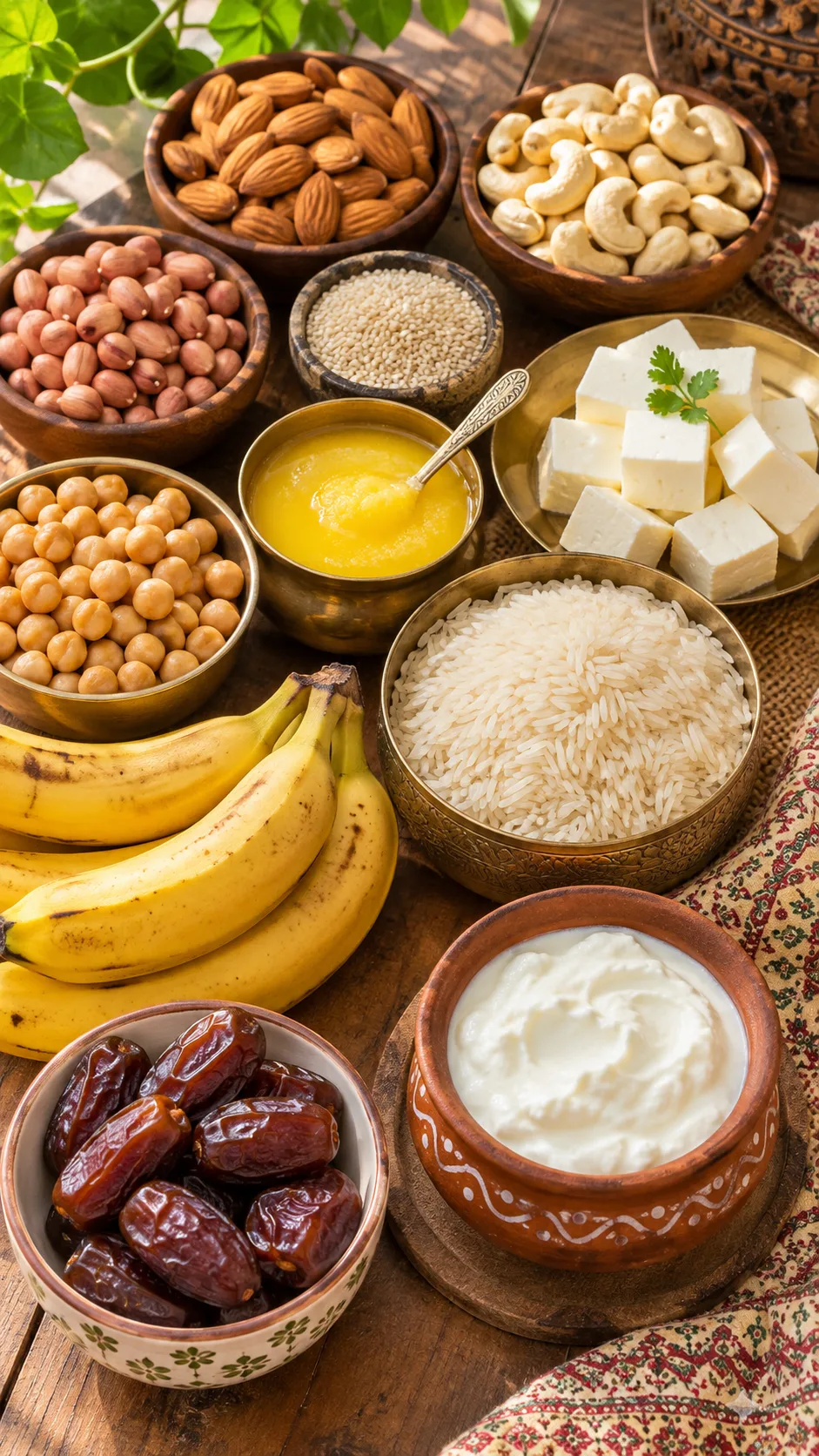
7-day Indian diet chart for weight gain
This Indian weight gain diet chart gives you a practical place to start. Change the portions to suit your hunger, body size, activity, food preferences, and progress.
Every day includes three meals and three chances to snack. You do not need to eat perfectly. You need to repeat the basics often enough for your body to use the extra fuel.
Day 1
- Breakfast: Vegetable poha with peanuts, 2 eggs or paneer bhurji, and a glass of full fat milk.
- Mid-morning: Banana with peanut butter and a handful of almonds.
- Lunch: Rice, dal tadka, aloo gobi, curd, salad, and 1 teaspoon ghee.
- Evening snack: Mango or banana smoothie with milk, oats, and dates.
- Dinner: 3 rotis, paneer butter masala or chicken curry, and mixed vegetables.
- Before bed: Warm milk with crushed nuts.
Day 2
- Breakfast: 3 stuffed paneer parathas with curd and pickle.
- Mid-morning: Chikoo milkshake or lassi with roasted chana.
- Lunch: Rajma chawal, cucumber raita, and a spoon of ghee over rice.
- Evening snack: Peanut chikki, fruit, and tea or milk.
- Dinner: Egg curry or tofu curry with rice and sautéed beans.
- Before bed: Dates with milk.
Day 3
- Breakfast: Masala dosa with potato filling, coconut chutney, and sambar.
- Mid-morning: Greek yogurt or thick curd with banana, honey, and walnuts.
- Lunch: 3 rotis, chole, jeera rice, salad, and curd.
- Evening snack: Corn chaat with cheese or paneer cubes.
- Dinner: Fish curry or soy chunk curry with rice and vegetables.
- Before bed: A handful of cashews and warm milk.
Day 4
- Breakfast: Oats cooked in milk with banana, raisins, peanut butter, and seeds.
- Mid-morning: Cheese sandwich with tomato and cucumber.
- Lunch: Vegetable pulao with paneer or chicken, raita, and dal.
- Evening snack: Homemade lassi and a banana.
- Dinner: Moong dal khichdi with ghee, curd, papad, and potato fry.
- Before bed: Milk or soy milk with dates.
Day 5
- Breakfast: Idli with sambar, coconut chutney, and 2 boiled eggs or tofu scramble.
- Mid-morning: Trail mix with peanuts, raisins, cashews, and pumpkin seeds.
- Lunch: Rice, sambar, beetroot poriyal, curd, and ghee.
- Evening snack: Banana oats shake with milk and cocoa.
- Dinner: 3 rotis with palak paneer or chicken palak and a potato side dish.
- Before bed: Full fat curd with a little jaggery.
Day 6
- Breakfast: Besan chilla stuffed with paneer, plus a fruit smoothie.
- Mid-morning: Boiled sweet potato with butter or ghee and chaat masala.
- Lunch: Mutton curry or kala chana curry, rice, roti, and salad.
- Evening snack: Roasted makhana tossed with ghee and peanuts.
- Dinner: Vegetable biryani with raita and grilled paneer, chicken, or tofu.
- Before bed: Milk with almonds.
Day 7
- Breakfast: Aloo paneer sandwich, fruit, and a glass of milk.
- Mid-morning: Dates, walnuts, and a banana.
- Lunch: Dal makhani, jeera rice, 2 rotis, salad, and curd.
- Evening snack: Thick mango lassi or a homemade smoothie.
- Dinner: Homemade chicken pulao, egg pulao, or paneer pulao with raita.
- Before bed: Peanut butter on toast or milk with a few raisins.
Need a version that covers female specific needs, appetite tips, and portion ideas? Read the weight gain diet plan for women for a plan that better suits those needs.
Easy portion tweaks when the scale does not move
You followed a meal chart for two weeks and your weight has not changed? Do not panic and order five pizzas. Add one or two small calorie boosts each day, then check your progress again after another two weeks.
Small changes tend to work because you can live with them. Your appetite will usually adjust more comfortably to gradual increases than to one oversized meal that makes lunch miserable.
- Add 1 to 2 teaspoons of ghee to rice, dal, khichdi, or rotis.
- Drink a milk based smoothie between meals.
- Add a banana to breakfast or your snack after training.
- Choose full fat curd instead of low fat curd.
- Add paneer, cheese, egg, tofu, or chicken to an everyday sandwich.
- Keep roasted peanuts, chikki, dates, and mixed nuts nearby.
- Have an extra roti or half a cup of rice with lunch and dinner.
Liquid calories can help when chewing feels like work. A smoothie with milk, banana, oats, dates, peanut butter, and cocoa makes a filling snack without spoiling your appetite for dinner.
For more useful ideas, read this guide to a weight gain diet that builds muscle without the junk food trap. It works well alongside this Indian diet chart.
Vegetarian Indian diet plan for weight gain
Vegetarians can gain weight and build muscle. Plan your protein instead of expecting one watery bowl of dal to carry the entire day. Dal helps, but it needs company.
Build vegetarian meals around paneer, milk, curd, Greek yogurt, soy chunks, tofu, lentils, beans, chickpeas, peas, peanuts, and seeds. Pair legumes with rice or roti for filling meals with protein.
A simple vegetarian day
- Breakfast: Paneer paratha, curd, and milk.
- Snack: Banana peanut smoothie with oats.
- Lunch: Rajma chawal, salad, curd, and ghee.
- Snack: Roasted chana, nuts, and fruit.
- Dinner: Palak paneer, rotis, dal, and potato sabzi.
- Bedtime: Milk with dates or a bowl of thick curd.
If you avoid dairy, choose fortified soy milk, tofu, soy yogurt, legumes, nuts, seeds, and meals rich in plant protein. Watch your vitamin B12, iron, calcium, vitamin D, and omega 3 intake, especially if you eat fully vegan.
Strength training makes your weight gain look better
Food gives your body the raw material, while strength training gives it a reason to build muscle. You do not need fancy equipment to begin. Squats, push ups, lunges, rows, presses, and deadlifts can build strength with dumbbells, resistance bands, or a gym routine.
Aim for two to four full body sessions each week. Gradually add repetitions, resistance, or sets. Your muscles respond to a steady challenge, not endless random workouts.
Try this simple weekly structure:
- Day 1: Squats, push ups, rows, shoulder presses, planks.
- Day 2: Rest or take a relaxed walk.
- Day 3: Lunges, hip hinges, chest presses, rows, core work.
- Day 4: Rest.
- Day 5: Repeat Day 1 or Day 3 with a little more challenge.
Eat a meal or snack with protein and carbs within a few hours of training. A paneer sandwich, egg roll, curd with fruit, dal chawal, or banana milkshake can all do the job.
Common mistakes that slow down weight gain
You eat healthy but not enough
Salad, soup, fruit, and black coffee can fit into a healthy diet, but they rarely raise your calories enough for weight gain. Eat more filling foods alongside them, such as nuts, dairy, rice, potatoes, eggs, paneer, and healthy fats.
You skip breakfast
When you skip breakfast, you need to fit more food into fewer hours. Some people manage that. Many simply reach bedtime underfed. Start small with a smoothie, banana, milk, poha, eggs, or peanut butter toast.
You rely on junk food
Junk food can increase your calorie intake, but it often replaces protein, fibre, vitamins, and minerals. It can also cause indigestion and wild appetite swings. Enjoy fun foods if you like them, but do not build your entire eating plan around them.
You forget protein
Rice and roti give you useful energy, while protein supports muscle growth and recovery. Include a protein food whenever you eat. That one habit improves a weight gain plan quickly.
You change the plan every three days
Your body needs time to show progress. Follow a plan for at least two weeks, watch your weight trend, and then change your portions if needed. Constant plan hopping creates confusion and makes progress harder to spot.
How to track progress without obsessing
Weigh yourself once or twice a week after you wake up and use the bathroom, before breakfast. Wear similar clothing each time or skip it. Your winter hoodie does not count as muscle.
Keep an eye on your strength, appetite, energy, digestion, and the way your clothes fit. The scale offers one useful clue, but your day to day progress gives you a fuller picture.
A reasonable target often sits around 0.25 to 0.5 kilograms per week, though your pace may differ. Slow, steady progress usually feels easier to maintain and gives you time to build habits that stay with you.
Final thoughts: eat more, train smart, stay patient
A successful Indian diet chart for weight gain does not need junk food, long gaps between meals, or expensive supplements. It needs regular meals, protein rich Indian foods, calorie dense additions, strength training, and patience.
Start with this 7-day plan, repeat the meals you enjoy, and increase portions when your progress stalls. Every meal gives you another chance to support your goal.
Eat enough. Lift consistently. Give the plan time. Your body responds far better to steady habits than dramatic diet chaos 🙂