

You just read an AIP food list and your stomach dropped. No grains, no dairy, no eggs, no nightshades, no nuts, no seeds, no coffee. Cool, cool, cool. So you’re eating air and grass-fed sadness for the rest of your life?
Take a breath. I promise it’s not that. The Autoimmune Protocol (AIP) looks terrifying on paper and feels surprisingly doable in practice, as long as you start it the smart way instead of the “delete everything from my fridge at 11pm” way. Which, FYI, is exactly how I started, and exactly why I quit twice before it stuck.
This guide walks you through starting AIP without the overwhelm, the crying-in-the-grocery-aisle moment, or the feeling that food has turned into a punishment. Ready?
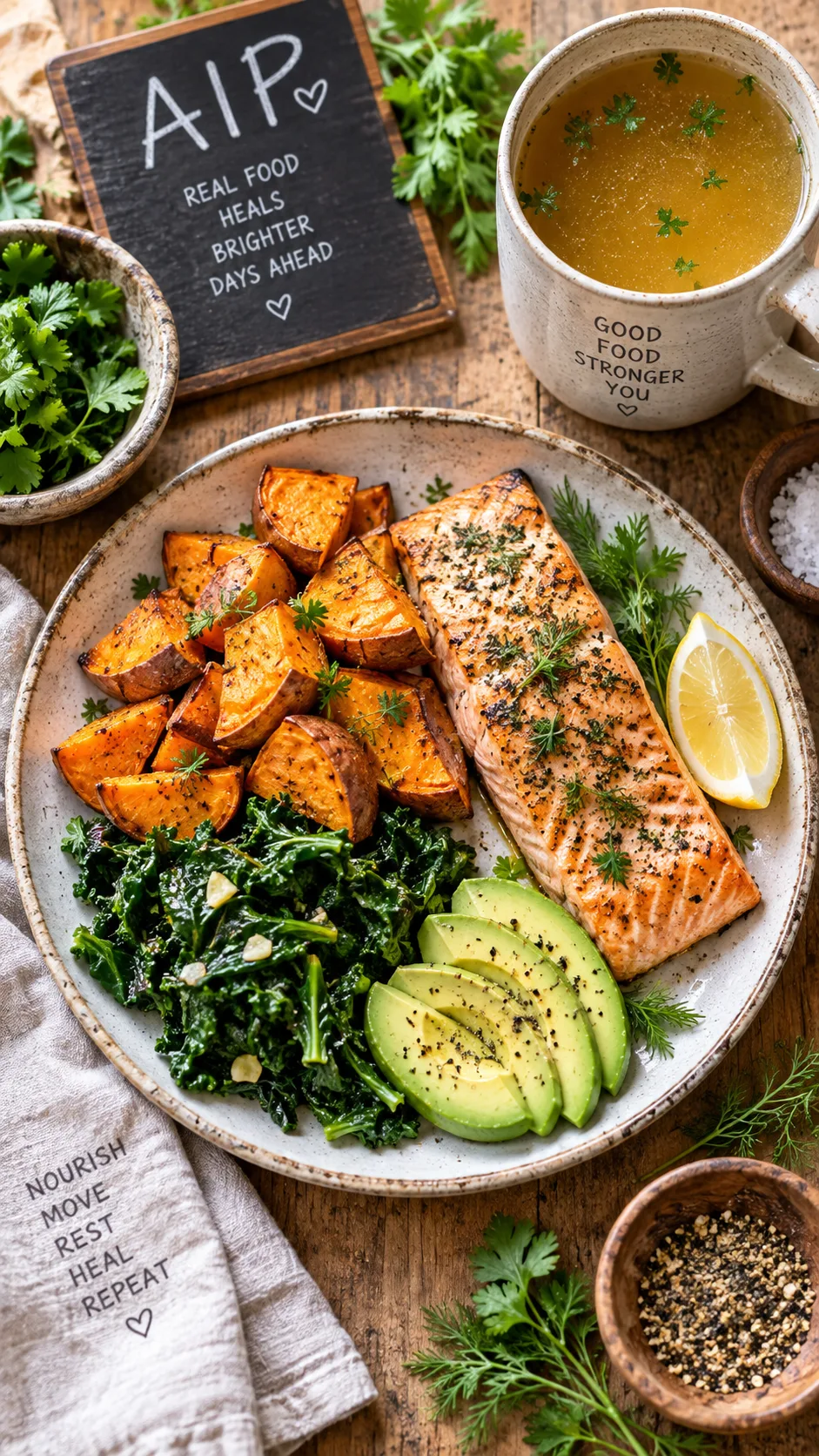
What the AIP diet really is, in plain English
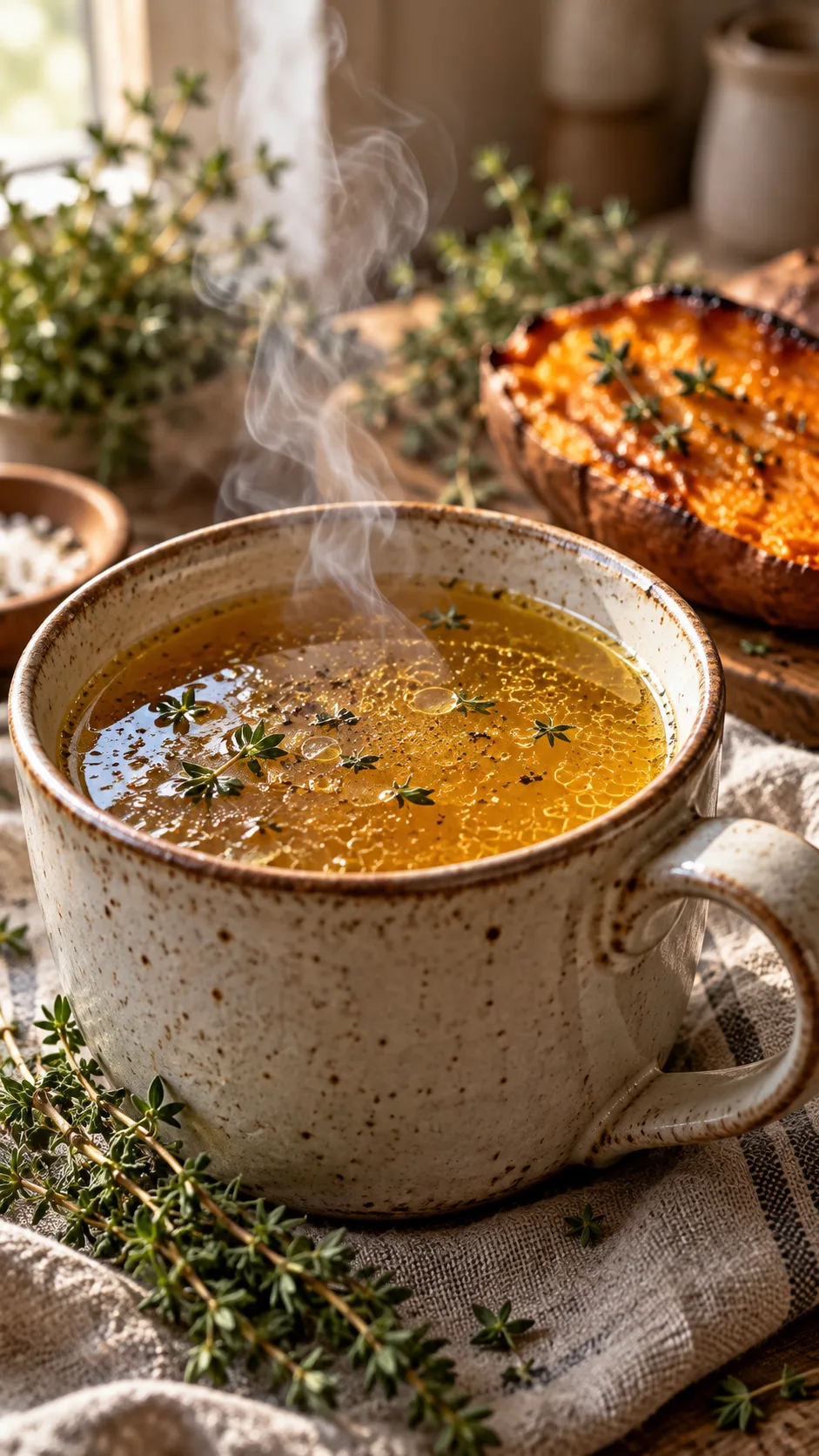
The Autoimmune Protocol is a structured elimination and reintroduction diet that aims to calm immune system overactivity and gut inflammation. Think of it as a temporary experiment you run on yourself, not a life sentence.
It grew out of the paleo framework, then got stricter. Researchers and clinicians built it around one idea: certain foods irritate the gut lining and provoke immune responses in people who already have autoimmune conditions. Remove the irritants, let the gut settle, then test foods one by one to find YOUR personal triggers.
People typically try AIP for Hashimoto’s thyroiditis, rheumatoid arthritis, psoriasis, lupus, IBD, celiac disease, and multiple sclerosis. The research pool is small but promising. A 2017 study on inflammatory bowel disease found that 73% of participants hit clinical remission by week six. A 2019 Hashimoto’s pilot study showed meaningful quality-of-life improvements too.
Small studies, yes. But when you feel like a walking inflammation cloud, 73% sounds pretty good, doesn’t it?
The three phases you need to know
- Elimination (30 to 90 days): You remove the suspect foods completely. Most people notice changes between week 3 and week 6.
- Reintroduction (weeks to months): You add foods back one at a time, slowly, tracking symptoms like a detective.
- Maintenance (forever, sort of): You keep your personal triggers out and eat everything else. Nobody warns you about this phase, and it’s the actual goal.
Big takeaway: AIP is a diagnostic tool, not a forever diet. Anyone telling you to stay in strict elimination for two years has misunderstood the whole point.
Why most people quit in week one (and how you won’t)
Here’s my honest confession. My first AIP attempt lasted four days. I cleared out my kitchen on a Sunday night with the energy of someone starting a revolution, then woke up Monday with zero food prepared, a caffeine withdrawal headache, and a meeting at 9am. I ate a banana and gave up by Thursday.
The failure had nothing to do with willpower. I skipped the prep. Sound familiar?
Most beginners crash for four predictable reasons:
- No transition period. They quit coffee, grains, dairy, and sugar on the same day. Their body throws a tantrum. Fair enough.
- No food in the house. Hungry plus empty fridge equals pizza. Physics.
- A deprivation mindset. They stare at the “no” list and ignore the enormous “yes” list.
- No support system. They try to explain AIP at a family dinner and give up mid-sentence.
You dodge all four with a two-week ramp-up. I’ll show you how below.
Your two-week on-ramp: start before you start
Nobody hands a beginner a marathon on day one. Same logic applies here. Give yourself 14 days to transition instead of white-knuckling a cold-turkey switch.
Week 1: subtract gently
- Days 1 to 3: Cut gluten and added sugar. That’s it. Two things.
- Days 4 and 5: Drop dairy. Swap to coconut milk in your tea, coconut yogurt on the side.
- Days 6 and 7: Taper caffeine by half. Halve your coffee, then halve it again. Your head will thank you.
Week 2: build the system
- Days 8 to 10: Remove grains, legumes, and processed seed oils.
- Days 11 and 12: Cook three AIP recipes as a test run. Find out what you like BEFORE you depend on it.
- Days 13 and 14: Stock your pantry, batch-cook, and set your start date.
By day 15 you launch full elimination with a full fridge and a body that already adapted to half the changes. Much less dramatic, IMO.

The AIP food lists (stick these on your fridge)
Here’s what stays and what goes during elimination.
Eat freely
- Meat and poultry: beef, lamb, chicken, turkey, goat, organ meats (yes, liver: nutritional gold, terrible PR)
- Fish and shellfish: salmon, sardines, mackerel, tilapia, prawns, crab
- Vegetables: everything except nightshades, so leafy greens, carrots, sweet potatoes, beets, squash, broccoli, cabbage, okra, ugwu, cucumber
- Fruit: berries, bananas, apples, mangoes, citrus (keep it to 1 or 2 servings a day)
- Healthy fats: avocado, coconut oil, olive oil, palm oil, animal fats
- Fermented foods: coconut kefir, sauerkraut, kombucha (check for added sugar)
- Herbs and non-seed spices: ginger, garlic, turmeric, basil, thyme, cinnamon, scent leaf
- Bone broth: the unofficial mascot of AIP
Remove temporarily
- All grains: wheat, rice, corn, oats, quinoa
- Legumes: beans, peanuts, soy, lentils
- Dairy: all of it, including ghee at first
- Eggs: whites are the bigger offender, but both go
- Nuts and seeds: including coffee and cocoa (sorry)
- Nightshades: tomatoes, peppers, chillies, aubergine, white potatoes, paprika
- Seed-based spices: cumin, coriander, mustard, fennel, nutmeg
- Refined sugars, alcohol, NSAIDs, food additives, and emulsifiers
Nightshades hurt the most for a lot of people. No pepper soup, no jollof, no stew as you know it. But here’s the workaround that saved me: turmeric, ginger, garlic, and a little beetroot give you colour and depth without capsaicin. Is it identical? No. Is it genuinely delicious? Absolutely.
Beating the “deprived” feeling (the real battle)
Every restrictive diet fails for the same reason: your brain fixates on the missing stuff. So we hack the framing.
1. Make a list of your yeses
Sit down and write out every AIP-compliant food you enjoy eating. Most people land on 60 to 80 items. Suddenly “restrictive” feels different, doesn’t it?
2. Recreate, don’t renounce
You want texture and comfort, not specific molecules. Try these swaps:
- Cauliflower rice instead of white rice
- Plantain or cassava flour instead of wheat flour
- Coconut milk instead of cream
- Coconut aminos instead of soy sauce
- Carob instead of chocolate (manage your expectations here)
- Beet and carrot base instead of tomato stew base
- Herbal tea or tigernut milk latte instead of coffee
3. Make one ridiculously good meal a week
Pick a Saturday. Cook something impressive: slow-braised lamb shoulder, crispy plantains, a proper salad with a homemade avocado and lime dressing. One genuinely exciting meal per week resets your whole mindset. Deprivation dies when your food tastes amazing.
4. Stop eating boring salads at your desk
Seriously. Nothing kills compliance faster than lukewarm lettuce. Eat warm food, eat enough fat, and eat enough calories. Undereating causes 80% of AIP misery.
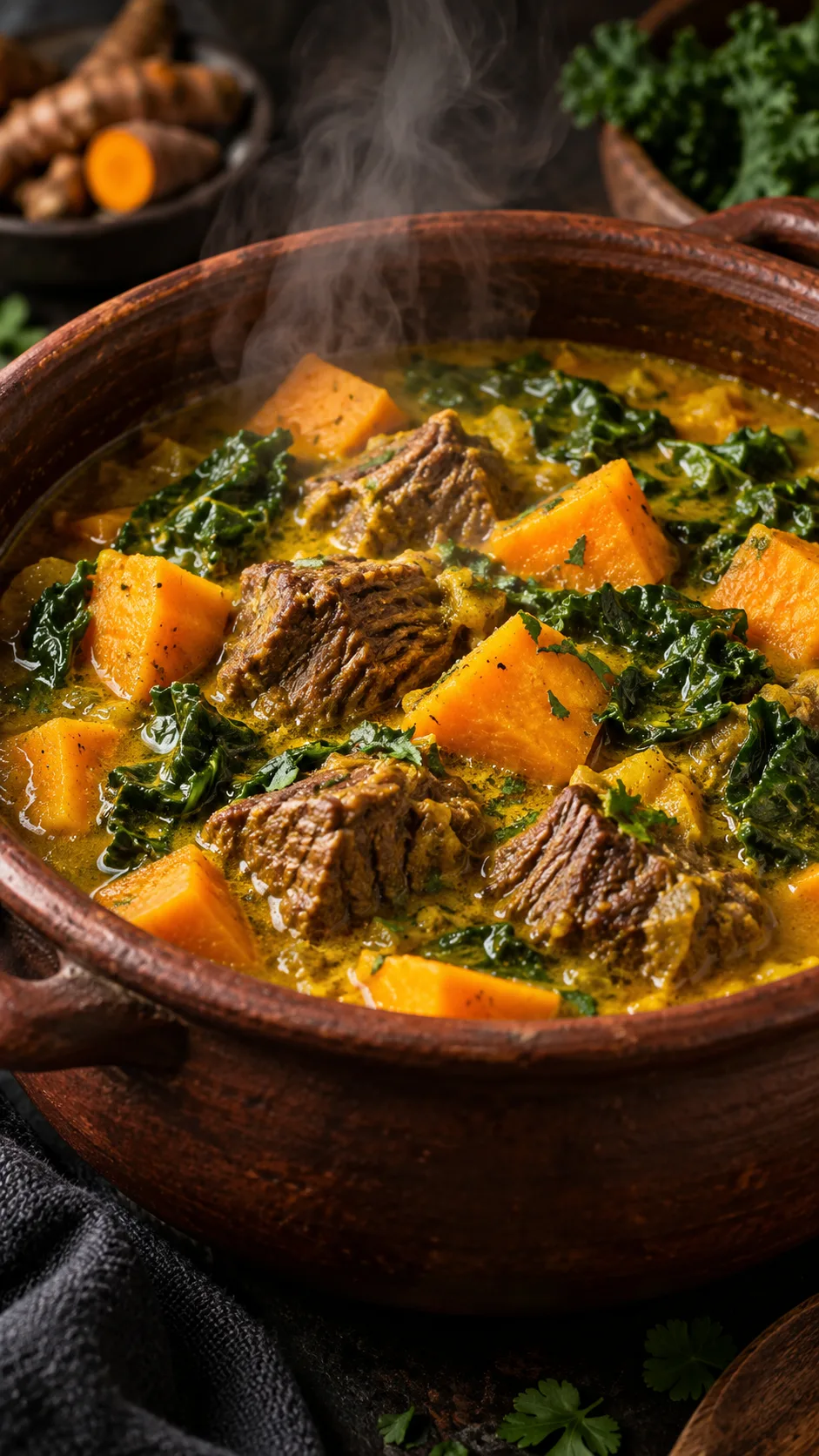
Meal prep: the single biggest predictor of success
Want to know the one habit that separates people who finish elimination from people who quit? Not motivation. Not discipline. Batch cooking.
Here’s my Sunday routine, refined over embarrassing trial and error:
- Roast two trays of vegetables: sweet potato, carrot, broccoli, courgette. 40 minutes, hands off.
- Cook one big protein: a whole chicken, a beef pot roast, or a tray of salmon fillets.
- Simmer bone broth or defrost a batch from the freezer.
- Prep one sauce: garlic and herb olive oil, coconut ginger, or avocado lime.
- Wash and chop greens so salads take 90 seconds, not 15 minutes.
Two hours on Sunday buys you five stress-free weekdays. If batch cooking makes you want to lie down, my honest advice: borrow the shortcuts in this lazy cook’s guide to healthy meal prep and adapt them to AIP rules. Same principles, different ingredients.
A sample AIP day (so you can picture it)
Breakfast: Leftover roast chicken, sautéed spinach in coconut oil, half an avocado, a mug of bone broth. Yes, savoury breakfast. Your blood sugar will adore you.
Lunch: Big bowl of mixed greens, roasted sweet potato, grilled mackerel, olive oil and lime, sprinkle of sea salt.
Snack: Plantain chips fried in coconut oil, or a handful of berries.
Dinner: Slow-cooked beef with garlic, ginger, turmeric and onions, served over cauliflower rice, with a side of steamed ugwu.
Dessert: Baked apple with cinnamon and coconut cream. Feels illegal. Isn’t.
Does that read like deprivation to you? Didn’t think so.
Tracking symptoms like you mean it
AIP without tracking wastes the entire experiment. You need data, otherwise you reach day 60 and can’t remember whether your joints felt worse in week two.
Log these daily, on a 1 to 10 scale:
- Energy level (morning and afternoon)
- Joint pain or stiffness
- Digestion: bloating, bowel movements, discomfort
- Skin: rashes, breakouts, itching
- Sleep quality and hours
- Brain fog and mood
- Any autoimmune-specific symptoms you deal with
Thirty seconds a day. A cheap notebook beats a fancy app every time, because you’ll keep using it.
Reintroduction: the part everyone rushes
You feel better. You want your food back. I get it. I reintroduced four foods in one week once and learned nothing except that I’m impatient.
Follow the protocol properly:
- Pick ONE food. Start with the least inflammatory options: egg yolks, ghee, seed spices, or legumes with pods.
- Eat a small amount (half teaspoon), wait 15 minutes. Any reaction? Stop.
- No reaction? Eat a slightly larger amount, wait another 15 minutes.
- Still fine? Eat a normal portion and stop eating that food.
- Wait 5 to 7 days and track symptoms. Delayed reactions happen constantly.
- No symptoms? Add it back permanently. Move to the next food.
Reintroducing one food a week feels painfully slow. It’s also the only way you get a clean answer. Autoimmune Wellness publishes a detailed staged reintroduction order that I recommend to anyone serious about this.
Who should talk to a doctor first
I’m enthusiastic about AIP, but I’m not reckless. Speak to a qualified doctor or registered dietitian before you start if you:
- Take thyroid medication, immunosuppressants, or blood thinners
- Live with a history of disordered eating
- Are pregnant or breastfeeding
- Manage diabetes or blood sugar medication
- Struggle with being underweight or losing weight unintentionally
People with Hashimoto’s especially need monitoring, since thyroid medication doses sometimes need adjusting as inflammation drops. If that’s your situation, this breakdown of a Hashimoto’s disease diet plan covers the thyroid-specific details AIP glosses over. Keep an eye on your nutrient status too. The NIH’s iron fact sheet explains why elimination diets sometimes leave gaps, so build in iron-rich foods deliberately.
Mistakes I watch beginners make over and over
- Eating too little fat. You cut grains and dairy, so fill the energy gap or you’ll feel awful.
- Obsessing over perfection. One accidental slip doesn’t reset your progress to zero. Keep going.
- Ignoring sleep and stress. Cortisol drives inflammation too. AIP won’t out-cook a 4-hour sleep habit.
- Staying in elimination forever. Long-term over-restriction damages your gut diversity. Reintroduce.
- Comparing timelines. Some people improve in 3 weeks, others need 10. Your body sets the schedule.
The bottom line
The AIP diet intimidates people because the food list reads like a list of everything they eat. But you don’t start AIP by deleting your life. You start by transitioning over two weeks, stocking your kitchen, cooking food you genuinely like, and tracking how you feel.
What matters most: a gentle on-ramp, a stocked fridge, real meal prep, and a reintroduction phase you don’t skip. Everything else is detail.
Thirty days from now, you’ll either find out which foods have been quietly wrecking you, or you’ll rule out food as the culprit and look elsewhere. Both outcomes beat guessing. So pick your start date, buy the sweet potatoes, and find out what your body has been trying to tell you.