

You know this routine. On Sunday afternoon, you sit down with a fresh notepad, browse immaculate recipe blogs, and sketch out an elaborate family menu. You buy fresh herbs, crisp greens, and heirloom grains with total optimism.
Then Tuesday arrives. Soccer practice runs late, your manager drops a sudden deadline on your desk, and your youngest child throws a fit over visible onion flakes. By Wednesday night, the ambitious plan falls apart into frozen nuggets or delivery while the fresh produce rots in the bottom drawer.
Why do most dinner plans fail before Thursday? Most systems assume an alternate reality where everyday life runs on a tidy schedule. Real families do not operate that way.
You do not need greater kitchen ambitions. You need a flexible system that bends when schedules shift. This family meal plan survives chaotic work weeks, protects your grocery budget, and keeps your sanity intact.
Why Most Meal Plans Collapse by Wednesday Night
Most dinner planners assume you have boundless energy at 6:00 PM. Typical cooking blogs ignore homework meltdowns and long commutes. Standard plans demand fresh, multi-pot cooking sessions every single evening.
Families usually run into three common mistakes:
- Rigid Menus: You lock complex recipes to specific dates without checking the calendar for late meetings or sports practice.
- Too Many Moving Parts: You cook five unrelated meals each week, which multiplies prep time and fills the sink with pots.
- Zero Margin for Error: Your schedule leaves no buffer for sudden exhaustion, pizza nights, or delayed commutes.
A functional meal plan requires practical redundancy, modular ingredients, and built-in backup options instead of culinary perfection. If you feed young children who reject casseroles, read our guide to toddler meal prep for the week to pack individual portions ahead of time.
The 5 Core Rules of Chaos-Proof Meal Planning
Learn these basic principles before you write down a single recipe. They will protect your evening routine when chaotic workdays strike.
- Rule 1: Build Around Anchor Proteins. Cook once and eat twice. Roast two whole chickens on Sunday or braise six pounds of pork shoulder on Monday. Use that seasoned meat for tacos, bowls, and soups later in the week.
- Rule 2: Adopt Predictable Theme Nights. Cut down decision fatigue by giving set themes to weeknights. When Tuesday always means tacos and Thursday means a sheet-pan roast, planning takes five minutes instead of an hour.
- Rule 3: Schedule a Guaranteed Fend-for-Yourself Night. Never plan seven cooked meals for seven consecutive days. Surprises happen. Plan five distinct dinners, one leftover remix night, and one quick pantry raid.
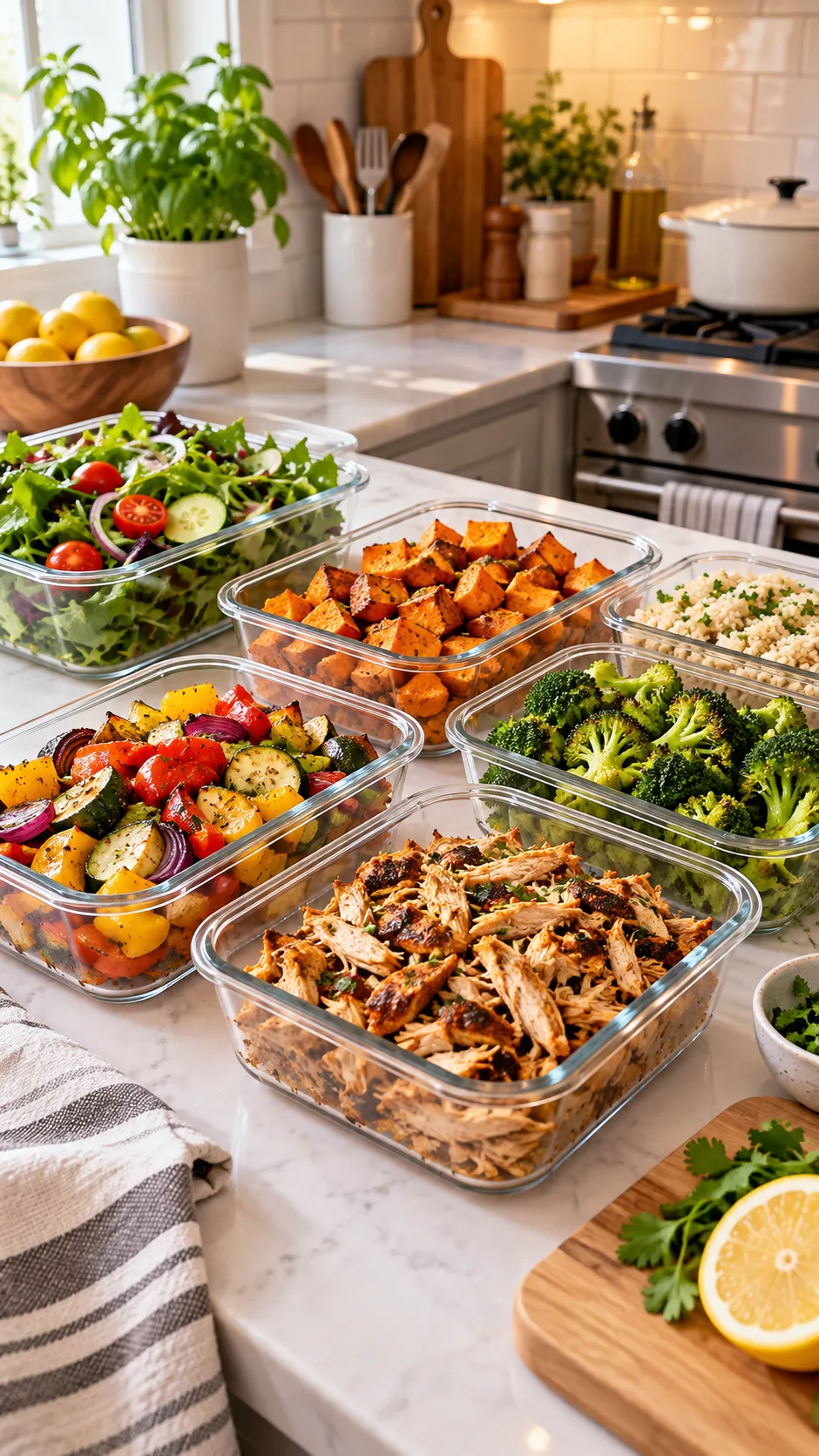
- Rule 4: Component Cook Instead of Recipe Cook. Prepare modular building blocks: grains, roasted vegetables, sauces, and proteins. Mix and match these components across multiple plates without forcing everyone to eat identical dishes.
- Rule 5: Stock Emergency Meals. Keep jarred marinara, dry pasta, canned black beans, and frozen dumplings in your kitchen at all times. When fatigue strikes, you can cook these pantry staples in under ten minutes.
The 7-Day Survival Framework
Here is our practical weekly roadmap. This schedule cuts down active cooking time on busy nights while serving wholesome food that satisfies adults and picky kids alike.
Monday: The Big Batch Anchor (Low Effort, High Return)
Mondays drain energy faster than any other workday. Skip complicated kitchen routines on Monday night. Let a slow cooker or Dutch oven handle dinner while you finish your afternoon tasks.
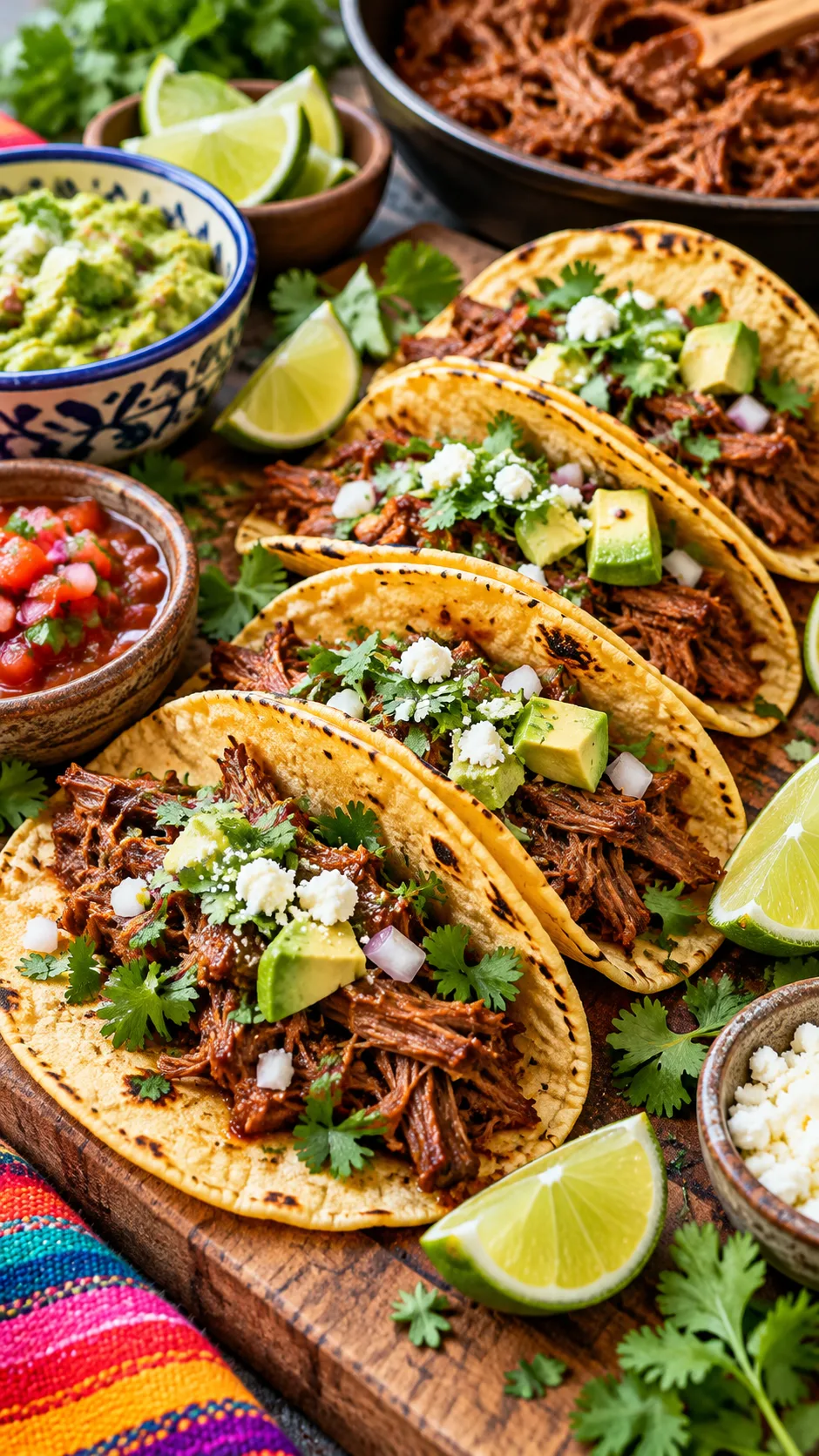
The Dinner: Slow-Cooker Mexican Carnitas or Salsa Verde Pulled Chicken.
Place four to five pounds of seasoned meat into the slow cooker in the morning with citrus juice, garlic, and cumin. By 6:00 PM, shred the tender meat and warm up corn tortillas. Serve dinner with canned black beans, sliced avocado, and salsa.
The Strategic Move: Pack half the shredded meat into an airtight glass container for Wednesday. You solve two weeknight dinners during one quick prep session.
Tuesday: The 15-Minute Upcycled Fiesta
Tuesdays often rush by with sports and errands. Because you cooked extra meat yesterday, dinner takes fifteen minutes tonight.
The Dinner: Loaded Burrito Bowls or Sheet-Pan Nachos.
Reheat the carnitas or chicken. Layer the meat over steamed brown rice, shredded cabbage, sweet corn, and cheddar cheese. Each person builds a bowl to suit personal tastes.
Children enjoy control over their plates. Letting them assemble their own food defuses dinner table arguments immediately.
Wednesday: The Midweek Sheet-Pan Miracle
Midweek fatigue peaks on Wednesday. You want simple cleanup and minimal prep. A balanced sheet-pan dinner meets guidelines from the USDA MyPlate nutritional framework without piling dishes in your sink.
The Dinner: Roasted Kielbasa, Bell Peppers, Onions, and Baby Potatoes.
Slice turkey kielbasa or pork sausage into bite-sized rounds. Toss the slices on a baking sheet with halved baby potatoes, bell peppers, olive oil, smoked paprika, and sea salt. Roast the tray at 400°F (200°C) for 30 minutes.
If heavy meals cause bloating during the work week, introduce lighter meals from our list of foods that easily digest to soothe digestion.
Thursday: The Clean Out the Crisper Stir-Fry or Fried Rice
Thursday brings the risk of takeout. Produce wilts in the crisper, and energy runs low. Toss your remaining vegetables into a hot skillet to rescue dinner quickly.
The Dinner: Ten-Minute Vegetable and Egg Fried Rice.
Chilled leftover rice fries crispier than freshly boiled rice. Sauté carrots, peas, broccoli, and scallions in toasted sesame oil. Push the vegetables to one side, scramble three eggs in the open space, and stir everything together with the rice, tamari, and garlic powder.
If you have leftover sausage or chicken from earlier in the week, dice the meat and toss it into the skillet. You clear out the fridge and serve dinner in fifteen minutes.
Friday: DIY Pizza & Movie Night
You made it through the workweek. Close the pantry door on complicated recipes and let the household unwind with casual comfort food.
The Dinner: Cast Iron Skillet Pizzas or Flatbread Melts.
Pick up sourdough pizza dough, flatbreads, or pita rounds from the market. Set out bowls of marinara, whole milk mozzarella, sliced mushrooms, and fresh herbs. Let family members assemble their own personal pizzas.
Bake the crusts at high heat until the cheese bubbles and browns. Serve cold water with lemon slices alongside the meal. Avoid sugary sodas and sweetened drinks. You can review our list of drinks never to drink if you want to lose weight to find simple, healthy beverage swaps.
Saturday: The Low-and-Slow Weekend Reset
Saturdays offer extra breathing room. Take advantage of open time to simmer a hearty meal on the stove while you run errands or read with the kids.
The Dinner: Hearty Beef Chili or Tuscan White Bean and Kale Soup.
Brown ground beef or turkey in a Dutch oven with diced onions, garlic, and chili powder. Stir in crushed tomatoes, kidney beans, and rich broth. Let the pot simmer gently for an hour to develop deep flavors.
Chili tastes even better the next day as the spices meld. Cook a double batch so Sunday lunch requires zero effort.
Sunday: The Forward-Prep Roast
Sundays establish your rhythm for the coming week. Do not spend half your weekend trapped in the kitchen. Make one smart roast that provides a warm Sunday dinner and fills your Monday lunchboxes at the same time.
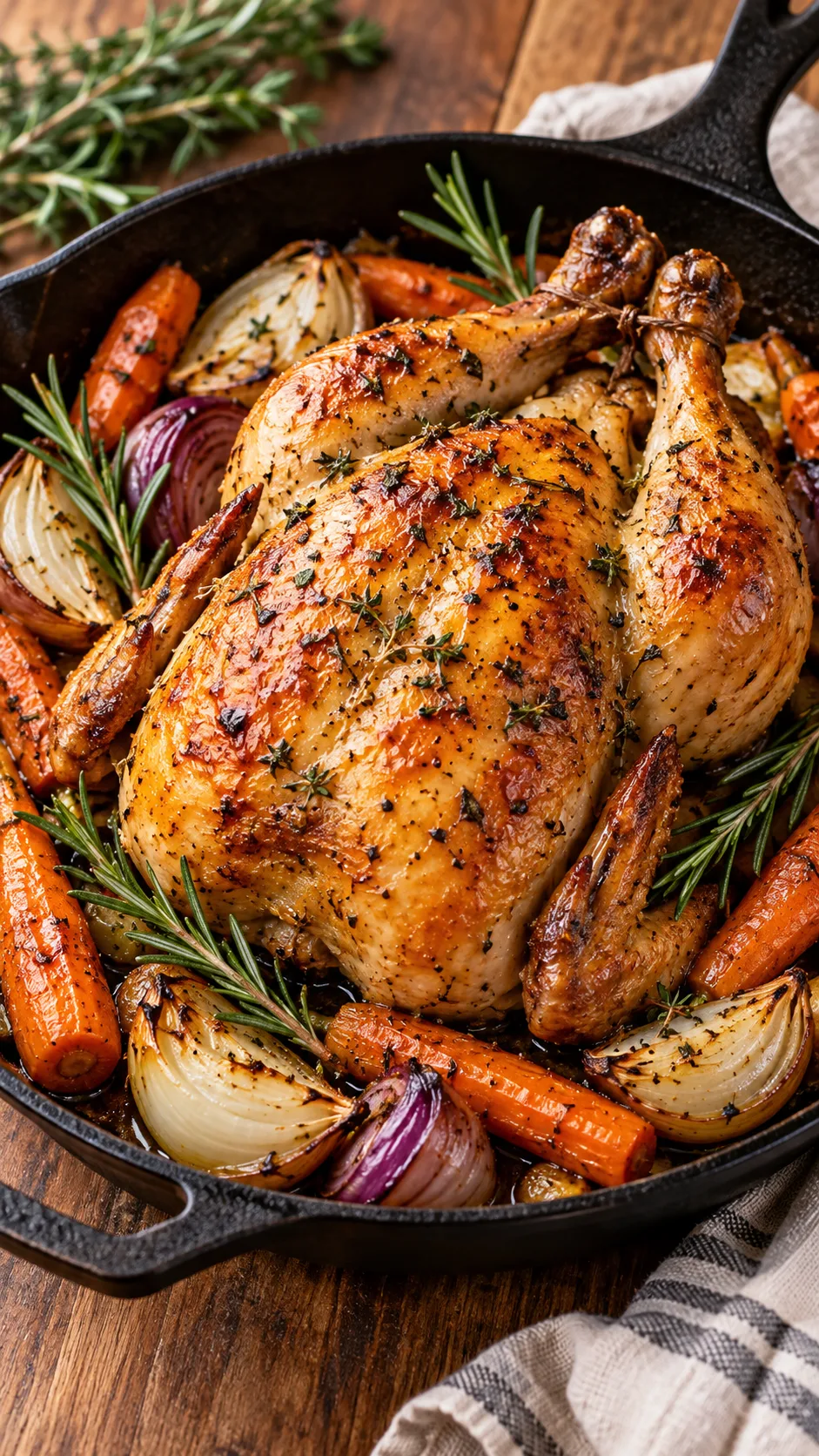
The Dinner: Whole Herb-Roasted Chicken with Carrots and Sourdough Stuffing.
Season a whole chicken with sea salt, thyme, cracked pepper, and garlic. Arrange thick carrot chunks and yellow onion wedges around the bird in a roasting pan. Roast at 425°F (220°C) until the skin crisps and a thermometer reads 165°F (74°C).
Pull the leftover meat off the carcass after dinner. Store the bones in a freezer bag for soup stock, and pack the leftover breast meat for weekday sandwiches.
The 60-Minute Sunday Prep Strategy
Nobody wants to spend Sunday afternoon chopping vegetables for four hours. You do not need to work as an unpaid prep cook on your days off. Keep your prep work to sixty focused minutes with this checklist.
- Minutes 0 to 15: Wash and Spin Produce. Rinse your leafy greens, run them through a salad spinner, and pack them into containers lined with dry towels. Excess moisture spoils greens quickly, while dry greens stay crisp for well over a week.
- Minutes 15 to 30: Chop Base Vegetables. Dice onions, celery, and carrots ahead of time. Seal them in glass storage jars. On busy evenings, you skip the slowest cutting board tasks entirely.
- Minutes 30 to 45: Cook a Batch of Grains. Simmer a pot of quinoa, brown rice, or farro. Spread the cooked grains across a baking sheet to cool quickly, then store them for weekday lunches and quick dinners.
- Minutes 45 to 60: Blend Two Versatile Dressings. Simple homemade sauces bring plain ingredients to life. Shake up a lemon garlic vinaigrette and a peanut lime sauce. These two dressings will flavor your bowls, roasted meats, and salads all week long.
How to Deal with Picky Eaters (Without Cooking Two Dinners)
Cooking separate dishes for children and adults exhausts parents faster than almost any other chore. When you make plain noodles for children while cooking adult entrees, you teach kids to avoid unfamiliar ingredients.
You can please selective eaters without staging table battles by serving deconstructed meals.
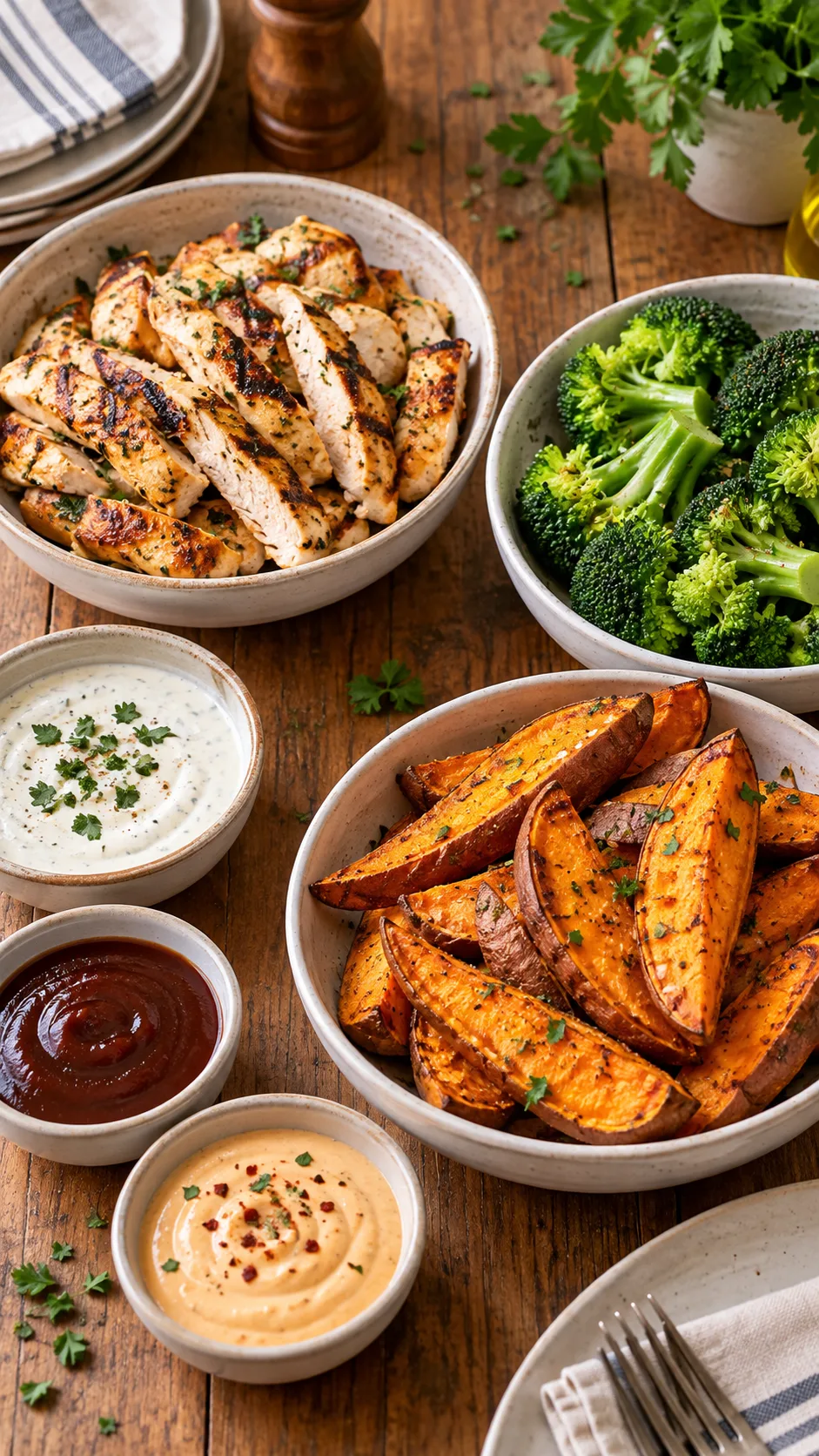
Instead of stirring every ingredient into a casserole, place each component in its own bowl. Set out roasted chicken, steamed broccoli, potatoes, and sauce side by side.
Let children load their plates with familiar items while you prompt them to try a small taste of unfamiliar foods. The Harvard School of Public Health notes that consistent, relaxed exposure helps children accept diverse foods over time.
The Shelf-Stable Emergency Meal Stash
Unforeseen events happen. A late call, highway traffic, or sheer exhaustion will disrupt your schedule at some point. Keep these three shelf-stable backups in your pantry so you never resort to expensive takeout apps.
1. The Ten-Minute Breakfast for Dinner
Whisk six eggs with a splash of milk, sea salt, and black pepper. Scramble them in melted butter alongside toasted whole-grain bread and sliced avocado. Eggs deliver clean protein and healthy fats in five minutes.
2. The Quick Pantry Quesadilla
Spread refried black beans, pickled jalapeños, and sharp cheddar cheese over flour tortillas. Crisp the tortillas in a dry skillet until the cheese melts. Cut them into wedges and serve with jarred salsa and Greek yogurt.
3. The 10-Minute Dumpling Soup
Keep a bag of frozen potstickers in your freezer. Bring four cups of chicken broth to a boil with minced ginger, soy sauce, and sesame oil. Drop the frozen dumplings and two handfuls of baby spinach into the pot, then simmer for six minutes.
Smart Grocery Shopping That Slashes Food Waste
Families throw hundreds of dollars away each year on spoiled greens and expired sauces. Adjusting your shopping habits saves far more money than clipping coupons.
Use these grocery store habits to protect your budget:
- Shop Your Pantry First: Inspect your freezer, refrigerator, and dry pantry before drafting a grocery list. Plan dinners around ingredients you already own.
- Rely on Frozen Produce: Packers flash-freeze vegetables right after harvest. Stock bags of frozen peas, corn, and green beans. They cost less than fresh produce, stay edible for months, and provide equal nutrition.
- Follow Basic Meat Storage Rules: Move raw meat directly to the freezer if your plans change. Guidelines from FoodSafety.gov confirm that frozen poultry and meats retain quality for months.
- Walk the Store Perimeter: Fill your cart with primary proteins, sturdy root vegetables, and dairy. Avoid prepackaged convenience foods that leave people hungry an hour later.
Weekly Meal Planning Checklist
Keep this reference guide handy whenever you sit down to plan your week:
| Day | Theme | Primary Focus | Time Required |
|---|---|---|---|
| Monday | Slow Cooker Anchor | Large batch protein base | 15 mins active |
| Tuesday | Mexican / Bowl Night | Repurpose Monday protein | 15 mins total |
| Wednesday | Sheet-Pan Bake | Single-pan roasted meal | 35 mins total |
| Thursday | Stir-Fry / Fried Rice | Crisper clean-out meal | 20 mins total |
| Friday | Pizza / Flatbreads | DIY family assembly | 20 mins total |
| Saturday | Comfort Simmer | Slow chili, stew, or soup | 60+ mins passive |
| Sunday | Whole Roast + Prep | Family roast + 1-hour prep | 60 mins prep |
Reclaim Your Evenings for Good
Planning meals should lower your daily stress rather than add to it. Drop the rigid schedules that demand perfection and work around your household’s true routine. Simple consistency always beats elaborate recipes.
Pick two core proteins this week, assign recurring themes to your busiest nights, and keep backup ingredients in the cupboard. When 6:00 PM arrives tomorrow, you will open your refrigerator with a clear plan, prepare dinner in twenty minutes, and share a peaceful meal with your family.