You did not choose bariatric surgery because you wanted another food rulebook. You chose it because you wanted a serious tool for better health, more energy, and a life that feels bigger than your dinner plate.
Your bariatric diet plan protects your new stomach while it heals and helps you fuel your body for the long haul. If you move ahead too quickly, eat too fast, or treat protein as optional, your body will let you know.
This guide covers every bariatric surgery diet stage, explains what to eat, and offers habits that can help you maintain weight loss after the scale slows down. Your surgeon and bariatric dietitian set the final rules because your procedure, health history, medications, and recovery needs all affect the plan.

Why the bariatric diet plan matters
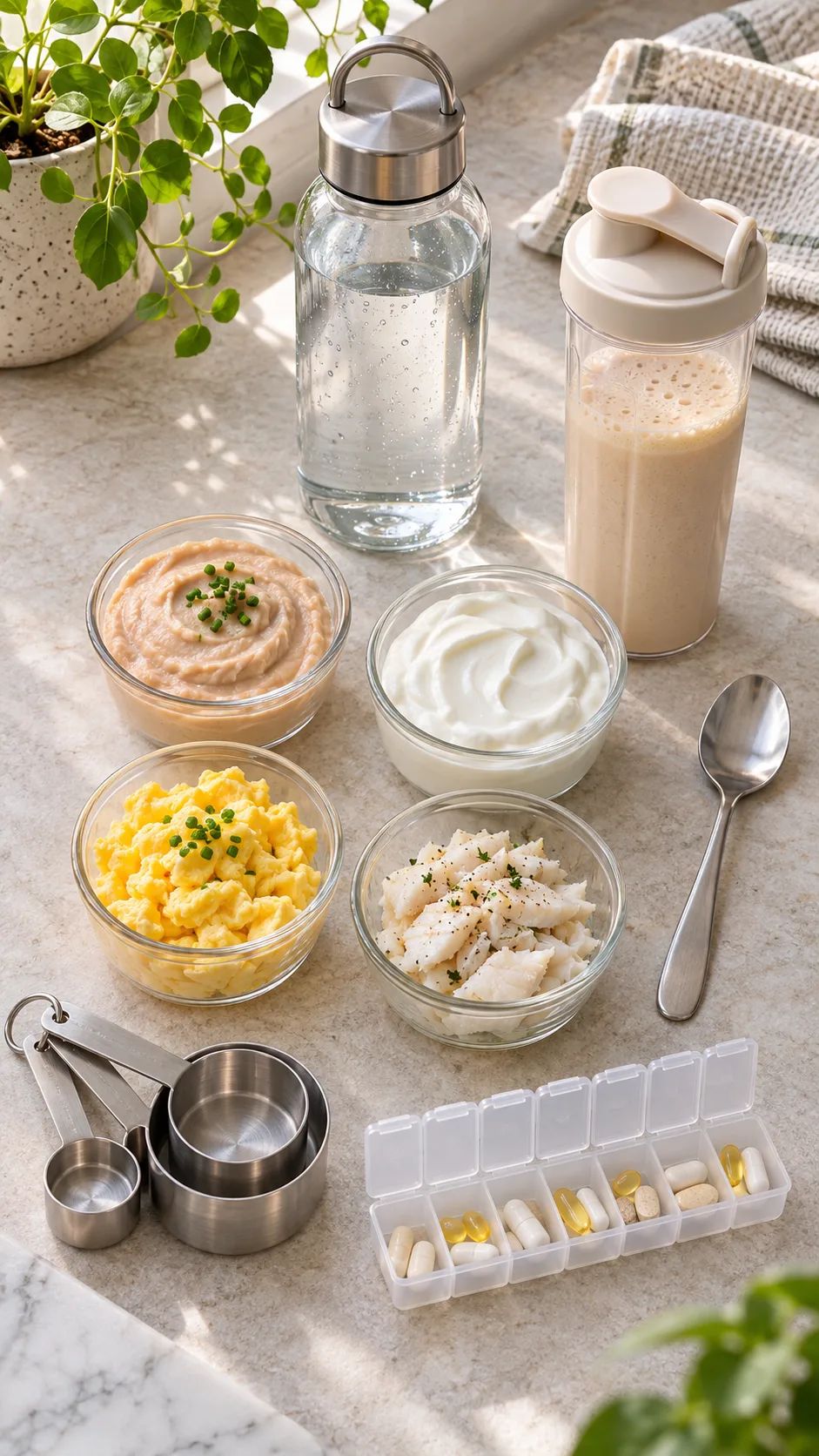
Bariatric surgery changes your stomach, digestion, and often your hunger signals. Gastric sleeve, gastric bypass, and duodenal switch surgery can also change how your body absorbs nutrients, so your food choices matter more than they did before surgery.
Your post-op diet moves through stages because your digestive system needs time to heal. Treat recovery like rehab after a major physical event, not like a “new me” smoothie cleanse that disappears by Tuesday.
Each stage has a clear purpose: protect healing tissue, prevent dehydration, increase protein intake, and slowly bring back normal food textures. Move to the next stage only after your care team says your body can tolerate it.
Your procedure changes the details
Gastric sleeve surgery makes your stomach smaller and limits how much food you can comfortably eat. Gastric bypass creates a smaller stomach pouch and reroutes part of your small intestine. That change can affect nutrient absorption and trigger dumping syndrome after sugary foods.
Duodenal switch and related procedures reduce nutrient absorption more dramatically, so you need especially careful protein, vitamin, and mineral planning. Ask your bariatric team for exact targets instead of copying a meal plan from social media. A “what I eat in a day” video cannot review your lab results.
The American Society for Metabolic and Bariatric Surgery provides patient information on long-term follow-up, nutrition, and lifestyle changes. Use trustworthy sources for support, but let your own clinical team guide your plan.
The rules for every bariatric diet stage
Before you move through liquids, purées, soft foods, and regular meals, get comfortable with the habits that hold the whole plan together. They may look simple on paper, but they turn surgery into a routine you can sustain.
- Put protein first. Protein supports healing, protects lean muscle, and helps you feel full on very small portions.
- Sip fluids throughout the day. Dehydration sends many bariatric patients back to the clinic, and it can sneak up quickly.
- Eat slowly. Take small bites, chew thoroughly, and pause between bites so your brain can register fullness.
- Separate food and drinks. Most programs ask you to stop drinking about 30 minutes before and after meals. This habit can reduce discomfort and leaves room for nutritious food.
- Take prescribed supplements daily. Small meals may not provide every nutrient you need, even when you eat grilled chicken every day.
- Keep follow-up appointments. Your team monitors weight trends, symptoms, lab work, medications, and nutrition gaps before they grow into larger problems.
Many bariatric programs aim for 60 to 80 grams of protein a day. People with higher body weights or procedures that limit absorption may need more. Your dietitian will set your target based on your surgery, kidney health, activity level, and recovery.
Most programs also suggest about 48 to 64 ounces of calorie-free, non-carbonated fluid each day unless your clinician gives you a different goal. Water works well, and you can also use decaf tea, sugar-free electrolyte drinks, or clear fluids your team allows during early recovery.
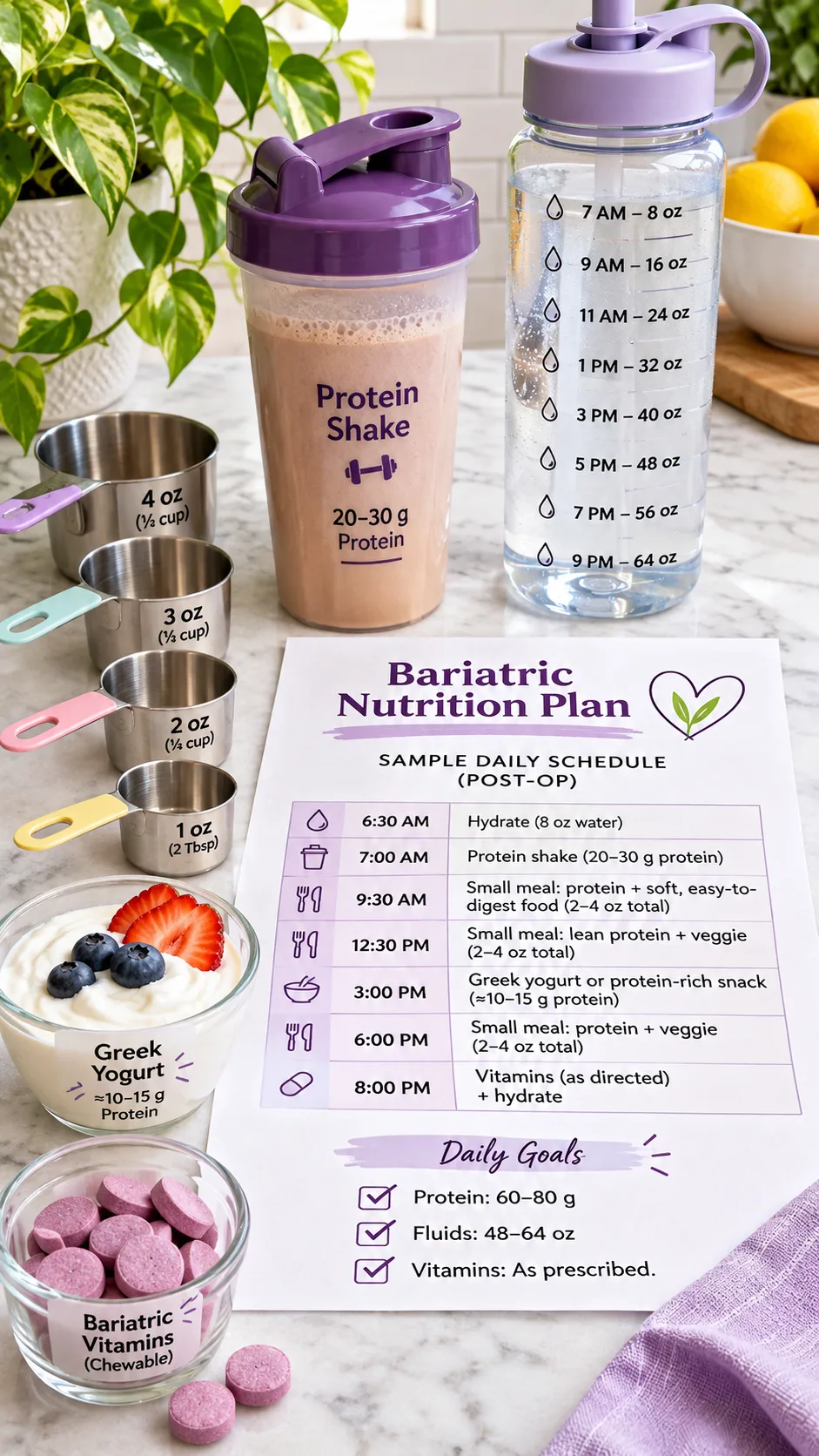
Stage 1: Clear liquids after bariatric surgery
Your hospital team usually starts this stage immediately after surgery or within the first day, depending on your procedure and recovery. Focus on hydration, tiny sips, and comfort. Do not worry about fullness, calories, or exciting food at this point.
Most people stay on clear liquids for several days, but your surgeon sets the schedule. Your new stomach needs gentle treatment, so take one tiny sip at a time instead of gulping like you crossed a desert.
What you can usually have
- Water and ice chips
- Clear broth or strained soup broth
- Sugar-free electrolyte drinks
- Decaffeinated tea or coffee without sugar or cream, if your team allows it
- Sugar-free gelatin
- Clear protein water or a clear protein drink your team recommends
Choose drinks with little or no sugar. Sugar can cause nausea, cramping, diarrhea, or dumping syndrome after gastric bypass. Your healing stomach will not welcome the argument.
Take frequent sips all day. If plain water feels difficult, try chilled water, warm broth, different allowed flavors, or a timer that reminds you to drink every few minutes.
Call your bariatric team if you cannot keep fluids down, develop severe pain, run a fever, feel faint, or urinate very little. Your body gives you useful feedback, so listen before dehydration becomes urgent.
Stage 2: Full liquids build your protein base
After you tolerate clear liquids, your care team may move you to full liquids. This stage often lasts one to two weeks, though every program follows its own timeline. Your main goal now involves meeting fluid goals and steadily increasing protein intake.
Protein shakes often do much of the work during this stage. Choose shakes with little sugar and enough protein per serving, then sip them slowly instead of treating them like a milkshake reward.
Common full-liquid bariatric diet foods
- High-protein shakes your dietitian recommends
- Skim or lactose-free milk, if you tolerate it
- Unsweetened soy milk or another milk alternative with more protein
- Plain Greek yogurt thinned with milk or water
- Sugar-free pudding made with protein-rich milk
- Strained creamy soups without chunks
- Protein powder mixed into liquids your team allows
Read labels closely. A drink can carry a “protein” label and still contain more sugar than a birthday cake with a marketing department.
Choose products with plenty of protein, little added sugar, and a texture you can tolerate. If whey protein bothers your stomach, ask your dietitian about lactose-free, plant-based, or clear protein choices.
Many people notice taste changes after surgery. Test several flavors, change the temperature, blend allowed shakes with ice, or stir unflavored powder into broth or yogurt. You do not need to enjoy every sip. You need a plan you can repeat.
Stage 3: Puréed foods teach portion control
The puréed stage brings actual food back into your day, but texture matters more than cravings. Your dietitian may call this the blended or smooth-food stage. You will usually stay here for one to two weeks, though your care team decides when you can move on.
Blend every food until it reaches a smooth, lump-free consistency. Aim for baby-food texture, not “I chewed it a lot, so it probably counts.” Your stomach cannot manage chunks yet.
Best puréed foods after bariatric surgery
- Blended lean chicken, turkey, fish, or extra-lean ground meat with broth
- Scrambled eggs blended until smooth
- Plain Greek yogurt or cottage cheese blended smooth
- Silken tofu
- Mashed beans or lentils with added broth
- Purée made from soft cooked vegetables, usually after protein
- Unsweetened applesauce or puréed fruit, if your plan allows it
Start each meal with protein, then add a small amount of allowed produce if you still have room. Most people manage only a few tablespoons at first. That small serving counts as progress, not failure.
Use a blender, food processor, or immersion blender to remove every lump. Add broth, water, unsweetened milk, or a low-sugar sauce until the food reaches the right consistency.
Stop at the first sign of pressure, discomfort, hiccups, nausea, or a runny nose. Those signals often tell you that your pouch or sleeve has had enough. Your body gave you a dashboard, so pay attention to the warning lights.
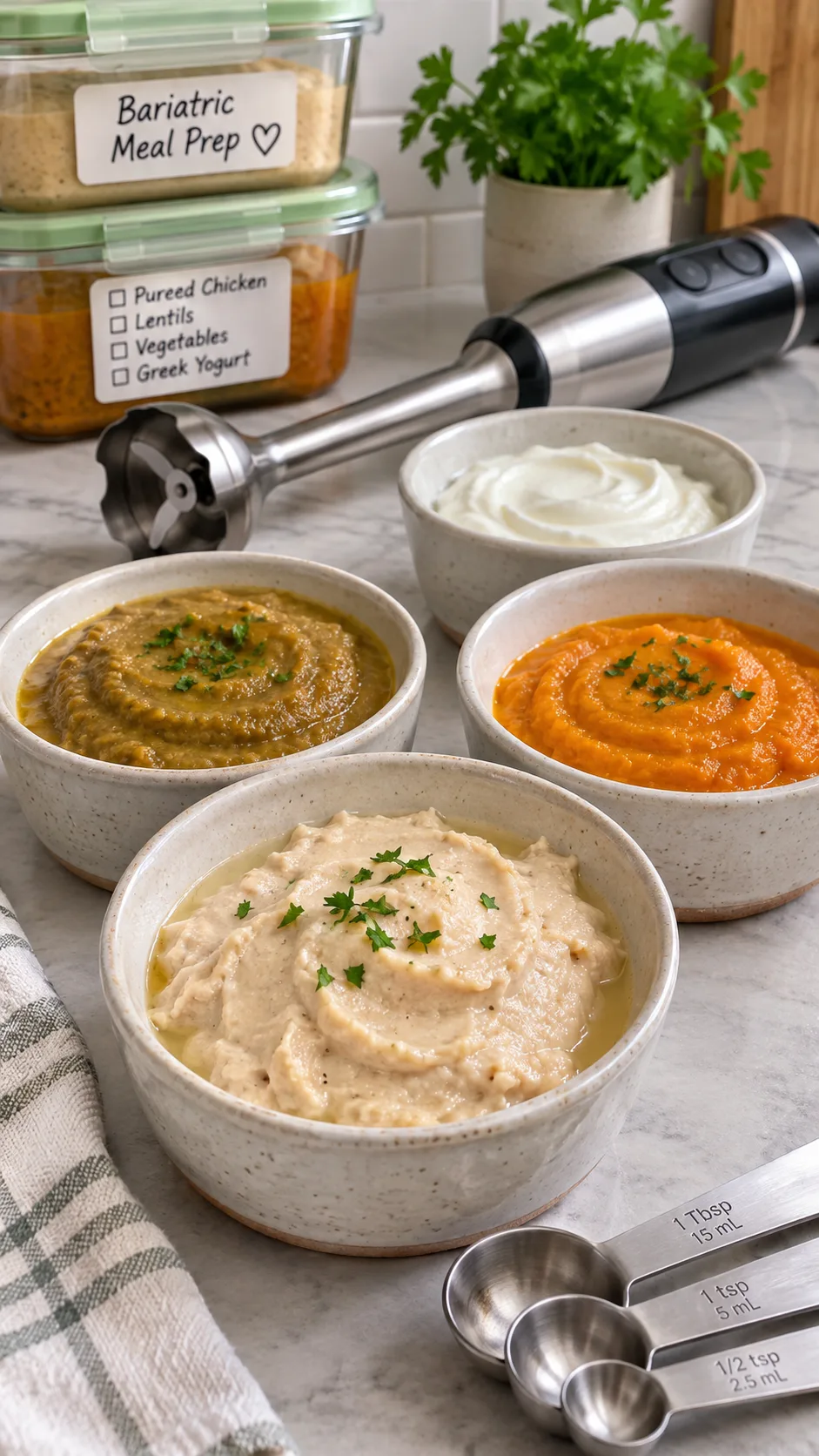
Stage 4: Soft foods bring back chewing
The soft-food stage can feel closer to normal eating, which makes it exciting and a little deceptive. Your portions still need to stay small, and thorough chewing still matters. Most programs introduce soft foods around weeks four to six, but your surgical team gives you the go-ahead.
Choose moist, tender foods that fall apart easily with a fork. Dry meat, raw vegetables, bread, rice, pasta, nuts, and tough fibrous foods often cause trouble during this stage.
Smart soft-food choices
- Flaky fish, such as salmon, cod, or tuna mixed with plain Greek yogurt
- Moist ground turkey, chicken, or lean beef with low-sugar sauce
- Eggs, egg salad, or soft omelets
- Low-fat cottage cheese and Greek yogurt
- Soft cooked beans and lentils
- Well-cooked vegetables without tough skins
- Soft fruit without peels, seeds, or added sugar
Take pea-sized bites and chew until each bite turns into a soft paste before you swallow. That may sound dramatic, but a bite of dry chicken can bring on pain or vomiting quickly.
Keep meals focused and free from distractions when you can. Put down your fork between bites, eat at a table, and give yourself 20 to 30 minutes. Screens can encourage fast eating, and fast eating can lead to pain, nausea, and overeating.
If reflux troubles you after surgery, ask your team about meal timing and trigger foods. You may find useful ideas in this GERD diet plan, but follow your bariatric clinician’s instructions first.
Stage 5: Bariatric meals for long-term weight loss
Your regular diet stage does not mean a return to old habits. It means you can build a balanced, high-protein way of eating with normal textures, sensible portions, and room for real life.
Most people reach this stage around two months after surgery, though recovery varies. Your dietitian may ask you to add foods one at a time so you can spot tolerance problems before lunch turns into a mystery novel.
The bariatric plate formula
Start with a small plate or bowl and build your meal in order. Eat protein first, vegetables second, and starches last if you still have room. This order helps you meet protein goals before your small stomach reaches capacity.
- Protein: eggs, fish, poultry, lean meat, tofu, tempeh, beans, Greek yogurt, cottage cheese
- Non-starchy vegetables: broccoli, zucchini, spinach, peppers, green beans, cauliflower, salad greens
- High-fiber carbs: small portions of beans, fruit, oats, sweet potato, quinoa, or whole grains if you tolerate them
- Healthy fats: avocado, olive oil, nuts, seeds, or nut butter in measured portions
Portions will stay much smaller than they were before surgery. Many people eventually tolerate about one-half to one cup of food at a meal, but your comfort level and clinical guidance should determine the limit.
Choose nutrient-dense foods instead of chasing the lowest possible calorie count forever. Your body needs protein, iron, calcium, vitamin D, vitamin B12, folate, and other nutrients to function well. Every tiny meal needs to do some work.
The National Institute of Diabetes and Digestive and Kidney Diseases explains how bariatric surgery supports weight loss and why lifelong follow-up matters. Surgery gives you a powerful tool, but daily choices keep it useful.
A sample day on a long-term bariatric diet plan
Your portions and protein targets will differ, but this sample shows a general rhythm. It keeps protein and hydration at the center without turning meals into a math exam.
- Breakfast: One egg with a few tablespoons of cottage cheese and soft sautéed spinach.
- Mid-morning: A low-sugar protein shake or plain Greek yogurt.
- Lunch: Two to three ounces of moist grilled chicken, cooked zucchini, and a small spoonful of beans if you have room.
- Afternoon: Water, decaf tea, or a protein snack your dietitian recommends.
- Dinner: Baked salmon, green beans, and a few bites of roasted sweet potato.
- Evening: Finish your fluid goal, take your prescribed supplements, and avoid grazing in front of the television.
Some people prefer three small meals, while others do better with planned protein snacks between meals. Your dietitian can help you find a pattern that prevents hunger without turning into all-day nibbling.
If you also take a GLP-1 medication, your appetite may feel even quieter. Read our Wegovy diet plan for practical food ideas, then coordinate your medication and protein goals with your prescriber.
Vitamins, minerals, and lab work
Food alone may not meet all your needs after bariatric surgery. Your care team will usually prescribe a bariatric multivitamin and may add other supplements based on your procedure and bloodwork.
Common recommendations include a complete multivitamin, calcium citrate, vitamin D, iron, and vitamin B12. Your clinician may also recommend folate, thiamine, vitamin A, vitamin K, zinc, copper, or other nutrients after certain procedures.
Take calcium and iron at separate times when your team tells you to do so because they can compete for absorption. Follow your clinic’s schedule closely, especially after gastric bypass or duodenal switch surgery.
Regular blood tests can catch nutrient deficiencies before they cause serious symptoms. The National Institutes of Health Office of Dietary Supplements explains how vitamin B12 supports healthy nerves and blood cells. Most people would like to keep both working well.
Foods and habits that can derail bariatric results
No food needs a permanent “bad” label, but some choices can cause discomfort, slow weight loss, or create nutrition problems after surgery. Awareness works better than shame.
- Sugary drinks: Soda, sweet tea, juice, fancy coffee drinks, and alcohol add calories quickly without making you feel full.
- Carbonated drinks: Bubbles can create painful pressure and bloating in your smaller stomach.
- Alcohol: Your body may absorb alcohol faster after surgery, and alcohol can raise health risks and lead to poorer food choices.
- Dry or tough foods: Dry chicken breast, dense bread, steak, and raw crunchy vegetables may feel stuck or cause vomiting early in recovery.
- Grazing: Small bites throughout the day can quietly erase the calorie gap that surgery created.
- Drinking with meals: Fluids can move food through too quickly and leave less room for protein.
Watch for slider foods too. Chips, crackers, cookies, ice cream, and other heavily processed snacks go down easily, provide little protein, and can make it easy to eat more than your body needs.
You do not need perfection to do well. You need honest tracking, quick course correction, and support when old habits return. Everyone has a rough week. Your next meal gives you another chance to make a helpful choice.
How to make the bariatric diet work in real life
Meal prep saves a lot of mental energy. Keep cooked protein, soft vegetables, Greek yogurt, eggs, and protein shakes your team allows ready to grab. Hunger plus no options can lead to bad decisions at Olympic speed.
Use a water bottle with time marks, set phone reminders, or connect sipping with routines such as school drop-off or work breaks. Hydration may feel boring, but steady habits tend to work.
Track your protein and fluids during the early months. Use a notebook, an app, or a simple checklist on the fridge. Tracking does not mean obsessing. It helps you notice patterns before they become problems.
Build a support system that respects your goals. A bariatric support group, therapist, dietitian, friend, or family member can help you manage emotional eating, restaurant pressure, body changes, and the occasional “just one bite” speech from Aunt Linda.
When to call your bariatric team
Contact your surgeon or bariatric clinic promptly if you cannot drink enough fluids, cannot keep liquids down, vomit repeatedly, develop severe abdominal pain, or notice signs of dehydration. Dark urine, dizziness, a racing heartbeat, and extreme weakness also need attention.
Call your team if you have persistent reflux, diarrhea, constipation that does not improve, food that feels stuck, or symptoms of a nutrient deficiency. Your team can adjust medications, meal textures, supplements, and hydration strategies before symptoms worsen.
Do not push through severe symptoms because you think recovery should feel miserable. Bariatric surgery requires commitment, but it should not require guesswork or unnecessary suffering.
The bottom line on a bariatric surgery diet
A bariatric diet plan that works follows the stages, puts protein first, treats hydration as a daily responsibility, and keeps supplements and follow-up appointments on the calendar. You begin with clear liquids, move to full liquids, then purées and soft foods, and eventually eat balanced meals with regular textures.
Progress rarely follows a perfect straight line. Some foods will feel great, others will feel terrible, and some may make you wonder why you trusted a tortilla. Learn from each response, stay in touch with your care team, and choose the next helpful step.
Your surgery changed the size of your stomach. Your daily habits shape the life you build with it.