

You got told to cut gluten, and now every grocery aisle feels like a minefield. Bread crumbs turn up everywhere, sauces need a second look, and your usual snacks suddenly demand detective work. A celiac diet plan can feel normal, satisfying, and manageable.
Your job stays straightforward: avoid gluten completely, keep gluten away from your food, and make meals you want to eat. Tacos, pasta, pizza, desserts, and boldly flavored food can all stay on the menu. Plain chicken and misery will not keep anyone going for long.
This beginner’s guide walks through the day-to-day rules, grocery choices, meal ideas, and kitchen habits that help you settle into gluten-free living from the start.
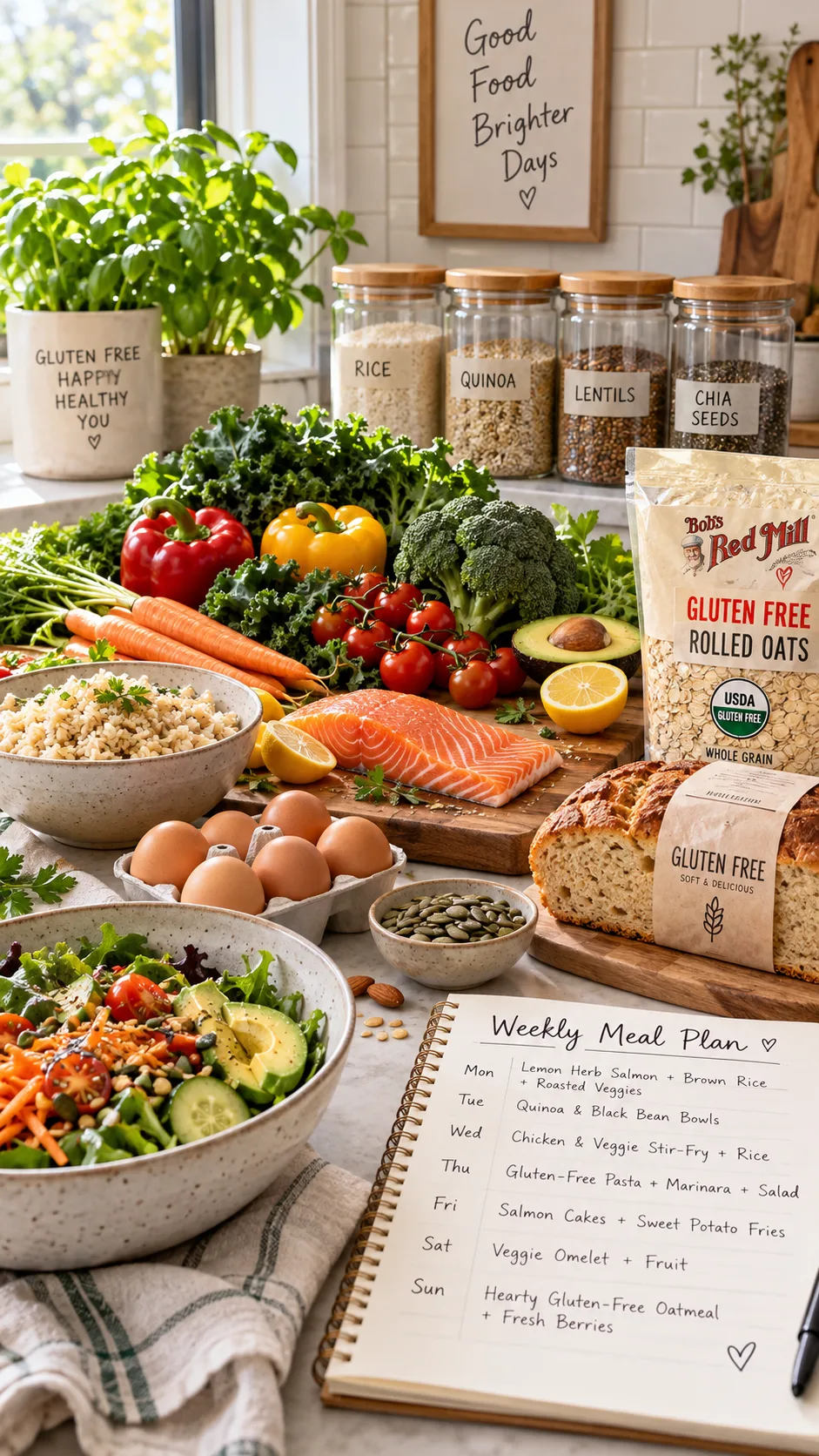
First: What a celiac diet means
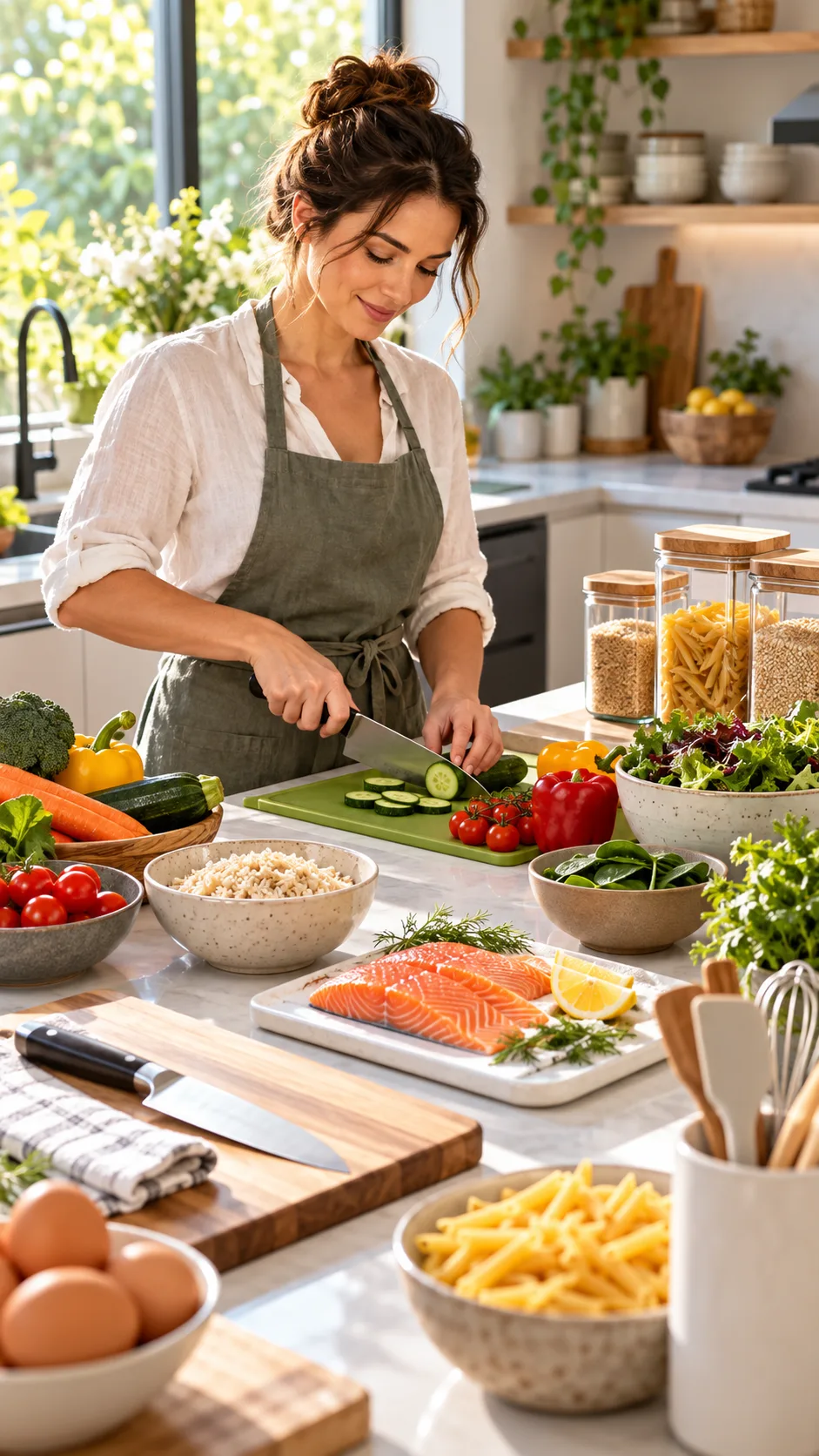
Celiac disease causes an autoimmune reaction after you eat gluten. Wheat, barley, and rye contain gluten. Even if you do not feel sick right away, gluten can damage your small intestine.
The only treatment for celiac disease requires a strict gluten-free diet for life. “Mostly gluten-free” will not protect your intestine. Even a small amount of gluten can cause damage, so you need steady habits rather than a performance of perfection.
The National Institute of Diabetes and Digestive and Kidney Diseases lists digestive symptoms, fatigue, anemia, bone problems, skin rashes, and other health concerns among the possible effects of celiac disease. Some people feel no obvious symptoms after they eat gluten, which can make it hard to spot a problem.
Do not start before testing if you suspect celiac disease
If you do not have a diagnosis, talk with a clinician before you cut out gluten. Celiac blood tests and follow-up tests often need you to keep gluten in your diet so they can give accurate results.
A gluten-free diet can complicate the testing process if you start too soon. Ask your doctor or gastroenterologist what to eat before testing, then follow that advice. It can feel inconvenient, but getting a clear answer matters.
The gluten-free rules you need to know
A workable celiac diet plan starts with firm boundaries. Gluten-free food does not always offer the most nutritious choice, but every food you eat needs to avoid wheat, barley, rye, and cross-contact.
Foods you must avoid
- Wheat: including durum, semolina, spelt, farro, couscous, bulgur, kamut, wheat berries, and most regular flour.
- Barley: including malt, malt extract, malt flavoring, malt vinegar, and many malted cereals.
- Rye: including rye bread, rye flour, and many deli-style breads.
- Regular beer: most beer contains barley, so choose products that carry a gluten-free label.
- Standard pasta, bread, pastries, crackers, and cereals: unless the package clearly says gluten-free.
- Foods with unclear labels: if you cannot confirm safety, choose something else.
Watch oat products closely too. Oats contain no gluten on their own, but growers and processors often expose them to wheat, barley, or rye. Buy only certified gluten-free oats.
Foods you can eat freely
Whole foods take much of the stress out of gluten-free eating. Base your meals on foods that never needed special packaging or a “free-from” label.
- Fresh fruit and vegetables
- Meat, poultry, fish, and eggs without breading or questionable marinades
- Beans, lentils, chickpeas, and peas
- Milk, yogurt, cheese, and plain dairy products
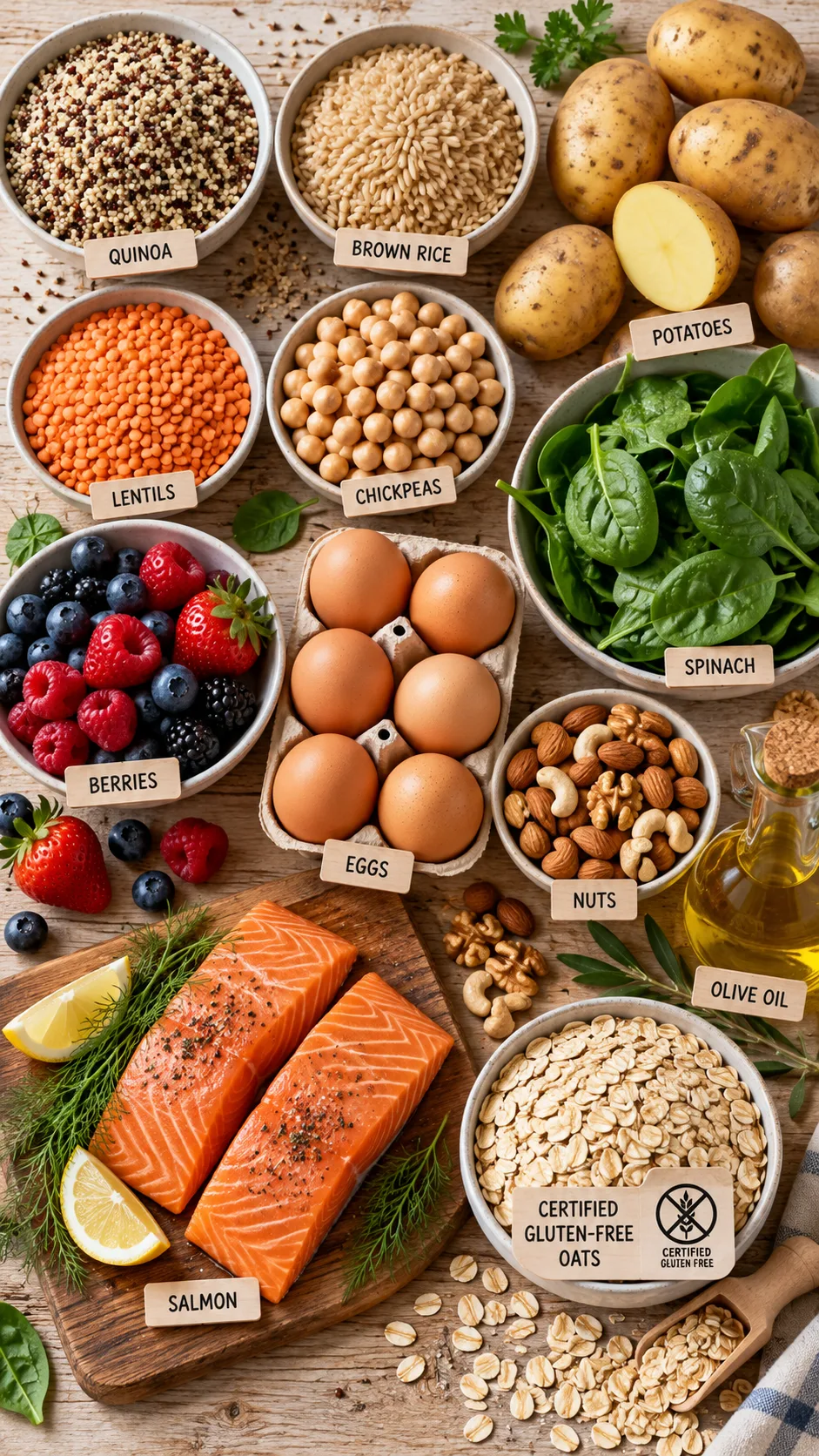
- Rice, quinoa, buckwheat, millet, corn, potatoes, and certified gluten-free oats
- Nuts, seeds, nut butters, and plain popcorn
- Olive oil, avocado oil, herbs, spices, garlic, lemon, and vinegar that contains no malt
If you want an easy meal pattern, the Mediterranean diet for beginners fits well with gluten-free eating. It puts fish, produce, beans, olive oil, and naturally gluten-free grains at the center of meals. Check sauces, seasonings, and packaged grains carefully.
How to read gluten-free labels without losing your mind
Labels can save you money, discomfort, and a lot of second-guessing. You do not need a chemistry degree. You need a repeatable routine.
In the United States, the FDA requires foods with a “gluten-free” label to contain fewer than 20 parts per million of gluten. Read the FDA’s gluten-free labeling guidance for the full rules.
Your fast label-checking routine
- Look for a clear gluten-free statement or a certification you trust.
- Read the ingredient list every time, even on foods you bought before.
- Check the allergen statement for wheat, but remember that it may not list barley or rye.
- Put anything with malt, barley, rye, or unclear grain ingredients back on the shelf.
- Call or message the manufacturer if the label leaves you uncertain.
Companies change recipes. A soup you bought safely last year might contain barley extract now, because grocery shopping apparently needed more plot twists.
Check soy sauce, gravy, salad dressing, bouillon, seasoning blends, candy, flavored chips, processed meats, and frozen meals with care. Manufacturers may add gluten to these foods, or gluten may touch them during production.
Cross-contact: The part beginners often miss
Even gluten-free ingredients become unsafe after they touch gluten. A knife that goes from regular bread to the peanut butter jar, toaster crumbs, or flour dust on a counter can cause trouble for someone with celiac disease.
Cross-contact matters because you cannot make food safe by picking off the croutons. Use separate tools when you can, or clean shared equipment thoroughly enough to remove crumbs and residue.
Make your kitchen safer
- Buy a separate toaster for gluten-free bread, or use toaster bags made for gluten-free food.
- Use separate butter, jam, mayonnaise, and peanut butter jars.
- Label shared condiments clearly and use squeeze bottles when possible.
- Wash pans, cutting boards, knives, and counters before gluten-free cooking.
- Keep gluten-free flour away from regular flour, which can float through the air and settle on surfaces.
- Use separate colanders, wooden utensils, and scratched nonstick pans if crumbs hide in them.
- Store gluten-free foods on upper shelves to prevent falling crumbs.
The Celiac Disease Foundation shares practical food-safety information and product resources. Save the page now. You may want it during a future grocery run.
Your simple celiac diet plate formula
You do not need pricey gluten-free substitutes at every meal. Start with a plate that gives you protein, fiber, produce, and enough carbohydrates to keep your energy steady.
At most meals, fill half your plate with vegetables or fruit. Add a palm-sized portion of protein, a filling gluten-free carbohydrate, and a source of fat. This approach keeps meals satisfying without making dinner feel like a math problem.
Easy gluten-free meal building blocks
- Protein: eggs, chicken, turkey, tuna, salmon, tofu, lentils, Greek yogurt, lean beef, or beans.
- Gluten-free carbs: rice, potatoes, sweet potatoes, quinoa, corn tortillas, certified gluten-free oats, or gluten-free pasta.
- Vegetables: spinach, broccoli, peppers, carrots, zucchini, tomatoes, green beans, salad greens, or frozen vegetables.
- Healthy fats: olive oil, avocado, olives, nuts, seeds, cheese, or tahini.
- Flavor boosters: lemon, garlic, ginger, fresh herbs, salsa, tamari marked gluten-free, and spices with clear labels.
If bloating continues after you remove gluten, do not assume you did something wrong. Lactose intolerance, irritable bowel syndrome, changes in fiber intake, and other digestive issues can cause symptoms too. Our IBS diet plan can help you identify common gut triggers, while a dietitian can help you sort out your own next steps.
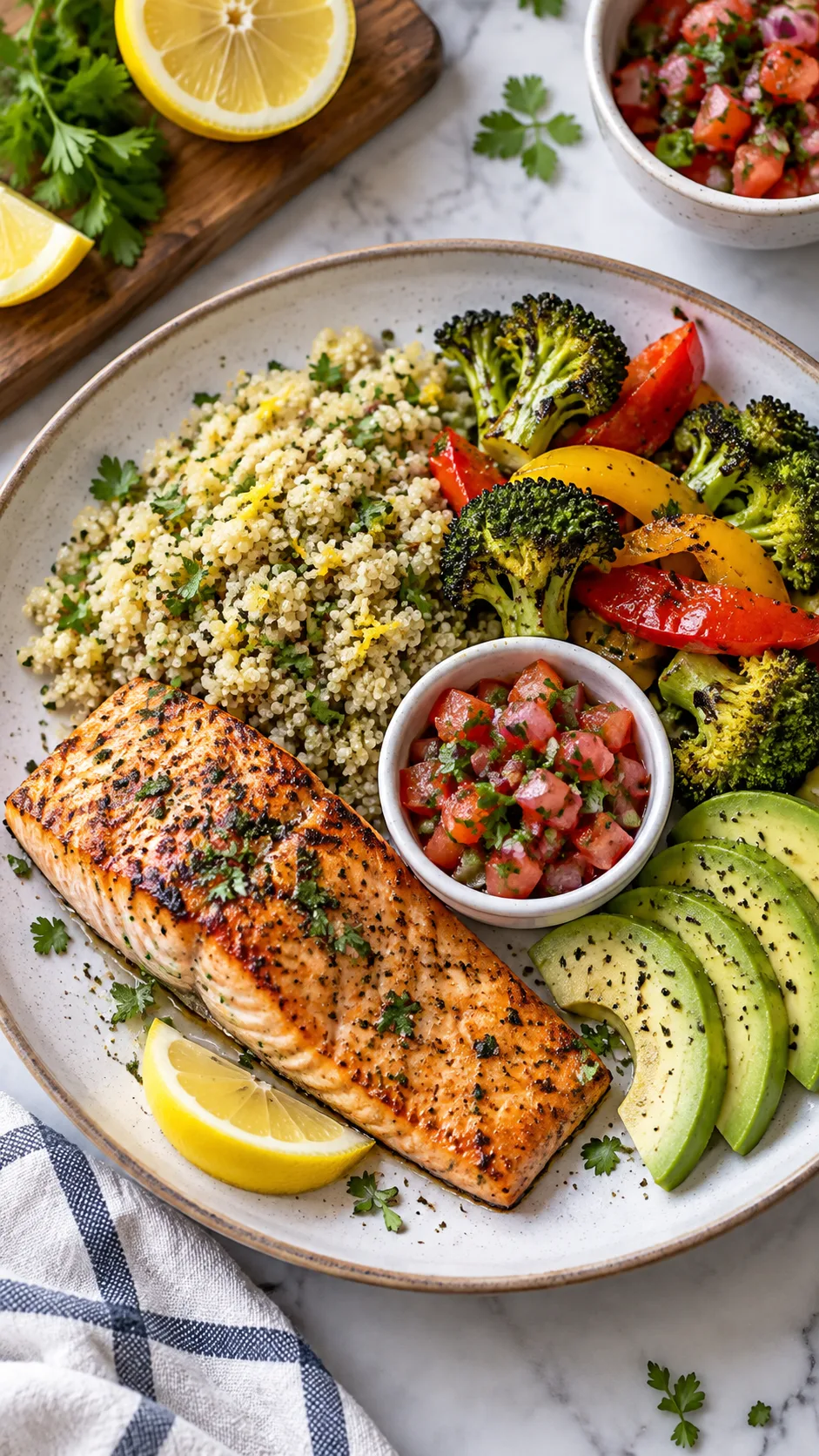
A 7-day celiac diet plan for beginners
This gluten-free meal plan keeps meals simple, flexible, and workable for families. Adjust portions for your appetite, activity, medical needs, and budget. Check every packaged ingredient before you use it.
Day 1
Breakfast: Certified gluten-free oats with berries, chia seeds, and Greek yogurt. Lunch: Chicken and avocado rice bowl with lettuce, tomatoes, and salsa. Dinner: Baked salmon, roasted potatoes, and green beans.
Day 2
Breakfast: Scrambled eggs with spinach, cheese, and fruit. Lunch: Lentil soup with a gluten-free roll. Dinner: Turkey taco bowls with rice, black beans, corn, lettuce, and gluten-free salsa.
Day 3
Breakfast: Smoothie with milk or yogurt, banana, berries, peanut butter, and certified gluten-free oats. Lunch: Tuna salad stuffed into a baked potato. Dinner: Stir-fried chicken, vegetables, and rice with certified gluten-free tamari.
Day 4
Breakfast: Greek yogurt with fruit, walnuts, and gluten-free granola. Lunch: Quinoa salad with chickpeas, cucumber, feta, tomatoes, and olive oil. Dinner: Gluten-free pasta with turkey meat sauce and a side salad.
Day 5
Breakfast: Eggs, corn tortillas, avocado, and salsa. Lunch: Leftover pasta or quinoa salad. Dinner: Sheet-pan chicken thighs, sweet potatoes, carrots, and broccoli.
Day 6
Breakfast: Gluten-free toast with peanut butter and banana. Lunch: Bean and cheese quesadillas on certified gluten-free corn tortillas. Dinner: Burger bowl with a beef patty, roasted fries, pickles, lettuce, tomato, and gluten-free sauce.
Day 7
Breakfast: Vegetable omelet with potatoes. Lunch: Chicken Caesar-style salad with gluten-free dressing and no croutons. Dinner: Homemade chili with beans, ground turkey or beef, tomatoes, peppers, and rice.
Keep apples, bananas, cheese sticks, hard-boiled eggs, hummus with vegetables, popcorn, nuts, yogurt, and gluten-free crackers around for snacks. Hunger makes label reading tougher, and nobody makes great decisions when they feel hangry.
How to eat out with celiac disease
Restaurants can work, but you need direct questions. “Do you have gluten-free options?” opens the conversation. “How do you prevent cross-contact?” gets to the part that affects your meal.
Questions worth asking your server
- Do you prepare gluten-free food on a separate surface?
- Do you use a separate fryer for gluten-free food?
- Can the kitchen use clean gloves and clean utensils?
- Does the sauce, marinade, seasoning, or dressing contain gluten?
- Can you swap the bread, croutons, or regular soy sauce for a safe alternative?
Avoid shared fryers unless the restaurant confirms that staff use them only for gluten-free food. French fries may seem harmless, but breaded chicken in the same fryer changes the answer.
Choose restaurants that understand celiac disease rather than places that simply follow gluten-free trends. Dedicated gluten-free kitchens, careful Mexican restaurants, rice-based Asian dishes with gluten-free tamari, and plain grilled meals with verified ingredients often work well.
Common celiac diet mistakes and better fixes
Mistake: Trusting “wheat-free” labels
Wheat-free does not always mean gluten-free. Barley and rye contain gluten too, and manufacturers can use them in products without wheat. Fix: Look for a gluten-free label and read the entire ingredient list.
Mistake: Eating only packaged gluten-free food
Gluten-free cookies, crackers, bread, and frozen meals can fit your diet, but they often cost more and provide less fiber and protein. Fix: Let naturally gluten-free foods make up most meals, then keep packaged items for convenience.
Mistake: Forgetting about nutrients
Celiac disease and dietary changes can affect your intake of iron, folate, vitamin B12, vitamin D, calcium, zinc, and fiber. Fix: Ask your clinician about blood work and meet with a registered dietitian if you can.
Mistake: Ignoring ongoing symptoms
Ongoing pain, diarrhea, fatigue, or weight loss calls for follow-up. Cross-contact, another food intolerance, medication ingredients, or another medical condition may cause the problem. Fix: Keep a food and symptom record, then bring it to your healthcare team.
Your beginner gluten-free grocery list
A focused shopping list can curb impulse buys and make the first week feel less overwhelming. Start with foods you already like, then try one or two new gluten-free products at a time.
- Produce: bananas, berries, apples, spinach, salad greens, broccoli, peppers, carrots, onions, potatoes, and avocados.
- Protein: eggs, chicken, canned tuna, salmon, ground turkey, Greek yogurt, tofu, lentils, chickpeas, and black beans.
- Carbs: rice, quinoa, potatoes, certified gluten-free oats, corn tortillas, gluten-free pasta, and gluten-free bread.
- Pantry basics: olive oil, certified gluten-free tamari, salsa, canned tomatoes, peanut butter, nuts, seeds, spices, and popcorn.
- Convenience foods: gluten-free frozen vegetables, gluten-free soups with clear labels, and individually wrapped gluten-free snacks.
You do not need to replace every item in your kitchen overnight. Start with the staples you use most: bread, pasta, cereal, sauces, condiments, and snacks. That plan saves money and keeps you from filling the pantry with expensive food nobody wants.
When to ask for professional help
Ask your doctor about ongoing monitoring after your diagnosis. Your care team may track your symptoms, nutrient levels, bone health, and your body’s response to the gluten-free diet.
A registered dietitian who knows celiac disease can help you find hidden gluten risks, put together balanced meals, and feel more comfortable eating at home or away. A little expert guidance can make the early months much easier.
Contact a clinician promptly if you have severe symptoms, unintentional weight loss, dehydration, blood in your stool, persistent vomiting, or symptoms that continue even when you avoid gluten strictly. You deserve clear answers instead of endless guessing.
Start your celiac diet plan with confidence
A celiac diet plan rests on a few firm rules: avoid wheat, barley, and rye; check every label; prevent cross-contact; and build meals around naturally gluten-free foods. You do not need a perfect menu or a pantry packed with specialty products.
Begin with one safe breakfast, one easy lunch, and three dinners you can make without much thought. Learn the labels, arrange your kitchen, and ask questions when you eat out. Those small routines can take a lot of pressure off.
Gluten-free living usually gets easier with practice. Your first grocery trip may feel like a scavenger hunt. Before long, you will spot safe choices quickly and catch ingredients like malt before they catch you.