

You bought the chia seeds. You cleaned out the pantry like a person possessed. You told your coworkers you’re “eating clean now,” and then you ate plain steamed broccoli for four days and quit on a Friday night with a sleeve of biscuits in your lap.
Sound familiar? I’ve done it. Twice, if we’re being honest. And the problem wasn’t your willpower, your metabolism, or that one influencer’s $89 detox powder you didn’t buy.
The mistake almost every whole foods diet beginner makes: you treat it as an all-or-nothing purity contest instead of a repeatable system.
Below is exactly why that wrecks your progress, and what works instead. Fair warning: the fix is boring. Boring things work.
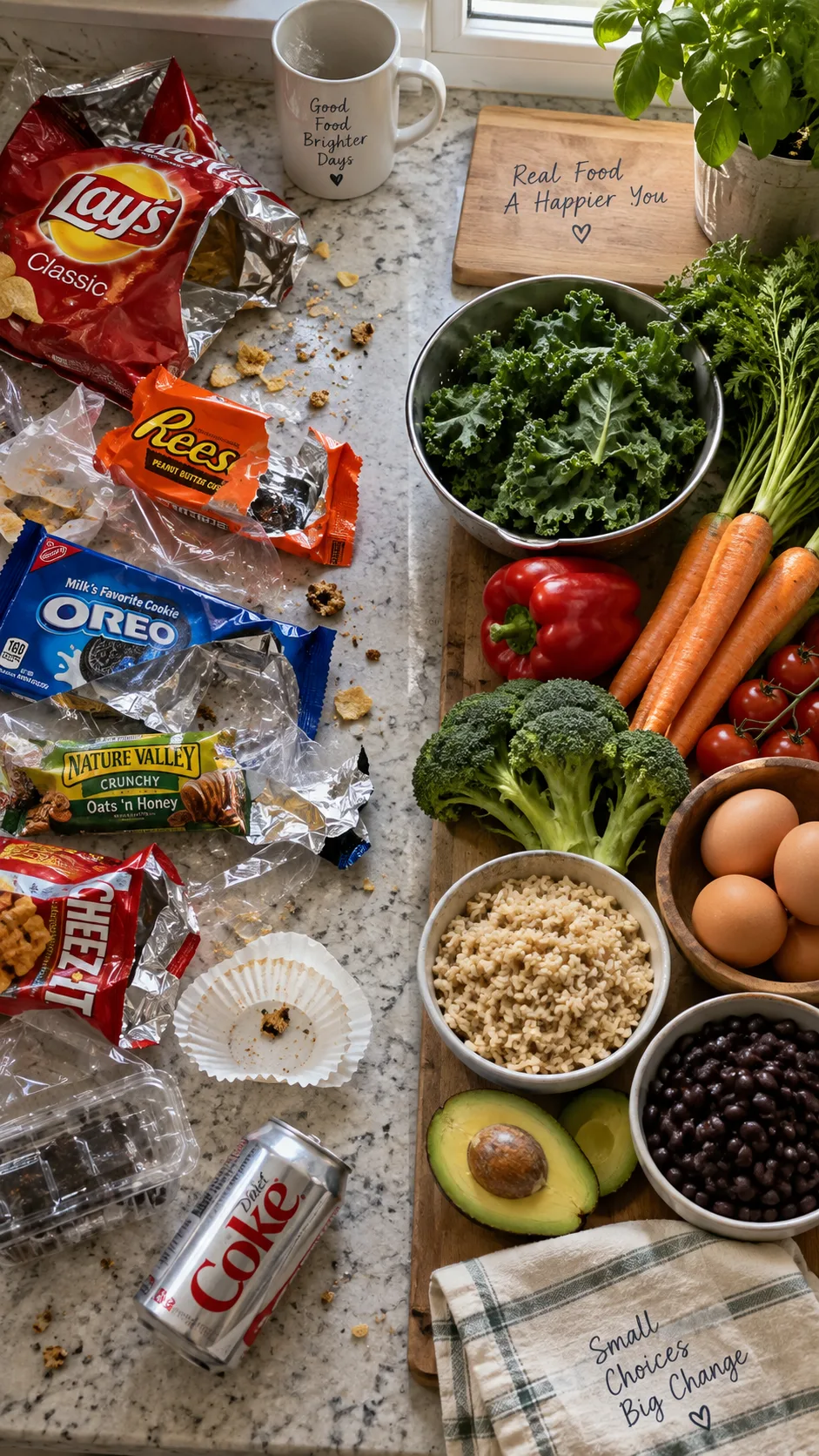
First, what is a whole foods diet?
A whole foods diet means you build most of your meals from foods that look roughly like they did when they came out of the ground, off a tree, or off an animal. Rice, beans, eggs, fish, chicken, yams, plantain, vegetables, fruit, nuts, oats, plain yogurt. That’s it. That’s the whole philosophy.
Notice what I didn’t say: I never said “zero processed food forever.” Frozen spinach counts. Canned beans count. Plain oats in a bag count. Somebody processed all of those, and they’re still excellent.
The Harvard T.H. Chan School of Public Health Healthy Eating Plate lays out the same basic idea without the marketing gloss: half your plate produce, a quarter whole grains, a quarter protein, healthy fats, water. No moral judgment required.
What research says about ultra-processed food
Here’s where the science earns its keep. An NIH metabolic ward study run by Kevin Hall fed people either ultra-processed or minimally processed meals matched for calories, sugar, fat, fiber, and sodium. People eating the ultra-processed menu ate about 500 extra calories per day and gained weight. Same nutrients on paper. Wildly different outcomes.
You can read the full study in Cell Metabolism if you like your evidence with citations attached. The takeaway is simple: whole foods make eating a sane amount easier without you counting anything.
So the diet works. The way beginners run it usually doesn’t.
The mistake in detail: purity over consistency
Here’s the exact pattern I see, and I’ve lived every step of it:
- You declare Day One. Usually a Monday. Usually after a rough weekend.
- You throw out everything. Bread, oil, cereal, the good rice, your roommate’s snacks (sorry, Chidi).
- You cook elaborate meals. Three different recipes, twelve ingredients, two hours on a Tuesday night.
- You eat almost nothing you enjoy. Because joy apparently equals cheating now.
- You slip once. A jollof at a party. A slice of cake at work.
- You declare the whole thing dead. “I’ll restart Monday.” You restart 11 Mondays later.
See the problem? You never built a diet at all. You built a seven-day performance that no working adult can sustain.
Ever wondered why the people who eat well year after year seem so relaxed about it? They rotate the same eight meals, they keep frozen vegetables in stock, and they eat cake at birthdays without journaling about it afterward. Their diet survives contact with real life.

The 5 sub-mistakes hiding inside that big one
1. You cut calories by accident and feel terrible
Whole foods carry way more water and fiber per bite. A bowl of vegetables and grilled fish fills your stomach and delivers maybe 350 calories. Your old lunch delivered 900 in half the volume.
So beginners drop hundreds of calories overnight without meaning to, then wonder why they feel foggy, cranky, and cold by Thursday. Then they binge, and biology gets the blame it deserves instead of your character.
Fix it: add calorie-dense whole foods on purpose. Olive oil, avocado, peanuts, coconut, eggs, full-fat yogurt, tahini. If you’re trying to gain rather than lose, this matters double. I go deeper on that in this guide on how to gain weight in Nigeria fast.
2. You skipped protein entirely
People hear “whole foods” and picture a salad. Then they eat salads for a week, lose muscle, feel hungry constantly, and blame themselves.
Anchor every single meal with a protein source. Eggs, chicken, fish, beef, beans, lentils, Greek yogurt, tofu, milk. Protein controls appetite better than any other macronutrient, and the satiety research backs that hard.
- Breakfast: eggs, yogurt, or leftover protein from dinner
- Lunch: beans, fish, or chicken with a carb and a vegetable
- Dinner: same formula, different flavors
- Snacks: nuts, boiled eggs, yogurt, roasted chickpeas
3. You cooked like a contestant, not a human
Ambitious recipes on weeknights kill more healthy eating attempts than junk food ever will. You get home at 7:30, face a 45-minute recipe, and order takeout. Obviously.
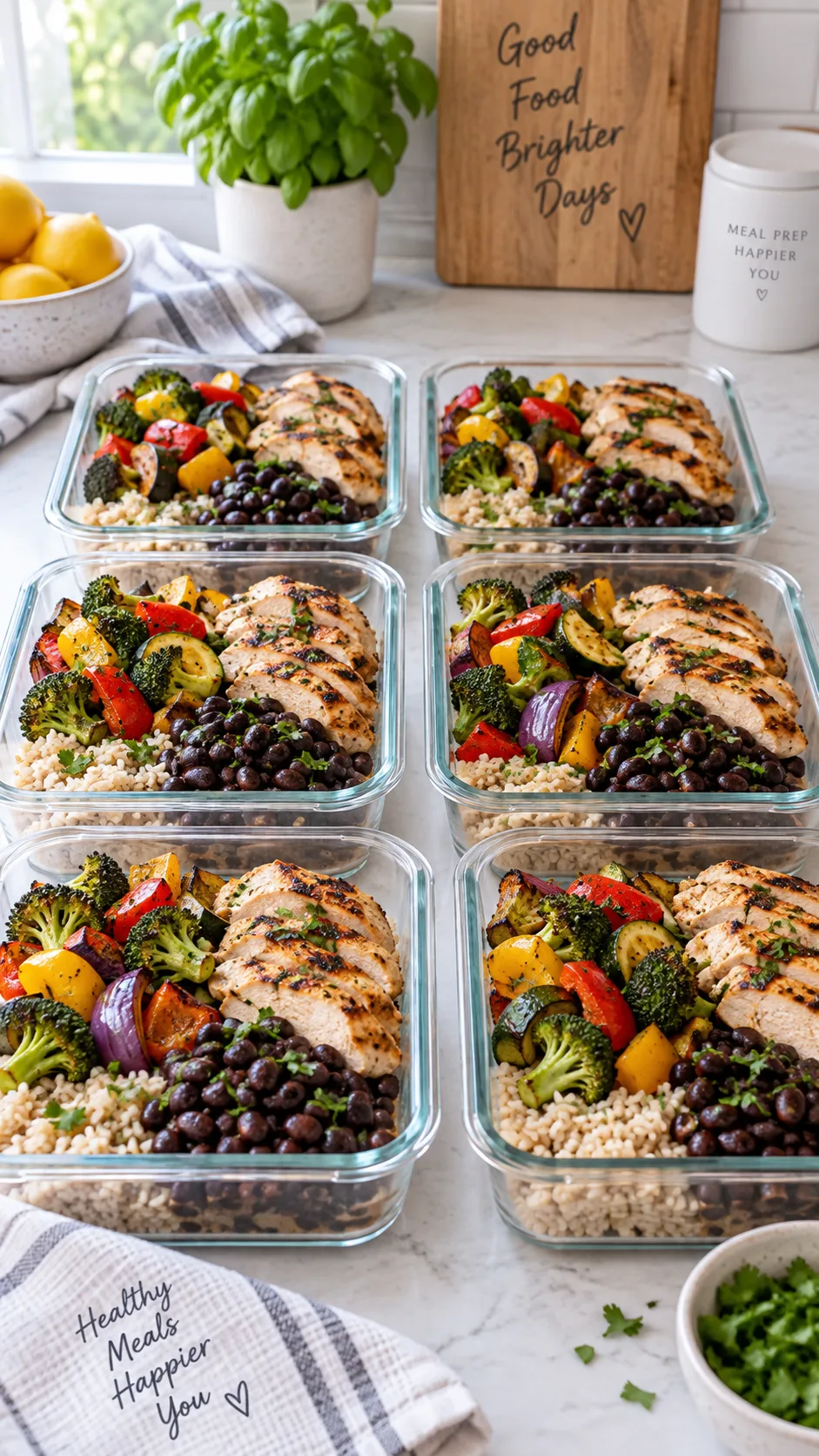
Fix it: pick a base system and batch it. Cook a pot of beans, a pot of rice, and roast two trays of vegetables on Sunday. Grill or bake a big batch of protein. Mix and match all week with different sauces and spices.
If your freezer sits empty, you’re playing this game on hard mode. A proper freezer meal prep system turns your future self into someone with options at 7:30pm instead of someone with regrets.
4. You banned foods instead of crowding them out
Tell your brain “never again” and watch it become obsessed within 72 hours. Restriction psychology runs remarkably consistent: the harder you forbid, the louder the craving.
Crowd out instead of cut out. Eat the protein and vegetables first. Eat the fruit before the biscuit. Drink water before the soda. The junk shrinks on its own because you’re genuinely full, not because you fought a war at every meal.
5. You measured success by perfection instead of percentage
This one’s the killer. One “off” meal means nothing. Twenty-one meals a week, and you nailed 17 of them? That’s 81%. That’s fantastic. That’s a diet you’ll still follow in March.
Aim for 80/20 and stop keeping score like a disappointed referee. 🙂
What to do instead: the 4-week ramp that sticks
Forget Day One heroics. Build it in layers. Here’s the ramp I recommend to anyone starting a whole foods diet, and it works because each week only asks one thing of you.
Week 1: add, don’t subtract
- Add one vegetable to two meals per day. Frozen counts. Canned counts.
- Add a protein anchor to breakfast. Eggs take four minutes.
- Change nothing else. Yes, really. Keep your snacks.
Why does this work so well? You feel zero deprivation while your meals quietly get better. Your brain never registers a threat, so it never fights back.
Week 2: upgrade your drinks
- Swap sugary drinks for water, tea, or black coffee most of the time, not all of it.
- Keep a bottle within arm’s reach all day.
Liquid calories slip past your fullness signals almost entirely. The World Health Organization’s healthy diet guidance calls out free sugars for exactly this reason. If you want a starting list, this roundup of Nigerian foods that don’t contain sugar saves you a lot of label-squinting.
Week 3: build your meal rotation
Pick five dinners you genuinely like that use mostly whole ingredients. Not fifteen. Five. Write them on paper and stick it on the fridge.
My personal rotation for years looked like this:
- Beans + plantain + pepper sauce
- Grilled chicken + rice + a big pile of sautéed greens
- Fish stew + yam
- Egg stir-fry with whatever vegetables sit in the fridge
- Soup + swallow (portion-controlled, before you panic)
Repetition isn’t failure. Repetition is the entire mechanism. Every consistent eater I know runs a rotation and gets bored on purpose.
Week 4: install the prep habit
- Pick one 90-minute window per week. Sunday afternoon works for most people.
- Cook two proteins, one grain, two vegetable trays.
- Store them where you’ll see them. Front of the fridge, eye level.
Do this and weeknight decisions disappear. You stop relying on motivation, which shows up unreliably, and start relying on logistics, which show up every time.
The grocery list that does 90% of the work
Your shopping cart decides your diet more than your willpower ever will. Stock these and good meals basically assemble themselves.
Proteins
- Eggs (the cheapest complete protein on earth)
- Chicken thighs or breast
- Fish: fresh, frozen, or tinned sardines and mackerel
- Beans and lentils, dried or canned
- Plain yogurt and milk
Carbs
- Rice, oats, millet, or whole grain bread
- Yam, sweet potato, potato, plantain
- Fruit: bananas, oranges, apples, pawpaw, whatever’s in season
Fats
- Olive oil and palm oil (both fine in normal amounts)
- Peanuts, cashews, groundnut paste
- Avocado, coconut, sesame
Vegetables
- Fresh greens: ugu, spinach, kale, whatever your market sells
- Onions, tomatoes, peppers, garlic, ginger
- Frozen mixed vegetables for emergencies
Flavor (non-negotiable)
- Spices, stock cubes, herbs, vinegar, lemon, chili
- Turmeric, genuinely useful and criminally underused. Here’s where to buy turmeric in Nigeria and why it earns pantry space.
Bland food ends diets. Season aggressively. Nobody ever quit a diet because the pepper stew tasted too good.

Signs you’re doing the whole foods diet right
Forget the scale for a moment. These signals tell you far more in the first month:
- Your energy stays level between meals instead of crashing at 3pm.
- You stop thinking about food constantly. Obsession usually means you’re under-eating.
- Your digestion improves, because more fiber does that. Fermented foods help too; see this list of Nigerian foods rich in probiotics.
- You cook without dread. The rotation runs on autopilot.
- You eat something “off plan” and simply move on. That’s the big one, IMO.
Common questions beginners ask
Do I have to give up bread and rice?
No. Whole foods eating includes carbohydrates. Choose less-refined versions when convenient, keep portions reasonable, and stop assigning moral value to grains.
Is it more expensive?
It costs less when you cook from raw ingredients. Beans, eggs, rice, seasonal produce, and frozen vegetables all beat packaged convenience food per calorie. The cost only spikes when you chase imported “superfoods” that a marketing team invented. Skip those.
What about weight loss specifically?
Whole foods make a calorie deficit feel easier, not automatic. You still need sensible portions. A structured framework helps enormously, and this collection of Nigerian weight loss meal plans and food timetables gives you real templates instead of vague advice.
Should I combine it with intermittent fasting?
You can, if the schedule fits your life and you don’t use it as an excuse to under-eat protein. Some people love the structure. Others get shaky and miserable. Test it honestly rather than following a trend.
Do I need supplements?
Most people don’t, assuming they eat a decent variety. Some do: vitamin D if you rarely see sunlight, B12 if you eat fully plant-based, iron if a blood test says so. Talk to an actual doctor rather than an Instagram account. The NIH Office of Dietary Supplements fact sheets give you straight, unsponsored information.
One more thing: movement multiplies everything
Food handles most of body composition, but muscle changes the whole equation. Strength training improves insulin sensitivity, protects your metabolic rate, and puts the protein you eat to work.
You don’t need two hours a day or a complicated program. Three sessions a week of basic compound lifts covers most of it, and this beginner gym workout plan keeps things simple enough that you’ll show up.
The bottom line
The mistake keeping you stuck isn’t a missing food, a wrong macro, or a magic supplement you haven’t found. You’re running a purity test when you should run a system.
Here’s the whole article in five lines:
- Add before you subtract. Vegetables and protein first.
- Eat enough. Under-eating causes binges, not character flaws.
- Run a five-meal rotation. Boring wins.
- Prep once a week. Logistics beat motivation every time.
- Chase 80%, not 100%. Perfection has a 100% failure rate.
Start this week with one change: add a vegetable and a protein to two meals a day. That’s it. Do that for seven days and you’ll already eat better than the version of you who threw out the entire pantry and quit by Friday.
Your diet doesn’t need to be impressive. It needs to survive next Tuesday.