

Your doctor just handed you a sheet of prep instructions, and your stomach dropped. You now face the clear liquid diet. Can you survive an entire day or two drinking see-through liquids? Yes, you can. I know that realization well. When I prepped for my first colonoscopy, I remember staring into my refrigerator at 7:00 PM in total defeat. Everything looked delicious, but my doctor forbade every single bite. A hollow stomach tests your patience fast.
Have you ever stared at a bowl of yellow gelatin and tried to convince yourself it was lemon meringue pie? You are not alone. Whether you face an upcoming medical procedure, colonoscopy prep, or gut surgery recovery, this diet feels like a brutal test of willpower. Fortunately, you can get through this temporary trial without losing your sanity. With a clear plan, proper hydration tactics, and some practical flavor adjustments, you will cross the finish line smoothly.
What Is a Clear Liquid Diet?
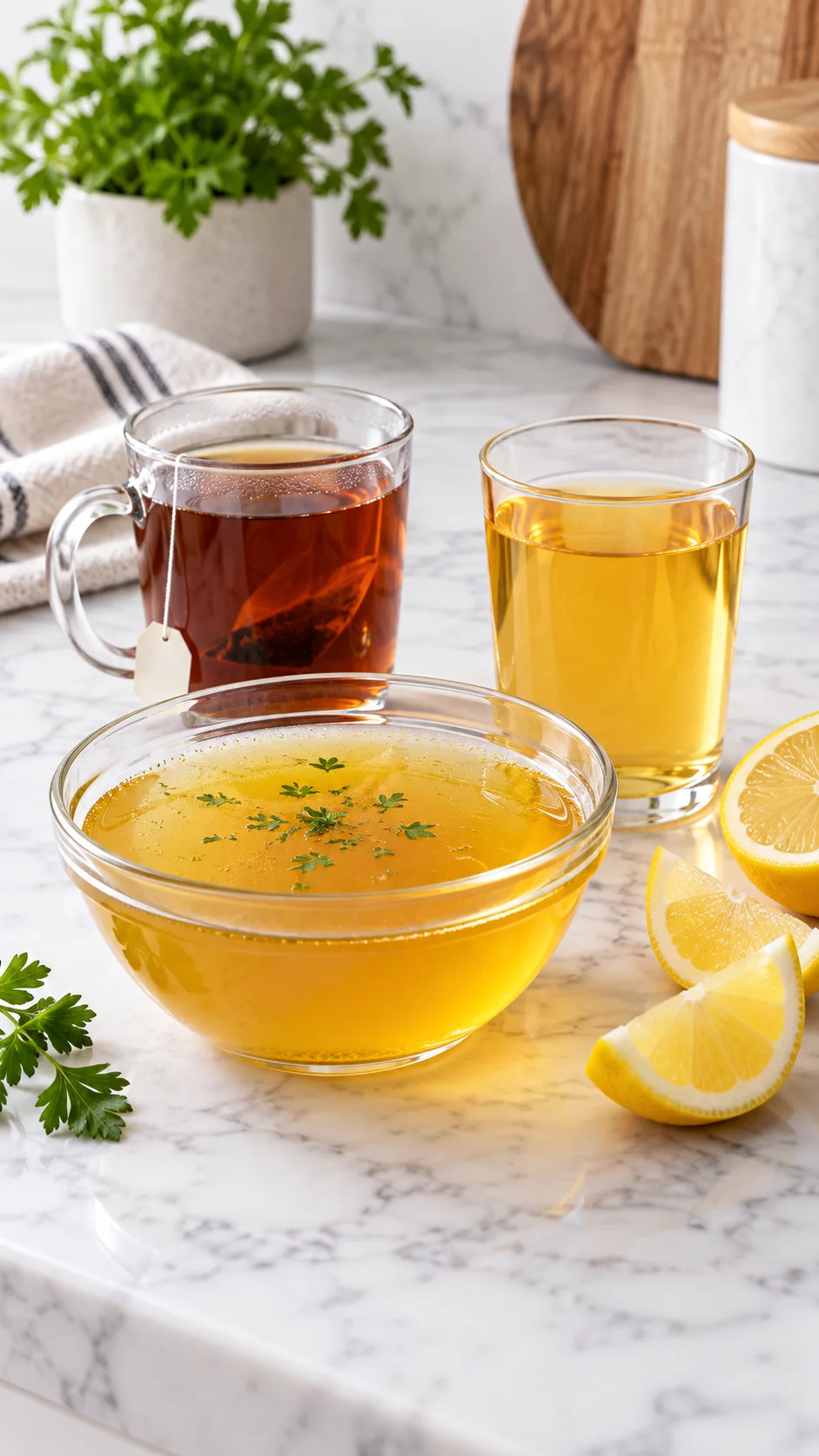
A clear liquid diet consists entirely of transparent liquids and foods that melt into clear liquids at room temperature. Notice the word transparent. If you pour the liquid into a clean glass bowl and hold it up to the light, you must see through it. The liquid can have color, but it cannot contain any cloudiness, pulp, or solid food particles.
Why do physicians prescribe such an aggressive restriction? Doctors prescribe clear liquid diets primarily to empty your gastrointestinal tract completely. Surgeons need an unobstructed view of your colon lining during an endoscopy or colonoscopy. Tiny flecks of undigested fiber can hide polyps or look like abnormal tissue. This diet also lets your digestive tract rest before or after major abdominal surgeries, preventing nausea, vomiting, and surgical complications. For official clinical guidelines on these protocols, review the Mayo Clinic colonoscopy prep guidelines.
This protocol provides needed water, basic electrolytes, and simple carbohydrates for energy. However, it delivers almost zero protein, healthy fats, or micronutrients. For that reason, healthcare providers recommend this diet only for brief periods, typically twenty-four to seventy-two hours. Follow your doctor’s exact timeline, because prolonged fasting causes muscle loss and nutrient deficiencies.
The “Newspaper Test”: How to Tell If Something Counts
When you feel unsure about a specific drink, apply the simple Newspaper Test. Pour the liquid into a clear glass. Hold a newspaper, a book, or your smartphone behind the glass. Can you read the printed words through the liquid? If you can read the text, the item passes. If cloudiness hides the words, leave it in the pantry.
Black coffee and dark tea provide the only exceptions to this rule. While you cannot see through a dark roast coffee, your stomach digests it without leaving solid residue in your colon. Just remember: zero dairy, zero creamer, and zero oat milk.
The Complete “Yes” List: What You Can Eat and Drink
Do not limit yourself to plain tap water. If you drink only cold water for thirty-six hours, you will suffer pounding headaches, shaky hands, and severe hunger pangs. Diversify your liquids to maintain steady blood sugar and electrolyte levels. Here is your master shopping list of approved items:
1. Clear Broths and Consommés
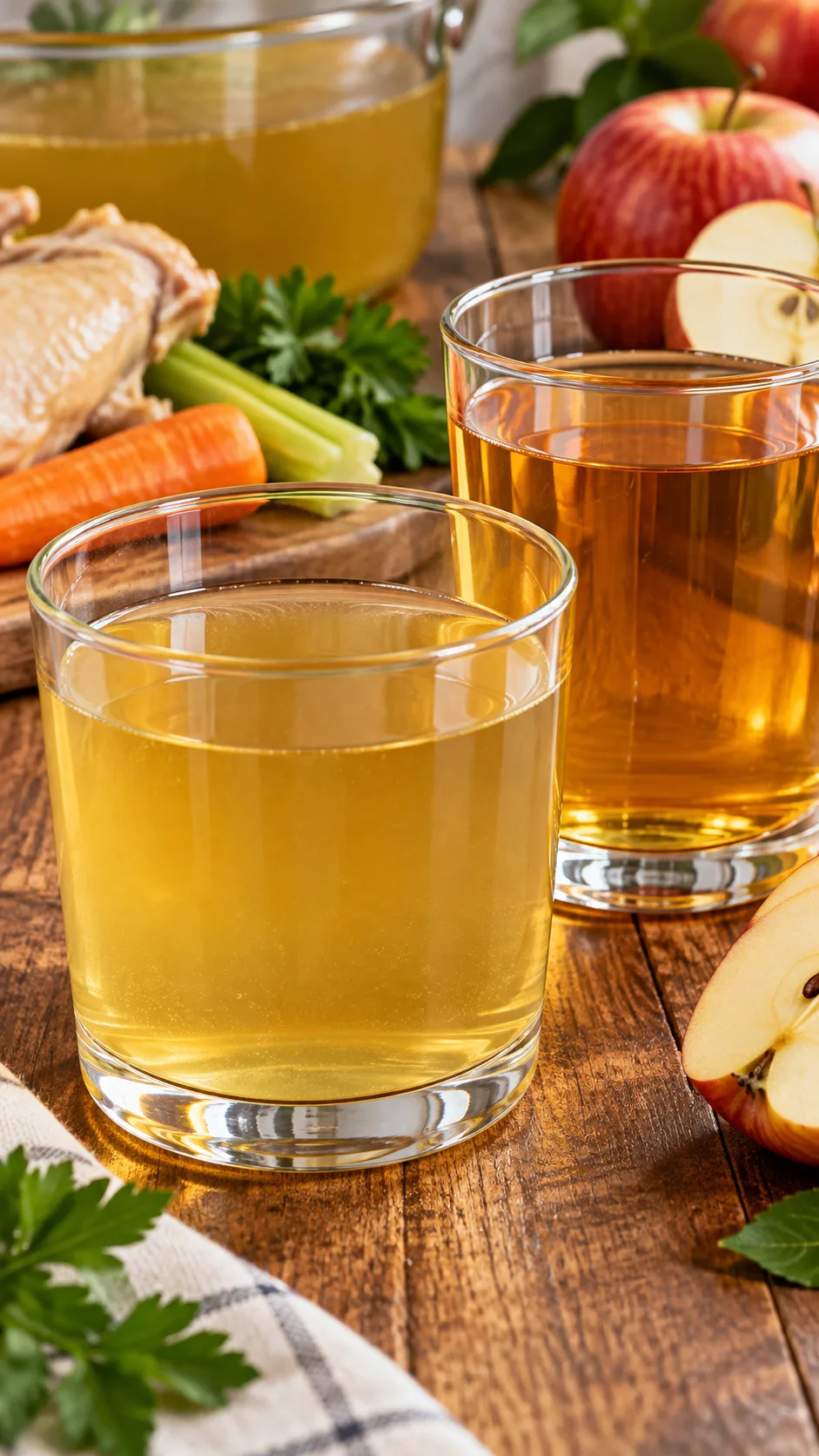
Broth anchors your menu during this fast. It delivers the savory comfort your brain craves when sweet drinks make you nauseous. Choose fat-free options, because floating oil droplets coat your intestinal lining.
- Bone broth: Buy fully strained bone broth or strain it through a fine-mesh sieve at home to remove all sediment.
- Chicken broth or bouillon: High-sodium chicken broth prevents electrolyte crashes and keeps dizziness away.
- Beef broth or bouillon: The deep umami flavor of beef broth tricks your palate into feeling like you ate a real meal.
- Vegetable broth: Pick clear vegetable stocks without pureed tomato bases or herb flakes.
2. Clear Juices (Strictly Pulp-Free)
Fruit juice supplies quick glucose to ward off fatigue. Always choose pasteurized, pulp-free varieties.
- Apple juice: Standard filtered apple juice works well.
- White grape juice: This juice provides abundant sweetness and zero cloudiness.
- White cranberry juice: Standard red cranberry juice will ruin your colonoscopy prep, but clear white cranberry juice satisfies your craving for tart fruit.
- Lemonade: Drink strained, clear lemonade without floating lemon pulp.
3. Gelatin and Frozen Treats
Chewing gives you a familiar psychological comfort. Gelatin and ice pops let you simulate the sensation of eating solid food without breaking the rules.
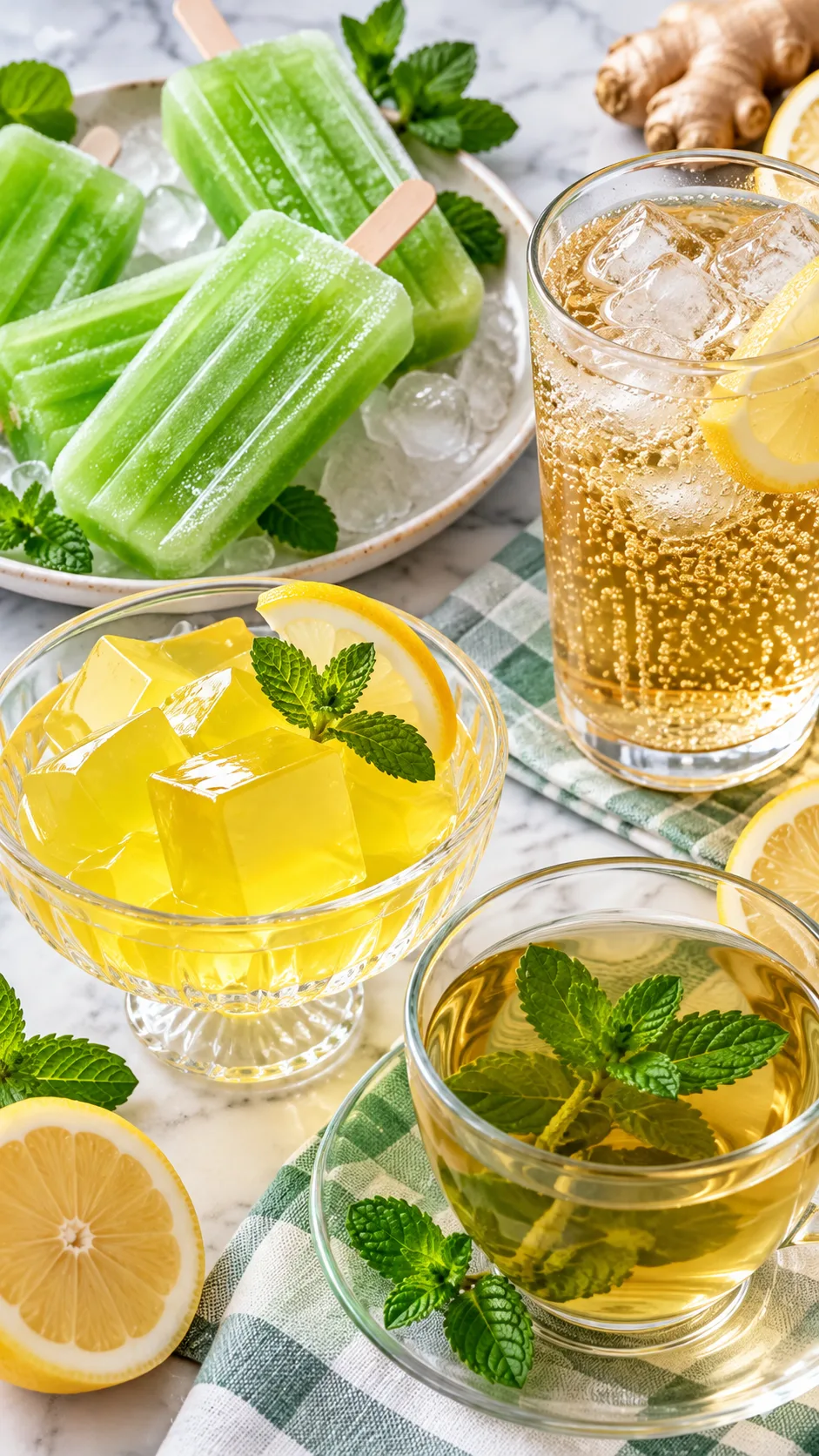
- Flavored gelatin: Stick to lemon, lime, pineapple, or clear peach flavors.
- Popsicles and ice pops: Enjoy lemon, lime, or green apple ice treats. Ensure the manufacturer used no fruit purees, yogurt, or cream.
- Italian ice: Clear citrus Italian ice treats melt cleanly in your mouth.
4. Carbonated Drinks and Hydration Beverages
Bubbles create fullness in your stomach. When hunger claws at you, carbonation provides temporary relief.
- Ginger ale: Calms an unsettled stomach and settles prep-induced nausea.
- Clear lemon-lime sodas: Sprite, 7-Up, and clear club sodas provide carbonation and sugar.
- Sports drinks: Lemon-lime or clear berry electrolyte drinks replenish lost potassium and sodium.
- Coconut water: Drink only clear, pressed coconut water with zero pulp or coconut flesh.
5. Hot Beverages and Sweeteners
A warm mug calms your nerves and slows down your drinking pace, making your liquid intake feel intentional.
- Black coffee: Drink it hot or iced, but add no milk or plant creamers.
- Plain herbal teas: Chamomile, peppermint, and green tea relax your digestive system.
- Honey and white sugar: Stir honey or table sugar into your hot tea for quick calories.
- Hard candies: Suck on clear lemon drops or peppermint discs to stimulate saliva production.
The Dangerous “No” List: What to Avoid at All Costs
One wrong sip can force your doctor to cancel your procedure. That outcome means repeating the entire fast and bowel prep all over again. Nobody wants that scenario. Review these strict prohibitions before you head to the grocery store:
- Red, Purple, and Deep Orange Dyes: Medical clinics ban red and purple food coloring. These synthetic dyes stain your colon wall bright red. During an endoscopic exam, dyes look identical to active gastrointestinal bleeding or ulcerative lesions. The American Society for Gastrointestinal Endoscopy warns that artificial dyes lead to false diagnoses or cancelled procedures. Check ingredient labels on sports drinks, gelatin, and hard candies.
- Dairy of Any Kind: Whole milk, skim milk, heavy cream, yogurt, and butter leave thick residues along your gastrointestinal tract. Even a tiny splash of half-and-half in your morning coffee resets your fast.
- Plant-Based Milks: Oat milk, almond milk, soy milk, and coconut milk contain insoluble fibers and fats. They fail the transparency test completely.
- Cloudy or Pulpy Juices: Orange juice, grapefruit juice, tomato juice, prune juice, and cider carry microscopic fruit fragments. Avoid them entirely.
- Alcohol: Beer, wine, and liquor dehydrate your body quickly. Alcohol also interacts dangerously with anesthesia medications.
- Solid Foods and Chewing Gum: Do not swallow even a single cracker. Most clinics also forbid chewing gum, because chewing makes you swallow excess air and activates digestive acid production.
Clear Liquid Diet Cheat Sheet
Save this quick comparison table on your phone while shopping. It separates approved choices from forbidden items at a glance.
| Category | Approved (Safe Choices) | Forbidden (Avoid Completely) |
|---|---|---|
| Broths | Fat-free chicken, beef, or vegetable broth; bone broth (strained) | Cream soups, broths with noodles, vegetables, herbs, or meat bits |
| Juices | Apple, white grape, strained lemonade, white cranberry | Orange, grapefruit, tomato, pineapple, any juice containing pulp |
| Sweets | Lemon, lime, or peach gelatin; clear popsicles; honey | Red or purple gelatin, ice cream, pudding, fruit bars, chocolate |
| Beverages | Black coffee, green tea, ginger ale, clear sports drinks, water | Milk, lattes, smoothies, red sports drinks, alcoholic drinks |
A Realistic One-Day Meal Plan
Do you wonder how to structure your day so you avoid afternoon brain fog? Do not grab drinks randomly. Plan your sips like meals. Setting specific times creates a predictable routine that keeps your mind off food.
Morning Routine
- 8:00 AM (Breakfast): Drink one large mug of black coffee with a teaspoon of sugar, followed by an eight-ounce glass of pulp-free apple juice.
- 10:00 AM (Mid-Morning Snack): Eat one bowl of lime gelatin. The gelatin gives your jaw muscles something to do.
Afternoon Routine
- 12:30 PM (Lunch): Heat up two cups of salted chicken bone broth. Sip it slowly from a soup bowl with a spoon. Follow this with a cold glass of ginger ale.
- 3:00 PM (Afternoon Slump): Dissolve two clear lemon candies in your mouth while drinking an ice-cold electrolyte beverage. Take a ten-minute walk outdoors to clear your head.
Evening Routine
- 6:00 PM (Dinner): Warm up a large mug of beef consommé. Follow it with a lemon ice pop for dessert.
- 8:30 PM (Evening Wind-Down): Brew a cup of chamomile or peppermint tea with a spoon of honey. Sip it while reading a book or watching a show that contains no cooking scenes.
Survival Tactics: How to Get Through It Without Losing Your Mind
Hunger is only half the battle. Sensory boredom makes up the rest. After downing your third glass of sweet apple juice, your palate will rebel against sugar. Use these psychological and physical tactics to protect your sanity.
1. Alternate Sweet and Savory Flavors
Many beginners make the mistake of buying only sweet items: apple juice, lemon gelatin, sports drinks, and soda. By early afternoon, severe sugar fatigue sets in. Your tongue feels coated and your stomach turns. Alternate sweet liquids with hot, salted broths. Broth resets your tastebuds and keeps your sodium levels high enough to prevent lightheadedness.
2. Play with Temperature Extremes
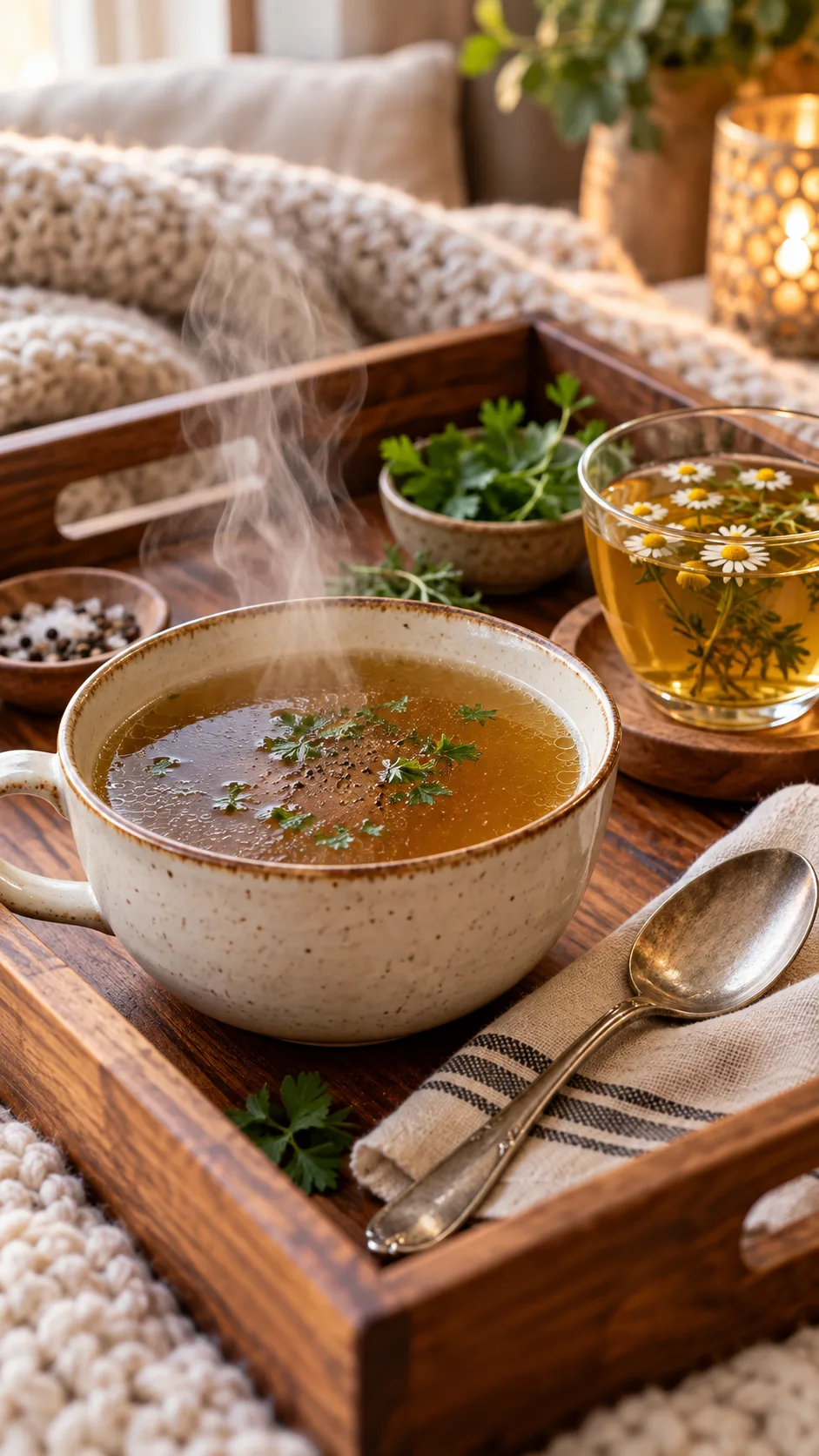
Room-temperature liquids taste dull. Pour your cold drinks over crushed ice to add texture. Heat your broths and herbal teas until they steam. Temperature differences force you to consume your liquids slowly, extending the duration of your meal.
3. Use Real Bowls and Spoons
Do not drink your broth straight from a measuring cup or plastic container. Pour your strained soup into your favorite ceramic soup bowl. Sit down at your dining table and use a spoon. This simple ritual helps your brain register the experience as an actual meal.
4. Stay Far Away from Social Media Food Feeds
Social algorithms deliver pictures of greasy burgers and melted cheese when you cannot eat. Delete food delivery apps from your phone screen for twenty-four hours. Turn off television channels that run food commercials. Watching cooking competitions during bowel prep amounts to self-torture.
5. Manage Your Energy Output
Skip heavy workouts while consuming zero protein and minimal calories. Keep your physical activity light. Focus on gentle walking, stretching, or reading. If you want gentle movement without stressing your body, you can read our guide on unlocking deep back flexibility for safe, low-energy mobility work to pass the time.
Transitioning Back to Solid Food Safely
You completed your procedure! The doctor delivers good news, and you wake up ready to eat. Can you immediately order a bacon cheeseburger with fries? Avoid that temptation. Your digestive tract rested for over twenty-four hours. Hitting your empty stomach with heavy fats, grease, and tough fibers will trigger abdominal cramping, diarrhea, and nausea.
Stage your eating across the first day. Begin with light carbohydrates before introducing heavier proteins and fats.
Phase 1: The First 4 Hours Post-Procedure
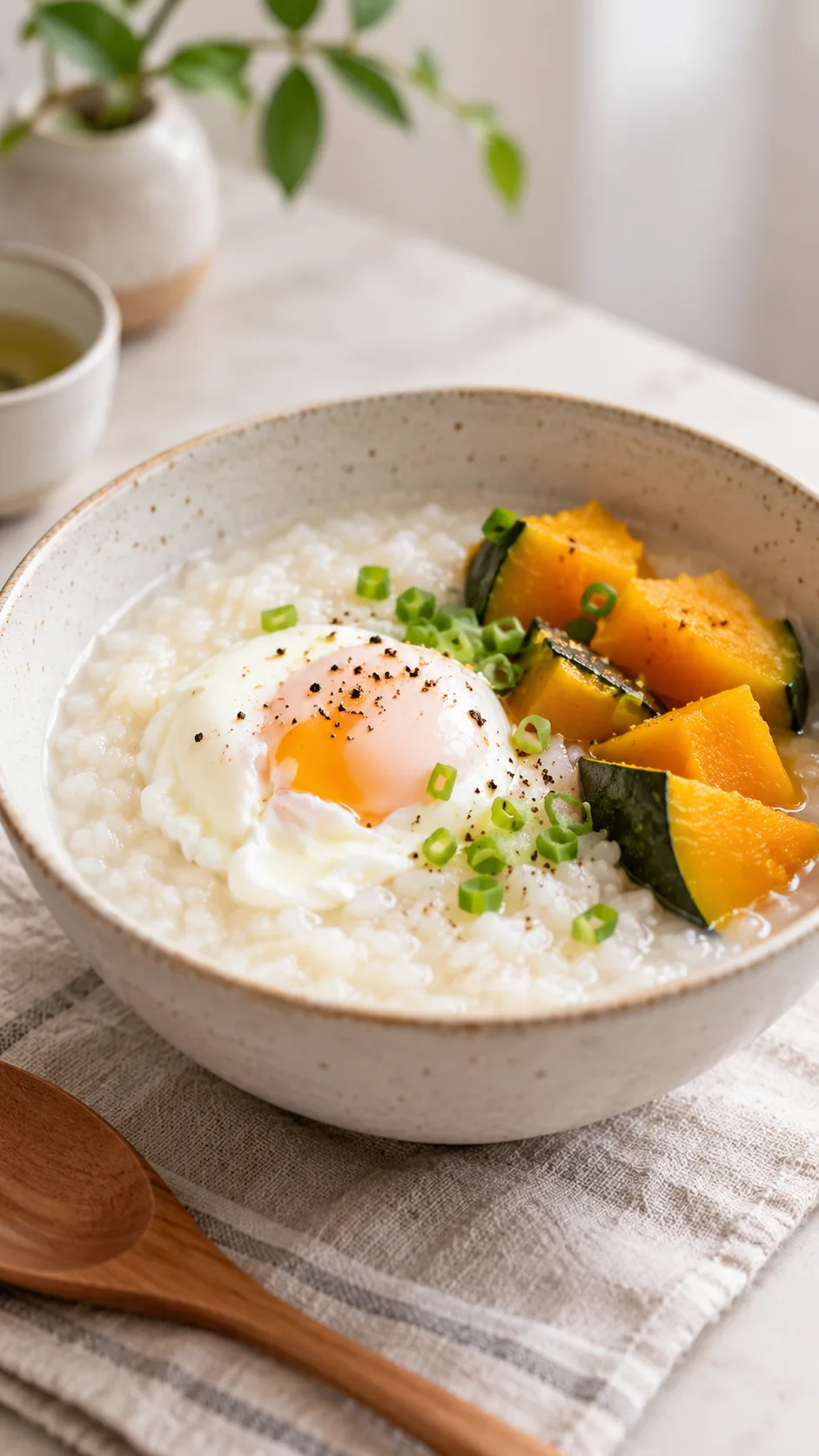
Stick to easy, soothing foods. Eat plain white toast with a tiny spread of butter, saltine crackers, smooth applesauce, or white rice. If you tolerate these items without cramping, move on to phase two.
Phase 2: Dinner the First Night
Introduce lean proteins. Poached eggs, skinless chicken breast, mashed potatoes, or tender noodles work well. If you deal with occasional digestive sluggishness once your routine returns, incorporate gentle fiber sources gradually. Look at our list of the best foods for sluggish bowel motility to restore your natural rhythm safely.
Phase 3: The Next Day
Resume your standard diet. You can now enjoy raw vegetables, whole grains, nuts, and complex dishes. Transitioning thoughtfully back toward solid food keeps your stomach comfortable. For broader dietary inspiration, explore our breakdown on avoiding common whole foods diet mistakes.
Frequently Asked Questions
Can I chew mint gum on a clear liquid diet?
Most gastroenterologists advise against chewing gum. Chewing triggers your salivary glands and signals your stomach to pump gastric acid, worsening your hunger pangs. You also swallow air while chewing gum, which leads to uncomfortable gas and bloating during your exam.
What happens if I drank something with red dye?
Call your endoscopy clinic immediately. Explain what you consumed, the exact quantity, and the time you drank it. If your procedure takes place the next afternoon, your doctor may tell you to drink extra water. If your procedure happens early in the morning, the clinic may reschedule your appointment to ensure a clear view.
Will I lose weight on a clear liquid diet?
You will see the scale drop by two to five pounds over forty-eight hours. Do not confuse this with fat loss. This drop represents water loss, glycogen depletion, and the evacuation of stool from your bowel. You will regain this weight as soon as you eat solid foods and replenish your carbohydrate stores.
Can I drink alcohol if it is completely clear, like vodka?
Do not drink alcohol. Clear spirits like vodka or gin irritate gastric tissue, dehydrate your body, and interact dangerously with procedural sedatives like propofol or midazolam. Skip alcoholic drinks until your medical team clears you.
Why did my doctor tell me to stop all liquids four hours before surgery?
Anesthesia relaxes your body’s protective airway reflexes. If your stomach holds fluid while an anesthesiologist places you under sedation, you risk aspirating stomach contents into your lungs. Aspiration can cause life-threatening pneumonia. Follow your clinic’s strict cutoff time, even for water. Consult the Cleveland Clinic clear liquid diet overview for more information regarding preoperative fasting protocols.
Final Thoughts: Keep Your Eyes on the Finish Line
A clear liquid diet tests your patience while you endure it. Your stomach will grumble, your cravings will flare up, and you will grow tired of chicken broth. That frustration is completely normal.
Remind yourself that this temporary inconvenience serves an essential medical purpose. A clean digestive tract allows your medical team to detect polyps, assess tissue health accurately, and complete procedures safely. Stock your kitchen with permitted liquids, switch between sweet and salty options, drink water steadily, and trust your ability to finish the fast. Within twenty-four to forty-eight hours, you will hold a plate of warm solid food again.