

Endometriosis pain can make food feel like one more problem to tackle before noon. You eat a healthy lunch, then your stomach swells like it has filed its own complaint. Frustrating? Completely.
An endometriosis diet will not erase lesions, replace medical care, or magically make your period polite. It can help you notice foods that worsen bloating, constipation, diarrhea, fatigue, and inflammation, then build meals that support your body instead of picking fights with it.
This endo diet reset skips rigid rules and scary food lists. You will focus on nourishing foods, test possible triggers with care, and build a routine that works on ordinary days, not just on that imaginary Sunday when you own twelve glass containers and have unlimited motivation.
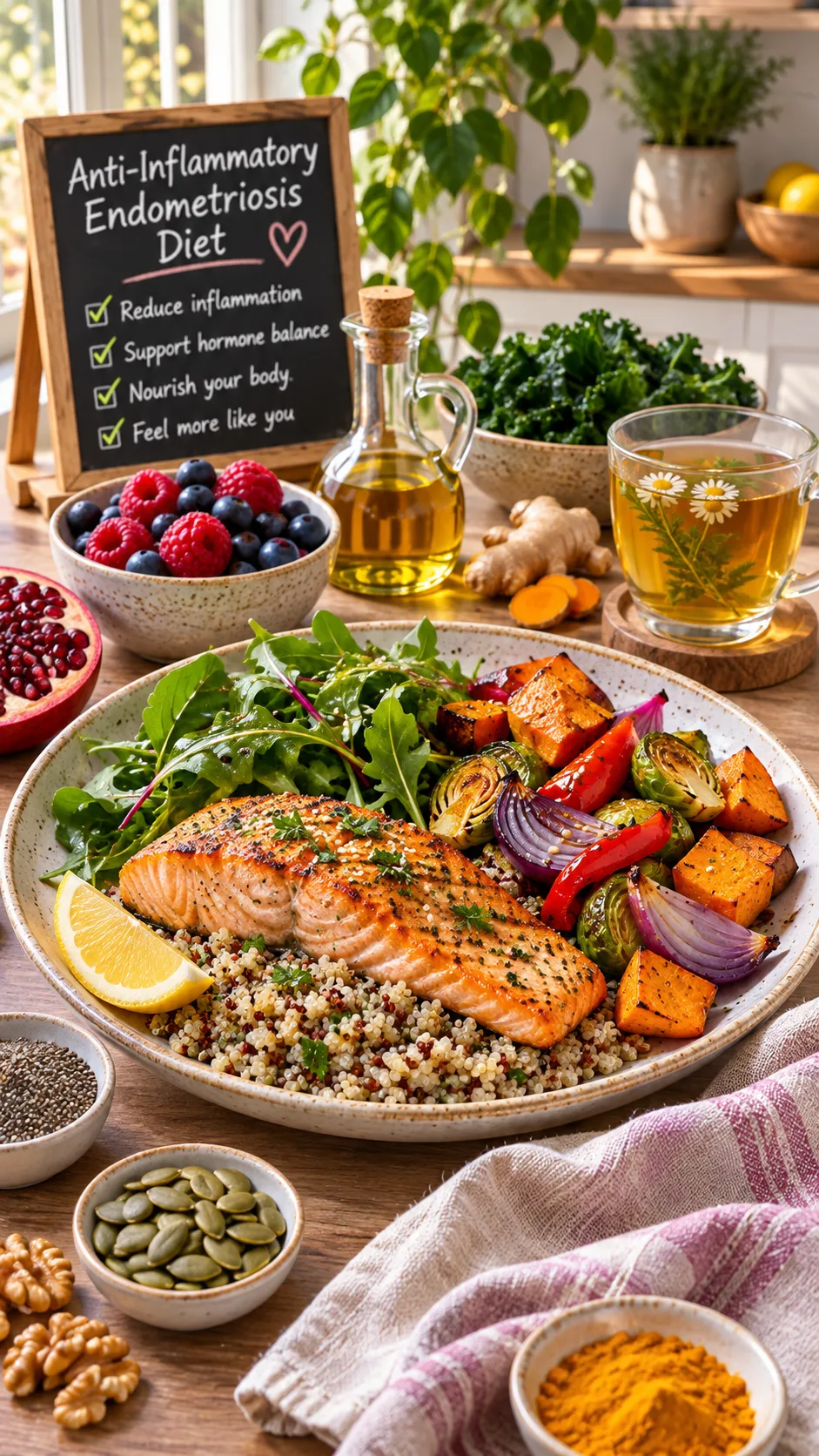
First: What can an endometriosis diet do?

Endometriosis develops when tissue similar to the uterine lining grows outside the uterus. That tissue can trigger inflammation, pain, scar tissue, bowel symptoms, heavy periods, and exhaustion that arrives with truly terrible timing.
Food cannot cure endometriosis because food cannot remove lesions. Your meals can still affect inflammation, blood sugar swings, gut comfort, iron intake, and energy. Those details matter when symptoms already demand so much from you.
The European Society of Human Reproduction and Embryology says researchers need stronger studies on diet and endometriosis. That does not mean nutrition has no effect. It means nobody should sell you a miracle “endo cleanse” and a pile of false promises.
Your goal focuses on symptom management, not dietary perfection. Choose meals that help you feel steadier, more comfortable, and better fueled for appointments, work, movement, relationships, and everything else in your life.
The idea behind an anti-inflammatory endometriosis diet
A helpful endometriosis diet often resembles a Mediterranean eating pattern. Build meals around vegetables, fruit, beans, whole grains, fish, nuts, seeds, and healthful fats. Then adjust that foundation around your symptoms and medical needs.
Why does this approach help? These foods provide fiber, antioxidants, omega-3 fats, magnesium, folate, and other nutrients that support overall health. They can also smooth out blood sugar swings that turn a midafternoon snack into an emergency.
Add foods before you restrict them. Bring in more colorful plants, protein, and satisfying fats before you remove anything. This approach feels kinder, holds up over time, and reduces the chance that you miss nutrients.
Build your plate without overthinking it
Use this simple template for most lunches and dinners. You do not need a food scale, a complicated spreadsheet, or a degree in quinoa management. Adjust portions for hunger, activity, medication effects, and your clinician’s advice.
- Half your plate: vegetables or a mix of vegetables and fruit
- One quarter: protein such as fish, chicken, eggs, tofu, tempeh, beans, or lentils
- One quarter: fiber rich carbohydrates such as oats, brown rice, quinoa, potatoes, or whole grain pasta
- One satisfying fat: olive oil, avocado, tahini, nuts, seeds, or olives
This format makes meals more filling. A plain salad may look virtuous, but hunger often returns forty minutes later wearing a fake mustache. Add protein and carbohydrates so your body gets a real meal.
What to eat more often during an endo diet reset
Colorful vegetables and fruit
Vegetables and fruit provide fiber and antioxidants that support gut health and help your body manage inflammation. Aim for variety across the week instead of fixating on one “superfood.” Your body likes options, and your taste buds do too.
Try spinach, kale, broccoli, carrots, bell peppers, zucchini, tomatoes, cabbage, berries, oranges, cherries, kiwi, and apples. Cook vegetables if raw salads upset your stomach. Roasted carrots still count.
If high fiber foods bring on bloating, do not decide that vegetables have become your enemy. Start with smaller servings, choose cooked options, and raise your fiber intake gradually while you drink enough water.
Omega-3 rich foods
Omega-3 fats support heart health and may help your body regulate inflammation. Fatty fish also provides protein, vitamin D, selenium, and a welcome break from another sad chicken breast.
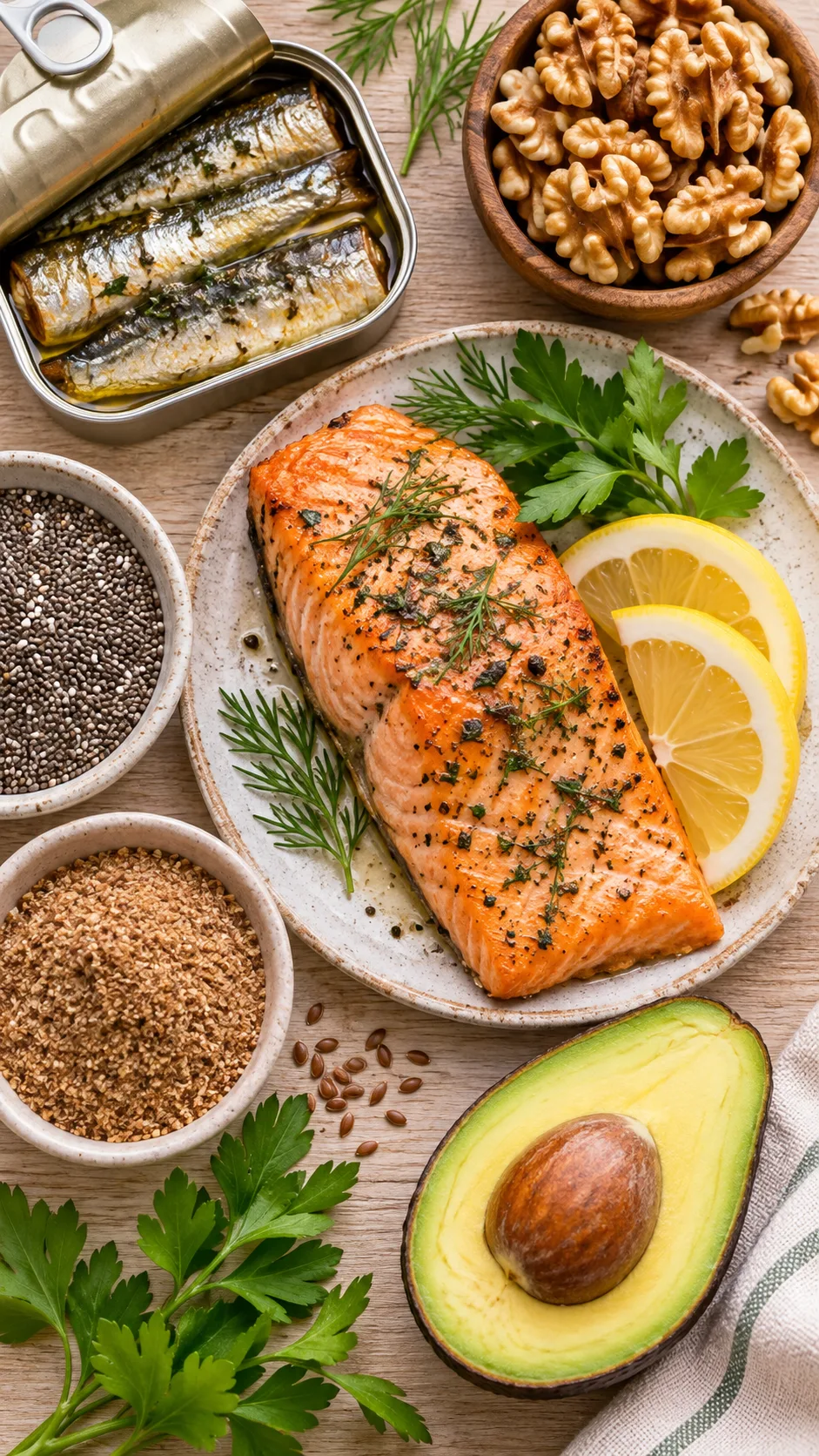
Eat salmon, sardines, trout, anchovies, or mackerel twice a week if you enjoy seafood. Add chia seeds, ground flaxseed, walnuts, or hemp seeds on other days. Plant sources help, though your body converts their omega-3 fats less efficiently than fish based sources.
Top oatmeal with berries and ground flax, toss salmon into a grain bowl, or stir walnuts into yogurt. Small habits can matter because you repeat them without turning dinner into a science experiment.
Iron-rich foods for heavy periods
Heavy menstrual bleeding can lower iron stores and leave you tired, short of breath, dizzy, or foggy. Endometriosis does not cause every case of low iron, but heavy periods make iron status worth discussing with your clinician.
Choose lentils, beans, tofu, eggs, lean red meat in moderate portions, spinach, pumpkin seeds, fortified cereal, shellfish, and poultry. Pair plant based iron foods with vitamin C sources such as citrus, strawberries, tomatoes, or bell peppers to help your body absorb the iron.
Ask your doctor for a blood test if fatigue sticks around or heavy bleeding disrupts your life. Do not start high dose iron supplements without guidance. Iron can cause constipation, and you do not need extra digestive drama.
Fiber that works with your gut
Fiber helps you have regular bowel movements and feeds beneficial gut bacteria. Constipation can increase pelvic pressure and pain, so regularity deserves more respect than it usually gets.
Choose oats, chia seeds, beans, lentils, berries, pears, brown rice, quinoa, potatoes with skin, and whole grain bread. Increase your intake slowly if you currently eat very little fiber. A sudden jump can cause gas and bloating, which defeats the point.
Some people with endometriosis also have irritable bowel syndrome. If beans, onions, garlic, wheat, or certain fruits trigger severe symptoms, ask a registered dietitian about a short, guided low FODMAP trial. Do not remove every fermentable food forever. Your gut bacteria need care too.
Magnesium and comforting whole foods
Magnesium supports muscle and nerve function, and many people enjoy magnesium rich foods during painful periods. Find it in pumpkin seeds, almonds, cashews, black beans, edamame, spinach, dark chocolate, and whole grains.
Make a snack plate with fruit, pumpkin seeds, and dark chocolate. Blend spinach into a smoothie with berries and yogurt. Eat foods you truly enjoy, because a plan that feels like punishment rarely lasts.
Foods to limit when they worsen symptoms
You do not need to call foods “good” or “bad.” Pay attention to patterns instead. Some foods often worsen inflammation, bloating, reflux, constipation, diarrhea, or cramps, but your body gets the final vote.
Highly processed foods and added sugar
Highly processed snacks, sugary drinks, candy, and desserts can push out foods that offer protein, fiber, and micronutrients. They can also leave some people hungry soon after a blood sugar spike and crash.
Keep easy options nearby so you do not depend on vending machine roulette. Try yogurt and fruit, nut butter with toast, hummus with crackers, cheese with an apple, or boiled eggs with a handful of grapes.
You can still eat dessert. Enjoy it after a balanced meal when you want it instead of treating it like contraband. Food guilt adds stress, and your calendar already holds enough.
Processed meat and frequent red meat
Many anti-inflammatory eating patterns limit bacon, sausage, deli meat, hot dogs, and frequent large servings of red meat. These foods often contain more saturated fat and sodium, and they provide fewer protective nutrients than fish, beans, lentils, or poultry.
Swap processed breakfast meat for eggs, tofu scramble, Greek yogurt, or dinner leftovers. Save steak or burgers for meals you truly enjoy instead of making them your everyday default.
Alcohol
Alcohol can disrupt sleep and digestion, interact with medications, and increase inflammation for some people. It can also make pain management harder the next day. Rude, but true.
Try taking a two to four week break from alcohol during your endometriosis diet reset, then track your symptoms. Choose sparkling water with citrus, ginger tea, or a nonalcoholic drink when you want something festive.
If you drink, keep it occasional and pay attention to how you feel afterward. The American College of Obstetricians and Gynecologists provides reliable information about endometriosis symptoms and treatment options that you can discuss with your care team.
Caffeine, dairy, and gluten: Test, do not panic
Online endometriosis diet advice often tells everyone to quit caffeine, dairy, and gluten immediately. That advice sounds tidy, but bodies rarely follow tidy internet rules. Some people feel better after changes, while others notice no difference.
Caffeine can worsen anxiety, breast tenderness, reflux, diarrhea, or sleep problems for sensitive people. Reduce coffee slowly or switch to half caf tea if you notice a clear connection. Do not quit abruptly unless you enjoy headaches that seem personally offended by your existence.
Only remove gluten if you have celiac disease, a wheat allergy, or a strong symptom pattern that improves during a structured trial. If you suspect celiac disease, ask for testing before you stop eating gluten because testing works best while you still eat it. Our guide to the celiac diet plan for beginners explains the basics if your clinician confirms that diagnosis.
Dairy can provide protein, calcium, iodine, and vitamin D, so do not cut it without a reason. Try lactose-free dairy, yogurt, kefir, or fortified plant alternatives if regular milk upsets your stomach. Track your response rather than following a stranger’s dramatic “never eat this again” post.
How to do a 14-day endo diet reset without going extreme
A short reset can help you gather useful information. It should not make you afraid to eat at restaurants, unable to share meals with friends, or stuck reading every label for twenty minutes. Think like a curious detective, not the food police.
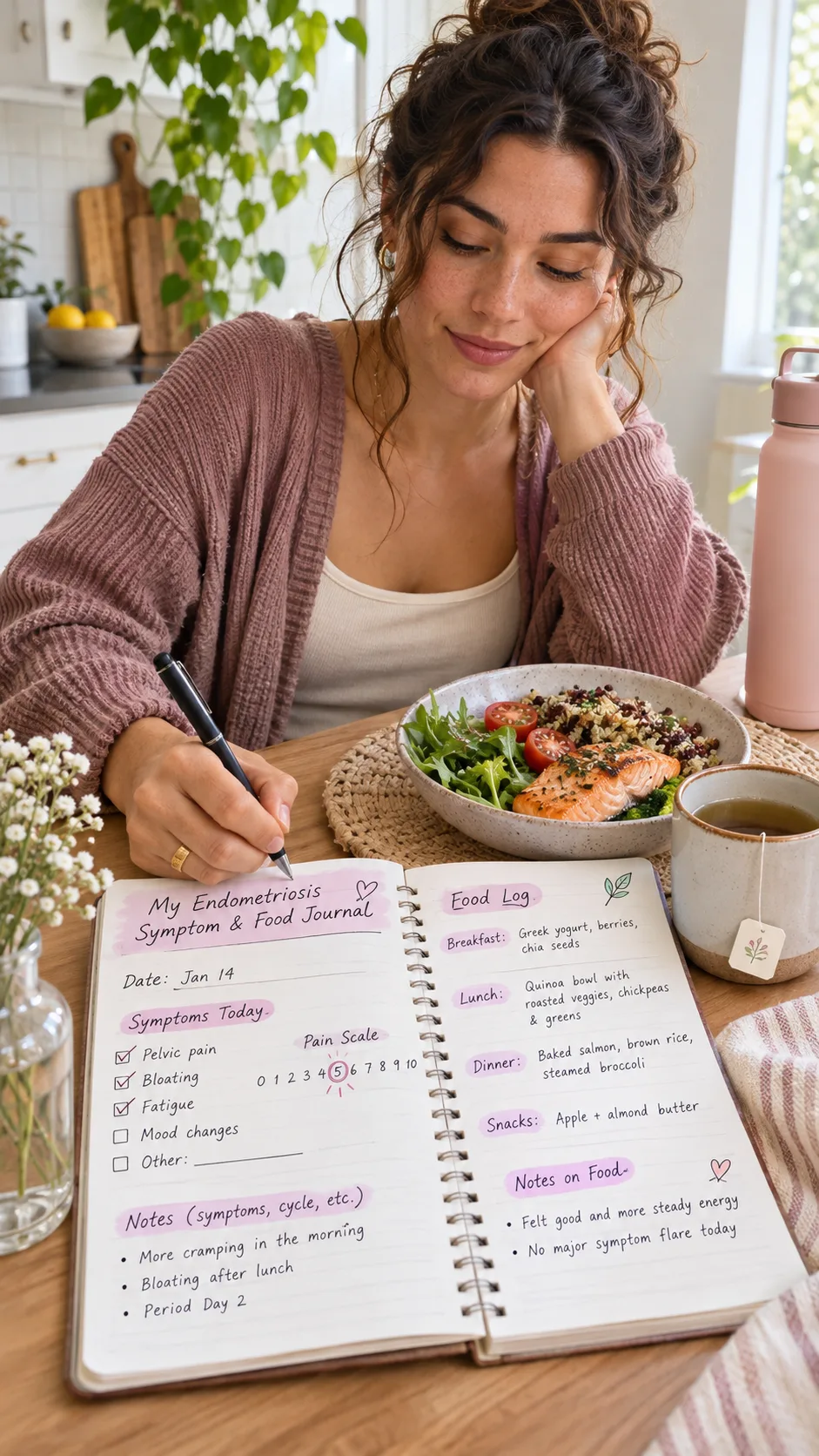
- Keep your usual meals for three days. Write down what you eat, your pain level, bloating, bowel habits, sleep, stress, and cycle day.
- Add one anti-inflammatory meal each day. Start with oatmeal and berries, a salmon grain bowl, lentil soup, or eggs with sauteed vegetables.
- Cut back on obvious personal triggers. Start with alcohol, heavily processed snacks, sugary drinks, or foods that repeatedly trigger a flare.
- Eat consistently. Include protein, fiber, and fat at meals so you avoid extreme hunger and random snack attacks.
- Review your notes after two weeks. Look for repeated patterns, not one rough day after pizza, poor sleep, and a stressful meeting.
- Bring your notes to your clinician or dietitian. Your symptom record can lead to a more useful conversation than “I feel terrible sometimes.”
Track patterns with compassion. Your period phase, stress level, medication changes, sleep, and activity can all affect symptoms. Food gives you one tool in a much larger endometriosis care plan.
A simple one-day endometriosis meal plan
This sample menu gives you a flexible starting point. Adjust it for allergies, cultural preferences, appetite, budget, and symptoms. A satisfying diet should fit your life, not make your life orbit a blender.
Breakfast
Make overnight oats with rolled oats, Greek yogurt or fortified soy yogurt, chia seeds, berries, cinnamon, and walnuts. Add a spoonful of nut butter if you need a more filling breakfast.
Lunch
Build a quinoa bowl with roasted zucchini, peppers, chickpeas or grilled chicken, leafy greens, avocado, and lemon tahini dressing. Choose rice or potatoes if quinoa does not agree with you.
Snack
Eat an orange with pumpkin seeds, or try hummus with whole grain crackers and cucumber. Pairing carbohydrates with protein or fat can help you stay full longer.
Dinner
Serve baked salmon or tofu with roasted sweet potatoes and green beans drizzled with olive oil. Finish with fruit, yogurt, or a square of dark chocolate if you want something sweet.
Meal prep can make this routine easier when fatigue takes over. Cook grains in batches, roast vegetables, and prepare proteins once or twice a week. For more filling, low stress ideas, try this high-protein meal prep guide.
When you need more than diet changes
Nutrition can support endometriosis care, but it cannot replace medical treatment. Contact a gynecologist or endometriosis specialist if pain disrupts work, sleep, exercise, sex, or daily activities. You deserve more than advice to “just take ibuprofen and see.”
Seek prompt medical care for severe sudden pelvic pain, fainting, fever, very heavy bleeding, vomiting, black stools, or signs of dehydration. These symptoms can point to problems that need urgent assessment.
Ask about pain management, hormonal treatment, pelvic floor physical therapy, surgery when appropriate, mental health support, and fertility care if you want pregnancy now or later. The National Institute of Child Health and Human Development also provides evidence-based information about diagnosis and treatment.
A registered dietitian who understands endometriosis, IBS, and heavy periods can help you make a plan without unnecessary restrictions. Consider that support if you have lost weight without trying, struggle to eat enough, follow a vegetarian or vegan diet, or suspect nutrient deficiencies.
The bottom line on the endo diet reset
The best endometriosis diet gives you more options, not more fear. Start with vegetables, fruit, fiber, protein, omega-3 fats, and iron rich foods. Then reduce foods that reliably worsen your symptoms.
Track your own patterns, make one change at a time, and keep your expectations realistic. A bowl of salmon and greens cannot solve every endo problem, but steady, nourishing meals can help your days feel more manageable.
Start with your next meal. Add one supportive food, drink some water, and give yourself credit for caring for your body. Small choices that you can repeat can become a quiet rebellion against endo chaos.