

You do not need to survive on one apple, two sweet potatoes, and pure willpower to lose weight. The original IU diet drew attention because it looked dramatic, not because it gave people a sensible plan they could follow for long.
I took the basic idea behind the IU diet meal plan, simple foods, mindful portions, and fewer random snacks, then made it practical. I wanted steady energy at 3 p.m., meals that felt satisfying, and a plan that did not treat hunger like a personal virtue.
This version focuses on steady calorie control, protein, fibre, and real meals. It can help you lose weight without dreading your kitchen.
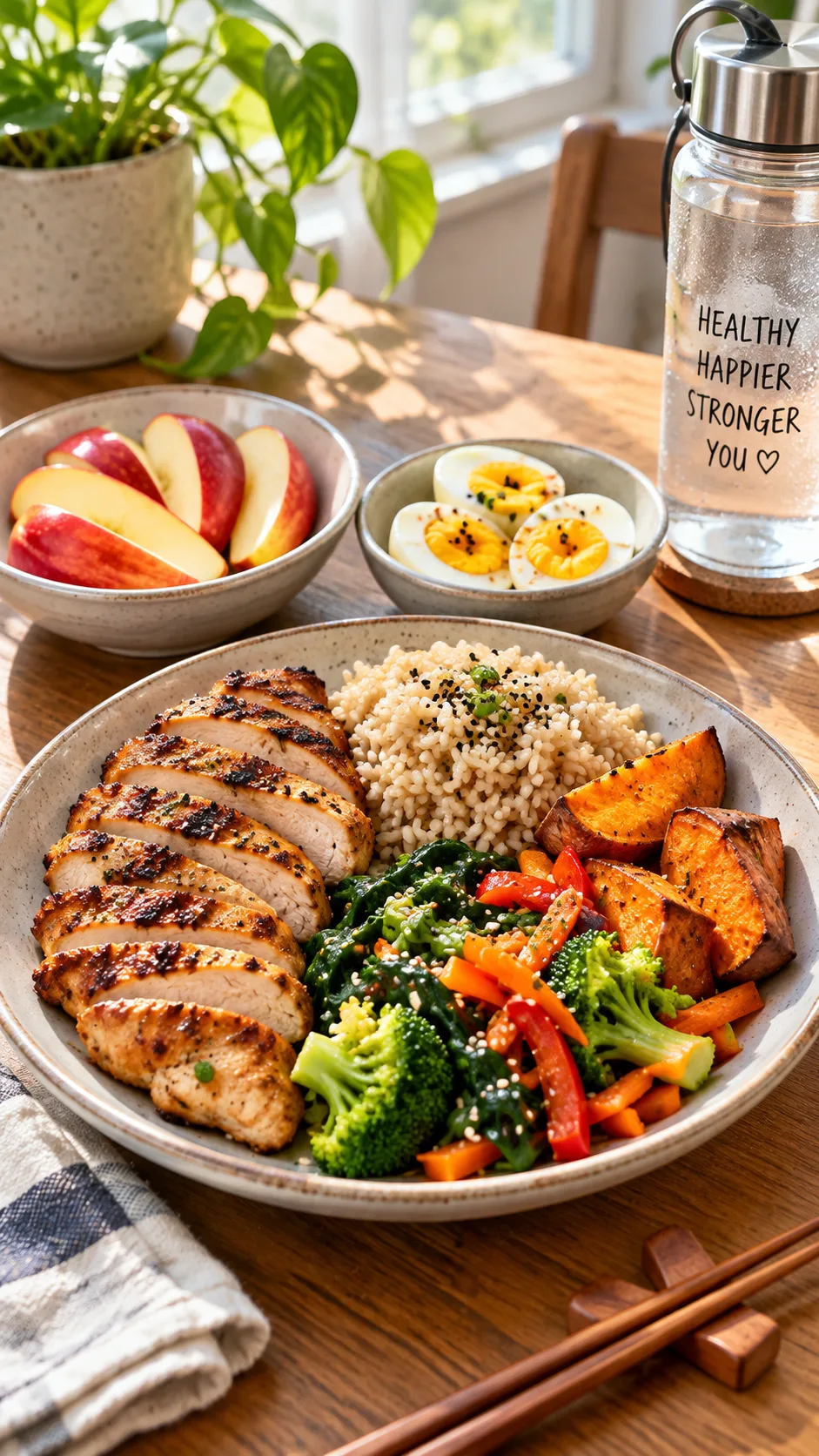
What is the IU diet?

The IU diet refers to a highly restrictive eating plan that fans linked to South Korean singer IU. Most versions call for an apple at breakfast, sweet potatoes at lunch, and a protein shake at dinner.
That plan can make the number on the scale drop quickly because it slashes calories. It also strips away food variety, energy, nutrients, and the pleasure of sharing meals with other people. Few people can live that way for long.
The original IU diet often gives most adults far too little food. Your body needs protein, healthy fats, vitamins, minerals, and enough energy to handle daily life, exercise, sleep, and hormone health.
The National Institutes of Health says sustainable weight loss usually comes from a calorie deficit you can maintain, rather than an extreme crash diet. You can read its practical guidance at NIDDK’s healthy weight management resource.
Why people want to try the IU diet
I understand the appeal. The foods cost little, the rules feel easy to grasp, and quick results can look tempting when your jeans suddenly have opinions.
- It cuts down on meal planning decisions.
- It uses familiar, affordable foods.
- It creates a large calorie deficit fast.
- It can feel “clean” because the food list stays short.
- It gives people structure when their eating habits feel chaotic.
Still, simple should not mean punishing. I kept the structure and changed the parts that shortchange your nutrition.
Why I did not follow the original IU diet plan
A day of apples, sweet potatoes, and protein shakes can easily fall below 1,000 calories. That amount can leave many people hungry, tired, irritable, and more likely to overeat later.
I also wanted to keep my muscle while losing fat. Muscle helps with strength, balance, metabolism, and ordinary tasks, so I did not want to trade it away just to make the scale move faster.
The NHS cautions against fad diets that push rapid weight loss or cut out whole food groups without medical supervision. Its healthy weight loss advice encourages gradual, practical changes instead.
The problems with a very low calorie celebrity diet
- It can leave you hungry all day. Hunger makes consistency harder than any meal prep container.
- It offers too little variety. Your body benefits from fruit, vegetables, protein foods, grains, dairy or alternatives, and healthy fats.
- It can lead to overeating later. Extreme restriction often encourages an all-or-nothing approach to food.
- It can hurt your workouts. You cannot expect a great training session when lunch consists of one potato.
- It does not teach flexible habits. Life includes birthdays, work lunches, travel, and the occasional emergency pizza.
Fast weight loss does not always mean fat loss. Changes in water, glycogen, and muscle can move the number on the scale too.
My safer IU diet meal plan rules
I built my version around the foods that made the IU diet famous, then added enough nutrition to stay full and get through the day like a normal person. I aimed for meals with protein, produce, slow digesting carbs, and a little fat.
This approach does not promise a certain number of kilos or pounds. Your results depend on your body size, activity, health history, sleep, stress, and total food intake.
For many adults, a modest calorie deficit works better than an aggressive one. The CDC recommends gradual weight loss because people tend to keep it off more successfully.
The five rules that kept me full
- Eat protein at every meal: eggs, Greek yogurt, chicken, fish, tofu, beans, cottage cheese, or lean meat all work.
- Keep sweet potatoes: they provide fibre, potassium, and satisfying carbs.
- Add plenty of vegetables: vegetables make meals more filling without piling on calories.
- Pair fruit with other foods: apples still fit, but I eat them with protein or fat so they keep me full longer.
- Include healthy fats: avocado, nuts, olive oil, seeds, and oily fish make meals taste more satisfying.
You do not need to eat perfectly to lose weight. You need a routine you can follow on an ordinary Tuesday and through a busy weekend.
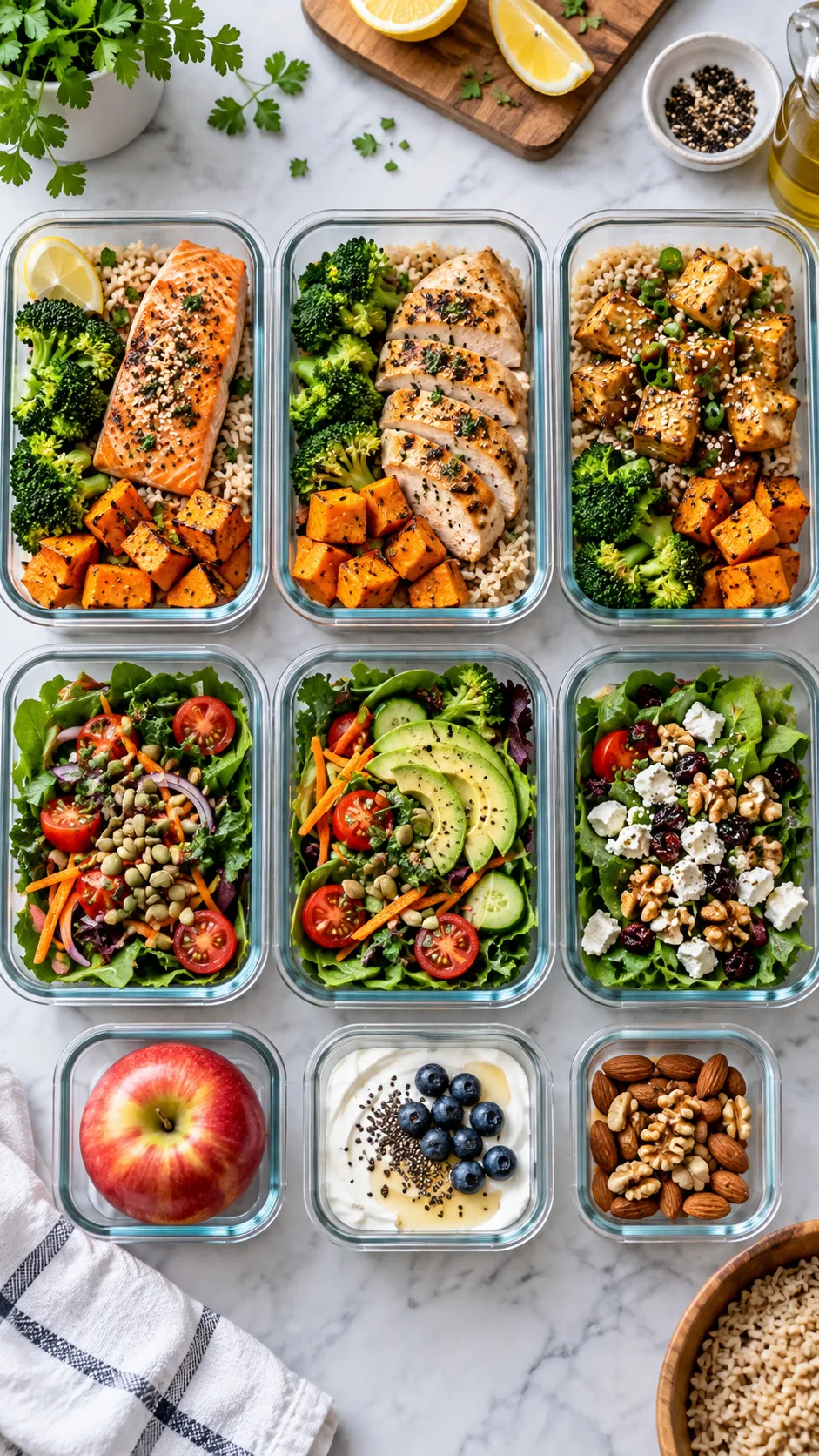
A 7-day IU diet meal plan that does not leave you starving
This IU inspired weight loss meal plan suits people who want simple meals made with whole foods, without extreme restriction. Adjust your portions for your hunger, body size, activity level, and goals.
If you have diabetes, kidney disease, a history of eating disorders, pregnancy, breastfeeding needs, or another medical condition, talk with a registered dietitian or clinician before changing your diet. Your health deserves more than advice from a celebrity diet trend.
Day 1
Breakfast: Greek yogurt with chopped apple, cinnamon, chia seeds, and a handful of oats. The protein and fibre keep you full much longer than an apple by itself.
Lunch: Baked sweet potato topped with shredded chicken, black beans, salsa, and spinach. Add a spoonful of Greek yogurt or avocado if you want a creamier meal.
Dinner: Grilled salmon, roasted broccoli, and a small serving of brown rice. Finish with herbal tea if you enjoy a warm drink in the evening.
Day 2
Breakfast: Two eggs scrambled with tomatoes, spinach, and mushrooms, plus one slice of whole grain toast. Add an apple on the side if you still feel hungry.
Lunch: Tuna and sweet potato salad with cucumber, greens, red onion, lemon juice, and olive oil. This lunch tastes fresh and takes very little effort.
Dinner: Turkey or tofu stir fry with mixed vegetables and rice. Use garlic, ginger, chilli, soy sauce, and lime for plenty of flavour without a heavy sauce.
Day 3
Breakfast: Protein smoothie with milk or soy milk, protein powder, frozen berries, spinach, and peanut butter. Give your smoothie enough substance to count as breakfast.
Lunch: Lentil soup with a side salad and one small baked sweet potato. Lentils add fibre and plant protein, so they make a filling lunch.
Dinner: Chicken fajita bowl with peppers, onions, lettuce, black beans, salsa, and a small scoop of rice or quinoa.
Day 4
Breakfast: Overnight oats with Greek yogurt, apple, cinnamon, and walnuts. Make it the night before, then thank yourself in the morning.
Lunch: Egg salad lettuce wraps with roasted sweet potato wedges and crunchy carrots. Mix Greek yogurt and mustard into the egg salad instead of using only mayonnaise.
Dinner: White fish with sauteed green beans, roasted tomatoes, and quinoa. Add olive oil or a yogurt sauce for more flavour.
Day 5
Breakfast: Cottage cheese with apple slices, cinnamon, and pumpkin seeds. Swap in Greek yogurt if cottage cheese does not suit you.
Lunch: Chicken and vegetable soup with a whole grain roll. Soup adds volume and can help you feel satisfied with fewer calories.
Dinner: Lean beef, tofu, or tempeh lettuce cups with mushrooms, cabbage, carrots, and roasted sweet potato on the side.
Day 6
Breakfast: Vegetable omelette with feta cheese and fruit. Use whichever vegetables sit in your fridge and need a purpose.
Lunch: Chickpea salad bowl with cucumber, tomatoes, greens, olives, lemon, olive oil, and grilled chicken or tofu.
Dinner: Homemade sweet potato chilli with lean turkey, beans, tomatoes, peppers, and spices. Serve it with a crisp salad.
Day 7
Breakfast: Oatmeal with protein powder, sliced apple, cinnamon, and almond butter. It feels comforting while still helping you work toward your goal.
Lunch: Leftover chilli, soup, or a balanced grain bowl. Planned leftovers save money and keep random snack attacks at bay.
Dinner: Roast chicken or baked tofu with sweet potato, roasted vegetables, and a simple side salad. Finish the week with something you would happily eat again.
Smart snacks for an IU inspired weight loss plan
You do not need snacks every day, but they can stop hunger from getting out of hand between meals. I choose snacks with protein, fibre, or both.
- Apple slices with peanut butter
- Greek yogurt with berries
- Boiled eggs and cherry tomatoes
- Edamame with sea salt and chilli flakes
- Carrots, cucumber, and hummus
- Cottage cheese with fruit
- A small handful of nuts with a piece of fruit
- Protein shake with milk or fortified soy milk
Portion size still matters, especially with nuts, nut butter, oils, and cheese. These foods fit into a healthy diet, but they bring plenty of calories because nature apparently designed trail mix to test us.
How to make this meal plan work for weight loss
You can eat nutritious food and still go over your calorie target. I found that a few everyday habits matter far more than chasing foods that claim to burn fat.
Build your plate with a simple formula
At lunch and dinner, fill half your plate with non starchy vegetables. Add a palm sized portion of protein, a fist sized portion of carbs, and a thumb sized portion of fat.
This method lets you adjust portions without turning every meal into a maths exam. If you train hard or walk a lot, you may need more carbohydrates. If you sit most of the day, start with a smaller portion and pay attention to your hunger.
Use these habits to stay consistent
- Plan your protein first. Protein helps you feel full and supports muscle during weight loss.
- Cook sweet potatoes in batches. Roast several at once, then add them to bowls, salads, soups, and snacks.
- Drink water regularly. Thirst can sometimes feel like hunger, especially on busy days.
- Walk after meals. A 10 to 20 minute walk adds movement to your day and helps many people feel better after eating.
- Get enough sleep. Poor sleep can ramp up hunger and make calorie dense snacks look strangely heroic.
- Watch patterns instead of chasing perfection. Notice what keeps you full, what leads to overeating, and what works with your real schedule.
If you want a structured plan with calorie targets, check out this high protein 1600 calorie meal plan. If you prefer more local meal ideas, this guide to Nigerian foods for weight loss has many filling options.

Common questions about the IU diet meal plan
How much weight can you lose on the IU diet?
The original restrictive plan can make the scale drop fast, but it can also cause fatigue, intense hunger, and rebound eating. A safer IU inspired meal plan aims for steady fat loss instead of a dramatic short term result.
Many health organizations encourage gradual progress because it helps people build habits they can keep. Watch your weekly trend, waist measurement, energy, strength, and how your clothes fit.
Can I eat sweet potatoes every day and still lose weight?
Yes, you can. Sweet potatoes do not prevent weight loss. Your overall calorie intake and eating pattern matter more.
They give you fibre and nutrients, and they can make meals more satisfying. Pair them with protein and vegetables instead of making them your whole lunch.
Do I need protein shakes?
No. Protein shakes offer convenience after workouts or during hectic mornings, but whole food protein can work just as well.
Try eggs, yogurt, cottage cheese, fish, chicken, tofu, lentils, beans, or lean meat. Pick the option that fits your budget and tastes good enough to eat again.
Can I follow this plan as a vegetarian?
Yes. Use tofu, tempeh, edamame, lentils, chickpeas, beans, eggs, Greek yogurt, cottage cheese, or vegetarian protein powder.
Add a protein source to every meal, and keep an eye on your iron, vitamin B12, calcium, and omega 3 intake. A dietitian can help you tailor a vegetarian weight loss plan if you feel unsure.
The bottom line: keep the sweet potato, skip the starvation
The IU diet became famous because it looked strict and simple. You do not need to copy an extreme celebrity diet to lose weight.
Build meals around protein, vegetables, fruit, filling carbs like sweet potato, and healthy fats. Keep a modest calorie deficit, move your body, sleep well, and eat enough to live your life.
The best IU diet meal plan does not leave you watching the clock until your next meal. It helps you feel strong, satisfied, and capable because sustainable weight loss should fit your life, not shrink it.