

You want the truth about the IU diet, not another “eat an apple and become a K-pop icon by Friday” fantasy. Fair enough. This strict celebrity diet drew attention because it looks simple, dramatic, and extremely low in calories.
Singer and actor IU has spoken publicly about losing weight with a limited menu of an apple, sweet potato, and protein shake. The internet turned that short term routine into a weight loss trend. Apparently, suffering now qualifies as a lifestyle plan.
The main point: the IU diet can make the scale move quickly, but it can also leave you hungry, tired, underfed, and more likely to regain weight later. This article covers what IU reportedly ate, how the diet affects your body, and how you can pursue weight loss without treating food like an enemy.
What is the IU diet?
The IU diet describes a highly restrictive meal plan associated with South Korean singer IU, whose real name is Lee Ji-eun. Reports and interviews often describe it as a rapid weight loss diet she followed during an intense period of dieting.
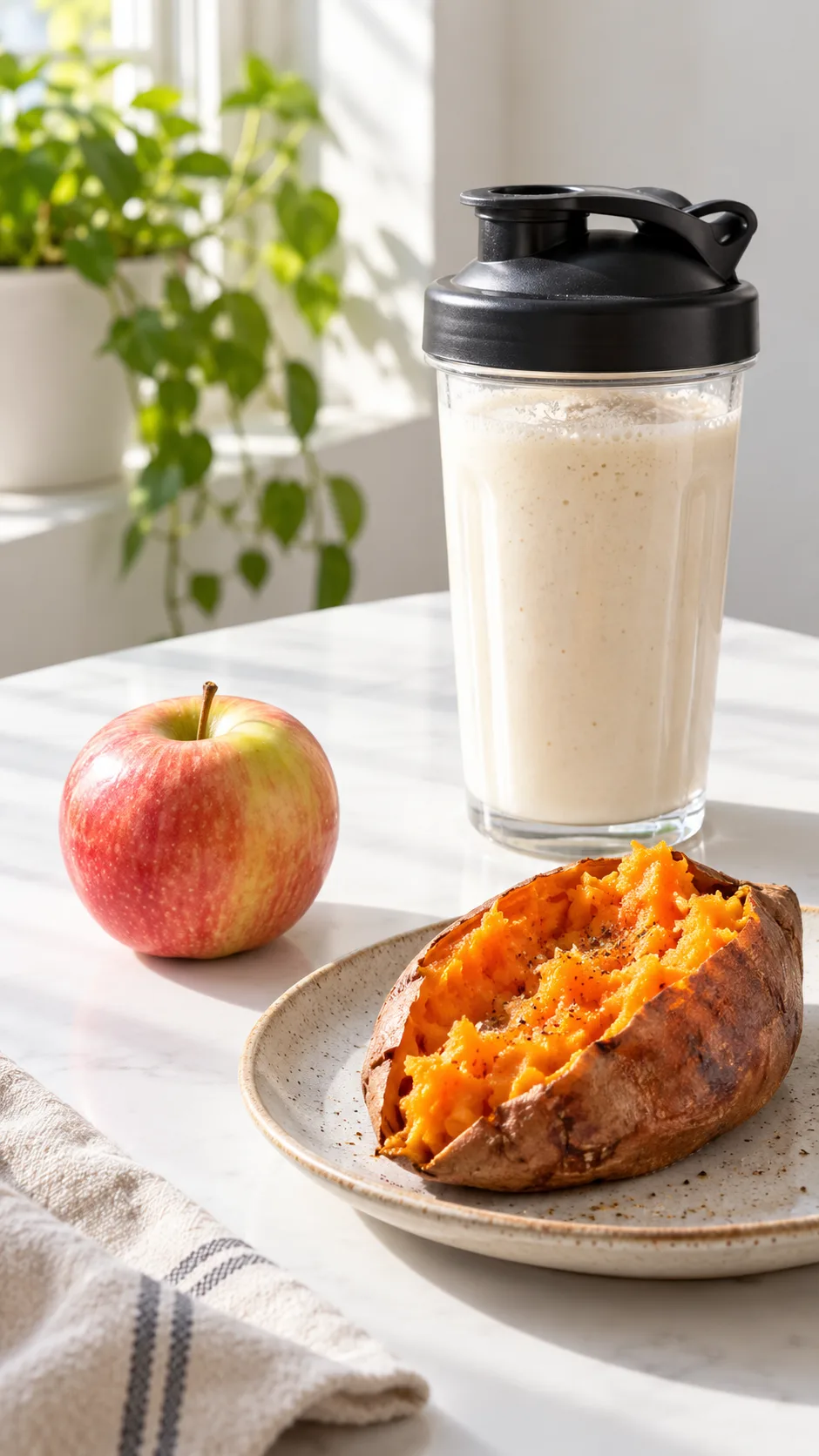
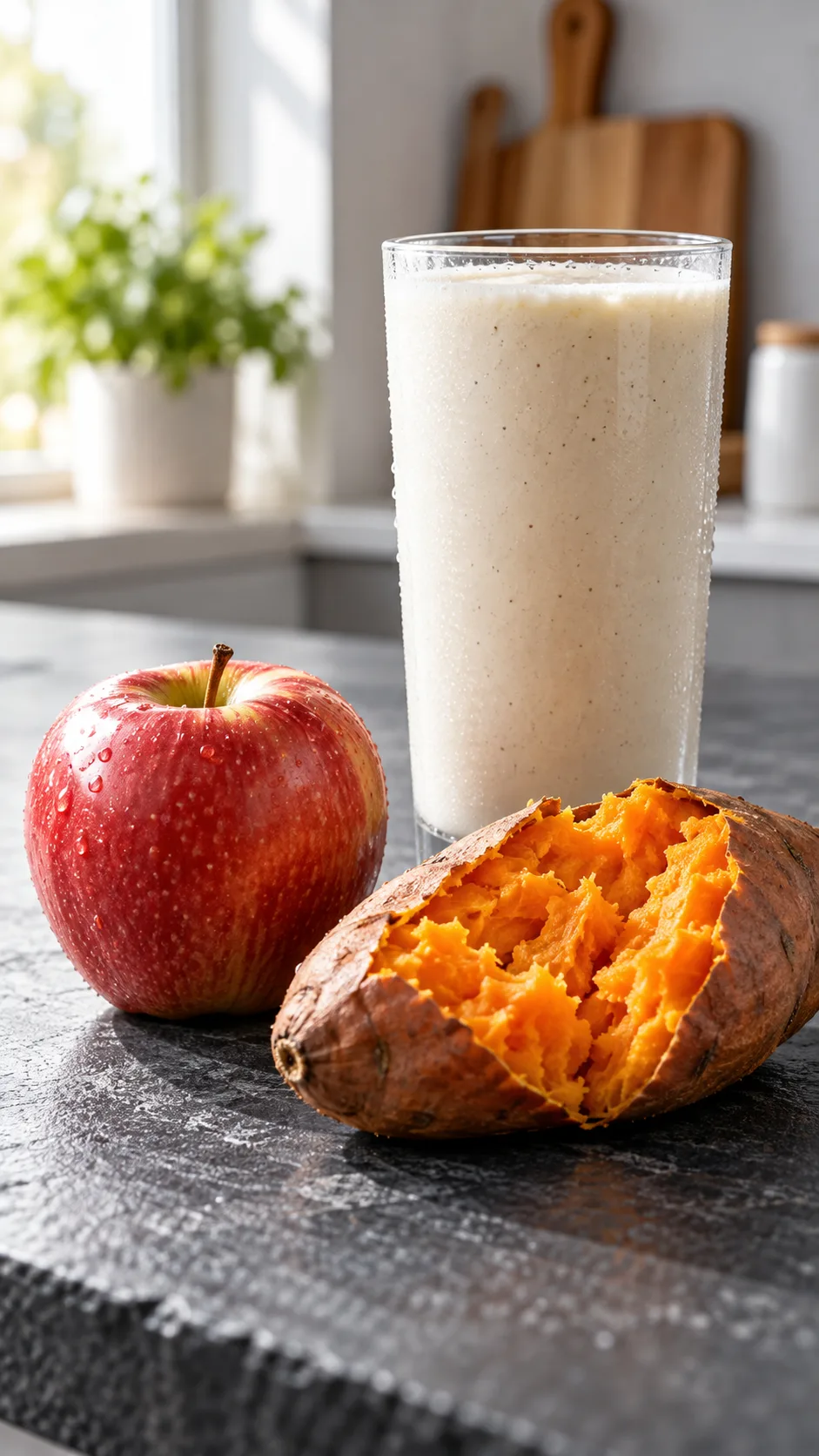
The menu sounds almost comically sparse. You eat an apple for breakfast, a sweet potato for lunch, and a protein shake for dinner. Some versions limit the entire day to those three foods.
This plan does not offer a balanced long term diet. It cuts calories sharply and gives you little variety, fat, fibre, or total energy. Your body needs more than three lonely foods and determination, shocking though that may sound.
The classic IU diet meal plan
- Breakfast: One apple.
- Lunch: One sweet potato.
- Dinner: One protein shake.
Online accounts give different serving sizes, and that detail matters. A small apple, medium sweet potato, and standard protein shake may provide roughly 300 to 600 calories a day, depending on the portions and product.
Most adults need much more energy to support basic body functions, work, training, concentration, and daily movement. The NHS guidance on very-low-calorie diets says many people need professional supervision when they follow plans like these.
Why did the IU diet become so popular?
The IU diet gives the internet plenty to latch onto: a famous person, a dramatic before and after story, strict food rules, and the promise of quick results. You never have to wonder what to eat because the menu gives you almost no choice.
Fans also connect K-pop culture with demanding schedules, polished performances, and intense beauty standards. That pressure can make extreme restriction look like discipline or success. It is neither.
People search for “IU diet results,” “IU diet before and after,” and “how much weight did IU lose” because they want certainty. They want a shortcut with instructions. But your metabolism, health history, activity level, sleep, stress, and relationship with food all affect what happens.
A celebrity’s short term method does not become safe simply because a celebrity used it. Celebrities may have stylists, trainers, doctors, demanding filming schedules, and support teams that most people do not have.
What the IU diet does to your body
The IU diet creates a large calorie deficit. Your body then draws on stored energy to cover the gap between what you eat and what you burn. That process can lower your body weight quickly at first.
But the scale cannot tell the full story. Early weight loss often includes water and glycogen, the carbohydrate stores in your muscles and liver. When you eat fewer carbohydrates and fewer calories overall, your body releases some of that stored water.
You may lose weight fast at first
Yes, the IU diet can lower the number on the scale. A severe calorie deficit usually does that in the short term. That does not mean the plan protects your muscle, hormones, mood, or long term progress.
Your body uses glycogen when you eat very little. Glycogen holds water, so you can lose water weight quickly during the first few days. Many people mistake that early change for pure fat loss.
Fast weight loss does not always mean better fat loss. A sustainable plan can help you lose fat while you keep as much lean muscle, strength, and energy as possible.
You may feel tired, cold, and distracted
Your brain and body need steady fuel. When you eat too little, you may feel weak, irritable, dizzy, cold, headachy, or unable to focus. Try answering emails while your stomach growls like a tiny angry bear.
A small apple and sweet potato provide carbohydrates, but they cannot meet the energy needs of most adults. The protein shake may provide protein, but it rarely gives you enough calories, vitamins, minerals, or healthy fats for the day.
Some people also get constipated because the plan limits food volume, fats, and fibre variety. Others crave calorie dense foods so intensely that they overeat later. Your body does not lack willpower. It needs energy.
You risk muscle loss
Your body needs enough protein, calories, and resistance training to maintain muscle during weight loss. The IU diet includes some protein through the shake, but one shake rarely meets a person’s full daily protein needs.
When you lose muscle, you may feel weaker and burn fewer calories through daily movement and exercise. You may also notice worse workout performance, slower recovery, and less definition after weight loss.
The National Library of Medicine has published research on how adequate protein and resistance exercise help preserve lean mass during weight loss. You do not need to train like a superhero, but your muscles deserve a vote.
Your hormones and menstrual cycle may react
Very low energy intake can affect hormones in some people, particularly when they also exercise intensely. Some women notice irregular or missed periods, lower libido, sleep problems, or mood changes after extended restriction.
Low calorie intake can also make food feel all consuming. You may think about your next meal all day, then feel guilty for wanting more than an apple. That pattern can exhaust you emotionally and physically.
If you miss periods, faint, experience ongoing dizziness, or struggle with food rules, contact a doctor or registered dietitian. Those signs need attention, not a motivational quote.
What nutrients does the IU diet miss?
The apple, sweet potato, and protein shake each offer something useful. Apples provide fibre and vitamin C. Sweet potatoes provide carbohydrates, potassium, and beta carotene. Protein shakes can provide protein and sometimes added vitamins.
Still, these foods cannot meet every nutritional need on their own. The diet lacks enough variety to reliably provide several nutrients, and different foods support different functions in your body.
- Protein: One shake often falls short of daily needs.
- Healthy fats: The plan gives you little omega-3 fat, monounsaturated fat, or dietary fat overall.
- Calcium: You may not get enough calcium without dairy or fortified alternatives.
- Iron: The menu provides little iron, especially heme iron from animal foods.
- Vitamin B12: Plant foods do not naturally provide a reliable source of B12.
- Zinc: Your body needs zinc for immune function, wound healing, and many other processes.
- Food variety: Your gut microbiome benefits from a wider range of plant foods.
The World Health Organization’s healthy diet guidance recommends variety across fruits, vegetables, legumes, whole grains, and protein sources. That advice may sound less glamorous than a celebrity diet, but it supports your health.
Can you try the IU diet for three days?
Some people call the IU diet a three day “reset.” I dislike that label because your body does not need punishment or a cleanse to restart itself. Your liver and kidneys already do that work every day.
A brief stint may not seriously harm every healthy adult, but it can still bring fatigue, cravings, headaches, overeating, and unhealthy dieting habits. People with diabetes, a history of eating disorders, pregnancy, breastfeeding, medical conditions, or regular medication use should avoid this kind of restrictive diet without medical guidance.
Do not use the IU diet as a crash plan before a wedding, holiday, photoshoot, or reunion. You deserve an approach that lets you enjoy the event instead of calculating whether an apple counts as dinner.
Who should avoid it completely?
- Teenagers and children who need energy for growth.
- Pregnant or breastfeeding people.
- People with diabetes or blood sugar concerns.
- People with a current or previous eating disorder.
- Anyone with kidney disease, digestive disorders, or nutrient deficiencies.
- People who train hard, work physically demanding jobs, or play sports.
If you want personal nutrition advice, talk to a registered dietitian or doctor who knows your health history. Social media comments cannot assess your iron levels, medication interactions, or mental wellbeing. Neither can a celebrity meal plan.
A smarter version of the IU diet idea
You can keep the practical appeal of the IU diet without following its extreme rules. The original plan appeals because it feels simple, affordable, and easy to remember. Keep that simplicity, but build full meals instead of shrinking your day into snack sized portions.
Try a balanced plate formula: protein, high fibre carbohydrates, vegetables or fruit, and healthy fat. That combination can help you stay full, protect muscle, and avoid the hunger swings that crash diets bring.
Turn the three foods into balanced meals
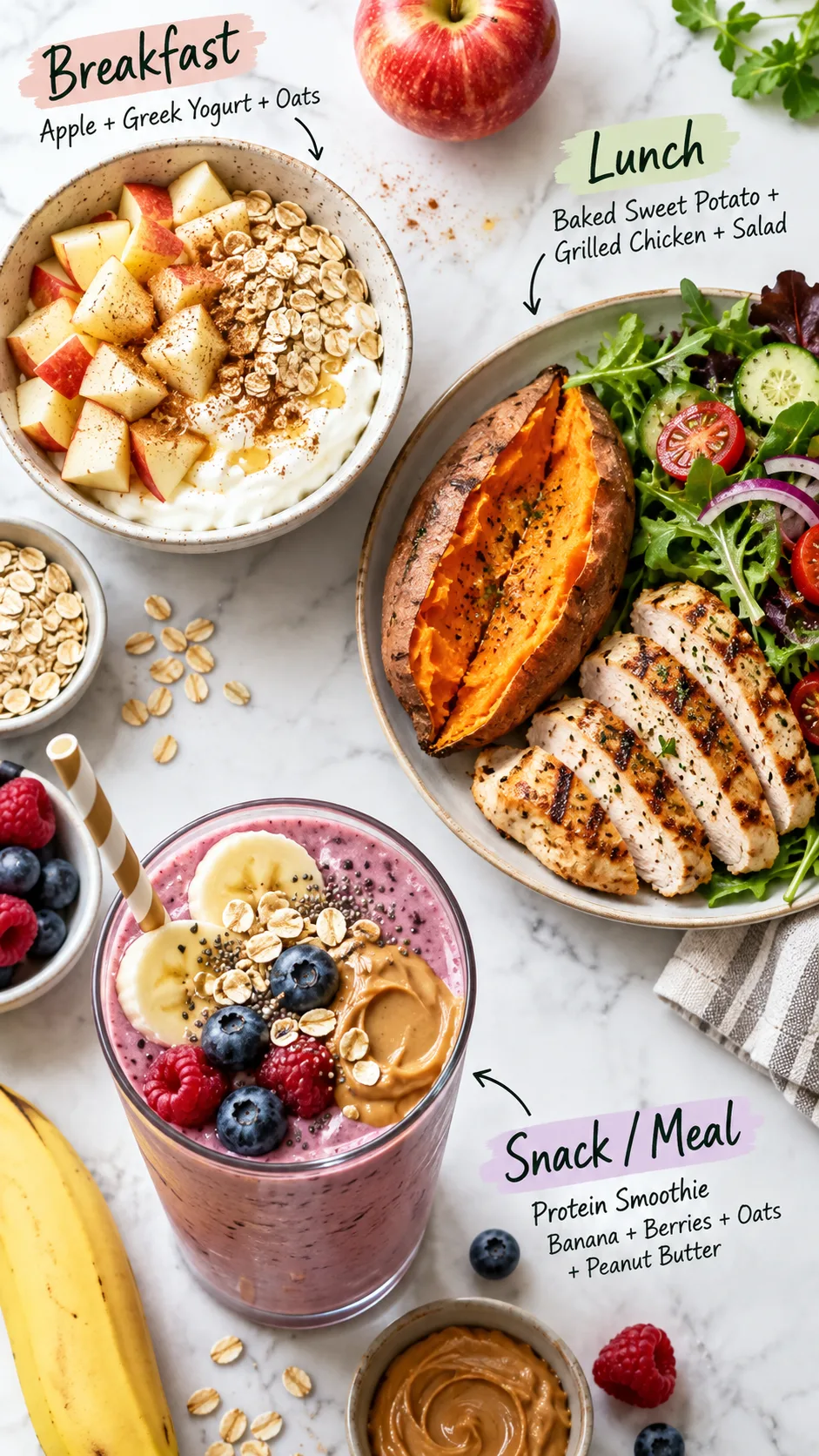
- Upgrade the apple breakfast: Pair an apple with Greek yoghurt, eggs, peanut butter, or oats.
- Upgrade the sweet potato lunch: Add chicken, beans, tuna, tofu, eggs, or lentils plus colourful vegetables.
- Upgrade the protein shake dinner: Blend protein powder with milk or fortified soy milk, banana, berries, oats, and a spoonful of nut butter.
- Add water and regular meals: Drink fluids throughout the day and stop treating hunger as a character flaw.
You can still eat apples, sweet potatoes, and protein shakes. They are good foods, not magical foods. Nutrition works better when you stop asking one ingredient to do the work of an entire meal plan.
How to lose weight without wrecking your energy
For most people, gradual weight loss works better than extreme restriction. You can create a moderate calorie deficit while still eating enough protein, fibre, and satisfying meals. That approach also gives you a better chance of keeping the weight off.
The Centers for Disease Control and Prevention encourages gradual weight loss and sustainable habit changes. Dropping several kilos in a week may sound exciting, but your body usually responds better to boring consistency.
Use these habits instead
- Build meals around protein sources such as eggs, fish, chicken, beans, yoghurt, tofu, or lean meat.
- Eat high fibre foods like vegetables, fruit, oats, beans, brown rice, and whole grain bread.
- Choose mostly minimally processed foods, but leave room for foods you enjoy.
- Walk more, dance, cycle, or choose any movement you can repeat each week.
- Lift weights or follow a beginner friendly strength plan two to three times each week.
- Sleep enough, because poor sleep can increase hunger and cravings.
- Track your energy, strength, waist measurements, and habits, not only your scale weight.
If you want a practical training structure, this full body workout plan for real strength pairs better with healthy eating than another starvation challenge. Strength training can help you maintain muscle while you work toward fat loss.
Your skin can change when your diet, sleep, stress, and hydration change. A balanced routine works better than hoping a crash diet gives you “K-pop glow.” For body care ideas that fit your outside routine, check out these body scrubs for glowing skin.
IU diet FAQs
How many calories are in the IU diet?
Most versions likely provide around 300 to 600 calories a day, depending on food sizes and the protein shake. That amount falls far below the energy needs of most adults. Never assume a low number means a safe number.
How much weight can you lose on the IU diet?
Your result depends on your body size, starting weight, movement, hydration, and how long you follow the plan. You may see quick scale loss from water, glycogen, and some fat, but you may also lose muscle. The scale can move quickly while your health heads in the wrong direction.
Did IU only eat an apple, sweet potato, and protein shake?
Public reports commonly connect IU with that simple menu during a period of rapid dieting. However, online versions often strip away context, change serving sizes, and exaggerate details. Treat the plan as a reported short term celebrity diet, not a complete account of everything she ate or a recommendation for your own life.
Does the IU diet boost metabolism?
No evidence shows that this diet boosts metabolism. Long periods of severe restriction can leave you less energetic and reduce spontaneous movement, which can work against your goals. Building muscle, eating enough protein, sleeping well, and staying active support healthier energy use.
The bottom line on the IU diet
The IU diet uses an apple, sweet potato, and protein shake to create a drastic calorie deficit. It can cause rapid weight loss on the scale, but it can also bring hunger, fatigue, nutrient gaps, muscle loss, and rebound eating.
You do not need to earn results through misery. Keep the healthy foods from the plan, add protein, vegetables, healthy fats, and enough total food, then pair that approach with regular movement.
Take inspiration from IU’s work ethic if you want, but leave the starvation style menu behind. Your body needs fuel to sing, train, think, laugh, work, and live well. It deserves more than an apple and vibes 🙂