Your stomach growls at 10 a.m. You ate a rice cake and a sad little yogurt. Sound familiar?
Most people blame willpower when a low calorie diet leaves them ravenous. I blame the plan. Hunger is a signal, and most low calorie diets ignore it completely.
This guide covers the biggest low calorie diet mistakes, explains why they make you hungrier, and tells you what to eat instead. Ready to stop white knuckling your way through the day?

Why a low calorie diet makes you so hungry
Your body wants to survive, and it has no opinion about your jeans. When you cut calories hard, your body fights back with hormones.
Ghrelin, the hormone that tells you to eat, tends to rise when you restrict food. Leptin, which signals fullness, tends to drop. Your brain then pays more attention to food, and suddenly you can smell a bakery from three blocks away.
The National Institute of Diabetes and Digestive and Kidney Diseases says sustainable weight loss comes from gradual, realistic changes. Crash approaches rarely last. That isn’t a moral failing. It’s biology doing its job.
So what goes wrong in practice? Eight things, mostly.
The 8 low calorie diet mistakes at a glance
- Cutting calories too far, too fast
- Skimping on protein
- Eating low fiber, low volume food
- Living on “diet” and fat free products
- Drinking your calories (or skipping them entirely)
- Saving every calorie for dinner
- Ignoring sleep and stress
- Forgetting water and salt balance
Each one comes with a fix below.
Mistake #1: Cutting calories too low, too fast
This is the big one. You decide to eat 1,000 calories a day because a bigger deficit means faster results, right? It doesn’t work that way.
An aggressive cut brings intense hunger and low energy, and it often ends in a weekend binge. Then you feel guilty and restart the cycle. That loop, not your appetite, is the real problem.
What to do instead
- Aim for a moderate deficit, roughly 300 to 500 calories below maintenance for most people.
- Use a reputable calculator to estimate your needs, then adjust based on how you feel after two weeks.
- Treat very low calorie diets (under about 800 calories a day) as territory that needs medical supervision.
A common guideline says most women should avoid dropping below 1,200 calories and most men below 1,500 without a doctor’s guidance. Your own number depends on your size, age, and activity, so check with a professional.
Mistake #2: Skimping on protein
Protein is the most filling macronutrient. When you skip it, you get hungry sooner and lose more muscle along with the fat.
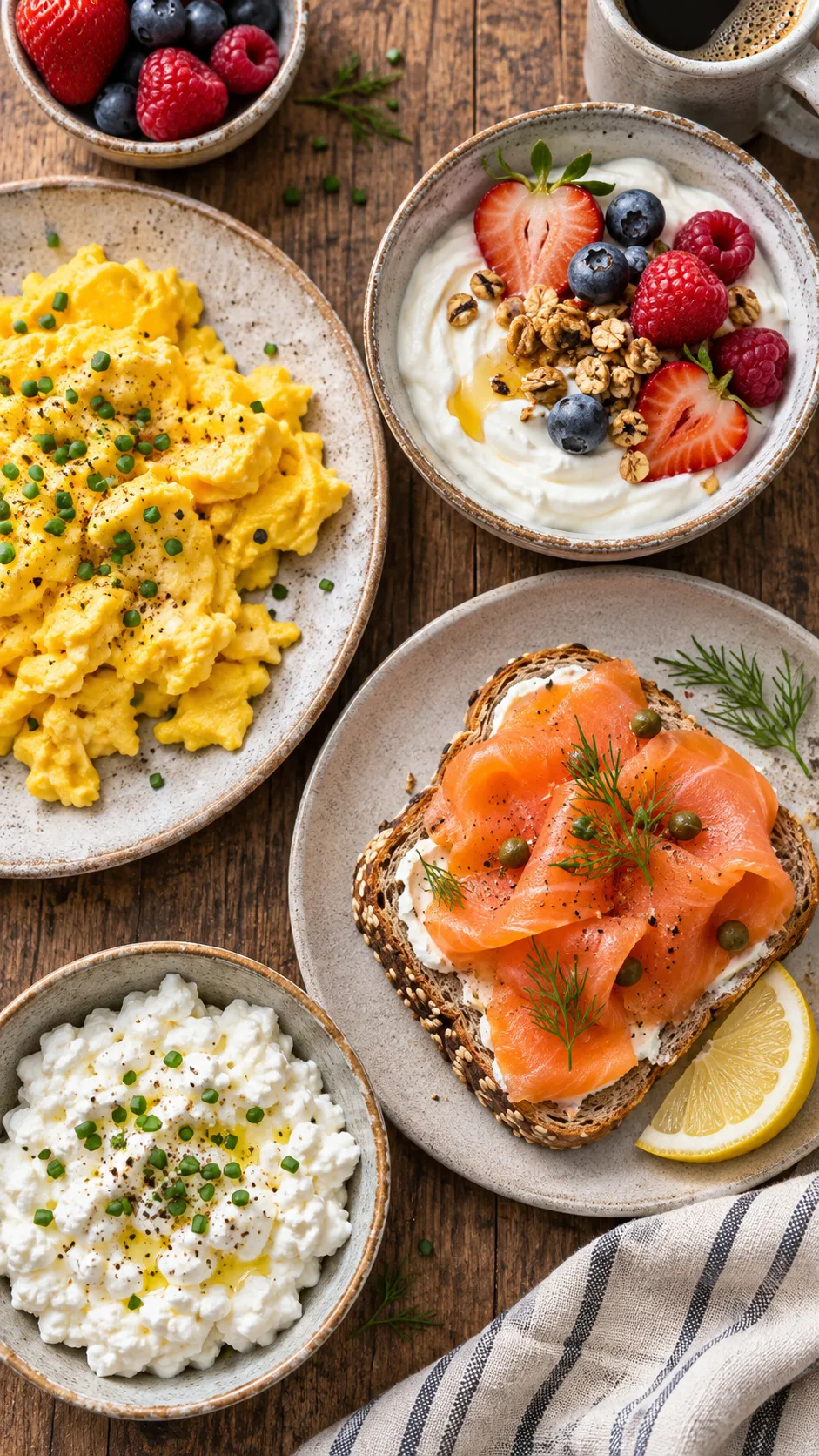
Picture a typical “healthy” breakfast: a banana and black coffee. It tastes fine and vanishes from your stomach in about forty minutes. Then you’re raiding the office snack drawer.
What to do instead
The Harvard T.H. Chan School of Public Health notes that the baseline recommendation is 0.8 grams per kilogram of body weight. Many people trying to lose fat while keeping muscle do better with more, so talk with a registered dietitian about your target.
Build every meal around a protein anchor:
- Eggs and egg whites
- Greek yogurt and cottage cheese
- Chicken breast, turkey, and lean beef
- Fish and shellfish
- Lentils, beans, tofu, and tempeh
Aim for roughly 25 to 35 grams at each meal. You’ll notice the difference by lunchtime.
Mistake #3: Eating low volume, low fiber food
Your stomach counts volume and fiber, not just calories. One hundred calories of crackers disappears fast. One hundred calories of strawberries fills a bowl.
Fiber slows digestion and keeps you full longer, which also steadies your blood sugar. The Harvard Nutrition Source explains how fiber supports fullness and gut health, yet most adults fall short of the recommended amount.
High volume foods that keep you full
- Non-starchy vegetables such as zucchini, spinach, cauliflower, cucumbers, and peppers
- Fruit like berries, apples, oranges, and pears
- Legumes, including lentils, chickpeas, and black beans
- Whole grains like oats, barley, and quinoa
- Broth based soups to start your meal
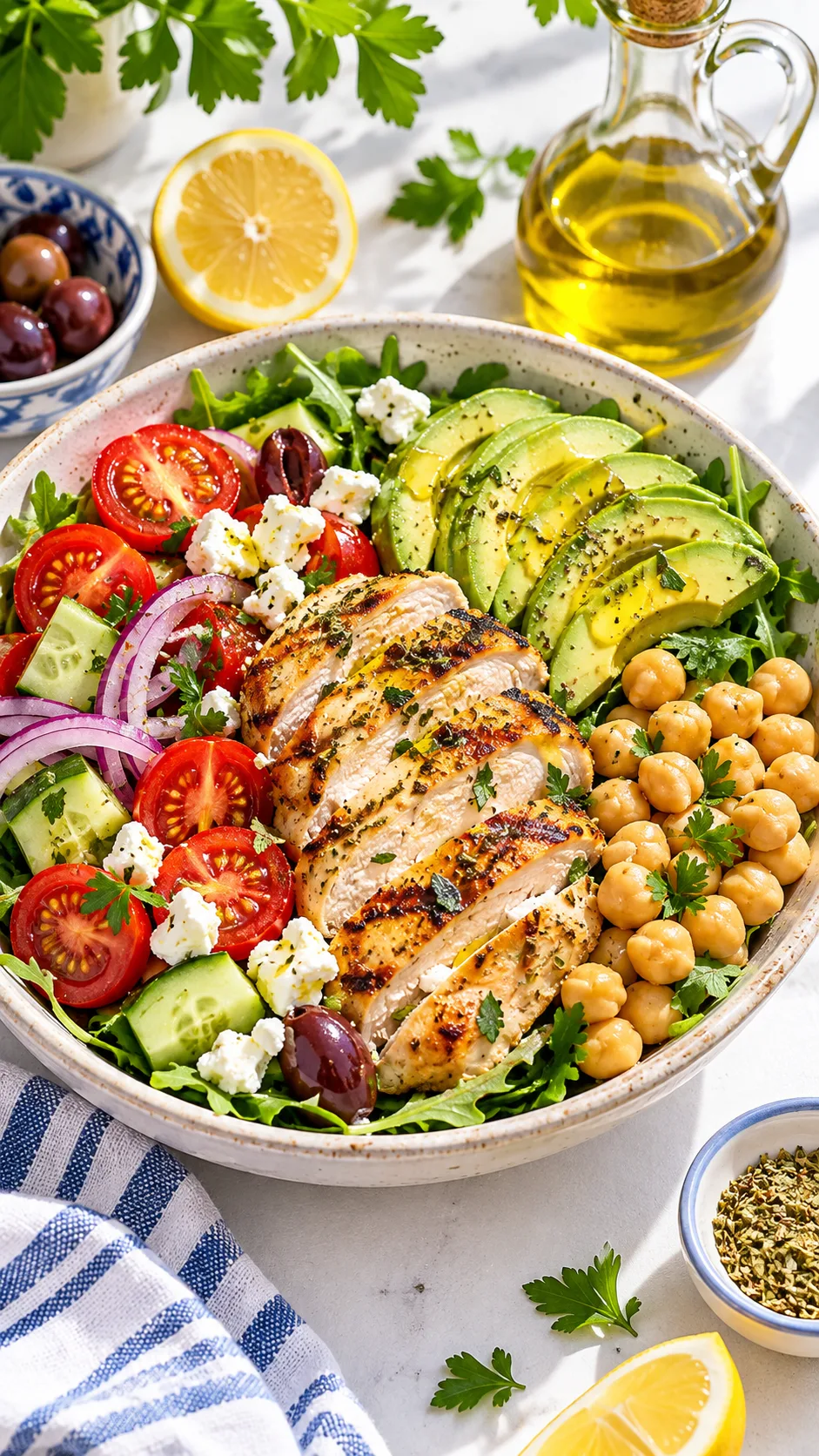
Ever wondered why a giant salad with chicken beats a tiny cracker snack at the same calorie count? Volume. Your stomach stretches, sends a fullness signal, and you stop thinking about snacks.
Mistake #4: Living on “diet” and fat free products
The snack aisle loves you when you diet. It slaps “light” and “0% fat” on everything. In my opinion, most of those products exist to separate you from your money, not to fill you up.
Fat free dressings, 100 calorie snack packs, and diet bars often pack sugar or refined starch with little protein or fiber. They taste okay and satisfy nobody. You eat them, you’re hungry again, and you’ve spent your calories for nothing.
What to do instead
- Keep healthy fats in your meals, such as olive oil, avocado, nuts, seeds, and fatty fish.
- Measure them, because fats pack a lot of calories. A tablespoon of olive oil on roasted vegetables works wonders.
- Choose whole foods over products with a health halo.
Fat slows stomach emptying and helps your body absorb vitamins A, D, E, and K. Cutting it to zero makes meals less satisfying and less nutritious.
Mistake #5: Drinking your calories (or skipping them entirely)
Liquid calories sneak past your fullness signals. A flavored latte, a juice, and a smoothie can add 600 calories without making you feel like you ate anything.
The opposite mistake hurts too. Some dieters “save” calories by skipping breakfast and lunch, then crash by mid-afternoon. Neither extreme works.
What to do instead
- Drink water, sparkling water, unsweetened tea, or black coffee most of the time.
- If you love smoothies, chew your calories instead. Eat the fruit and add Greek yogurt on the side.
- Eat three solid meals, with a planned snack if you need one.
Mistake #6: Saving every calorie for dinner
You eat almost nothing all day and feel proud of your discipline. Then 8 p.m. hits and you demolish a pizza. Is that a plan or a trap?
Under-eating early makes you feel stronger at first, then your body collects the debt with interest. Late-night overeating usually traces back to daytime under-eating, not a lack of self-control.
A smarter way to spread your calories
- Start breakfast with protein plus fiber, like eggs with veggies and fruit, or Greek yogurt with oats and berries.
- Make lunch a big plate with lean protein, vegetables, and a sensible carb.
- Pair protein with produce in the afternoon, such as cottage cheese with cucumber or an apple with peanut butter.
- Keep dinner balanced and satisfying. It shouldn’t be a reward for surviving the day.
Mistake #7: Ignoring sleep and stress
You can eat the perfect diet and still feel starving if you sleep five hours a night. Poor sleep pushes ghrelin up and makes high calorie foods look irresistible. I’ve never met a cookie that looks better after a full eight hours.
Chronic stress works the same way. Cortisol nudges you toward comfort food, and that stress-snack habit adds up fast.
Simple fixes that cost nothing
- Aim for 7 to 9 hours of sleep most nights.
- Take a 10 minute walk after meals. It calms stress and helps blood sugar.
- Set a screen curfew an hour before bed.
Belly fat in particular often responds to these lifestyle changes. If that’s your main target, read our guide on the belly fat diet mistake most women make for more detail.
Mistake #8: Forgetting water and salt balance
Mild dehydration can feel a lot like hunger. You reach for a snack when your body wants a glass of water. Meanwhile, cutting out processed food can drop your sodium so low that you feel foggy and weak.
What to do instead
- Drink a glass of water before meals and keep a bottle nearby.
- Check your urine color. Pale yellow means you’re in good shape.
- Salt your home-cooked food to taste unless your doctor tells you otherwise. If you manage blood pressure, the DASH diet gives you a proven framework for sodium.
Watch this: a quick visual on eating for fullness
Sometimes a demo beats a paragraph. This video shows how food choices change fullness on a calorie budget.
What to eat instead: the satiety-first plate
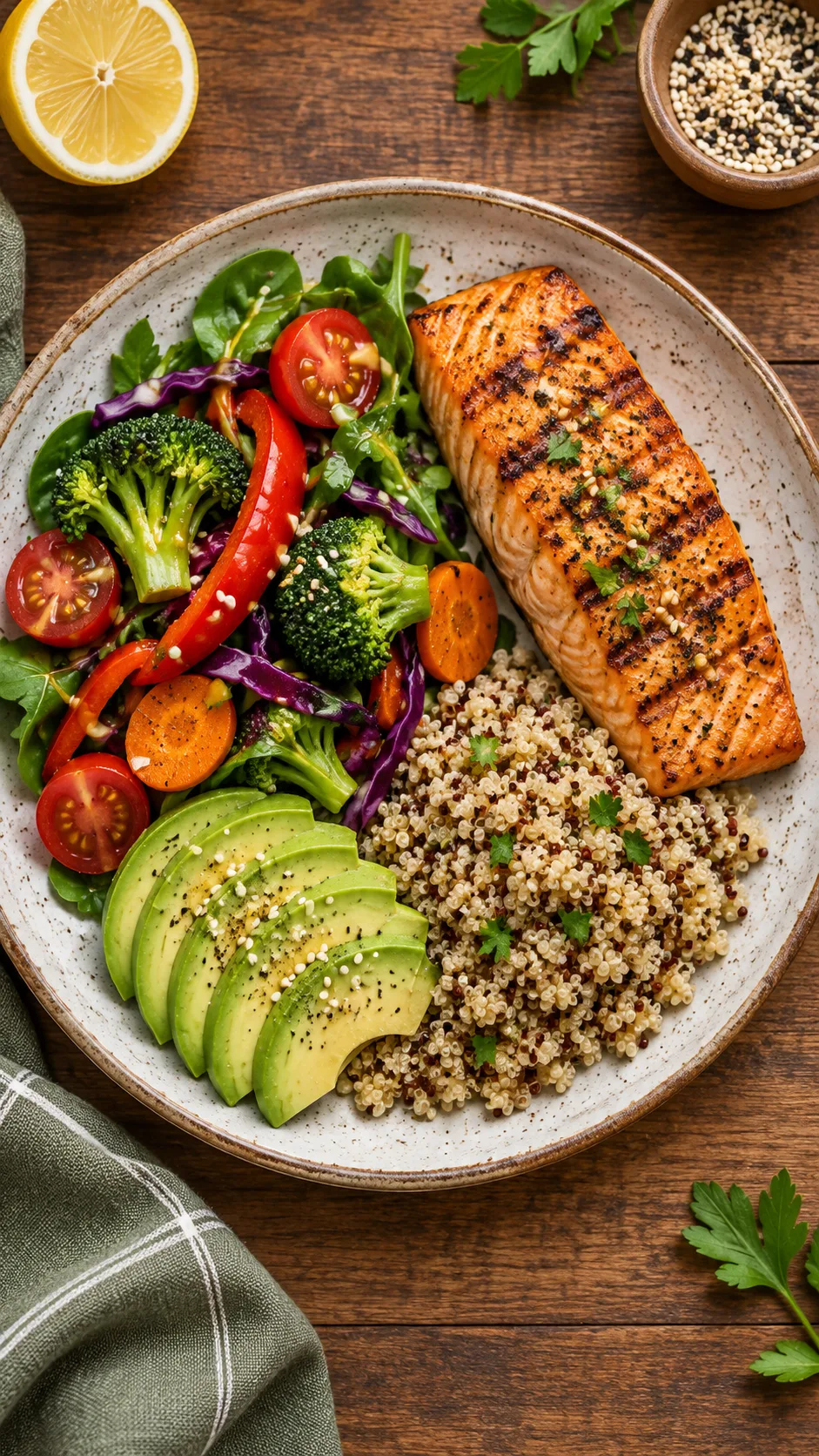
Forget tiny portions of everything. Build a plate that fills you up for the calories you spend. You can use this simple formula at any meal.
- Fill half your plate with vegetables or fruit. They bring volume, fiber, and micronutrients for few calories.
- Fill a quarter with lean protein. Chicken, fish, eggs, tofu, or beans keep hunger quiet.
- Fill a quarter with fiber-rich carbs. Think oats, potatoes with the skin, brown rice, or whole grain bread.
- Add a thumb of healthy fat. Olive oil, nuts, seeds, or avocado make the meal taste good.
The Dietary Guidelines for Americans back this approach: plenty of vegetables, fruits, whole grains, and lean protein, with limited added sugars and sodium.
The most filling foods per calorie
- Boiled potatoes rank famously high on satiety charts.
- Eggs are cheap, fast, and rich in protein.
- Greek yogurt is thick, creamy, and loaded with protein.
- Oatmeal has soluble fiber that sticks with you.
- Lentils and beans give you protein and fiber in one package.
- White fish and shrimp offer lean protein for few calories.
- Berries and apples are sweet, crunchy, and high in water.
- A broth based soup starter makes you eat less at the main course.
A sample day that keeps you full
A satisfying day of eating at a moderate calorie level looks like this. Adjust the portions to match your own needs.
- For breakfast, make a veggie omelet with two eggs plus egg whites, and add a slice of whole grain toast and an orange.
- For lunch, build a big salad with grilled chicken, chickpeas, cucumbers, and olive oil dressing.
- For a snack, have Greek yogurt with berries and a sprinkle of chia seeds.
- For dinner, bake salmon, roast some broccoli, and add a small baked potato.
- If you need an evening bite, have a pear with a few almonds.
Nothing here is exotic, and that’s the point. Boring, repeatable meals beat fancy plans you abandon by Thursday.
Habits that back up your menu
Eat slowly and without a screen
Your brain needs about 20 minutes to register fullness. If you inhale lunch at your desk while scrolling, you miss the signal and eat more later. Put the phone down and taste your food. Revolutionary, I know.
Plan for your trouble spots
Everyone has a weak hour. Maybe it’s 3 p.m. or right after dinner. Pack a protein-rich snack for that exact window so you aren’t negotiating with a vending machine.
Lift something heavy
Strength training helps you keep muscle while you lose fat. More muscle means a healthier metabolism and a better result on the scale and in the mirror.
Consider the bigger picture
Hunger sometimes points to inflammation, gut trouble, or blood sugar swings rather than a calorie problem. If bloating or fatigue tags along, our inflammation diet guide for beginners may help you spot patterns.
When to talk to a professional
Constant, intense hunger despite eating enough deserves a conversation with your doctor. So do dizziness, hair loss, missed periods, or extreme fatigue. These signs often mean you’re eating too little or missing a nutrient.
Also check in first if you take diabetes medication, have a history of disordered eating, or are pregnant or breastfeeding. A registered dietitian can tailor a plan to your body, health history, and schedule. A blog post can’t replace that.
Quick FAQ
How many calories should I eat to lose weight without feeling hungry?
It varies by person. Most people do well with a modest deficit of about 300 to 500 calories under maintenance, paired with plenty of protein and fiber. Very aggressive cuts almost always backfire.
Why am I hungry right after eating on a diet?
Your meal probably lacked protein, fiber, or volume. Refined carbs and liquid calories digest quickly and leave you searching for more food within an hour.
Do I need to count calories forever?
No. Many people count for a few weeks to learn portion sizes, then switch to the plate method and habits like those above. Use the tool as long as it helps you.
The bottom line
Being hungry all the time doesn’t prove your diet works. It usually proves the opposite. The best low calorie diet feels doable, not punishing.
The short version:
- Cut calories moderately, not dramatically.
- Anchor every meal with protein and fiber.
- Choose whole, high volume foods over “diet” products.
- Spread your meals across the day and don’t save everything for dinner.
- Protect your sleep, hydration, and stress levels.
Pick one mistake from this list and fix it this week. Swap the rice cake for eggs, or add a bowl of soup to lunch. Small wins stack up, and your stomach will thank you.
Eat enough to feel human, and the results will follow.