

Put down that dry bowl of lettuce. If starving yourself worked, every woman who ever tried a 500-calorie cabbage soup cleanse would have chiseled abs right now. Instead, you probably feel exhausted, irritable, and confused by the soft layer around your waist that refuses to budge.
Here is the central irony: the harder you diet, the more tenaciously your body hoards midsection fat. You cut out carbs, you run yourself into the ground on the treadmill, and you swap real meals for dry rice cakes. Yet your waistband feels tighter by Friday.
Does this frustrating cycle sound familiar? You did not fail your diet; your diet failed your biology. Chronic under-eating sabotages your hormone levels, but eating specific whole foods gives your metabolism permission to burn abdominal fat.
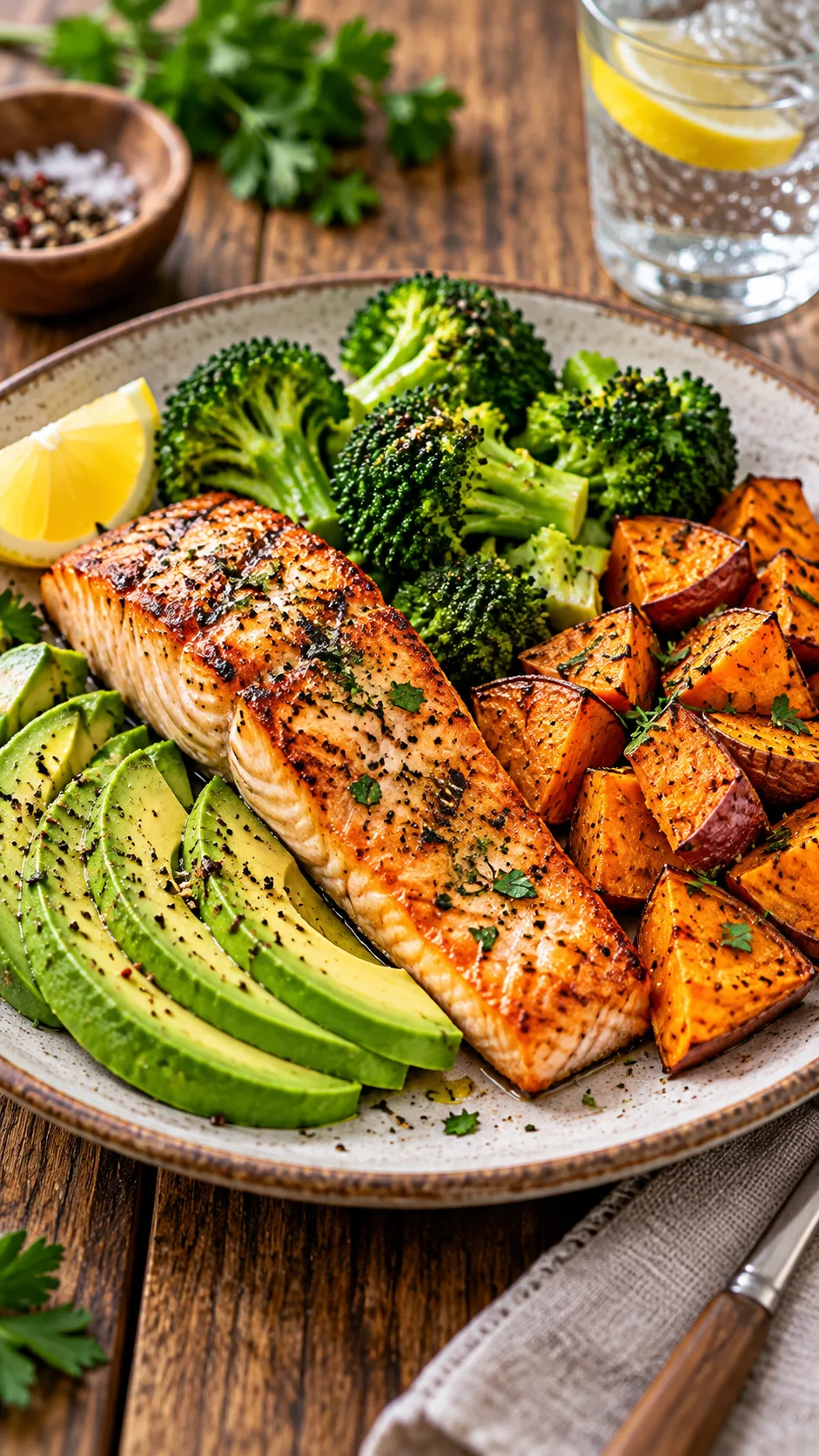
The Fatal Mistake: The “Chronic Starvation” Trap
The single biggest mistake women make when trying to eliminate belly fat involves severe, chronic calorie restriction paired with nutrient deprivation. Most women immediately slash their food intake down to 1,000 or 1,200 calories the moment their jeans feel tight. They cut out dietary fat entirely, skimp on essential protein, and survive on pre-packaged diet foods.
Your body perceives this extreme deficit as an existential threat. When you slash your calories to near-starvation levels, your evolutionary defense systems kick into overdrive. Your body does not care about your beach vacation; it cares about keeping you alive during an apparent famine.
In response to this self-inflicted drought, your thyroid slows your metabolic rate to a crawl. You burn fewer calories at rest, your muscle tissue breaks down to supply basic glucose needs, and your metabolism stalls out completely. Ironically, sustainable fat loss requires strategic nourishment, not starvation.
To make matters worse, cutting calories too low almost always means skimping on real nutrients. Women end up eating ultra-processed diet foods like sugar-free yogurts, artificially sweetened snack bars, and sodium-laden frozen meals. These engineered food products disrupt your gut microbiome, trigger systemic inflammation, and leave your belly looking puffy and bloated.
Why Your Body Clings to Midsection Fat: The Hormonal Sabotage
You cannot solve midsection fat purely with calorie math because belly fat responds directly to chemical messengers. Two primary hormones dictate whether your body incinerates abdominal fat or hoards it: cortisol and insulin.
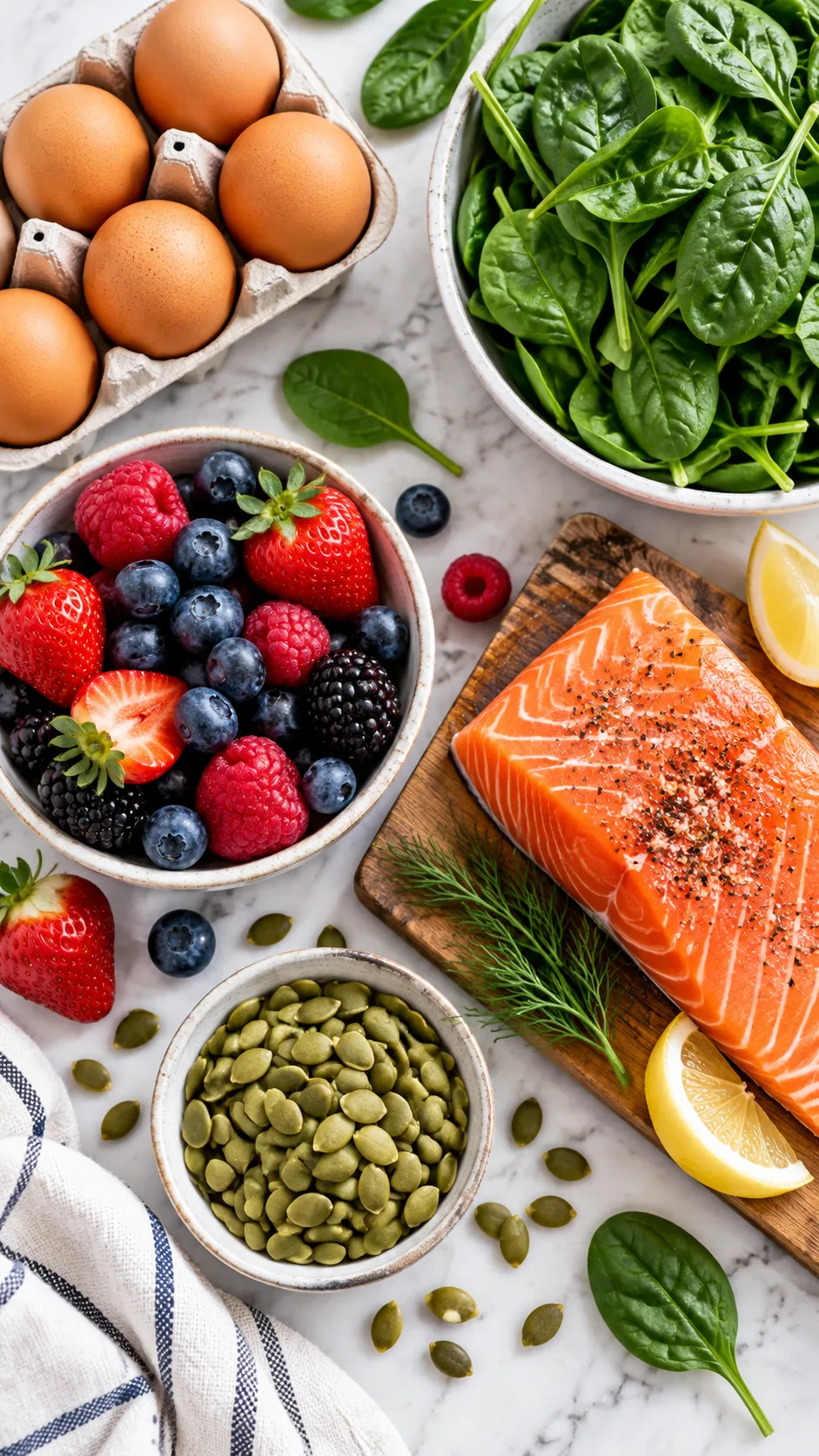
1. Cortisol: The Belly-Fat Magnet
Your adrenal glands produce cortisol in response to stress. Psychological stress pumps out cortisol, but physical starvation spikes it even higher. When you run on 1,100 calories and down three iced coffees just to stay awake, your adrenal glands flood your bloodstream with cortisol.
Deep visceral fat tissue (the fat wrapped around your internal organs) contains up to four times more cortisol receptors than subcutaneous fat (the soft layer right under your skin). Research from the National Institutes of Health confirms that elevated cortisol pulls triglycerides from other parts of your body and packs them directly into your deep abdominal tissue.
By starving yourself, you turn on a chemical vacuum cleaner that sucks fat straight into your waistline. Running six miles a day while eating raw celery leaves your stomach untouched because cortisol overrides your calorie deficit.
2. The Insulin Rollercoaster
Insulin is your body’s main energy-storage hormone. Whenever insulin levels spike, your fat cells lock down tight and halt fat breakdown immediately. Many women who adopt extreme low-calorie diets rely on refined low-fat carbohydrates, such as dry toast, fat-free crackers, and fruit juices, to feel full.
These fast-digesting carbohydrates send your blood sugar skyrocketing, triggering massive insulin surges. Even inside a calorie deficit, elevated circulating insulin signals your liver and adipose tissue to hold onto every single gram of abdominal lipid. Until you stabilize your blood glucose, your belly fat remains locked behind chemical bars.
3. The Perimenopause and Estrogen Shift
We cannot ignore female biology. As women enter their late 30s and 40s, natural estrogen production fluctuates and gradually declines. Estrogen traditionally directs fat storage toward the hips, thighs, and buttocks.
As estrogen drops, your body’s androgen-to-estrogen ratio shifts, prompting your fat distribution to mirror a male pattern: straight to the belly. The Endocrine Society notes that this hormonal transition makes middle-aged women exceptionally sensitive to insulin spikes and stress. Under-eating during this phase adds massive fuel to an already volatile hormonal fire.
Four Sneaky “Health” Habits That Expand Your Waistline
Beyond baseline undereating, several well-intentioned habits actively sabotage your physique goals. Audit your daily routine for these four common errors:
- Drinking “Detox” Green Smoothies: You might think that massive smoothie bowl does your body a favor. However, blending four bananas, two dates, mango chunks, and almond milk strips the fiber out of its natural structure and delivers 60 grams of liquid fructose directly to your liver. Your liver converts that sudden fructose rush straight into visceral fat.
- Fearing Dietary Fat: Decades of outdated dietary dogma convinced women that dietary fat causes body fat. In reality, healthy fats from sources like olive oil and wild-caught fish blunt glucose spikes, lubricate cell membranes, and promote satiety hormones like cholecystokinin (CCK). Cutting dietary fat leaves you ravenous two hours later.
- Eating Inadequate Protein: Most adult women consume barely 40 to 50 grams of protein daily. Your body burns roughly 25 to 30 percent of protein’s caloric value just digesting it, a metabolic phenomenon known as the Thermic Effect of Food (TEF). Inadequate protein intake forces your body to cannibalize lean muscle, dragging down your metabolic rate.
- Choosing Artificial Sweeteners: Splenda, aspartame, and sucralose promise zero calories, but they trick your brain and alter your gut microbiome. Multiple studies demonstrate that artificial sweeteners impair glycemic response and trigger subsequent cravings for hyper-palatable junk food.
What to Eat Instead: The Midsection Reset Protocol
If extreme restriction ruins your hormones, what works? You must fuel your metabolism with foods that lower cortisol, balance insulin, support thyroid output, and preserve muscle tissue. Here is your definitive nutritional shopping list.
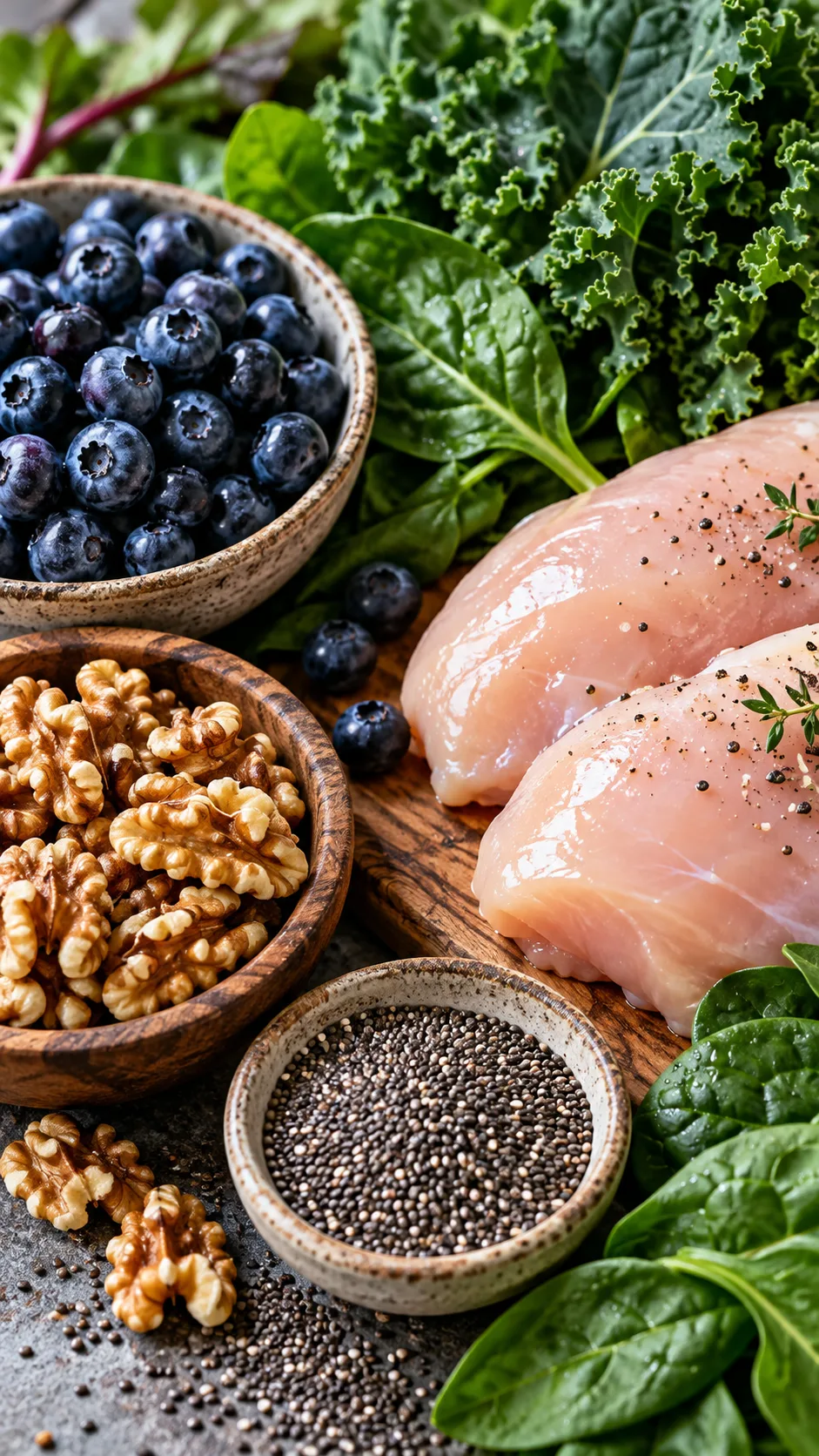
1. High-Biological-Value Protein (Aim for 30g Per Meal)
Protein stabilizes your blood sugar and saves your metabolically active lean muscle. When you hit 30 grams of protein at a meal, you stimulate muscle protein synthesis through the amino acid leucine while suppressing the hunger hormone ghrelin for four to six hours.
- Pasture-Raised Whole Eggs: Do not throw away the yolk! Egg yolks contain choline, a vital nutrient for liver health and lipid metabolism.
- Wild Salmon and Mackerel: These cold-water fatty fish provide bioavailable protein and long-chain omega-3 fatty acids (EPA and DHA), which actively tame abdominal inflammation.
- Chicken Breast and Turkey: Lean poultry gives you high-yield protein without a massive caloric load, making it easier to maintain a gentle, sustainable energy deficit.
- Grass-Fed Beef: Red meat provides heme iron, zinc, and carnitine (compounds that fuel cellular energy production in your mitochondria).
2. Viscous Soluble Fiber and Resistant Starch
Viscous soluble fiber absorbs water in your gastrointestinal tract, forming a thick gel that slows digestion. This gel prevents glucose spikes and feeds beneficial microbes in your colon, which then produce short-chain fatty acids like acetate and butyrate. Scientists connect these fatty acids directly to higher rates of abdominal fat burning.
Look into unique options like nutrient-dense garden egg varieties for high amounts of soluble fiber and digestive benefits. Other premier fiber options include:
- Chia Seeds and Ground Flaxseed: Just two tablespoons of chia seeds pack nearly 10 grams of fiber alongside anti-inflammatory plant fats.
- Brussels Sprouts, Broccoli, and Cauliflower: Cruciferous vegetables contain indole-3-carbinol, a compound that supports healthy estrogen metabolism in the liver.
- Legumes (Lentils and Black Beans): These fiber dynamos supply resistant starch, which bypasses small-intestine digestion and feeds your fat-burning gut bacteria.
- Berries (Raspberries and Blackberries): Berries offer the highest fiber-to-sugar ratio of any fruit class on earth, satisfying sweet cravings without spiking insulin.
3. Hormone-Friendly Healthy Fats
Healthy fats provide the basic building blocks for your steroid hormones, including estrogen and progesterone. Without dietary fat, your endocrine system simply crashes.
- Extra Virgin Olive Oil: Loaded with oleic acid and the polyphenol oleocanthal, genuine olive oil slashes systemic inflammation and improves cellular insulin sensitivity.
- Avocados: Rich in monounsaturated fats, potassium, and fiber, avocados naturally lower blood pressure and counteract fluid retention in the abdomen.
- Raw Walnuts and Almonds: A daily ounce of tree nuts provides magnesium, a mineral that over 60% of women lack. Magnesium actively lowers circulating cortisol and improves sleep depth.
If you want a clear framework to put this balance together, explore our comprehensive guide on the belly fat diet plan that works without leaving you hungry.
Watch: How the Body Burns Visceral Fat
Understanding the science behind visceral fat can help you avoid common marketing gimmicks. Watch this breakdown by medical professionals illustrating how your body metabolizes deep abdominal fat:
A Typical Day of Midsection-Friendly Eating
Theory sounds fine, but what does this approach look like on your plate? Here is a practical, satisfying daily template that crushes cravings, keeps insulin low, and controls cortisol.
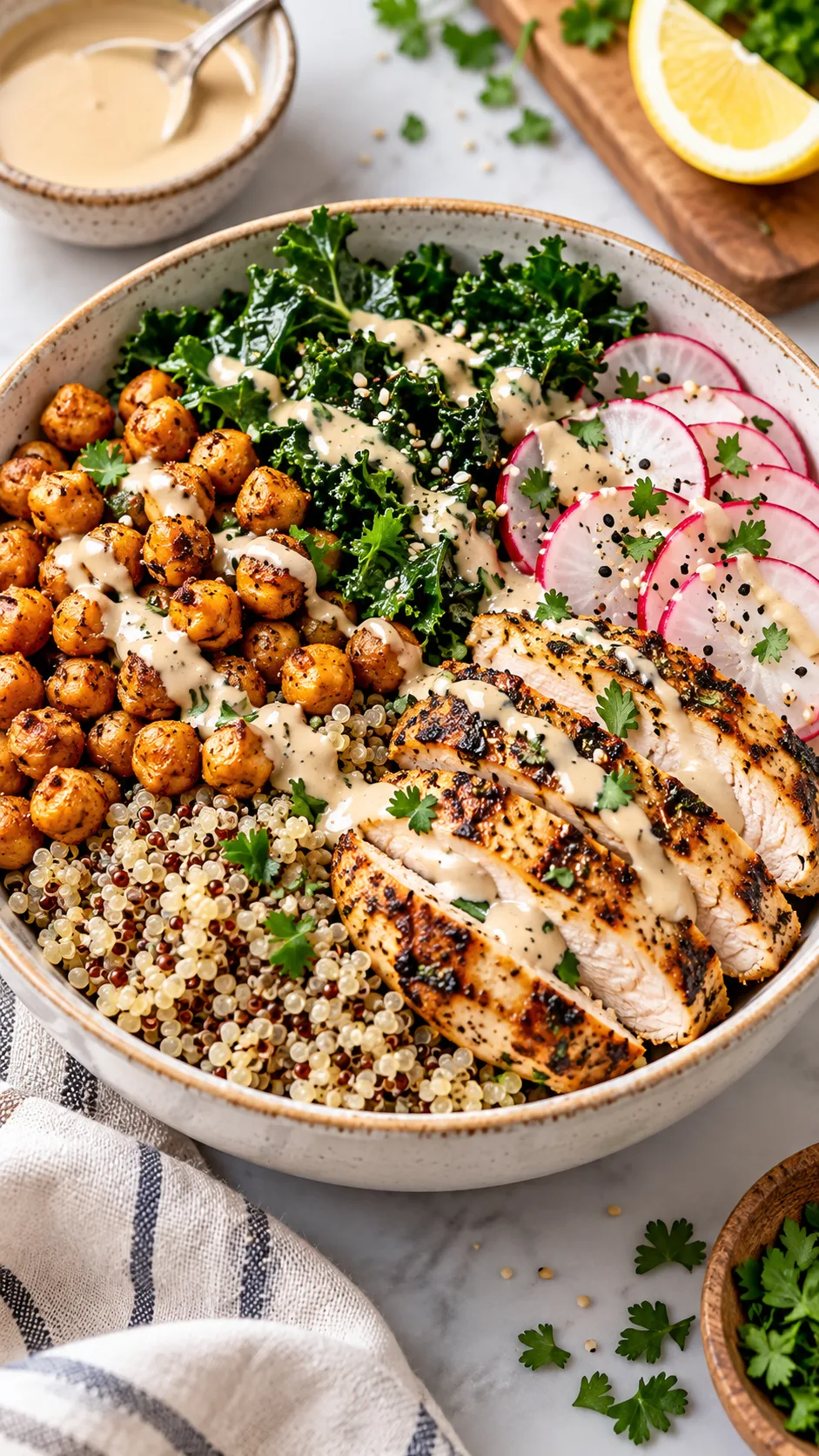
Breakfast: The Hormone Primer
- 3 scrambled pasture-raised eggs cooked in half a teaspoon of grass-fed butter
- 1 cup of baby spinach folded into the hot eggs until wilted
- 1/2 cup of fresh organic blueberries
- Black coffee or unsweetened green tea (green tea contains EGCG, an antioxidant that supports fat oxidation)
Lunch: The Energy Stabilizer
- 5 to 6 ounces of grilled wild salmon or lemon-herb chicken breast
- 2 cups of mixed greens tossed with 1 tablespoon of extra virgin olive oil and apple cider vinegar
- 1/2 cup of cooked quinoa or roasted butternut squash
- 1/4 sliced Hass avocado sprinkled with sea salt
Mid-Afternoon Snack (If Needed)
- 3/4 cup of plain, full-fat Greek yogurt (or organic cottage cheese) topped with 1 tablespoon of chia seeds and cinnamon
Dinner: The Cortisol Reducer
- 5 ounces of grass-fed steak or wild-caught cod
- 1.5 cups of roasted asparagus or broccoli drizzled with garlic-infused olive oil
- 1 small baked sweet potato topped with a pinch of pink salt
Notice how this plate looks completely different from a sad 100-calorie snack pack or an undressed salad? You eat abundant, colorful, nutrient-dense food that keeps your hunger pangs silenced for hours. For regional variations and delicious whole-food swaps, check out our guide to the Nigerian diet for a flat stomach.
3 Non-Diet Factors That Dictate Belly Fat Storage
Food choices establish the foundation, but what you do outside the kitchen determines whether your hormones allow your body to access fat stores. Ignore these three lifestyle components at your own peril:
1. Stop Punishing Yourself with Endless Cardio
If you perform 60 minutes of high-intensity running five days a week while undereating, you create a massive cortisol crisis. Your body responds by burning lean muscle and holding onto every ounce of belly fat. Swap chronic cardio for heavy resistance training three days per week and brisk daily walking (7,000 to 10,000 steps). Lifting weights builds muscle tissue, which permanently increases your resting metabolic rate according to clinical updates from Harvard Health Publishing.
2. Prioritize 7 to 8 Hours of Non-Negotiable Sleep
Skimping on sleep ruins your metabolic health faster than a bag of donuts. Just two consecutive nights of four-hour sleep reduces cellular insulin sensitivity by up to 30 percent while doubling evening cortisol levels. Furthermore, partial sleep deprivation sends your appetite-stimulating hormone ghrelin through the roof. Make your bedroom a cold, dark sanctuary and put your smartphone in another room an hour before bed.
3. Manage Chronic Emotional Tension
Your nervous system cannot tell the difference between a real physical threat and a toxic email from your boss. Both trigger identical adrenal spikes. Build a simple daily decompression ritual: five minutes of deep box breathing, a 20-minute walk through nature without your phone, or an Epsom salt bath. Lowering your daily emotional stress lowers baseline cortisol, taking your body out of chronic belly-fat-storage mode.

Comparison: The Old Diet Way vs. The Hormone-Smart Way
Let us look at how these two opposing methodologies stack up side by side:
| Parameter | The Starvation Trap (The Mistake) | The Metabolic Reset (What Works) |
|---|---|---|
| Calorie Strategy | Severe cuts (1,000 to 1,200 kcal) | Mild deficit or maintenance with real food |
| Protein Intake | Low (under 50g/day) | Optimal (1.6g to 2.0g per kg body weight) |
| Cortisol Levels | Elevated, triggering visceral fat storage | Balanced and low |
| Exercise Type | Excessive daily cardio sessions | Strength training + daily walking |
| Long-Term Outcome | Metabolic adaptation, rebound weight gain | Lean muscle retention, sustained flat waist |
Frequently Asked Questions
Can you spot-reduce fat specifically from your stomach?
No, you cannot select where your body burns adipose tissue first. Performing 500 crunches daily strengthens your abdominal wall muscles, but it will not melt the subcutaneous fat sitting directly on top of them. However, by lowering cortisol and insulin through smart nutrition, you shift your systemic hormonal profile so your body naturally draws energy from deep visceral stores first.
How long does it take to see noticeable belly fat reduction?
When you ditch extreme restriction and implement balanced protein, fiber, and healthy fats, water retention and bloat drop within 7 to 10 days. True visceral and subcutaneous fat reduction becomes clearly visible within four to eight weeks of sustained, consistent execution. Patience wins this race every single time.
Should women practice intermittent fasting to lose belly fat?
Intermittent fasting can work well for some, but many women overdo it. Long fasting windows (like 18 to 20 hours) often spike cortisol in women, especially if they lead busy, high-stress lives. If you want to try fasting, stick to a gentle 12 to 14-hour overnight fast (for example, finishing dinner by 7 PM and eating breakfast at 8 or 9 AM). That gives your digestive system a solid break without sending your adrenal glands into panic mode.
Stop Starving and Start Fueling
You do not need to punish yourself to earn a flat, healthy stomach. The persistent belief that women must starve, cut out every delicious food group, and sweat through endless cardio sessions remains the single most damaging myth in modern fitness culture.
Take a deep breath and give yourself permission to eat real food again. Load your plate with savory proteins, colorful veggies packed with soluble fiber, and hormone-supporting healthy fats. Lift challenging weights, prioritize your nightly sleep, and protect your peace from unneeded stress.
When you stop fighting your biology and start working alongside it, that stubborn midsection fat will finally release its grip. Go build a hearty, colorful meal today: your metabolism will thank you for it.