

Healthy eating gets easier when lunch waits in your fridge. A good meal prep bowl gives you protein, vegetables, carbs, and plenty of flavor without sending you to the vending machine at 3 p.m.
You do not need a color coded spreadsheet, twelve matching glass containers, or marathon runner discipline. You need a simple formula, a few dependable ingredients, and lunches that still sound good on Thursday.
Healthy meal prep bowls turn “What should I eat?” into “Which bowl should I grab?” That small change can save money, cut food waste, and keep your week from sliding into takeout roulette.
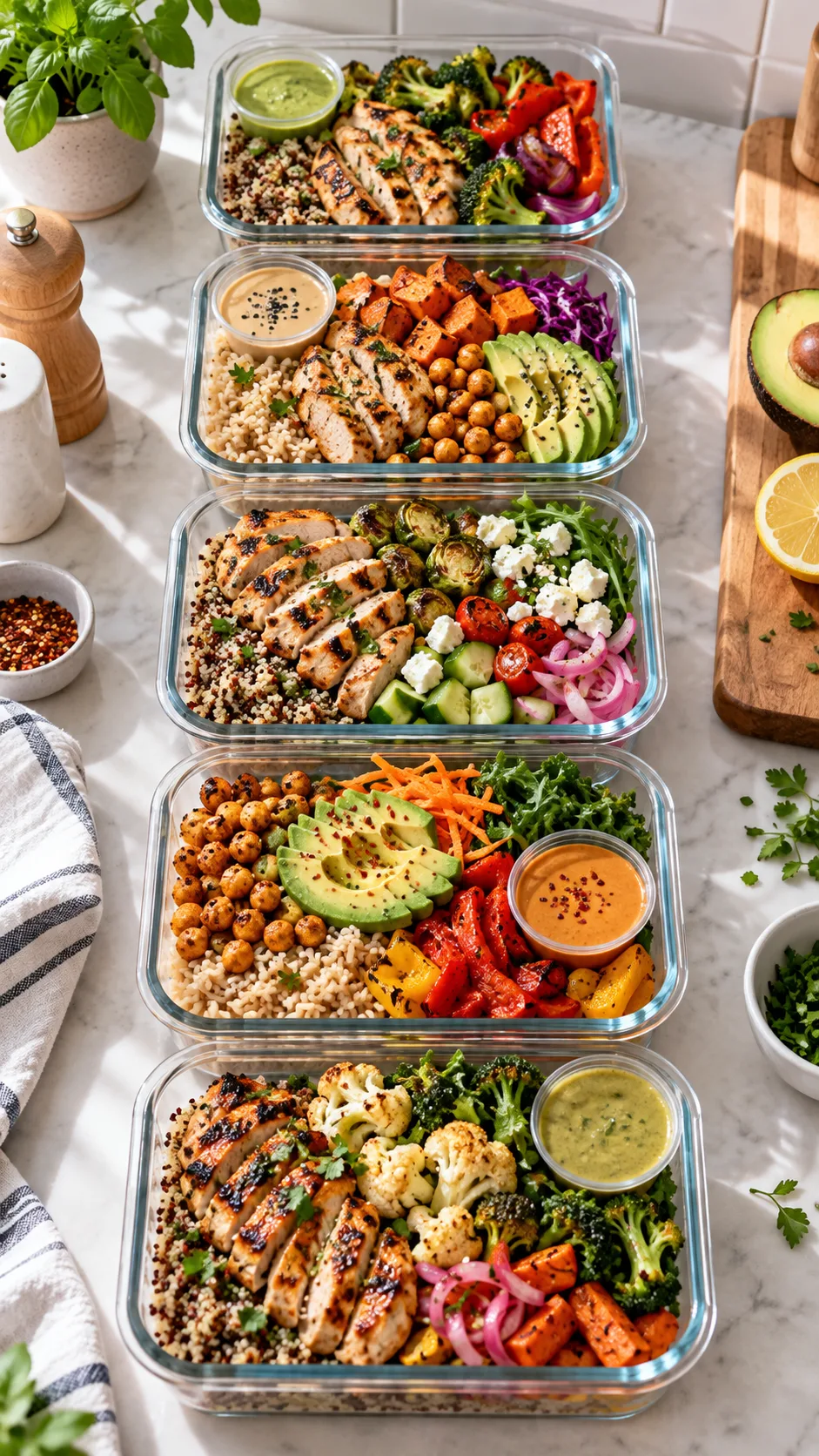
Why healthy meal prep bowls work so well
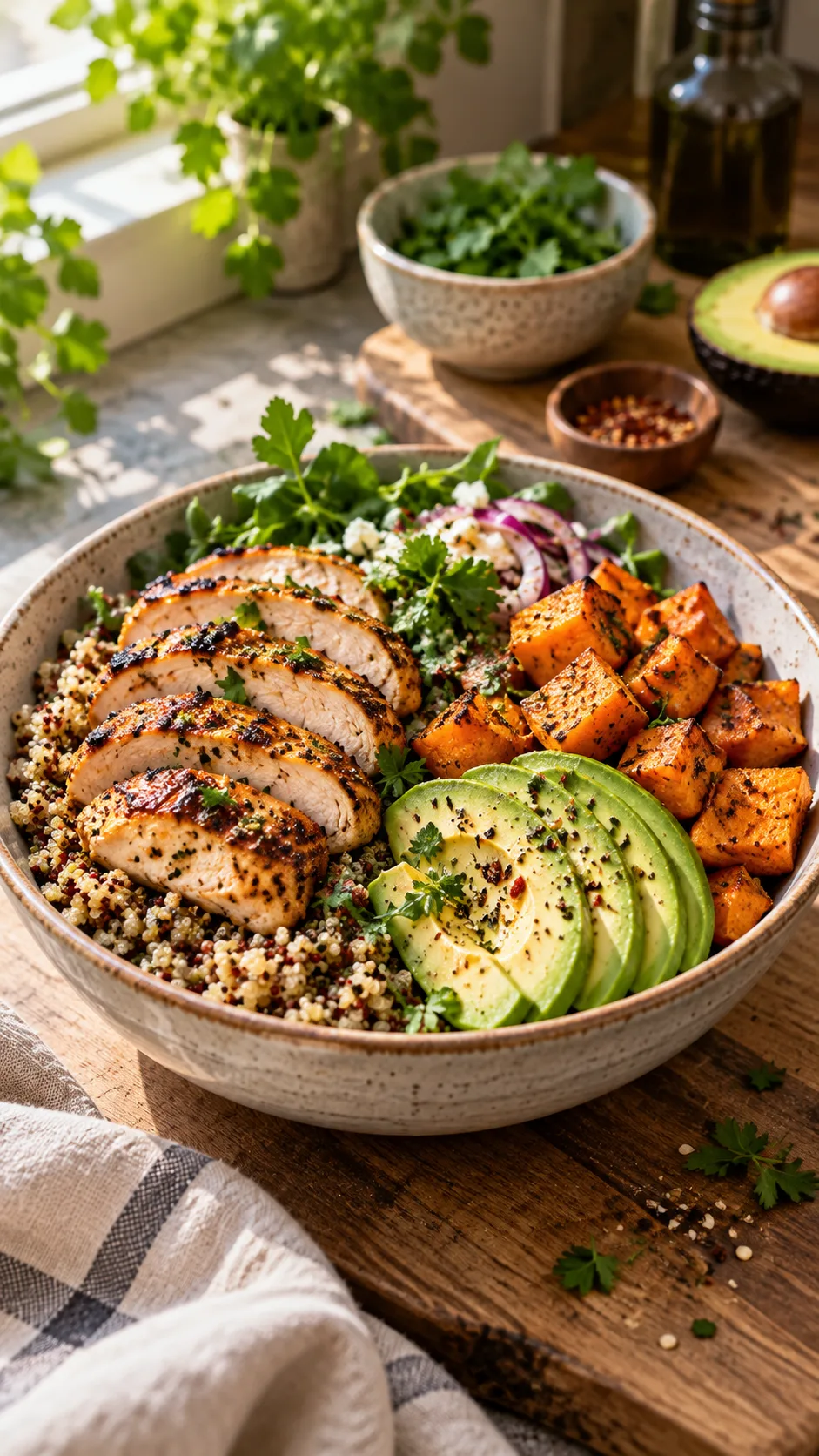
Meal prep bowls make healthy eating easier. When you cook nourishing food before hunger kicks in, you make a better choice before your brain starts demanding fries.
They give you room to change things up, too. You can turn the same ingredients into different lunches instead of eating five identical meals and feeling trapped by your own preparation.
A balanced meal can leave you fuller and less tempted to raid the snack cupboard later. Protein, fiber rich carbs, healthy fats, and produce give your body steady energy and make a meal feel satisfying.
The balanced bowl formula
You can build almost any healthy meal prep bowl around one simple template. I use it whenever I want lunches that fill me up without feeling restrictive.
- Protein: chicken, salmon, turkey, eggs, tofu, tempeh, lentils, beans, Greek yogurt, or cottage cheese.
- Fiber rich carbs: brown rice, quinoa, farro, potatoes, sweet potatoes, whole grain pasta, or beans.
- Vegetables: roasted broccoli, peppers, zucchini, greens, carrots, cabbage, cucumbers, tomatoes, or frozen vegetables.
- Healthy fats: avocado, olive oil, nuts, seeds, tahini, pesto, or a yogurt based sauce.
- Flavor booster: salsa, herbs, pickled onions, lemon, hot sauce, soy sauce, spices, or a punchy dressing.
The Harvard Healthy Eating Plate offers similar guidance: fill much of your plate with vegetables and fruit, include whole grains, and choose quality protein. You do not need to measure every spinach leaf. Aim for a sensible balance that fits your appetite and goals.
How to plan meal prep bowls without making Sunday miserable
People often quit meal prep because they make it too complicated. They choose seven recipes, buy twenty seven ingredients, wreck the kitchen, and wonder why the whole thing feels like unpaid catering work.
Start with two proteins, two carbs, three vegetables, one or two sauces, and a few toppings. Those ingredients can make several healthy meal prep bowls without taking over your entire day.
Pick ingredients that work well together
Choose ingredients you can use across several bowls. Roasted peppers, for example, fit in a burrito bowl, a Mediterranean bowl, and a grain bowl with chicken or chickpeas.
Buy ingredients with different textures, too. Creamy avocado, crunchy cabbage, chewy grains, crisp cucumbers, and juicy tomatoes make a bowl feel like a real meal instead of a random fridge cleanout.
- Choose two main proteins for the week.
- Cook one or two carbohydrate bases.
- Roast a large tray of vegetables.
- Wash and chop fresh produce for crunch and color.
- Mix one creamy sauce and one bright, acidic sauce.
- Store toppings separately until you eat.
I roast vegetables while grains simmer and protein cooks in a skillet. That timing keeps everything moving and leaves less time to stare at the chopping board while onions make you question your life choices.
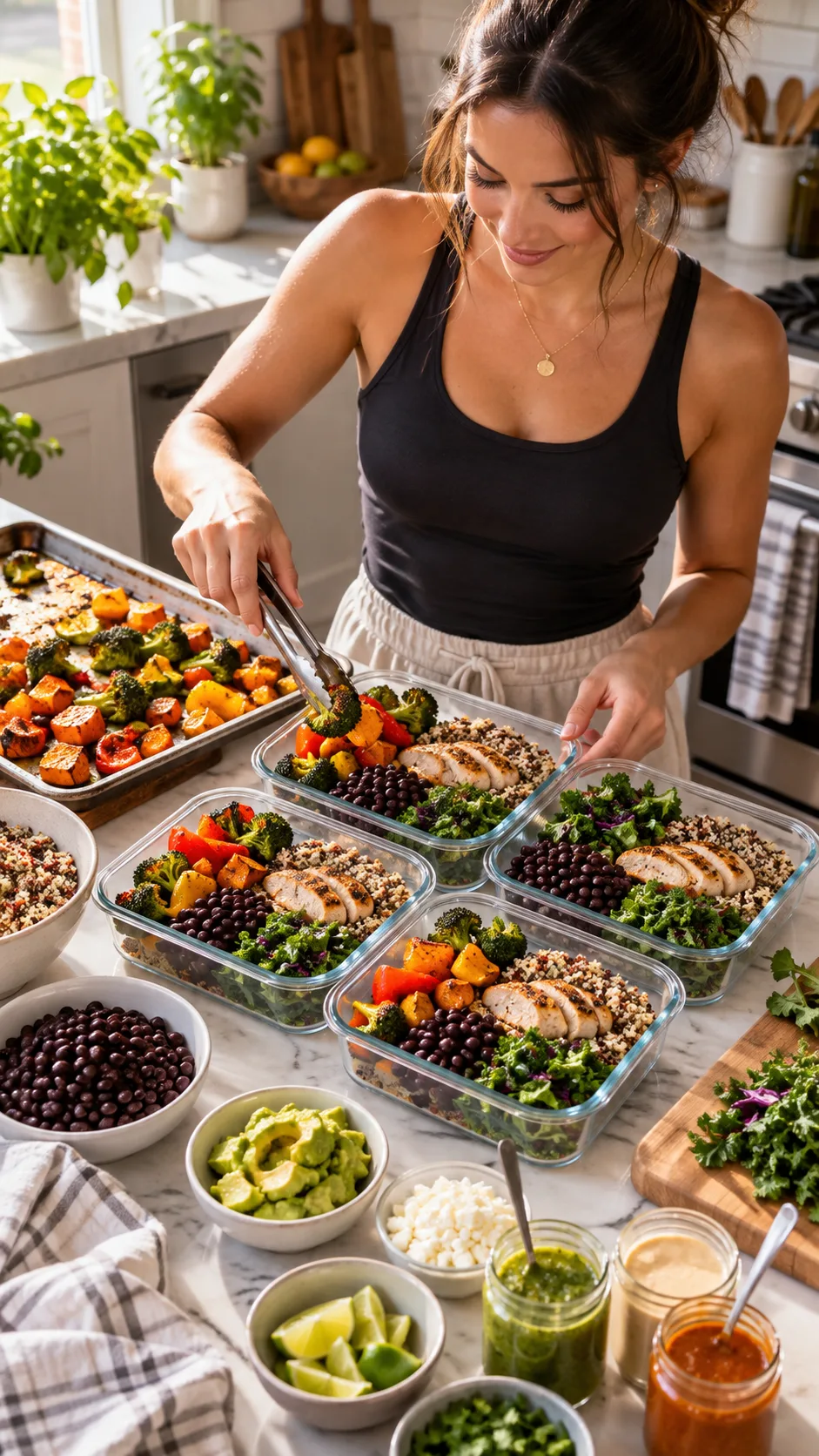
The best healthy meal prep bowl ingredients for a full week
The best meal prep ingredients still taste good after a few days in the fridge. Delicate greens and sliced avocado need extra care, while roasted vegetables, grains, beans, and sturdy proteins keep well.
Choose foods that offer solid nutrition and make your life easier. Frozen vegetables, canned beans, rotisserie chicken, microwaveable grains, and bagged slaw all count. Shortcuts can still put a good meal on the table.
Protein that keeps bowls satisfying
Protein helps you stay full and supports muscle maintenance. Your needs depend on your body size, activity, age, health conditions, and goals, so ignore anyone who gives one universal answer or treats chicken breast like a personality trait.
- Grilled or shredded chicken breast or thighs
- Lean ground turkey with taco, Mediterranean, or Asian inspired spices
- Baked salmon or canned salmon
- Hard boiled eggs or egg muffins
- Crispy baked tofu or tempeh
- Black beans, chickpeas, lentils, or edamame
Keep sauces on hand when you prep lean proteins. Chicken, turkey, tofu, and beans taste better with a bold dressing, salsa, or yogurt sauce.
Carbs that provide steady energy
Carbohydrates do not ruin healthy meal prep bowls. Your body uses carbohydrates for energy, and choices with more fiber can help you stay satisfied longer.
Brown rice, quinoa, oats, barley, farro, potatoes, sweet potatoes, corn, and beans all work well. The Dietary Guidelines for Americans encourages nutrient dense foods from every food group, including vegetables, fruits, whole grains, dairy or fortified alternatives, and protein foods.
Vegetables that stay fresh and flavorful
Roast broccoli, cauliflower, carrots, Brussels sprouts, squash, onions, and peppers at high heat for caramelized edges and deeper flavor. Toss them with olive oil, salt, pepper, and a spice blend before they go into the oven.
Add fresh vegetables for contrast. Cucumber, shredded cabbage, radishes, tomatoes, snap peas, and leafy greens bring the crunch that reheated food can lack.
Store delicate ingredients separately when you can. Add avocado, herbs, crunchy toppings, and fresh greens right before eating unless brown avocado and wilted lettuce appeal to you. You deserve better.
Seven healthy meal prep bowl ideas you will look forward to eating
These easy meal prep bowls share ingredients where it makes sense, but each one tastes different. Choose three or four recipes for variety, or repeat your favorite if that makes the week easier.
1. Chicken burrito bowl
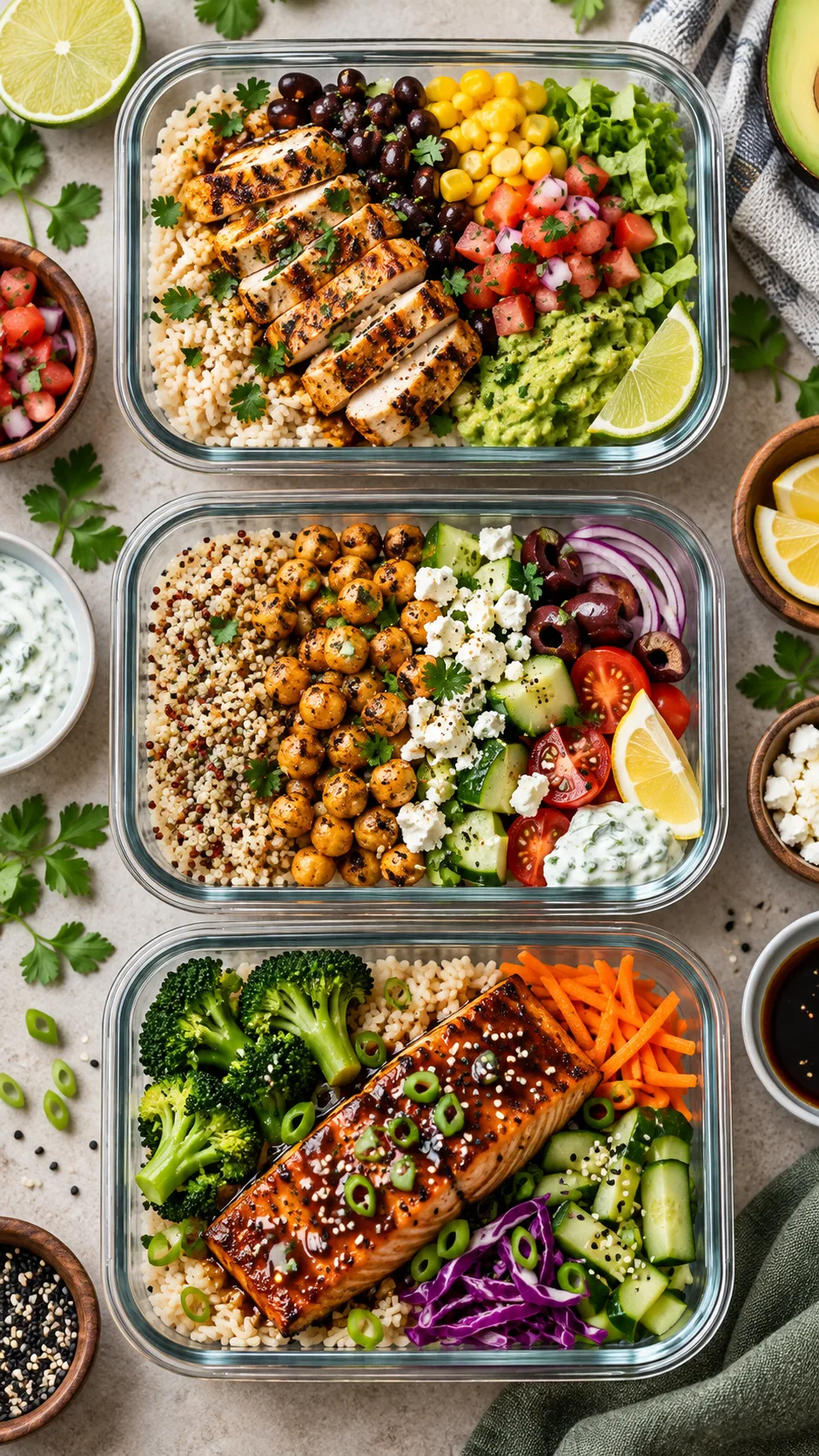
Start with brown rice or cilantro lime rice, then add taco seasoned chicken, black beans, corn, roasted peppers, salsa, and shredded cabbage. Finish with avocado, Greek yogurt, or a lime yogurt sauce.
This bowl brings protein, fiber, color, and big flavor. Pack salsa separately if you want the cabbage to stay crisp.
2. Mediterranean chickpea grain bowl
Layer quinoa or farro with chickpeas, cucumbers, tomatoes, roasted zucchini, red onion, olives, and feta. Spoon lemon tahini dressing over the bowl just before you eat.
This vegetarian meal prep bowl suits days when you want something fresh that still fills you up. Chickpeas and quinoa add plant protein, while tahini brings creaminess without leaving you sleepy after lunch.
3. Teriyaki salmon and edamame bowl
Pair cooked salmon with brown rice, edamame, shredded carrots, cucumber, and steamed broccoli. Add a simple teriyaki style sauce or mix low sodium soy sauce with ginger, garlic, and sesame oil.
Salmon provides omega 3 fats, while the vegetables add fiber and crunch. Eat salmon bowls during the first few days of the week, then freeze extra portions if you make a larger batch.
4. Greek turkey meatball bowl
Combine turkey meatballs with lemony potatoes or couscous, roasted peppers, cucumber, tomato, spinach, and tzatziki. Add fresh dill or parsley if you have some.
This bowl tastes like something you might order at a casual cafe for twice the price. You control the salt, sauce, and portion, which helps when your budget needs a break.
5. Crispy tofu peanut noodle bowl
Use baked tofu, whole wheat noodles or rice noodles, shredded cabbage, carrots, bell peppers, and edamame. Toss everything with a peanut lime sauce made from peanut butter, lime juice, soy sauce, garlic, and warm water.
Keep the sauce separate until lunch. It stops the noodles from soaking up every drop overnight and turning oddly dry.
6. Sweet potato, black bean, and egg bowl
Roast cubed sweet potatoes with chili powder and cumin, then add black beans, sauteed greens, corn, and hard boiled eggs. Top the bowl with salsa verde, pumpkin seeds, and a squeeze of lime.
This affordable meal prep bowl works for breakfast, lunch, or dinner. It gives you protein, fiber, complex carbs, and healthy fats in one container.
7. Pesto chicken and veggie bowl
Combine cooked chicken, whole grain pasta or white beans, roasted tomatoes, broccoli, spinach, and pesto. Add Parmesan, lemon zest, or toasted walnuts for more flavor.
Use pesto lightly because a little goes a long way. Toss it with warm ingredients, then add spinach last so it wilts gently instead of vanishing into the mix.
Keep your meal prep bowls safe and fresh
Healthy meal prep also requires safe food storage. Cooked food does not last forever just because you own nice containers.
The U.S. Food and Drug Administration advises you to refrigerate perishable foods within two hours, or within one hour when temperatures rise above 90°F. Divide hot food among shallow containers so it cools faster, then put it in the refrigerator promptly.
A simple storage routine
- Store cooked meals in airtight containers.
- Keep your refrigerator at 40°F or below.
- Eat refrigerated cooked meals within three to four days.
- Freeze extra portions if you prep beyond that window.
- Reheat leftovers until they steam all the way through.
- Pack wet sauces, nuts, seeds, and crunchy toppings separately.
Label containers with the prep date if your fridge gets busy. That small habit prevents the familiar question: “Is this Tuesday chicken or last week’s science project?”
Use your senses, but do not trust smell alone to tell you whether food is safe. If you doubt a meal, throw it out and move on. A wasted bowl costs less than a miserable night.
Make healthy meal prep bowls fit your goals
Your ideal healthy bowl depends on what you need from it. Someone training for a race may want extra grains and fruit, while someone who sits at a desk all day may prefer more vegetables and a smaller starch portion.
Focus on habits instead of perfection. Adjust portions, ingredients, and sauces as you learn what keeps you energized and satisfied.
For weight management
Build a larger base of nonstarchy vegetables, add a solid serving of protein, and include a portion of fiber rich carbs. Measure calorie dense extras such as nuts, cheese, avocado, oils, and creamy dressings if you want more awareness without obsessive tracking.
Do not make bowls tiny just to make them “healthy.” Hunger usually catches up later, often around 9 p.m. when cookies start looking like a reasonable food group.
For muscle gain or higher activity
Add more protein, carbs, and healthy fats to support training and recovery. Try larger servings of rice, potatoes, oats, beans, fruit, Greek yogurt, or whole grain pasta alongside your usual bowl.
Eat enough food across the day. A tiny salad with three chicken cubes will not fuel heavy lifting, long shifts, or hard workouts.
For plant based meal prep
Combine plant foods throughout the day, including beans, lentils, tofu, tempeh, edamame, whole grains, nuts, seeds, and vegetables. Change up your choices so meals bring more flavors and nutrients without becoming boring.
For more practical ideas between meals, try these healthy meal prep snacks that keep you full all week. Snacks can stop you from arriving at dinner so hungry that you eat shredded cheese straight from the bag. We have all been there.
Your easy Sunday meal prep game plan
You can prep several healthy lunch bowls in about 60 to 90 minutes with a little organization. Start with the foods that take the longest, then assemble your bowls after everything cools.
- Heat the oven to 425°F and line two sheet pans.
- Cook a grain such as brown rice, quinoa, or farro.
- Season and cook your protein while the grain simmers.
- Roast two or three vegetables on the sheet pans.
- Whisk one sauce, such as lemon tahini or chipotle Greek yogurt.
- Chop fresh vegetables and portion crunchy toppings.
- Build three to four bowls, then freeze any extra protein or grains.
Start small if this routine feels new. Prep three lunches instead of ten, then learn what you enjoy and what your schedule allows.
If you want an even easier system, read The Lazy Cook’s Guide to Healthy Meal Prep That Keeps You on Track All Week. A realistic plan works better than an ambitious plan that falls apart by Wednesday.
Healthy meal prep bowls make consistency easier
Healthy meal prep bowls do not need perfect looks or a trendy recipe. They need to taste good, keep you full, fit your schedule, and make the next healthy choice easier.
Use the balanced bowl formula: protein, fiber rich carbs, vegetables, healthy fats, and a sauce with some personality. Prep a few components that you can mix and match, store them safely, and keep fresh toppings separate until you eat.
Start with three bowls this week. Your future self will open the fridge, find real food ready to go, and feel relieved. That counts as a win.