

You’ve probably had that week where a salad sounds delightful and you feel like you could run a marathon in flip-flops. Then, roughly ten days later, you’re crying at a dog food commercial and eating peanut butter straight from the jar with a spoon. Same person. Same fridge. Completely different human being.
That’s not a willpower problem. That’s your hormones running the show, and your food choices just happen to be along for the ride. Cycle syncing your diet means eating in a way that cooperates with those hormonal shifts instead of fighting them like a stubborn toddler.
So what does that look like in real life, beyond Instagram infographics with tiny moon icons? Here it is, phase by phase, with food you can buy at a normal grocery store.
What cycle syncing really means
Cycle syncing means adjusting your food, movement, and even your schedule to match the four phases of your menstrual cycle. The term got popular thanks to functional nutritionist Alisa Vitti, but the underlying biology has been sitting in textbooks for decades. Estrogen, progesterone, and their supporting cast swing dramatically across roughly 28 days. Your metabolism, insulin sensitivity, body temperature, and appetite move right along with them.
Here’s the part nobody tells you in health class: your resting metabolic rate can climb by around 2% to 12% in the second half of your cycle. Research published in the American Journal of Clinical Nutrition found measurable increases in energy expenditure during the luteal phase. Translation? You genuinely need more food some weeks. You’re not “being bad.”
Ever wondered why your usual diet plan collapses on day 24 like a house of cards? Now you know. Most nutrition advice assumes you’re a small man with a steady hormonal profile. You’re not.
A quick, honest disclaimer
Cycle syncing is not a magic protocol backed by dozens of randomized controlled trials. The hormonal fluctuations are rock-solid science. The specific food recommendations are mostly smart nutritional reasoning layered on top of that science. I still think that’s useful, and I’d rather tell you straight than sell you a fairy tale.
The four phases at a glance
- Menstrual phase (days 1 to 5ish): Estrogen and progesterone bottom out. You bleed. You’re tired. Iron stores dip.
- Follicular phase (days 6 to 14ish): Estrogen climbs. Energy returns. Insulin sensitivity improves.
- Ovulatory phase (days 14 to 17ish): Estrogen peaks, testosterone spikes briefly. You feel like a superhero.
- Luteal phase (days 18 to 28ish): Progesterone dominates. Metabolism rises. Cravings arrive with luggage.
Cycle lengths vary. Anywhere from 21 to 35 days counts as normal, according to the American College of Obstetricians and Gynecologists. Track your own cycle for two or three months before you commit to any rigid day-number plan. Your body doesn’t read calendars.
Phase 1: the menstrual phase, eat like you’re recovering (because you are)
Day one of your period is day one of your cycle. Hormones sit at their lowest point, your uterine lining sheds, and you lose blood, which means you lose iron. Heavy periods can drain iron stores enough to cause genuine deficiency, and low iron feels exactly like being lazy and useless, which is a cruel trick.
What to eat
- Iron-rich foods: red meat, liver (yes, really), lentils, spinach, pumpkin seeds, oysters
- Vitamin C alongside plant iron: bell peppers, citrus, strawberries, which can boost non-heme iron absorption significantly
- Magnesium: dark chocolate (70%+), almonds, black beans, all of which help with cramps and mood
- Omega-3s: salmon, sardines, walnuts, chia. They calm inflammation, and a 2018 meta-analysis linked omega-3 supplementation to reduced menstrual pain
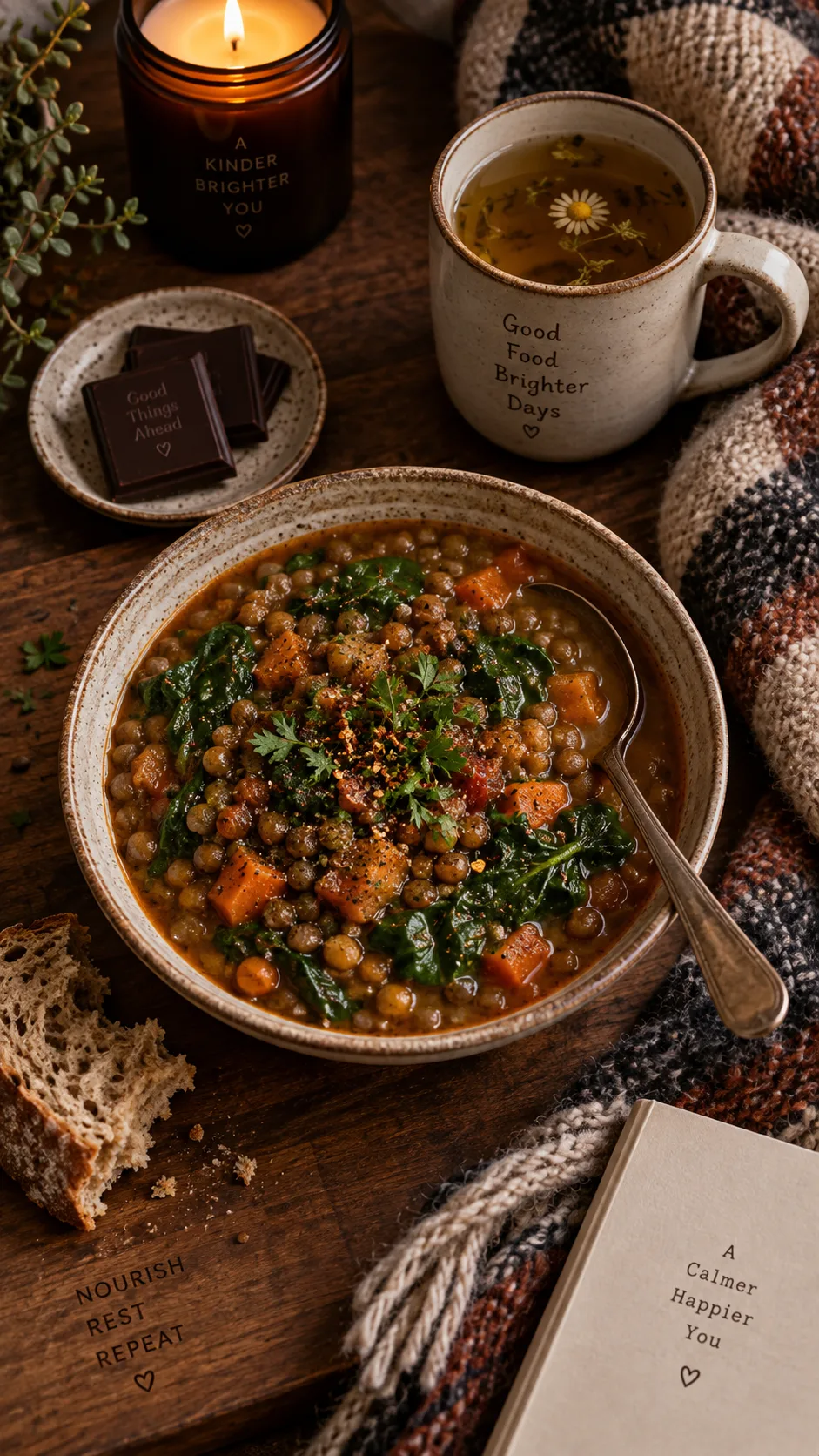
- Warm, cooked food: soups, stews, broths, all easier on a cramping digestive system than a giant raw kale salad
What to ease off
Excess caffeine and alcohol both tend to make cramps and sleep worse. I’m not telling you to give up coffee during your period, because I’d never survive that conversation with myself. Just maybe don’t make it your third cup on an empty stomach.
Salt is the other one. Sodium plus already-sluggish circulation equals the classic period bloat. If that’s your nemesis, some of the ideas in this guide on flat stomach diet plan mistakes apply perfectly here.
Phase 2: the follicular phase, your metabolic green light
Your period ends, estrogen starts climbing, and suddenly you’re a functional adult again. This phase is my favorite, and honestly it’s where most people do their best eating without even trying.
Rising estrogen improves insulin sensitivity, which means your body handles carbohydrates more efficiently right now. Your energy is up. Your mood is up. Your tolerance for meal prep is, miraculously, also up.
What to eat
- Complex carbs: oats, quinoa, sweet potatoes, brown rice, all of which your body uses well right now
- Lean protein: chicken, eggs, fish, Greek yogurt, tofu, to support the muscle you’re about to build
- Fermented foods: kimchi, sauerkraut, kefir, yogurt, which feed the gut bacteria that help you metabolize estrogen properly
- Cruciferous vegetables: broccoli, cauliflower, Brussels sprouts. They contain compounds that support healthy estrogen clearance through the liver
- Fresh, lighter meals: salads, grain bowls, smoothies. Your digestion can handle them now
The strategic move
This is your window for harder workouts, bigger goals, and any dietary change that requires real discipline. Starting a new eating approach on day 25 of your cycle? Bold. Doomed, but bold. Start new habits during your follicular phase and your success rate goes way up.
If you’re also managing PCOS or insulin resistance, that estrogen-driven insulin sensitivity boost matters even more. This PCOD diet plan that balances hormones pairs nicely with cycle syncing principles.
Phase 3: the ovulatory phase, peak you and peak detox support
Estrogen hits its ceiling, luteinizing hormone surges, and you release an egg. You’ll probably notice better skin, more confidence, a higher sex drive, and a strange urge to reorganize your entire closet. This lasts about three to four days. Enjoy it.
Appetite often drops slightly here. Estrogen has a mild appetite-suppressing effect at its peak. Don’t mistake that for permission to undereat. You still need fuel, especially if you’re training hard.
What to eat
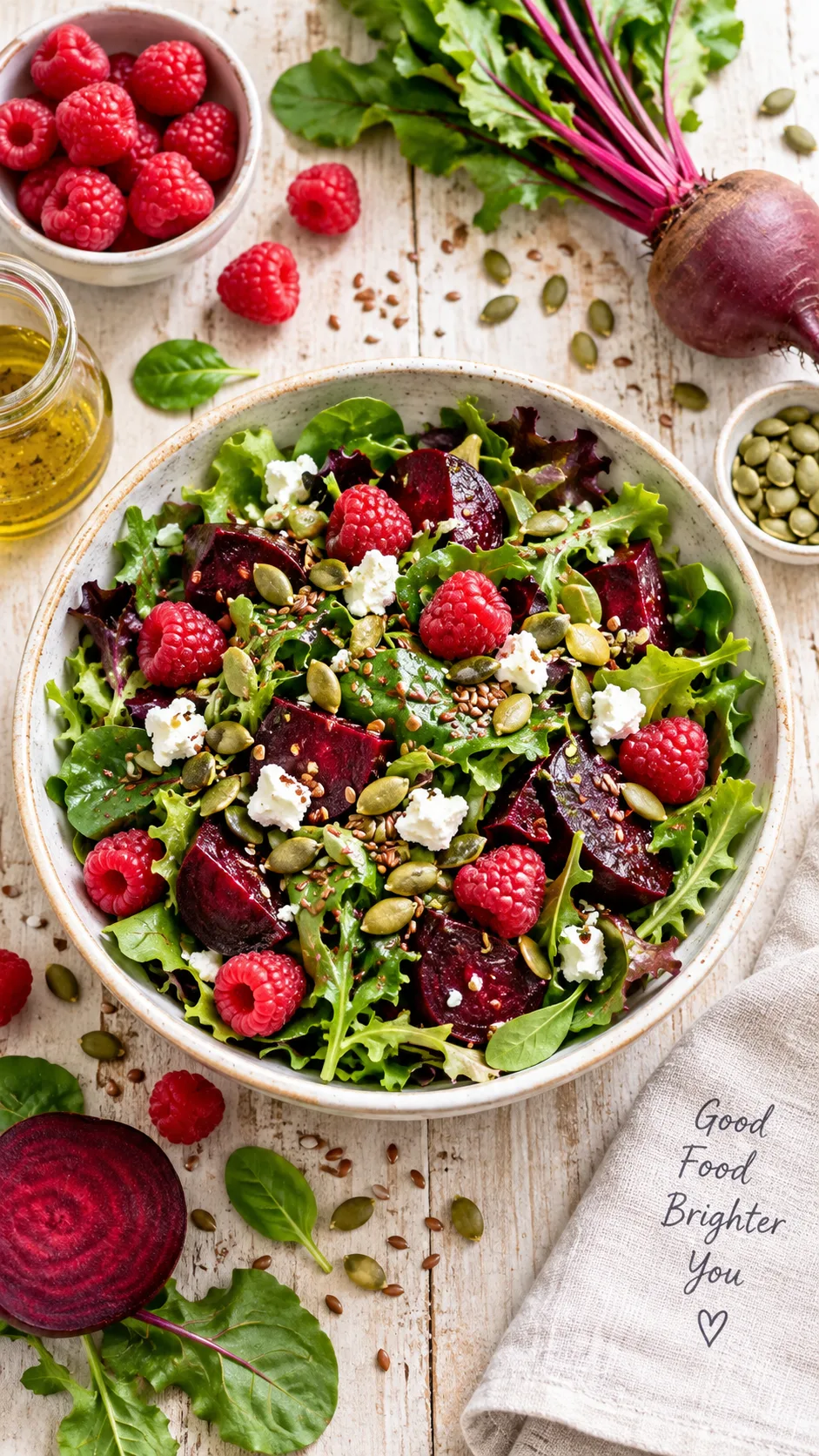
- Fiber, fiber, fiber: berries, leafy greens, flaxseed, legumes. Fiber binds used estrogen in the gut so you excrete it instead of recycling it
- Antioxidant-heavy produce: raspberries, arugula, tomatoes, bell peppers
- Liver-supportive foods: garlic, onions, beets, dandelion greens, cruciferous veg again
- Light, cooling meals: your body temperature is about to rise, so big raw salads feel great right now
- Zinc sources: pumpkin seeds, shellfish, beef, which support the progesterone production coming up next
Ever wonder why some women get sluggish and irritable right after ovulation? Poor estrogen clearance is a common culprit. Constipation is a hormone problem in disguise. If estrogen sits in your gut, some of it gets reabsorbed. Fiber and water are cheap and shockingly effective here.
Phase 4: the luteal phase, where every diet goes to die
Okay. The big one. Progesterone takes over, your body temperature rises about 0.5°F, your metabolism speeds up, and your brain starts sending very persuasive messages about chocolate at 9pm.
Here’s what I wish someone had told me at 22: luteal phase cravings are a physiological signal, not a moral failing. Your body burns more calories. Serotonin dips. Blood sugar swings more aggressively. Of course you want carbs. Your brain is asking for the raw materials to make serotonin.
What to eat
- More food, genuinely: aim for roughly 100 to 300 extra calories per day if you’re hungrier, from real food
- Complex carbs over refined: sweet potato, squash, brown rice, oats. They satisfy the craving AND stabilize blood sugar
- Magnesium-rich foods: dark chocolate, pumpkin seeds, spinach, black beans. Magnesium may reduce PMS symptoms noticeably
- B6 sources: chickpeas, salmon, potatoes, bananas. B6 supports progesterone and mood regulation
- Calcium: yogurt, sardines, fortified plant milks. One classic trial found calcium supplementation cut PMS symptoms by about half
- Protein at every meal: nothing blunts a blood sugar crash like 25 to 30g of protein
The craving strategy that works
Don’t white-knuckle it. Plan for it. Eat the dark chocolate deliberately after a balanced dinner instead of inhaling a family-size bag of crisps at midnight because you “were so good all day.” Restriction during the luteal phase creates binges. Every single time.
My own approach: I build a slightly bigger breakfast during luteal week (eggs, avocado, sourdough, the works). The 4pm crash more or less disappears. Boring? Yes. Effective? Annoyingly so.
If blood sugar swings are your main villain, the principles in this prediabetic meal plan approach translate beautifully to PMS management, even if you’re nowhere near prediabetic.
A sample week-by-week cycle syncing meal framework
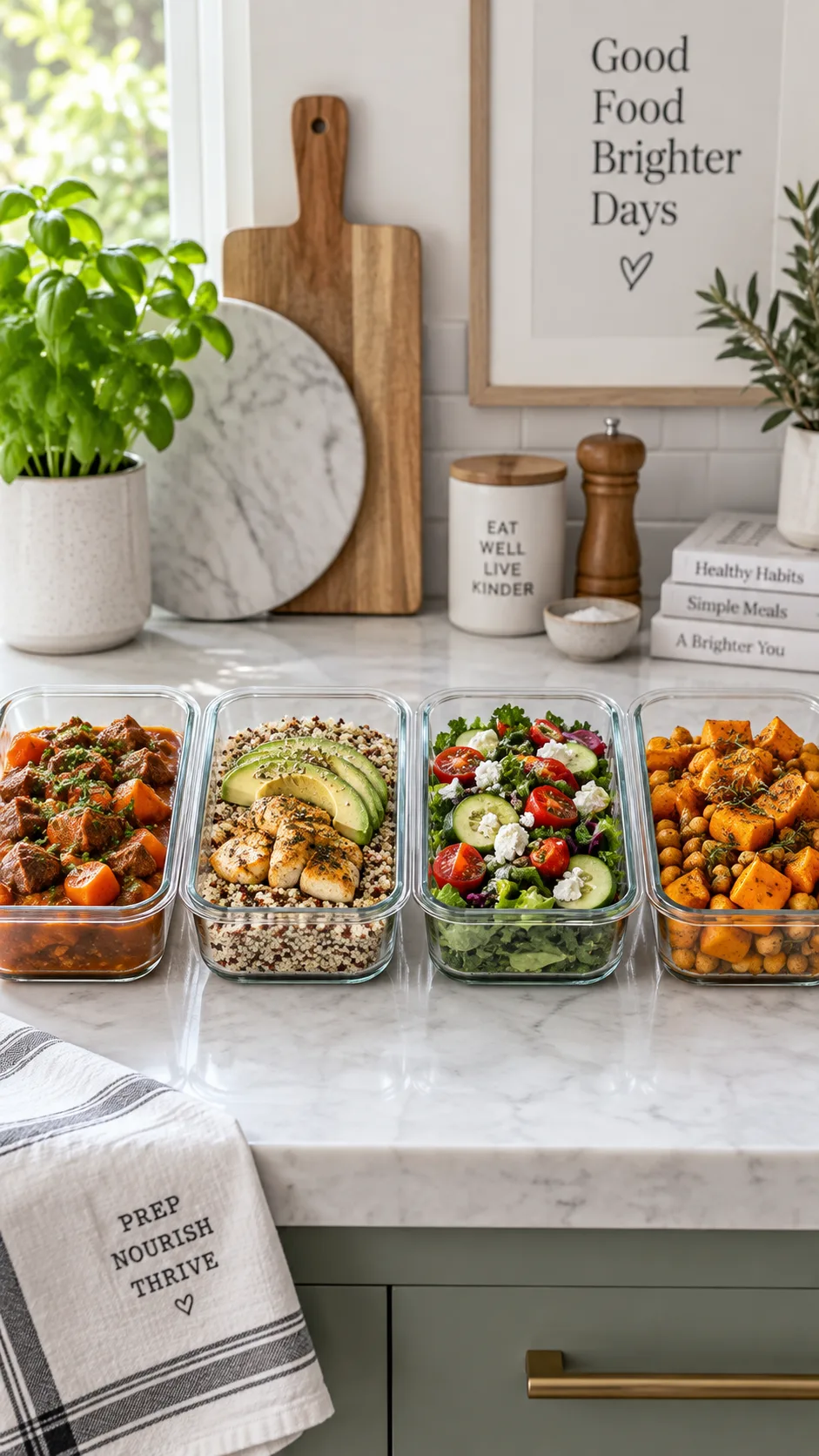
You don’t need four separate meal plans. You need small, deliberate shifts.
- Menstrual week: Beef and vegetable stew, lentil soup with a squeeze of lemon, salmon with roasted sweet potato, dark chocolate and almonds, ginger tea.
- Follicular week: Overnight oats with kefir and berries, quinoa bowls with grilled chicken and broccoli, eggs with sauerkraut, big colorful salads.
- Ovulatory week: Raw veg and hummus, salmon salad with flaxseed, beet and arugula bowls, smoothies with spinach and berries, lighter portions if appetite drops.
- Luteal week: Bigger breakfasts, roasted squash with chickpeas, turkey chili, Greek yogurt with pumpkin seeds, 2 squares of 85% dark chocolate, planned rather than sneaked.
Mistakes people make with cycle syncing
1. Treating day numbers as gospel
If your cycle runs 32 days, your “day 14” advice is useless. Track symptoms, not just dates. Cervical mucus changes, basal body temperature, and energy levels tell you far more than a generic app prediction.
2. Ignoring total calories and protein
You can eat perfectly “phase-appropriate” foods and still under-fuel yourself into a missing period. Chronic under-eating shuts down ovulation faster than any single food choice. Get enough overall. Then optimize.
3. Forgetting that hormonal birth control changes everything
Combined hormonal contraceptives suppress ovulation, so you don’t have the natural hormonal fluctuations cycle syncing is built around. You can still eat well, but the phase-specific logic mostly doesn’t apply. That’s just biology, not a judgment.
4. Overcomplicating it into a part-time job
If your cycle syncing routine requires four spreadsheets and a colour-coded pantry, you’ll quit by month two. The 80/20 version (more iron on your period, more fiber at ovulation, more food and magnesium in the luteal phase) delivers most of the benefit.
Does cycle syncing help with weight loss?
Indirectly, yes. Not because it burns fat magically, but because it stops the binge-restrict cycle that wrecks most people’s progress. When you feed yourself properly during the luteal phase, you don’t blow up your week in a single Tuesday night.
It also helps you stop panicking about the scale. You can hold 2 to 5 pounds of water weight before your period, and that’s fluid, not fat. Weigh yourself at the same phase each month if you weigh at all. Comparing day 3 to day 27 is statistically meaningless and emotionally brutal.
If you’re combining this with a structured calorie target, something flexible like these filling calorie-controlled meal plans works better when you allow yourself a higher intake during luteal week. Rigid numbers plus hormones equals failure.
When to talk to a doctor
Food helps. Food is not a replacement for medical care. See a healthcare provider if you experience:
- Periods that stop for three months or more without pregnancy
- Pain severe enough to keep you home from work or school. That’s not “normal cramps,” that’s a red flag for endometriosis
- Soaking through a pad or tampon every hour for several consecutive hours
- Cycles shorter than 21 days or longer than 35 on a regular basis
- Severe mood symptoms that disrupt your relationships or work. PMDD is real and treatable
The NHS guidance on period problems is a solid, no-nonsense starting point if you’re unsure whether what you’re experiencing counts as normal.
The bottom line
Your hormones shift every single week. Eating the exact same way for 28 days and expecting consistent results is like wearing the same outfit through four seasons and wondering why you’re uncomfortable.
Start simple. Add iron during your period. Lean into whole carbs and fermented foods while estrogen rises. Load up on fiber around ovulation. Eat more, with intention, during your luteal phase, and stop apologizing for it.
Track one cycle. Notice the pattern. Adjust one thing. That’s the whole method, and it beats any 30-day challenge you’ll see advertised this week.
Your body isn’t broken or unpredictable. It’s cyclical, and it’s been trying to tell you that for years. Maybe it’s time to listen. What phase are you in right now?